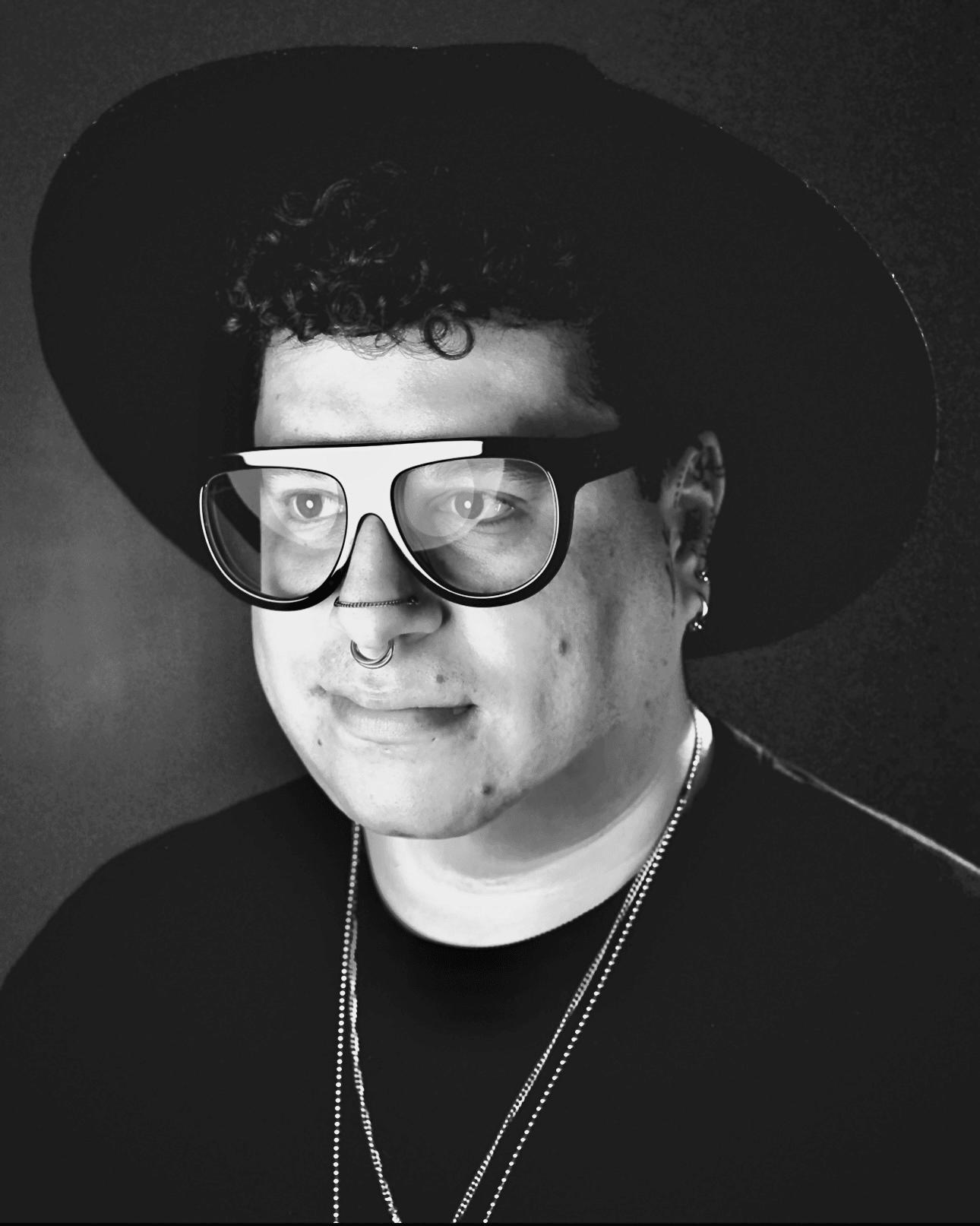

We’re excited to introduce you to the always interesting and insightful Vic Rodriguez Tang. We hope you’ll enjoy our conversation with Vic below.
Alright, Vic thanks for taking the time to share your stories and insights with us today. Did you always know you wanted to pursue a creative or artistic career? When did you first know?
Before shifting to higher education three years ago, I worked as a designer and art director for 15 years in the Dallas and Austin areas. Even though teaching is my full-time job, I have continued to foster relationships with freelance clients to continue my creative practice.
I have always considered myself a creative person. Since I was little, I have been interested in dance, theater, arts and crafts, etc., but it wasn’t until my first year in college that I realized I could make a living as a creative. I tried different mediums, such as photography, drawing, painting, and sculpture. Still, everything clicked for me in my Art Appreciation and 2D Design classes taught by David Willburn at Dallas College, which back then was Eastfield College. I clearly remember watching a video by Guillermo Gomez-Peña that was eye and mind-opening, and understanding how someone like me could fit into the landscape of art and design.
From there, it was off to the races! I started taking classes in different art-related subjects and design classes, eventually leading to my first job as a production artist and eventually an internship in the web-design team at Fossil.
Vic, before we move on to more of these sorts of questions, can you take some time to bring our readers up to speed on you and what you do?
My first step into becoming a designer and art director really started during my internship at Fossil during my last semester at Texas A&M-Commerce, where I graduated with a BFA in Visual Communication. Before this internship, I worked as a production artist or design assistant because I didn’t have much experience or a degree in design. I also didn’t have a strong portfolio until my senior year in college, which is crucial when interviewing for internships, entry-level jobs, or any job in general in this field. From there, I spent the next 12 to 13 years working for clients in different settings.
As a young designer, I wanted to try it all and diversify my portfolio as much as possible. I worked in web design and point-of-sales marketing, UX/UI, print design, branding, and social media, and I even got to work on commercials and launches for big brands and events. I was able to have a very diverse portfolio pretty quickly, and back then, I didn’t see many people specializing in one type of design, as a lot of us were growing as creatives as the landscape quickly started to change with technology.
After trying almost everything, I focused primarily on branding and logo design. I had incredible professors and mentors at Texas A&M-Commerce, such as Josh Ege, James Ewald, and Lee Hackett, who helped me propel my career in this area. I took several classes with Josh Ege, where he could see my potential as a logo and brand designer before I realized it. It was at Texas A&M-Commerce that everything started coming together for me. It was later reinforced by my incredible professors, such as Jeff Davis, Alice J. Lee, and Grayson Lawrence, at Texas State University, where I was a grad student for a couple of semesters, and at Vermont College of Fine Arts, where I found a wonderful community and where eventually I graduated from with my MFA in Graphic Design after being mentored by Tasheka Arceneaux-Sutton, Silas Munro, Lorena Howard-Sheridan, Ziddi Msangi, and other incredible faculty for two years.
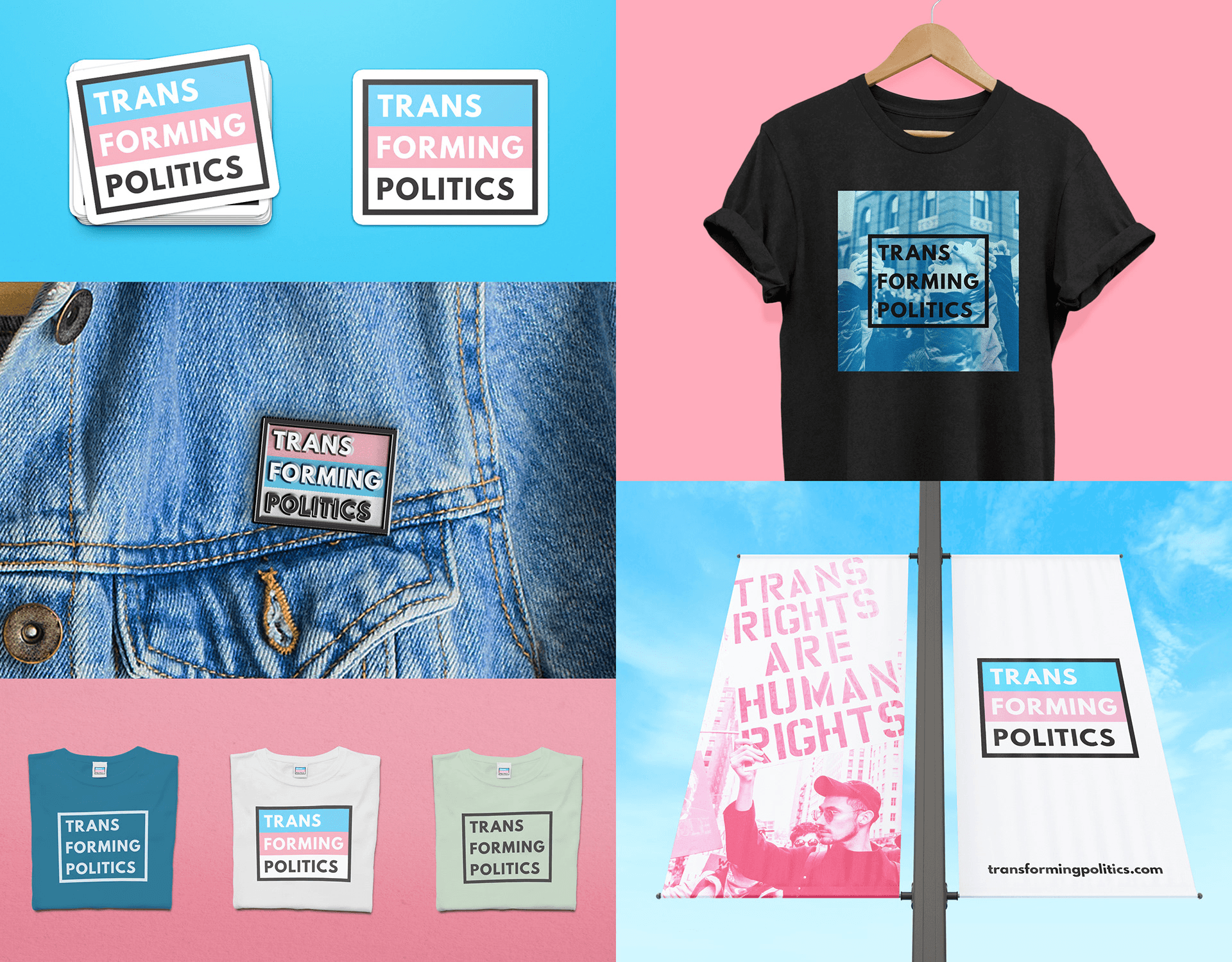
Throughout the years, my work in branding has mainly focused on social impact and social good. I have worked with clients and on personal projects that had a purpose that could benefit society. Once I shifted to higher education, this translated into the classes I’ve been teaching and the project briefs I assign to my students.
My main research area focuses on the ever-evolving topic of gender biases in graphic design. My research has speculated and continues to discover that creatives sometimes don’t realize that they’re biased when creating new work since these biases have been ingrained in us since an early age. Throughout the years, I have worked to develop different tools based on my research and findings that address simple questions with more complex roots, such as “Why is pink typically associated with femininity?”
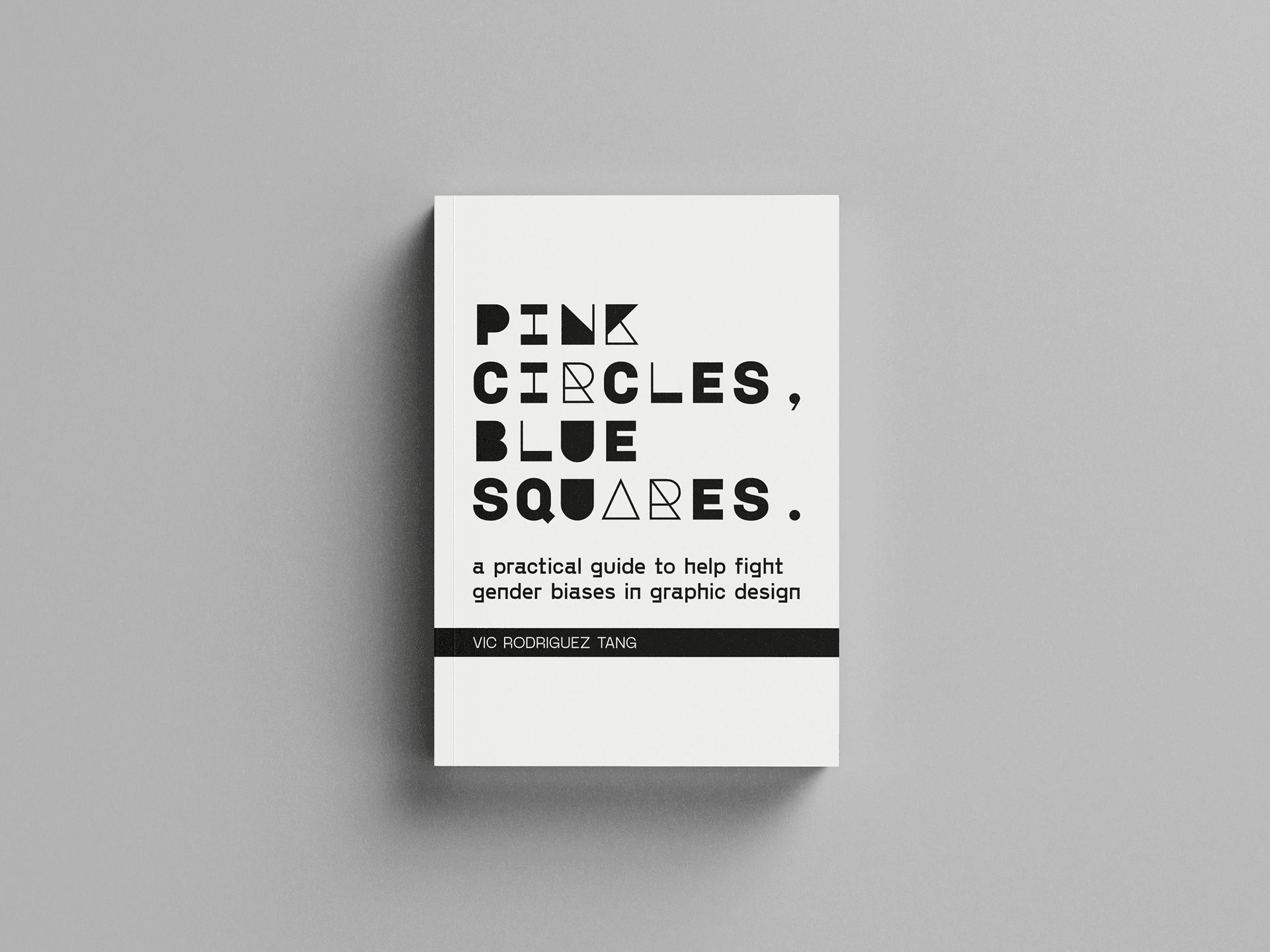
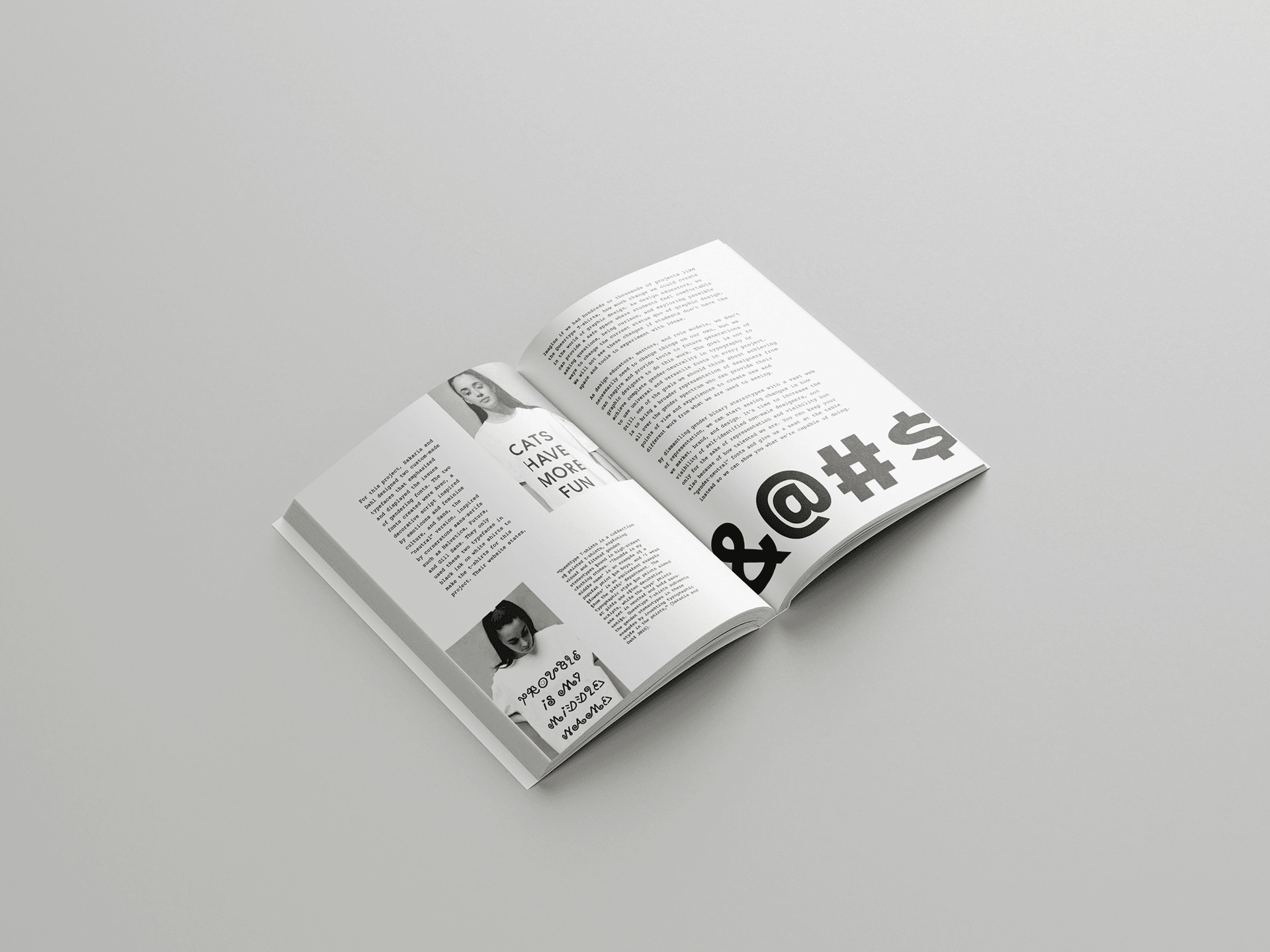
As an educator, I aimed to develop an approachable tool to help others facilitate conversations about this topic, especially in design. I have done so through my book, “Pink Circles, Blue Squares: A Practical Guide to Help Fight Gender Biases in Graphic Design.” My approach was to create an accessible and inviting resource that compiles historical and sociological aspects of the origins of gender biases in graphic design and provides information that can be used as a starting point. My book also provides exercises, workshops, tips, and other critical information that others can take to facilitate a safe space and further the conversation regarding gender biases in graphic design. As I continue my research, my goal is to continue expanding my research to bring that information in a digestible manner and apply it to my pedagogy.
As in today, my work has been recognized by TEXAS Research’s Hamilton Book Awards, The Dallas Society of Visual Communication, The One Show in New York, HOW’s Logo Design Awards, Fast Company, PRINT Magazine, and HOW’s International Design Awards.
Can you share a story from your journey that illustrates your resilience?
One thing that I wish I could see more from colleagues, other designers, and creatives in general is learning about their stories. Not only their successes but their challenges, failures, and anything in between that made them who they are. For example, it was challenging and almost shameful to talk about where I came from and what it took to get to where I am not. My family and I immigrated in the early 2000s, and we were undocumented for several years before we were able to get pertinent residence and citizenship. We came to this country with some cash and a few suitcases, chasing the American dream. We had a lot working against us in this country, but we were able to find opportunities that propelled us forward.
As the older one of four kids, I always felt the responsibility to pave the way for my siblings even if I had so many things working against me, such as not speaking English, being an immigrant, being queer, and many more. But one thing that I learned well from my parents is tenacity, and I never gave up. I never took no for an answer when I was determined to do something. When I was in high school, I didn’t even know if a high school diploma would be possible, and going to college seemed like something impossible. Still, I found ways to make it happen, and I was resilient until I achieved every goal I had set myself to accomplish. It wasn’t easy, it wasn’t cheap, and sometimes it didn’t even seem possible, but now I sit here with three college degrees and work as a professor for one of the best schools in Central Texas.
In your view, what can society to do to best support artists, creatives and a thriving creative ecosystem?
I think it all starts at an early age. One thing I’ve seen in my community, and other POC communities, is to discourage kids from pursuing a career in something creative or artistic because ‘it won’t make them money.” There is a misconception, especially with older generations, that creative endeavors will not get you far or even put food on the table. My parents were this type of person, and once I got into college, they wanted me to pursue a career that would make me money, such as being a business major, a lawyer, etc. It was an uphill battle, and eventually, I had to leave my parents’ home at 19 to be able to pursue a career as a designer. Still, now that they have seen me do everything I have done so far, they understand why I did what I did and that I can pursue a career that brings them joy and pays the bills. I hope that current and future generations, especially in POC communities, can end this stigma and support their kids in pursuing careers as artists or creatives so we can have more representation in those fields.
Contact Info:
- Website: https://yosoyvic.com/
- Instagram: @vicrodrigueztang
- Linkedin: https://www.linkedin.com/in/yosoyvic/