

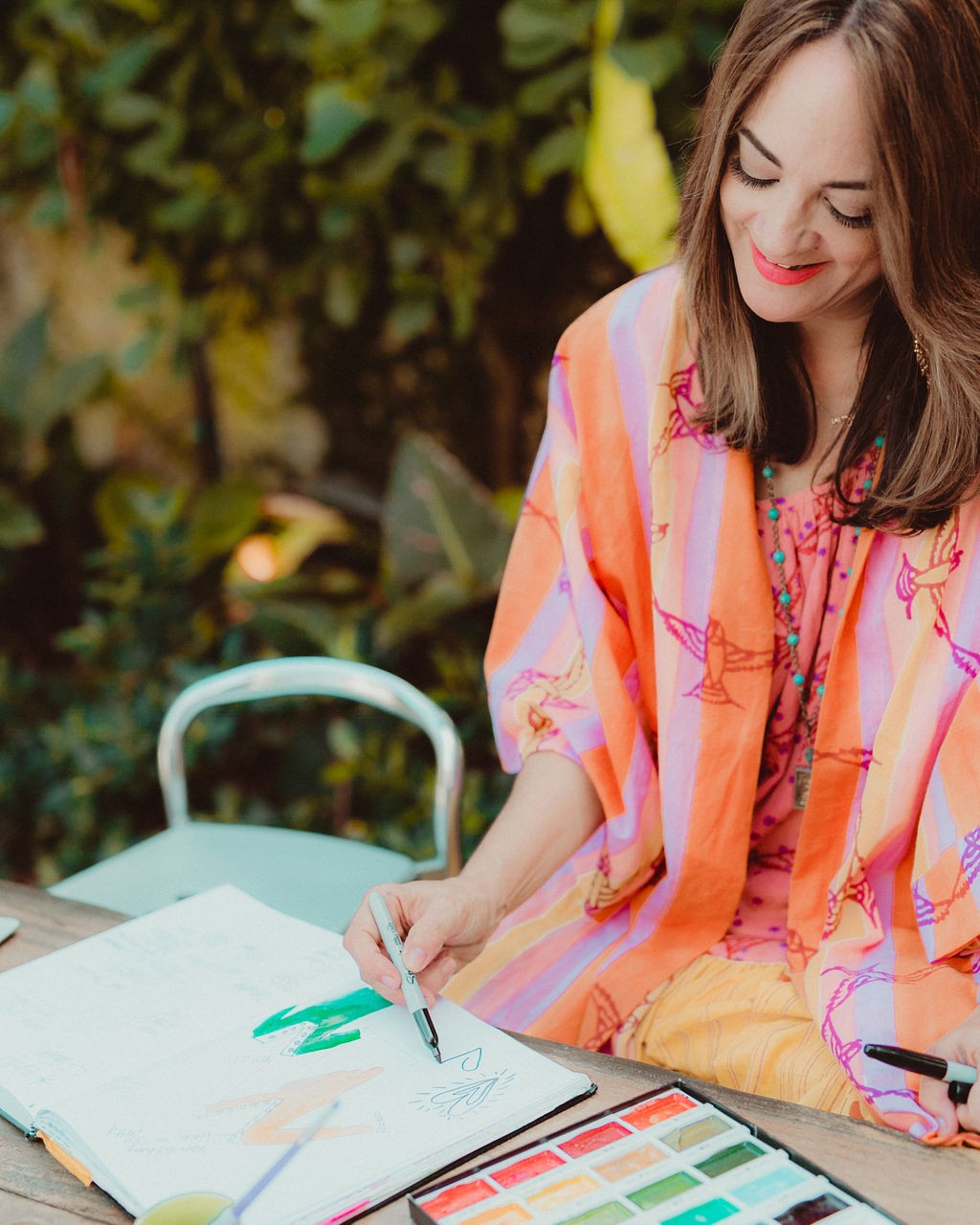

We caught up with the brilliant and insightful Veronica Pesantes a few weeks ago and have shared our conversation below.
Hi Veronica , thanks for joining us today. We’d love to have you retell us the story behind how you came up with the idea for your business, I think our audience would really enjoy hearing the backstory.
I want to talk about how and why I came up with the idea to pivot my business from apparel to home goods.
My best friend and I cofounded The Onikas in 2015. Our sustainable fashion collection’s bohemian ethos drew on our combined 30 years in the arts from studio work to museum positions. Collaborating with artisans worldwide, cultural preservation and sustainable production have always been at the forefront of our practice. My goal is to bring that same level of commitment to home textiles.
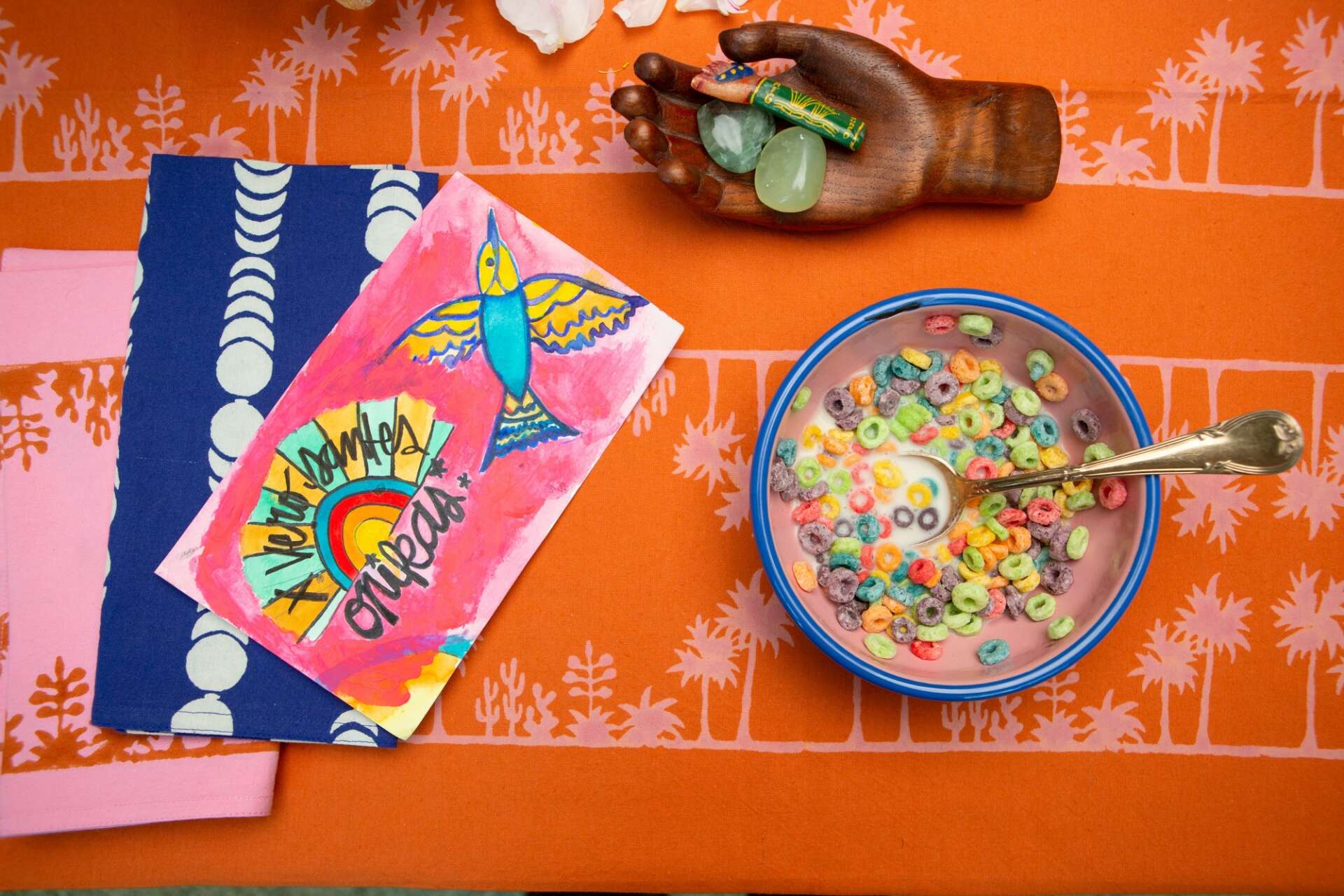
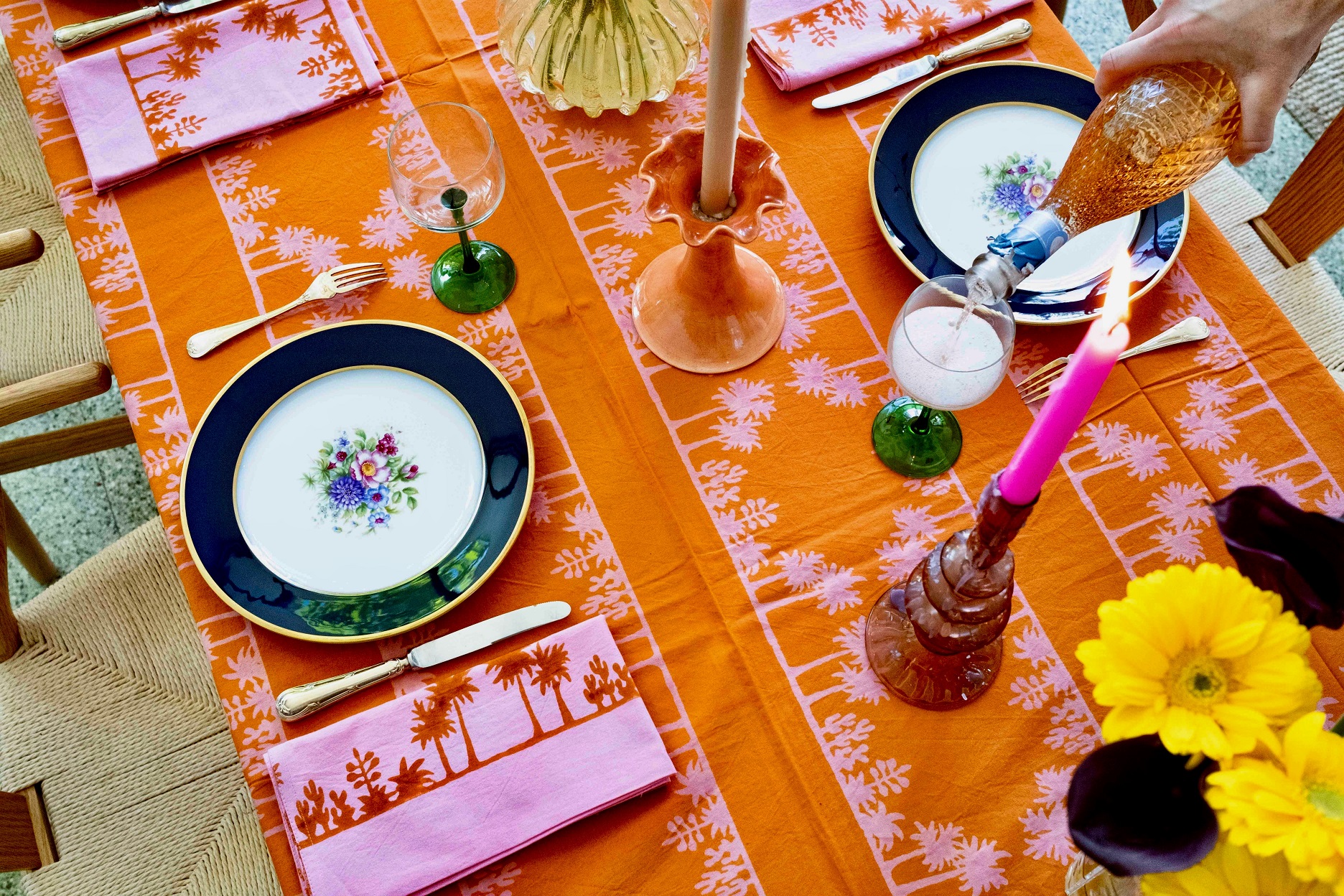
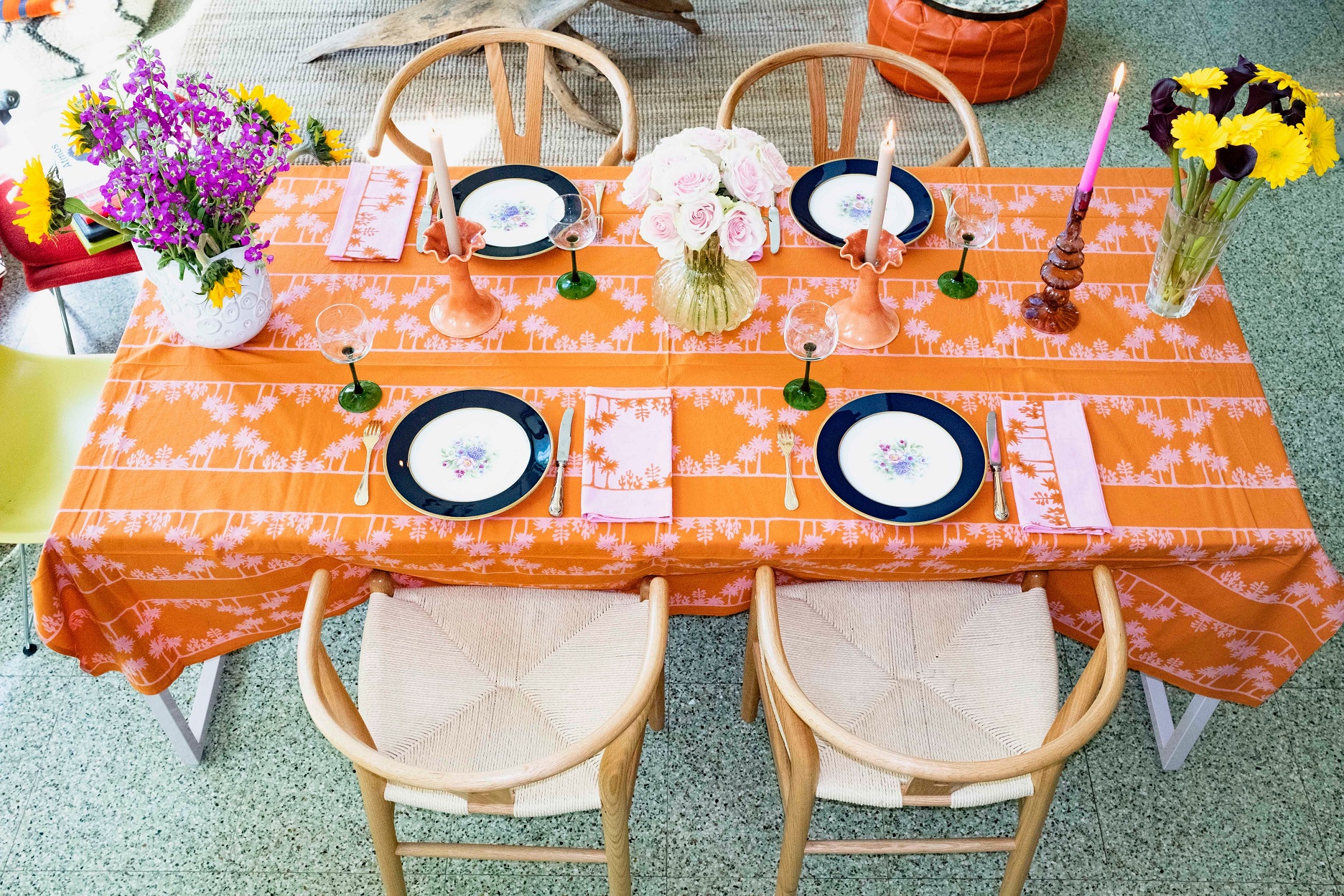
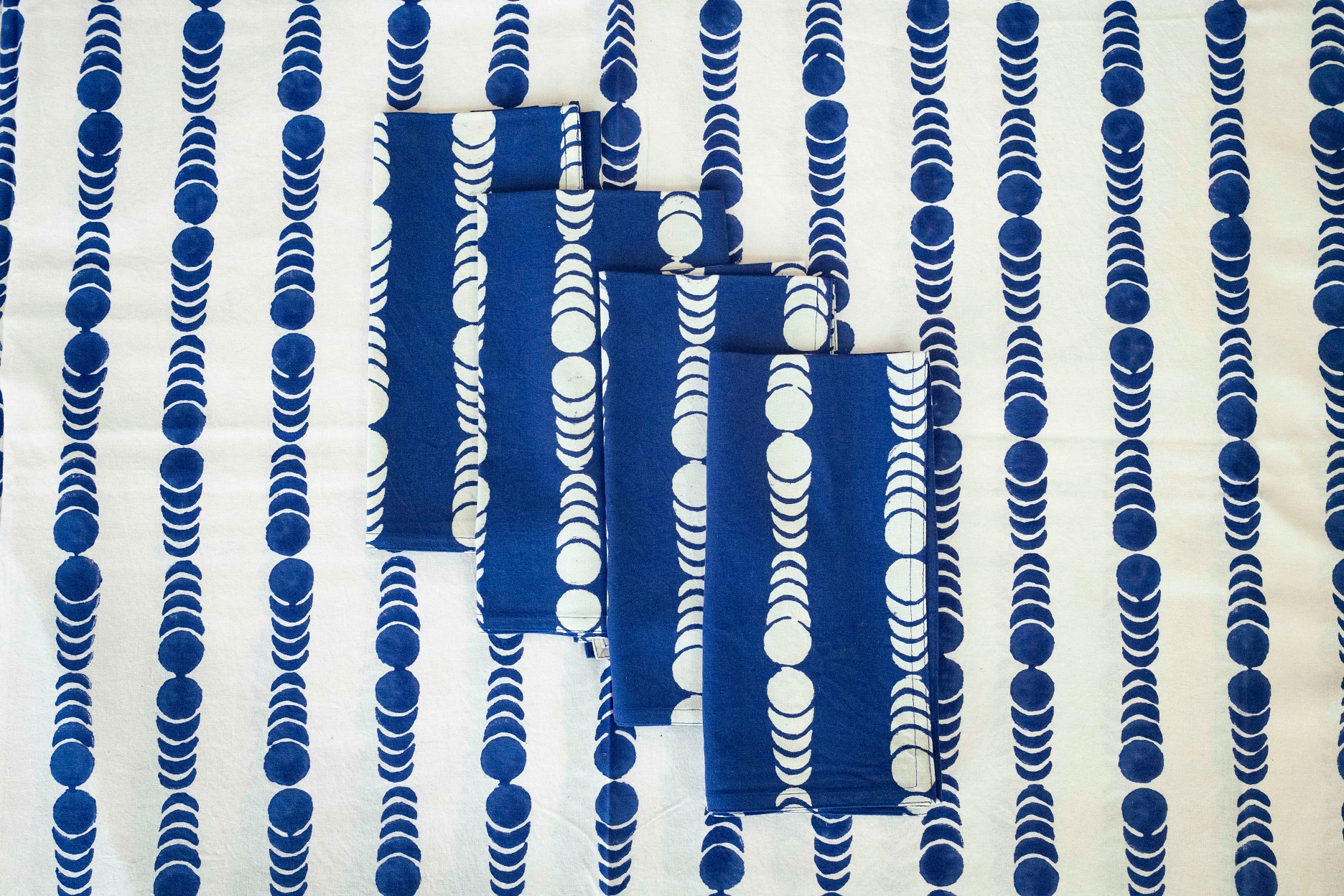
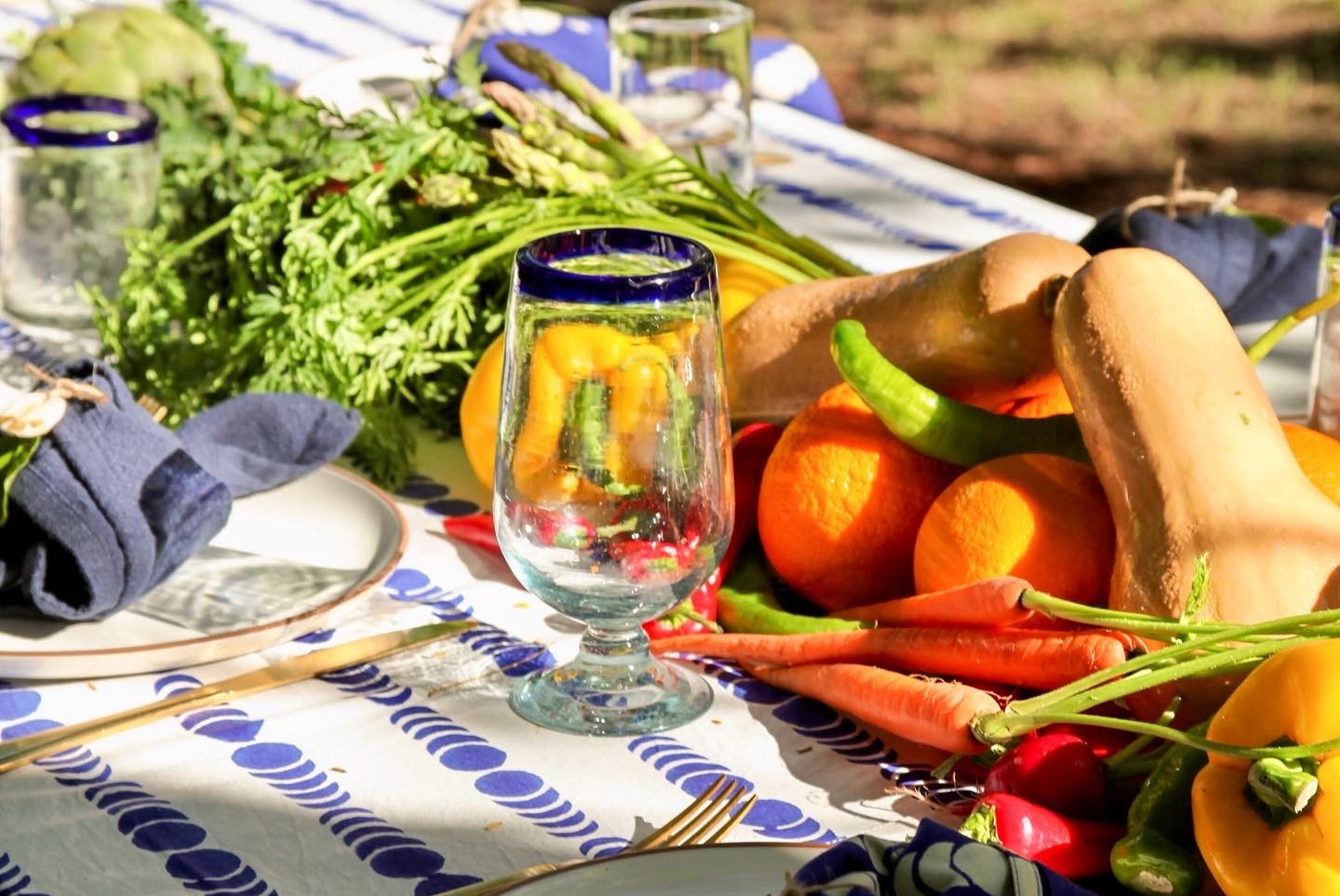
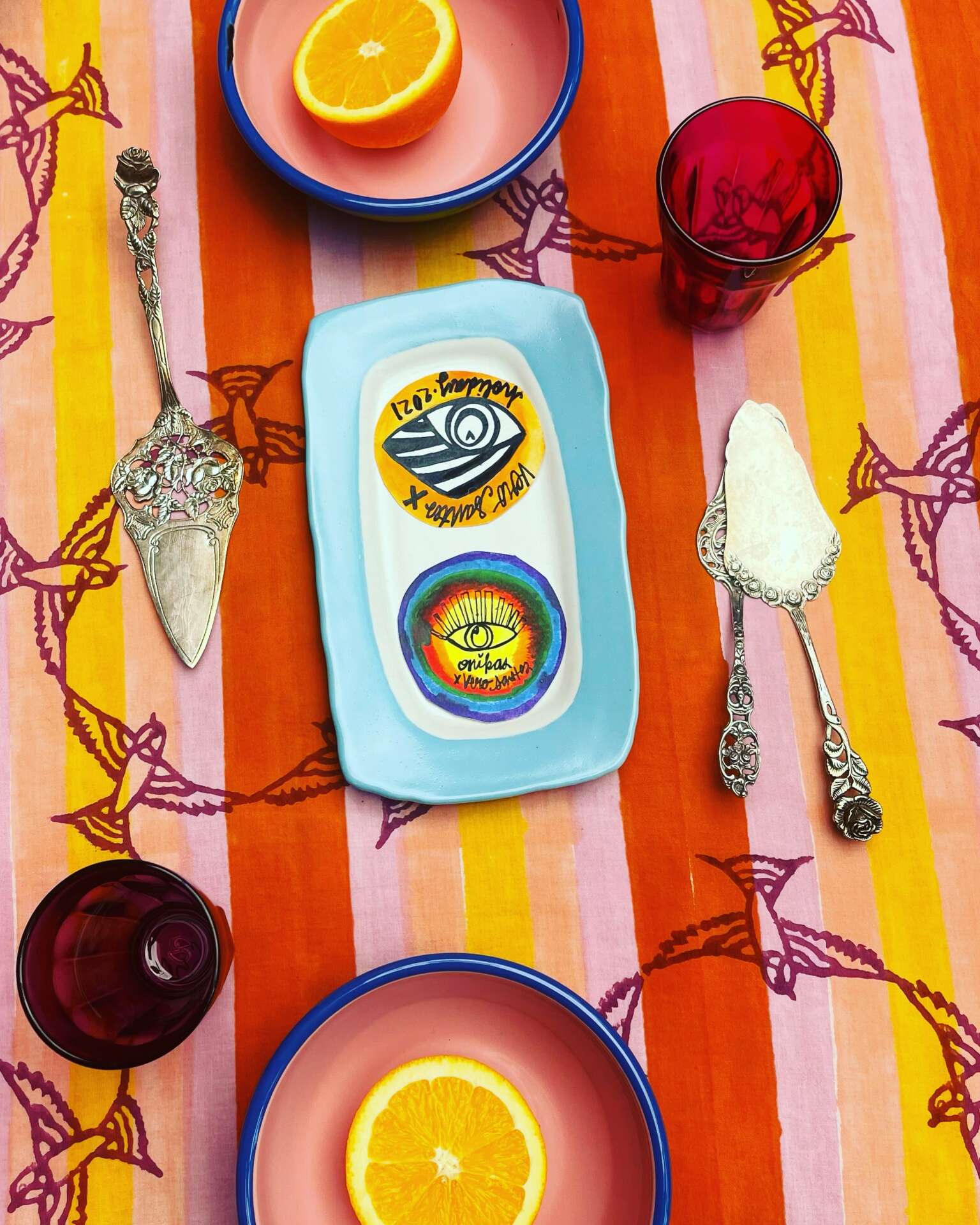
Vero Santes Home is a home textiles capsule collection by The Onikas. Launching in Spring 2022, this exciting collection of tablecloths and napkins is perfect for gifts and celebrations of all sorts such as weddings, bridal showers, Mother’s Day and summer entertaining. I believe every meal is a cause for celebration, made all the better with pretty tablescapes, delicious food and good company. The inaugural collection features eight, hand-block prints custom-designed by the Onikas for textiles made in India by master artisans.
The Vero Santes home capsule collection for The Onikas was born out of a passion for inspirational tablescapes with textiles that spark joy. The collection is well-made and functional yet festive and fun. Prints originate from exclusive sketches and watercolors featuring sacred symbols, geometrics and natural elements. Its mission is to create meaningful, timeless heirlooms that are treasured for generations.
The story behind the collection:
My grandmother walked to church every day at six in the morning. This silent ritual was a walking meditation. I continue to incorporate that sense of ritual into my daily life and enjoy making the mundane sacred.
Similarly, my mom set our dinner table every night with fine china and silver and heirloom linens. Everything matched and had its proper place. My bohemian spirit loved the performativity of her perfect tablescape but longed for playful spontaneity.
I neither embrace my grandmother’s religion, nor my mother’s sense of perfection. But I do honor the ritual and the celebratory aspect of setting a pretty table. During the pandemic, I found ways to stay creative and keep a sense of gratitude and joy. One of the things that comforted me was cooking for my daughters.
I channeled my mother’s making every meal a celebration by pulling out all of my special occasion tableware collected over the years and improvising with other random items lying around the house. I realized that I didn’t like any of my table linens, and none of the napkins or tablecloths for sale spoke to me. Everything was either too traditional, fussy or boring. So, I decided to make my own.
More than shelter, a home serves as a sacred space to retreat and replenish our souls from the outside world. I hope this home collection also inspires creativity. Rather than setting a matchy-matchy table like a fashion outfit, it’s meant to mix and match within the collection as well as with your own pieces to discover and define your personal style. The goal is to entertain with joy, no matter the occasion, company or recipe.
I appreciate the ritual of setting the table as an opportunity to be present and rejoice. Rejoicing in ordinary things is not sentimental or trite. It actually takes guts. Each time we drop our complaints and allow everyday good fortune to inspire us, we enter the warrior’s world.”
-Buddhist Pema Chodron
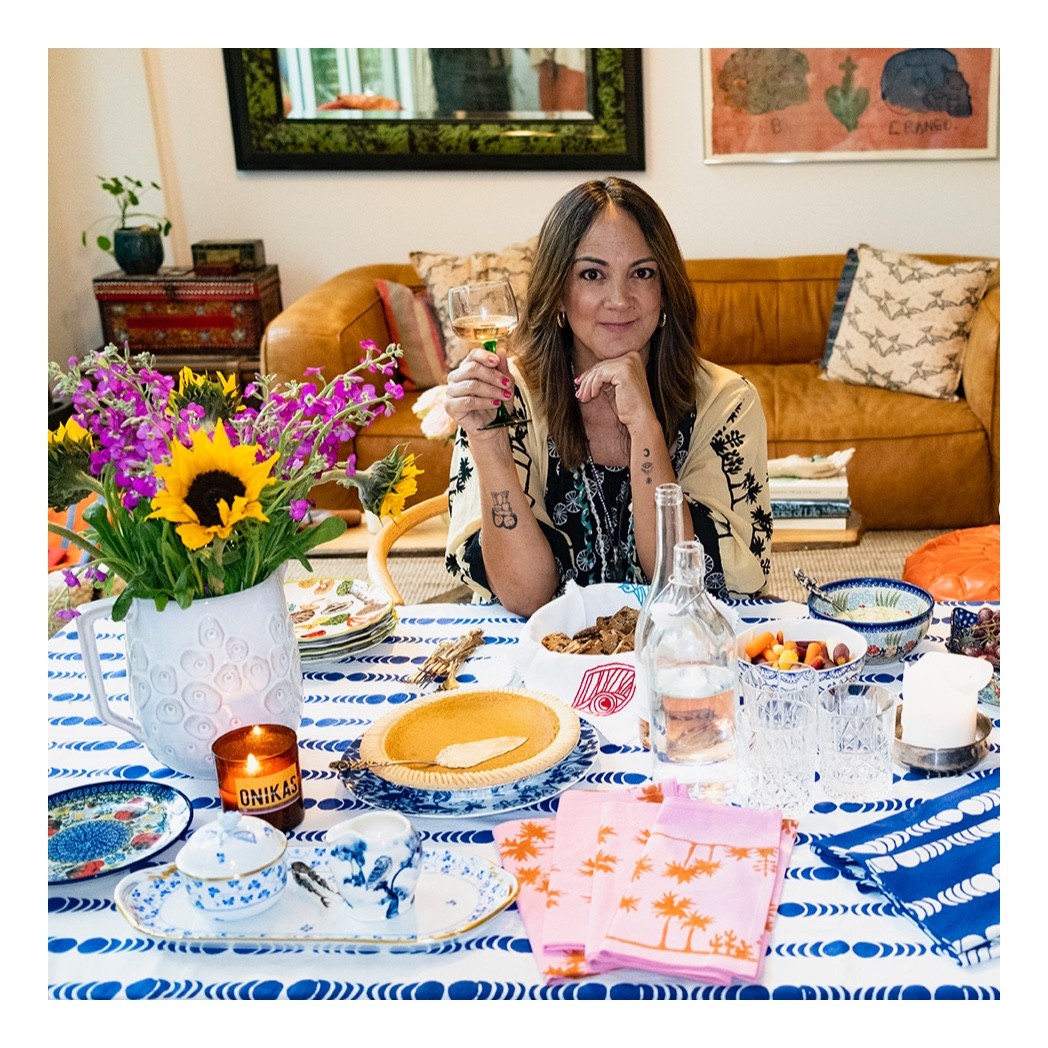
Veronica , love having you share your insights with us. Before we ask you more questions, maybe you can take a moment to introduce yourself to our readers who might have missed our earlier conversations?
All of products are handmade in Ecuador and India by artisans devoted to the preservation of culture via handmade textiles. We design everything ourselves, all the prints originate with a watercolor or a sketch. tis is radically different for most textile brands who design the product but not the print. We have an ethical, transparent supply chain and only work with family-owned workshops. We believe in small-scale production, fair wages, and community building.
The Problem we solve:
Our customers, who ranges in age from high schoolers to their grandmothers, have these things in common, they care about the environment, they eat organic, they are socially conscious and have a passion for sustainability. We take care in choosing what we put in our body, our brand promotes extending this care to the integrity of clothing we wear and the textiles we use in our home. We see the home as a living entity that also needs nurturing. Working from home in the last two years has shown all of us the need to feel inspired in our home. More than shelter, a home serves as a sacred space to retreat and replenish our souls from the outside world.
Have you ever had to pivot?
Hello…. COVID! While we sold masks and bandanas during the pandemic, our production stopped. India was hit hard and our partners shut down the workshop to help the community by offering medical support. It was time to PIVOT. And we all spent ALOT of time at HOME so… I took the bohemian, sustainable ethos from my clothing brand and into homeware. Tableware became a way to bring my colorful, meaningful textiles into everyday life regardless of the season. I had done a similar pivot almost 20 years ago with my first brand after 9/11. It was that experience as the founder of Vero Santes Accessories, a mission-driven brand that worked with artisans in 2000, before the term sustainability became “a thing., that paved the way for this recent pivot. Back then went from producing goods to consulting for other designers who wanted to launch a brand. This time Covid led me to found another consulting branch, www.thedecolonizingproject.com. During the lockdown phase of the pandemic year, twenty years after the start of my journey in sustainable textiles, I had more time to deep dive into the harmful and wasteful effects of the fashion industry and I had the realization that while I was still passionate about designing textiles I wanted to distance myself from producing more clothing, and form colonialism. I wanted to get back to my passion, my graduate work in Latin American Colonial Art and Critical Theory. That was my focus at graduate school at University of Chicago back in the 90’s, I focused on the lingering effects of colonialism in visual culture and language. Later, as an art educator, I witnessed first-hand how the prevailing narrative of the West as a beacon of “progress” erased marginalized voices. As a consequence of the Black Lives Matter, new voices in sustainability are finally being heard. The aim of this platform is to provide a more inclusive version of sustainability, and to explore the decolonizing movement as it applies to a variety of disciplines. Colonialism is not a place in the past, a period that dates roughly from the 1492- 1826, it’s very much present in our day to day life. Seemingly neutral cultural constructs and institutions like color, language, visual culture, education, ideas of beauty, therapy, wellness, and museums are steeped in colonial paradigms. Colonialism is everywhere, hence the urgency to decolonize everything! Like Kamala said, let’s get started!

What’s been the best source of new clients for you?
Simple, word of mouth and I am recently loving LinkedIN, it’s my favorite platform at the moment. Free of the horrible algorithm on Facebook and IG that works against small biz.
Contact Info:
- Website: wwww.theonikas.com www.thedecolonizingproject.com
- Instagram: @theonikas @vero-santes @thedecolonizingproject
- Facebook: https://www.facebook.com/theonikaspath
- Linkedin: https://www.linkedin.com/in/veronica-pesantes-59219192/
Image Credits
Celia Luna, Rafael Balcazar, Jeffrey Braverman, Vero Santes, Water Thru Skin