

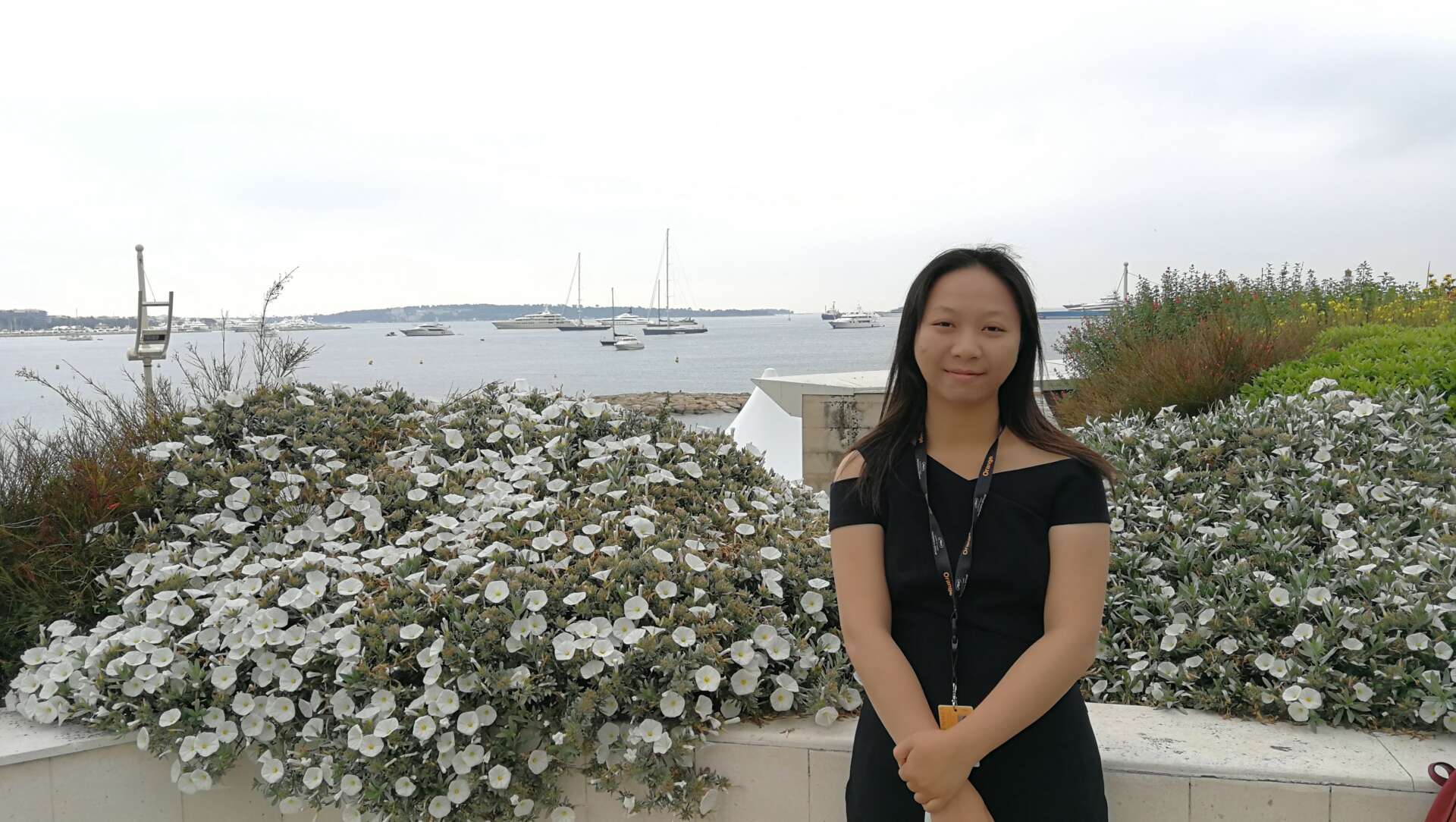

We were lucky to catch up with Vera Tin recently and have shared our conversation below.
Alright, Vera thanks for taking the time to share your stories and insights with us today. How did you learn to do what you do? Knowing what you know now, what could you have done to speed up your learning process? What skills do you think were most essential? What obstacles stood in the way of learning more?
In my journey towards becoming a sound professional in filmmaking, I’ve come to realize that learning is an ongoing process. I attended the USC School of Cinematic Arts, where I earned my MFA in Film and TV Production, with a primary focus on sound. There, I had the privilege of learning sound design, sound recording, and mixing from multiple Oscar winners and industry legends. In addition to my education, I honed my craft by working on various projects as a sound designer and sound mixer.
With the knowledge I possess today, I wish I had started treating my coursework and projects with a professional mindset as early as possible, rather than merely seeing myself as a student. This shift in attitude can significantly impact how seriously one takes projects and how quickly one can learn from them. I would have paid attention to details that I might not have as a student and known better questions to ask my esteemed professors.
I believe that passion and imagination are essential for sound professionals. Filmmaking is challenging, and a deep passion for the art and craft is what propels us forward. Sound is an imaginative and powerful storytelling tool, and being imaginative is important for a sound designer/mixer to create an engaging sound space that helps the storytelling.
The only way to keep learning is to keep working and practicing. With the strike going on and new AI technology, the industry is changing shapes and may offer less projects as it used to. However, this is a common reality for creative professionals.
Vera, love having you share your insights with us. Before we ask you more questions, maybe you can take a moment to introduce yourself to our readers who might have missed our earlier conversations?
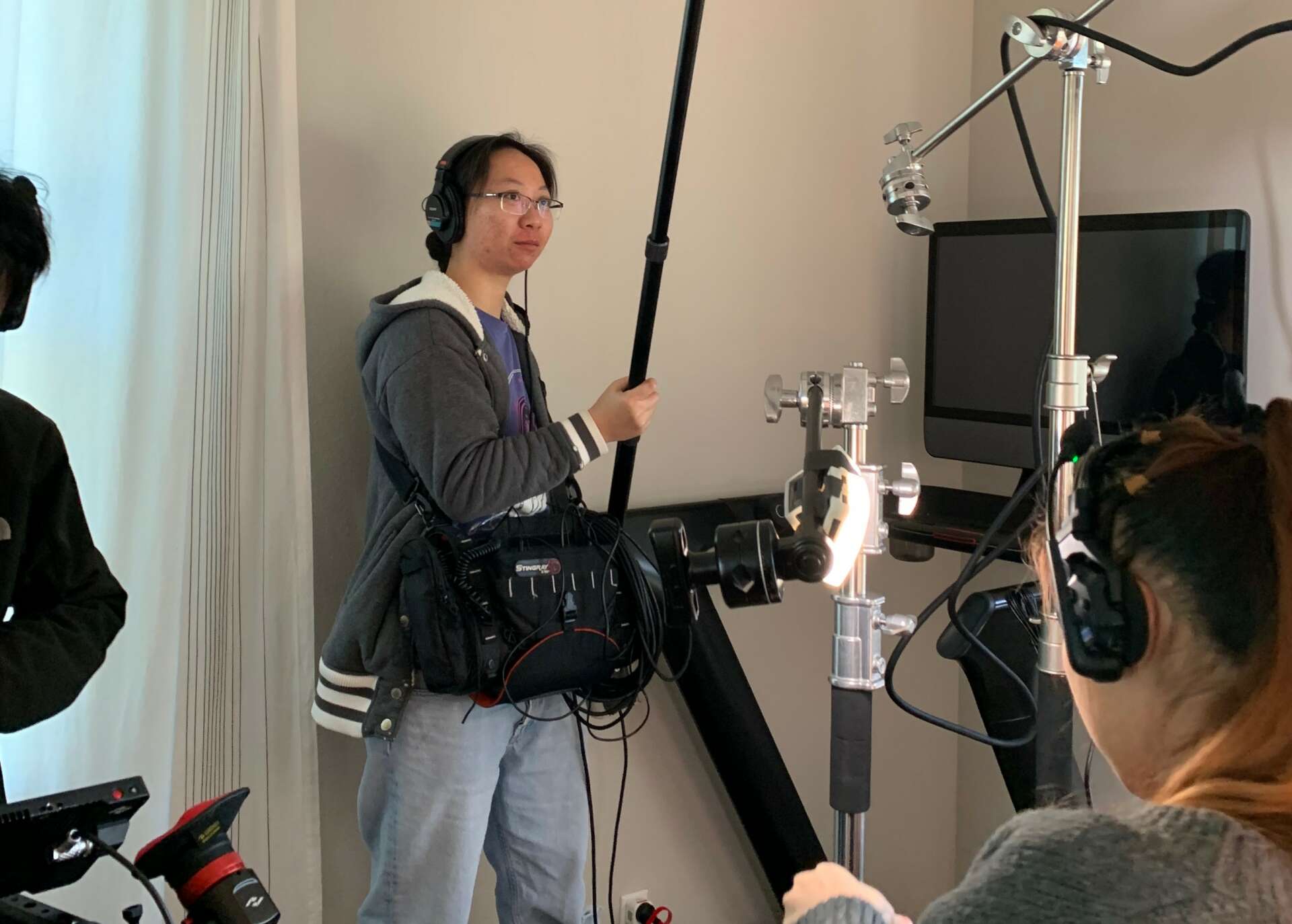
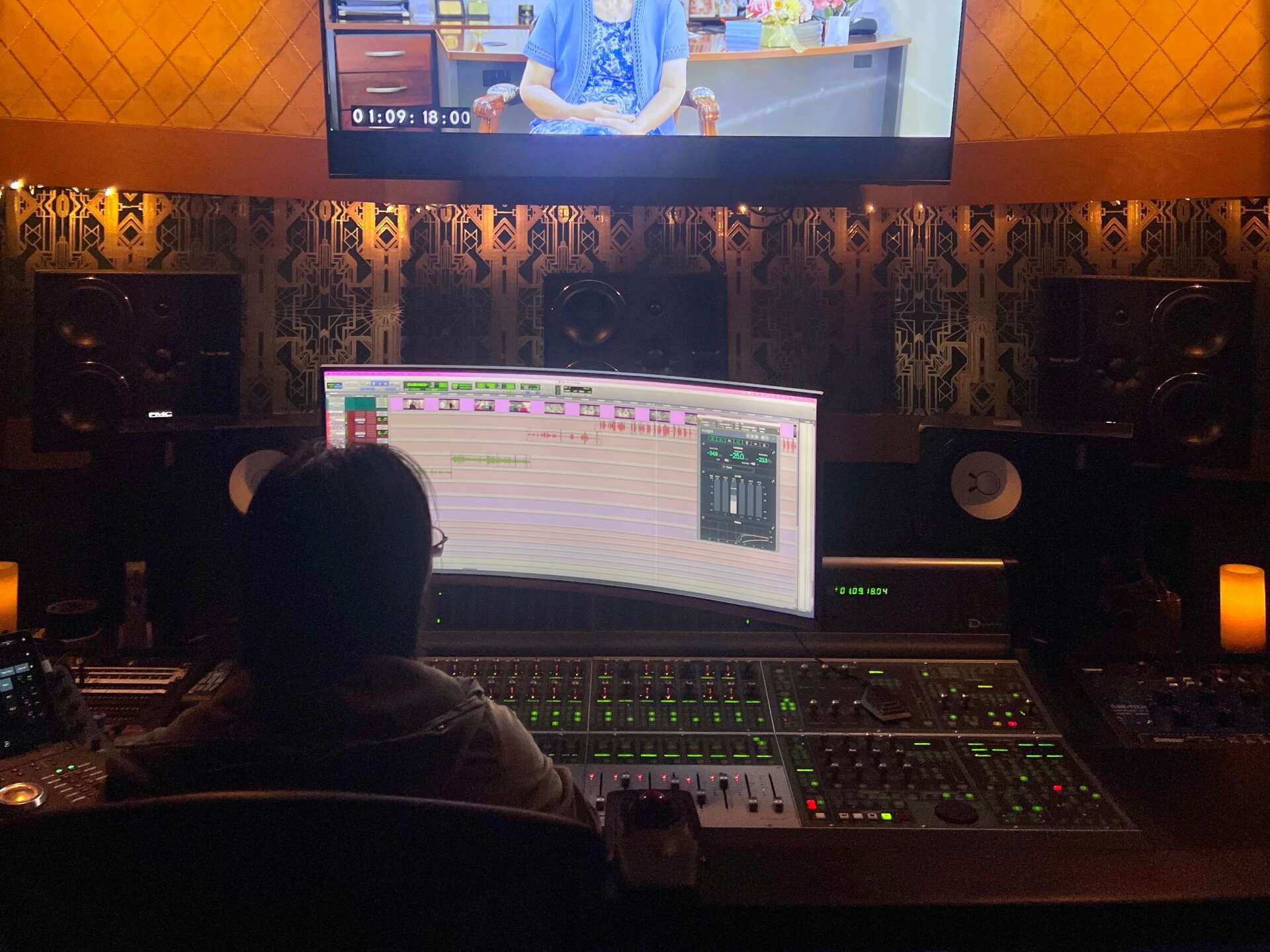
As a sound designer and sound mixer, my creative work involves capturing and creating the soundscapes to help tell the story. I first got into sound in college as a film student. At the time, sound was only an interest, and I had no idea it would become my career today. I was just experimenting and having fun creating sound for my own short films and sometimes for other student projects. After college, I learned a lot from working on documentary films as both cinematographer and production sound. When I got accepted into USC, I was determined to specialize in sound design and sound mixing.
Though my focus is on sound design and mixing now, I have been doing various positions in different projects over past years, from short films editor to the cinematographer of documentary features. With my experience, I truly understand how filmmaking is a collaborative art and know how to be a good team player and work with different people.
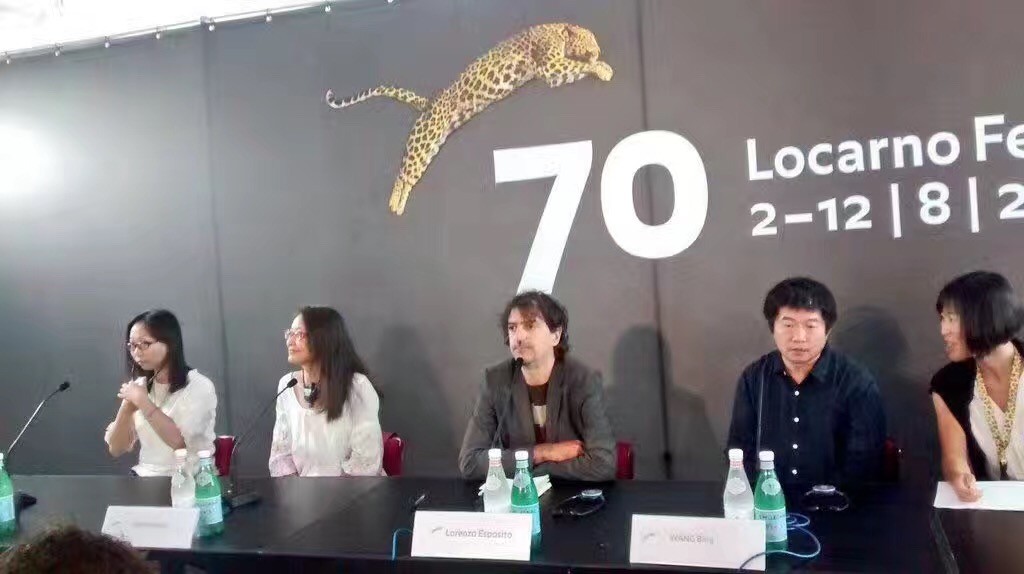
I’m really proud of how diverse the stories I have told with sound design and mixing. For example, “Apotheosis” is a sci-fi short film about the competition between two good friends, one is a genetically engineered human and the other is a natural born human; “Launch Fever” tells the story behind the tragedy of Space Shuttle Columbia; “Mrs. Fang” follows the last days of an old Chinese lady who suffered from Alzheimer’s. It’s exciting to see these great films were screened in dozens of film festivals, such as Locarno Film Festival, Toronto Film Festival, and Oscar-qualifying LA Shorts Film Festivals. Especially, “Youth (Spring)” is a documentary film I served as both cinematographer and production sound and it was nominated for Palme d’Or in Cannes Film Festival earlier this year.
What do you think is the goal or mission that drives your creative journey?
I have to admit that when I was young and knew nothing, my goal was to win major awards. But as I actually began working in the industry, I came to realize that this big dream couldn’t be my motivation for daily life and work.
At the end of the day, what keeps me going is the pure joy of learning and getting better every day, with every project. I guess my main goal now is just simply getting better at my craft.
What do you find most rewarding about being a creative?
The most rewarding part is probably that I get paid and make a living by doing what I enjoy, which I believe is true for many artists and creatives. Growing up, I was never really interested in other occupations; my passion has always been storytelling and filmmaking. I feel incredibly fortunate to work in this industry and pursue my true passion.
Another rewarding aspect for me is the flexibility to work in various locations and at different times. It’s clear that working nine to five at the same place every day has never been a dream for me.
Contact Info:
- Facebook: https://www.facebook.com/vera.tin.90/