

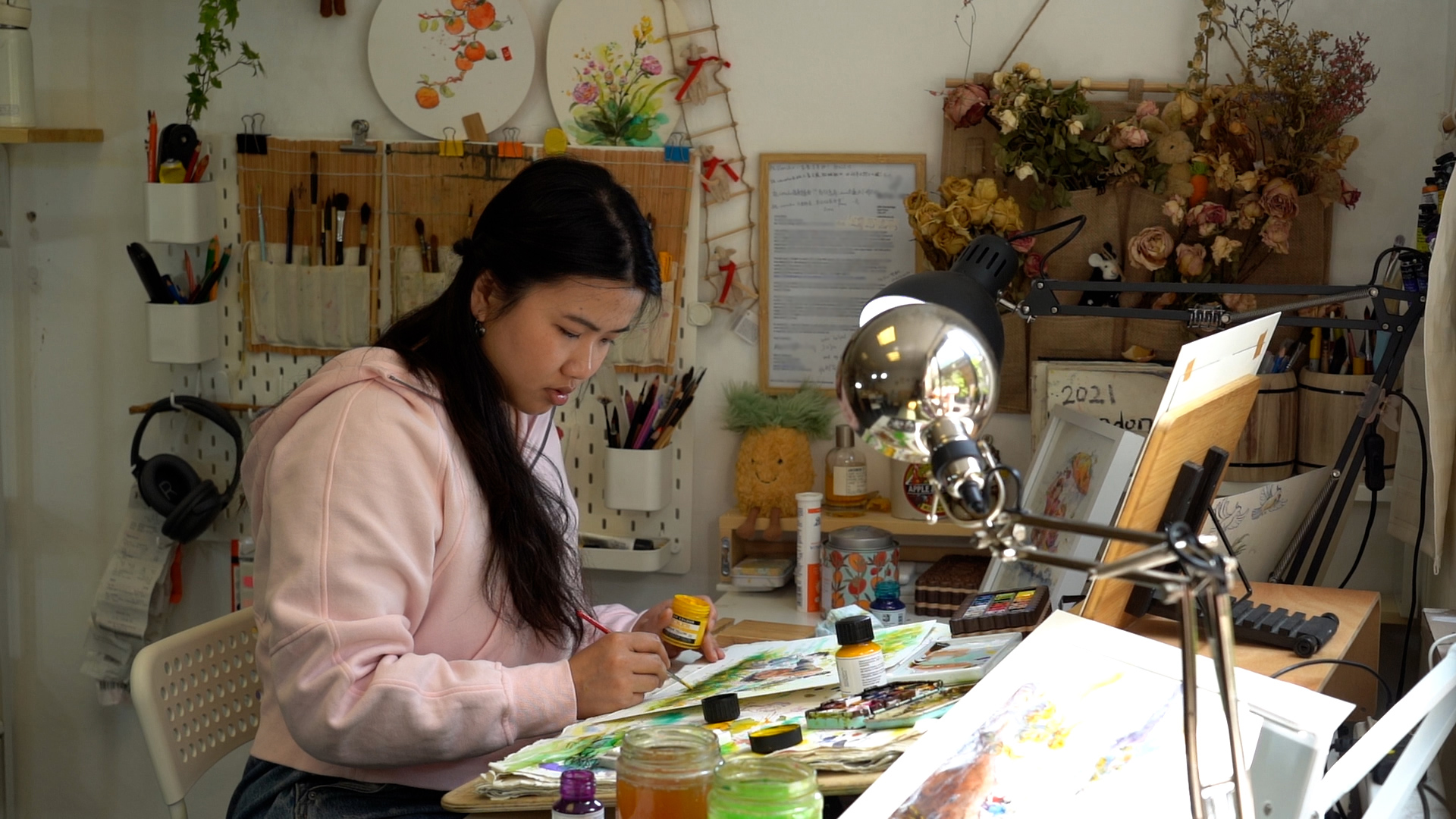

Alright – so today we’ve got the honor of introducing you to Vencho Wang. We think you’ll enjoy our conversation, we’ve shared it below.
Vencho, thanks for joining us, excited to have you contributing your stories and insights. Alright, so you had your idea and then what happened? Can you walk us through the story of how you went from just an idea to executing on the idea
I’ve never been someone who spends a long time planning before starting. My instinct is usually to build a simple version first and then begin. I prefer to learn through doing.
Because my work is centred around art education, the earliest stage was very hands-on. I first invited friends to try a class with me. That made the process feel more relaxed, because I wasn’t putting too much pressure on the outcome at the beginning. It also gave me a chance to observe how people responded, where they struggled, and what they actually needed help with.
That early testing stage was really important. It helped me understand my students’ pain points much more clearly. Instead of designing the business in theory, I was learning from real interactions: what confused beginners, what made them lose confidence, and what kind of guidance helped them grasp painting more quickly.
Only after that did I begin shaping the business more intentionally. In the first year, my main task was not expansion, but refinement. I spent that time continuously improving the structure of my classes and thinking carefully about what I could genuinely help my students with. I kept asking myself how I could make the learning process clearer, how I could help people understand the framework of painting more quickly, and how I could teach to the highest standard I was capable of.
So for me, the move from idea to execution was not one big dramatic leap. It was a gradual process of starting small, observing closely, and refining constantly. I didn’t wait until everything was perfect. I began with something simple, tested it in real life, and built the business by improving the product again and again.
Awesome – so before we get into the rest of our questions, can you briefly introduce yourself to our readers.
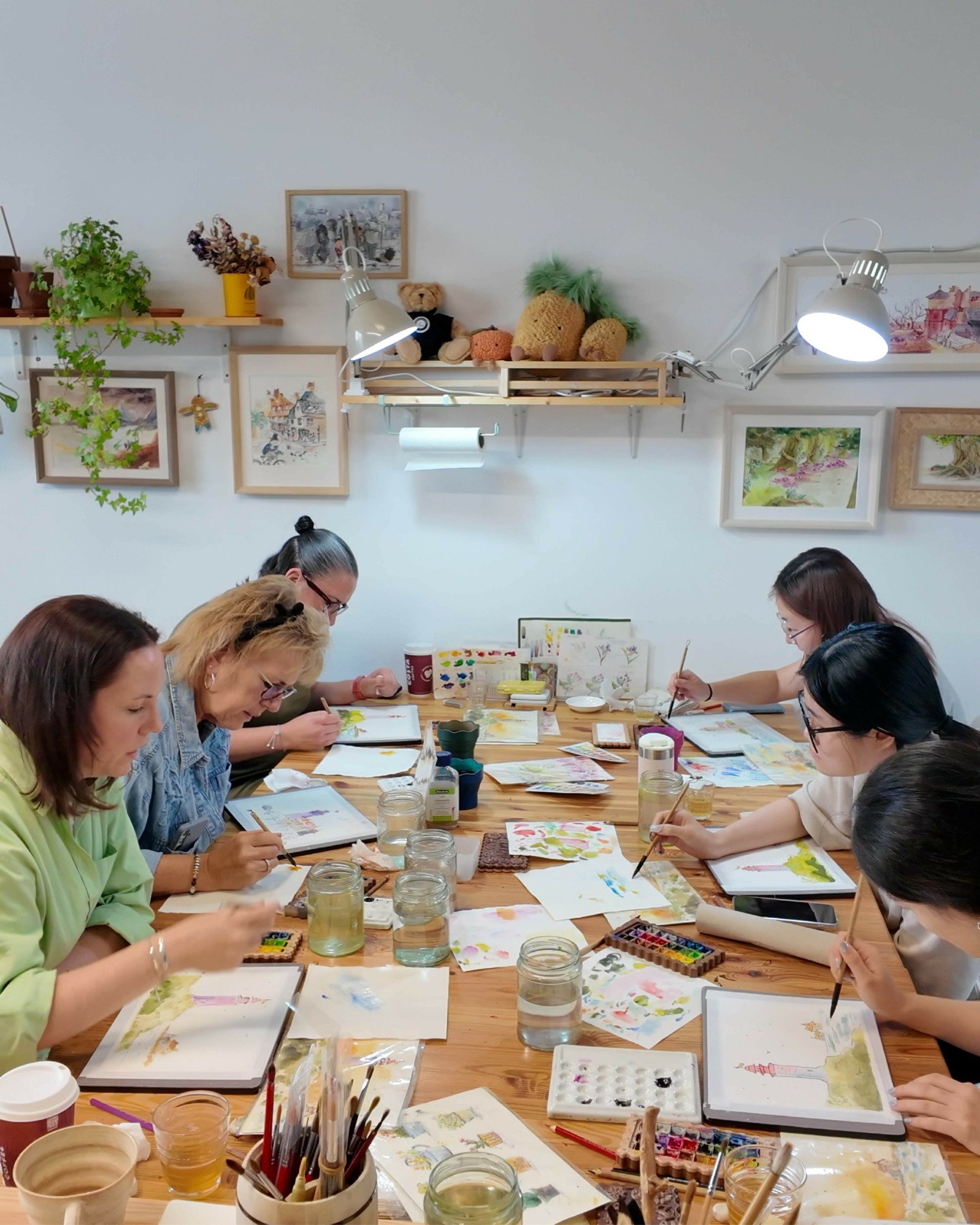
I’m a London-based watercolour illustrator, children’s book author and art educator, and the founder of a studio centred around thoughtful, high-quality watercolour teaching. At the heart of everything I do is painting, but over time my practice has grown into something broader: not just creating artwork, but also creating a space where people can learn how to see, think and paint more deeply.
I came into this field first and foremost as an artist, not as someone trying to build a business around a trend. Watercolour has always been my core language. It’s the medium I know best, the one I trust most, and the one through which I’ve developed my own visual voice. Teaching grew naturally from that. I realised that what I wanted to offer was not just a casual creative activity, but a more serious and supportive entry point for people who genuinely wanted to learn how watercolour works.
Through my studio, I offer watercolour workshops, guided painting sessions, and creative experiences that are designed for different levels of learners. Some people come as complete beginners and need a structured introduction. Others come with previous experience and want more focused feedback, technical guidance, or help developing their own style. I also work on illustration projects and creative collaborations, but teaching remains a central part of my practice because I care deeply about helping people build real understanding, not just produce a quick result.
I think one of the problems I solve for students is that many people are interested in painting, but feel overwhelmed by where to begin. Watercolour in particular can seem unpredictable or intimidating. A lot of people also struggle to find learning spaces that take them seriously enough. I try to bridge that gap by offering teaching that is approachable, but also rigorous. I want people to enjoy the process, but I also want them to leave with a stronger foundation, better visual judgment, and more confidence in how to continue.
What makes my work different is that I’ve never built it around trying to appeal to everyone. My classes are longer, more focused, and often more challenging than many standard watercolour workshops. I’m less interested in creating a purely social experience, and more interested in creating a meaningful learning environment. That approach naturally attracts people who are genuinely curious, committed, and excited to improve.
What I’m most proud of is being able to build something that feels honest to who I am. I didn’t separate the artist from the business—I built the business around the artist. That means the studio reflects my standards, my taste, and my way of thinking about painting. I’m proud that the people who come to my classes can feel that clarity.
If there’s one thing I’d want potential students, collaborators or readers to know, it’s that my work is always built around depth, sincerity and artistic integrity. Whether I’m painting, teaching, or designing a workshop, I want the experience to feel considered and real. I’m not trying to create something for everyone. I’m trying to create something meaningful for the people it truly resonates with.
We often hear about learning lessons – but just as important is unlearning lessons. Have you ever had to unlearn a lesson?
One misconception I had to let go of was the idea that I needed to make my classes appeal to everyone.
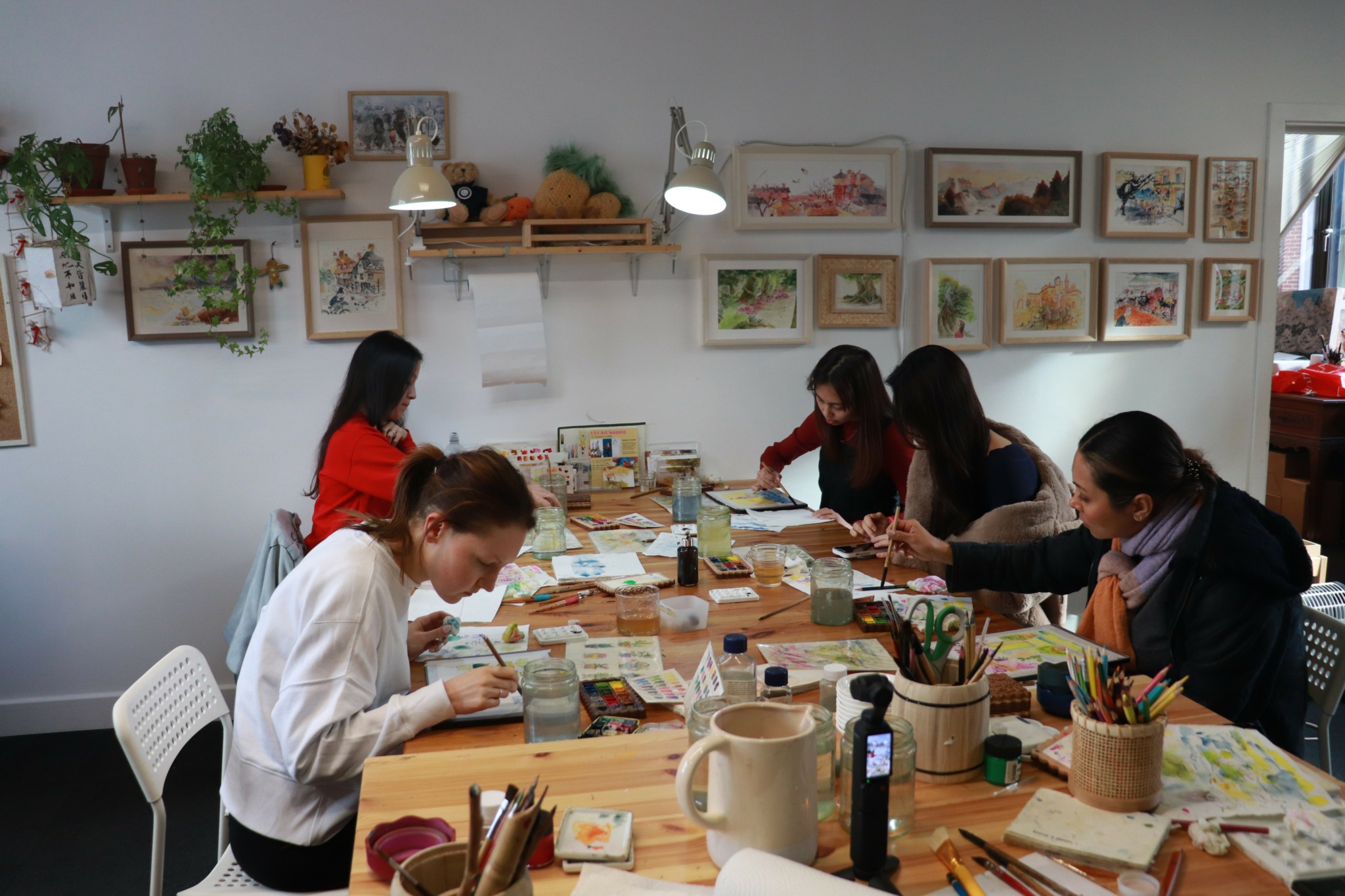
For a while, I assumed that most people in the market were mainly looking for a light, social, low-pressure painting experience, because many art classes are positioned that way and they can be very popular. My own teaching style, however, has always been more structured and learning-focused. I care about technique, observation, and helping students build a real foundation. In the beginning, I was sometimes hesitant to present that too clearly in my messaging, because I worried it might make the classes seem too serious.
That changed after one particular moment. One day after class, I happened to overhear a student telling a friend that the class had felt quite intense and a little tiring because it was much more serious than they expected. That moment stayed with me. I realised the issue was not that either of us was wrong — it was that we were not the right fit for each other. If someone is looking for a purely casual and social experience, they probably won’t be happy in my class. And if I reshape my teaching just to appeal to everyone, I won’t be happy teaching it either.
Letting go of that mindset helped me become much clearer about what I actually offer: a more focused, structured, and thoughtful watercolour learning environment. Over time, I found that the more honest I was about that, the easier it became to attract the right students. In the end, it was less about changing who I was, and more about understanding the importance of clarity and fit.
What’s been the most effective strategy for growing your clientele?
For me, the most effective strategy for growing a client base has not been trying to appeal to everyone, but becoming clearer about my strengths and developing them into something distinctive.
In a creative field, I think it is very important to know what you genuinely do well and what cannot be easily replicated by others. If you are constantly adjusting yourself to match every market trend, you may attract attention in the short term, but it becomes much harder to build a recognisable identity over time. On the other hand, when you refine your own approach, aesthetic, and values, you are much more likely to attract people who truly connect with what you do.
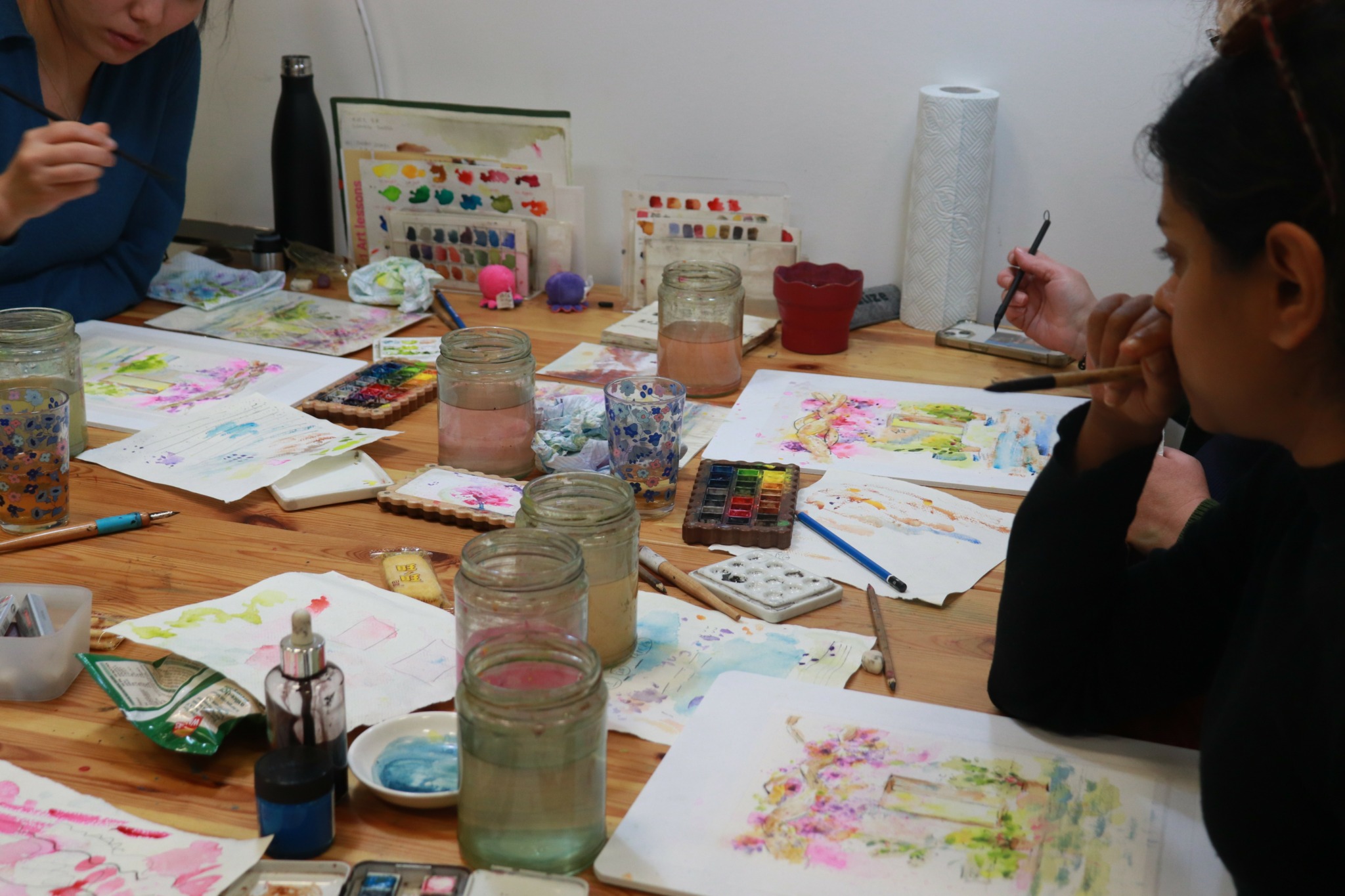
In my case, that has meant not designing my classes to suit absolutely everyone. My teaching is longer, more focused, and more centred on real learning and understanding. In some ways, that narrows the audience — but it also makes it much easier for the right students to recognise that the class is for them. In that sense, growing a client base is not only about reaching more people; it is also about helping the right people find you more easily.
Over time, I’ve found that when I stay grounded in my strengths instead of being overly influenced by the market, I build stronger and more lasting trust. The students who stay are usually not there just for novelty — they are there because they genuinely value the way I teach and want to keep learning. To me, that kind of audience, built on clarity and fit, is the most valuable and sustainable.
Contact Info:
- Website: https://venchoartstudio.com/
- Instagram: https://www.instagram.com/vencho_artstudio/
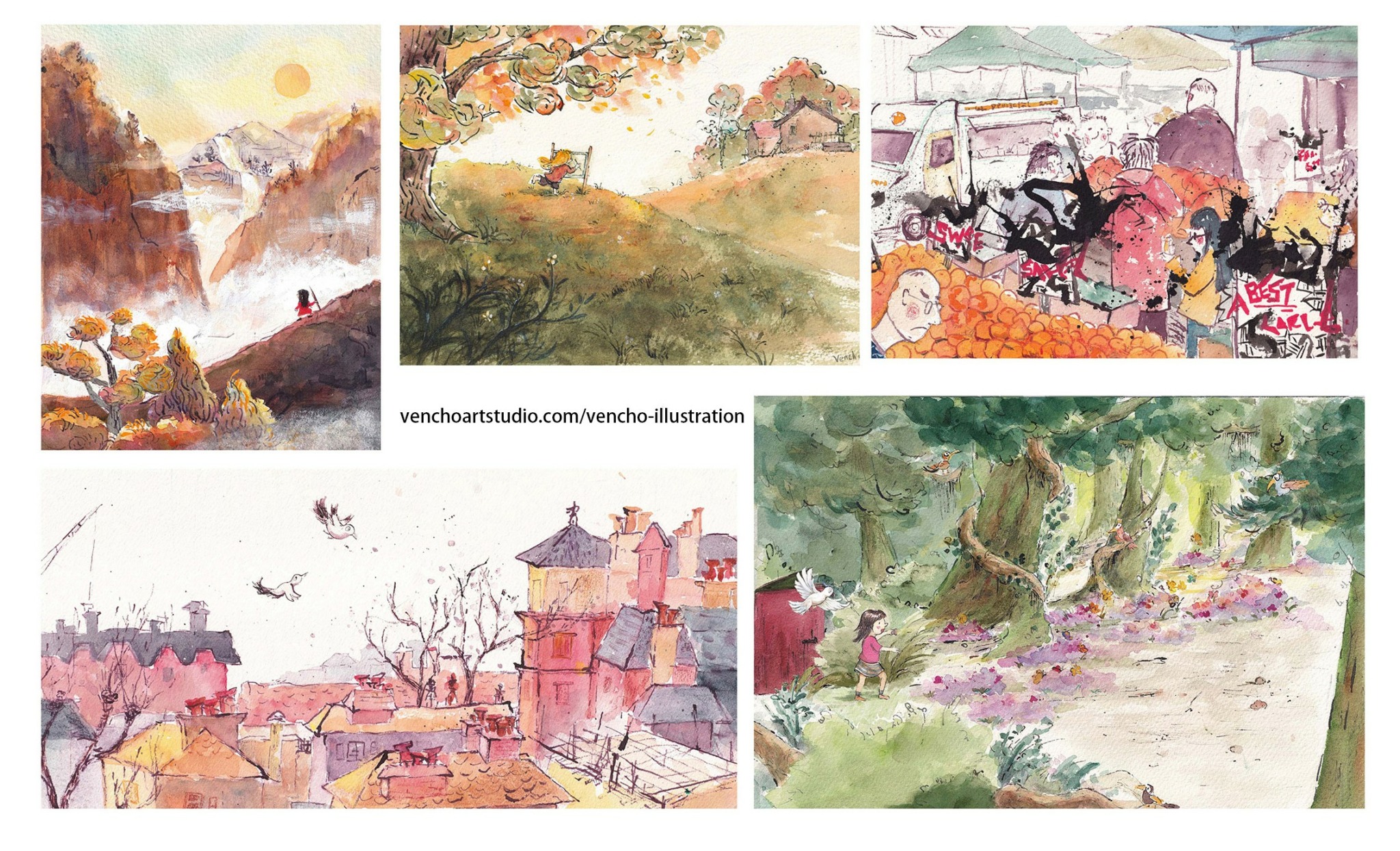
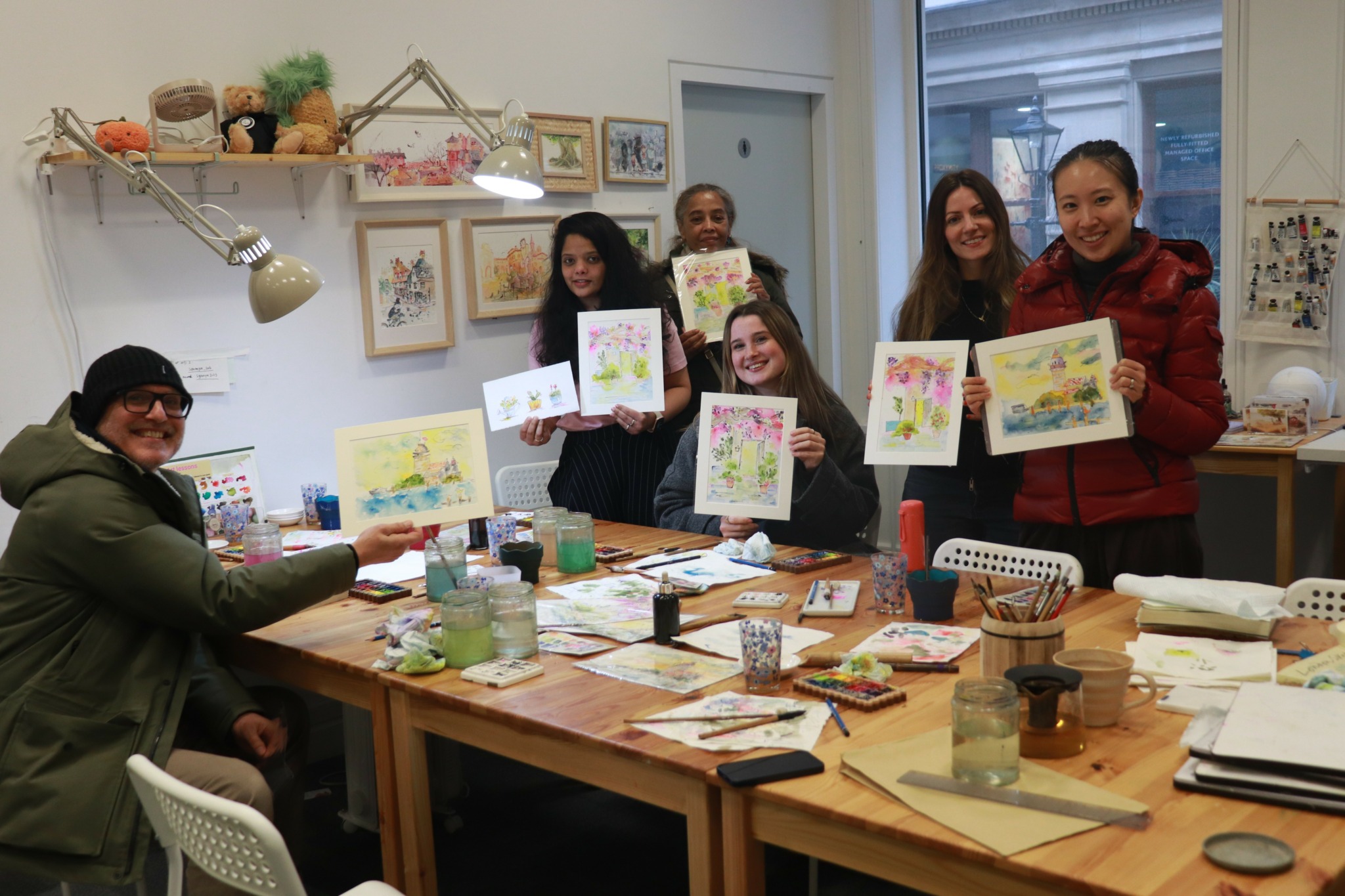
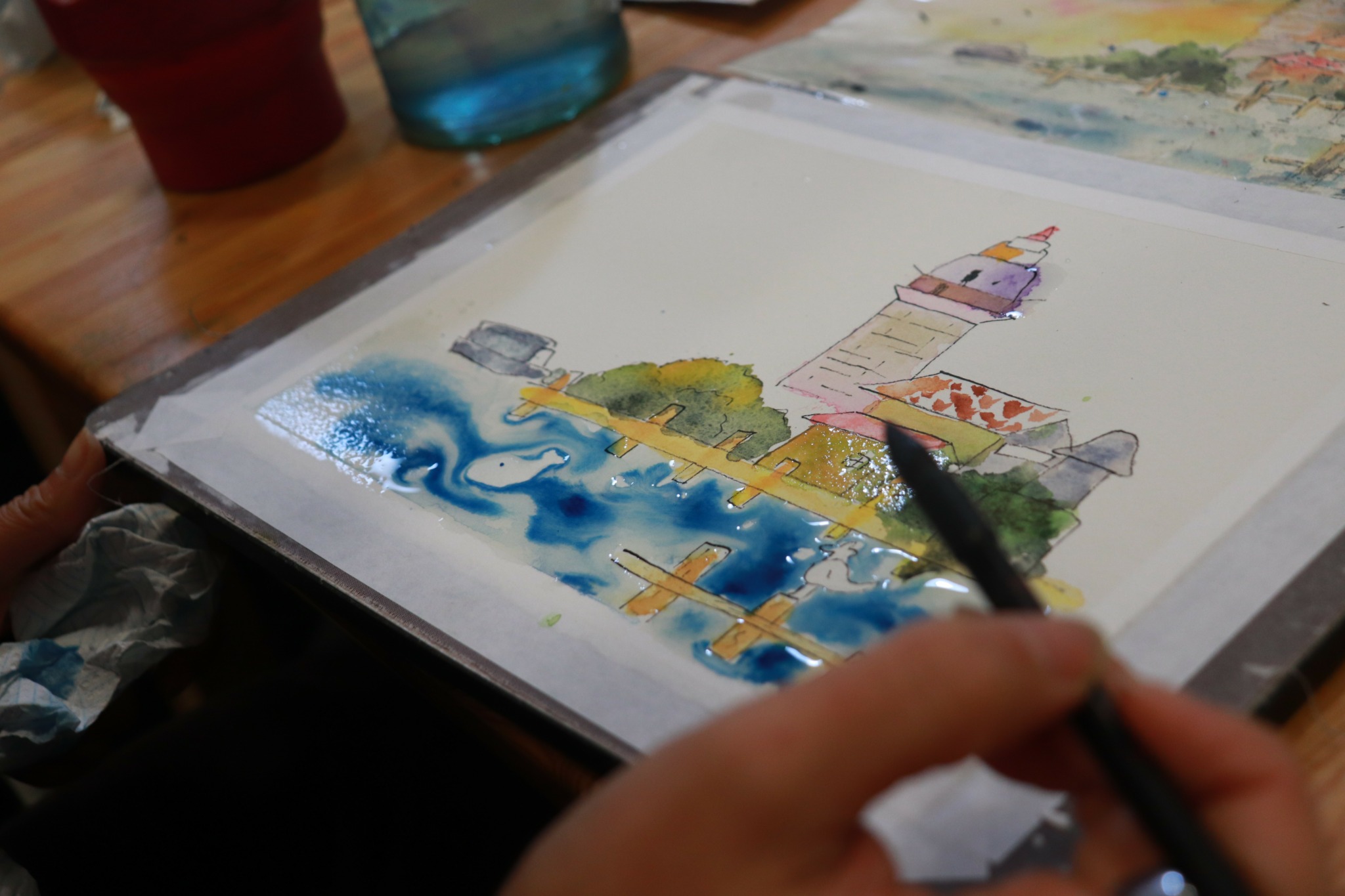
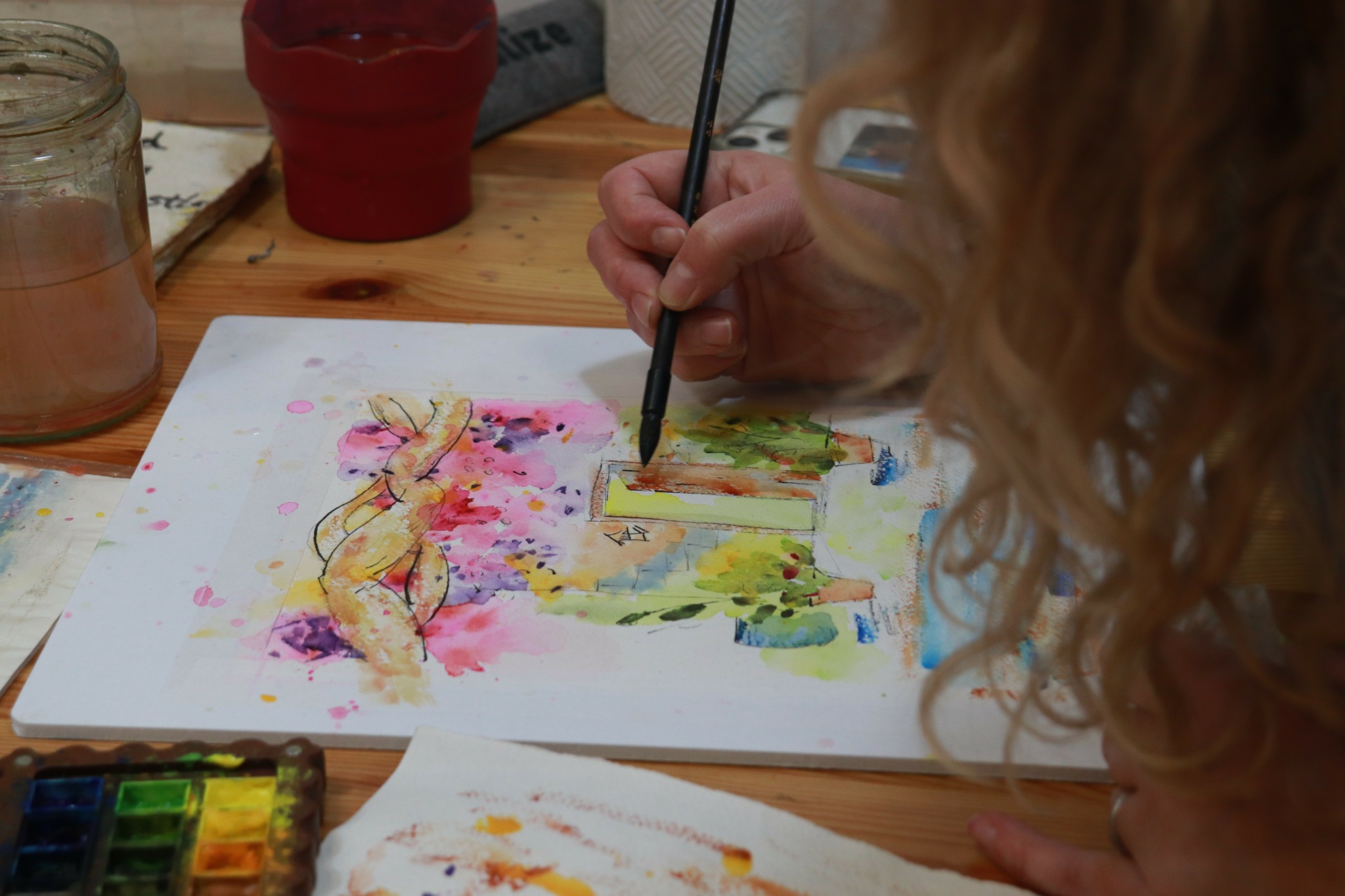
Image Credits
Photographed by Vencho Art Studio (used with client permission)