

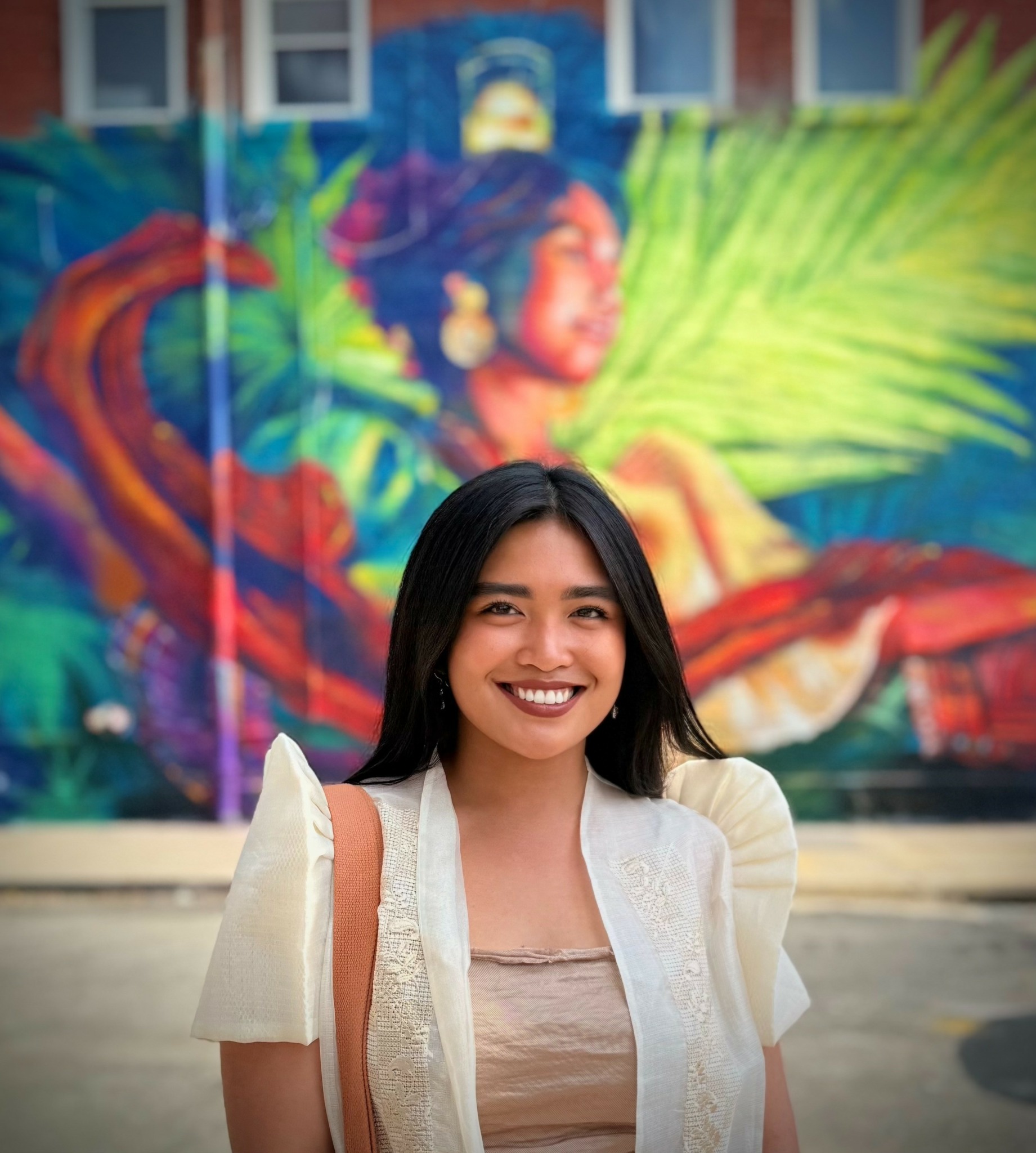

We were lucky to catch up with Venazir recently and have shared our conversation below.
Venazir, appreciate you joining us today. It’s always helpful to hear about times when someone’s had to take a risk – how did they think through the decision, why did they take the risk, and what ended up happening. We’d love to hear about a risk you’ve taken.
I have done a lot of significant leaps in my life.
The first was when I decided to do street art and discovered the red thread that changed my life.
I’ve always been fascinated by street art, even before I knew what it was. I’m not talking about murals in public spaces; we didn’t have those in my hometown. What we did have were scribbles and drawings on the walls of our school, and the chaos of creativity that filled our home. My parents let us draw on our walls—yes, even Powerpuff Girls, and looking back, I realize how wild our house must have looked to outsiders. But to us, it was freedom. That kind of trust, to create without limits was, in hindsight, a foreshadowing of my love for unusual canvases.
My first real encounter with a mural happened during a trip to Bonifacio Global City for a friend’s birthday. I remember walking into Fully Booked and seeing this massive, soul-stirring artwork on the wall–it had presence, voice, and power. I had never seen art speak like that before. In that moment, something clicked. I knew deep in my core: this is what I want to do. I want to create art that lives in public, that speaks, that breathes, that moves people.
That single decision, to pursue murals, changed the entire course of my life.
Because of art, I met the world.
Introducing the red thread:
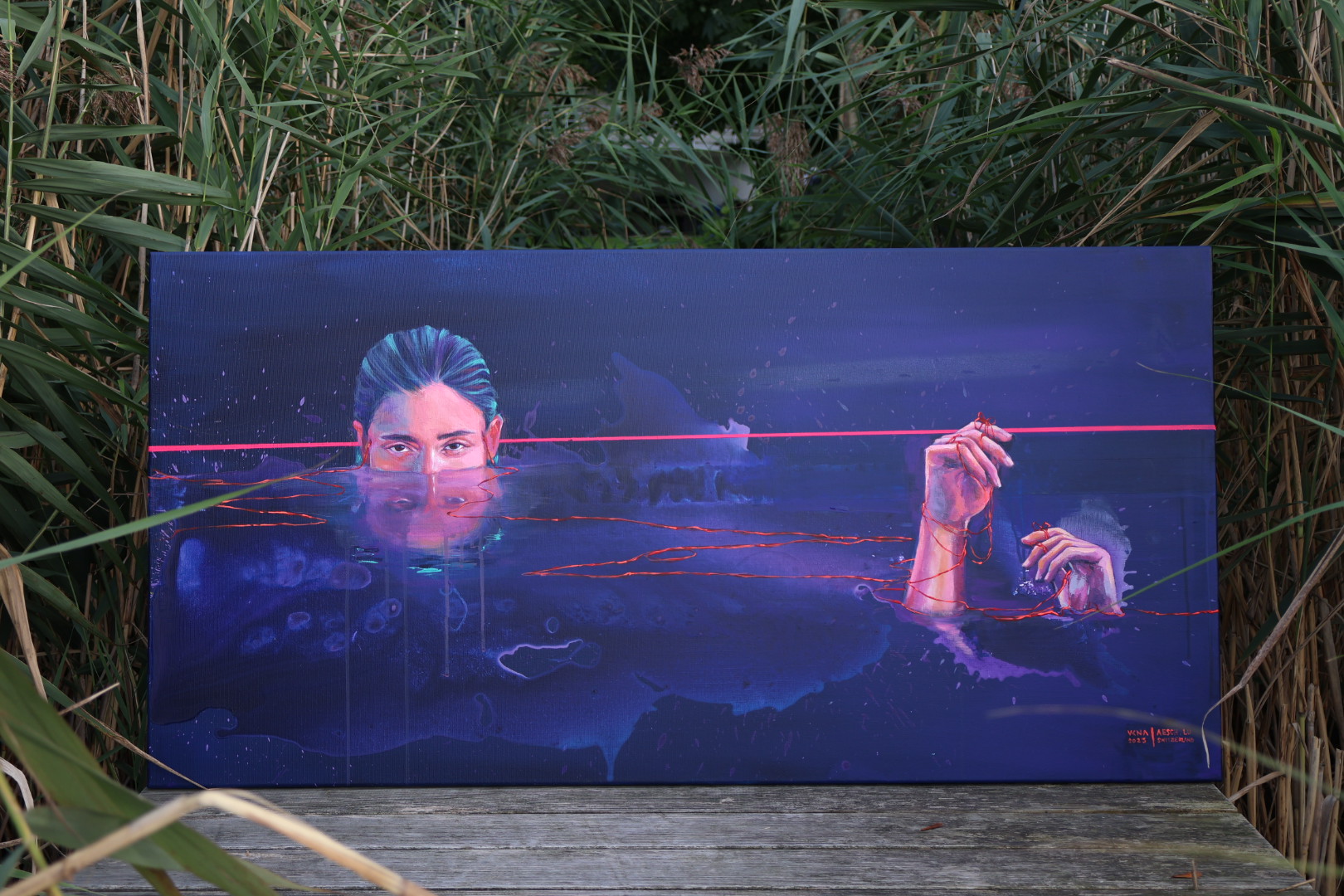
The red thread—beyond its artistic character—is my guiding force. Have you ever had a conversation with yourself in your head, where a quiet voice tells you what to do, what not to do, who to build a relationship with, and who to stay away from? Some call it intuition—perhaps it is—but I like to believe that all the inexplicable encounters I’ve had with strangers who later became family needed a visual explanation. For me, that explanation is the red thread. It weaves through every moment, every connection, and every decision, tying together the seemingly random into something meaningful.
The story of the red thread began in Baguio City, Philippines, in November 2017. One sleepless night, a question kept running through my mind: How can I use street art as a tool to communicate a basic tattoo design—Ginayaman—while applying Gestalt’s Theory of Visual Perception? It’s one of the most influential design theories, yet so few people really know about it.
At 2 AM, I finally gave in. I picked up my brush, threw on a hoodie, and without overthinking permits or consequences—to heck with it—I took a deep breath and painted as fast as I could. That spontaneous act became my first street art experiment. I took that risk.
In the days that followed, I started interviewing locals. Slowly, they began to notice the connected pieces—some even followed them like a trail, turning the work into a kind of street art hunt. That’s when I realized something was taking root. I eventually decided to evolve the tattoo motif into a continuous red thread, one that could stretch across walls, stories, and lives.
This moment marked the birth of Hila-bana Street Art—a fusion of visual anthropology, psychology, and street art as tools for democratized learning. What began as a late-night act of artistic rebellion has since transformed into an international cultural movement.
Second biggest leap i did was in 2023.
The Price of Dreams…
I took a significant leap when I decided to leave the Philippines to explore the world and that means no turning back.
I moved to America in 2023 after completing an artist residency in Lucerne, Switzerland in September. That same year marked a major turning point in my life when I received invitations from Duke University and Mural Arts Philadelphia, annd exhibtions at the Philippine Consulates in US.
However, my journey was not without challenges. At first, I was solely relying on honoraria to sustain myself—an unsustainable way of living. There were moments when I had to ask for help, not only from relatives but also from strangers. Yet every time I was invited by different institutions in New York, Philadelphia, or San Francisco, people welcomed me into their homes, offering food, warmth, and kindness. The result of these acts of generosity was the formation of meaningful relationships that continue to endure.
One of the greatest lessons I’ve learned is the power of paying it forward. Gratitude has become my only currency. Despite the uncertainty, I was able to live a relatively comfortable life because of the people I encountered along my journey. Living with families I had just met was difficult at first, especially for someone like me who values solitude. But these experiences taught me the importance of humility and connection. Sometimes, I believe the red thread I often speak about is real—because without faith, I wouldn’t have crossed paths with these kindred spirits who helped me at just the right time.
As opportunities continued to unfold, so did major changes. People from all walks of life offered their support just to see me thrive in the United States. When I arrived, it felt as though everything extraordinary in life was finally within reach.
Still, the challenges didn’t stop. I had to shift my perspectives and continuously learn about other cultures and value systems beyond my own. I had to accept that discomfort is part of the life I chose—an indicator that I am growing, evolving, and becoming the best version of myself. A version where I am capable to love, empathize and understand a person even if there is such big difference in the way we see the world. A version where I no longer compare my values to another and think that it is the only way to go. A version where I approach challenges as an opportunity and a blessing rather than a burden.
I often found myself having to prove that being Filipino is something worth fighting for—that our presence in the U.S. has significantly contributed to the productivity and richness of this nation. It was also disheartening to witness some Filipino immigrants bring down their own countrymen. It felt unkind and painful. I realized that my role is to show America that Filipinos are resilient, talented, and deeply rooted in community values.
There are moments when I question why I do this—especially when working on projects that don’t resonate with me. During those times of anxiety, I pause and reflect. I ask myself: Am I doing this for me? For my family? For my community? Or for the people who supported me and invested their time and resources in me? These questions ground me and help me continue forward.
Venazir, before we move on to more of these sorts of questions, can you take some time to bring our readers up to speed on you and what you do?
I’m Venazir, a muralist and visual anthropreneur. My practice is about a red thread that connects communities and amplifies people and places, weaving the individual to the collective consciousness. The red thread is a recurring symbol in my practice. It visualizes the invisible ties that connect people, histories, and communities across time and place. That red thread started in 2017 in the Philippines, initially as a social experiment to engage the community with street art and further encourage sustainable tourism. Over time, it became my signature. It’s rooted in Filipino weaving traditions and mythologies of interconnection. I called this street art movement Hila-bana, meaning “woven path.”
My journey began as an exploration of my own identity—a search to understand what it truly means to be Filipino in a rapidly changing world. That personal exploration evolved into a lifelong mission: to create visual narratives that reconnect people to their roots and empower communities through street art.
I got into muralism and public art because I grew up in a place where art is an alienating concept and I when I fist visited a big city in the Philippines where a huge mural spoke to me so deeply, I knew from then on that I wanted my work to live beyond gallery walls, to breathe with the people, the streets, and the stories that often go unseen.
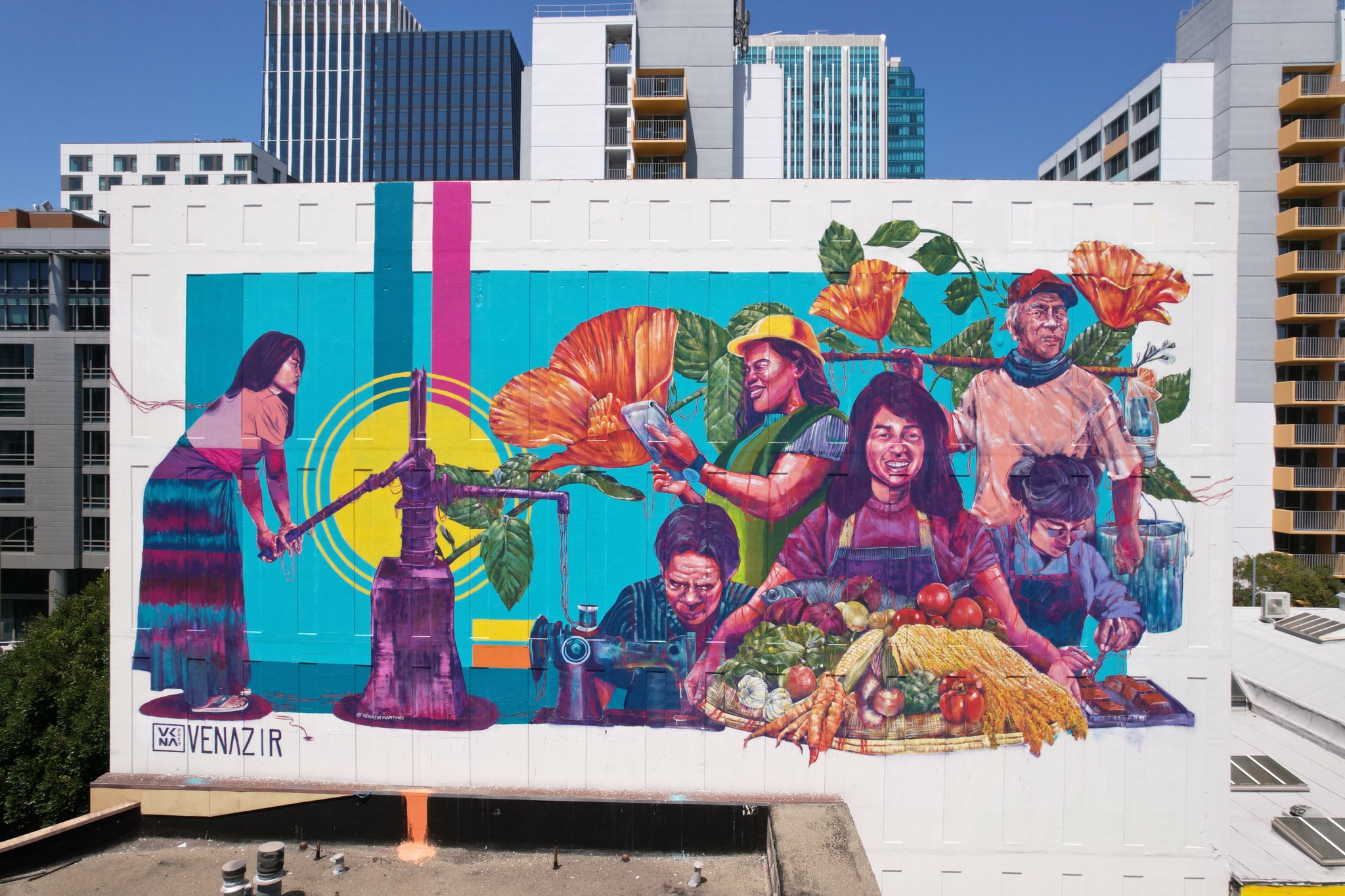
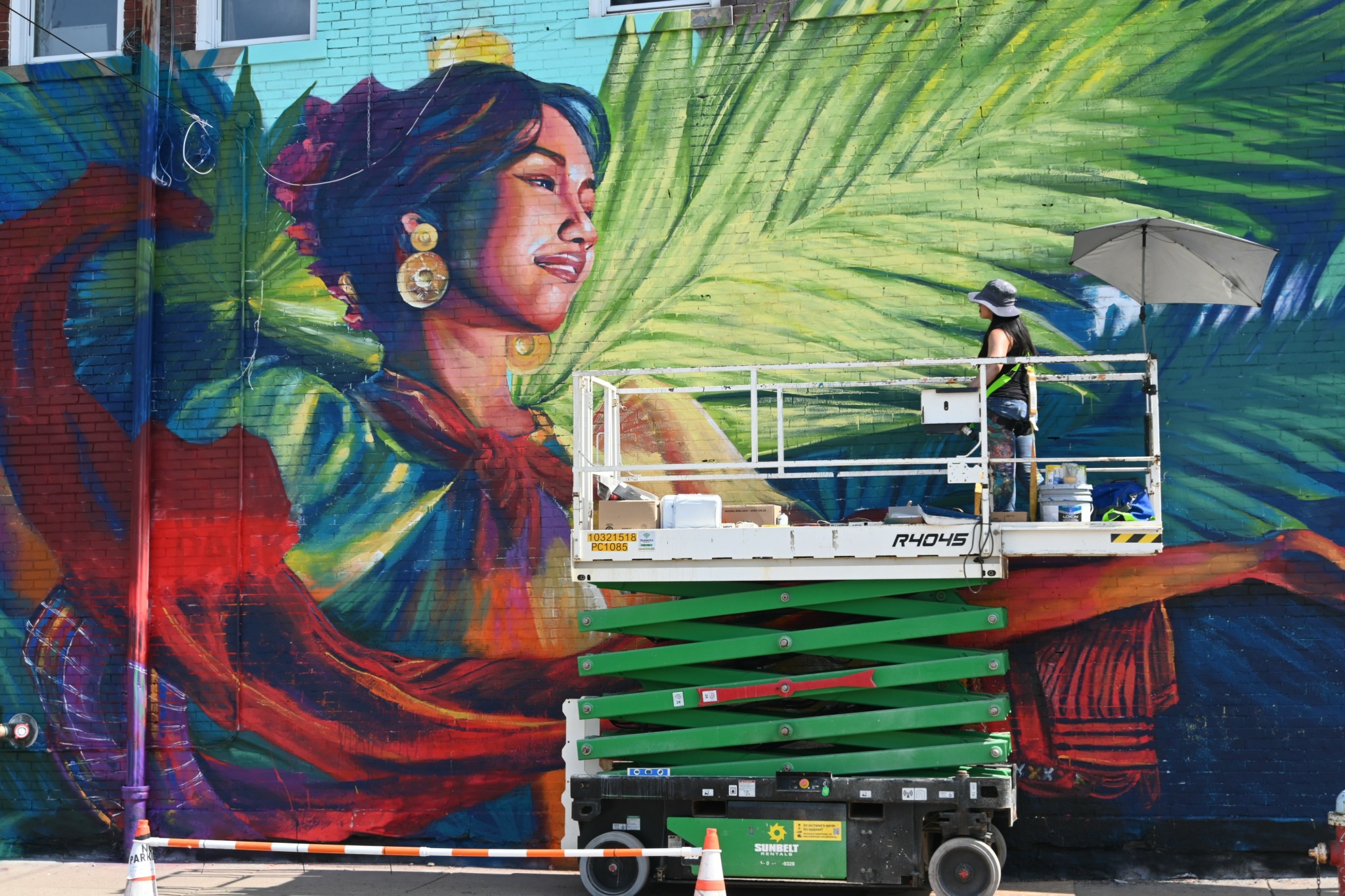
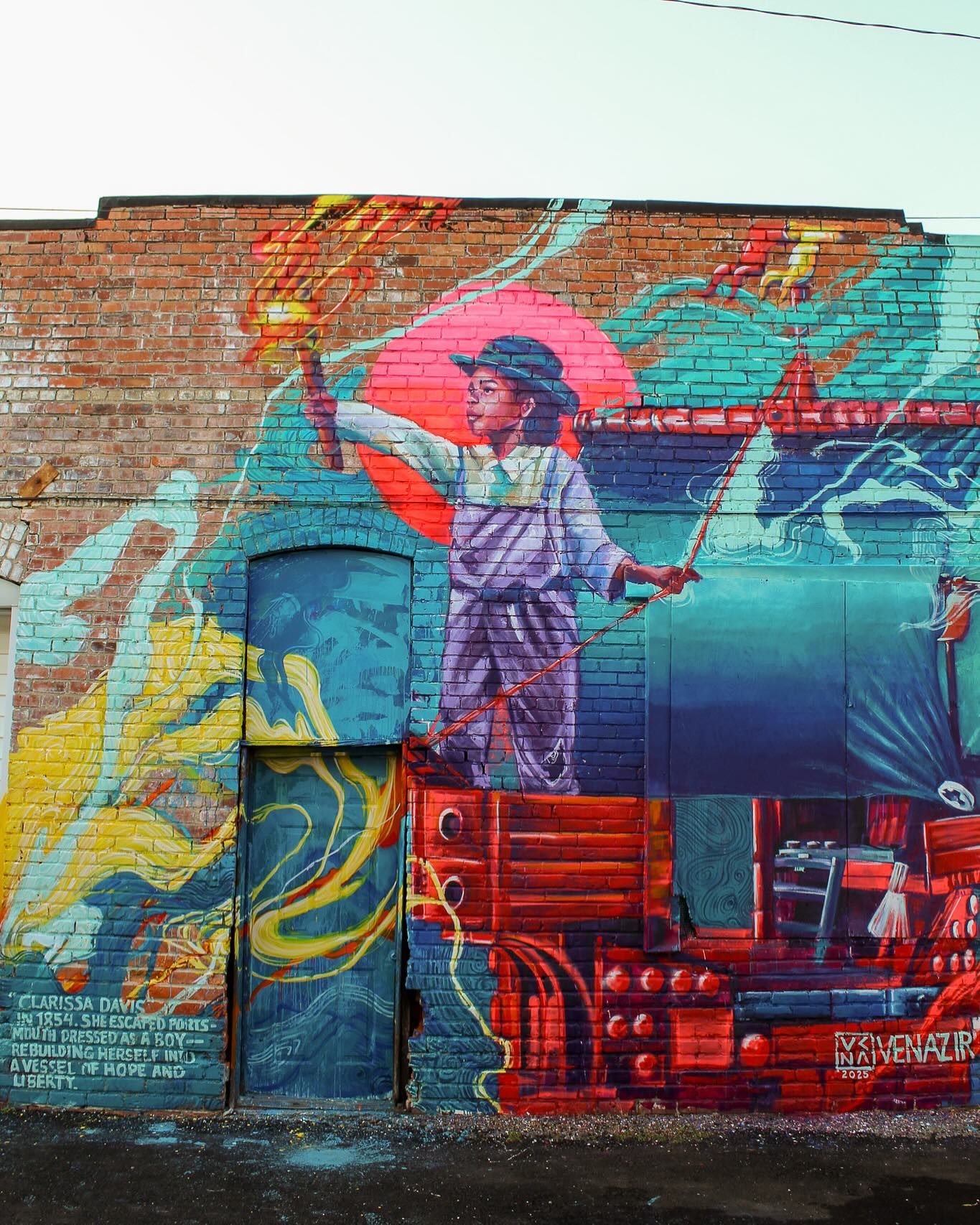
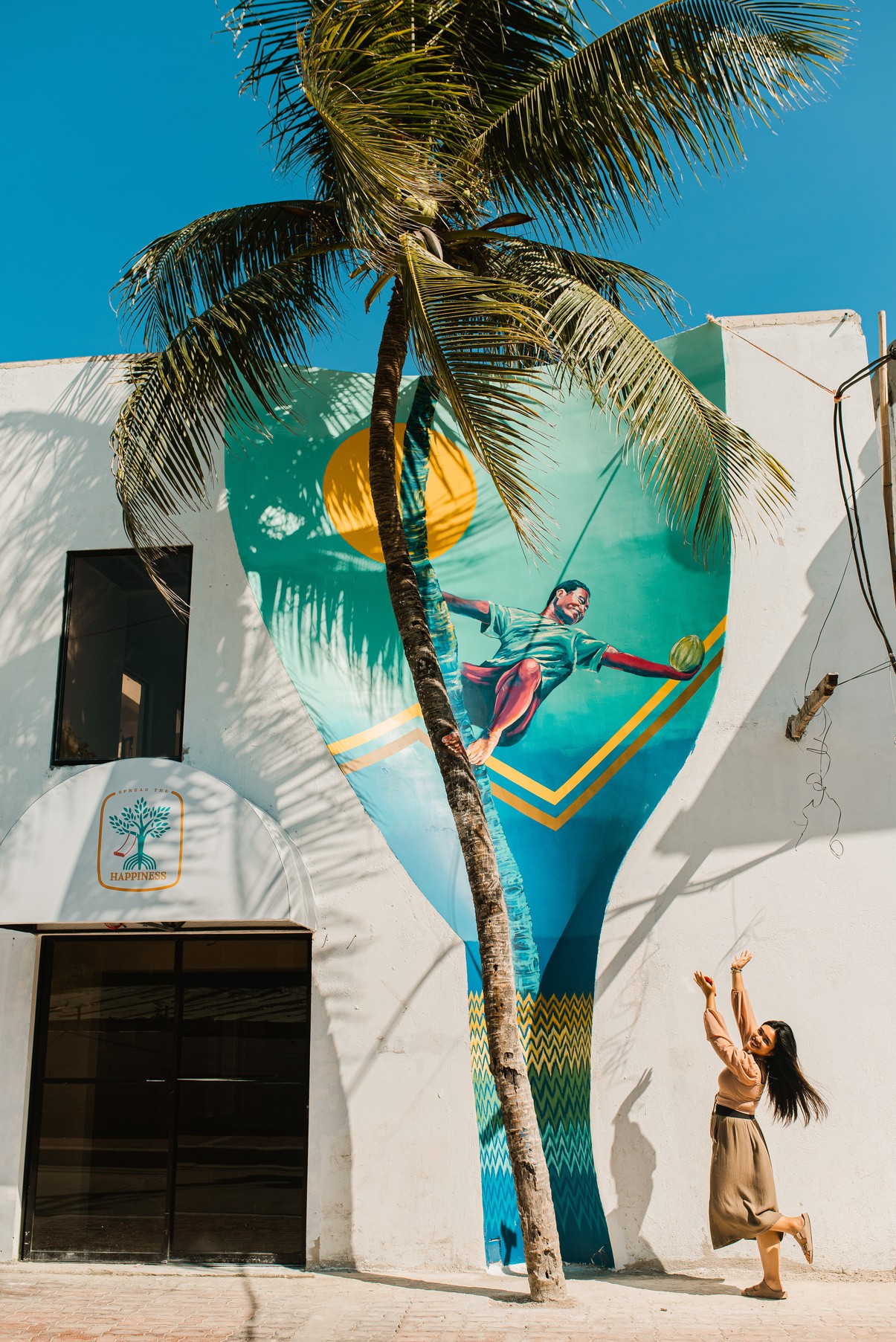
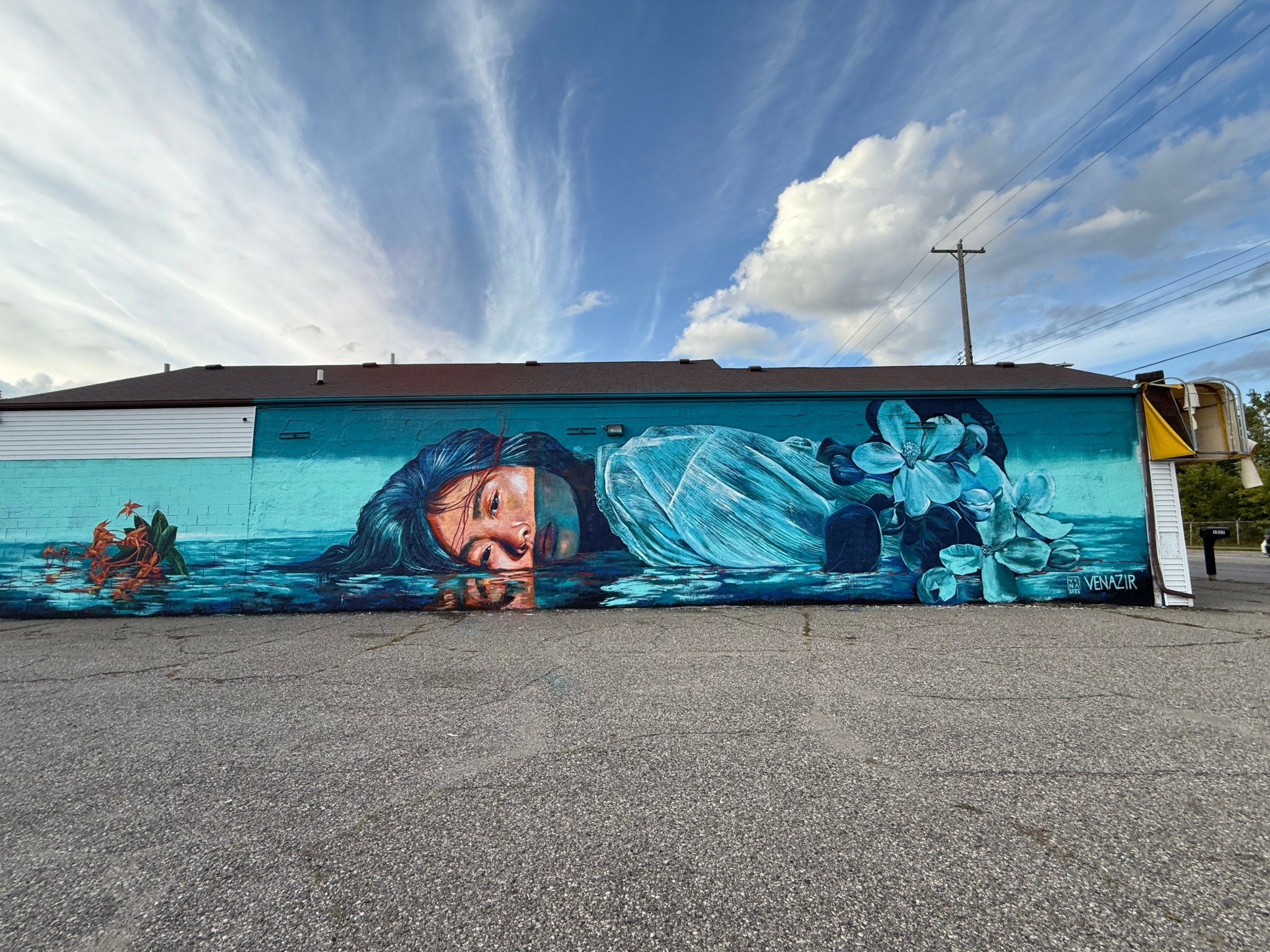
My murals are living archives that will later become part of the history of the space that we inhabit. I paint and celebrate the diverse faces, fabrics, and folklore that weave together our identities. Each piece is a dialogue between tradition and modernity, between the individual and the collective.
As a visual anthropreneur, I blend the practices of art, cultural research, history, psychology, and entrepreneurship to create meaningful and socially impactful work. I go beyond traditional art spaces by initiating innovative projects, building platforms, and fostering movements that engage audiences and spark dialogue. A visual anthropreneur creates art that weaves together stories, strategies, and social consciousness to transform spaces, challenge perceptions, and connect people across cultures.
What sets my work apart is the fact that I don’t just paint walls.I weave gaps between people, space, time, and memory with a red thread. My murals become cultural landmarks that invite reflection, dialogue, and unity.
I start by researching the history of the space—the people who’ve lived there, the stories that have shaped it, and how the community collectively relates to certain themes or symbols. But history alone isn’t enough. What truly brings the work to life is forming real human connections. I spend time getting to know the locals, making friends, and seeing if there’s a genuine resonance between us. If there is, that connection becomes the heartbeat of the piece.
I often paint people with purpose. Not because they’re the most famous or visible, but because I see something in them that others might overlook. Painting someone is a sacred act—it’s not just about capturing their image, but honoring their essence. There’s something immaculate about that. Something deeply intentional.
One of my proudest moments was receiving the Dream Big Award awarded by the National Mural Awards in 2024 , and one of the most prestigious awards for Filipinos, The Outstanding Young Men for Arts and Culture at the Malacanang Palace in 2024, a recognition that affirmed not only my personal journey but also the power of storytelling in public spaces. It reminded me that art can be a mirror, reflecting who we are, and a map, guiding us toward who we can become.
As the story of Hilabana grows, I envision a global network of murals, each a unique yet connected thread in a tapestry of diverse histories and identities. These murals serve as maps of the human experience, linking people across cultures and time. The movement is a testament to the power of art in fostering dialogue on identity, migration, and resilience, inviting people to explore their roots and reimagine their place within a larger, interconnected world.
What do you find most rewarding about being a creative?
Art is limitless.
I’ve traveled across the U.S., and while so many people online seem to be fighting and closing themselves off, I’ve been doing the opposite—connecting cultures, expanding my worldview, and growing through every experience. From small rural towns to major cities, I’ve witnessed the vast diversity of people and perspectives that make up this country. Despite our different cultural backgrounds and belief systems, my art became our common language—our way of understanding each other. That’s how I know what I’m doing carries real meaning and significance.
The most rewarding moments in my journey are the real connections I make each time I visit a new place and meet new people. It’s in those moments—when I see that my art resonates with them, that they value it and feel a sense of ownership over it—that I’m reminded why I create in the first place.
Learning and unlearning are both critical parts of growth – can you share a story of a time when you had to unlearn a lesson?
You can’t do this journey alone.
Accepting blessings is a blessing in itself. Along the way, I’ve met so many kind-hearted people relatives I was meeting for the first time and new friends who quickly felt like family. I never expected that their generosity and warmth would be the reason I found the courage to take a huge leap of faith.
They fed me, gave me shelter, and showed me kindness when I had little to offer in return. Every day, I wondered how I could ever repay them. I was just a stranger, yet they welcomed me as their own. For that, I carry endless gratitude.
For a long time, I believed that asking for help was a sign of weakness. I’ve always been independent—my own boss, confident and determined but that mindset became toxic at times. I’d push myself too hard, overestimate my strength, and burn out. It took being in a vulnerable place to realize that needing help doesn’t make you weak; it makes you human.
There were moments when all I could give was my time and gratitude, and I felt useless because of it. But one person said something that stayed with me: “We all need help in one way or another. Just pay it forward.” That simple message changed me. Ever since, I’ve carried that lesson with me because kindness ripples, expands, and enriches everything it touches.
Contact Info:
- Website: https://www.venazir.com
- Instagram: https://www.instagram.com/venazir_
- Facebook: https://www.facebook.com/vehance
- Linkedin: https://www.linkedin.com/in/venazirmartinez/
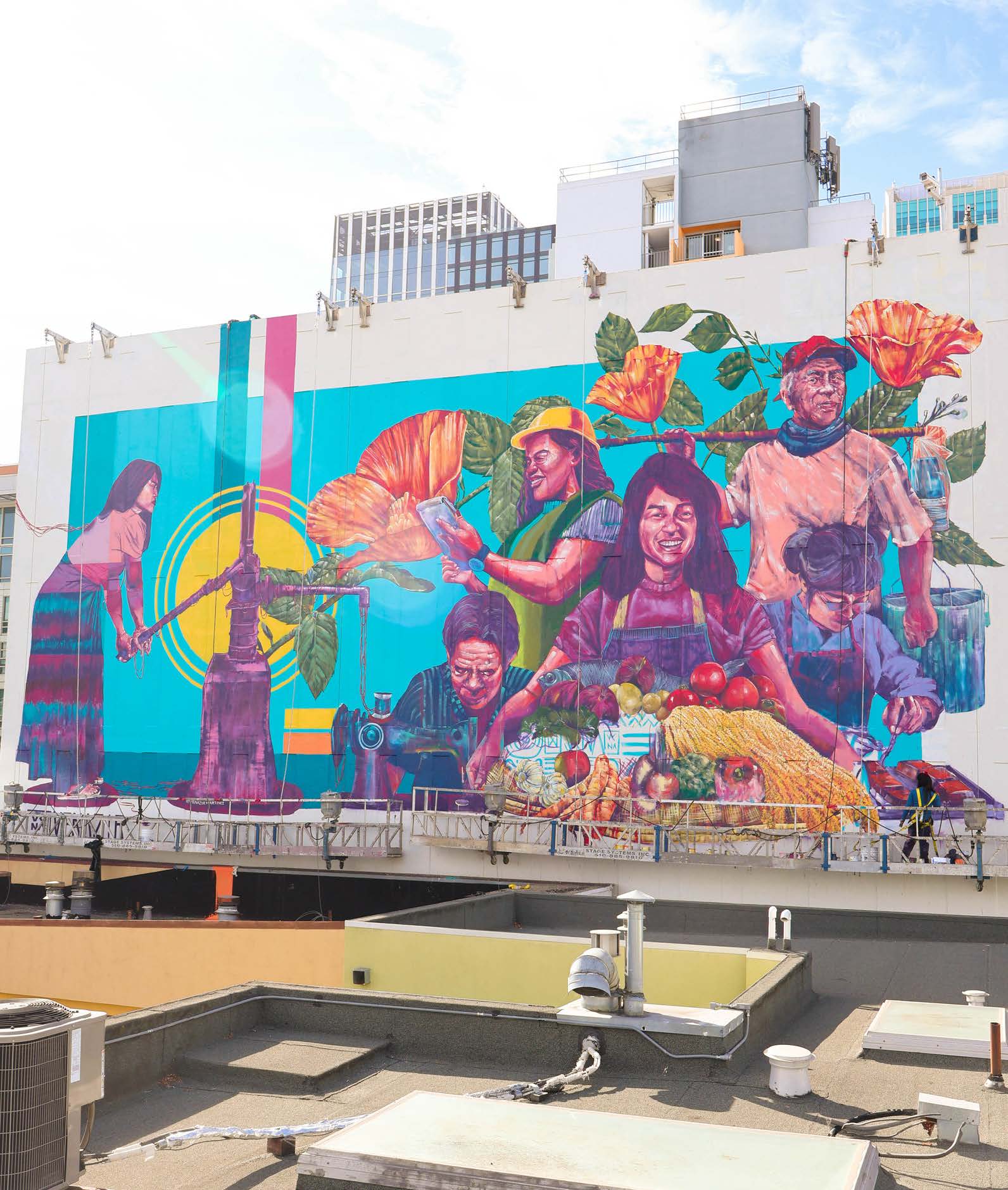
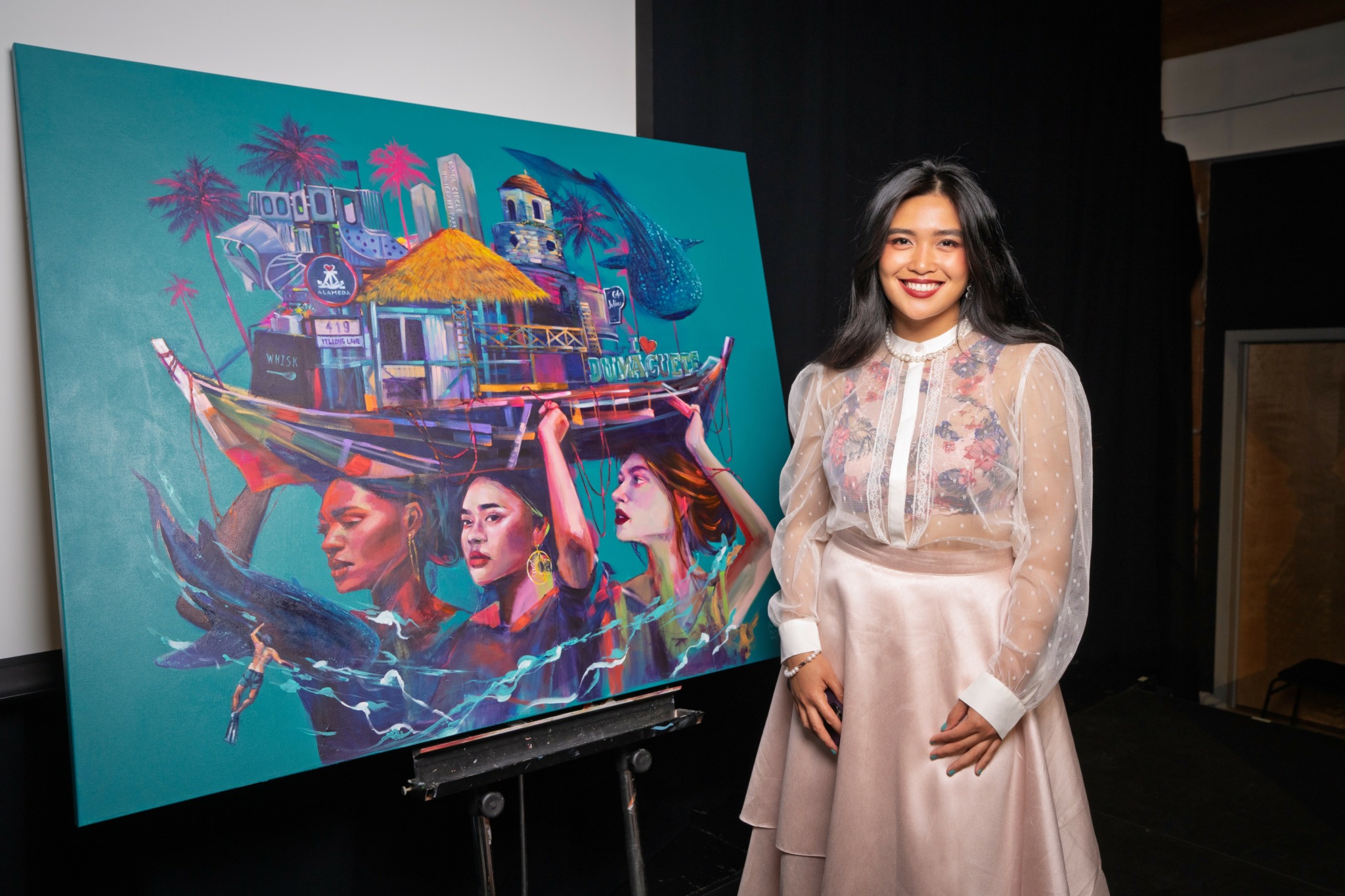
Image Credits
Caitlin Bruce
Maurice Ramirez
SPPA
Ben Ng
Amiel Molina