
We’re excited to introduce you to the always interesting and insightful Vedant Vohra. We hope you’ll enjoy our conversation with Vedant below.
Alright, Vedant thanks for taking the time to share your stories and insights with us today. Alright, so you had your idea and then what happened? Can you walk us through the story of how you went from just an idea to executing on the idea
It started with research. I began by looking through the websites of homeless organizations, trying to understand how people actually found help. What I discovered was surprising: a lot of resources weren’t easy to locate online. Instead, people mostly learned about them through word of mouth. That gap sparked the idea — what if there was a way to connect all these resources in one place?
The next step was taking the idea to the people it was meant to serve. I interviewed people experiencing homelessness, sharing the concept and listening to their thoughts. Their feedback grounded the idea in reality, showing me what was most useful, what was missing, and how the system really worked from their perspective.
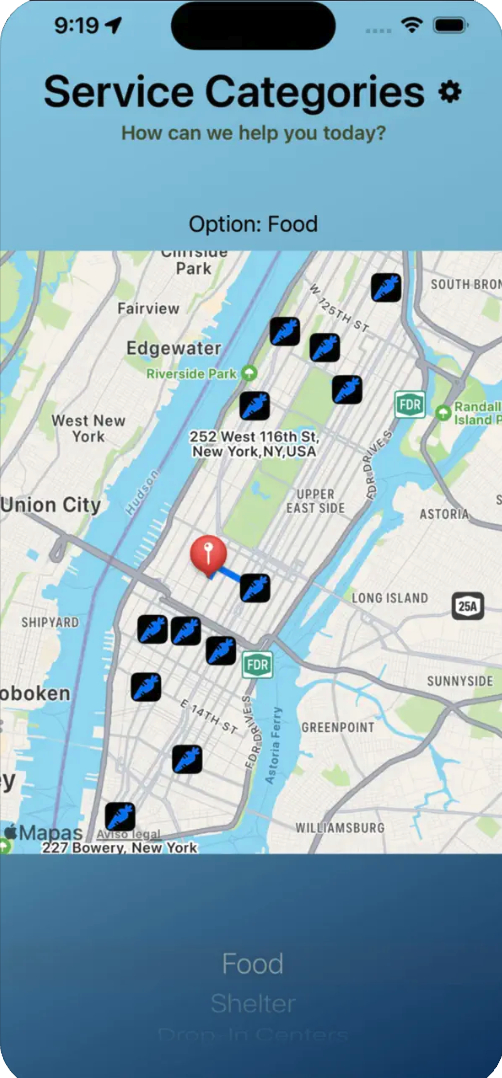
From there came the building. The CTD app started as a rough prototype, created through trial and error. It wasn’t perfect, but it was a tangible start. Sharing it brought feedback, more questions, and new directions to improve.
As the work grew, the CTD podcast was launched. It became a way to highlight stories and perspectives that weren’t being heard, while also learning the craft of interviewing and producing audio. Storytelling became another way of connecting dots.
Soon after, the nonprofit CTDnyc was formed. Filing paperwork, defining the mission, and organizing programs gave the work structure and opened the door to collaborations and long-term projects.
Over time, CTD also stepped into policy. The “Entrepreneurship Without an Address” proposal was drafted and pitched to the Manhattan Borough President’s Office, showing how entrepreneurship could serve as a pathway forward for people experiencing homelessness. Writing it meant research and learning how to present solutions in a way policymakers could act on.
Most recently, the CTD Ambassador Program was launched. It trains participants to understand homelessness in their communities, design solutions, and test them in practice. Sessions include guest speakers, lessons on topics like human-centered design, and activities that mirror the same journey CTD went through: turning an idea into action.
Looking back, the process wasn’t about one sudden leap. It was steady progress — researching, listening, building, and adjusting. From the early realization about word-of-mouth resources to the app, the podcast, the nonprofit, the policy proposal, and now the Ambassador Program, each stage built on the last, always focused on connecting the dots.
Awesome – so before we get into the rest of our questions, can you briefly introduce yourself to our readers.
CTD began with a simple but powerful realization. As I researched the websites of homeless organizations, I noticed that while many services existed, they were not always easy to find. Much of the information was still shared by word of mouth, leaving people without consistent or reliable ways to access the help they needed. That gap became the seed for what would later grow into CTD.
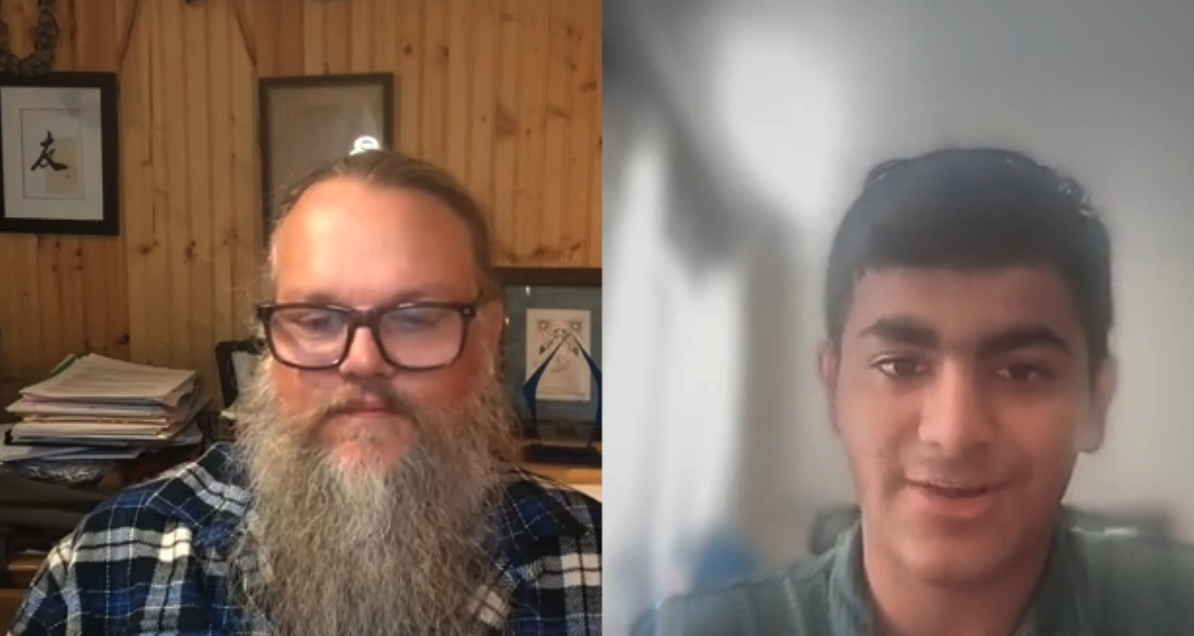
From the beginning, I knew the idea had to be shaped by the people it was meant to serve. I spent time interviewing individuals experiencing homelessness, listening carefully to their experiences with trying to access resources. Their perspectives revealed not only what was missing, but also how solutions needed to be designed in order to be truly useful. Those conversations gave the project its foundation and kept it grounded in lived reality.
The first step toward execution was building a prototype of the CTD app. It was a modest start, put together through trial and error, but it gave form to the vision of making resources more accessible. Finished after interviewing many unhoused people, the app, available on both App and Android stores, has features like multi-linguality and doesn’t require WiFi to make it easy to use. As the project grew, so did its scope. CTD expanded into storytelling through a podcast that sought to highlight voices often excluded from the public conversation, creating space for narratives that could shift how homelessness is understood.
With time, the work became more structured. Establishing CTDnyc as a nonprofit provided the framework to develop programs, organize volunteers, and engage more deeply with communities. This also created the opportunity to bring CTD’s vision into policy spaces. One milestone was the “Entrepreneurship Without an Address” proposal, which I presented to the Manhattan Borough President’s Office to show how entrepreneurship could serve as a pathway forward for those experiencing homelessness.
Most recently, the CTD Ambassador Program was launched to prepare a new generation of leaders. Through a series of sessions, participants learn about the realities of homelessness in their own communities, explore human-centered design, and test their ideas in practice. The program reflects the same process that guided CTD from the start: moving step by step from a problem observed, to an idea developed, to solutions tested and refined.
What distinguishes CTD is its holistic approach. Rather than focusing on one tool or one area, the organization combines technology, storytelling, policy, and education to connect dots that too often remain separate. I am proud of how far the project has come, but even more so of how it has created platforms for others to share their voices, develop their own ideas, and lead change in their communities.
For those learning about CTD for the first time, the most important thing to know is that this work is about collaboration. It is about recognizing that solutions to homelessness cannot come from one source alone, but from connecting resources, communities, and ideas in ways that allow real change to take root.
Let’s talk about resilience next – do you have a story you can share with us?
One of the most challenging parts of building CTD was the very beginning, when I started reaching out to people experiencing homelessness to ask if they would be open to sharing their stories. I knew that listening directly to those with lived experience was essential, but I quickly realized it would not be easy. Many people were understandably hesitant or outright refused. Some didn’t trust my intentions, others didn’t want to revisit painful memories, and many simply walked away.
At first, the constant rejection was discouraging. It made me question whether I would be able to gather the perspectives that were so central to shaping the project. But I learned that resilience meant showing up again and again, being respectful, and accepting that not every conversation would happen. Slowly, through patience and persistence, I began to build trust. A few individuals agreed to speak with me, and those conversations became the cornerstone of CTD’s foundation.
Looking back, the rejections taught me as much as the interviews themselves. They reminded me that resilience is not about forcing results, but about continuing forward despite setbacks, staying committed to the mission, and being ready when opportunities finally open up.
Any insights you can share with us about how you built up your social media presence?
When I first started on YouTube and Instagram, there was no large audience waiting — it was about consistency more than anything else. I made a commitment to post regularly, aiming for at least one piece of content every day. At first, it felt like a lot of effort for only a small number of views, but I realized that the consistency itself was the key. By showing up daily, I made the algorithm more likely to recommend my videos and shorts, and over time that visibility began to build momentum.
The process wasn’t about going viral overnight, but about creating a steady rhythm that helped people know what to expect. With each post, I learned a little more about what connected with the audience, and that feedback loop helped me refine both the content and the way I presented it.
For anyone just starting to build their presence, my main advice is to focus less on immediate results and more on building the habit of posting. Algorithms reward consistency, and audiences do too. Even if the growth feels slow at first, showing up every day creates the foundation for long-term progress.
Contact Info:
- Website: https://www.ctdnyc.org/
- Instagram: https://www.instagram.com/connectthedots.nyc/
- Linkedin: https://www.linkedin.com/company/CTDnyc/
- Youtube: https://www.youtube.com/@CTDnyc