

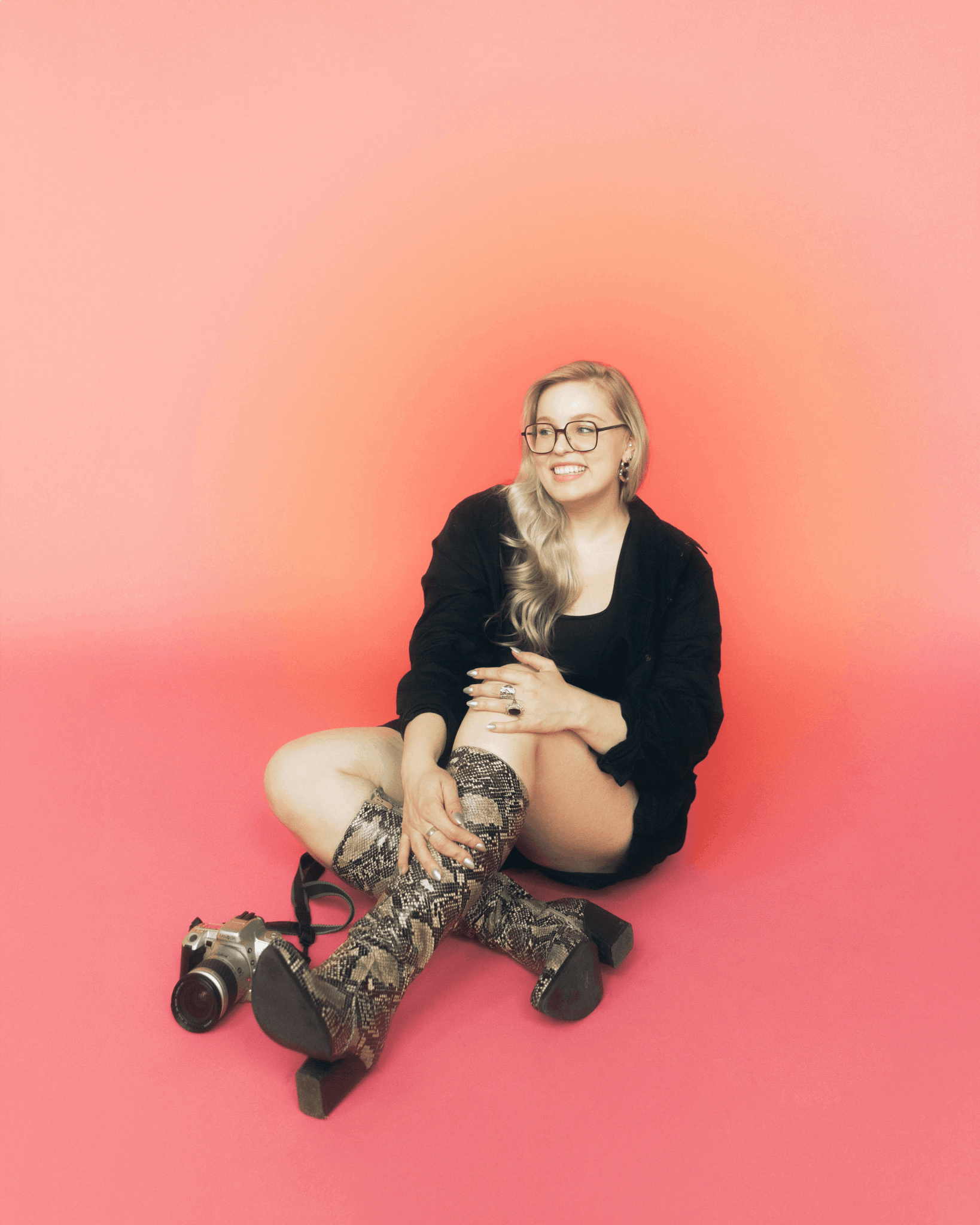

We’re excited to introduce you to the always interesting and insightful Varya Bazalev. We hope you’ll enjoy our conversation with Varya below.
Alright, Varya thanks for taking the time to share your stories and insights with us today. What do you think it takes to be successful?
In a world driven by financial gain, success in running a small business or creative endeavor is often defined by markers of commercial profitability. So, I don’t have the credibility to weigh in on what it takes to be the most financially successful, but I do think there are things I can say about reaching success.
In terms of photography, I think the most important avenue to authentic success is having a clear understanding of yourself, your art, and the legacy you want leave behind. I believe that to be successful in this line of work, you have to understand and love the people in front of your lens. No, not every client will be a dream to work with, but when you’re able to see the humanity of the person in front of you, you renew your love for the craft-and the only way to genuinely succeeded at a craft is to love it way that is borderline obsessive. I think in order to be successful you have to give yourself permission to obsess about the thing you are passionate about.
Additionally, I think that our instant gratification centric society has made many self starting creatives believe that if they don’t succeed immediately they should quit. One of my favorite sayings is “It takes ten years to become an overnight success”. Understand that people will often judge you by the fruits of your labor, so when you just start out with these ideas or visions for what you want your art to look like, many people won’t see your potential.
Success is knowing and understanding that the perspective you have to offer to the world is irreplaceable, and the value you carry as an artist is not defined by the amount of money in your bank account. Once you understand that, and create for the sake of creating (not just to make money), you will carry a confidence that will draw people-and customers-to you.
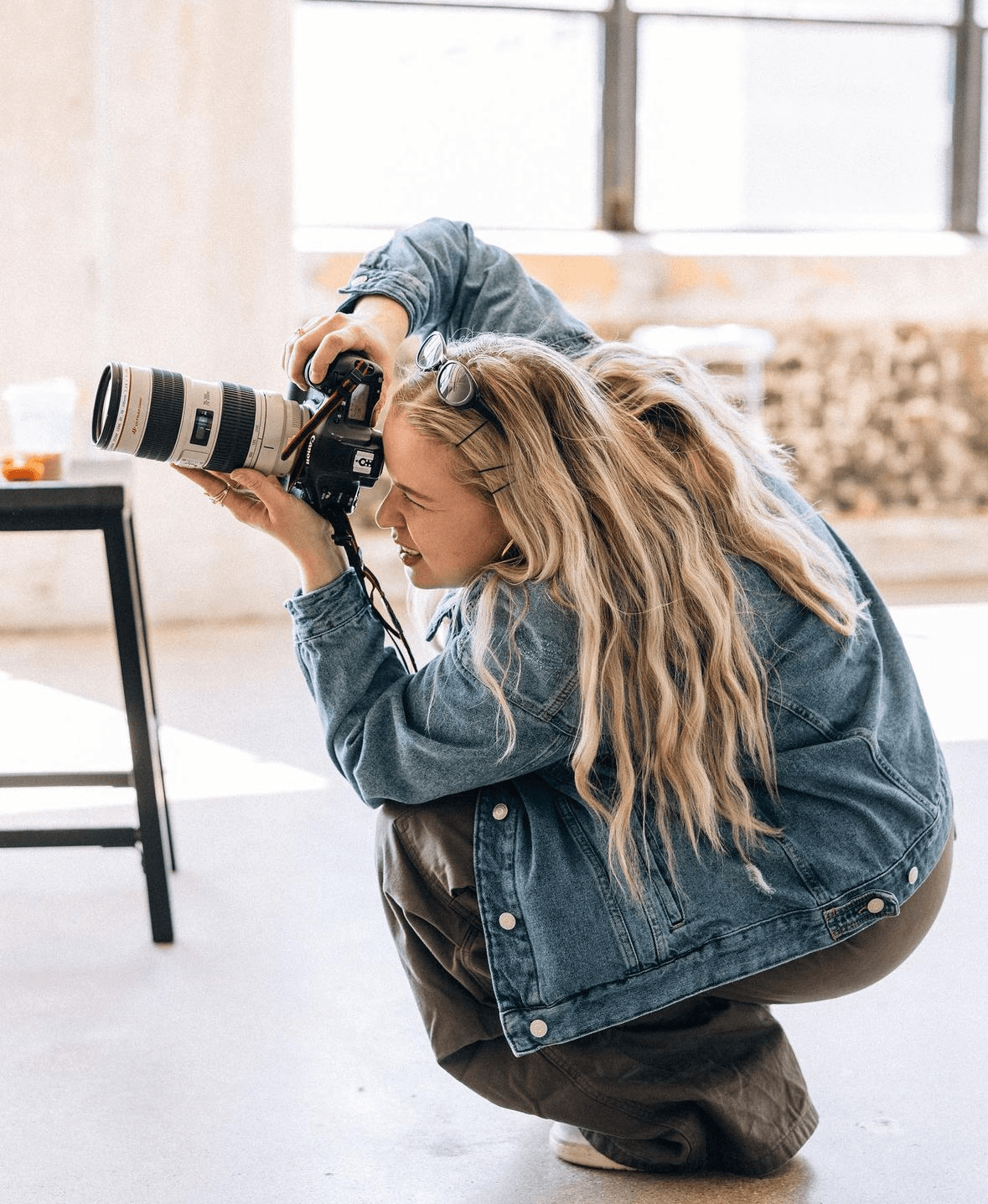
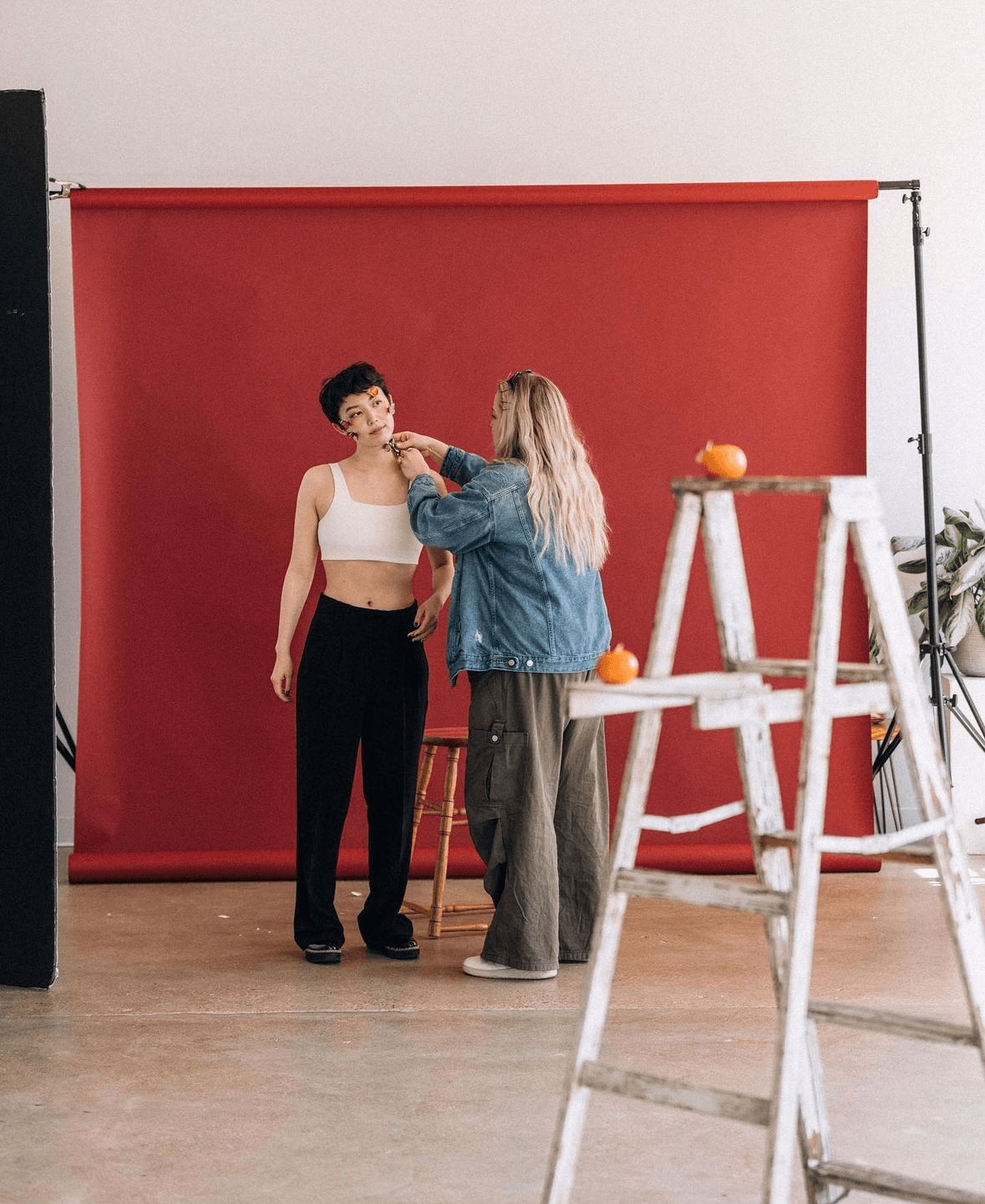
Varya, love having you share your insights with us. Before we ask you more questions, maybe you can take a moment to introduce yourself to our readers who might have missed our earlier conversations?
I think about the butterfly effect a lot.
When I was 18 years old, I found a camera in my father’s home office that was given to him as a gift. At the time, his plan was to sell it and make some money that would be helpful for our family, since we were an immigrant family with both parents working long hours and tedious jobs. As a high school kid, I was ignorant to the full extent of the struggle, so I asked my dad if I could keep the camera instead.
He agreed, so I promised myself I would make his decision to let me keep this camera worth it. So, I like to tell people that I sort of fell into photography, but it was the best thing that could have happened to me.
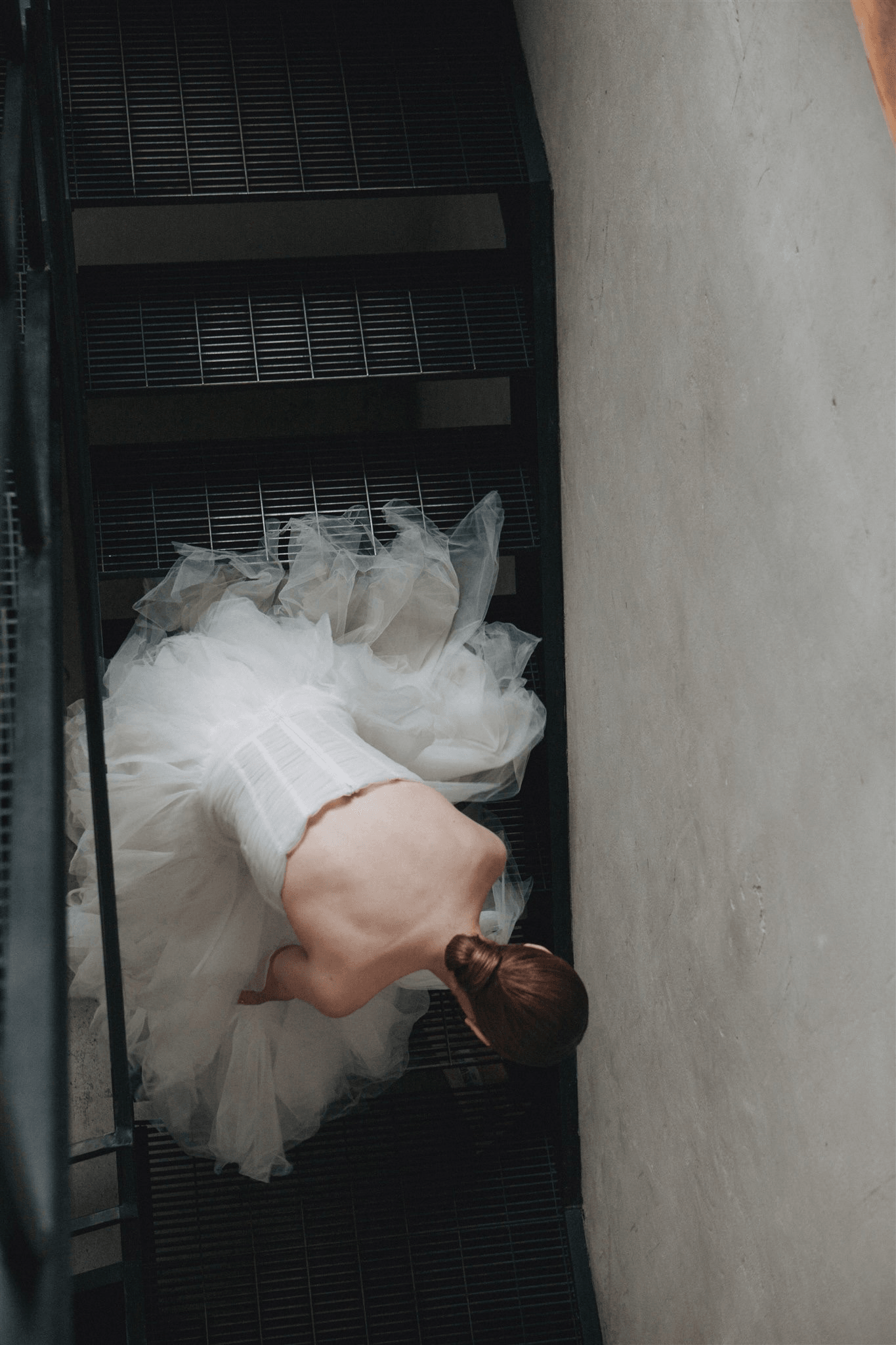
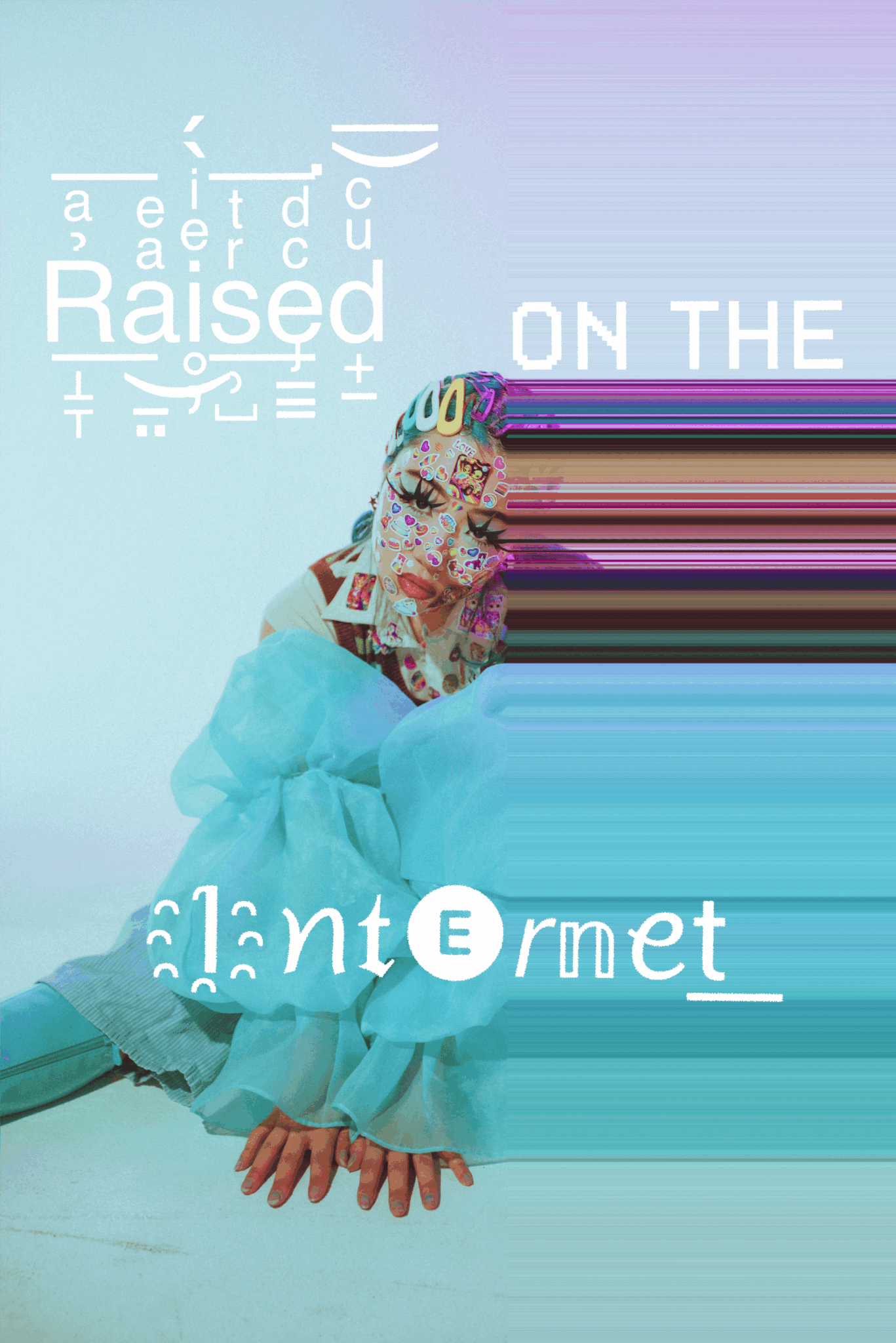
I grew up as a very (like VERY) sensitive kid. I found music, art, movies, and stories a safe haven for my strong emotions that I did not understand or have much control over. I began shooting photos because it was the only medium I had access to, and it was one of the only vessels I had for coping with everything I felt. I believe that my client work reflects how invested I am in the process of creating, just as much as I am invested in the final product. I also value constant learning and breaking into new areas of photography. Although I started in fashion photography and portraits, I grew into shooting engagements, weddings, editorial work, avant garde photography, and more. Regardless of the type of shoot, you can see my style permeating through my use of color and artistic composition.
I try not to ever compare myself to other creatives and photographers, but, of course, at times I still do. However, I think the thing that sets me apart from others in my field is the presence of emotions and personal identity in my visual storytelling. Authentic human experience-the good, bad, and ugly- has always been at the heart of what I produce, and I think it is what draws people in. I always want people to feel safe and seen whenever I shoot with them, amplifying the individuality of each of my clients. People’s stories really matter to me, and every person adds value to this world. If I can make them feel good about themselves or have them see that value, then I have done my job. My faith motivates so much of my work, and I feel as though people focused and emotionally expressive photography is my way of loving my neighbor, and reflecting Jesus.
One of my former superiors told me “we hired you because you’re scrappy and you love the art”. As mentioned, I found a camera in my late teens, so I had no idea I could even study photography or art as a path towards a creative career. I taught myself, kept creating, and eventually was lucky enough to have some other talented photographers see my potential and teach me what I never learned in art school. Though talent is quite important, I think being a down-to-earth and kind person is just as important in this career.
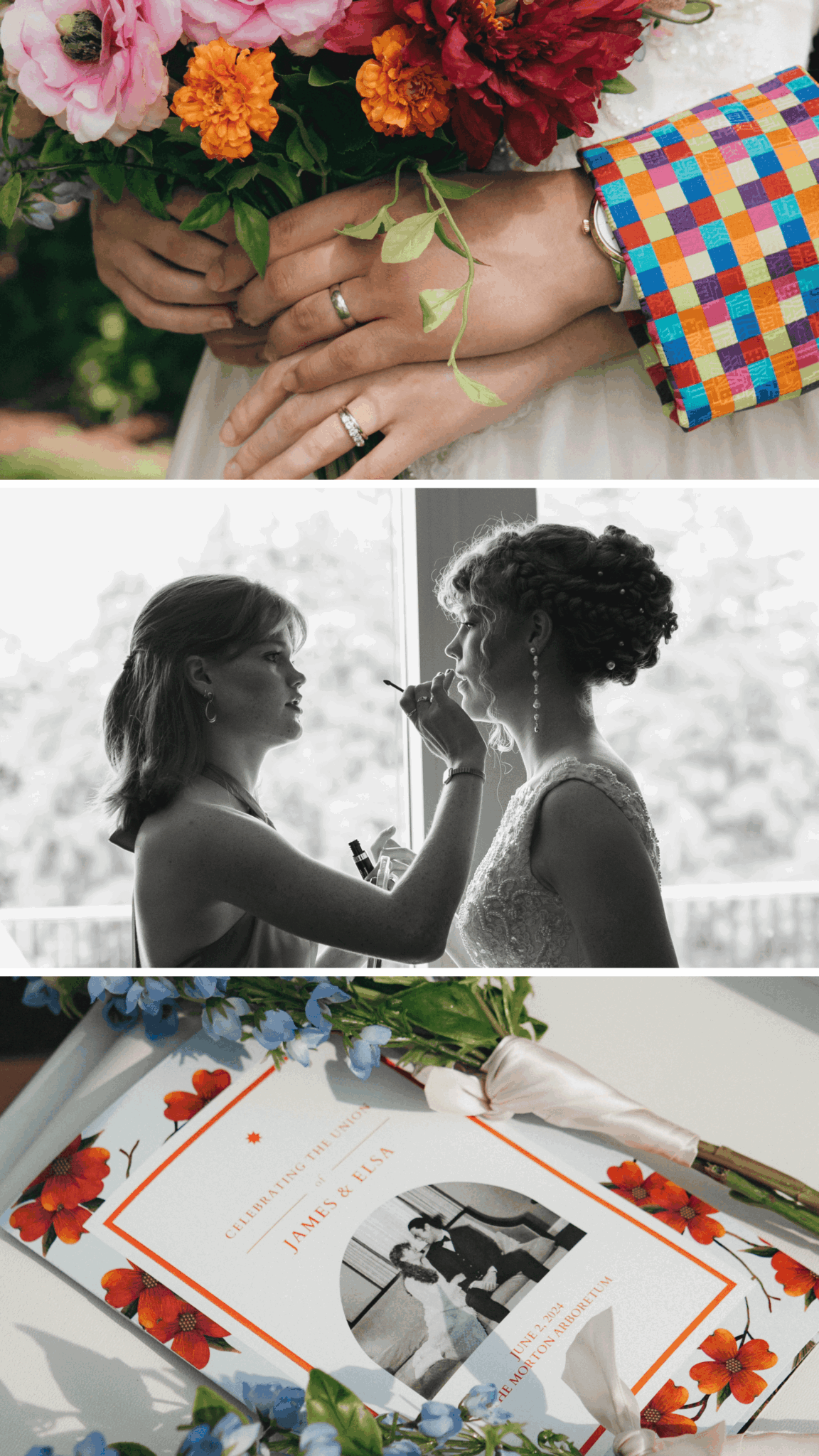
I want people to know how honored I feel when they ask me to capture something for them. I feel that way especially with weddings and engagements. Love is the most universal feeling, and being let into someone’s world to document this beautiful feeling is something I take seriously.
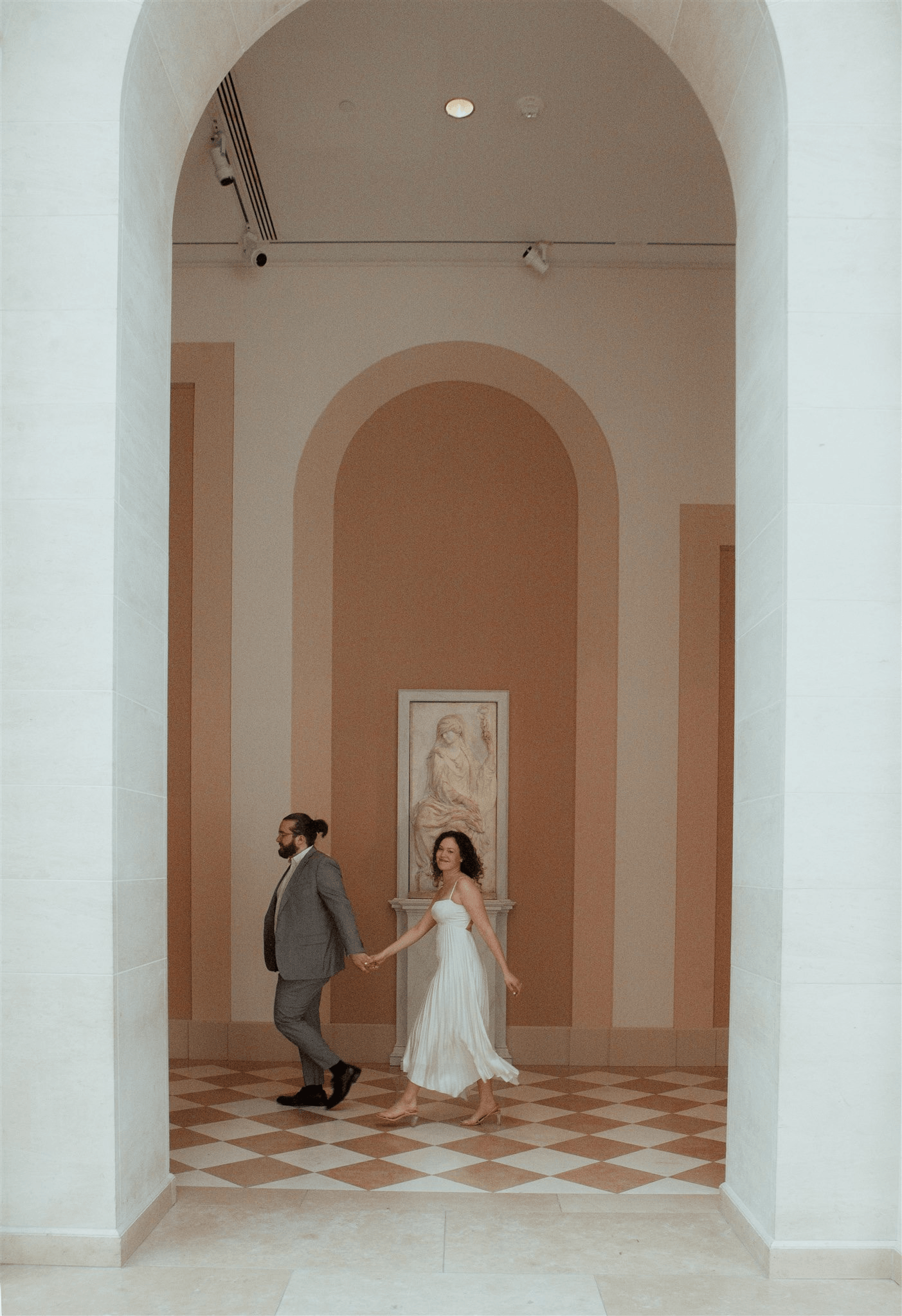
We’d love to hear the story of how you built up your social media audience?
I love this question as someone with a PR and Advertising degree, who works as social media manager (my photography business is not my full time job yet!).
I think the worst thing you can do on social media is focus on follower count and following trends. Heres why:
Follower count doesn’t mean much. The key to building social media is retaining those committed followers you have, and creating quality content for the demographic you’re trying to acquire-it’s about engagement, above all else.
The digital sphere moves REALLY fast, and if you focus on only following video trends, you will burn yourself out. Quickly.
Social media is redefining marketing as we know it, sometimes you can tell a story through an advertisement, but the reality is that most consumers don’t have the attention span for stories. So focus on curating a feeling (or a vibe, if you want to call it that), and don’t have consumers search for who you are and what you offer. Making your visuals, branding, and values very clear in your bio, story highlights, etc., is one of the best things you can do for yourself. I love the metaphor of social media as a front porch. It is the first thing people interact with when they encounter you, so make it as inviting, welcoming, and visually appealing as possible.
And finally, don’t get discouraged if you put out something you love and it doesn’t get much feedback. At the end of the day, social media is a game of algorithmic luck, consistency, and time.
Is there mission driving your creative journey?
I feel very strongly about helping first generation and female creatives have access to resources and encouraging them to create for themselves.
When I started out, I tried to befriend some creatives and ask for advice, and many did not want to share. I understand that, and get why they want to keep those things to themselves, but I felt like it cultivated a scarcity mindset in me. The reality is that you do have to protect yourself in this industry, but I wouldn’t be where I am today if I didn’t have more successful photographers share their tips and tricks with me, or let me shadow them. I’m very grateful to those people, and firmly believe that there is space in the photography industry for everyone to succeed.
My goal is to return the favor to other young creatives, especially women, who may not know how to navigate the art world. I’m also interested in the intersection of art, faith, and psychology, and I want to be able to encourage creative expression in younger artists as a means of self expression and therapy. Art should be accessible to everyone, regardless of socioeconomic status. I would love to one day teach photography or visual communications, or run a nonprofit that focuses on inclusivity and accessible art & technology. Overall, I just hope to leave the world a more colorful and equitable place.
Contact Info:
- Website: https://varyabazalev.com
- Instagram: https://www.instagram.com/varya.png/
- Linkedin: https://www.linkedin.com/in/varvara-bazalev/
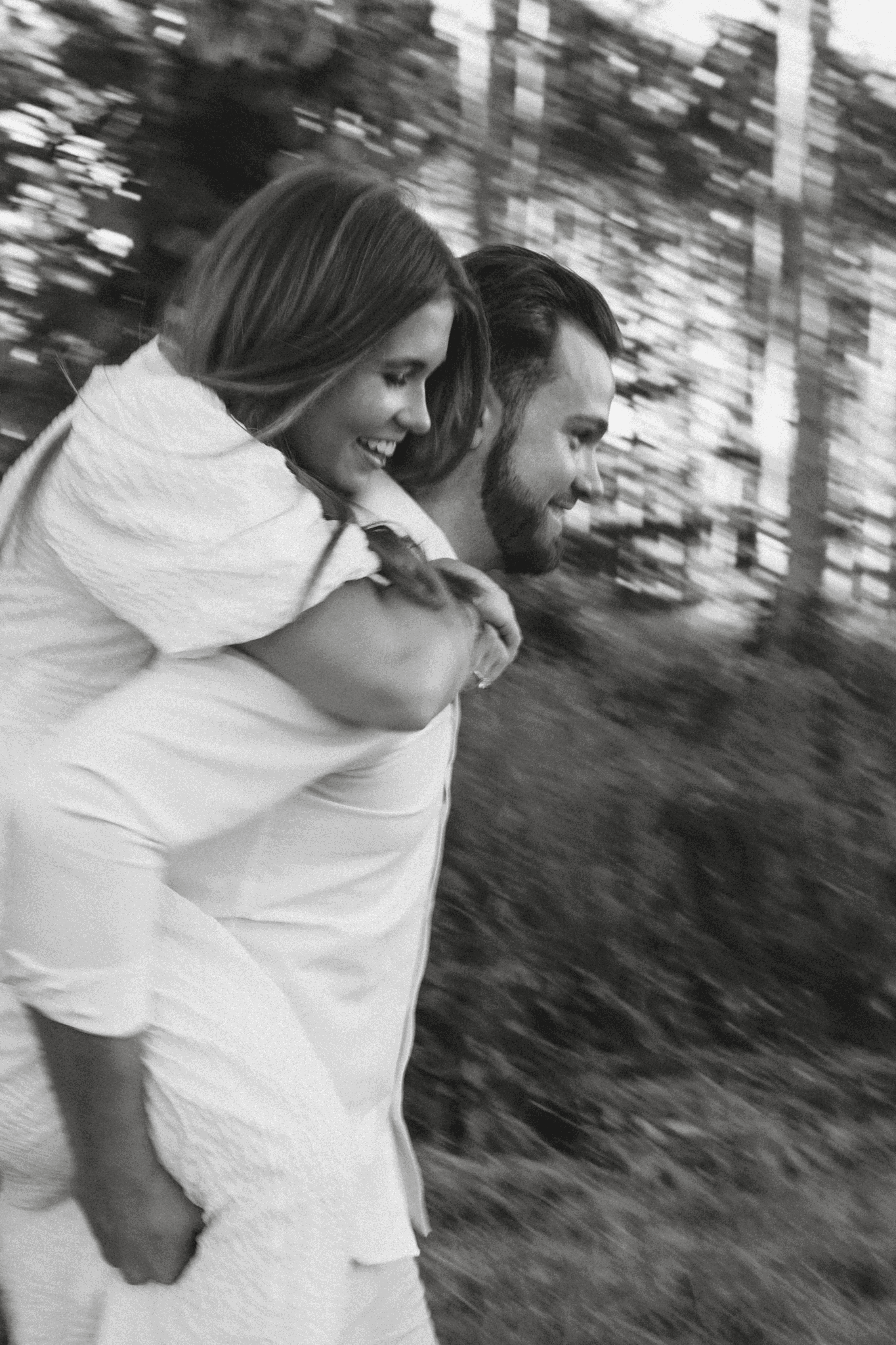
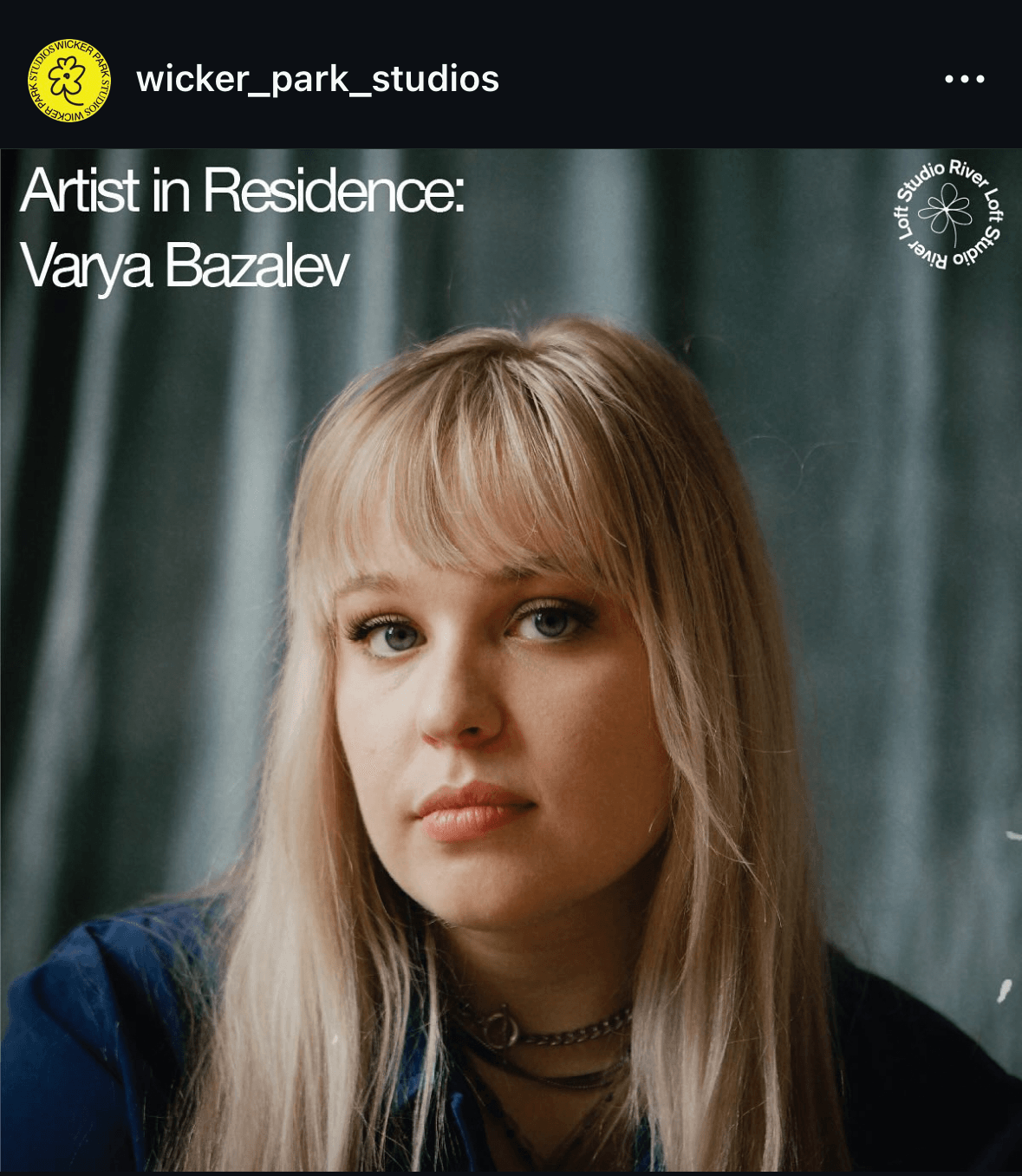
Image Credits
Monyeka (First photo, pink backdrop)
Alina Tsvor (next two, in studio)
Models:
Cyn Ean
Jacqueline Smith