

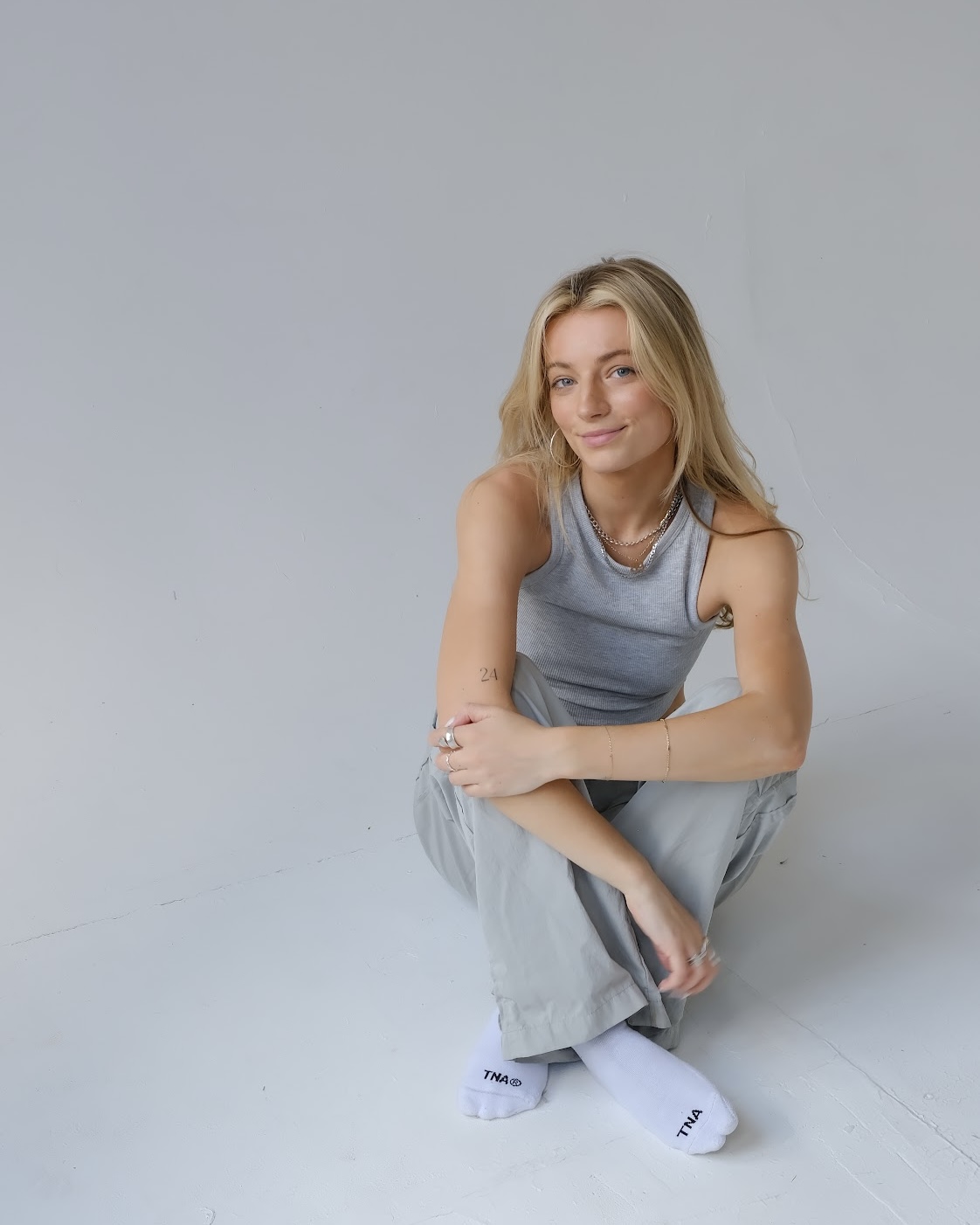

We’re excited to introduce you to the always interesting and insightful Vanessa Wilkes. We hope you’ll enjoy our conversation with Vanessa below.
Vanessa, appreciate you joining us today. What did your parents do right and how has that impacted you in your life and career?
Oh man, nearly everything. I find it difficult to critique either of them in any real way.
For the sake of the question, I think the #1 thing my parents did right that specifically impacted my career was the constant encouragement they offered me. With art, there was never an “if you succeed” mindset in the air—it was always, “You can and will do it.” My dad passed away unexpectedly when I was 12, but my mom doubled down and brought enough encouragement for the both of them combined. She drove me to the craft store after work, listened to endless ideas of projects I would start before finishing the last one, and would always act amazed by my work (even when it wasn’t so amazing). I knew I probably wouldn’t pursue art in college, but my mom drove me to tour art schools anyway, in case I decided it’s what I wanted to do. Because I would work on multiple projects at once (and there was only so much counter space in my house growing up), my mom would eat dinner at the tiny bar we had downstairs, insisting to surrender the kitchen table to my various projects all the time. I would offer to move my things and she’d swear she preferred it this way. She never made a big fuss about it either. It may sound like a small detail, but it was that unwavering, everyday type of support that enabled me to practice over the years and become better. Her love, encouragement and flexible attitude about my passion for art is truly what enabled me to become an artist.
Vanessa, love having you share your insights with us. Before we ask you more questions, maybe you can take a moment to introduce yourself to our readers who might have missed our earlier conversations?
My name is Vanessa Wilkes and my brand is Wilkes Studio.
Art has been my passion my entire life. Honestly, I can’t remember a time where I didn’t obsess over it constantly. I was always drawing as a kid: on the walls in my childhood home, on the furniture, on my homework…sometimes on sketchbook paper too, although that seemed more rare (sorry mom and dad.) I had 2 incredible art teachers in high school who absolutely changed my life and pushed my work further than I thought it could go at 17. Thanks Mrs. Falb and Mrs. Jeffrey, I’ll never forget you guys.
Even though my passion for art never wavered, I wanted to study something more practical in university (or what I thought was more practical, considering it’s not everyday I use that Computer Science degree). At the time, it felt right, and I don’t regret it at all. But post grad, after I moved downtown and started working my “practical” 9-5 job, I couldn’t help but fantasize about the idea of pursuing art full-time and how it would feel.
As I began meeting other creative people (who are everywhere by the way—it is New York City after all) being a full time artist felt more and more tangible by the day. I thought back to my parent’s unwavering mantra and started to really believe it: I can and will do it.
“I can do it, I will do it, I feel it” I remember telling my brother, Austin, the summer before I put a pin in the corporate world to kick Wilkes Studio into high gear. He agreed, and encouraged me even more. The following December, I took the leap.
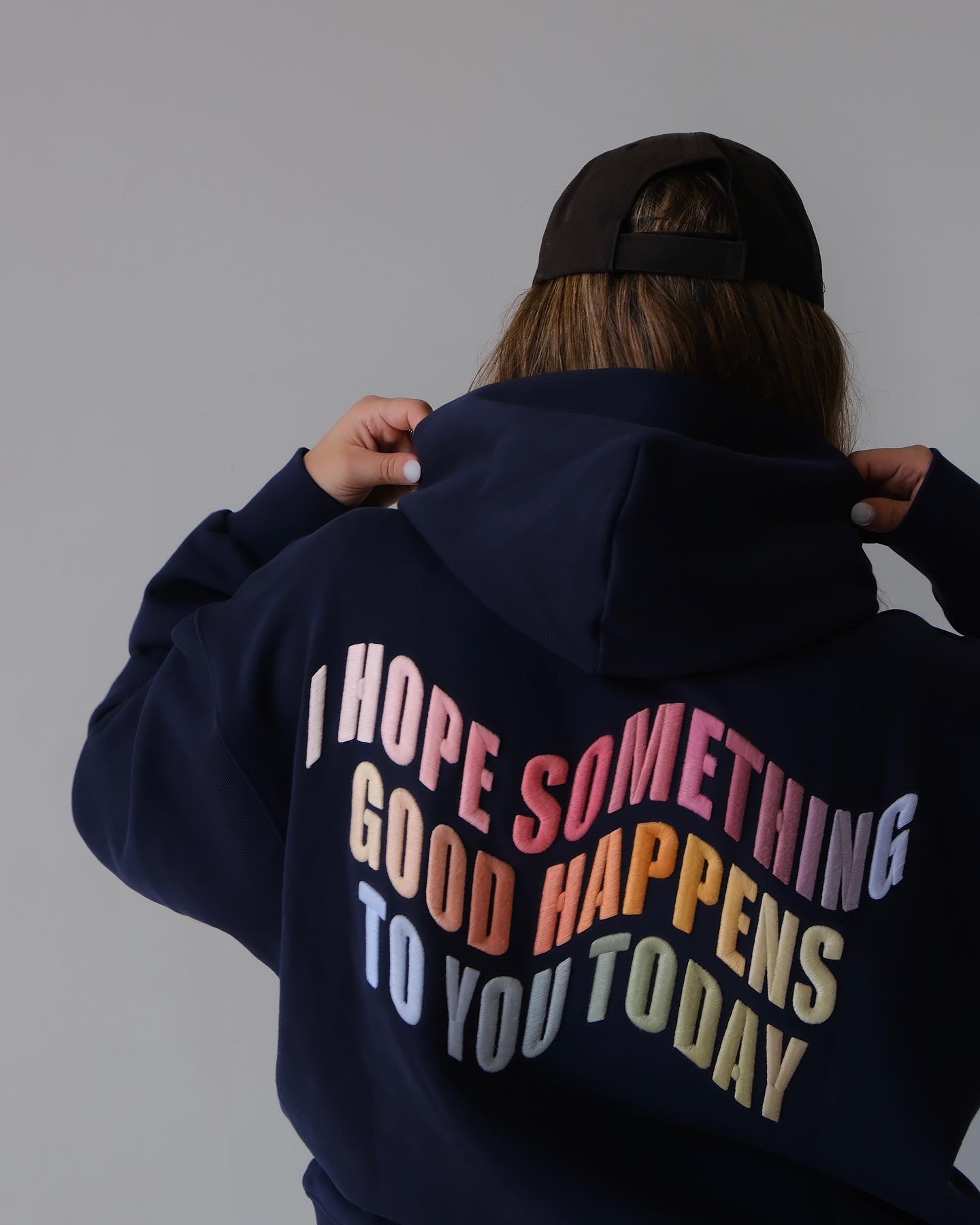
Wilkes Studio is a brand I created to sell my paintings, prints and apparel with the world. Almost all of my apparel is cut, sewn, and embroidered from scratch which I still think is really cool. Seeing an idea you drew on a notepad come to life in physical form is something I don’t think I’ll ever get used to.
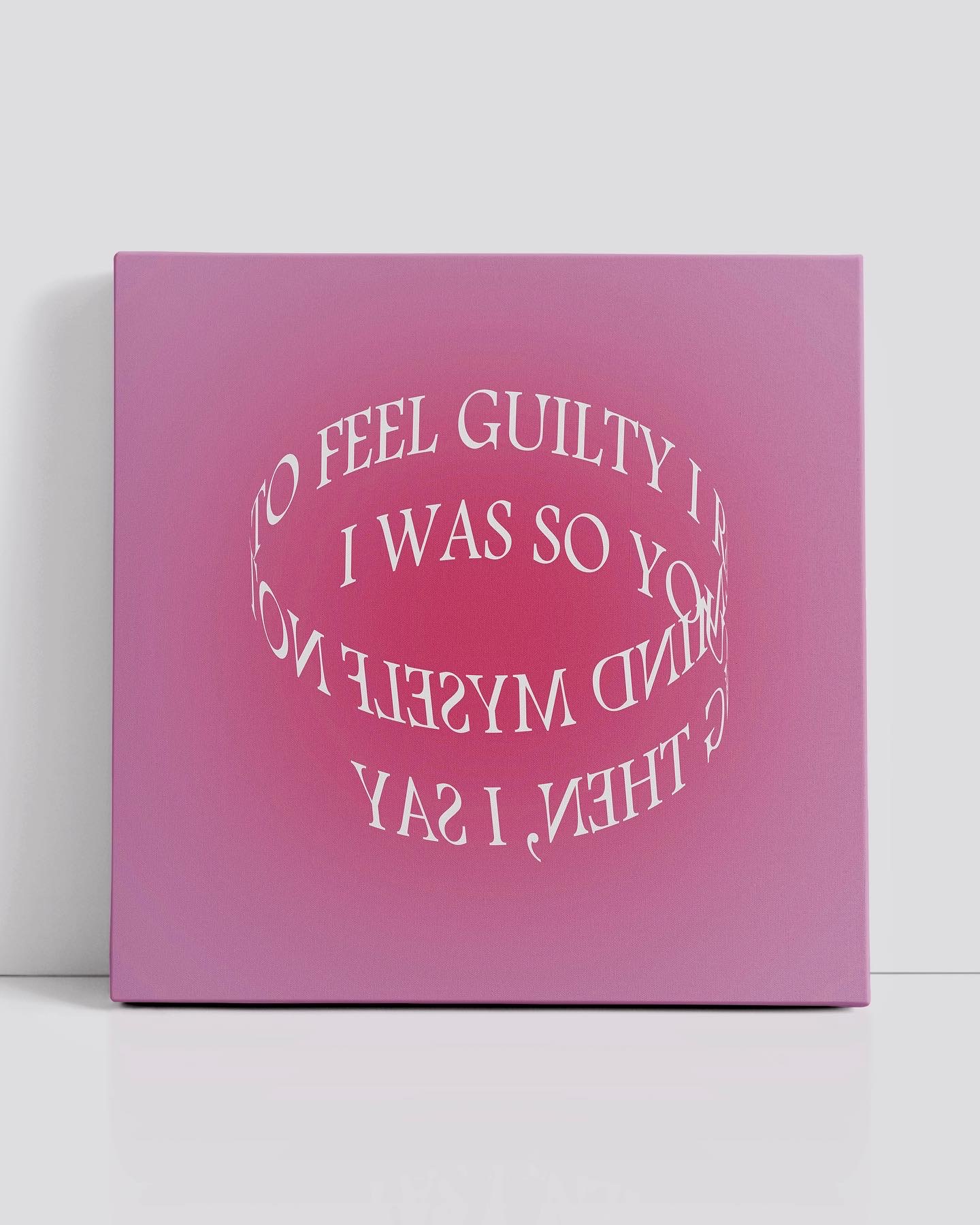
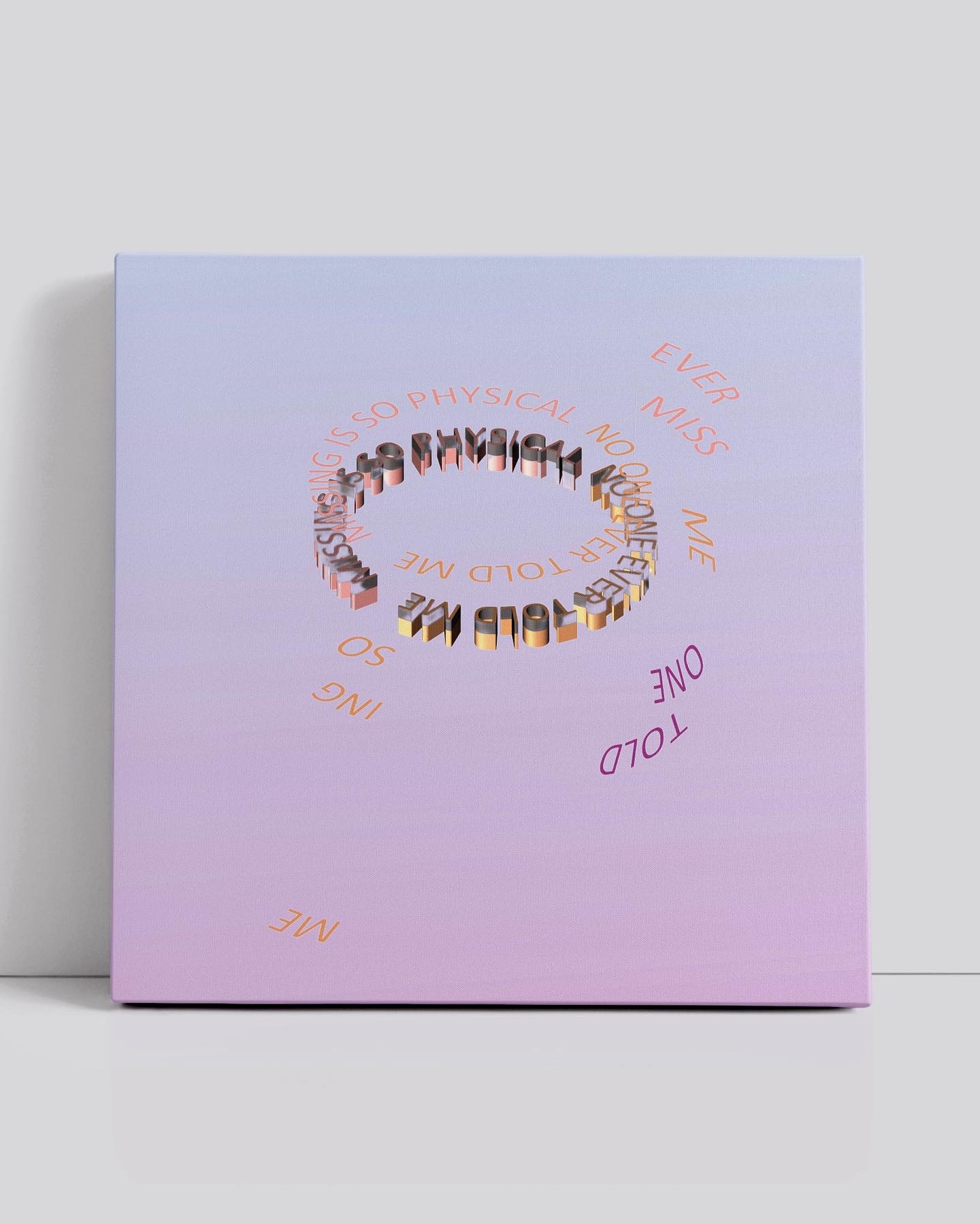
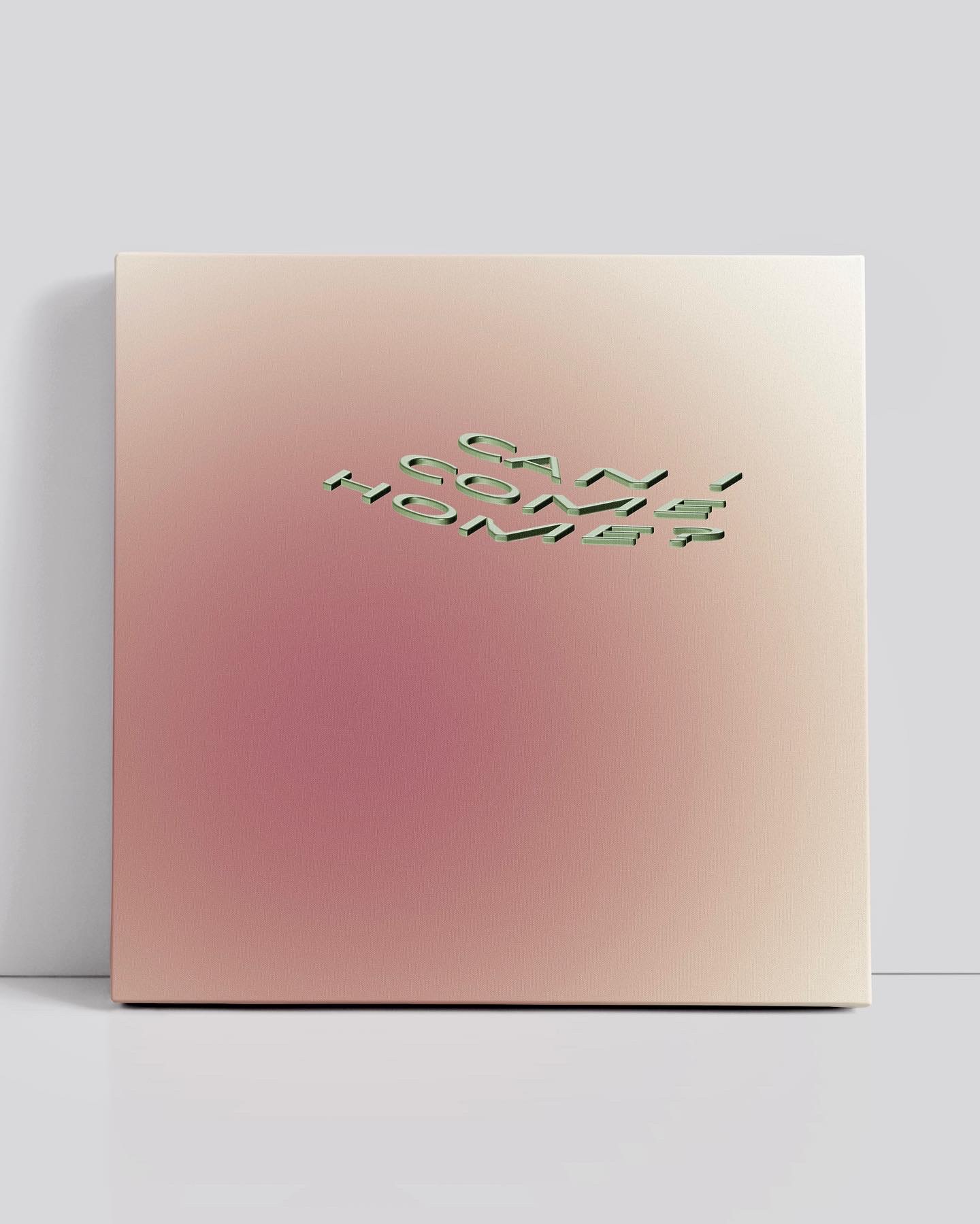
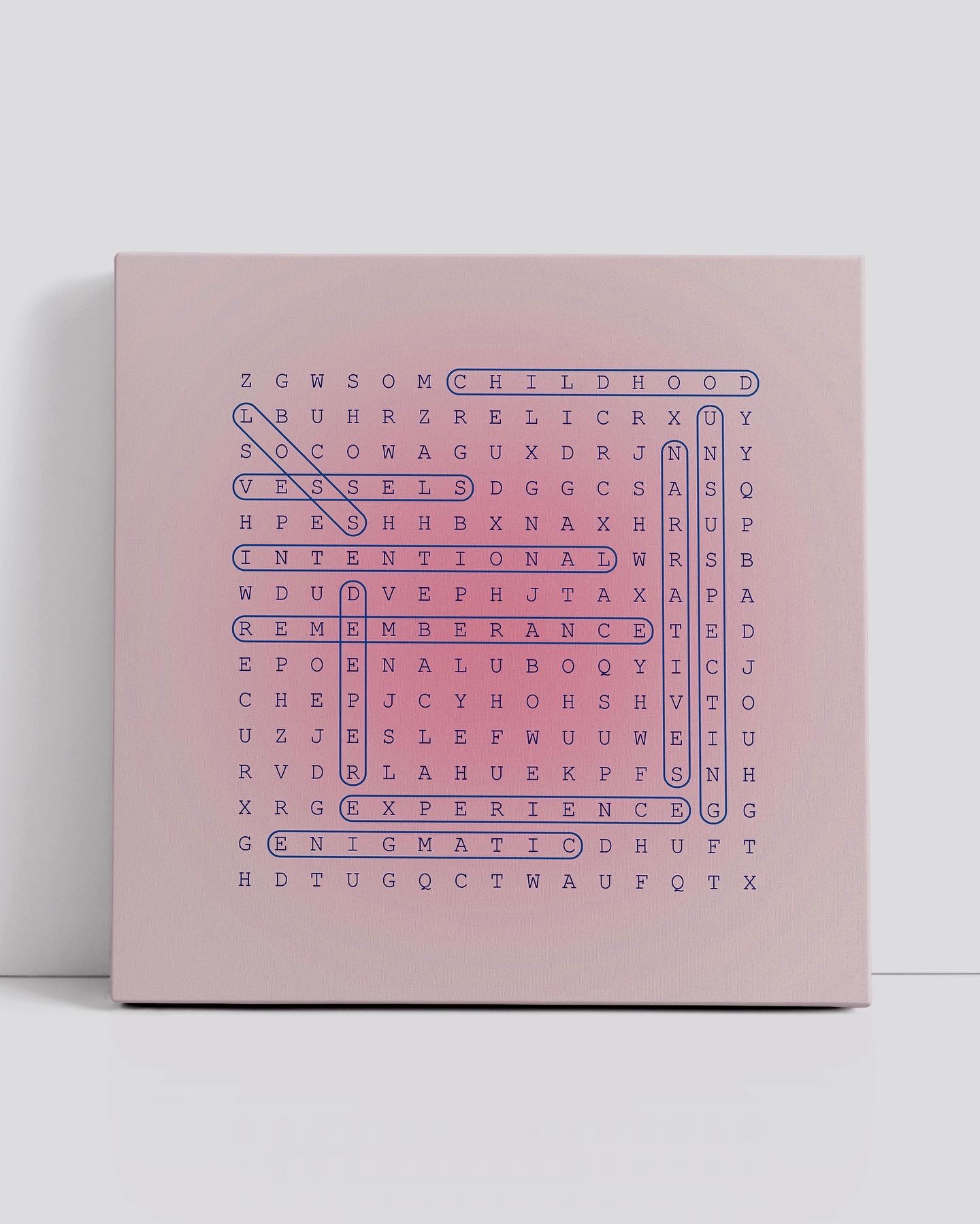
My paintings are typically divided into series where I hyper-fixate on an idea for a few months and create work surrounding it. My work is abstract with a heavy focus on text in my paintings, often delving into the profound themes of mourning, bereavement, and the enigmatic nature of childhood. The words in my paintings are nearly always elusive and mundane, acting as vessels for deeper narratives about shared experiences of loss in different forms.
Wilkes Studio is an artist brand. It is a creative space where I share my process, my music, my materials, my life. It is an ode to my childhood self. It is there to inspire and encourage you. It is a reminder that you can and will do it.
What do you find most rewarding about being a creative?
For me personally, the most rewarding aspect of being an artist is hearing how people connect with my work through their own lived experiences. I think it’s the same for a lot of artists, across all different mediums, whether it be painting, songwriting, or something else.
Last year, I completed a series of 5 paintings called “Half Life.” The pieces were about the sudden death of my dad, who passed when I was 12, which, being 24 at the time, was half my life ago. The idea began when I started thinking about the fact I would miss my dad for longer than I knew him, and how wrong that felt. The pieces explore the complexities of losing a nuclear family member at a young age: grief, guilt, confusion and sadness.
The series was displayed at a gallery in Brooklyn for 2 months and opening night was a huge range of emotions for me. It was my first ever solo show and having my family and friends there was incredibly meaningful to me. I felt accomplished about my first show, touched by my family and friends being present, and yet so unbelievably sad that my dad was missing this moment all at once. Although the paintings were deeply personal, I was moved by the way different people contextualized them through their own experiences of loss. A relative of mine who had recently lost his own father stepped outside to take a moment. Another man at the show teared up as he looked. My cousin cried and told me the work was beautiful. My Aunt gave me a long hug and wiped tears from her eyes. Another uncle texted me an emotional message next day. I was flooded with emails and dms about the show, from people I had never met who experienced loss and felt connected to the work in their own way.
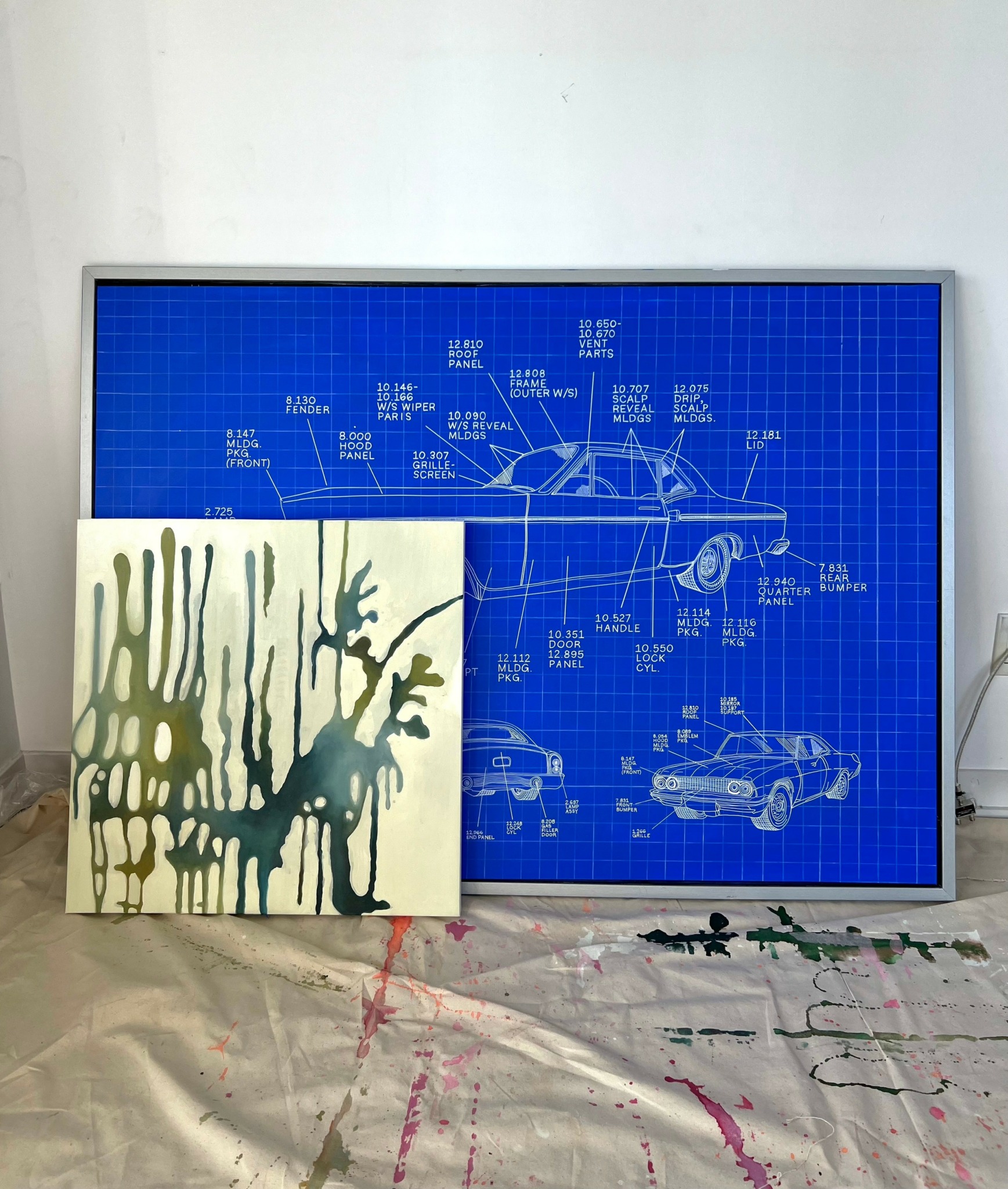
Christ, that last paragraph was a lot, don’t you agree? It’s weird to talk about my own work in this context—It feels like holding up a sign that reads, “My work is meaningful, PLEASE believe me!!” Half Life was particularly sad, but I promise not all of my art is depressing (is it?) I get emails and dms about the good stuff too, such as my car series that I’m working on now: “My dad drove this car and this print is so special to me.” “I want to get this for my brother for Christmas, he’s wanted this car forever!” “I just started dating my boyfriend, I’m going to give this to him for his birthday.” “I recently moved in with my fiance and we want this for our home.” Consider this your proof. And PLEASE, believe me.
Ultimately, this shared connection with others—whether stemming from joy or sorrow—is why I create. It adds a profound layer of meaning to my work, making it the most fulfilling aspect of being an artist.
Is there something you think non-creatives will struggle to understand about your journey as a creative?
Absolutely! I think that similar to any field, if you don’t work in it, you don’t know the ins and outs as well as someone who has dedicated their life to it. I think most people would agree with that sentiment when it comes to accounting, let’s say, but the barrier to entry for art critique seems to be much lower.
I think back to my old roommate who worked in accounting—she must have explained her role to me a dozen times, and I still couldn’t tell you what she does day to day. I’m laughing thinking about it. I would never tell her how to do her job (whatever that job entails) or claim to know what her salary should be. I don’t know how long her spreadsheets take her (I’m definitely no expert in Excel) and I’ve never looked at any of her 50 open tabs on her computer and thought to myself, “Eh, I could do that.”
The contrast kicks in when you enter the art world, and suddenly everyone’s an expert: “I could do this” or “I could do that,” I constantly overhear people in galleries saying. “How is this piece $5,000?” “This is talentless.” The list goes on.
I understand criticism often comes from a place of curiosity, but there’s so much more to artwork than what meets the eye. I guarantee that any non-artist would not be able to replicate the work they see in galleries. Where would they even begin? A myriad of considerations goes into an artist’s work—concept, composition, priming, underpainting, color theory, paint types, slow drying, fast drying, smoothing mediums, sealants and an insurmountable amount more. I’m simply naming things that are top of mind for my process, but each artist has their own unique methods with their own unique materials. Speaking of, I often look at the art in galleries and am so puzzled by other artist’s processes. I often think, “how did they even do this?!” Not, “This isn’t worth X amount” and, “I could do this with my eyes closed.” If that’s your reaction to someone’s work, it’s just not for you—and that’s okay! It doesn’t mean their process sucks, or their work is meaningless. Many artists have honed their craft through years of practice and experimentation and create work from the deepest parts of themselves to share with us. It’s beyond special, even if you wouldn’t hang every piece you see above your bed.
To address the core question: I don’t think non-creatives always understand the time and effort that go into our work. A casual observer might glance at a painting and think, “That probably took five minutes,” when in reality, it could have taken 40 hours or more, not to mention the years of dedication it takes to perfect one’s craft. I completely understand the confusion; like I said, I know nothing about accounting—it’s not my job! That’s why I wouldn’t feel comfortable belittling an accountant or questioning the worth of their work. While it’s not a perfect analogy, I hope it illustrates the point: every field has its intricacies, and those who have dedicated themselves to it deserve recognition and respect for their expertise.
Contact Info:
- Website: https://www.wilkes.studio
- Instagram: @wilkes.studio
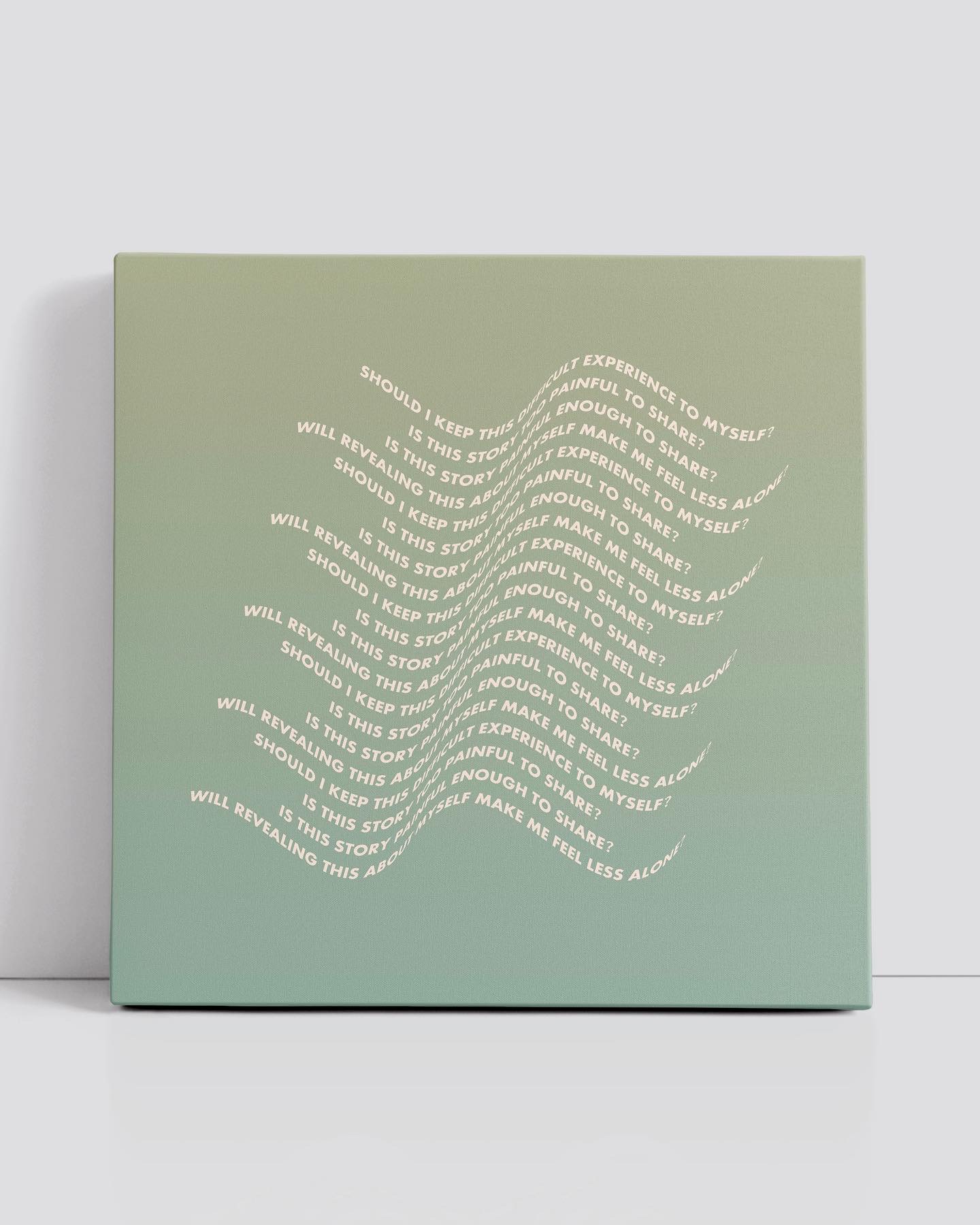
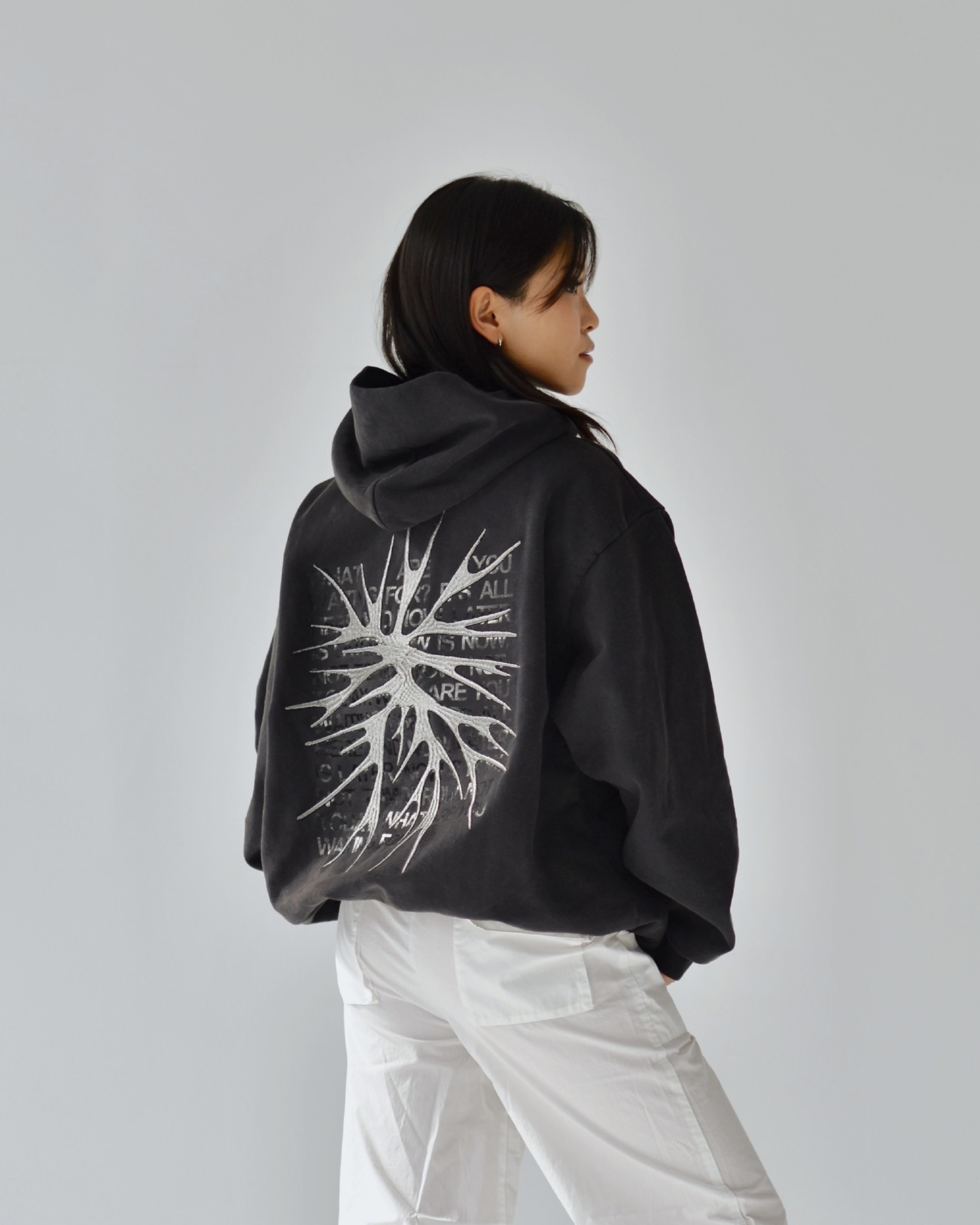
Image Credits
Kate Collins, Emma Howie