We were lucky to catch up with Vanessa Vesperman recently and have shared our conversation below.
Vanessa, thanks for taking the time to share your stories with us today Let’s start with the story of your mission. What should we know?
I used to find the concept of a company mission strange and awkward. I worked for a large company with tens of thousands of employees and the company mission wasn’t bad, but I just didn’t feel it. Being in a management position at the time, I read all sorts of literature regarding creating company and team mission statements to promote individuals connecting with the company. But it didn’t click for me. I enjoyed my work, I enjoyed the people I worked with, but I didn’t connect with the company in the way the information was describing.
For me, in order for a company mission to be meaningful it needs to come from personal experience. If that experience is relatable to other people, you will see staff and customers own that idea as well. And that’s what I hope we’ve created with Snapdragon Tea.
Our mission grew from being the outsider, the misfit. It started with three friends who worked together at a donut shop. (Yes, I know there is controversy over the spelling of donut, but this is how we spelled it.) While I was slinging donuts, I was also going to culinary school and puzzling over how I was going to use that education in the new world COVID threw us into. I was relatively new to Albuquerque and my friends were telling me about a great tea house they loved to visit. Sounds awesome! I love to drink tea. I’ve been to several tea houses in my travels and enjoy the experience. But…I eat a vegan diet and the menu didn’t work with that.
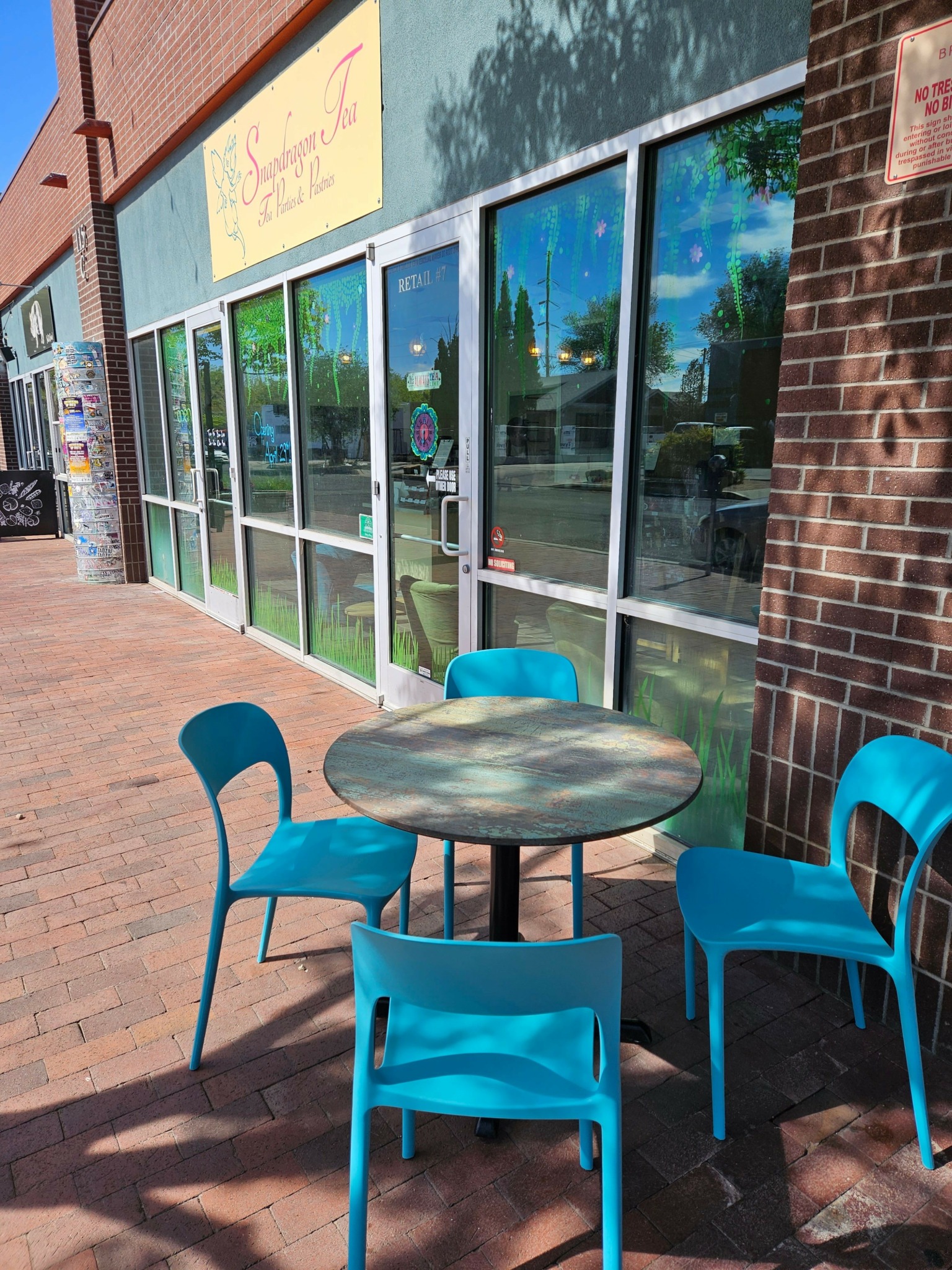
As we talked about their experiences more, there were things about the tea houses in the area that didn’t work for them either. Lydia is a grandmother with a young granddaughter that didn’t meet the age requirements. Kitt is trans and feels some people in these traditional Victorian spaces are judging. Which led us to think, how about creating a space where we can enjoy tea and the tea party experience without taking ourselves too seriously. Let’s make it fun, casual, and affirming of people’s differences. So now we have Snapdragon Tea, a fun and casual tea cafe that provides an affordable and inclusive tea experience.
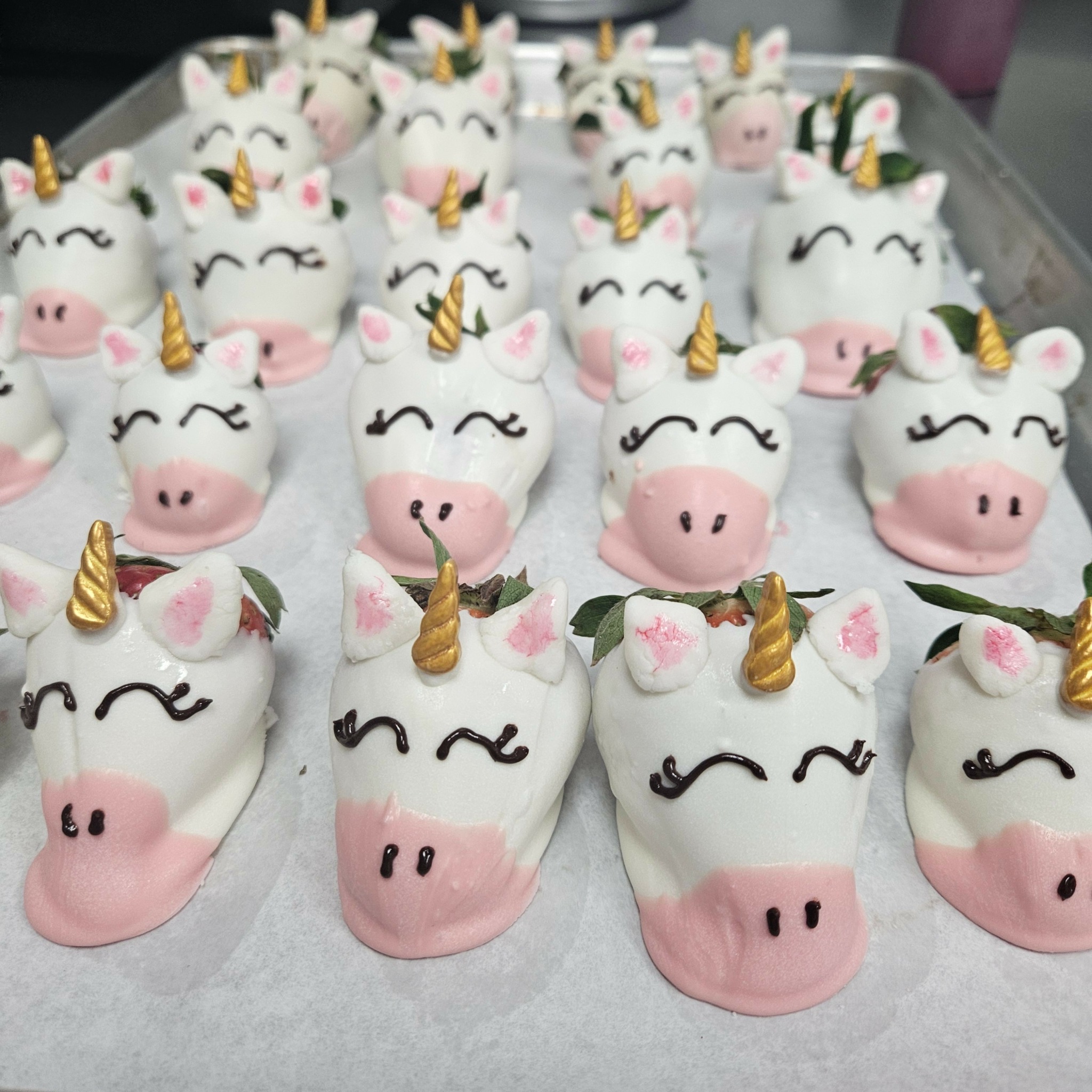
We strive to make our space and our tea parties fun and casual. Children of all ages are welcome and we encourage everyone to take the opportunity to feel the freedom of childhood wonder. We have crayons and coloring sheets on each table. People are encouraged to tape their creations on our window, facing in toward other customers or out toward the walking public. We have games available, a little free library, and a community board. Our tea party themes are always a little quirky, like our “Fairies and Unicorns Tea Party” or “Feline Frolic”.
We are proponents of the LGBTQIA+ community. We encourage everyone to “come as you are”. A portion of our donation budget is focused on groups in the LGBTQIA+ space. And the majority of our staff identify as some flavor of this alphabet soup.
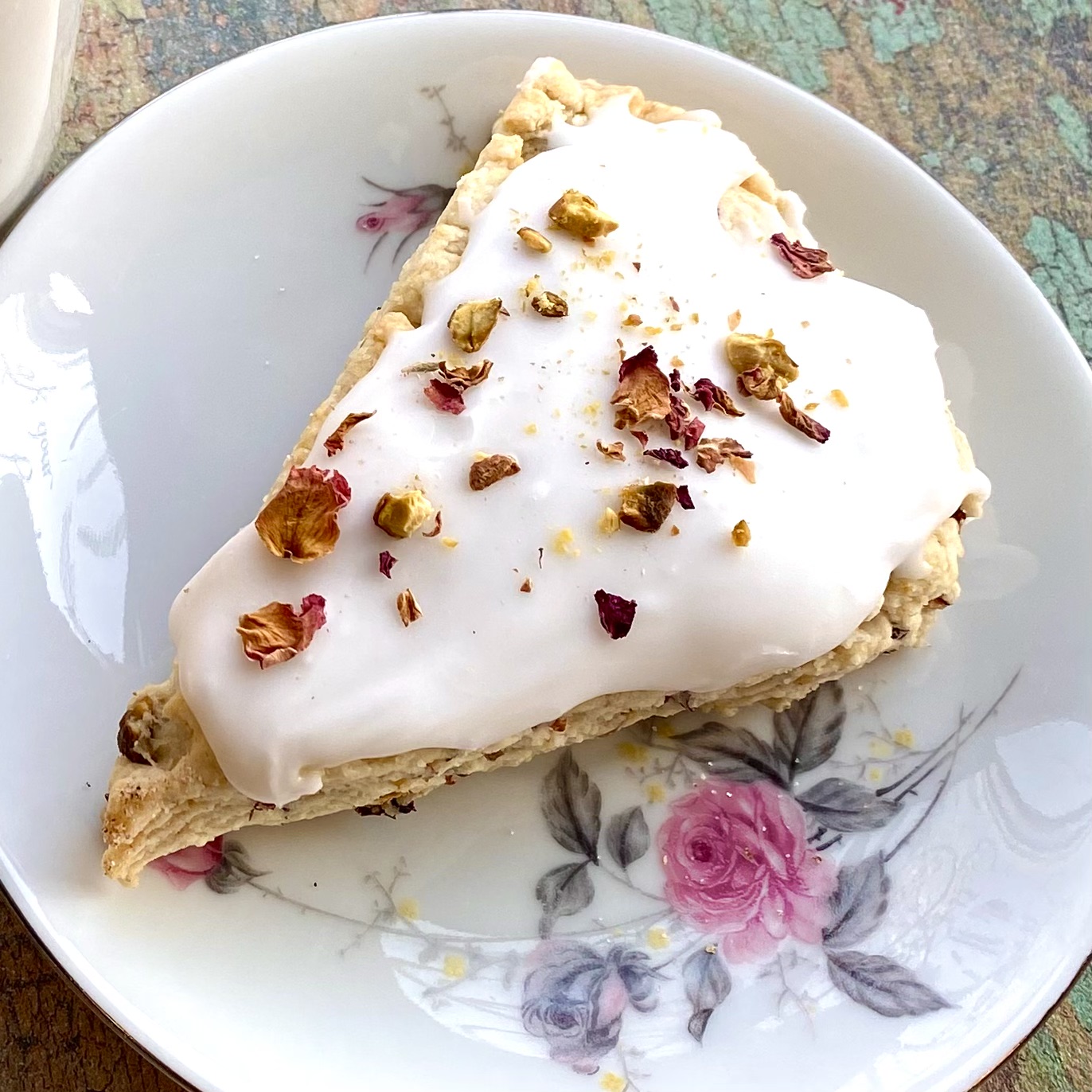
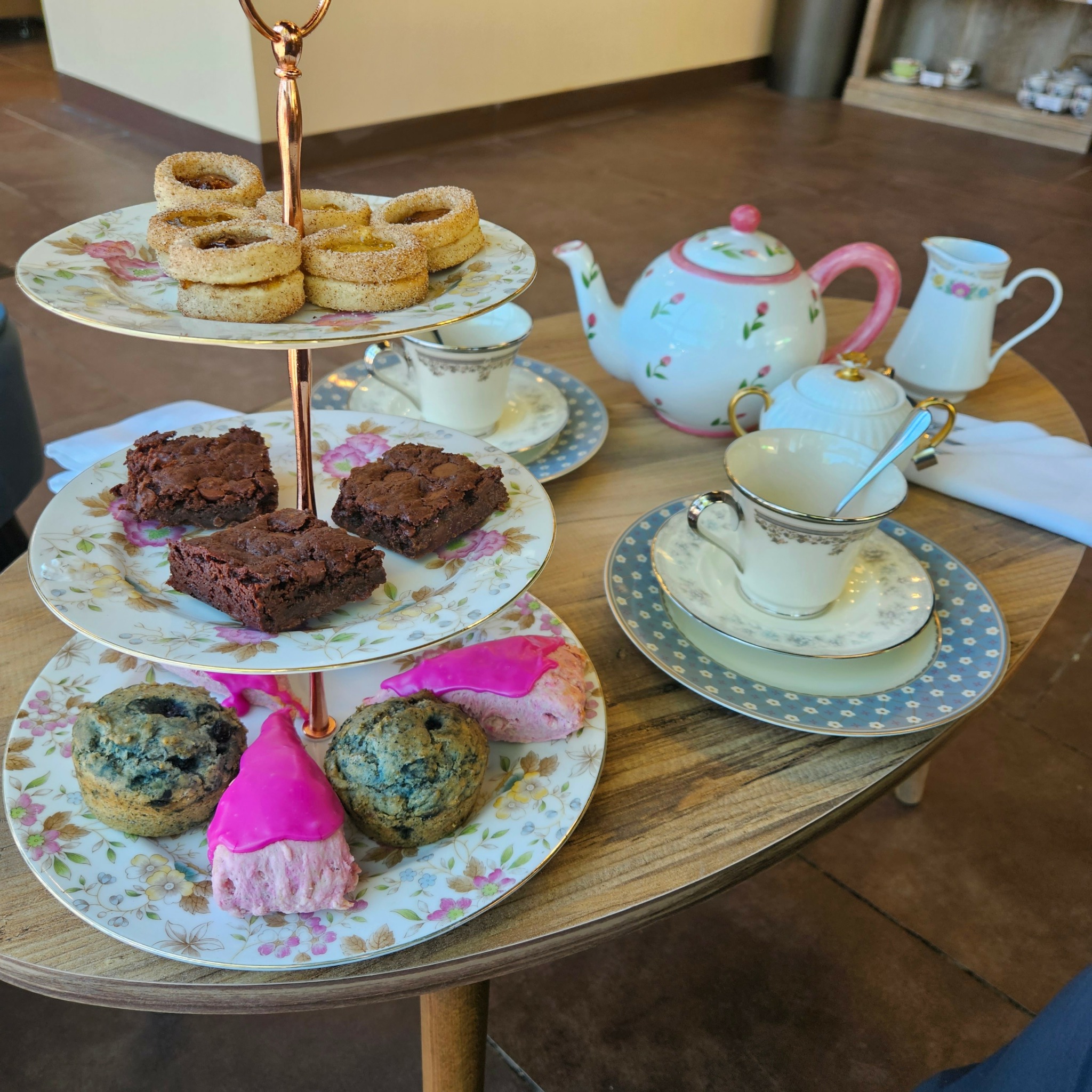
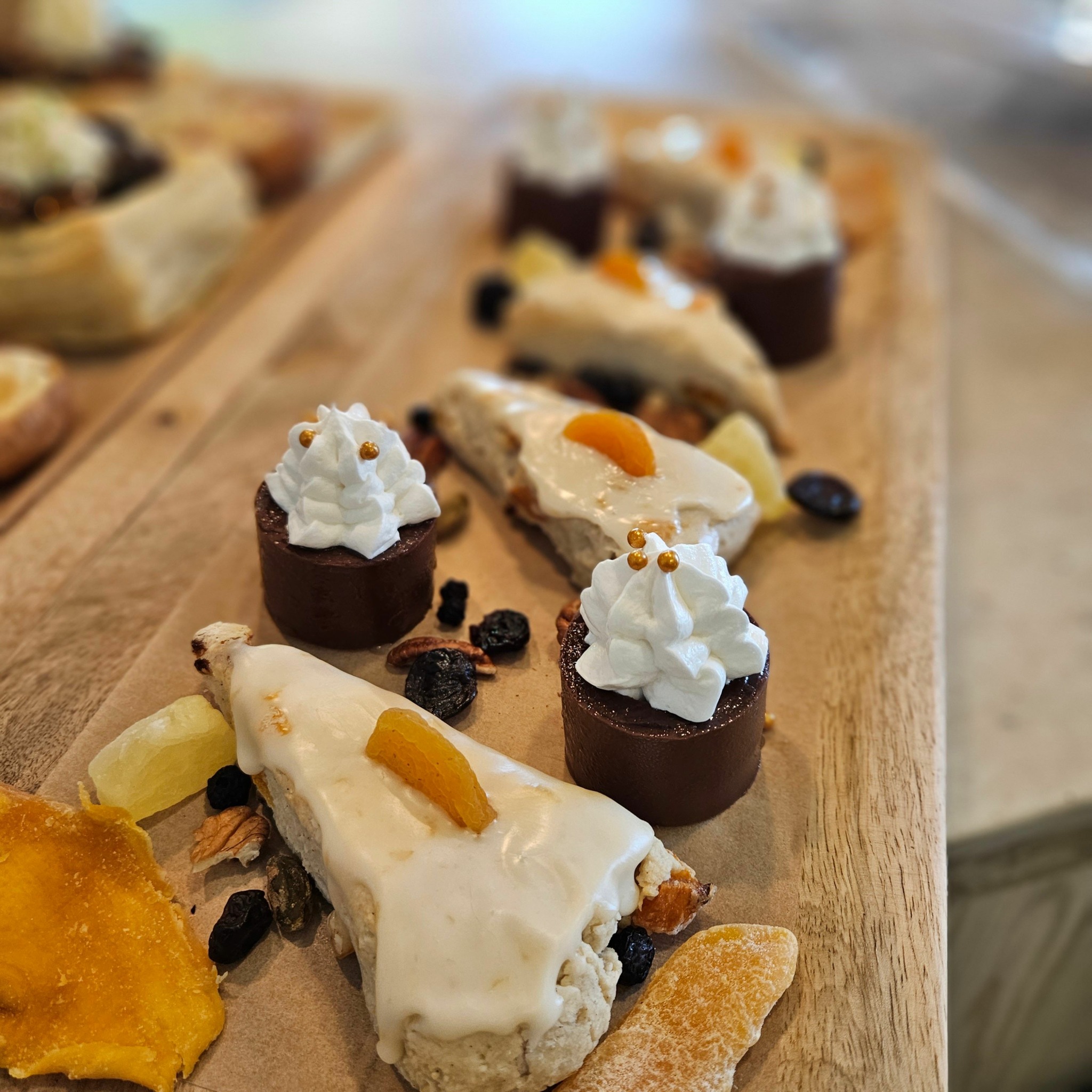
We focus on keeping our prices affordable. Our main tea party prices is lower than our competitors. We offer a “children’s menu” which is really meant for children of all ages who want less food or a lower price point. And we offer an a la carte tea party option where you can buy as many or as few items from our cafe menu and we’ll cut them into smaller portions and serve them on a three-tier tea tray.
Our weekend tea party options always have alternatives available for vegetarian, vegan, non-gluten, and diabetic friendly diets. Let us know your allergies and dietary needs, and we’ll try to accommodate. It’s not always easy or the most cost effective to have these many alternatives available, but it’s important to us.
Great, appreciate you sharing that with us. Before we ask you to share more of your insights, can you take a moment to introduce yourself and how you got to where you are today to our readers.
My name is Vanessa Vesperman and I’m a co-owner of Snapdragon Tea in Albuquerque, New Mexico. I worked for 14 years in the healthcare software industry. I was good at what I did and I was successful. But every year, I would have the feeling that I should quit and do something else. There wasn’t a specific something else that I felt drawn to, so I stayed in the same position. Eventually for a variety of reasons, my husband and I decided to move to a new state and this gave me the push to find that something else.
For his birthday, I took my husband to a class about making pizza. I was fascinated by the story of the instructors journey to her current position. And when I mentioned it to my husband, he said, “you could do that”. That thought stuck in my head. Every few days, I would hear “you could do that” in the back of my mind.
My biggest frustration about eating a plant-based diet is eating out and traveling. It’s easy for us at home. I have no complaints about the huge variety of flavors and foods we can create that cover all our nutritional needs. But when we go out, so often our options are pasta or the obligatory salad. I am not a salad fan, just ask anyone who has heard my tirade on iceberg lettuce. For the record, I do enjoy spinach and kale, but seriously do NOT give me iceberg lettuce.
I enrolled in an online plant-based cooking certification program just as a way to dip my toes. It was a three month program and at the end I decided why not keep going with this experiment and enrolled in culinary school. I chose the online program for pastry arts at Escoffier Culinary School. And boy was I glad that I was enrolled in an online program when COVID hit. But I was still trying to navigate a new city and a potential new career in the early days of COVID. Which circles us back to talking with Lydia and Kitt about what we would like to see in a different kind of tea house.
I’m so proud that we took the risk to try something different. We created a space that feels warm and inviting. We’ve gathered employees and customers who appreciate our casual approach to tea parties. And in that way we’ve started to build a little community based on acceptance and respect.

What’s worked well for you in terms of a source for new clients?
We’re currently focusing heavily on word-of-mouth in order to build the business in an organic way that provides sustainable growth. Social media is our biggest tool. We don’t pay for advertising on social media channels. We watch what topics and types of posts result in our current customer base reacting or sharing the most. We do cross-promotion with some of the small businesses in the area that we’ve worked with and with organizations that we donate to or support in other ways. Our biggest bumps in social media followers have come when other organizations with larger followings have picked up one of our posts. In particular, the city’s tourism promotion organization has been a great source of new followers.
My absolute favorite is when we ask a party if they have had a tea party with us before and one person in the party has but they are bringing their friend who has not. There is no better compliment than someone wanting to share the experience with a friend. Except maybe getting a thumbs up from a toddler because you know if they don’t like something, they will let you know.
Can you tell us about a time you’ve had to pivot?
Our original plan was slow growth made up of small steps.
We started working out of a commissary kitchen and all our sales were online purchases that would be picked up from the kitchen, or on-site catering of events. The commissary kitchen was low rent and low risk since we paid month-to-month and our capital investment was low.
The next step was sharing a space with another business. We would share the kitchen and the dining room of a restaurant. We were open mornings and the primary business used it for lunch and dinner. I had hoped to spend a year collecting data about what kind of customers were coming to the restaurant, how frequently repeat customers were returning, how were people finding us, and what kinds of services people were responding best to. Unfortunately within three months of opening, conflicts arose with the primary business. Our relationship with them devolved quickly and we decided the best thing for us was to leave. We had been open to in-person dining for under three months and we were concerned that if we went back to working out of the commissary kitchen we would lose the customers we had just started developing. So we made the leap to our own brick-and-mortar much earlier than anticipated.
We had to close for three months in order to find a location, design our space, and purchase the equipment. We’ve had to jump into decisions and expenses earlier than anticipated. One of the biggest has been hiring staff. The restaurant business is cyclical and we don’t have a lot of data about busy and slow times to know when to staff up and when it doesn’t make sense to fill gaps immediately.
We’ve had our brick-and-mortar open for a year and a half. Overall I’m glad we made the move. We’ve seen more sales and our number of individual customers has grown tremendously. But due to the lack of preparation for some of the decisions we had to make and the increased expenses that we weren’t able to save for in advance, it has delayed when the business will become profitable.
Contact Info:
- Website: https://snapdragontea.com/
- Instagram: https://instagram.com/snapdragonteaparty
- Facebook: https://facebook.com/snapdragontea
- Yelp: https://www.yelp.com/biz/snapdragon-tea-albuquerque?osq=snapdragon+tea