



We recently connected with Val Tobin and have shared our conversation below.
Val, thanks for joining us, excited to have you contributing your stories and insights. Learning the craft is often a unique journey from every creative – we’d love to hear about your journey and if knowing what you know now, you would have done anything differently to speed up the learning process.
Stephen King says in his book On Writing that you can’t write well without reading a lot. I agree. I read dozens of books a year and have done so since I first learned how. It gave me an extensive vocabulary and an instinct for wordsmithing. However, that’s just one block in the foundation. Writing a lot and getting feedback on your work also helps, as does taking workshops and courses that teach you how to consciously create.
Formal education speeds the process tremendously, and I wish I’d taken more courses earlier in my career. I took a circuitous route to get to my first published novel. While I did enroll in every English class at my disposal when in school, and while I read magazines and books about the craft, out of practicality I went into computer information systems instead. I was in the computer industry for over ten years before I chucked it all to focus on writing, and that didn’t happen until I was in my late forties.
Creativity and imagination are important skills to develop for writing, but you also need research skills, organizational skills, and time-management skills to make it happen. Those all come from a combination of formal education, independent learning, and experience that comes from practice. I wrote for non-fiction for years, providing content for various online magazines. I’ve also contributed short stories for anthologies and magazines.
Formal education costs time and money, so that’s a huge obstacle if you’re struggling to make ends meet. When you self-publish, you also have to run your publishing business. That means doing your own marketing and administrative tasks even though all you want to do is focus on your writing projects. An author friend gave me guidance and advice when I started, which helped me avoid a lot of pitfalls, but I still made mistakes setting out. I didn’t write to market, which makes my writing niche. I’m not sure that’s a bad thing for the writing itself, but it is for sales.
A lot of resources exist, though, to help authors in all phases of the journey. Many of them are free or low-cost, so it’s possible to keep moving forward even if you don’t have a lot of money. Find writing books at the library, blogs to follow, groups to join, and other authors to ask for advice. The indie-publishing community is extremely supportive. I have a membership to the Writers’ Community of York Region, and it’s a huge help to my development as a writer and as an indie publisher.
Awesome – so before we get into the rest of our questions, can you briefly introduce yourself to our readers.
I took a roundabout way to becoming an indie author.
Ever since I learned about books and stories, I wanted to write. Throughout elementary and high school, I loved reading and writing and took as many English classes as possible. From there, I attended a semester at college in the Book Editing and Design program, then switched to general arts at the University of Waterloo, where I focused on literature, philosophy, and psychology. I made another switch from there to computer information systems out of practicality.
Even in the computer industry, while working as a software and web application developer, I gravitated to writing wherever possible. I wrote technical articles for Community MX, an online publication focusing on Macromedia products. I also wrote copy for websites and user manuals for software and web apps. After I left the industry, I wrote articles for Suite101 and other online content sites.
During the years I was in computers, I also became a certified Reiki Master/Teacher, a certified Angel Therapy Practitioner, and I received a Bachelor of Science in Parapsychic Science and a master’s degree in Parapsychology. I also joined paranormal and UFO meetup groups to feed my interests in those areas and participated in some paranormal investigations in the US and Canada.
Today I focus on writing novels that draw heavily on my background in both computers and the occult/paranormal. I also do some editing work.
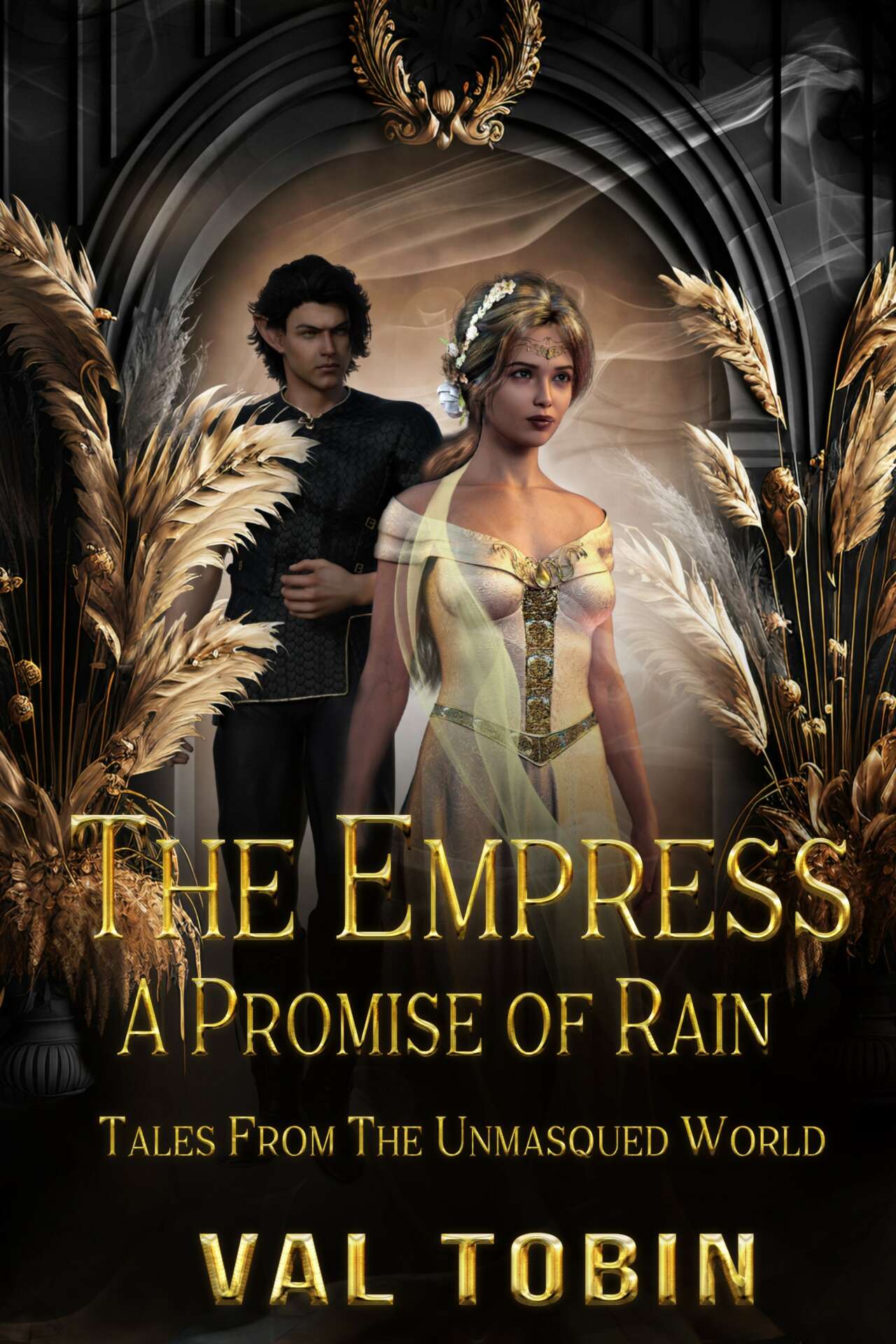
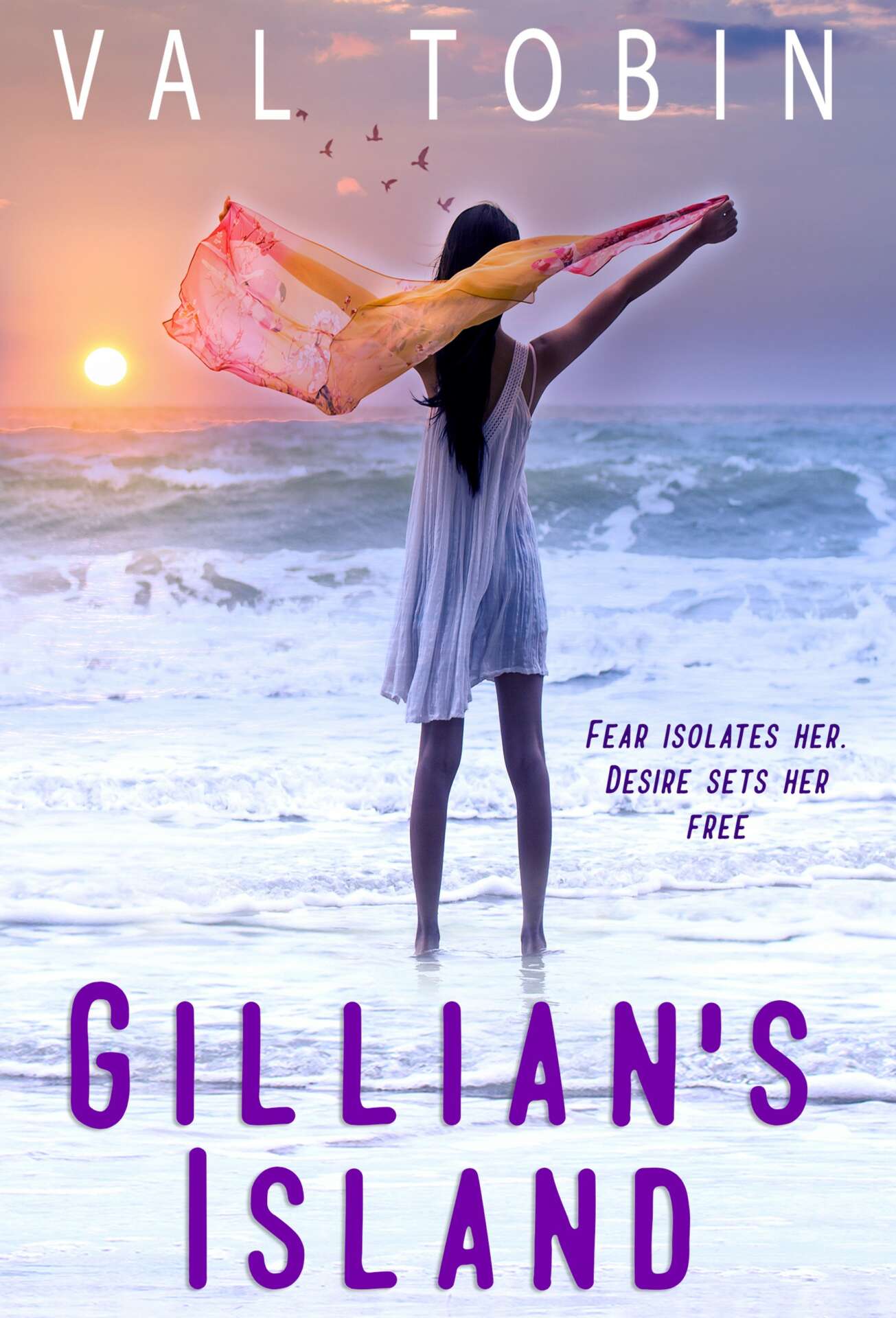
My novels are, as one reviewer put it, “effortless reads” and suspense-filled stories in a variety of genres. My supernatural-infused offerings include a sci-fi thriller series steeped in UFO conspiracies and psychic phenomena, a paranormal romance series that incorporates the new-age concept of the walk-in but exploited by an evil sorcerer, a sci-fi-horror-thriller monster series, and an urban fantasy series that takes inspiration from the tarot’s major arcana. My more mundane offerings are romantic suspense stories that include a mystery and/or an emotional journey.
All my novels are set in Ontario or have an Ontario connection, and they’re all full-length novels. Some have won awards, and I get sales from all over the world.
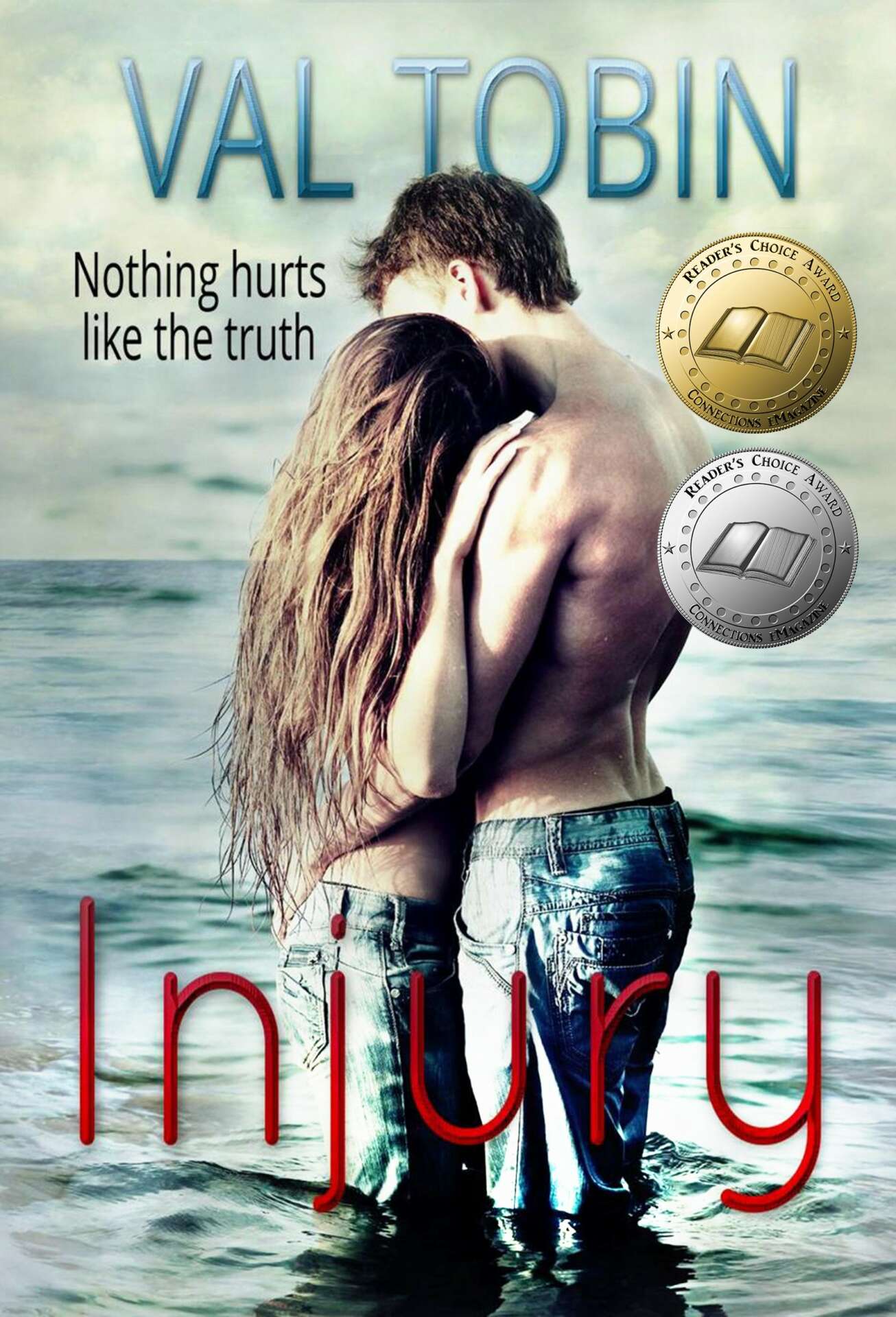
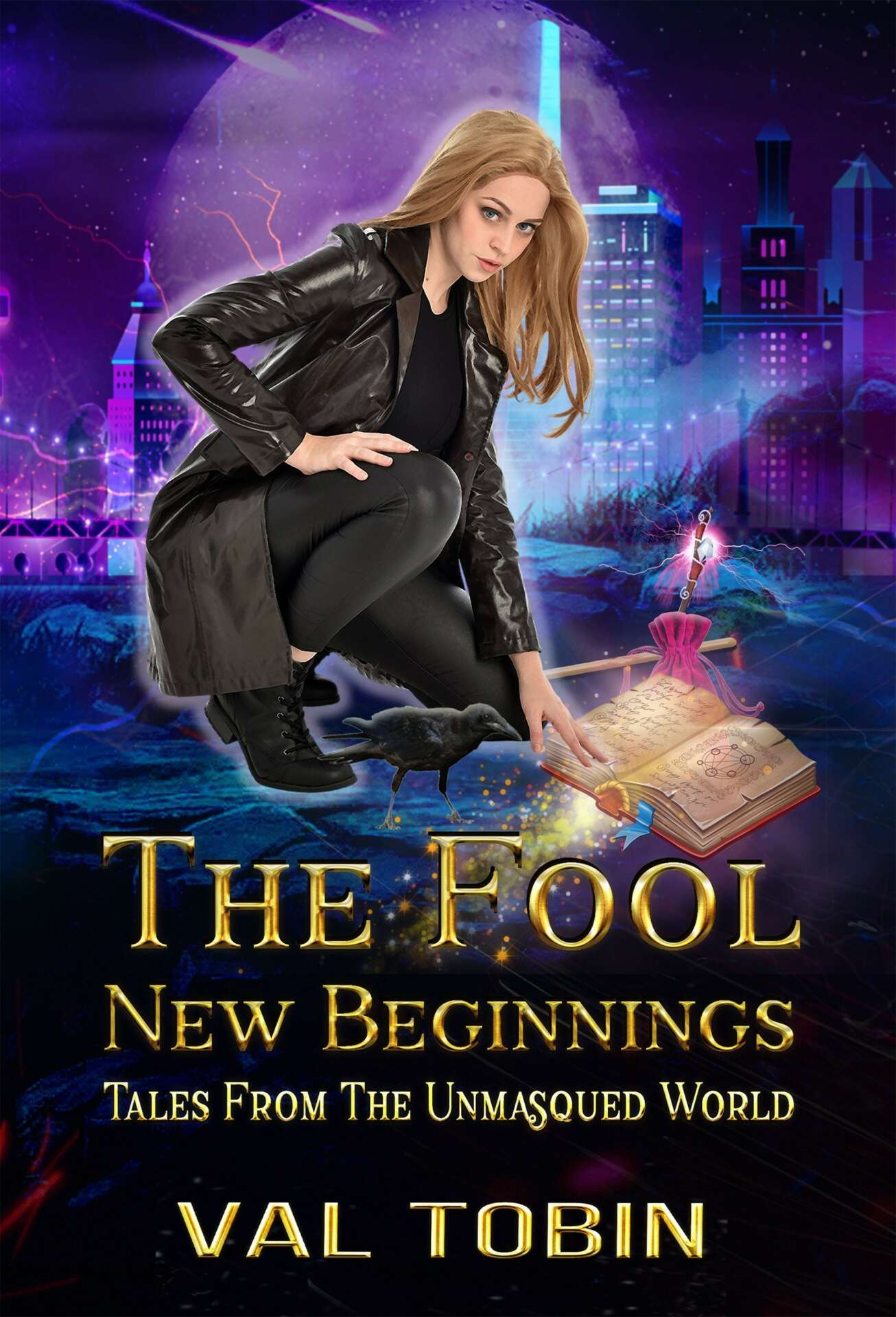
What’s a lesson you had to unlearn and what’s the backstory?
I had to unlearn overthinking. I’ve always tended to overanalyze and overthink everything, and that led to analysis paralysis.
When I was in my late forties, I’d already been writing non-fiction for an online tech magazine, but my dream was to write fiction. It seemed beyond my grasp. No matter how much I studied it or read about it, I couldn’t bring myself to sit down and write a novel. The whole thing became too intimidating. I felt as if the more I learned, the less I knew. I felt as if I’d never be good enough to do it.
An acquaintance who’s a professional psychic spontaneously asked me about it once when we were chatting. She asked about my writing though I’d never told her anything about that part of my life. When I replied I was writing non-fiction but wanted to write fiction, she said, “Don’t worry; You will.”
I asked her when, but when she replied, “In your early fifties,” I was disappointed. That was at least eight years away. I asked her what would change to allow me to do that, and she replied a block is removed. I didn’t find that particularly helpful, but I hung onto the part that predicted I’d achieve my goal.
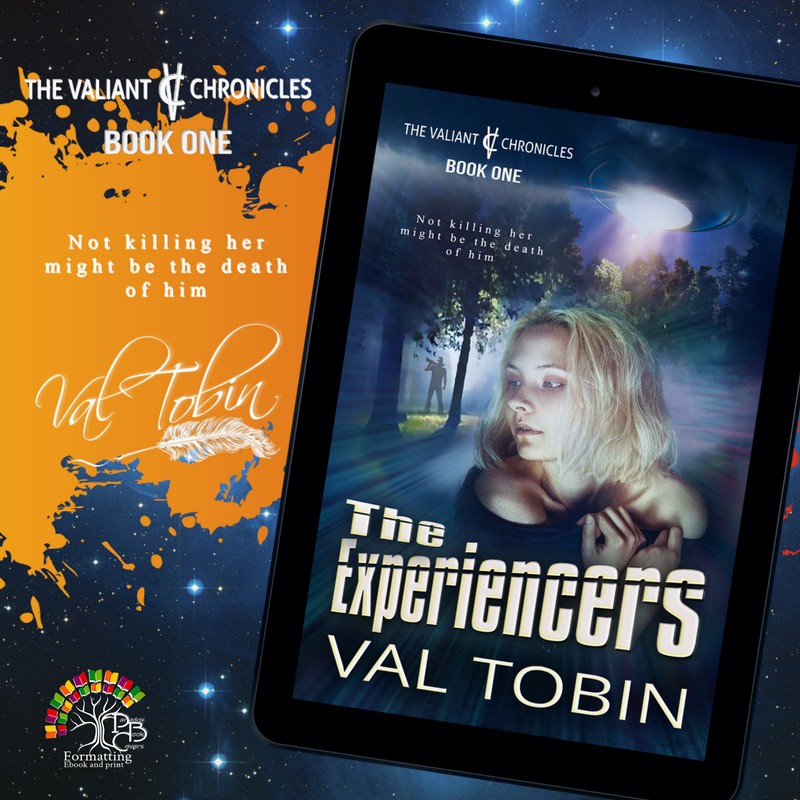
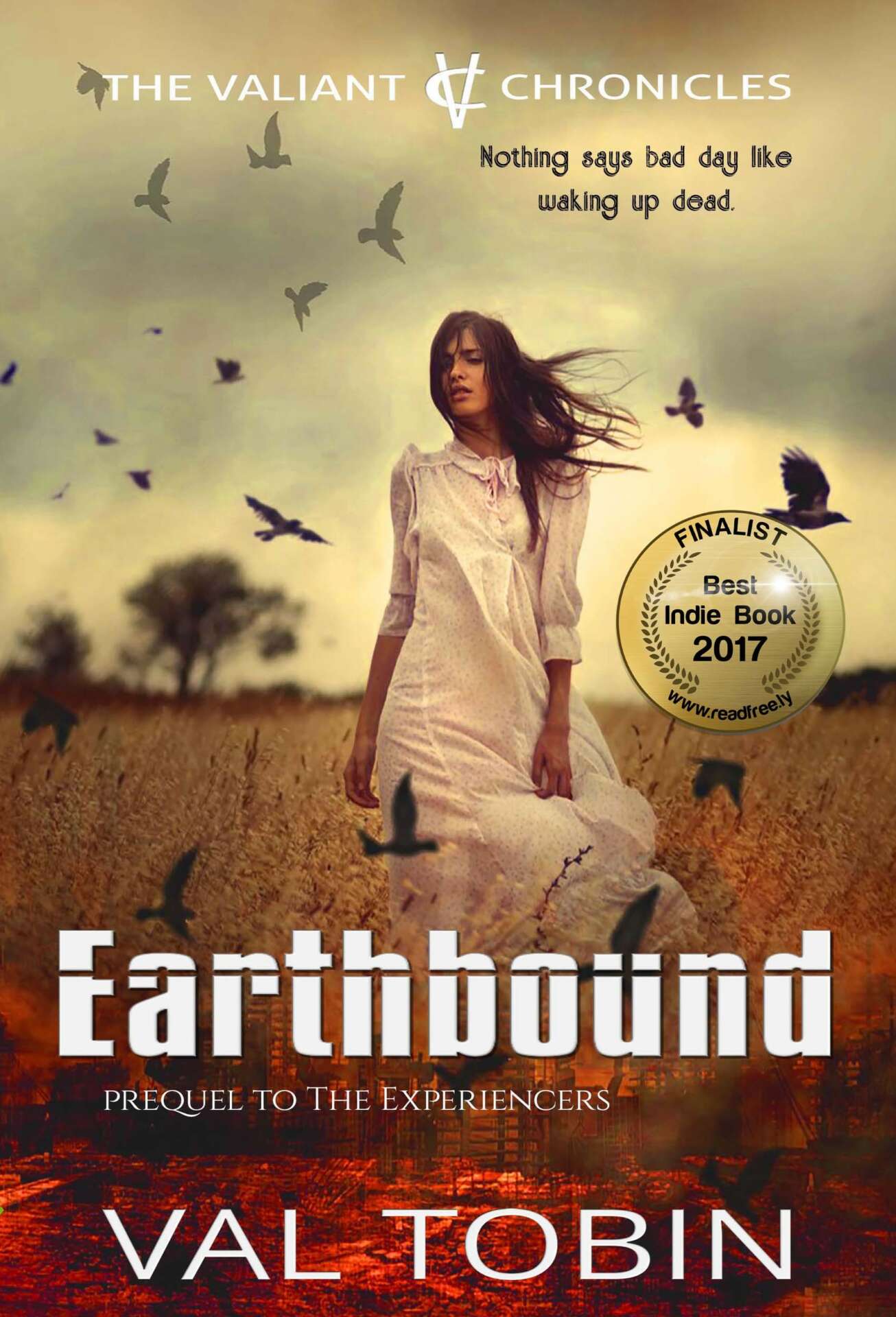
She was correct. That block released when I was in my early fifties, and I sat down and wrote The Experiencers, which is book one in my sci-fi thriller series. My therapist at the time gets a lot of credit for helping me gain the confidence to do it, but other resources appeared then that helped me finally stop procrastinating.
I’ve since talked to other frustrated authors who don’t know how to get started, and I always lead them to the following motivators:
Stephen King’s On Writing. King is a fabulous motivator.
Chris Baty’s No Plot? No Problem!
NaNoWriMo (Baty founded NaNoWriMo–or National Novel Writing Month), and reading his book led me to this event. I wrote The Experiencers during NaNo 2011.
Randy Ingermanson’s website and books (he coauthored Fiction Writing for Dummies)
These resources aren’t magical and won’t do any of the work for you, but I found them motivating and they turned up in my life at the exact right time. My psychic friend was right, and when what blocked me released, I wrote. I haven’t stopped since, and I have no problems now coming up with a concept and then executing it. That intimidation factor is completely gone.
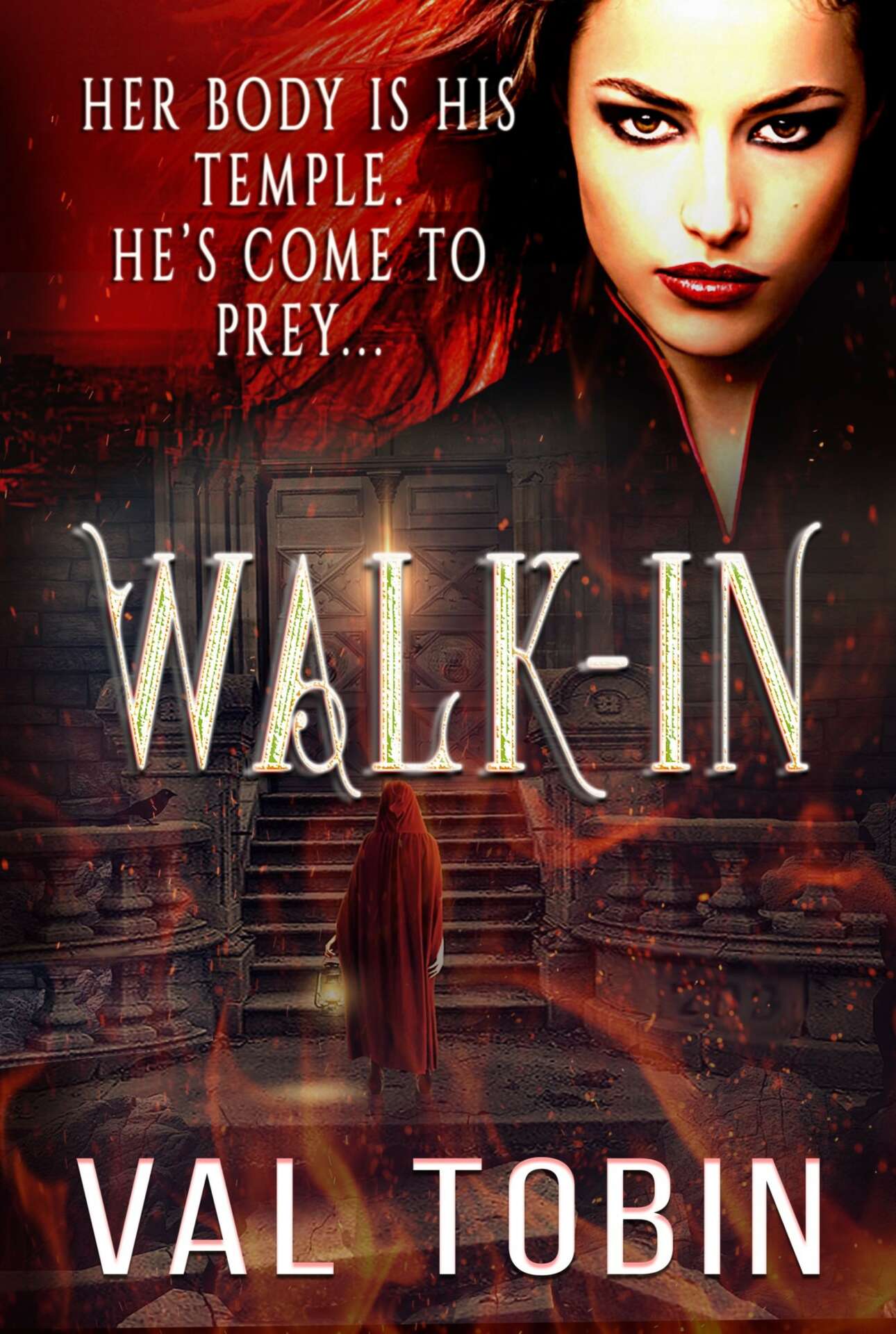
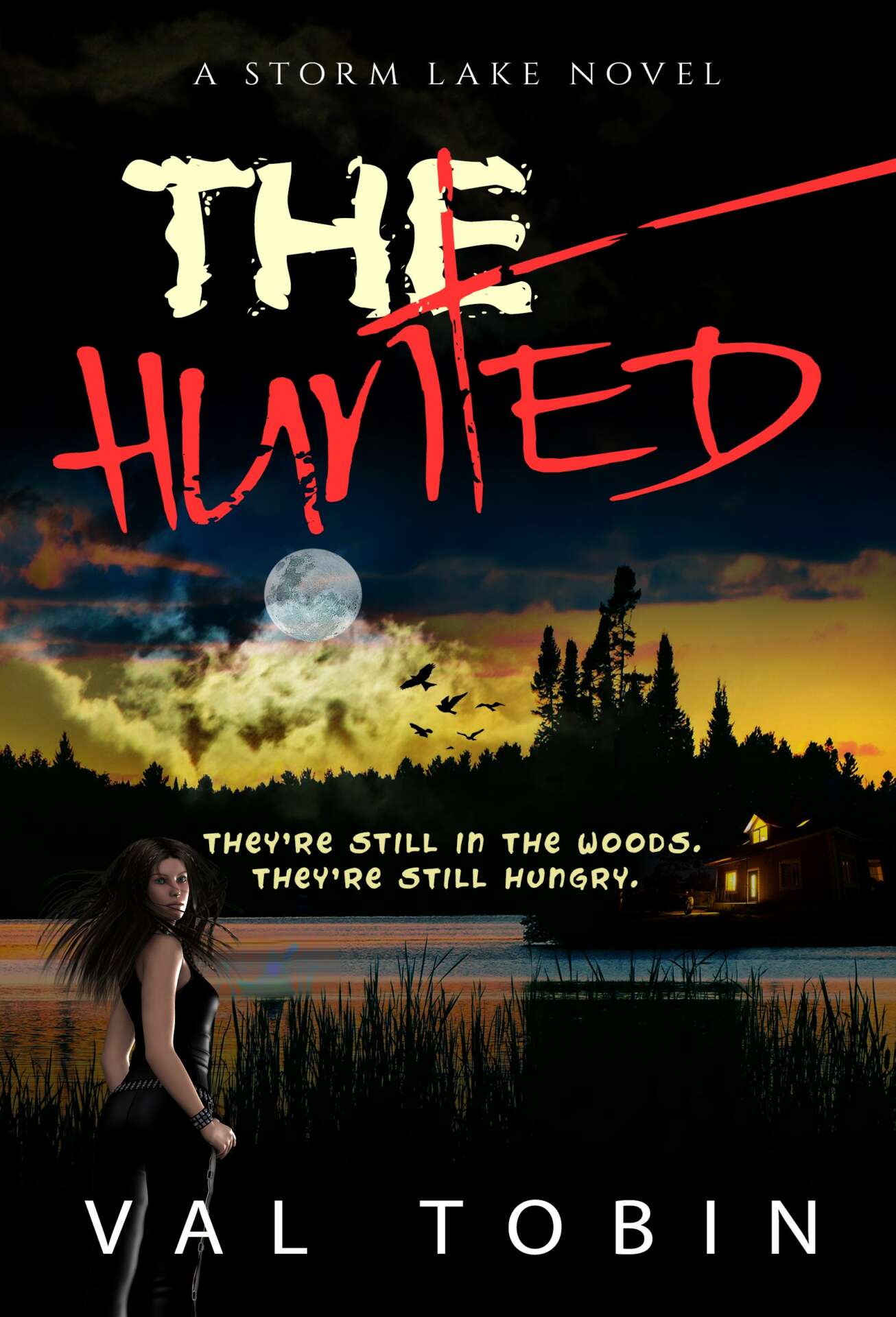
In your view, what can society to do to best support artists, creatives and a thriving creative ecosystem?
Governments can support artists and creatives with more funding into programs for them. I’d say that about any underfunded area. Starving artists shouldn’t exist, and if artists can’t survive with their work, they’ll turn to something else. I’d hate for humans to leave the creative work to AI simply because they can’t make a living from it.
Writers will always write; painters will always paint. But if they can’t live on what they produce, they’ll stop sharing it with the world. Publishing is expensive and marketing can be more time-consuming than writing.
Readers who want to support their favourite authors should, first of all, buy their books. For the cost of a cup of coffee, you can buy a book that gives you hours, days, or even weeks of entertainment. If the book is a first in series, buy it even if the series isn’t complete. You can set it aside if you want to wait for the series to finish before you read it, but if everyone refuses to buy books from incomplete series, authors won’t want to write or finish a series. Publishers drop authors if their books aren’t selling. They don’t hope that readers are simply waiting for a series to complete before buying the entire set. Authors don’t assume you’re waiting to purchase when the series is done. They assume it’s unsuccessful and go on to something else.
Providing reviews also helps authors, especially if you loved the book. Ratings and reviews provide social proof, and Amazon’s algorithms demand it. Reviews don’t have to be thousand-word essays or read like a professional critique. They can be short and sweet and simply state why you enjoyed the book so much or why it wasn’t for you.
Sharing an artist’s or creative’s links and telling people you know about their work helps immensely. The best marketing is word of mouth. I’m eternally grateful to those who enjoy my work and tell others. It’s not just the ego boost, though that’s certainly nice. It’s motivation to continue publishing.
Contact Info:
- Website: https://www.valtobin.com
- Instagram: https://www.instagram.com/valtobin2/
- Facebook: https://www.facebook.com/valtobinauthor/
- Linkedin: https://www.linkedin.com/in/valtobin/
- Twitter: https://twitter.com/valandbob
- Youtube: https://www.youtube.com/@valtobinauthor
- Other: BookBub: https://www.bookbub.com/authors/val-tobin ALLi: https://www.allianceindependentauthors.org/members/val-tobin/author-profile WCYR: https://wcyork.ca/members-list/val-tobin/
Image Credits
Patti Roberts for all the covers except The Empress Sharon Brownlie for The Empress