

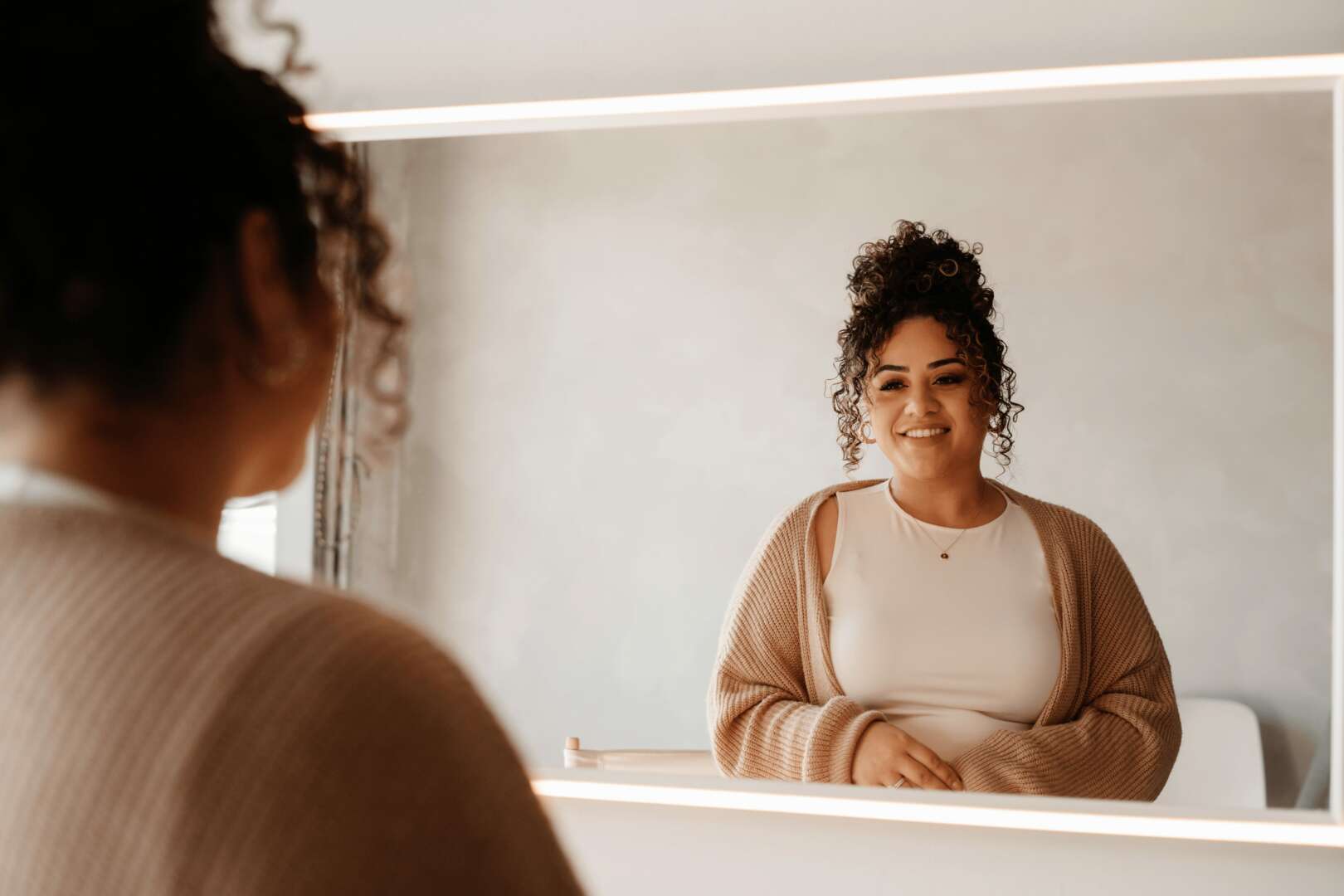

Alright – so today we’ve got the honor of introducing you to VAELUPE MA’AELE. We think you’ll enjoy our conversation, we’ve shared it below.
Alright, VAELUPE thanks for taking the time to share your stories and insights with us today. Do you think your parents have had a meaningful impact on you and your journey?
Growing up as a Samoan person, there are many important values that are taught and instilled early on for many of us. With family and faith being one of the most important values I hold dearly, I owe tribute to my parents for showing me how these values add to my life on a daily basis. My mom and dad, Mona and Ma’aele have remained a constant light throughout my life and every transition, challenge and milestone. From my first day of school to the start of my business three years ago, my parents have been an endless source of unconditional love. If there is anything my parents did right, it is the way they have exhibited and taught me how to practice humility. That no person is better than anyone, regardless to their circumstances.
With my dad being first generation and my mom being raised by a set of first generation parents, learning the practice of gratitude became a daily intention for me. My parents have always led me with a humble heart to find appreciation and understanding in where I come from and how this can guide me in my life and career.
Despite the hurdles of limited financial resources, run ins with the law and a “sweep it under the rug” learned approach, my parents have always done their very best to lead with love. Both my mom and dad have reminded me that every struggle I face whether big or small, is to be appreciated for the underlying lesson. When my mom had to navigate being a single parent of four after my dad went to prison, I witnessed how hope for our futures kept my mom going. My parents have shown me that even at the hardest times of their lives, hope will always remain. When my dad was in the ICU on a ventilator; my hope and faith is what kept me strong to be at my dad’s side while he battled for his life. When I struggled with talking about cultural challenges in the Polynesian community and starting my practice, my parents offered me a wealth of perspective on how integrity and humility will always outweigh judgement and criticism.
I say this to emphasize that there isn’t just “one thing” my parents did right, there are many. I can trace back to all of the things my parents did right as I account for every lesson shown through their lives and my own. The impact of these lessons has made the biggest impression on my life and career. Most importantly their right doing has given me an appreciation and confidence to always be human first in offering myself compassion, understanding and humility and a therapist second.

VAELUPE, before we move on to more of these sorts of questions, can you take some time to bring our readers up to speed on you and what you do?
My name is Vaelupe Ma’aele and I am a proud second-generation Samoan American, born and raised in Southern California. I come from a family full of love, a marriage that has been one of life’s greatest blessings and I am a dog mama to the hunkiest American Bully by the name of Turtle.
I am the owner of Pasifika Rooted Therapy, a mental health practice that aims to support pacific islanders, QTBIPOC (Queer Trans Black Indigenous People of Color) navigate anxiety, cultural challenges and relational issues. Through individual therapy, couples therapy and community engagement workshops, I aim to create spaces to help cultivate healing. I am most proud of being able to offer visibility to communities that align with the intersections of my own identity as a Queer Samoan, woman of color. It is important that people from marginalized communities know and see that we are represented everywhere, but in the mental health field especially.
My journey to becoming a therapist started over 10 years ago, with a gentle realignment in college when I decided to switch majors from Criminal Justice to Psychology. After taking my first psychology class, I immediately knew I had to pivot away from becoming a lawyer because psychology just felt right; it was interesting and fun.
It was in my job as an academic coordinator at a residential mental health facility, where I quickly grew an interest in the mental health field. Now although I had absolutely no real insight into what therapy was or how to become a therapist, there was an undeniable inspiration I felt in working with many of the young adults in this facility.
Ultimately, I landed on the decision to become a therapist after noticing that I had this innate gift of connecting with people. Fast forward to present day, I have been practicing for about nine years and have had the honor to work with some of the most amazing and resilient individuals around.
In working with me, many of my clients find value in my eclectic approach as I pull from various treatment modalities, my personal humor and their personal strengths to co-create a space that aligns with their needs. My greatest intention is to be a resource to share critical information to my community so that they are better equipped to move with agency in their own lives and show up for their neighbors, cultivating generative, resilient, and locally-sustained communities. I want people to know that the healing journey is not linear, and therapy is not the only source to start taking care of your mental health. Therapy can be a tool of wellness that one accesses, so I encourage people to start where they feel most comfortable. There is healing in all things – music, people, places, etc.

Training and knowledge matter of course, but beyond that what do you think matters most in terms of succeeding in your field?
I’d say that being open to getting uncomfortable is most helpful in succeeding in the mental health field. For me personally, I know that everything I learned in grad school looked very different in how it applied in real life. Part of the growing pains outside of training and education, is learning how you personally want to show up in your work and the communities you serve. I did not anticipate that I would be challenged in my personal and professional differences until I realized that community work requires you to acknowledge these challenges. If you practice an open mindset to frame the idea of learning on a continuum, it can promote growth and curiosity.
Often times, we view discomfort as an indication that something is “off” or “wrong” and will quickly try to diminish the feeling. However, with the acceptance that discomfort is a part of the journey I truly believe you can push yourself to new opportunities towards self-discovery and hidden gifts. Sometimes the discomfort is what opens the door to sit and take inventory for what is coming up. For me, discomfort was pivotal in venturing into the private practice world. I sat with unsettling feelings of doubt, worry and fear before I actually started to brainstorm what I aimed to do. By being open to this discomfort of these fears, I was able to later pull on resources and actually explore how I could create a successful mental health practice.

Any advice for growing your clientele? What’s been most effective for you?
The most effective strategy in growing my clientele has been nurturing my relationships through community. Showing up authentically in my community workshops and wellness events has also helped me to build my reputation in my market. This has looked like offering free consultations, volunteering at wellness events and seeking opportunities to shed light on mental health within local businesses. By being intentional with consultations, referral relationships, trainings and even simple check-ins, I have been able to organically reach the communities I aim to support.
Doing this amongst other like minded providers, community agencies and clients I work with has been pivotal in growing my clientele. Establishing working relationships and trust as a community member first, allowed me the opportunity to become a resource for not only individuals seeking therapy but external spaces such as schools, non-profit organizations, and community events as well.
Contact Info:
- Website: https://www.pasifikarootedtherapy.com
- Instagram: @pasifikarootedtherapy

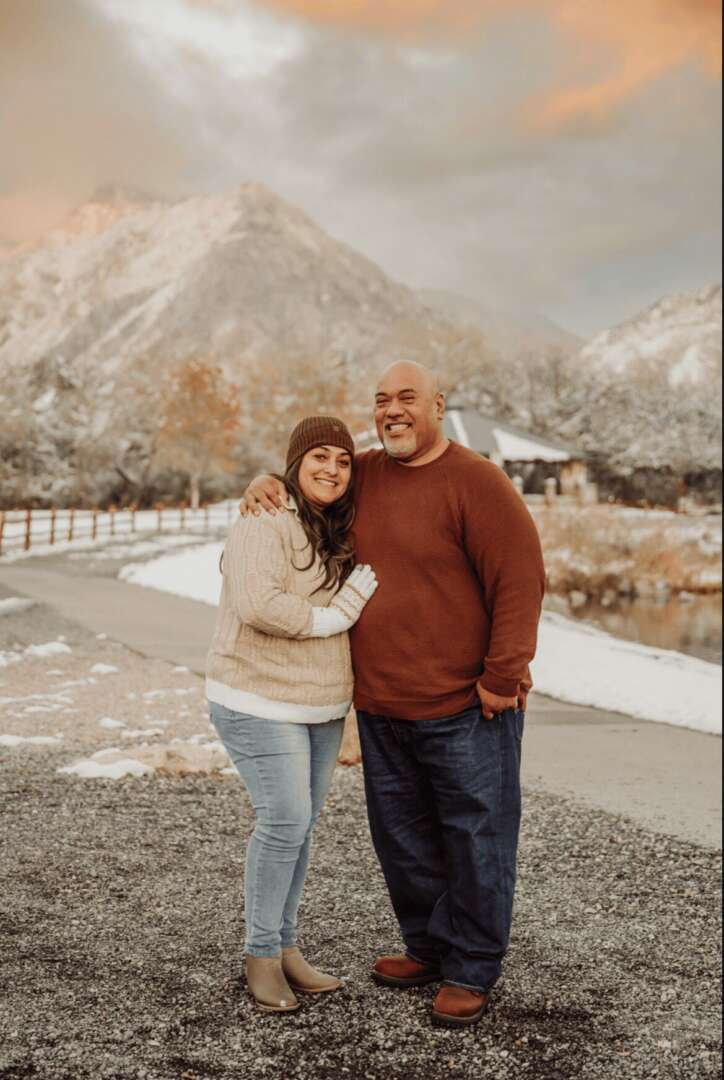
Image Credits
Rebecca Lopez, LittleBrownShoots