
We recently connected with Usevalad Abramau and have shared our conversation below.
Hi Usevalad, thanks for joining us today. We’d love to hear the story of how you went from this being just an idea to making it into something real.
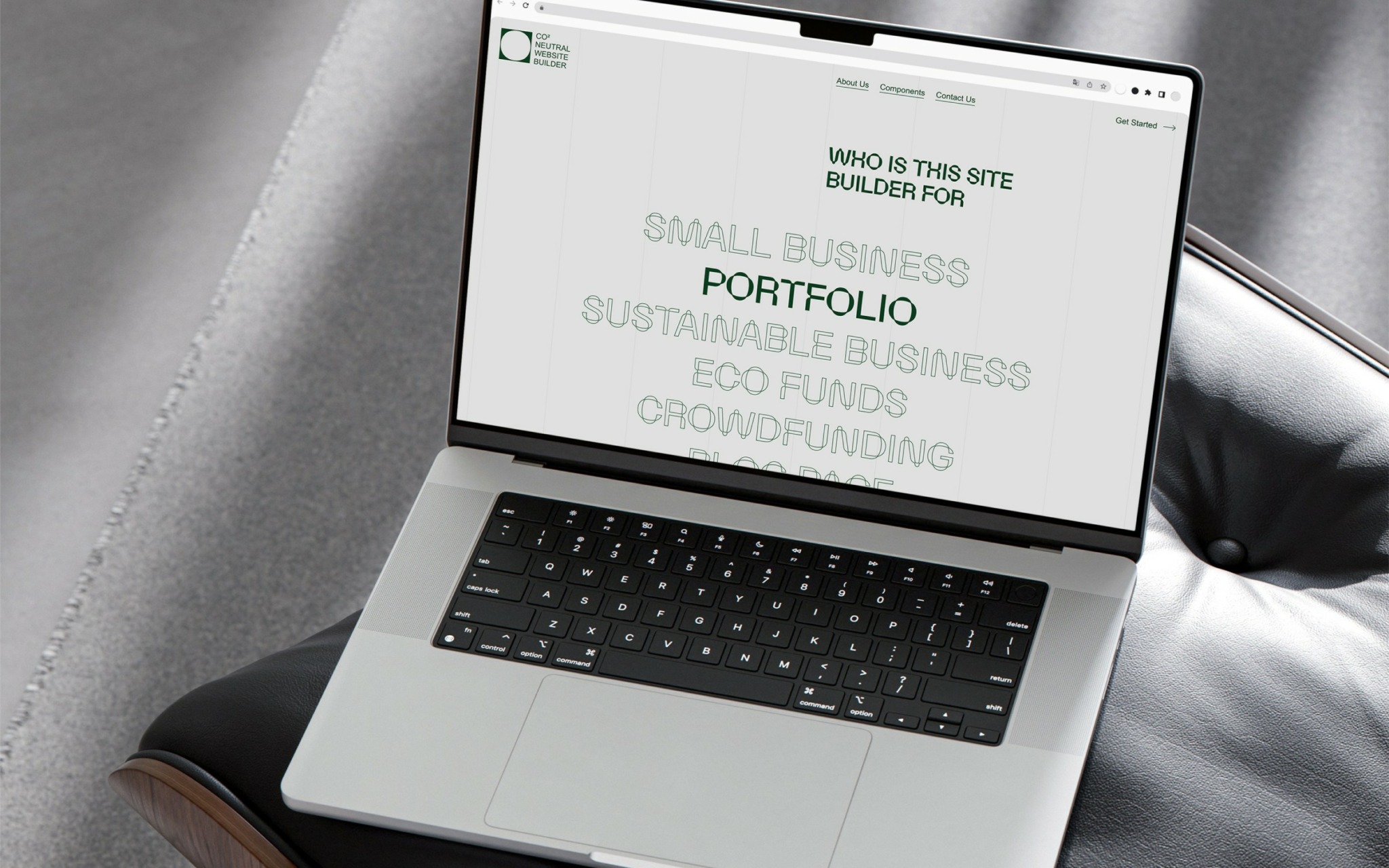
The idea came from a growing discomfort. I had spent over a decade designing digital products – building platforms, leading teams, launching campaigns for major brands. But at some point, I realized that behind every beautiful interface, there was an invisible cost: server load, wasted energy, user fatigue, and a mounting carbon footprint.
One day, after another routine sprint review, I started wondering: What if we applied the same design thinking we use for aesthetics and usability – but to sustainability? What if design could not only be smart and beautiful, but also conscious?
That same evening, I opened a Notion document and started jotting down questions:
• How heavy is our homepage, really?
• Could we replace images with better formats?
• Is that autoplay video doing more harm than good?
Those notes grew into a personal checklist, then into talks with peers, then into an actual framework. I spent the next few months researching, testing, and building a methodology – gathering data on things like lazy loading, dark mode on OLED screens, adaptive rendering, and more. I wasn’t trying to write a manifesto. I wanted something practical that teams could use.
Eventually, I turned these insights into a guide – a toolkit for digital teams to create more sustainable products, not by sacrificing quality, but by being smarter about how things are built. It took shape as a methodical, step-by-step approach that I shared with colleagues, used in my teaching, and implemented on real-world projects.
What started as a late-night thought turned into a professional mission. Now, sustainability isn’t a side concern for me – it’s built into the way I think, lead, and design.
Great, appreciate you sharing that with us. Before we ask you to share more of your insights, can you take a moment to introduce yourself and how you got to where you are today to our readers.
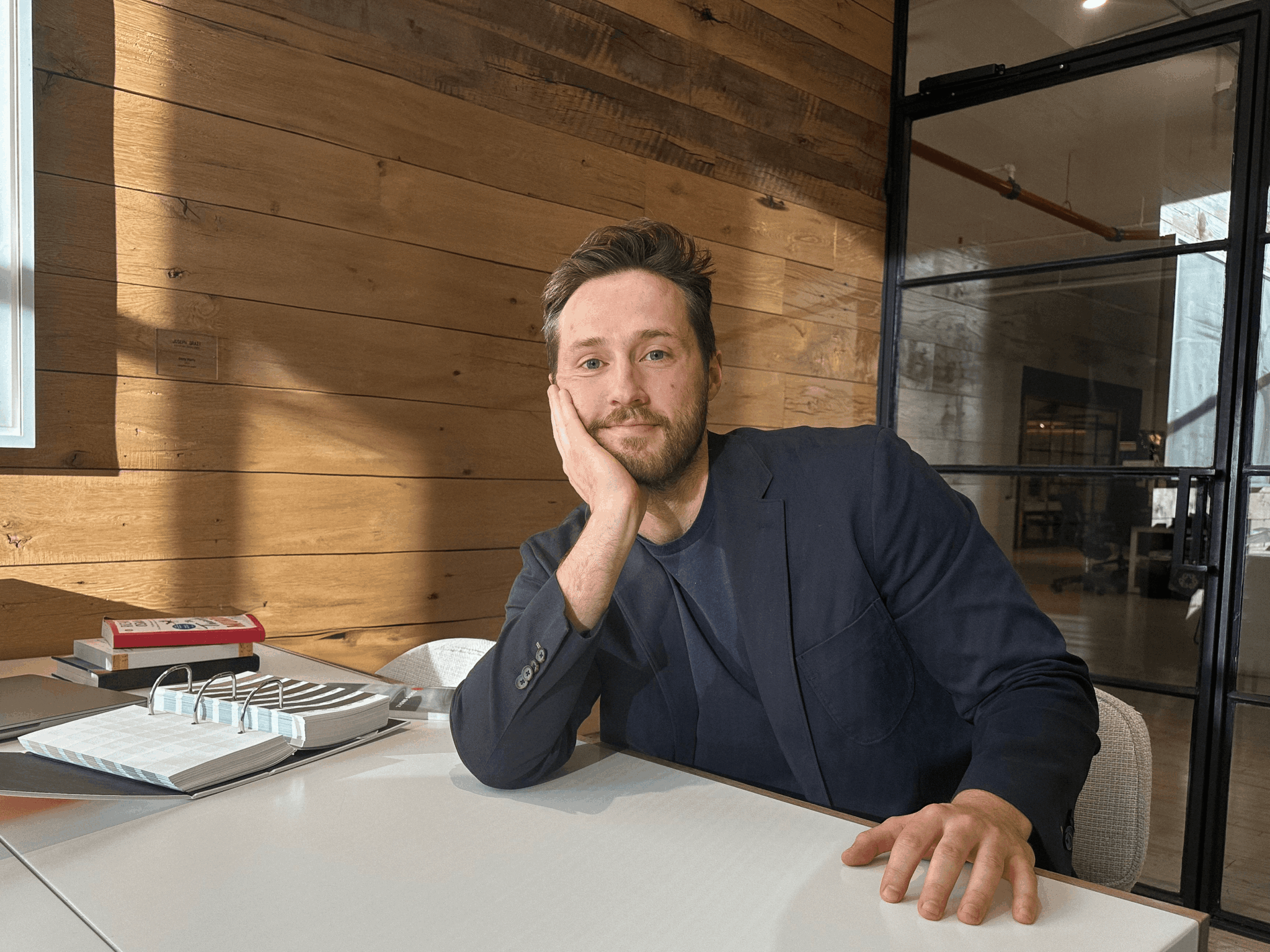
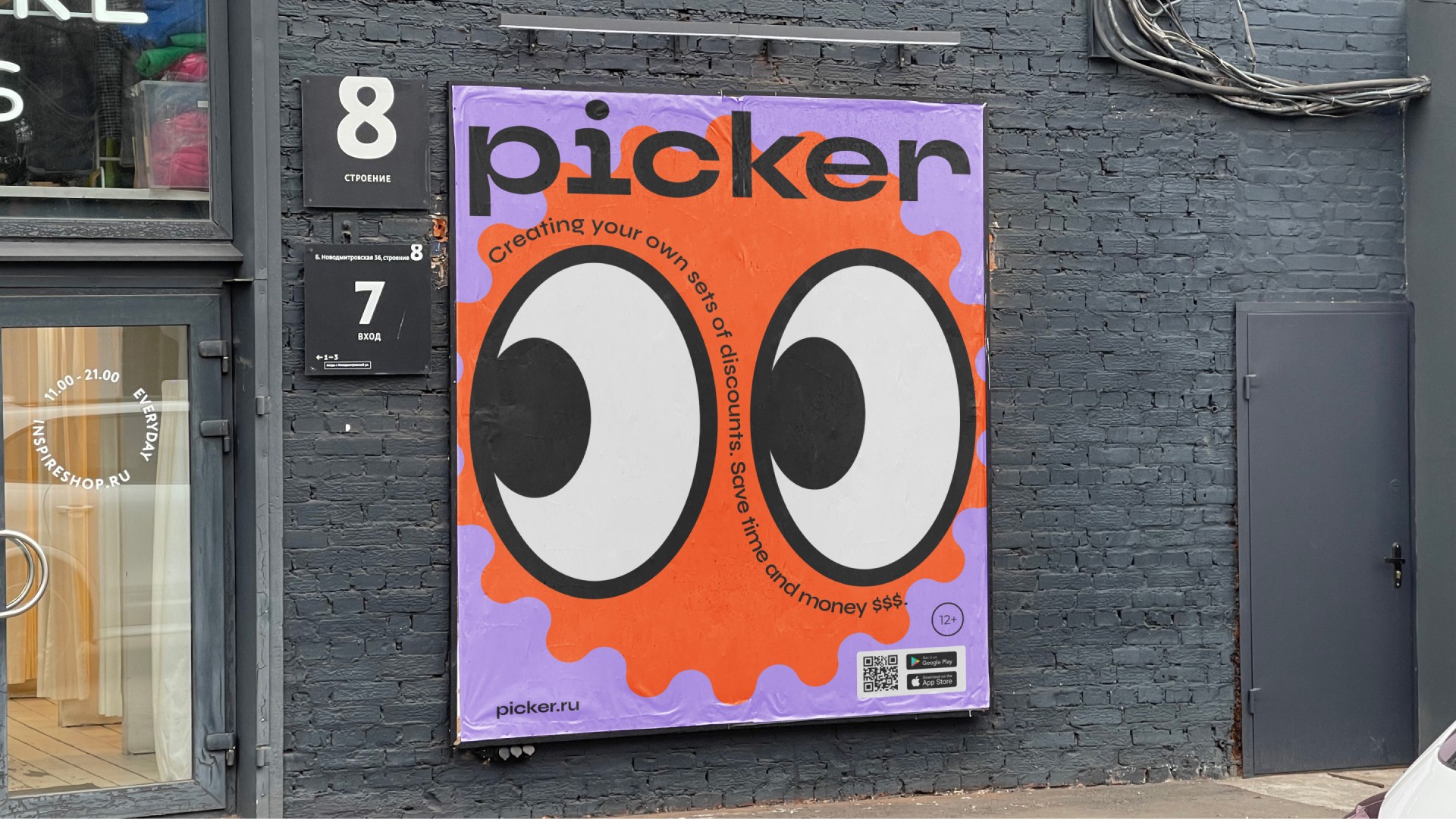
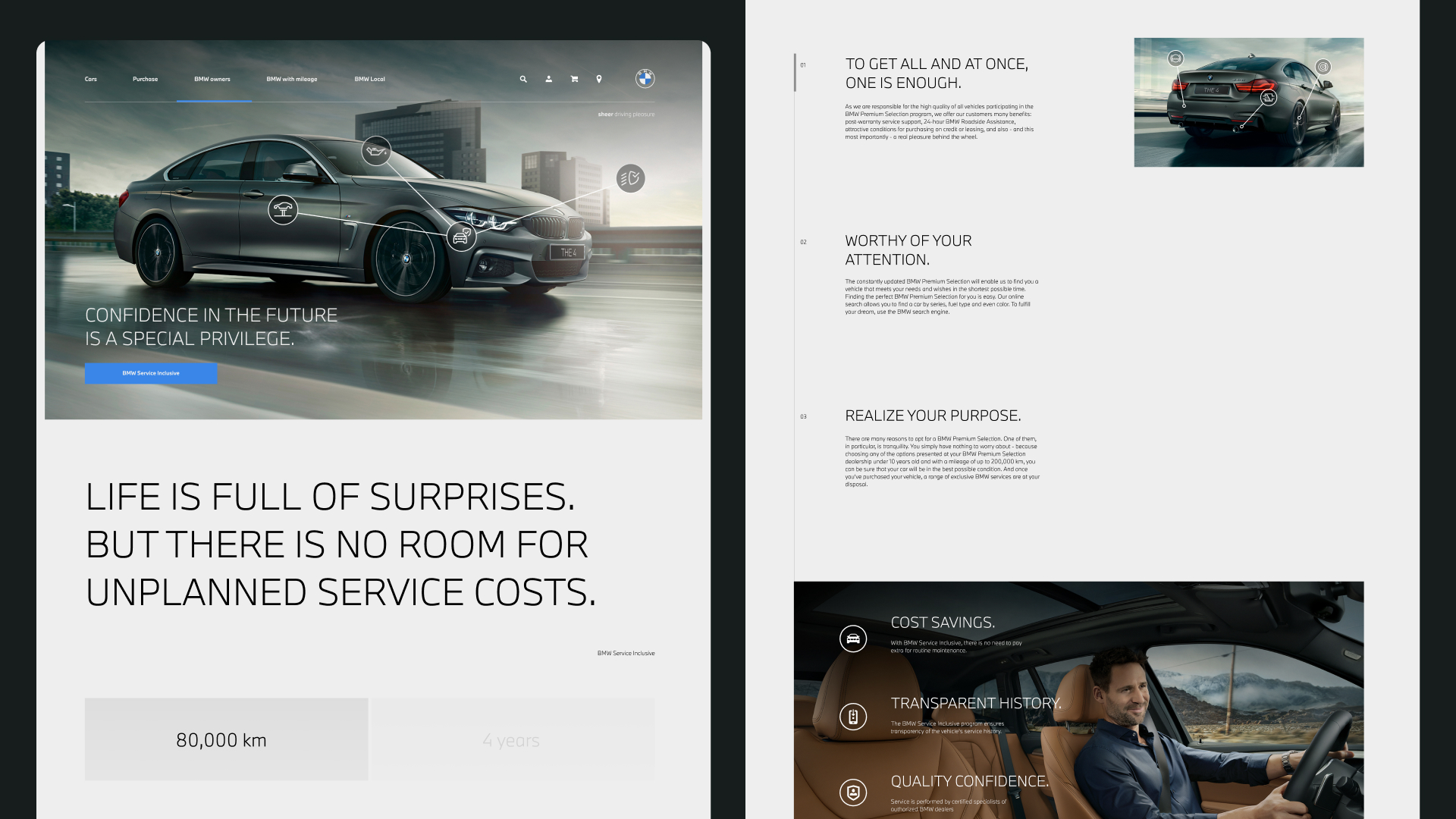
Sure — my name is Seva Abramov aka Usevalad Abramau. I’m a designer, educator, and creative director with over 12 years of experience shaping digital products, branding systems, and visual strategies for companies ranging from global brands like BMW and PepsiCo to fast-growing startups and cultural initiatives.
I started in design as a teenager, drawn in by typography and album covers – but over the years, I became deeply fascinated by how design shapes behavior, perception, and even our physical world. It’s not just pixels on a screen – it’s energy use, server traffic, accessibility, and social impact.
Today, I specialize in what I call sustainable digital design – a practical, ethical, and future-proof approach to building digital experiences. I help teams design lighter, smarter, more efficient products – ones that are not only beautiful and intuitive, but also faster, less wasteful, and more inclusive.
In practice, this means I work on projects like:
• Optimizing websites and platforms to reduce carbon footprint
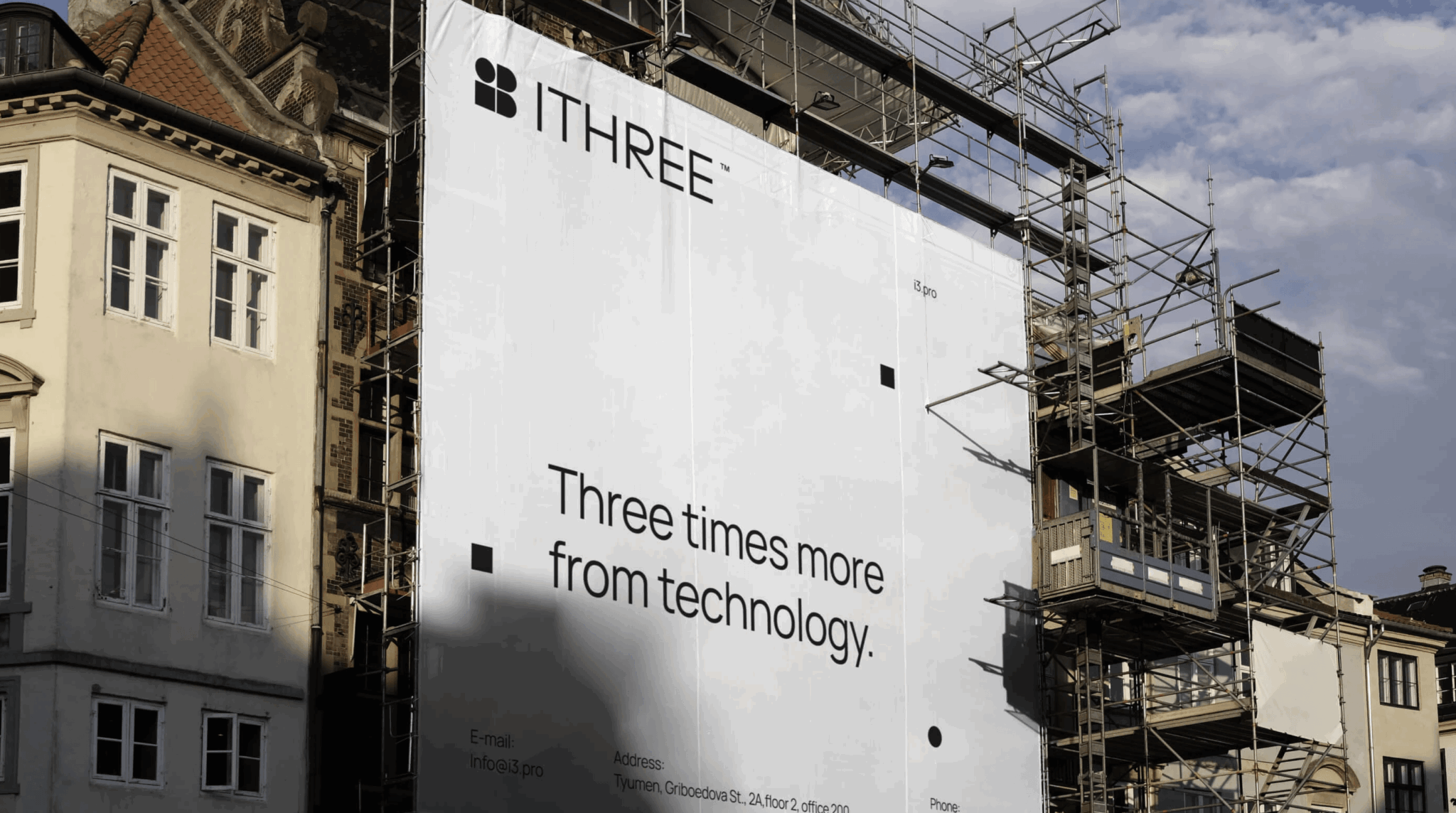
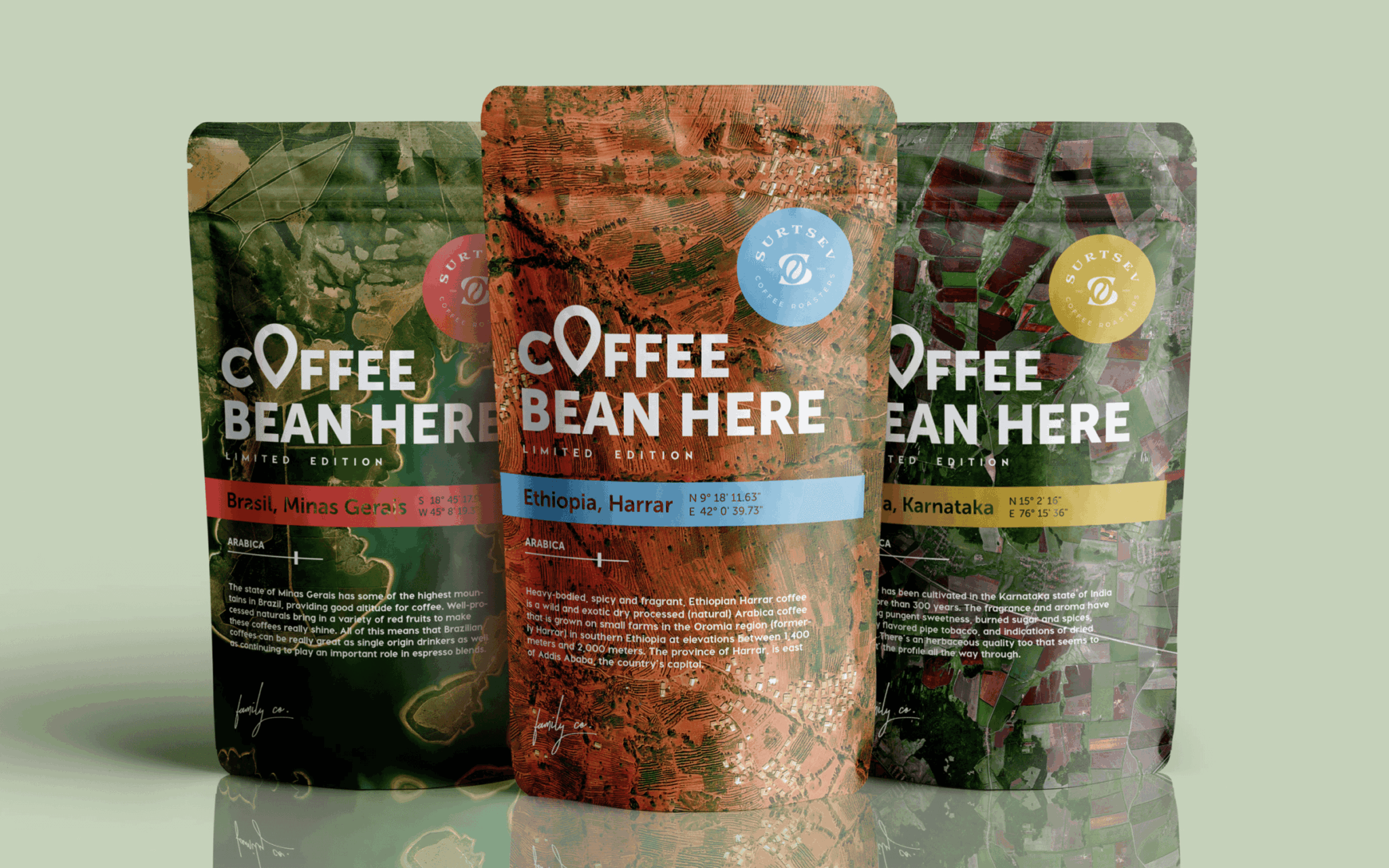
• Creating brand identities and UI systems that scale effortlessly across devices and cultures
• Teaching teams how to build accessible, lightweight, and ethical digital products
• Bridging creativity and sustainability to create meaningful user experiences
What sets my work apart is this combination of design excellence and systems thinking. I don’t believe sustainability should come at the cost of creativity – quite the opposite. I believe constraints can be fuel for innovation.
I’m proud of the methodology I developed, which is now being used not just by designers, but also product teams, ESG specialists, and educators. It’s been featured in articles, used in university programs, and adopted by teams looking to rethink how digital can serve both people and the planet.
Above all, I want people to know that design has power – not just to sell or impress, but to change how we live and work. And when we take responsibility for that power, we can create digital environments that are smarter, calmer, and better for everyone.
Is there a particular goal or mission driving your creative journey?
Absolutely. My mission is to bring sustainability and responsibility into the heart of digital design — not as an afterthought or niche concern, but as a core creative and strategic driver.
We live in a world where digital is no longer invisible. Every screen, every API call, every animation has a cost — in energy, in attention, in accessibility. Yet most of us were never taught to see design this way.
That’s why I started developing a framework for sustainable digital design — a practical, actionable methodology that helps teams create experiences that are lighter, faster, more inclusive, and less wasteful.
For me, design isn’t just about how things look — it’s about how they behave, who they include or exclude, how they scale, and what kind of world they help build. I want to inspire a new generation of creators to think not only about the product, but about its ripple effect — social, environmental, and psychological.
This mission now guides not just my creative work, but also my teaching, speaking, and mentorship. It’s what keeps me excited — knowing that design can do more than sell. It can care, include, and improve the systems we all live in.
What’s a lesson you had to unlearn and what’s the backstory?
One of the hardest lessons I had to unlearn was this: More isn’t better.
Early in my career, I was obsessed with visual complexity — rich animations, intricate layouts, custom type, branded everything. It was exciting. It looked impressive. And clients often loved the drama.
But over time, I started noticing something. The pages loaded slower. The UX was often confusing. People with older devices struggled. Every design decision that felt “bold” also came with hidden costs — server load, energy usage, maintenance time, and user friction.
It wasn’t until I started working on high-traffic digital platforms and accessibility-focused projects that I truly saw the value of reduction. Clarity over decoration. Intention over effect.
Now I advocate for “quiet design” — design that respects the user’s time, attention, and device. Design that loads fast, works everywhere, and doesn’t shout. It took me years to shift that mindset, but it’s changed the way I approach every project since.
Contact Info:
- Website: https://sevaabr.design/
- Instagram: https://www.instagram.com/sevaabr/
- Facebook: https://www.facebook.com/sevaabr
- Linkedin: https://www.linkedin.com/in/usevalad-abramau-b86b3080/
- Other: https://www.behance.net/sevaabr