

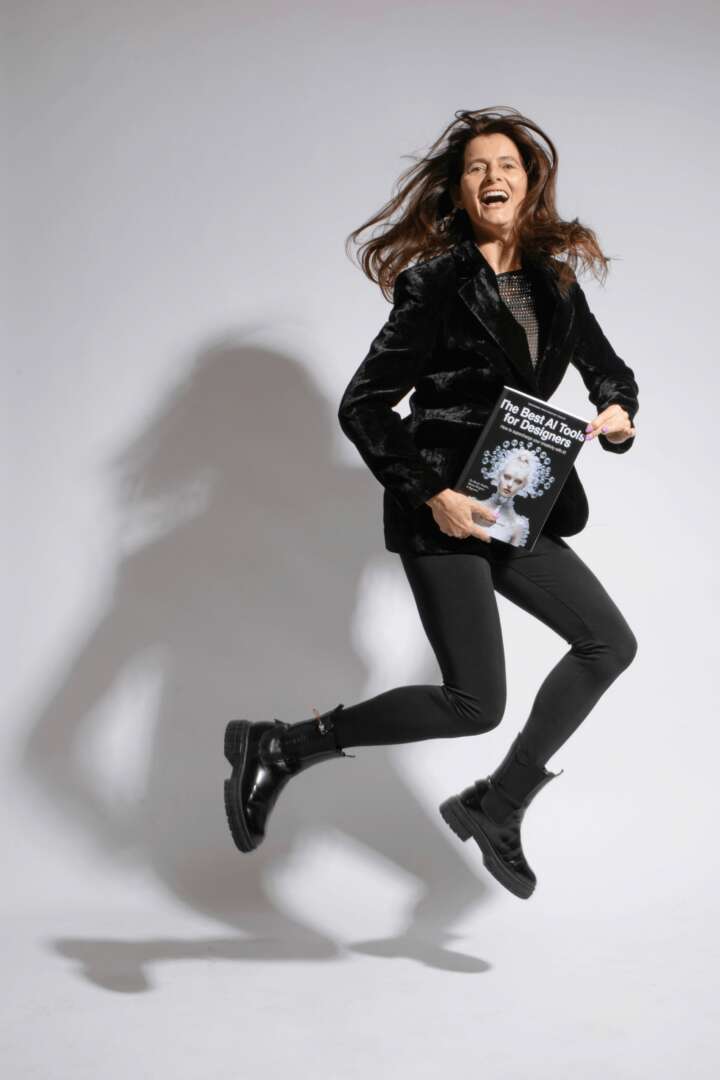

We were lucky to catch up with Ulrike Kerber recently and have shared our conversation below.
Ulrike, appreciate you joining us today. We’d love to hear about a project that you’ve worked on that’s meant a lot to you.
I have always wondered about creativity, what makes people creative, and why some people say they are not creative. Creativity is a fascinating concept, one that I’ve pondered for years. What makes people creative? Why do some individuals claim they lack creativity? Personally, I believe everyone possesses inherent creativity. However, our cultural conditioning often stifles it.
From a young age, we’re subjected to societal norms that can hinder our creative expression. For instance, in kindergarten, teachers encourage us to color within the lines, subtly implying that there are “right” and “wrong” ways to express ourselves artistically. Early conditioning and later work-life fosters a belief in perfectionism, leading many to abandon artistic pursuits if they can’t achieve an ideal standard. As a result, people often label themselves as “not creative.” And they will not even pursue a carr=eer in design or other creative fields.
Contrary to popular belief, artists can make a respectable living even without achieving fame. Unfortunately, many hold narrow views of what constitutes art and design, further limiting the perception of creativity.
In 2022, I embarked on a journey to explore the intersection of creativity and Artificial Intelligence (AI). This venture evolved into a Master’s thesis and now forms the basis of my PhD research. My central question: Can AI enhance human creativity? Can AI itself be creative?
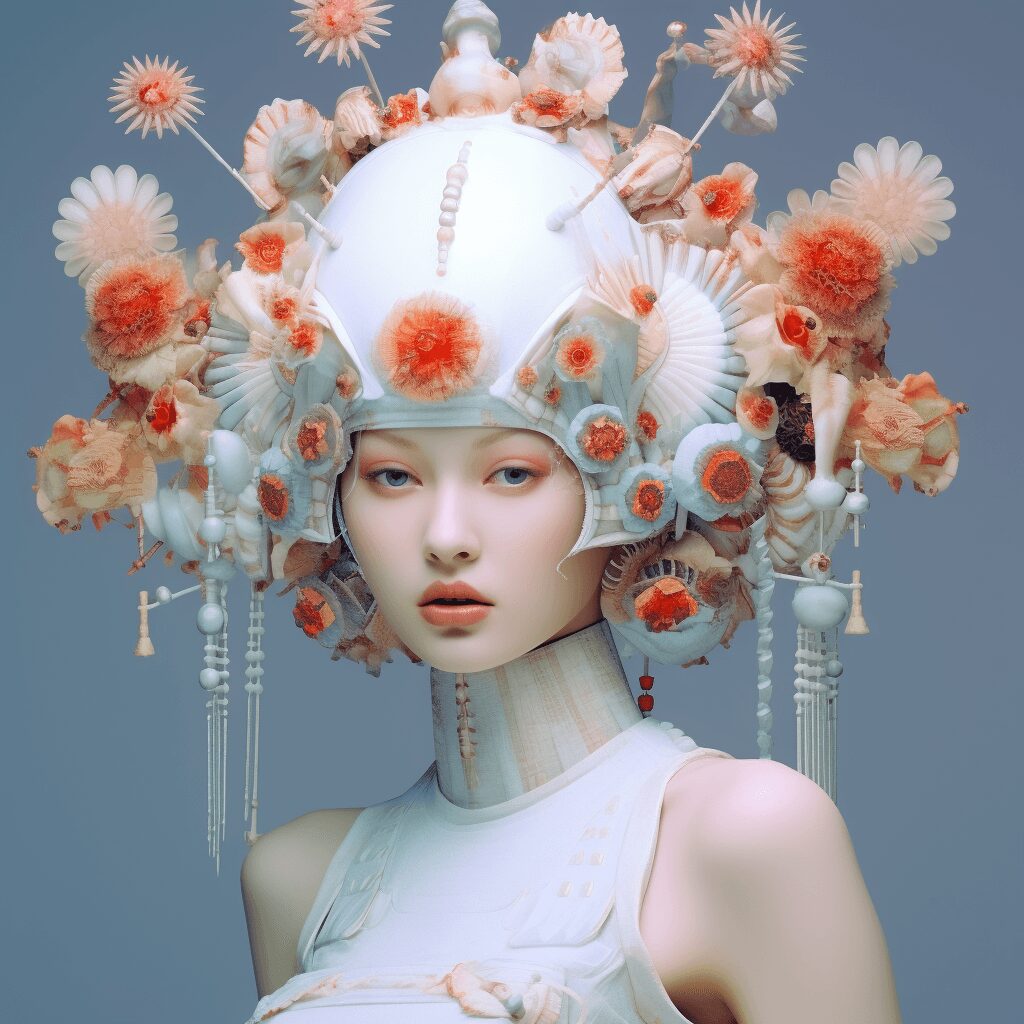
I researched a wealth of AI tools that can significantly enhance creative thinking and image/video and text creation. I compiled these insights into a book, The Best AI Tools for Designers, which highlights the most useful tools and demonstrates how to integrate them into agile workflows, such as design sprints.
By leveraging AI, we can break free from the constraints of traditional thinking about creativity and unlock new levels of creativity and productivity. Creativity isn’t a rare gift—it’s a universal trait that can be nurtured and enhanced with the right tools and mindset.

Awesome – so before we get into the rest of our questions, can you briefly introduce yourself to our readers.
I began my creative journey studying Communication Design in Hamburg, Germany. This foundation led me to the entertainment industry, where I worked for TV stations in Los Angeles. During my time in TV, I specialized in rebranding and creating broadcast packages using motion design skills.
After several years in the industry, I founded my own design agency, Viva Design, in Santa Barbara, CA. Here, I continued to serve clients across the USA, offering brand and motion design services. My passion lies in seeing things differently, approaching each design project with a fresh perspective, and making every project unique and special.
Today, I integrate AI into my design workflows, harnessing its potential to enhance creativity and efficiency. Additionally, I teach companies how to utilize AI tools and implement innovative processes, helping them stay at the forefront of design and technology.
Are there any resources you wish you knew about earlier in your creative journey?
Reflecting on my creative journey, there are several resources and tools I wish I had discovered earlier. One key area is strategic frameworks, organizational tools, and methodologies. These tools have significantly enhanced my ability to manage and execute projects effectively.
During my Master’s program at Hyper Island, I was introduced to design management, a discipline that would have been incredibly beneficial in the early years of my company. While creativity is essential, it thrives best when paired with organization and structure.
For instance the Business Model Canvas and SWOT Analysis are invaluable tools that help in mapping out business strategies and identifying strengths, weaknesses, opportunities, and threats. Value proposition exercises ensure that the unique benefits of a project or product are clearly articulated and aligned with client needs. Agile workflows, especially now with the implementation of AI Tools, revolutionize how I approach projects, allowing for more flexibility and iterative progress.
Structured feedback loops ensure continuous improvement and alignment with project goals. These methodologies not only streamline processes but also foster a collaborative and dynamic working environment.
I always start with fundamental questions: Why are we doing this? What is the project’s purpose? What does it do? Who is the target audience? Answering these questions provides clarity and direction, ensuring that every project is purposeful and impactful.
These tools and approaches have been game-changers, and I highly recommend them to anyone looking to enhance their creative practice.

Are there any books, videos or other content that you feel have meaningfully impacted your thinking?
I recommend reading
1. Adam Grant ( any book)
2. Brene Brown and Esther Perels podcast
3. The Inevitable: Understanding the 12 Technological Forces That Will Shape Our Future by Kevin Kelly
4. Nonviolent Communication: Create Your Life, Your Relationships, and Your World in Harmony with Your Values by Marshall Rosenberg
When it comes to Artificial Intelligence:
The Artist in the machine by Arthur Miller, this is about creativity and AI.
Watch the documentary on youtube: The AI Dilemma by Tristan Harris
And I refer to my own book: The best Ai tools for designers” when I need to look up a niche tool or something that can improve my workflow
Contact Info:
- Website: https://ulrikekerber.com
- Instagram: https://www.instagram.com/divadeviva/
- Linkedin: https://www.linkedin.com/in/vivadesign/
- Youtube: https://www.youtube.com/@vivakidstv
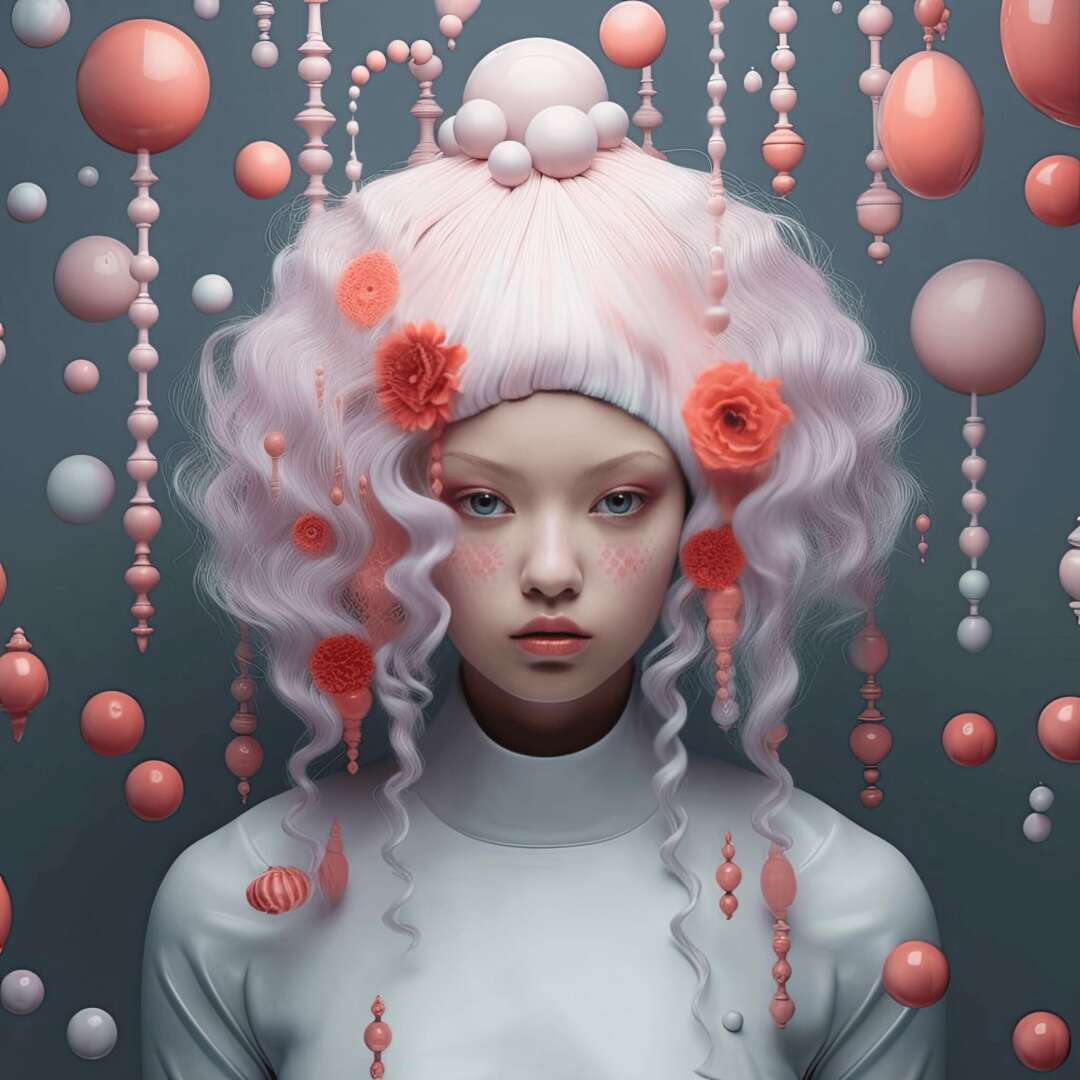
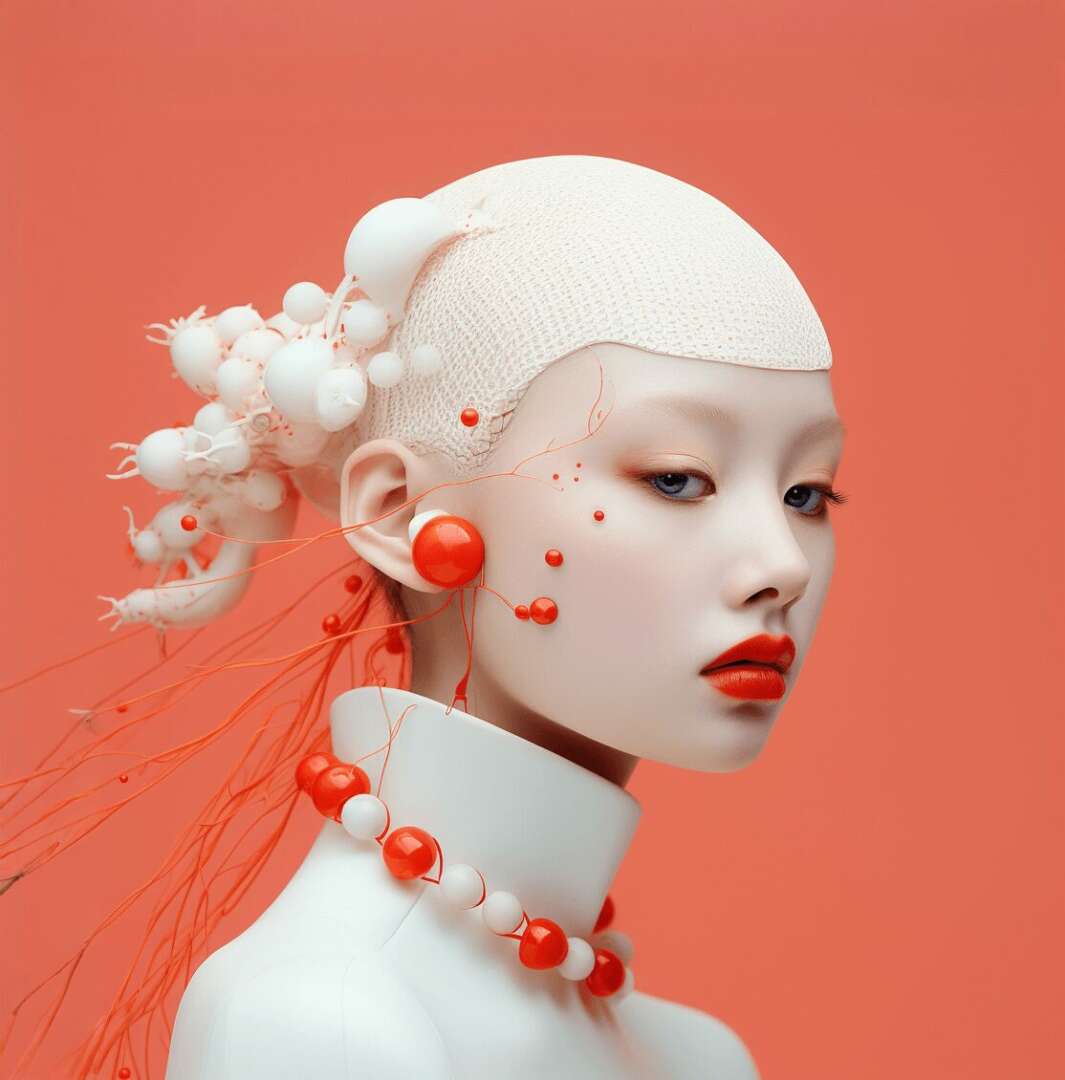
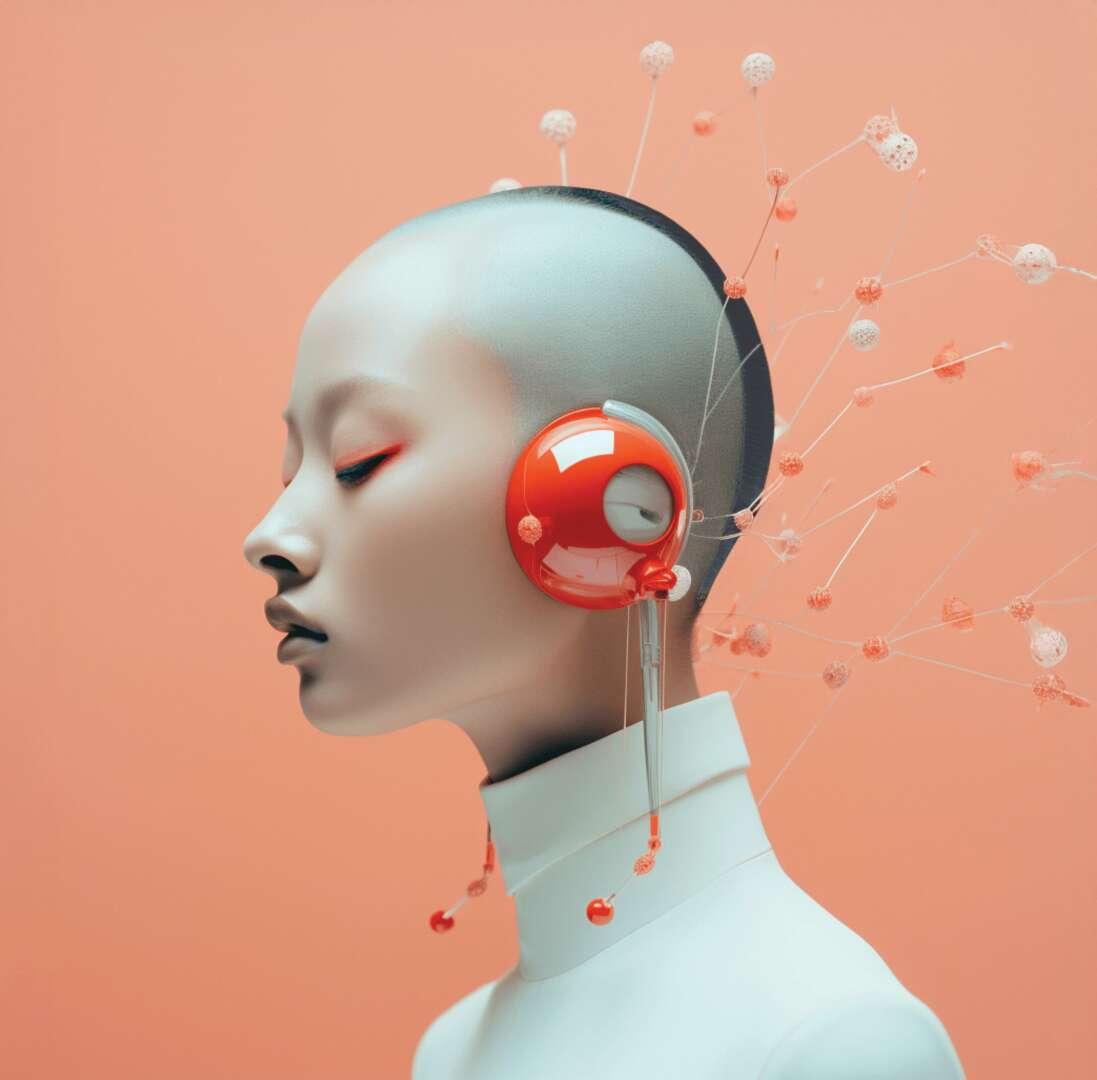
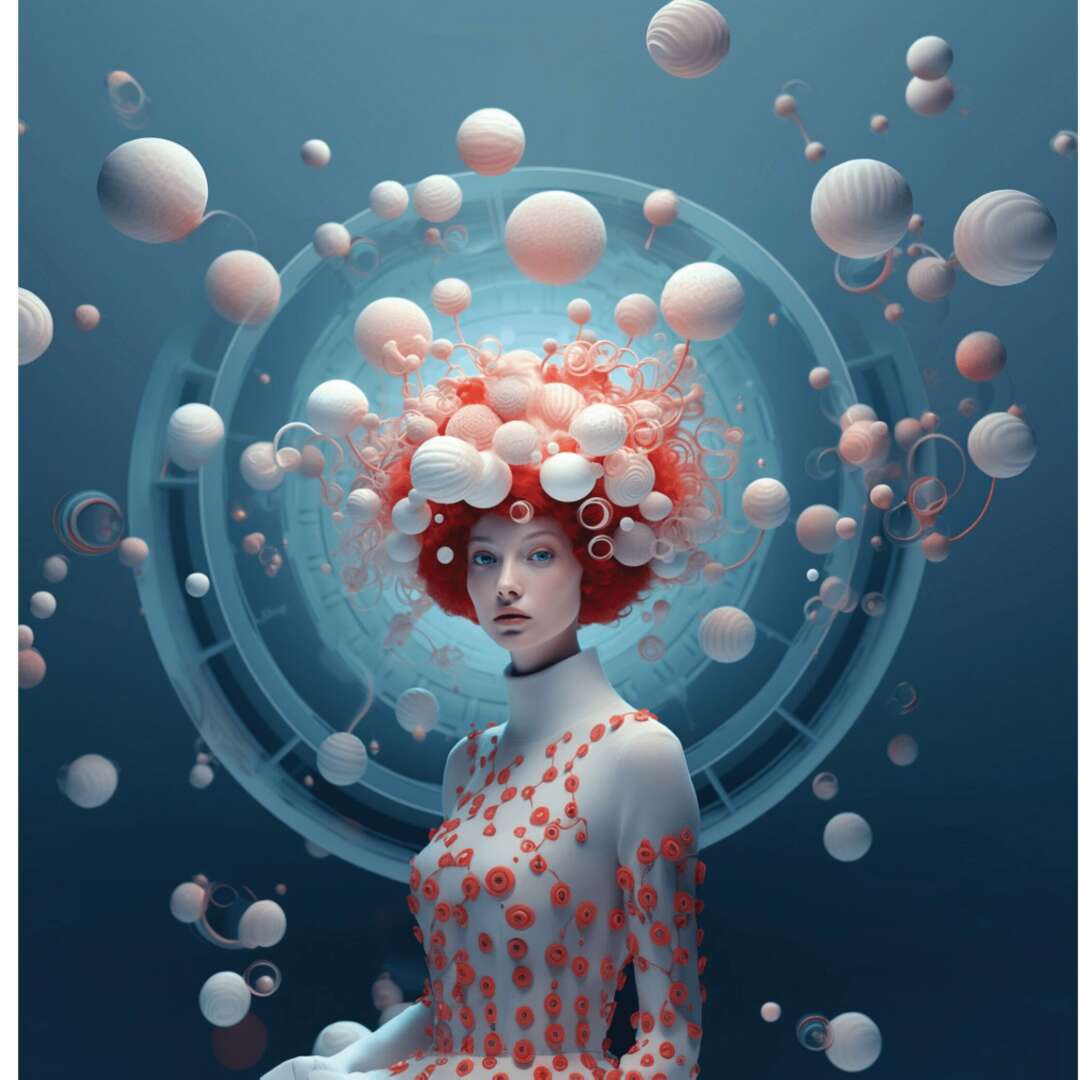
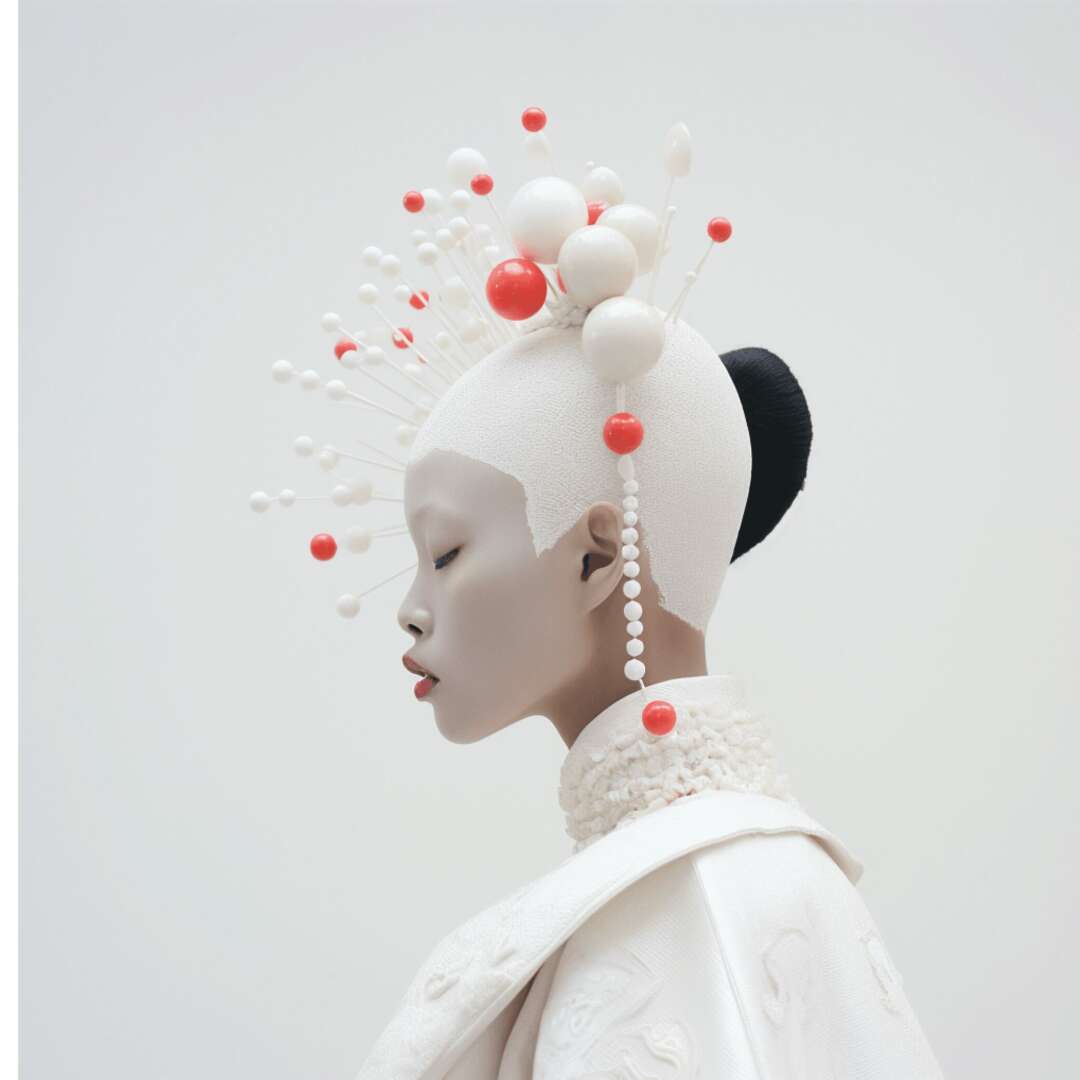
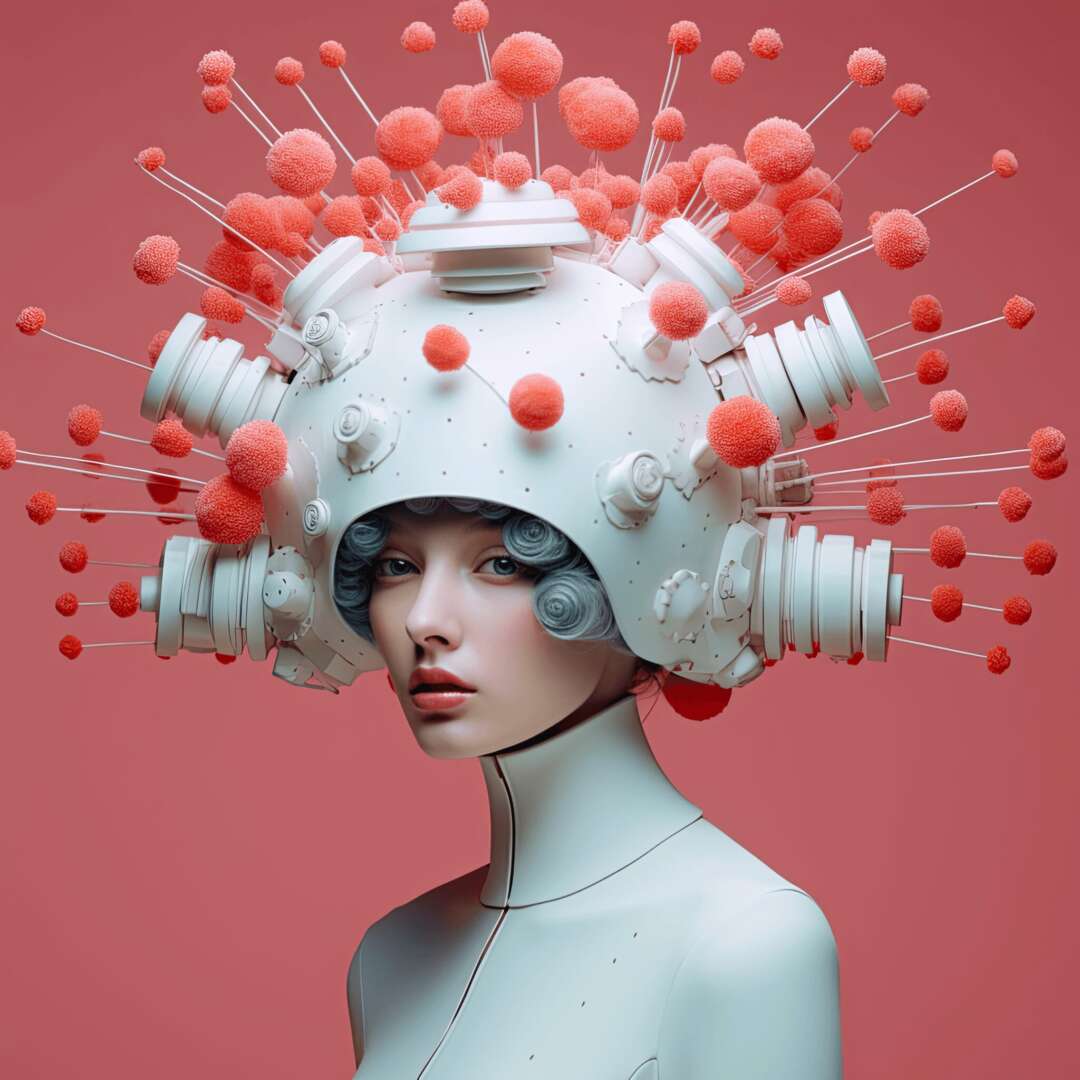
Image Credits
Ulrike Kerber by Harald Keller @haraldkeller_photography, images created by Ulrike Kerber with various AI tools and Adobe Photoshop