

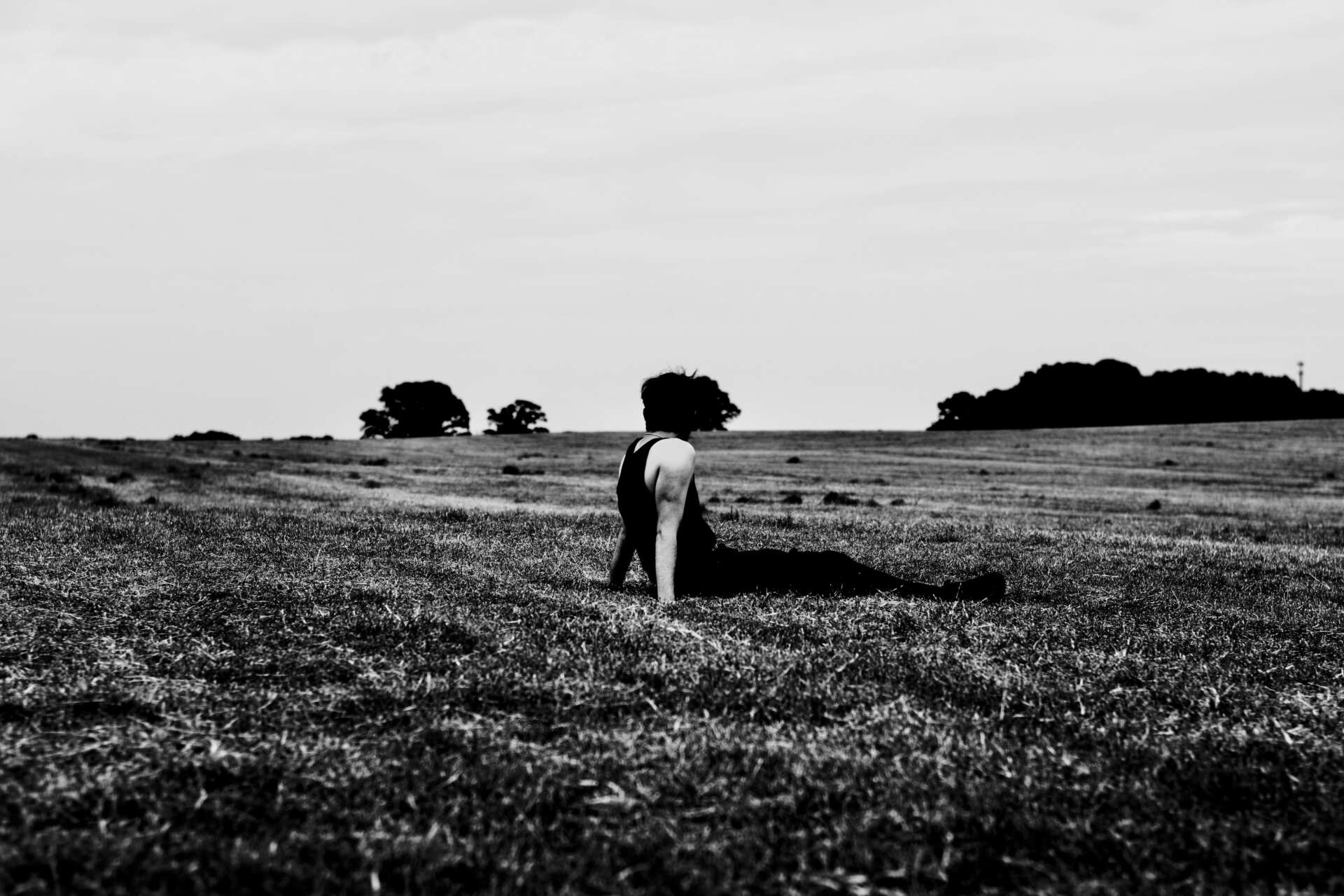

We were lucky to catch up with Tyson Gentry recently and have shared our conversation below.
Tyson, looking forward to hearing all of your stories today. Can you open up about a risk you’ve taken – what it was like taking that risk, why you took the risk and how it turned out?
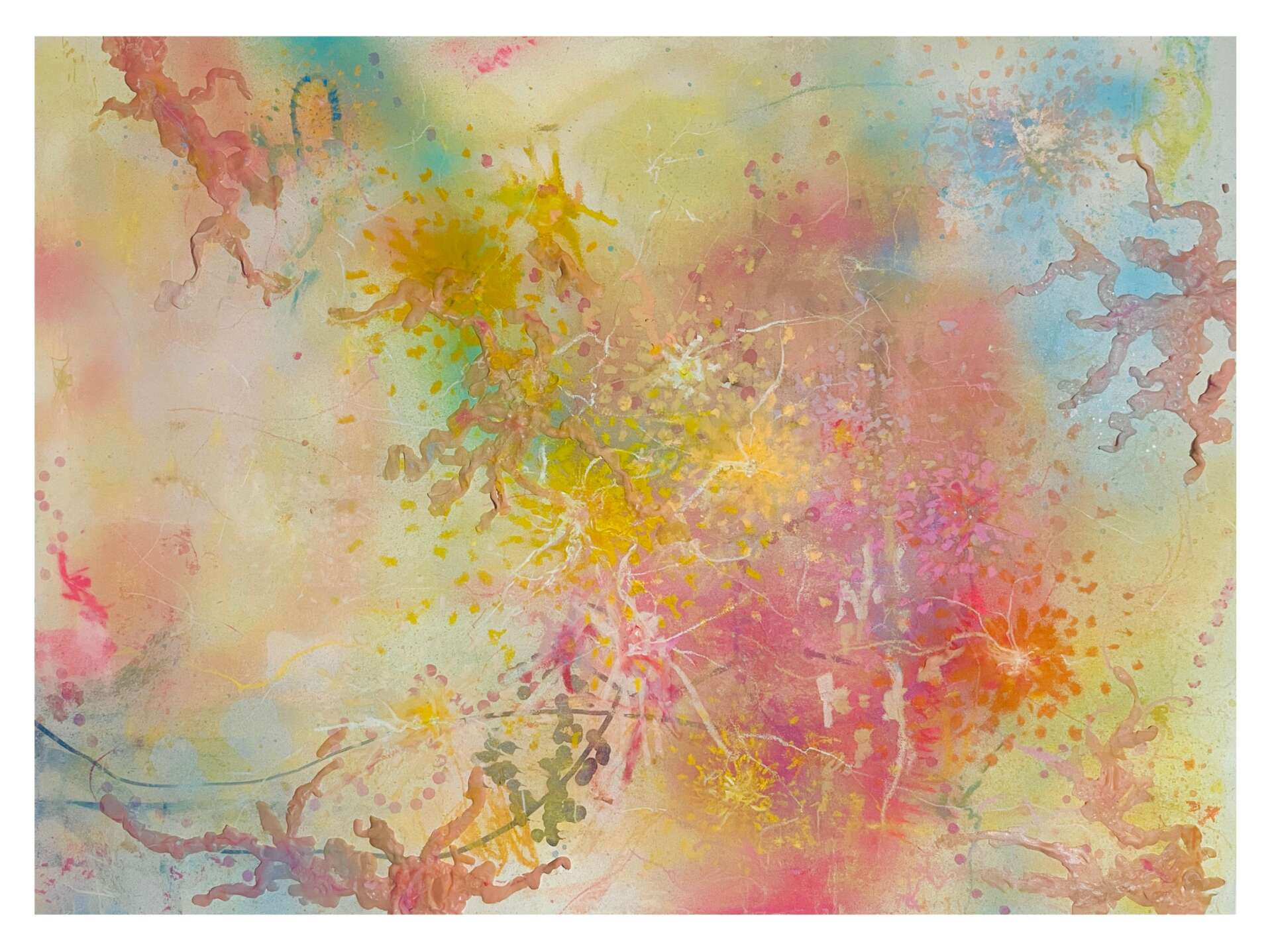
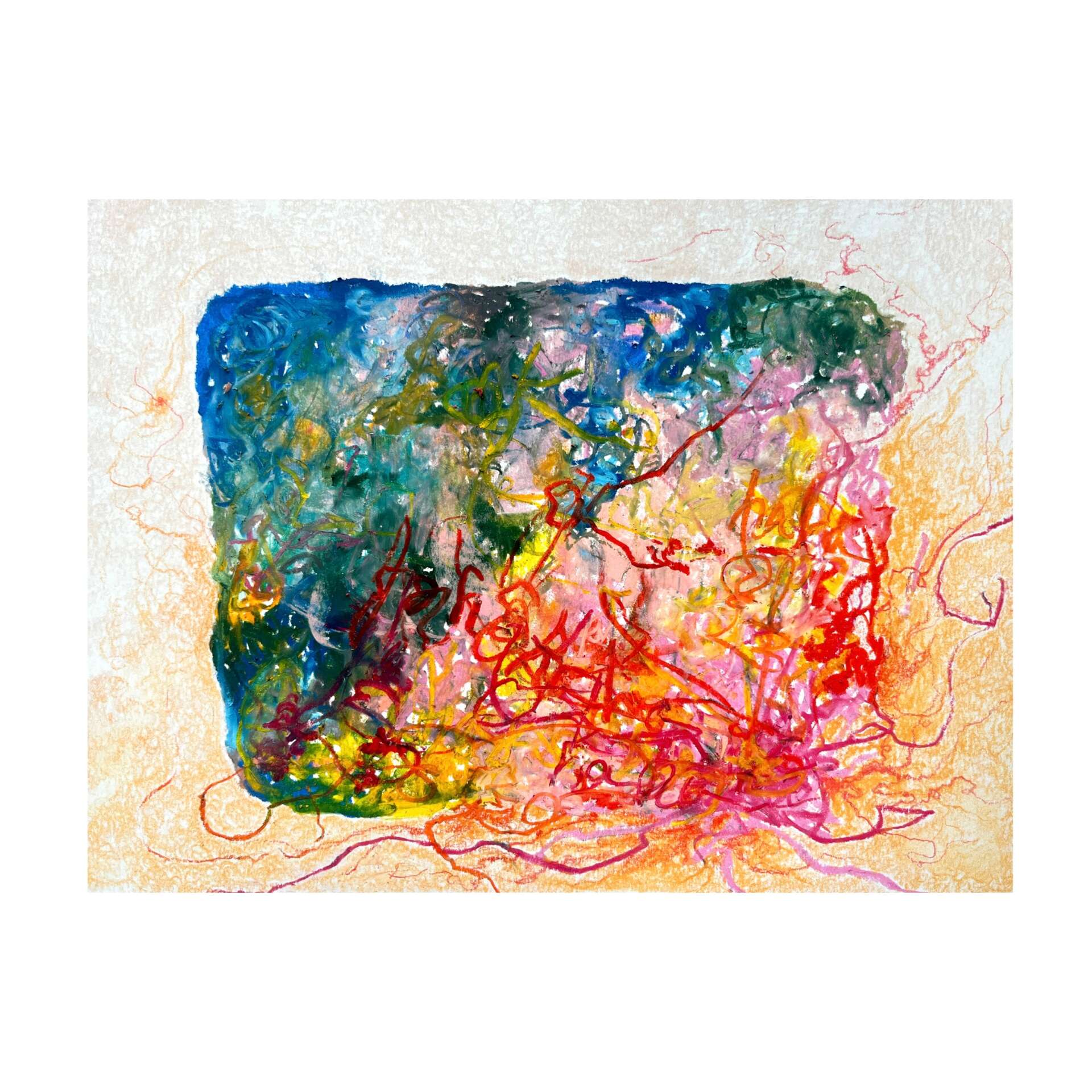
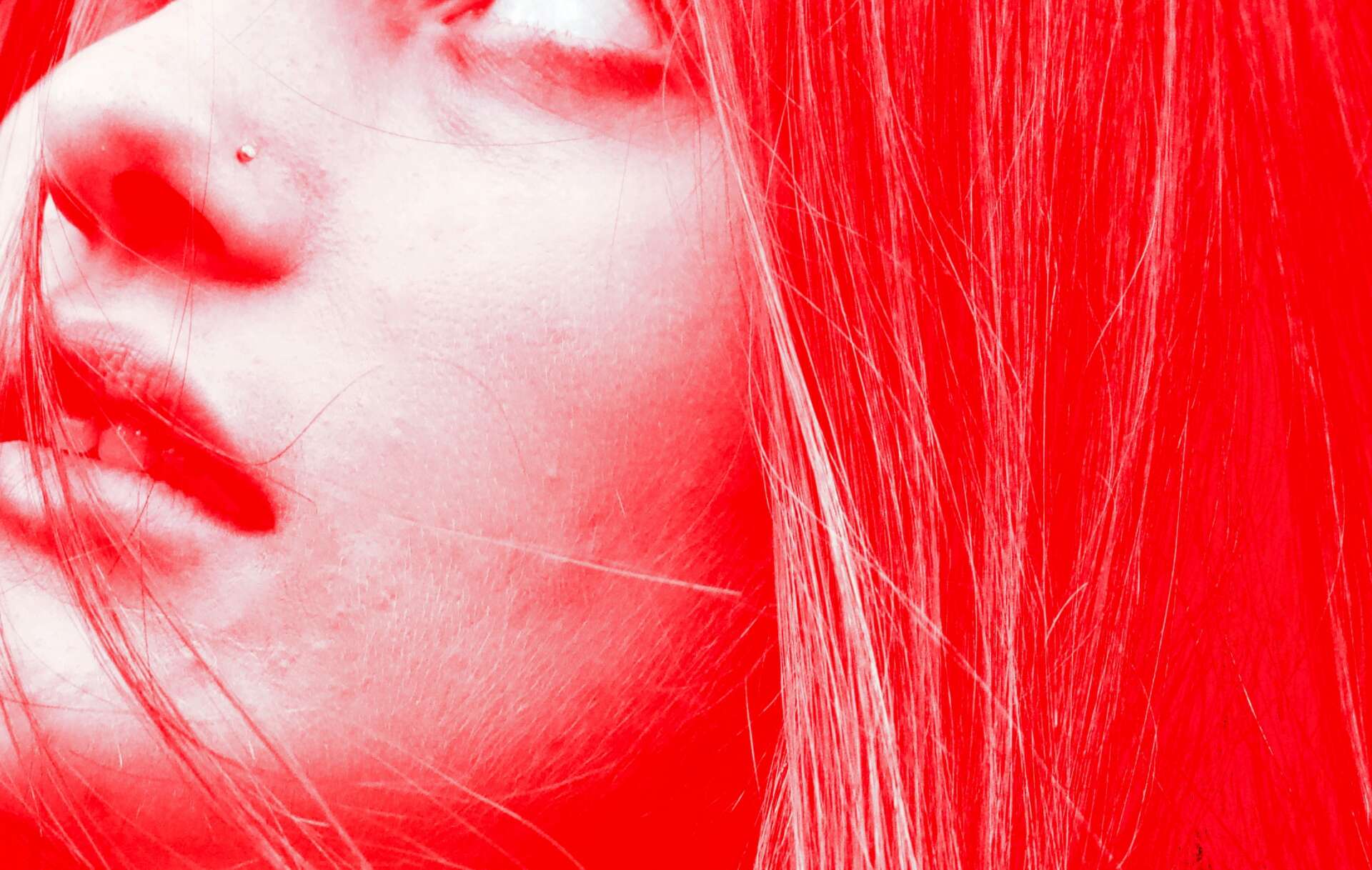
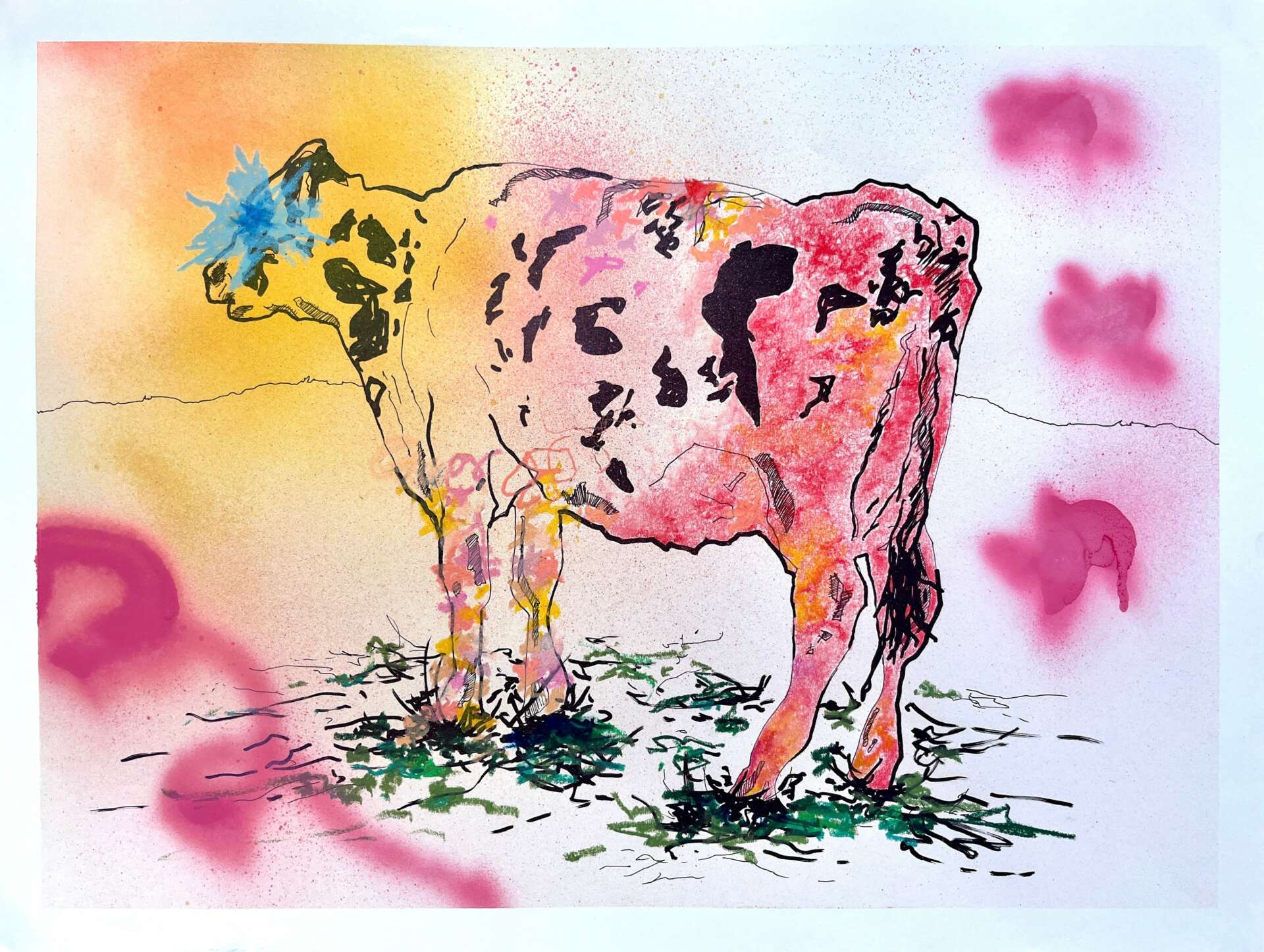
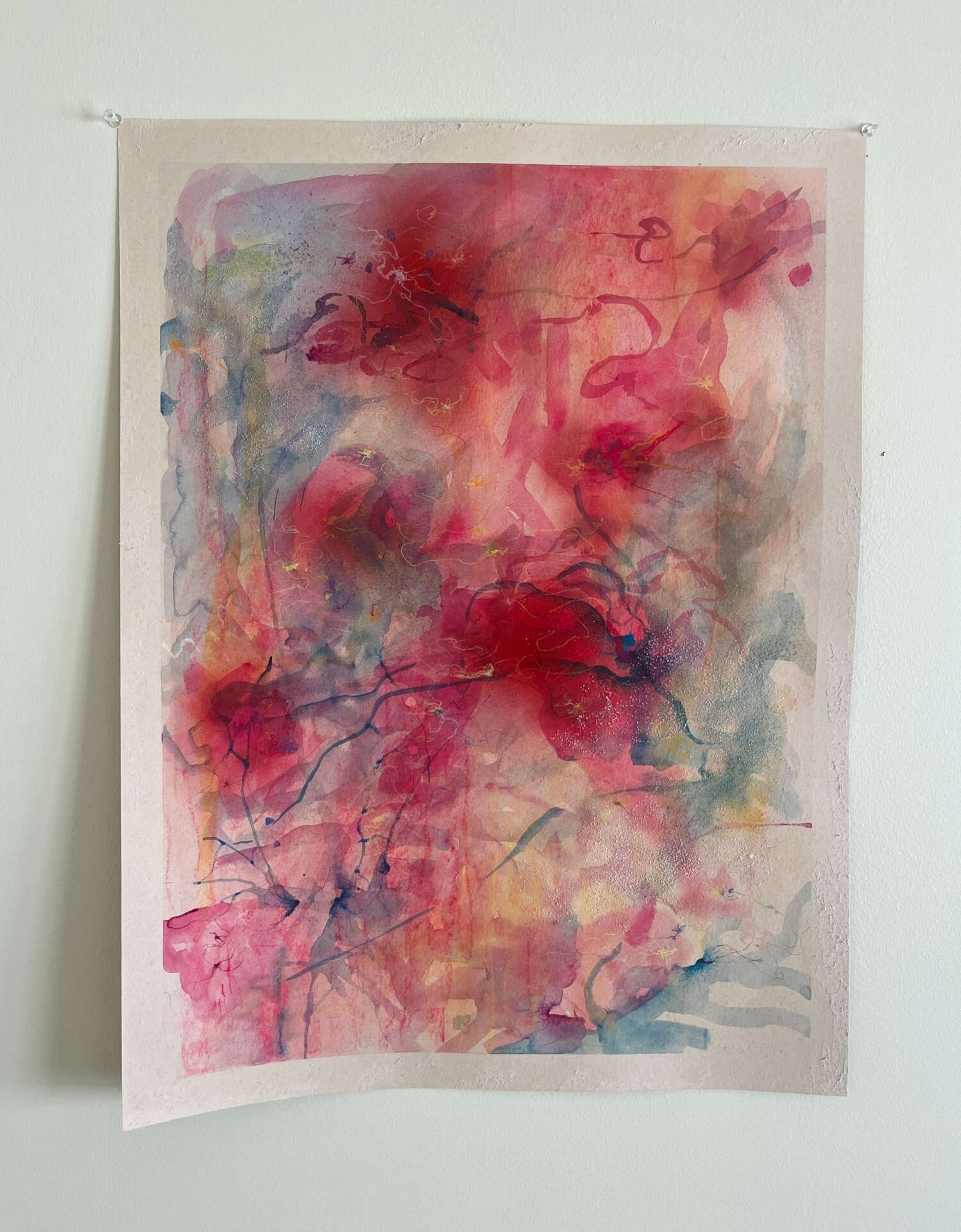
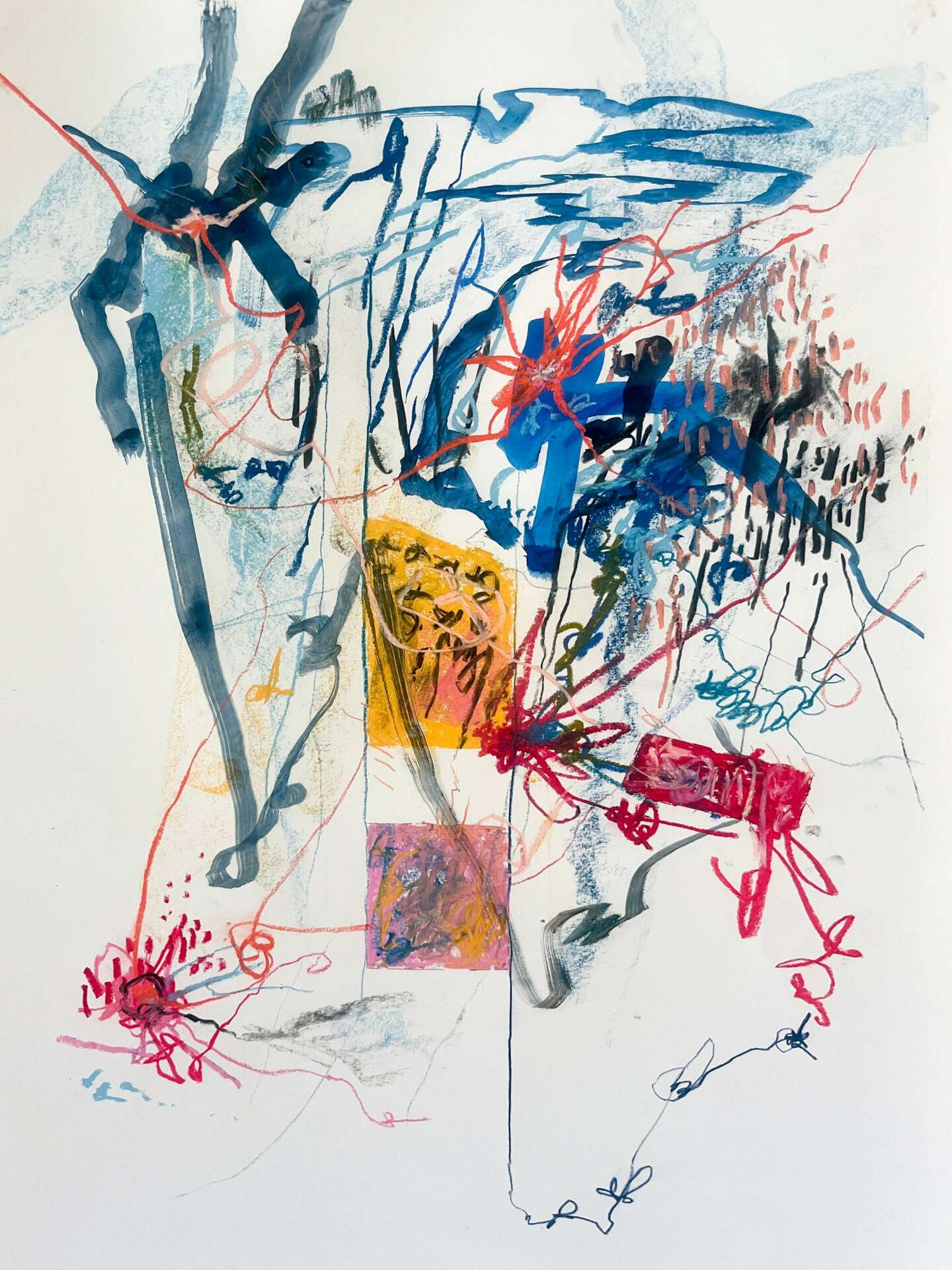
Recently with my artwork, I have been challenging myself to take more creative risks, especially within my drawings. This includes adding experimental or “non-art” materials (such as gum, salt, and dirt), being purposefully destructive with my materials and paper, and making marks without thinking precisely about their placement. Lately, I’ve been creating abstract and non-objective artwork that expresses my emotions about certain life events and universal human themes. My goal with these projects has been to let my emotions, memories, and intuitions guide me rather than strategically plan out every single step before-hand. Adding non-art materials such as gum was something that I had always wanted to experiment with, but I wanted it to be purposeful and add to the depth of the artwork. When creating a non-objective representation of childhood memories and experiences, I found the perfect place to add this material! In another set of drawings, using purposeful destruction of the work was perhaps one of the scariest risks I’ve made with my art. These drawings focused on the idea of overstimulation and stress, and after both reflection and an encounter with another contemporary artist who damaged their own art, I felt more confident than ever in my risks. I think that with my creations, purposeful risk taking is alway something that has driven me, as it often opens up new and exciting horizons that I can continue to expand upon in the future. I implore all artists to take risks in your work, even with your sketchbook! You never know what you’ll find within the conclusions of your risks and experiments.
Awesome – so before we get into the rest of our questions, can you briefly introduce yourself to our readers.
I am a working artist and future art educator! I am in my last year of obtaining my degree in K-12 art education, and will begin teaching in South Carolina next fall. I plan to continue creating my own personal artwork alongside my professional career as an educator. I’ve been interested in art and creating art for the last 10 years or so of my life. Within my geographical location of the southeast, I hope to push contemporary art into the mainstream with the public I present my art to, and with the students that I will teach. I want the public to see that contemporary styled work is not what its stereotypes present it to be, but rather it can be works of art that emotionally connect with, and stick with the audience after they witness it. I personally have been creating abstract and non-objective drawings that pair with audio using experimental methods, and capturing photographs that tell stories (both real and fictional) of the Southeast.
Within my work, I’m currently proud of creating works that explore my personal memories and emotions. In the past, the subject of my work was typically more reliant upon fantasy and science fiction. Allowing myself to open up and explore my own emotions, and then present them in a work of art to an audience is something that I’m incredibly proud of, and can’t wait to explore further.
What’s the most rewarding aspect of being a creative in your experience?
The most rewarding part of being a creative for me is being able to express certain ideas and experiences that are impossible to express through words with others. When I see someone connect with a work of art that I’ve made, I feel like an instant emotional bond has been created between me and the viewer. Seeing that connection will always push me to continue creating. Sometimes I have had trouble expressing exactly how I feel, and artwork has always been an amazing outlet for me to express myself without using words.
What can society do to ensure an environment that’s helpful to artists and creatives?
I really love this question. I think the best thing that our society can do to support artists and a creative environment is to recognize how important art and creative expression is. I feel as though art is put in this secondary category of importance in life, and it is boiled down to a simple hobby or maybe side hustle if you’re lucky. I think everyone needs to realize that as humans we all have a creative capacity, and that it’s imperative that we all use that capacity. Without creation and creativity, our world would be a very very bland space. With that being said, it’s important that society upholds art and creation, and prioritizes it as a necessary profession, rather than something that should be picked up with if someone has extra time on their hands.
Contact Info:
- Instagram: tgentry.jpg
Image Credits
Personal photo taken by Josiah Dumais. All art and photogrpahs of the art belongs to myself.