

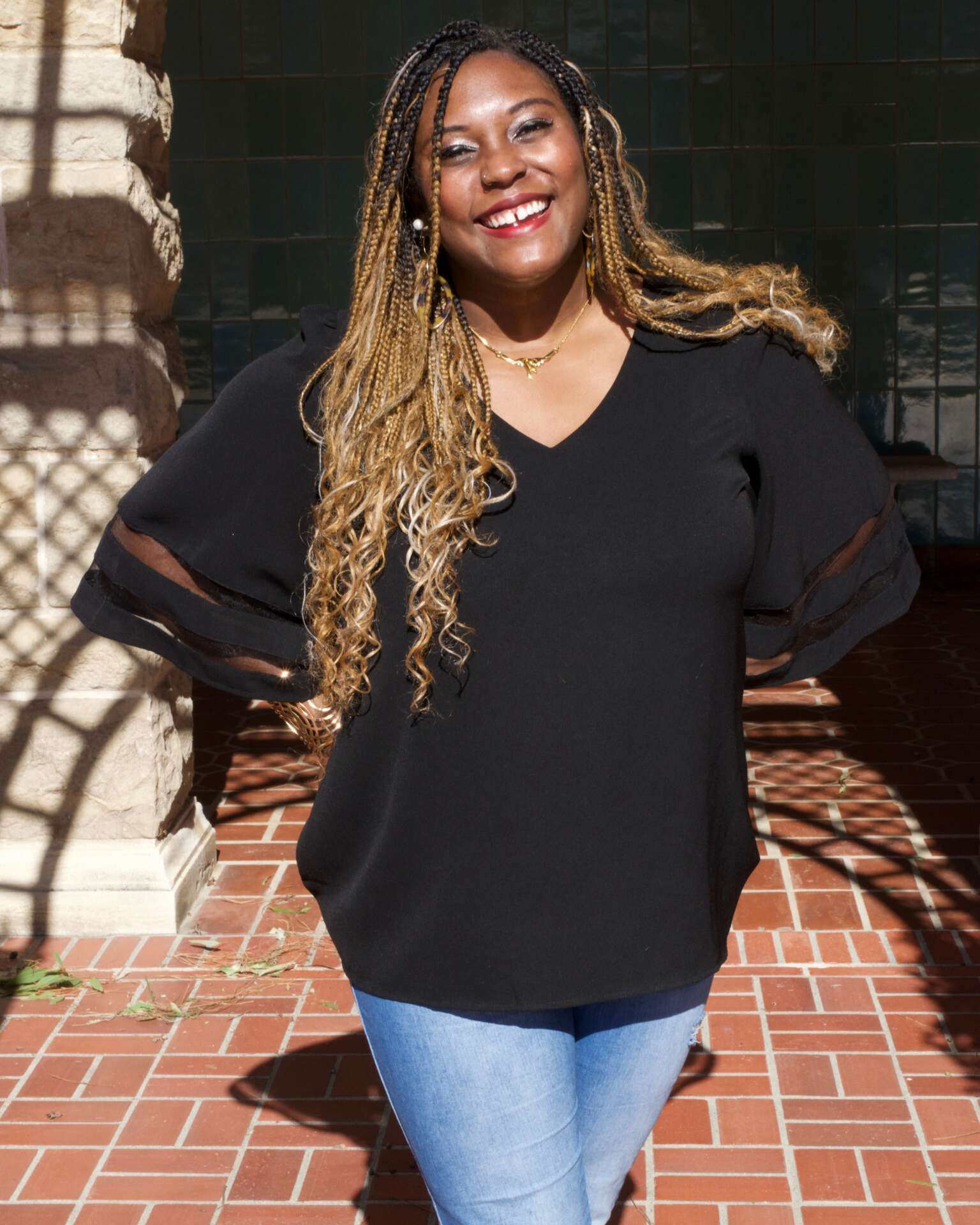

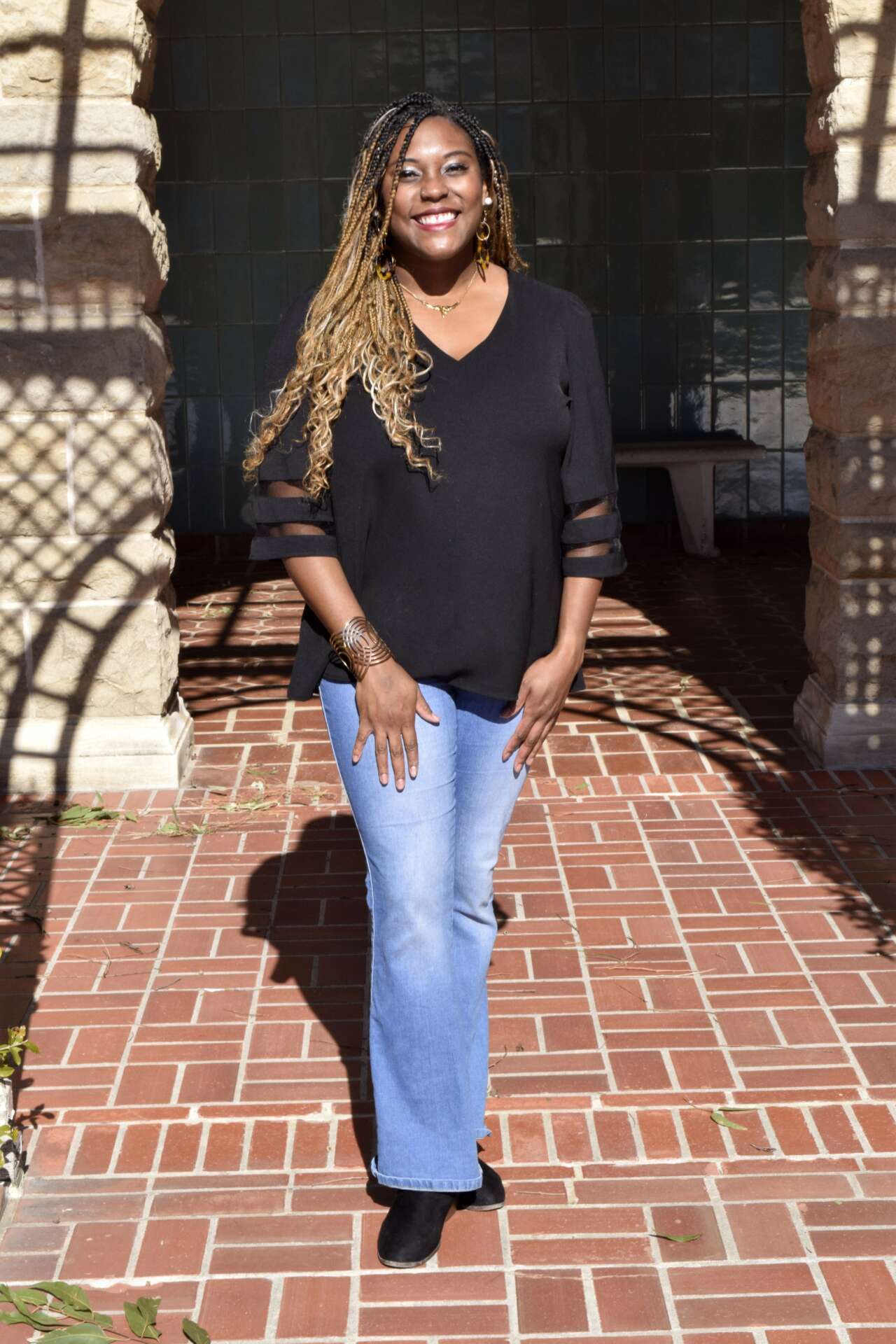
We’re excited to introduce you to the always interesting and insightful Tylre Synclair. We hope you’ll enjoy our conversation with Tylre below.
Tylre, thanks for joining us, excited to have you contributing your stories and insights. Did you always know you wanted to pursue a creative or artistic career? When did you first know?
To be honest, I ran from it for YEARS. Though I was always drawn to the creative industry (I grew up playing multiple instruments, had a deeper understanding of television than most, took drama classes in high school, and even published a teen psychological thriller novel at 15 years old), growing up in the Bible belt without successful creatives around me, I was always taught it wasn’t sustainable. That it wasn’t an “honorable” profession. So I tried to find other things that gave me the fire that writing gave me – I applied to schools with marine biology and psychology programs, promised myself that I’d continue writing on the side no matter what I did, and convinced myself that I was okay admiring from afar. There was even a (very brief) time I considered taking a track and field college scholarship…talk about literally running from your destiny.
I really tried to put the fire out, or, at the very least, reduce it to a spark.
But after taking my first screenwriting class as an elective in college, I realized that fire wasn’t going anywhere – it went from
a spark to a bonfire, reignited by the excitement of a new medium. Though I had no idea how to even approach screenwriting as a career, I almost fell into it. Friends of mine, ones who’d known for their entire lives they wanted to be artists, asked if I’d give them notes on their scripts. I found myself working on short film sets, friends’ film class projects, and the next thing I knew, a friend asked if I wanted to co-create a comedy web series my junior year. The first day I stepped onto our set, I was hooked. Though the project was a little chaotic and I felt way out of my depth, unsure if I was even cut out for this, the raging fire in my gut dulled to a low, comfortable and satisfied hum…I was home.
Now here I am, 8 years later, having worked for incredible companies such as DreamWorks and CBS, on a major franchise film, and written and directed several personal projects that showcase my voice, passion, and talent that I’m able to proudly include in my portfolio.
As always, we appreciate you sharing your insights and we’ve got a few more questions for you, but before we get to all of that can you take a minute to introduce yourself and give our readers some of your back background and context?
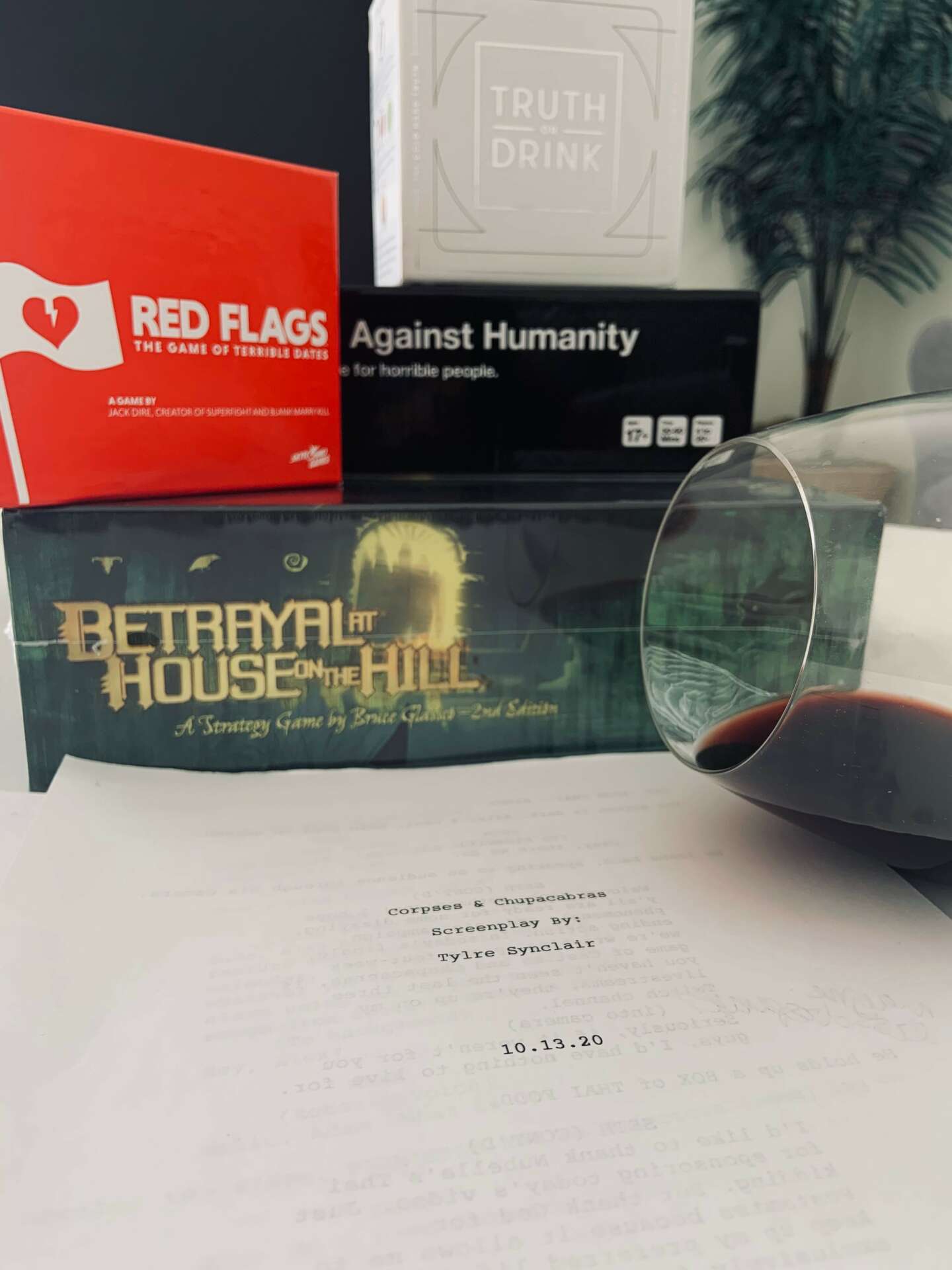
Despite all of my running, at my core, I’ve always been a writer. My mom is a teacher, whose specialty has always been English. As a kid, she would make me journal each day and it was always my favorite activity – somewhere in there, my daily journals turned into stories, and those stories turned into novels. I would write during recess, between classes, even during classes (sorry, teachers…), at home when it was way past lights out (sorry, Mom and Dad…) – it was my way of processing my emotions, escaping reality, and creating a world in which I was comfortable being my most honest and authentic self.
I’m a world-builder: while I may not be George R. R. Martin or J. R. R. Tolkien (first off, I don’t have as intimidating and cool initials), whether it is a film or a television show, no matter the genre, be it a comedy, thriller, teen mystery drama, or fantasy/horror, every project I write comes with a world you can lose yourself in and characters you relate to, even if you haven’t seen anyone like them before.
Stories, especially told through the mass medium of film/TV, can change how we see the world, and how we see ourselves. I’ve seen the influences in my own life – book series like “Percy Jackson & the Olympians” and “Animorphs” taught me that kids really do have the power to change the world. Sarcastic, strong, non-traditional female characters in the media like Raven Baxter, Juno MacGuff, and Buffy Summers shaped my sense of humor and sense of self. Movies like “Scream”, “Pan’s Labyrinth”, “The Dark Knight”, and “Get Out” made me fall in love with filmmaking.
I don’t just love writing. I also genuinely believe that as a writer, I can make a difference in this world.
Can you tell us about a time you’ve had to pivot?
When I started my full-time writing journey, I had a boss let me go – while it did end up being a crucial next step in my career, it was something I didn’t understand at first. I knew it was his version of a mother bird pushing their baby out of the nest, but I was consumed by the financial concerns – how was I going to pay my rent? How was I supposed to pay my bills? I have a dog now – I need to make sure she has the best life possible. What if she wants to go to college? You know, typical millennial life stuff.
So I ended up taking a job at an ice cream shop to help pay my rent – returning to food service nearing 30 years old was definitely a huge risk and a culture shock since I’d been working in corporate entertainment. But the flexibility and evening shifts allowed me time during the day to take meetings with executives, network and work on my next projects. The customer service helped me to re-learn how to socialize following a global pandemic and got me out of my apartment. I quickly worked my way through the ranks, becoming a manager of the shop in less than a year which then put me in charge of the scheduling, ordering, maintenance, and inventory. I had to hire and fire employees and really step into my own personal power as a leader, something I know is going to make a world of a difference once I’m on set again. And the money itself? It got me through a five month long writers’ strike.
Sometimes the pivots are for the best – and you should never be afraid to take a job and do what you have to do to work towards your dream, even if it’s off the path that you saw for yourself.
We often hear about learning lessons – but just as important is unlearning lessons. Have you ever had to unlearn a lesson?
I had to stop looking at the other people around me as a guideline for how my life is supposed to look. I feel like TV always made it seem like your twenties are supposed to be the best and most formative years of your life – it’s the time you make huge strides in your career, you meet that person, you find that friend group, you get married, you start having kids, you begin to settle down, etc. Society as a whole has put pressure on young people to have their ish together by 30. The pressure is even greater when social media shows you said people with their ish together, even though we know a picture never tells the whole story.
But as a creative, having chosen an unconventional life path, living a somewhat unconventional life, and working in an unconventional industry, it’s made me have to learn to slow down, take a breather, find peace in the process, and not put a timeline on my life. Every creative’s life is different – while several might have very similar stories of “making it”, for every two similar ones, there are five very different ones. There are struggles that people don’t talk about. There are PRIVILEGES people don’t talk about. There is no one path and there is no manual on how to “human”.
Part of finding peace for me was embracing the unknown, the unconventional, and recognizing that my life path is not going to look the same as everyone else’s. And at the end of the day, that’s what makes it beautiful.
Contact Info:
- Instagram: @synclairsworld
Image Credits
Headshots: Jackie Male @sh00tyoursh0t