We’re excited to introduce you to the always interesting and insightful Tyler Wynne. We hope you’ll enjoy our conversation with Tyler below.
Tyler , thanks for taking the time to share your stories with us today We’d love to hear about when you first realized that you wanted to pursue a creative path professionally.
I can’t remember a time where I wasn’t drawing. I loved being creative in any way growing up. I took dance classes from 4 to 9 years old and was in choir for most of k-12. When asked what I wanted to be when I grew up in kindergarten I said an artist but I believe that the true time I realized I wanted be an artist professionally was when I visited my family in San Diego when I was 7. My nana, my mom’s mom, lived with her older sister and her husband. My nana lived in the upper part of the house and my aunt and uncle lived downstairs. My aunt Bessie was an artist. She was a hobbyist who learned to oil paint later in life, she had her own studio in her house and she would paint portraits that were framed around the house. I remember I was drawing images from national geographic magazines at the kitchen table and my aunt told how good my drawings were. This made me so happy because I thought she was the greatest artist ever so if she thought I was good I must be really good. It gave me the encouragement I needed to really go for being an artist professionally. We would visit San Diego every other summer growing up and every time I came my aunt Bessie would have me make a painting, and she would teach me calligraphy. She was my first mentor and was my biggest inspiration not just as an artist but as a person. She was classy, funny, fashionable, honest but kind. She was the first person to see my potential and help me hone my skills. I am forever grateful to her.
As always, we appreciate you sharing your insights and we’ve got a few more questions for you, but before we get to all of that can you take a minute to introduce yourself and give our readers some of your back background and context?
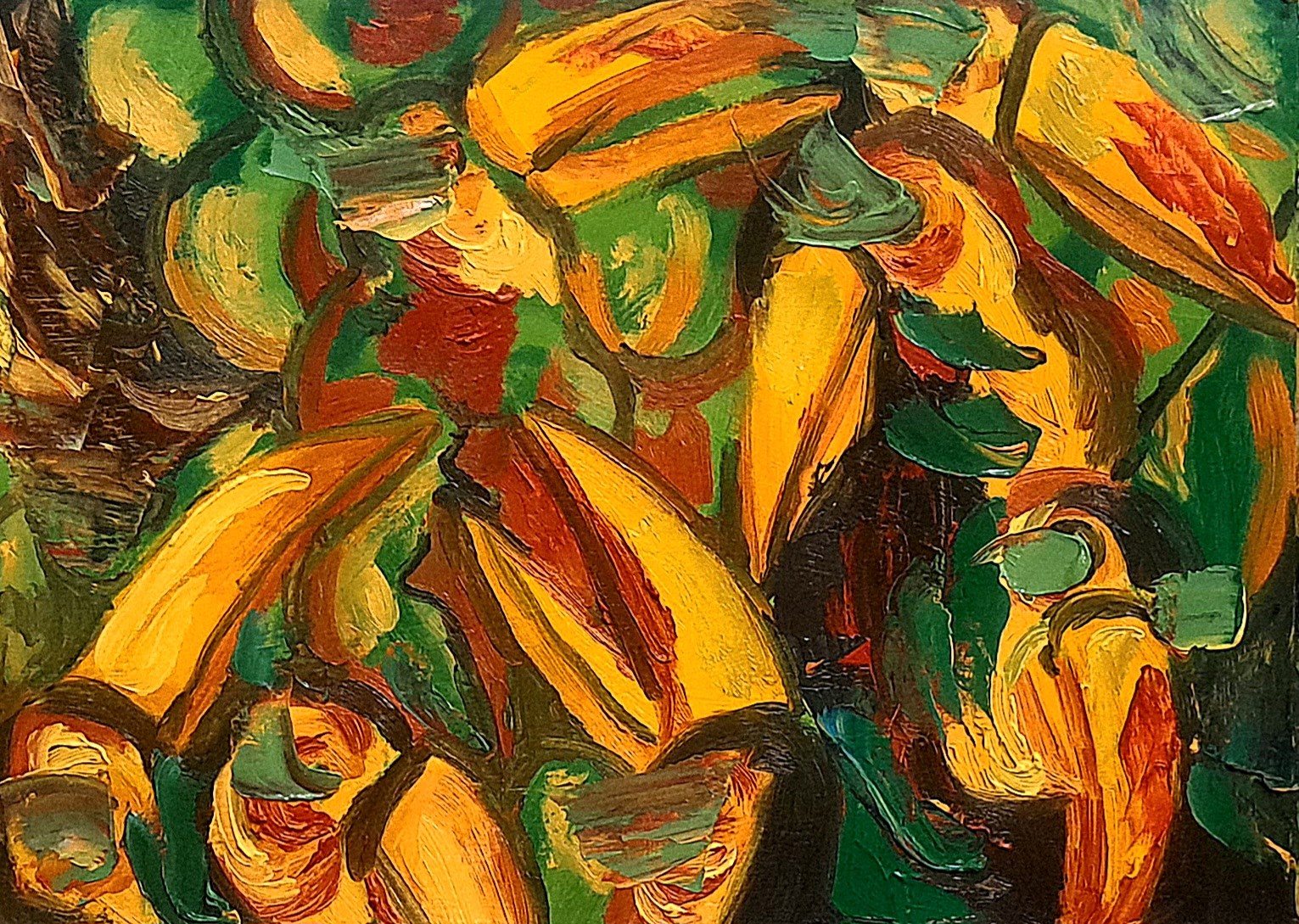
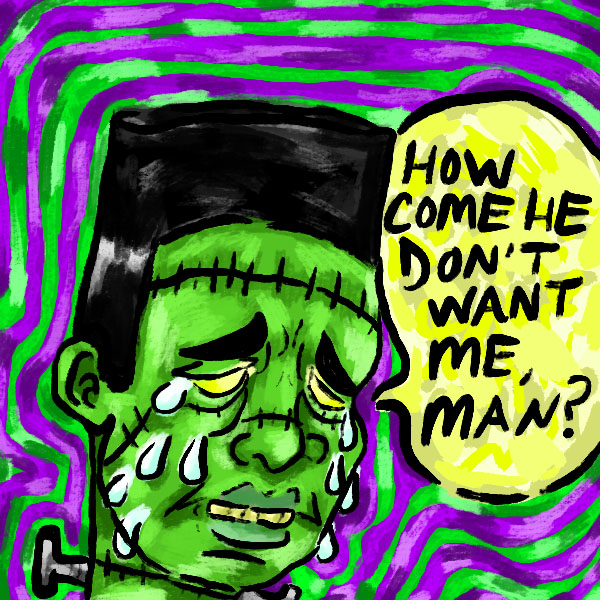
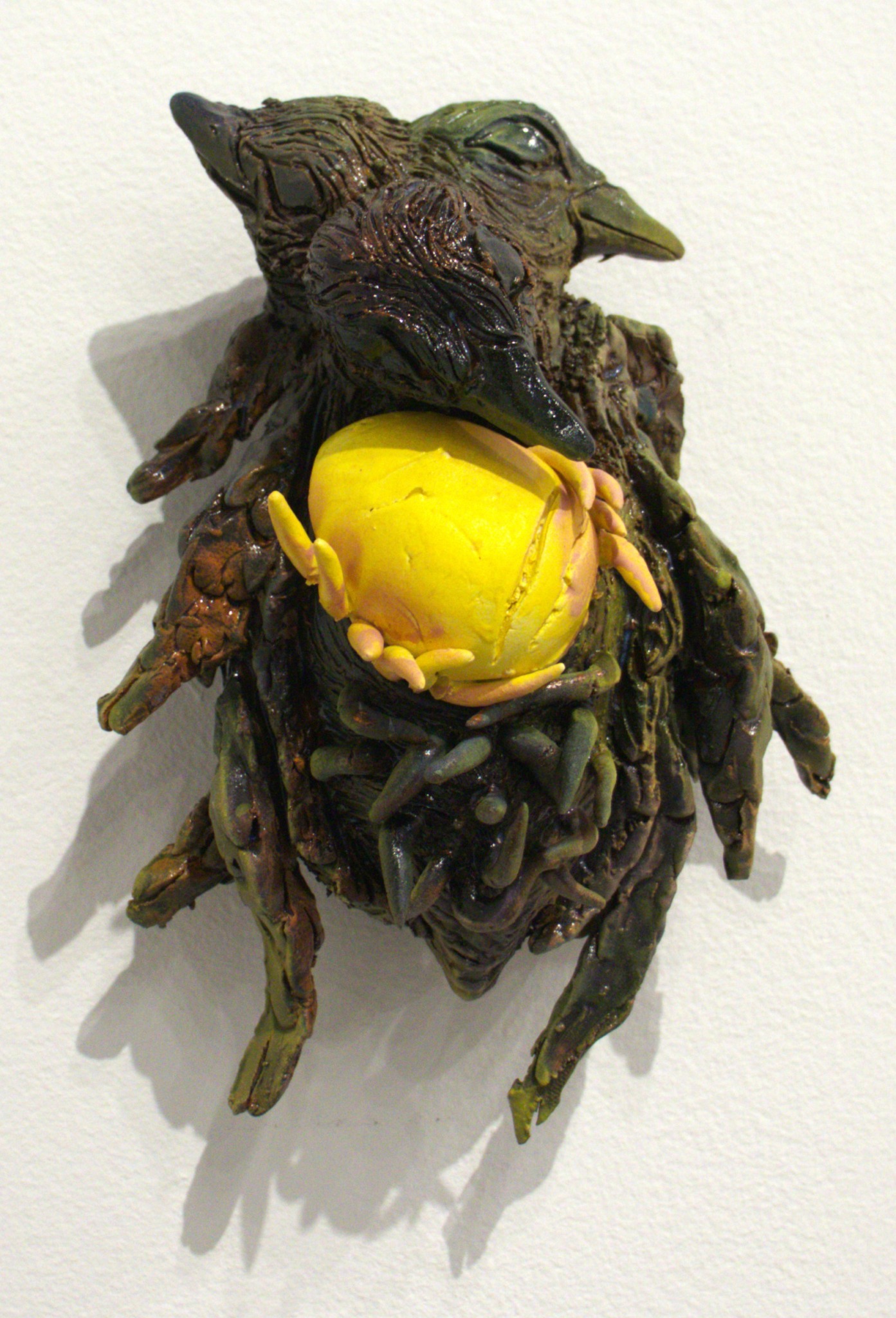
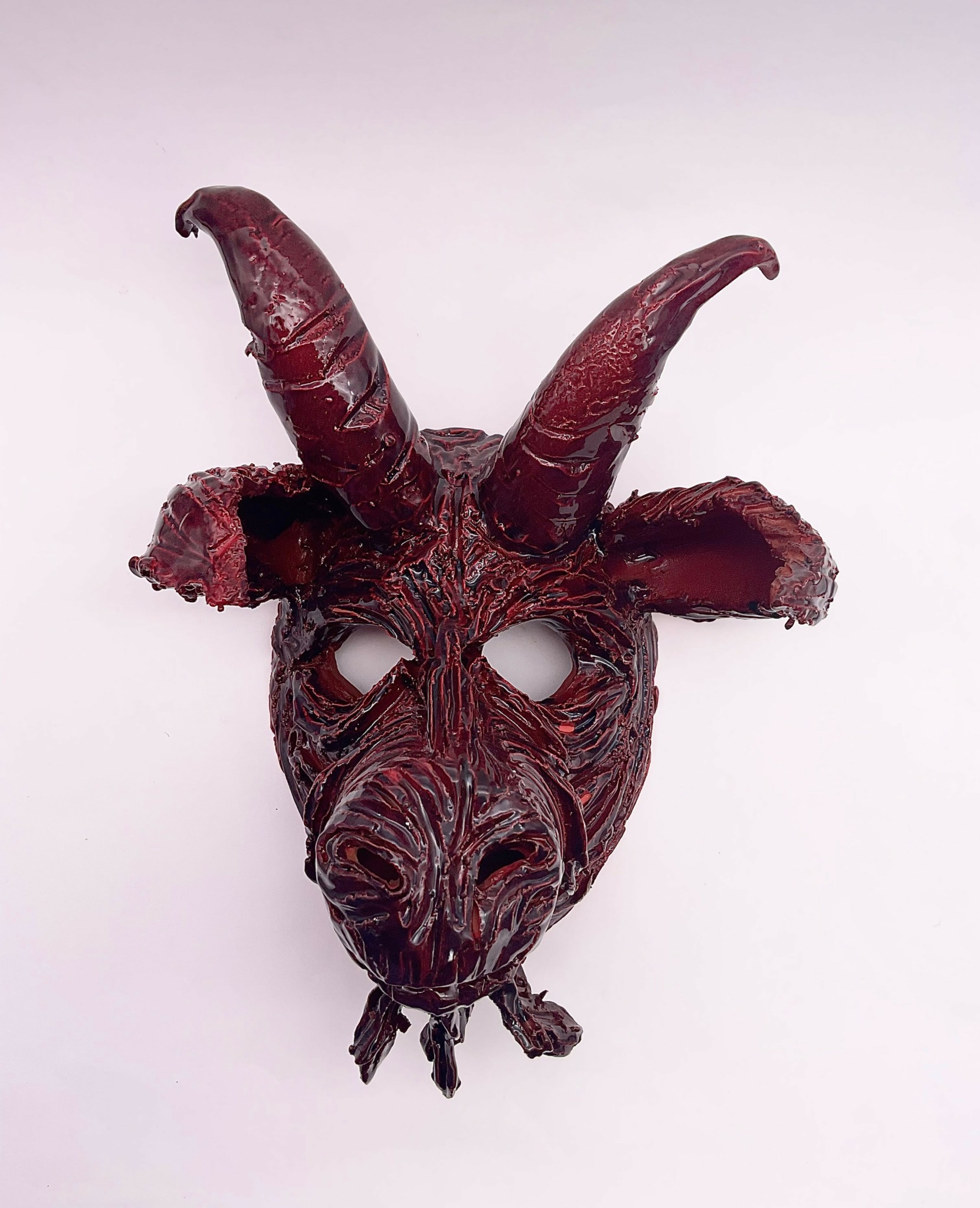
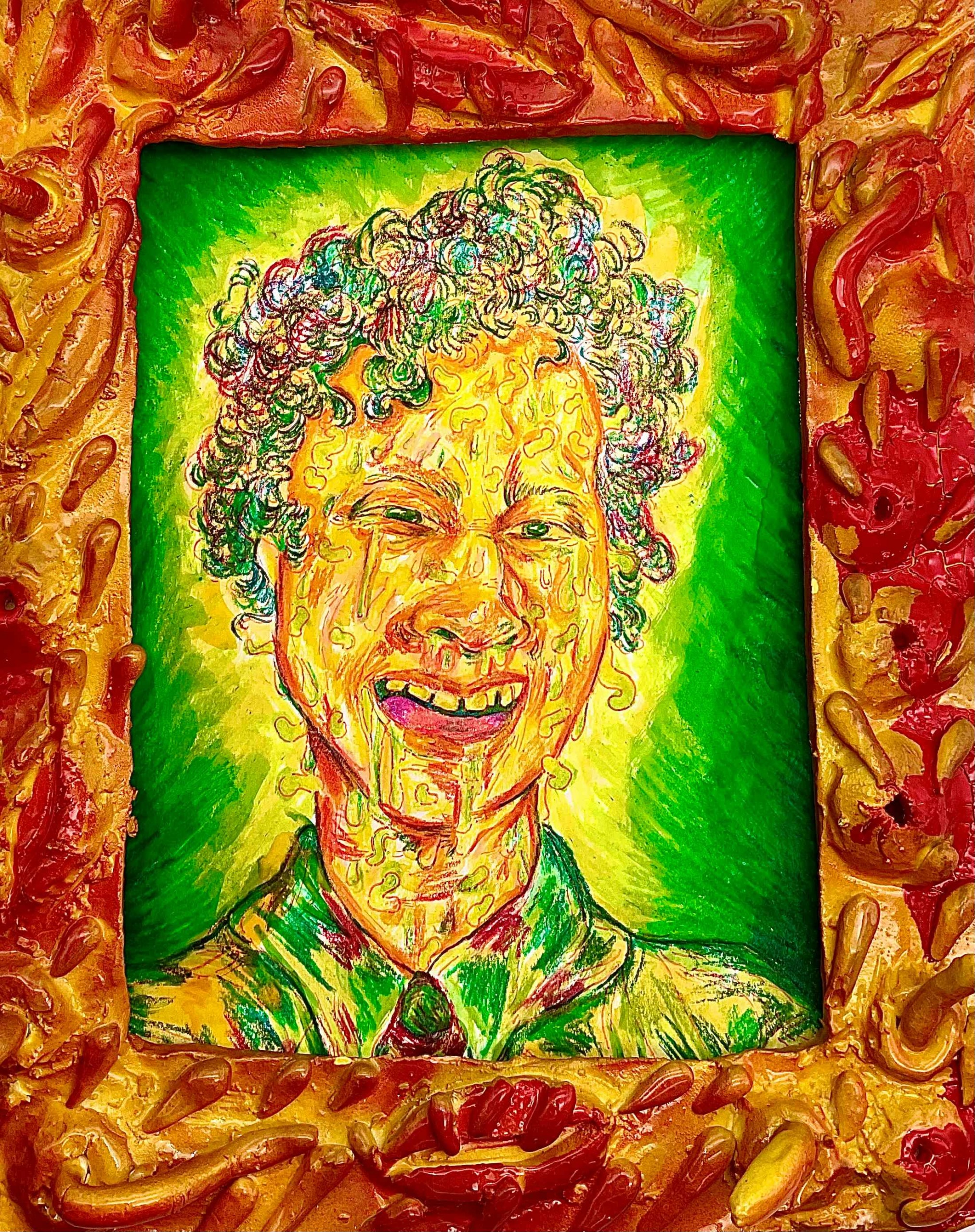
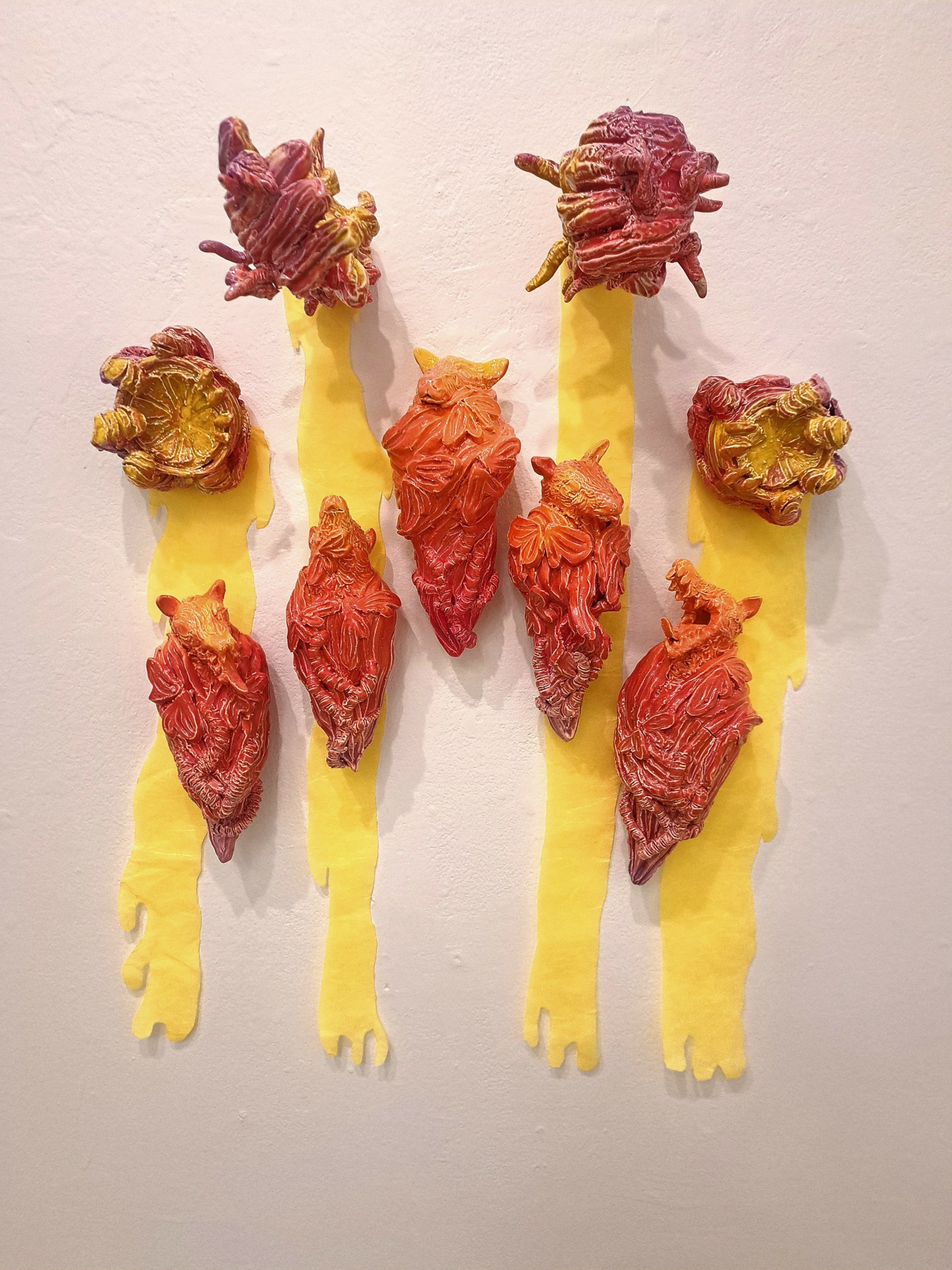
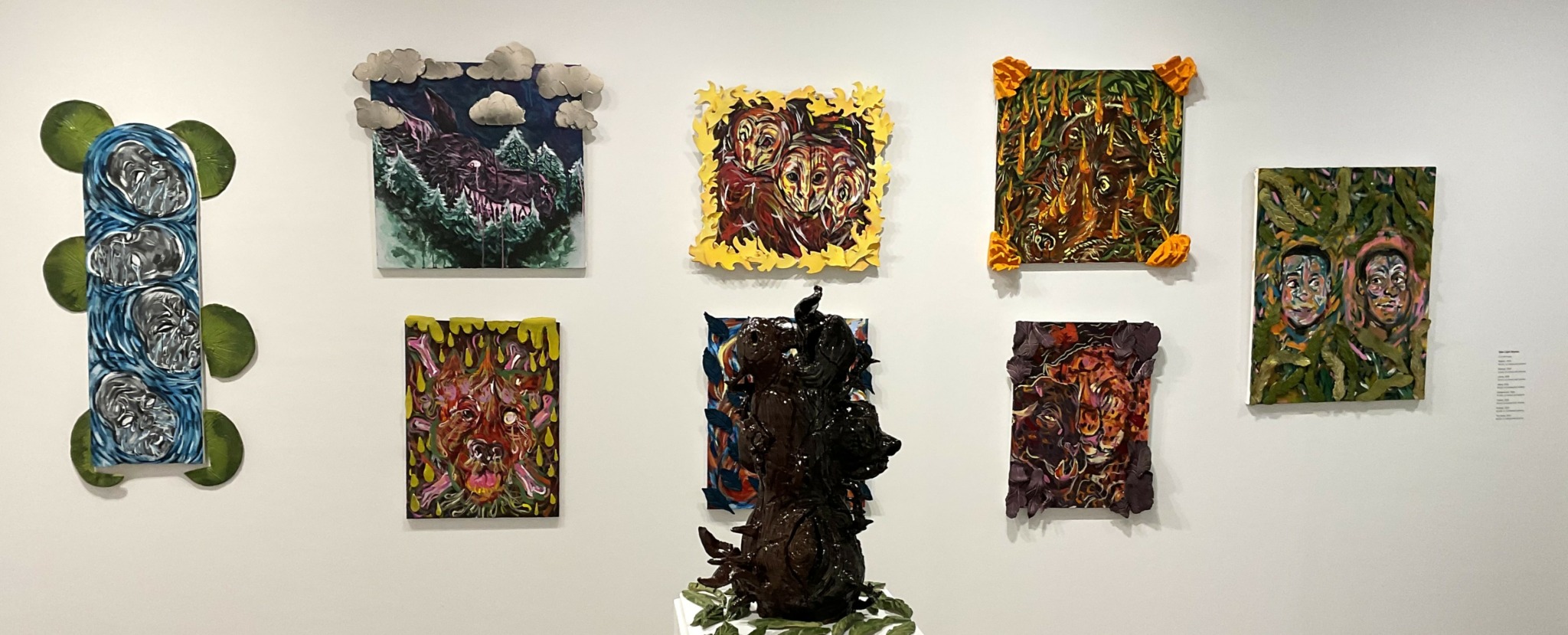
I am a recent graduate of the School of the Art Institute of Chicago in the Ceramics Department. I received my BFA at the University of Texas at Tyler. Despite having a focus in ceramics I consider my self a multimedia artist and have been incorporating ceramic components with other mediums. I also have a drawing background and an extensive painting portfolio. As of late, I’m getting back into digital art and starting to work more in fibers. My work deals with otherness, the connection between humans and animals, the contradictions of the human experience and how the things of our childhood shape who we are as adults. I am currently looking for work related to my degree either teaching, working in a museum/gallery or an art center. I would love to be able to sustain myself through making my own art and selling it.
Do you think there is something that non-creatives might struggle to understand about your journey as a creative? Maybe you can shed some light?
I think the main issue non-creatives don’t understand about being a creative is that being an artist isn’t a magical thing you can only be if you are born with “talent.” Learning an art form is a skill like anything else. Of course some people are more adept to excelling at that skill but anyone, if they take the time to learn, can achieve that level of artistry. Everyone starts out being bad at art. The thing that divides me from other people who have tried to be great at art is that when I was making bad drawings I didn’t just decide that I am bad at art and never draw again. I kept drawing to hone my skills so that I was confident in my drawing ability. I believe anyone can be an artist but you have to work at it just like anything else. You have to be bad at it and keep trying even if what you’re making isn’t as good as you want it to be. A lot of artists, myself included, are against ai art because it is being advertised as a way for non-creatives to become creatives when ai works by stealing art from artists without their consent or compensation. If people would just buy a pencil and paper and learn how to draw they could have that skill but most people do not get past the bad art stage of the process so they see ai art as an easy way to get good at art without the effort. I feel like people also characterize artists as gatekeepers and making more money than we actually are. Creatives are undervalued in the time and effort it takes to create what we create. Yet many people depend on what creatives create and would be unable to the level of work they expect for themselves. I would want non creatives to understand the work and the courage it takes to be a creative because it isn’t as easy as people think and it is work like any other profession.
For you, what’s the most rewarding aspect of being a creative?
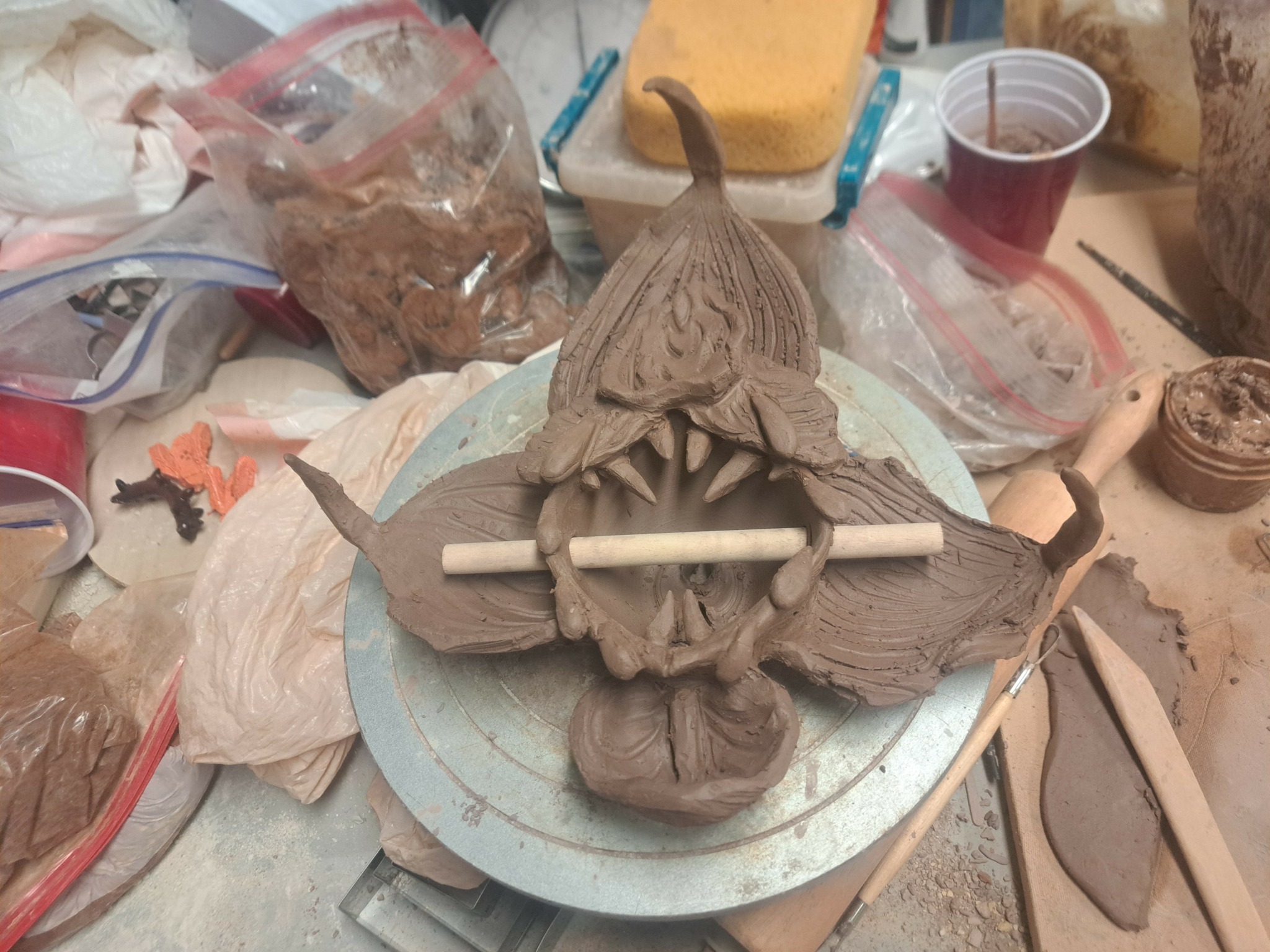
The most rewarding aspect of being an artist for me is the making. I love everything about the making process. In college, I worked primarily in ceramics and so much of ceramics is working through many processes to make one piece. There is a lot of prepping, waiting for things to dry and repetitive tasks that were so satisfying for me. Even with other mediums, like fibers or drawing, there is a sense of peace and accomplishment that you get in making the piece that you don’t necessarily get when the piece is actually finished. I spent so much time in my studio, making almost nonstop because I truly feel happiest when I am making, when my hands are working the work and I am excited for the possibilities of what the piece can be. I don’t really think of how I am going to show the piece in an exhibition, how much it costs or other aspects of the piece’s future because I am so consumed in the art of making that nothing else really matters.
Contact Info:
- Instagram: https://www.instagram.com/tygerbloom/