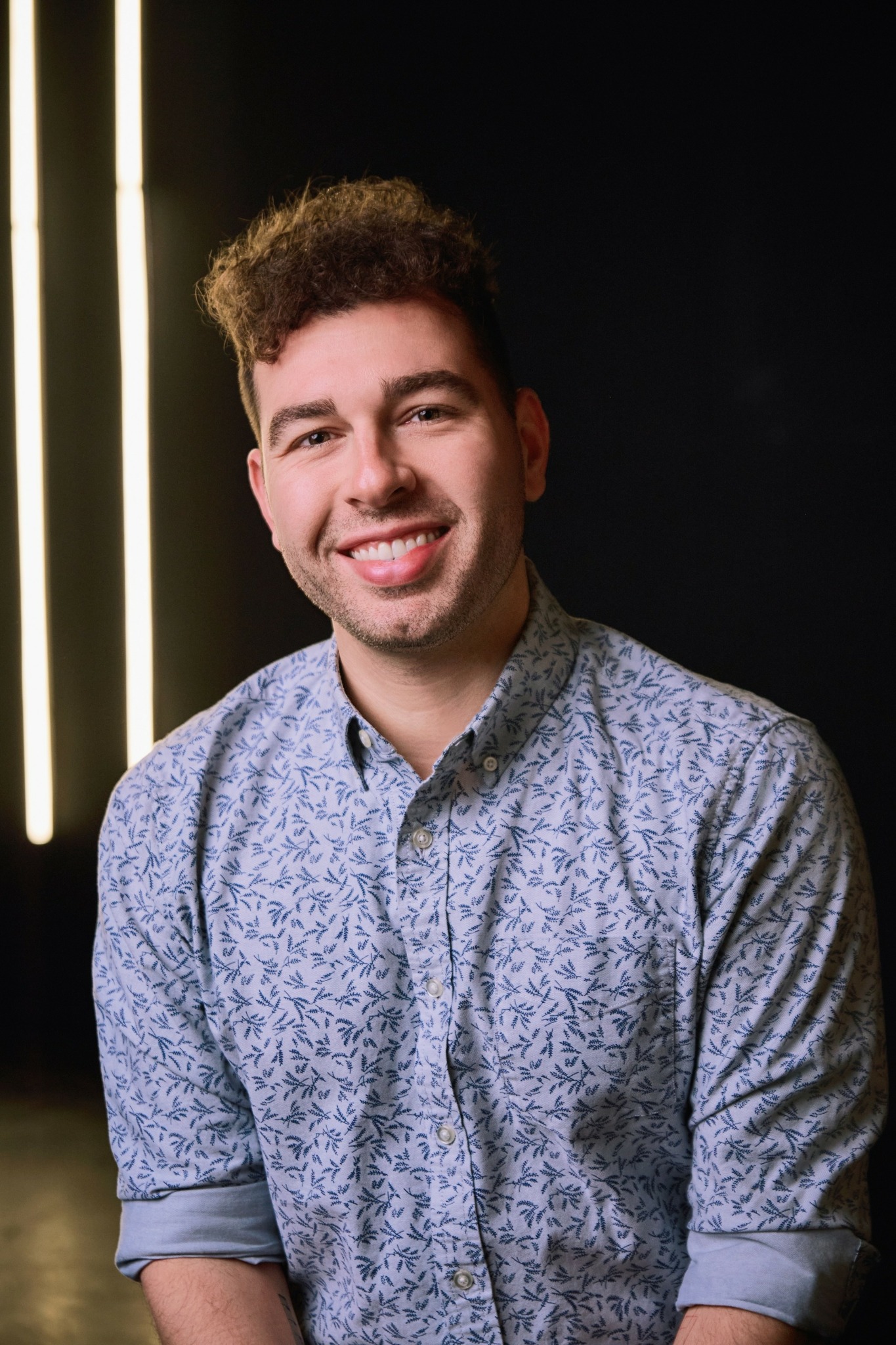

We were lucky to catch up with Tyler Weitz recently and have shared our conversation below.
Tyler, thanks for joining us, excited to have you contributing your stories and insights. Learning the craft is often a unique journey from every creative – we’d love to hear about your journey and if knowing what you know now, you would have done anything differently to speed up the learning process.
My path to where I am today was anything but linear. If I were to sketch it out, it would look more like a looping scribble than a straight line.
After high school, I started at community college with plans to become an architect. I loved the symmetry, process, and precision of it. I’d always been creative: drawing, filming home movies, and spending hours tinkering in Photoshop and Flash (which definitely dates me a bit). I didn’t yet know that “designer” was a real career path; I just followed what felt natural.
A few semesters in, a friend’s mom, who worked at a broadcast agency, reached out and offered me a full-time role as an assistant in their motion department. It was something I had never considered, and it required pausing school completely. It was a huge leap, but something in me said yes. That decision changed everything.
Once I started, I was hooked. I found incredible mentors and dove headfirst into learning. Nights and weekends were spent binging YouTube tutorials, experimenting with software, and absorbing feedback like a sponge. Whether it was animation, design, or 3D, I’d lose track of time chasing curiosity.
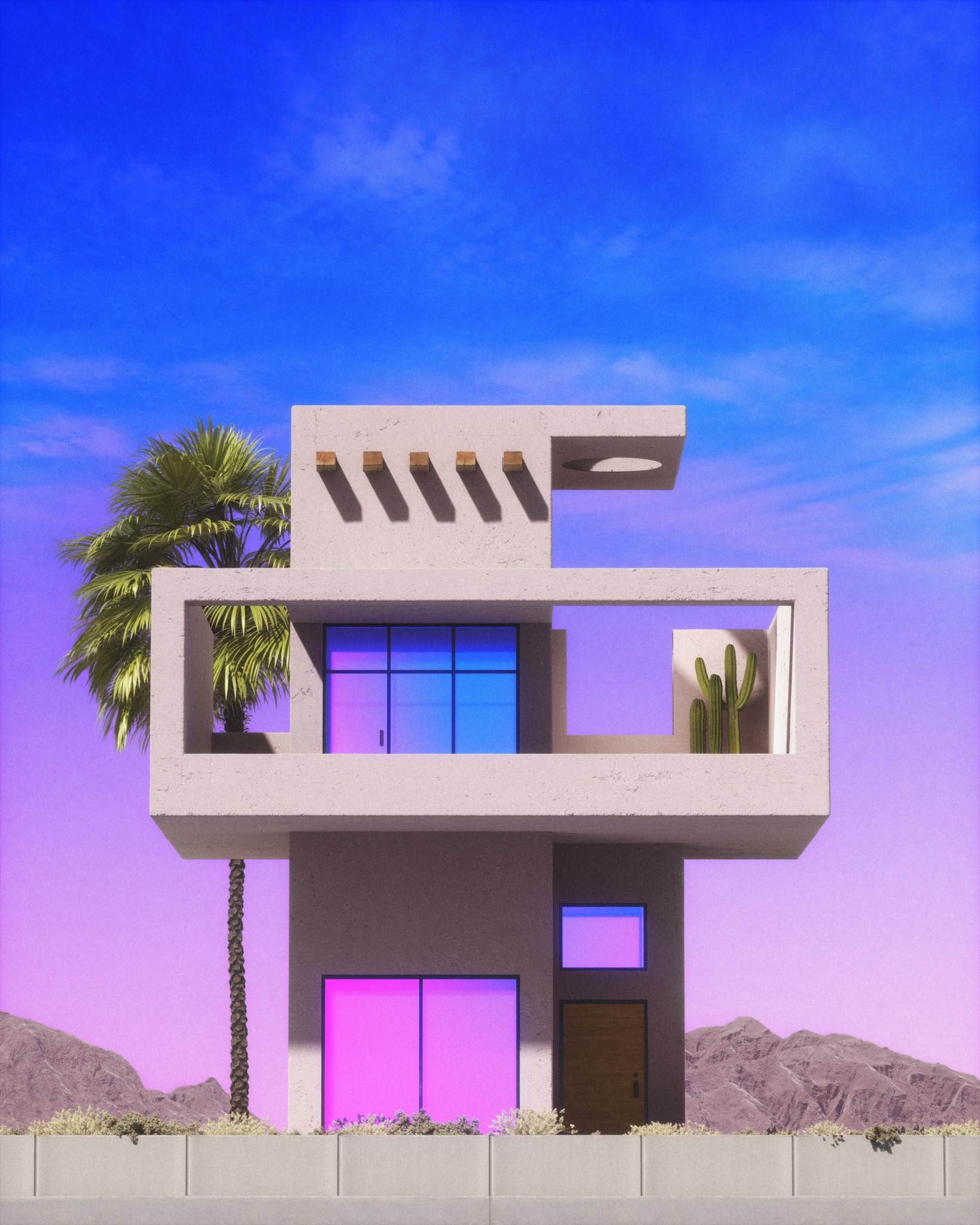
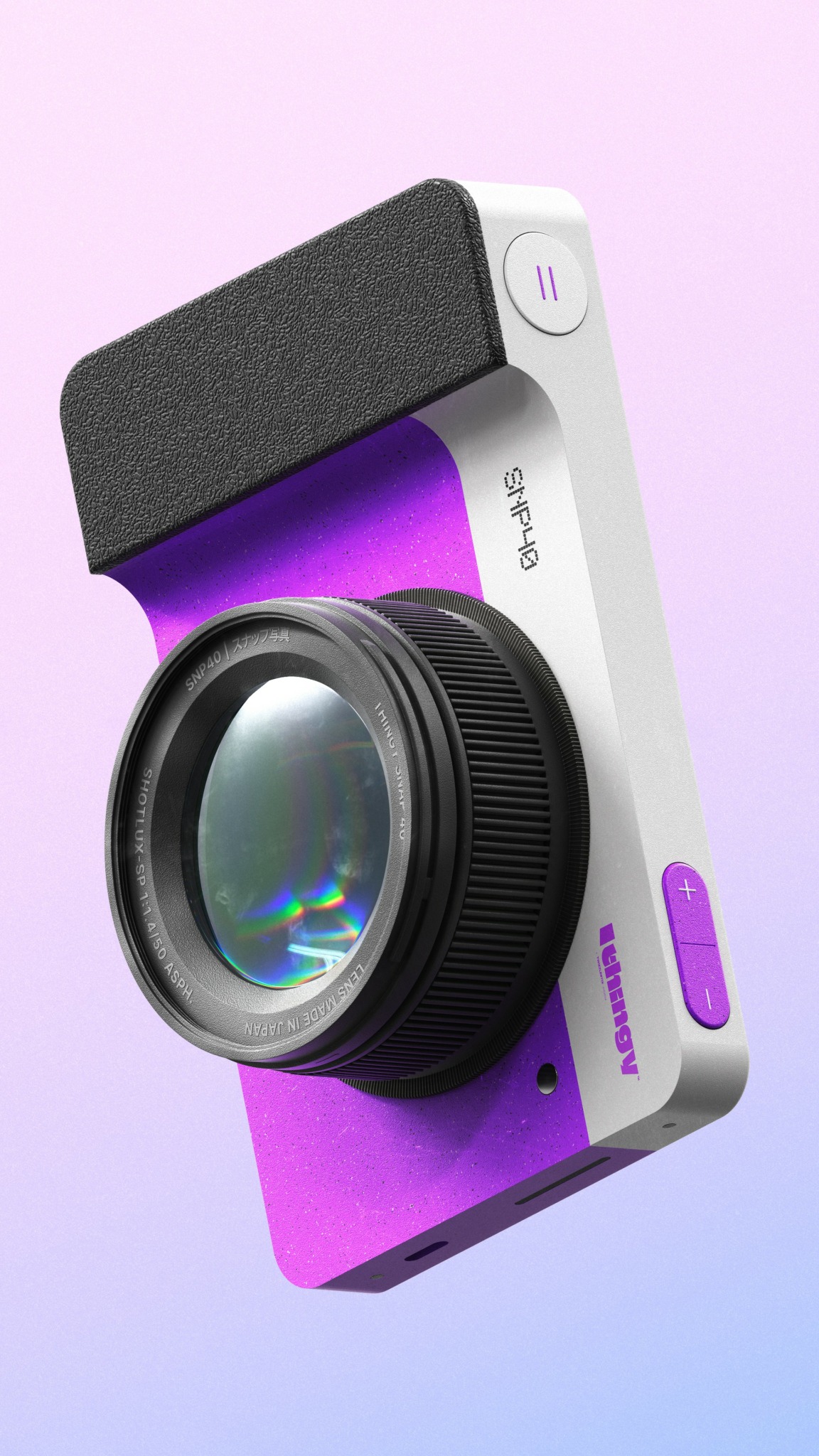
Fast-forward 14 years, and I now lead a design team as an Associate Creative Director while continuing to grow my own 3D practice: One that’s led to collaborations with brands like Dom Pérignon, the Phoenix Suns, and Ticketmaster. While this journey has been filled with many wins and rewarding moments, each pivotal project was carved with uncertainty and moments of deep self-doubt.
Honestly, my biggest obstacle was myself. Taking a self-taught route when most of my peers went to school left me wrestling with imposter syndrome. I worried people would see through the cracks, that I wasn’t legit enough, that I was somehow faking it. It took time, and a lot of support from friends and family to start letting go of that narrative.
A close friend once told me, “None of us really know what we’re doing, we just figure it out as we go.” At the time, it didn’t resonate with me as much, but years later, I’ve realized how true it is. Every creative I’ve met, no matter how seasoned, is still learning, adapting, and evolving.
That realization helped me find peace with my own journey. It taught me to channel that energy into something more personal: to make my craft an extension of my own lived experiences, my curiosity, and the way I see the world. Once I stopped trying to prove myself and started simply creating from that space, everything began to click.

Tyler, love having you share your insights with us. Before we ask you more questions, maybe you can take a moment to introduce yourself to our readers who might have missed our earlier conversations?
My path into the creative industry was anything but traditional. I didn’t follow the typical art school route, but instead taught myself through years of curiosity, experimentation, and a willingness to keep learning. Along the way, I was fortunate to cross paths with mentors and collaborators who challenged me, opened doors, and shaped how I think about design and storytelling today.
Over time, I’ve built a multidisciplinary practice that bridges brand, motion, and digital design. In my full-time role as Associate Creative Director and through my independent freelance work, I help organizations tell their stories in ways that feel cohesive, human, and memorable. Whether it’s a full brand identity, a motion-driven campaign, or an interactive web experience, I focus on how each piece contributes to a larger narrative.
I’ve found that the most impactful work happens when strategy and creativity move together. My approach is deeply collaborative. Before any design begins, I spend time understanding the “why” behind a project; What a brand stands for, who it’s speaking to, and what emotional response we want to create. From there, every decision becomes intentional, from the typography and pacing of motion to how a brand’s tone translates across digital platforms.
I often compare my process to that of a chef. I have the core ingredients—branding, animation, 3D, web design, and storytelling—but the recipe changes depending on the flavor we want to achieve. My role is to balance those ingredients into something distinctive and satisfying, something that feels right for the audience and authentic to the brand.
What sets my work apart is how much I care about the craft and the people behind it. I see design not just as visual problem-solving, but as a way to connect with others, to translate complex ideas into something simple, emotional, and engaging. The projects I’m most proud of are the ones where that connection is felt: helping a brand find its voice, inspiring confidence in a product launch, or sparking curiosity through motion.
Ultimately, for both client and personal work, I’m most interested in creating meaning. Whether I’m leading a team or collaborating one-on-one with a client, my goal is always to craft experiences that leave an impression: Something that feels alive, intentional, and crafted with care.
What’s the most rewarding aspect of being a creative in your experience?
For me, the most rewarding part of being a creative is the ability to put something personal into the world: an idea, a story, or a piece of myself. There’s something incredibly fulfilling about creating from an authentic place and watching that evolve over time. Each project becomes a reflection and snapshot of where I am in my craft and who I am as a person. Whether I’m working on a personal piece or a client commission, I try to bring that same honesty and curiosity to everything I make.
It’s also deeply rewarding to share what I’ve learned along the way. Creativity is a constant exchange of ideas, and I’ve found that teaching and community involvement help keep that energy alive. Through live art streams, workshops, and local meetups, I love connecting with other artists; seeing how they work, what inspires them, and how their experiences shape their creative voice.
I’ve always believed that art becomes stronger when it’s shared. Every collaboration or conversation adds another layer of perspective, and those moments remind me why I do what I do. The joy isn’t just in the finished work, but in the process of growth, connection, and continuing to evolve both as an artist and as a human being.

How do you keep your team’s morale high?
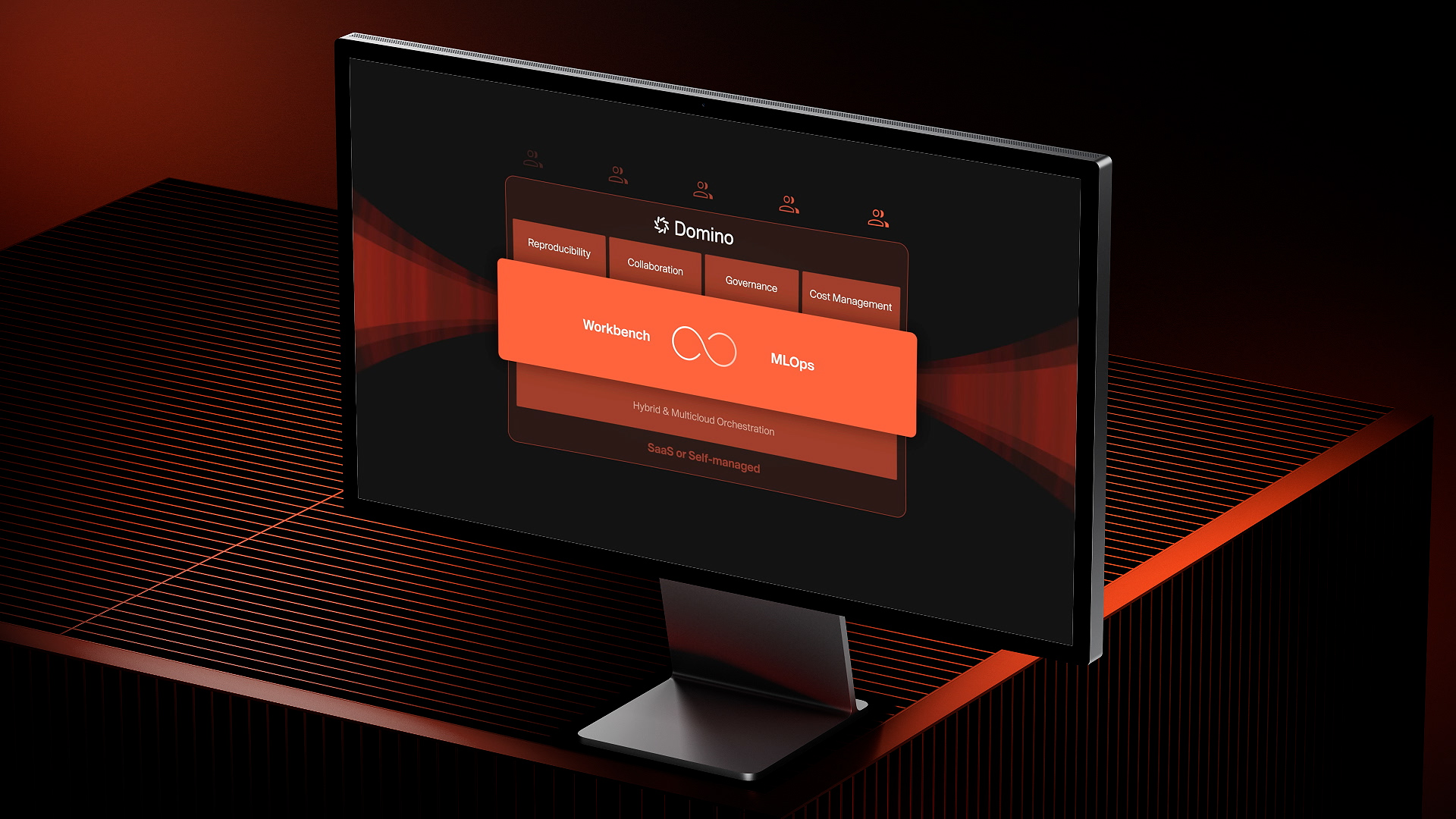
In my role as Associate Creative Director at BlackLine, I lead a team of designers. I’ve learned that empathy and understanding are the cornerstones of effective leadership.
It sounds simple, but the most valuable piece of advice is to listen. I make space for open conversation, whether through team meetings or one-on-one check-ins, and I treat those moments as opportunities to understand what motivates each person. I’ve found that my team grows most when I ask thoughtful questions instead of immediately offering solutions. This helps them think critically, develop their own perspectives, and build confidence in their decisions.
Leadership, to me, isn’t about directing every move; it’s about creating an environment where people feel heard, supported, and trusted to do their best work. Listening is a simple but powerful way to show empathy, patience, and respect; whether with a colleague, a family member, or even a stranger on the bus.
A quote from the philosopher Epictetus captures this perfectly: “We have two ears and one mouth so that we can listen twice as much as we speak.” I try to live by that every day.
Contact Info:
- Website: https://www.tylerweitz.com/
- Instagram: https://www.instagram.com/twizzle_stix
- Linkedin: https://www.linkedin.com/in/tylerweitz
- Other: Twitch:
https://www.twitch.tv/tw1zzlestix