We caught up with the brilliant and insightful Tyler Thigpen a few weeks ago and have shared our conversation below.
Tyler, thanks for joining us, excited to have you contributing your stories and insights. So, let’s start with a hypothetical – what would you change about the educational system?
The people working in schools today are awesome. They love kids and make sacrifices to help young people. The design of the system in which they teach, however, is not awesome. The current education system is largely designed around fostering dependency, which can stifle students’ growth into self-directed, empowered individuals. From rigid schedules to adult-created rules, mandated curricula, and singular-answer assessments, students are conditioned to follow rather than lead. This model mirrors the industrial-age approach that emphasizes conformity, uniformity, and compliance over creativity, autonomy, and critical thinking. By the time students graduate, they are often reliant on external validation and hesitant to chart their own paths. The consequences are profound: young adults entering the world who lack the self-agency and confidence needed to navigate the complexities of life and career in a world that demands adaptability and innovation.
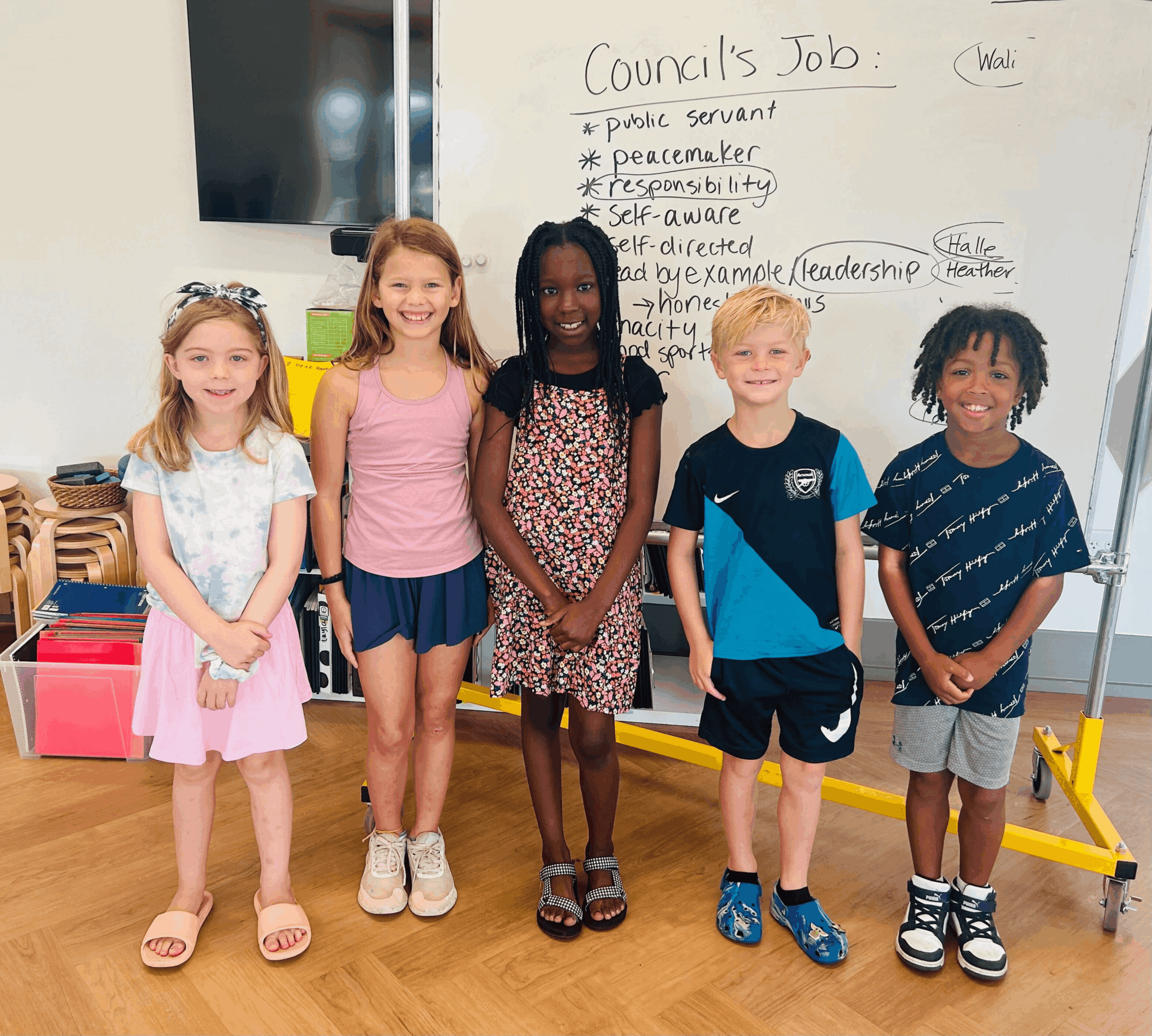
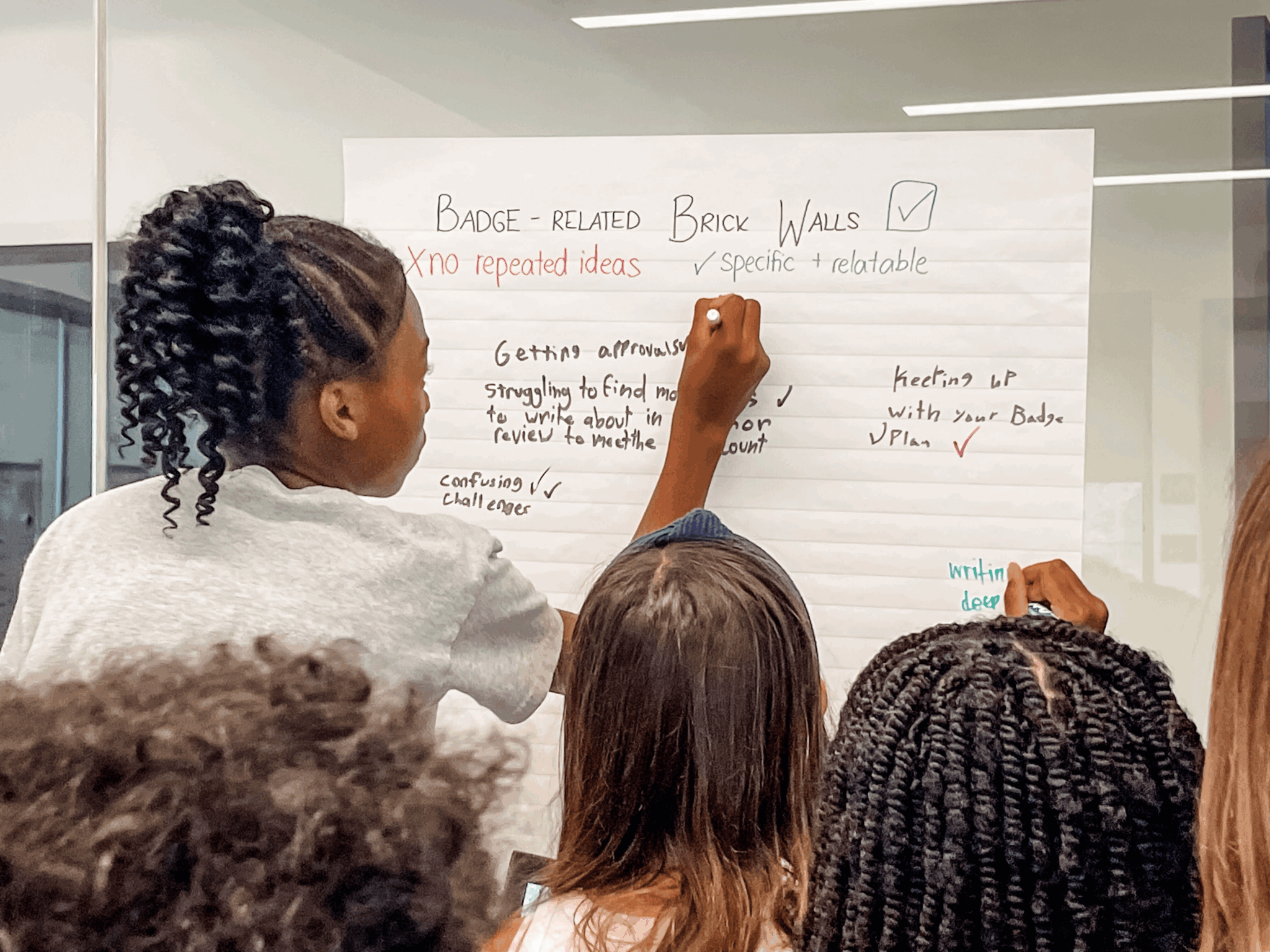
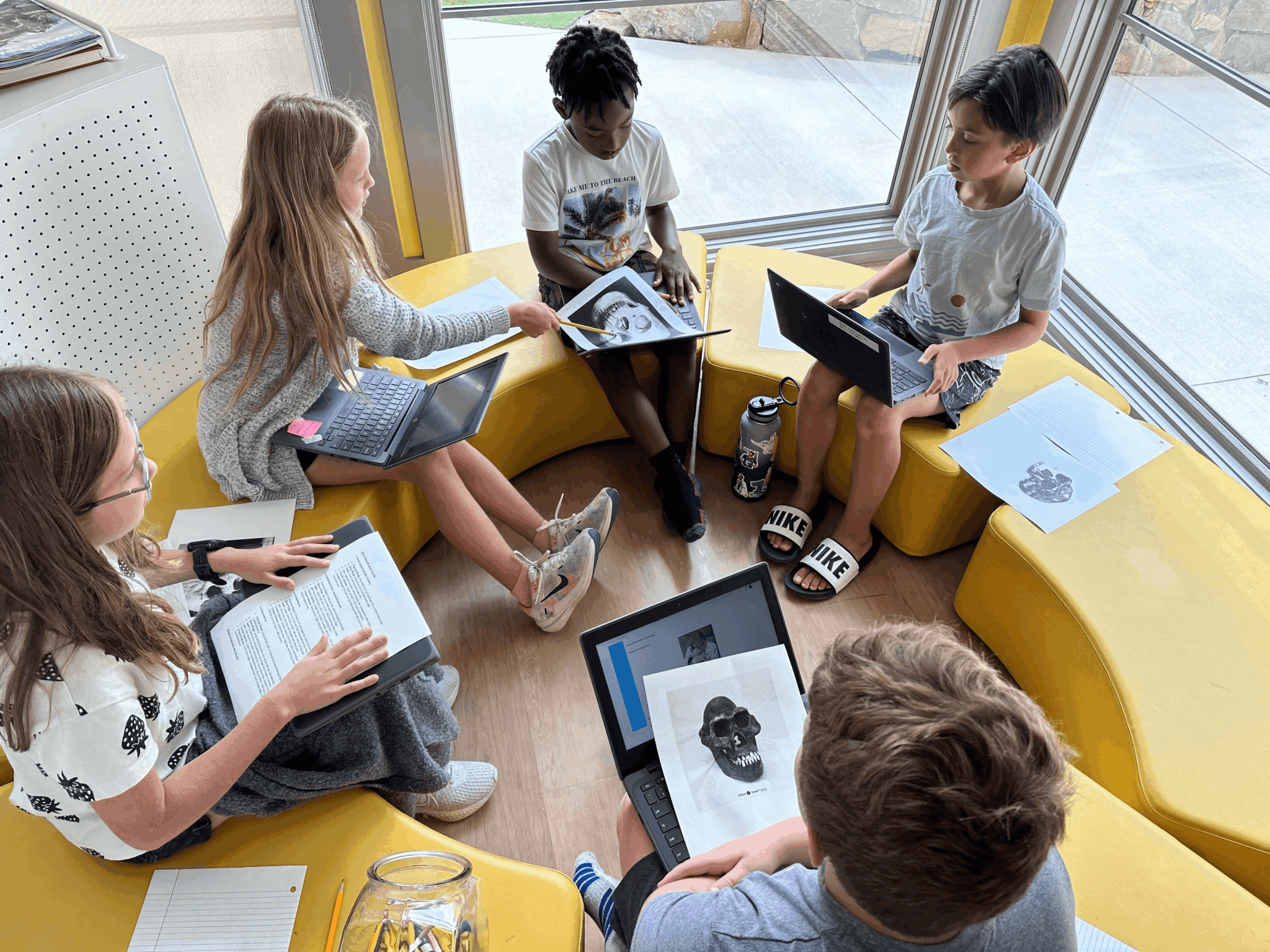
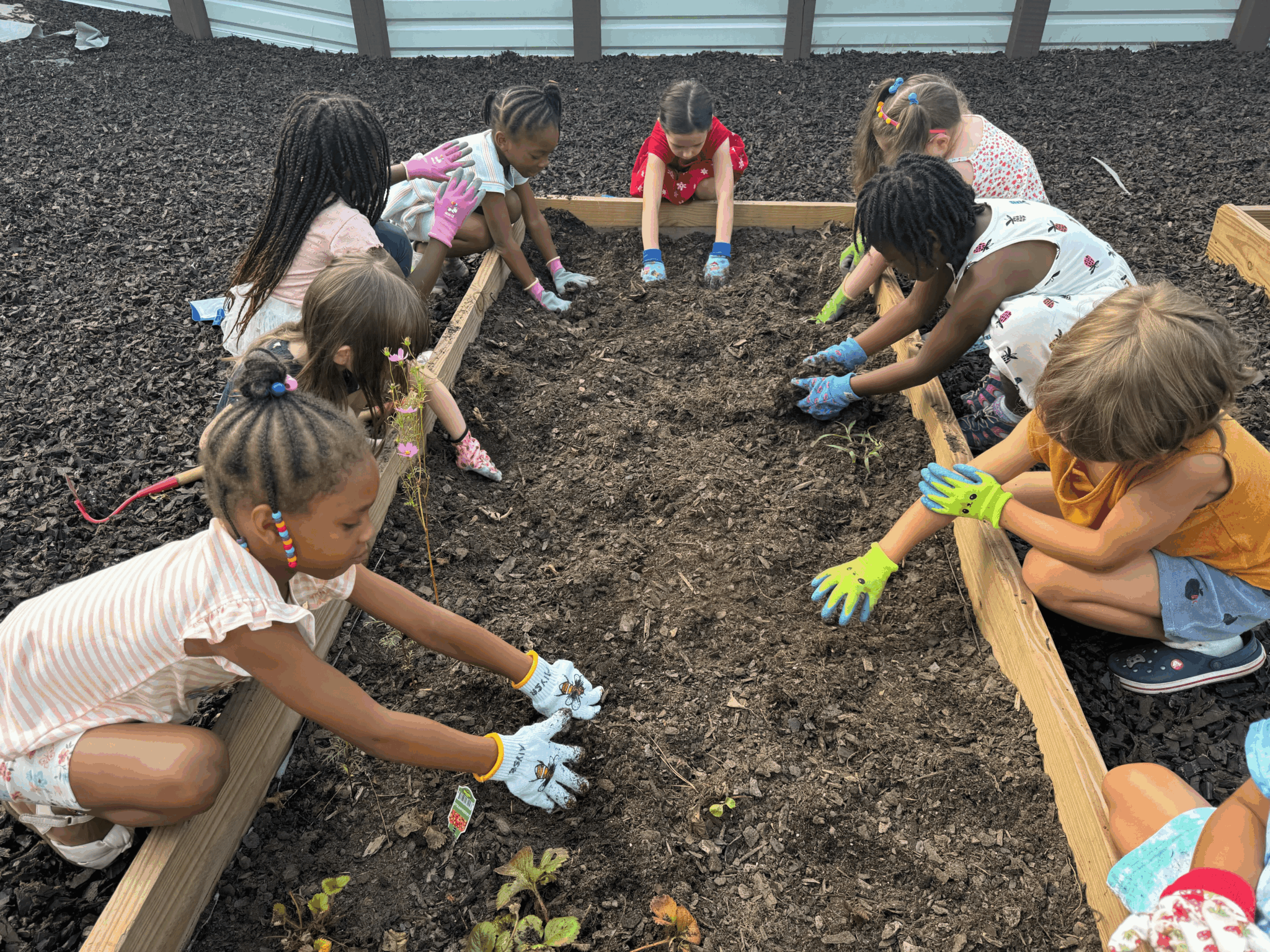
In contrast, a shift toward a more student-centered model would allow students to discover and pursue their unique interests and goals, cultivating independence, critical thinking, and self-leadership. Imagine a system where students have a voice in what they learn, engage in meaningful projects, and are encouraged to take risks and experiment without fear of failure. This change isn’t just hypothetical—many visionary educators are already leading the way in transforming schools into environments where students can explore their passions and develop the skills they need for fulfilling lives and careers. This approach recognizes the power of nurturing individual agency and the importance of guiding students toward becoming self-directed, interdependent learners, ready to face an unpredictable future with confidence and purpose. Can you imagine it? Wouldn’t this be a better world?
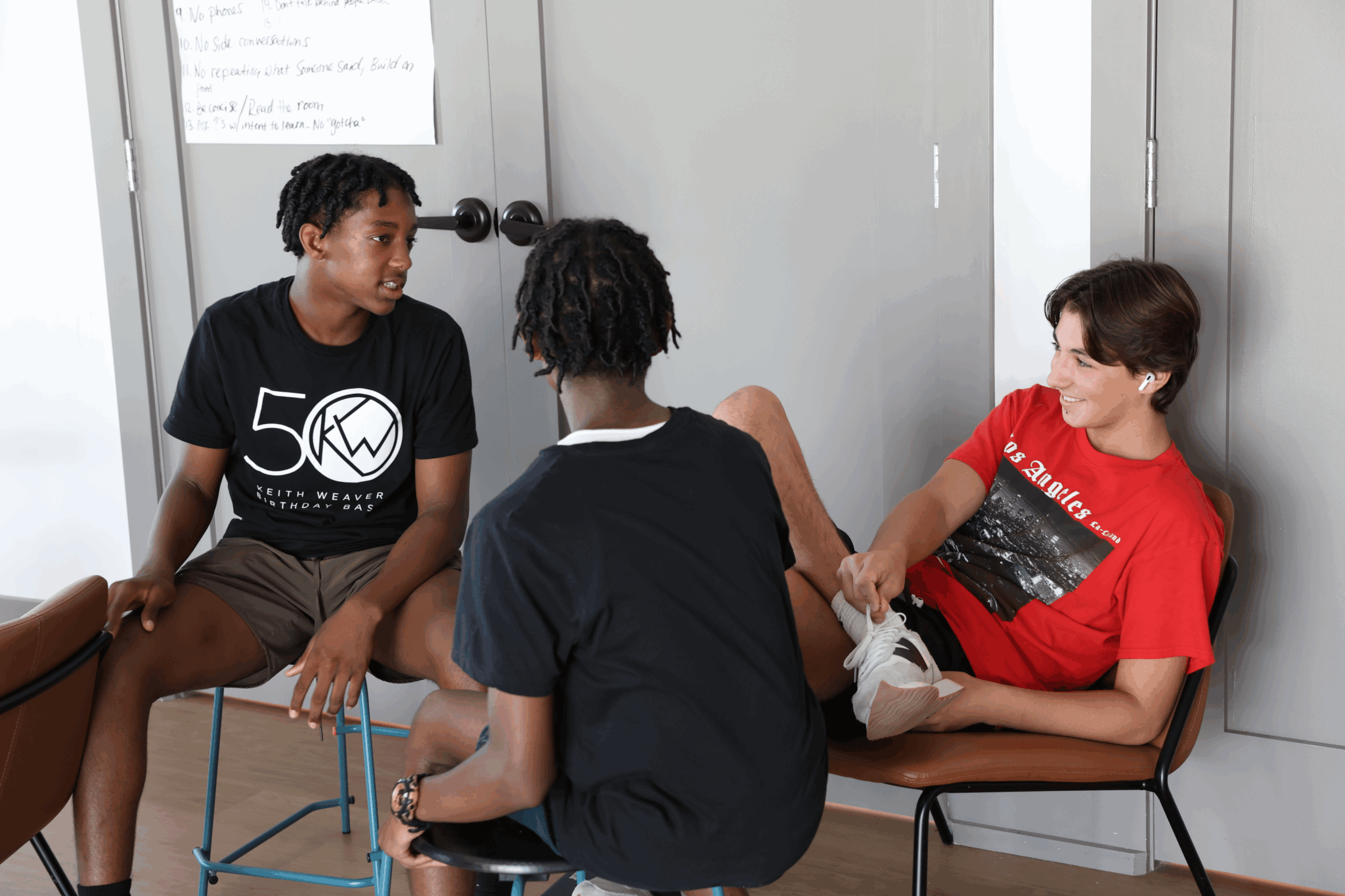
As always, we appreciate you sharing your insights and we’ve got a few more questions for you, but before we get to all of that can you take a minute to introduce yourself and give our readers some of your back background and context?
I grew up in Georgia and have worked in innovative district, private, and charter schools, as well as statewide and national nonprofits. I am the co-founder and CEO of The Forest School: An Acton Academy in Trilith, The Forest School Online, and the Institute for Self-Directed Learning, and I also serve as Academic Director at the University of Pennsylvania Graduate School of Education where I teach AI, project based learning, and leading school transformation. Previously, I was a partner at Transcend, a national nonprofit focused on school redesign, where I worked closely on innovative school projects like nXu, Whittle, The Academy Group, Washington Leadership Academy, Art in Motion, Hebrew Public, Teton Science’s Place Network, EL Education, and the Brooklyn STEAM Center. I also co-founded MENTOR Georgia, Transforming Teaching at Harvard, and the Chattahoochee Hills Charter School. Earlier in my career, I worked as head of the upper school at The Mount Vernon School in Atlanta, taught Spanish in Gwinnett County public schools, and served as a minister at the Grace family of churches, leading international development efforts in Peru in areas such as healthcare, education, poverty reduction, and infrastructure. I hold a doctoral degree in education leadership from Harvard Graduate School of Education, a master’s in public administration from Harvard John F. Kennedy School of Government, and a master’s in theological studies from Regent College at the University of British Columbia. I’ve written about the future of learning in the Washington Post, Education Week, Atlanta Journal-Constitution, Getting Smart, and other publications. I live in Trilith, GA, with my four children, all of whom attended The Forest School.

How do you keep in touch with clients and foster brand loyalty?
To keep in touch with clients and foster brand loyalty, I focus on building strong, meaningful relationships and maintaining open lines of communication. Regular feedback loops are critical; we use tools like monthly surveys, exit surveys after student events, parent coffees, and roundtable discussions to gather insights and address concerns promptly. Consistent and clear communication—whether through email, events, or direct conversations—helps clients feel involved and valued. This approach builds trust and engagement, ensuring that families stay connected and informed about developments in our schools and initiatives. By actively involving clients in co-creating their experience, they become invested in our shared goals, which strengthens loyalty over time.
Additionally, we emphasize continuous improvement based on feedback, both from our internal teams and from the broader community we serve. Our mission-driven focus on offering personalized, real-world learning experiences that align with clients’ values and aspirations keeps them committed. As clients see their input directly shape our practices and witness their children’s growth in environments designed around self-directed learning and real-world application, their trust deepens. This combination of responsiveness, personalization, and a focus on meaningful outcomes fosters long-term loyalty and a community of “raving fans” who remain enthusiastic advocates for our mission.

Any advice for growing your clientele? What’s been most effective for you?
The most effective strategy for growing our clientele has been focusing on creating a unique and compelling value proposition that resonates deeply with families seeking an alternative to traditional education models. At The Forest Schools and Institute for Self-Directed Learning, we offer a distinctive approach centered on learner-driven environments, real-world experiences, and personalization. By clearly articulating this mission and demonstrating its impact through success stories and measurable outcomes—such as college acceptances, innovative projects led by learners, and our partnerships with forward-thinking organizations—we’ve been able to attract families who share our vision. Word-of-mouth has been particularly powerful, as satisfied families share their positive experiences within their networks, leading to strong organic growth.
In addition, we’ve prioritized consistently engaging with our community through targeted communication channels like monthly surveys, parent coffees, roundtables, and strategic partnerships. These efforts not only keep current families connected but also showcase our values and success to potential clients. By focusing on continuous improvement and ensuring our offerings evolve based on feedback, we demonstrate our commitment to excellence, which has helped us retain clients and grow through referrals. Moreover, leveraging press coverage and thought leadership in respected publications has positioned us as leaders in the innovative education space, further expanding our reach and credibility in the market.
Contact Info:
- Website: https://theforest.school/
- Instagram: https://www.instagram.com/weareforestschool/
- Facebook: https://www.facebook.com/forestschoolPF/
- Linkedin: https://www.linkedin.com/in/thigpentyler/
- Twitter: https://twitter.com/TylerThigpen
- Youtube: https://www.youtube.com/channel/UCzc2KigMU5lbJN5Gw9iJMRQ/videos