
We were lucky to catch up with Tyler Poling recently and have shared our conversation below.
Alright, Tyler thanks for taking the time to share your stories and insights with us today. How did you learn to do what you do? Knowing what you know now, what could you have done to speed up your learning process? What skills do you think were most essential? What obstacles stood in the way of learning more?
I think you must live multiple lives, wear multiple hats, and have a creative intuition to learn what it takes to be an architectural designer. The old saying “jack of all trades, master of none” applies deeply to my trade. The often forgotten continuation of that phrase, “but oftentimes better than a master of one,” is the part of that phrase that brings light to the freedom of my job.
I’ve learned my trade by a lot of watching and listening, retaining, and applying in all aspects of construction and farming, rural living and conversation, machine shop summer trades, social interactions, and general self sustainability – and most importantly necessity. Its my belief you must have participated actively in the making of the ‘thing’ in order to know fully how to design it. All of the aspects of life development speak through the outcome of designing.
Because of those evolving aspects of different roles to play throughout life, I don’t think it could have been gathered or learned any faster than organically, like what I’ve experienced. My process of design still is developing and gaining what seems like an endless pursuit of development, and it must be because every job has varying needs and life goals and projections. The only way I could see to increase the learning process would be to have the capability of a faster learning capacity. And it seems that’s God-given.
The most essential skill of all to me is communication. In a relationship of any kind, the best thing to have is a clear and understood perspective. The best scenario is to be able to create clear expectations. When working together, the expectations give a constraint, and in the spaces between becomes the freedom to express art.
The only thing that can limit a person in pursuit of continuing education toward design would be prioritization of time and limiting life experience. So I say- go live life, and retain it. Then apply it, and become a ‘jack of all trades’, because its oftentimes better than mastering one.


Awesome – so before we get into the rest of our questions, can you briefly introduce yourself to our readers.
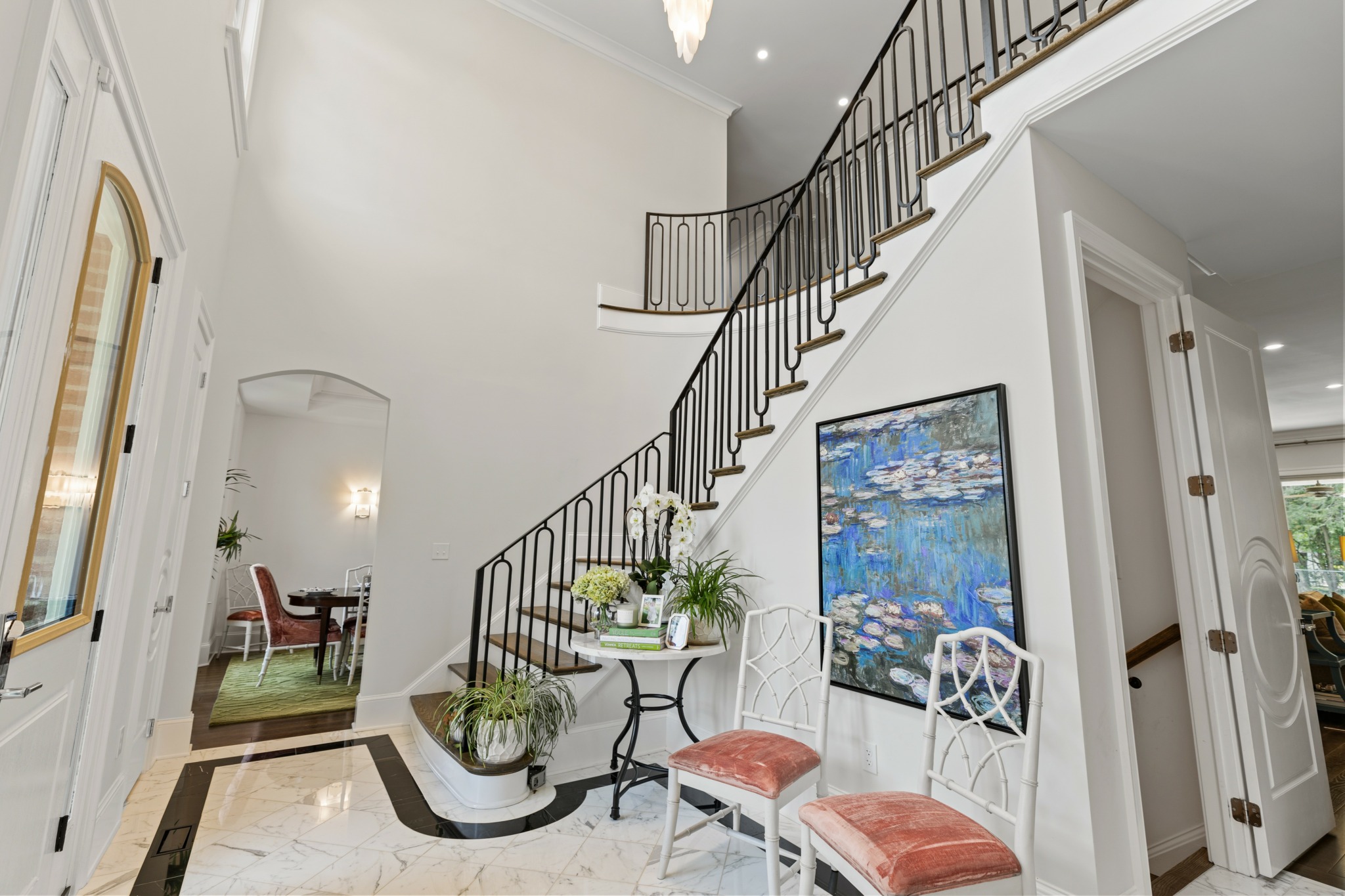
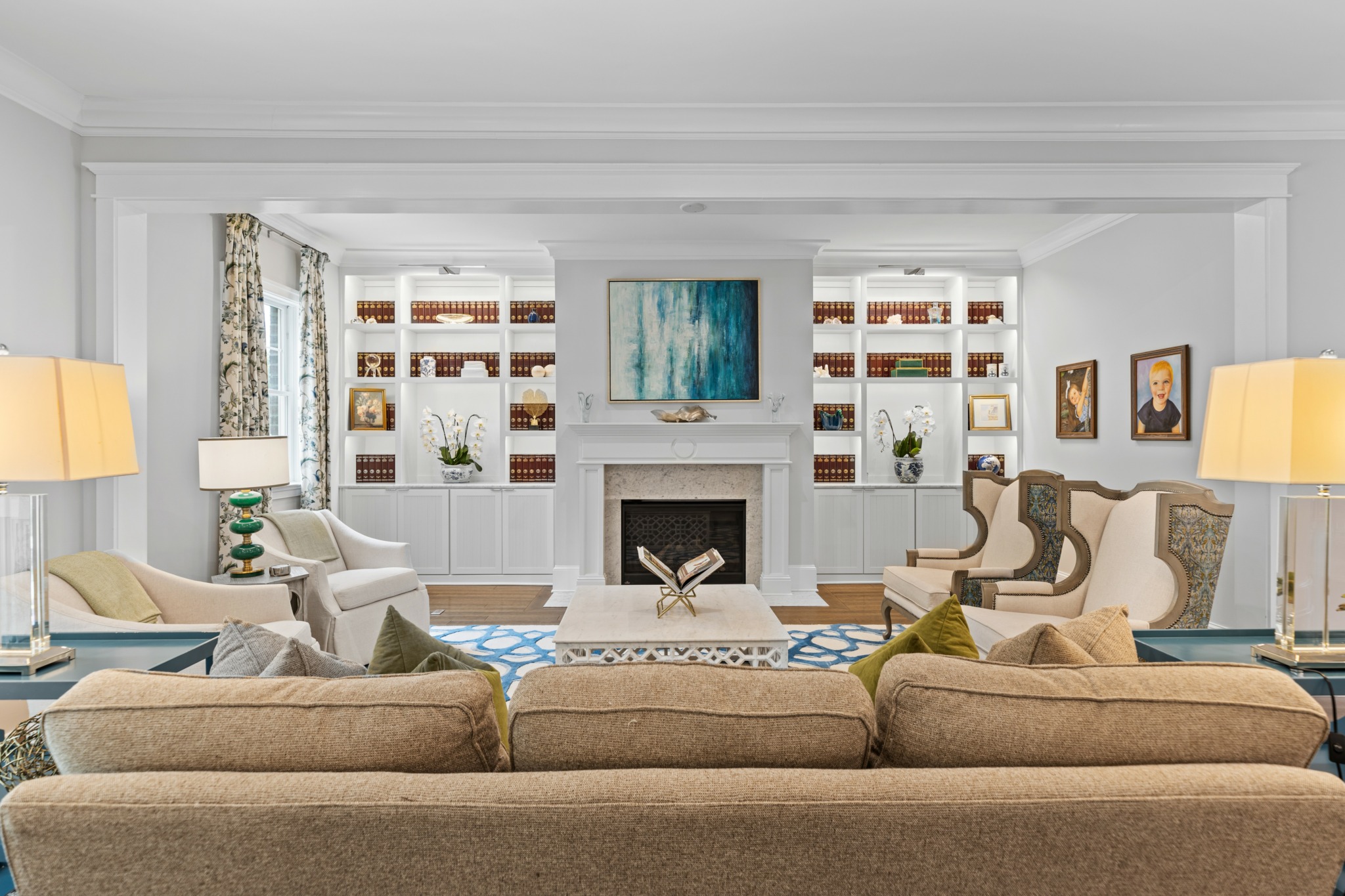
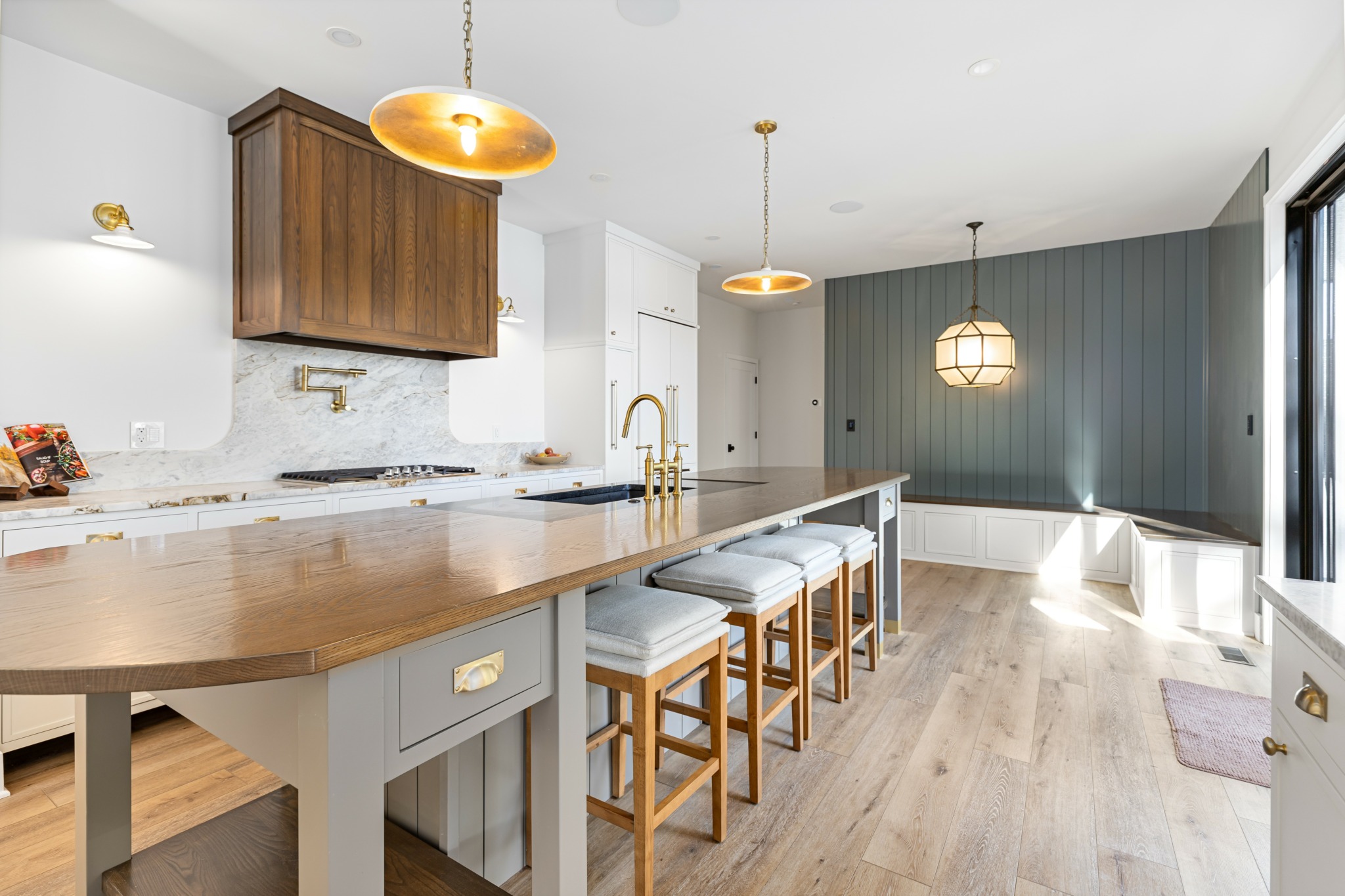
I’m Tyler, owner of Moment Drafting & Design LLC. My practice is in Architectural Design. I mostly design residential projects that are additions, renovations, and new construction.
When growing up, I sought after the idea of having my own little oasis and had the ‘American dream’ idea building my own home and owning a few acres to set it on. The pursuit of that led me toward the idea of investment, because it takes money to do that, and most folks usually spend the most bulk amount of money on a home and land – so I should know about that so I can do it well; after-all its a place that you live in everyday.
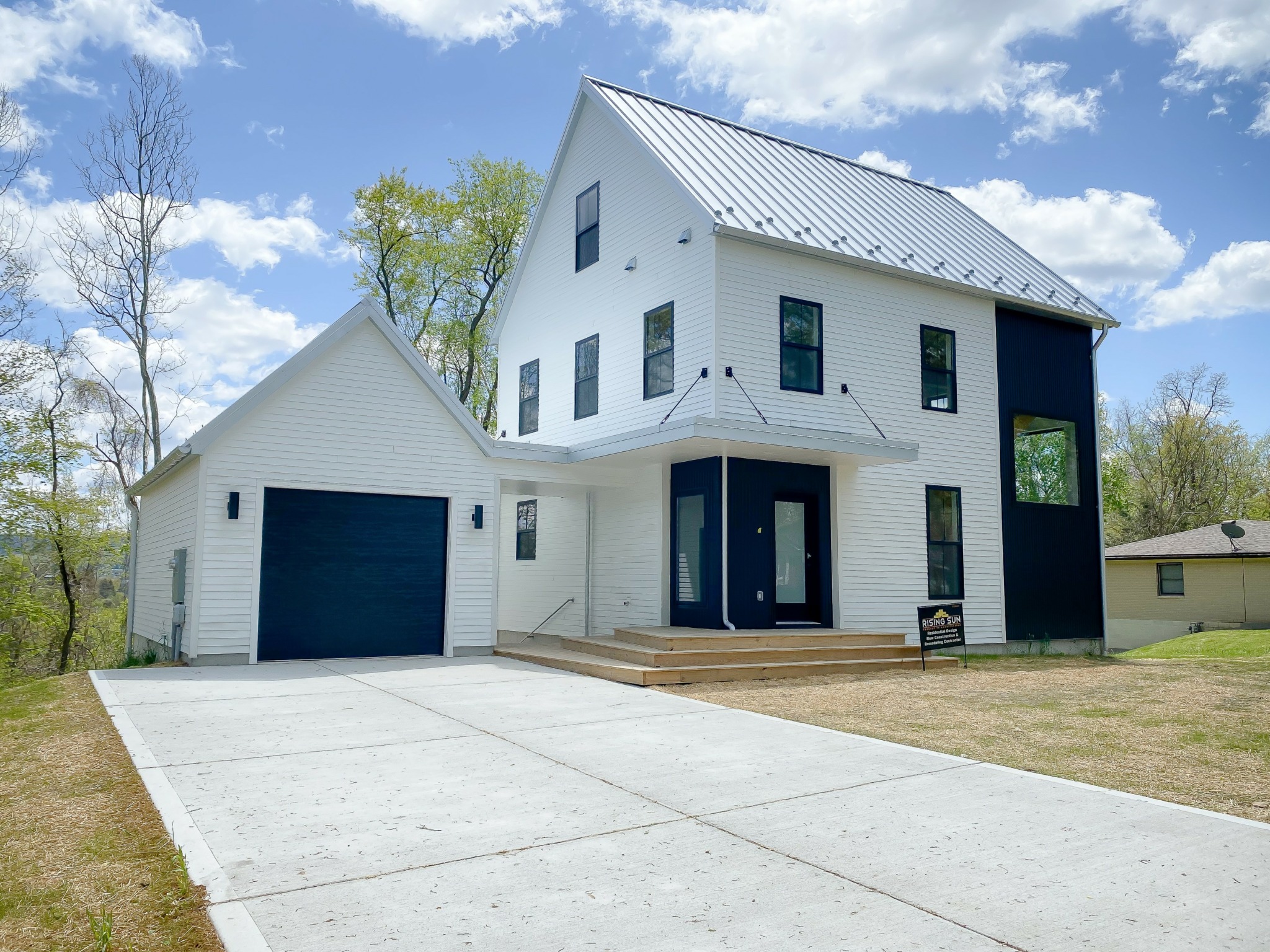
My job specific type of education started in high-school being bussed one hour away to a trades school to learn hand drafting and computer aided drafting (CAD). I fell in love with the creative freedom of modeling. Fairmont State University was the only school in the state of West Virginia that offered an architectural degree, so I went for it. While finishing my degree, I started working for Rising Sun Construction LLC, a custom contractor in the Morgantown area, and a great fit for my skillset. At first, my design schedule amount wasn’t built up enough to have a full time design job, so after I’d finish designing I would go out and work on the jobsite to help construct what I’d designed. This gave my design knowledge a huge leg up, and my understanding increase rapidly. Most designers today don’t have the experience of building something that they have designed. But really, that was my end goal, like mentioned before. I gained the contracting, construction, and design knowledge in order to help build my business, and am currently building my ‘American dream’. I’m in the final stages of construction of my own home I designed on a few acres. When clients hear about the experience I’m having and have had; it defines my knowledge and I can stand out in a sea of designers because I’ve been there, and did that.
For you, what’s the most rewarding aspect of being a creative?
I think the most rewarding aspects of my career is how flexible my schedule is and how I can help to change someone’s life needs for their gain.
My schedule is free enough to gauge how much time I’ve needed to build and construct my own home, carve family time, and still be available at all times for my clientele.
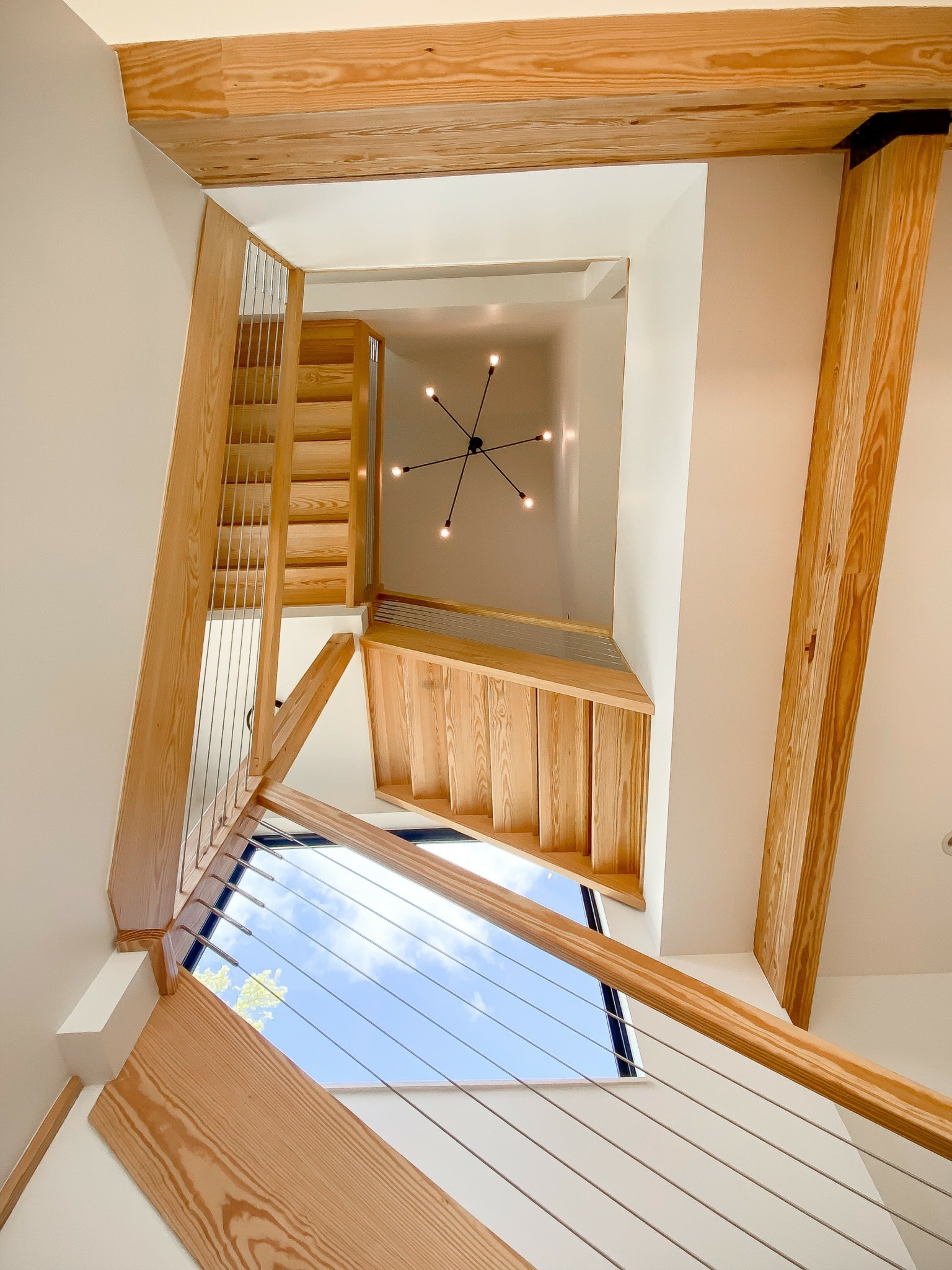
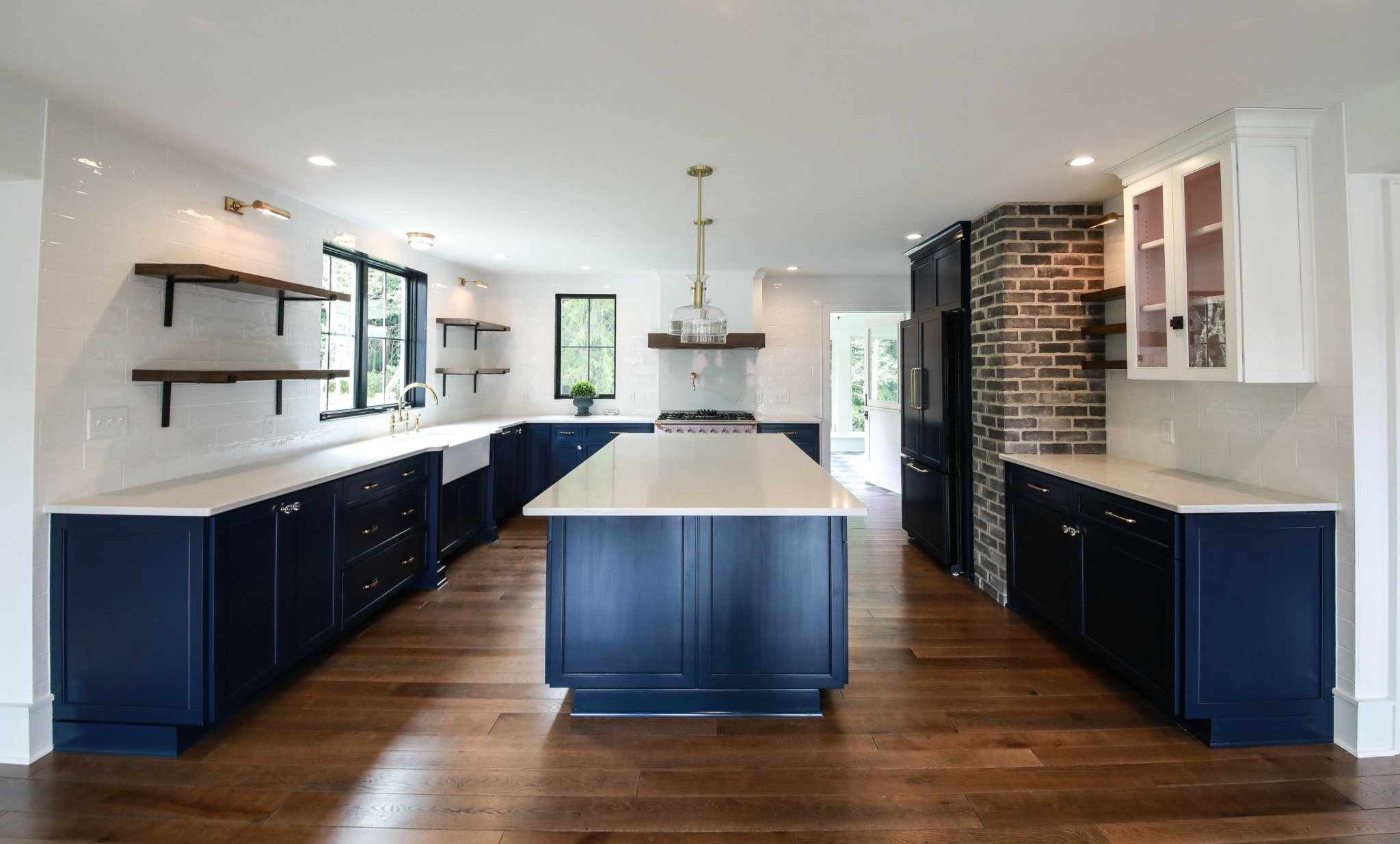
My clients sometimes actually have a poor quality of life, and I hate to see that. The most rewarding circumstances aren’t when I can design the high-end secondary kitchen with beautiful ornate mortise and tenon jointed timber-frames. I love to do that, and they make great eye fodder on a portfolio, but it won’t give someone in need the service and love that I can provide to humanity.
The circumstances that are most rewarding are clients that are hindered in some way perhaps physically or otherwise, or are aging-in-place with need of a single level living situation. Wider hallways, doorways, accessible bedroom/bathrooms, laundry and kitchen scenarios without uprooting the home they’ve established themselves in. When their quality of life can increase because of necessities, I’m at peace when I can give them peace.
What’s been the best source of new clients for you?
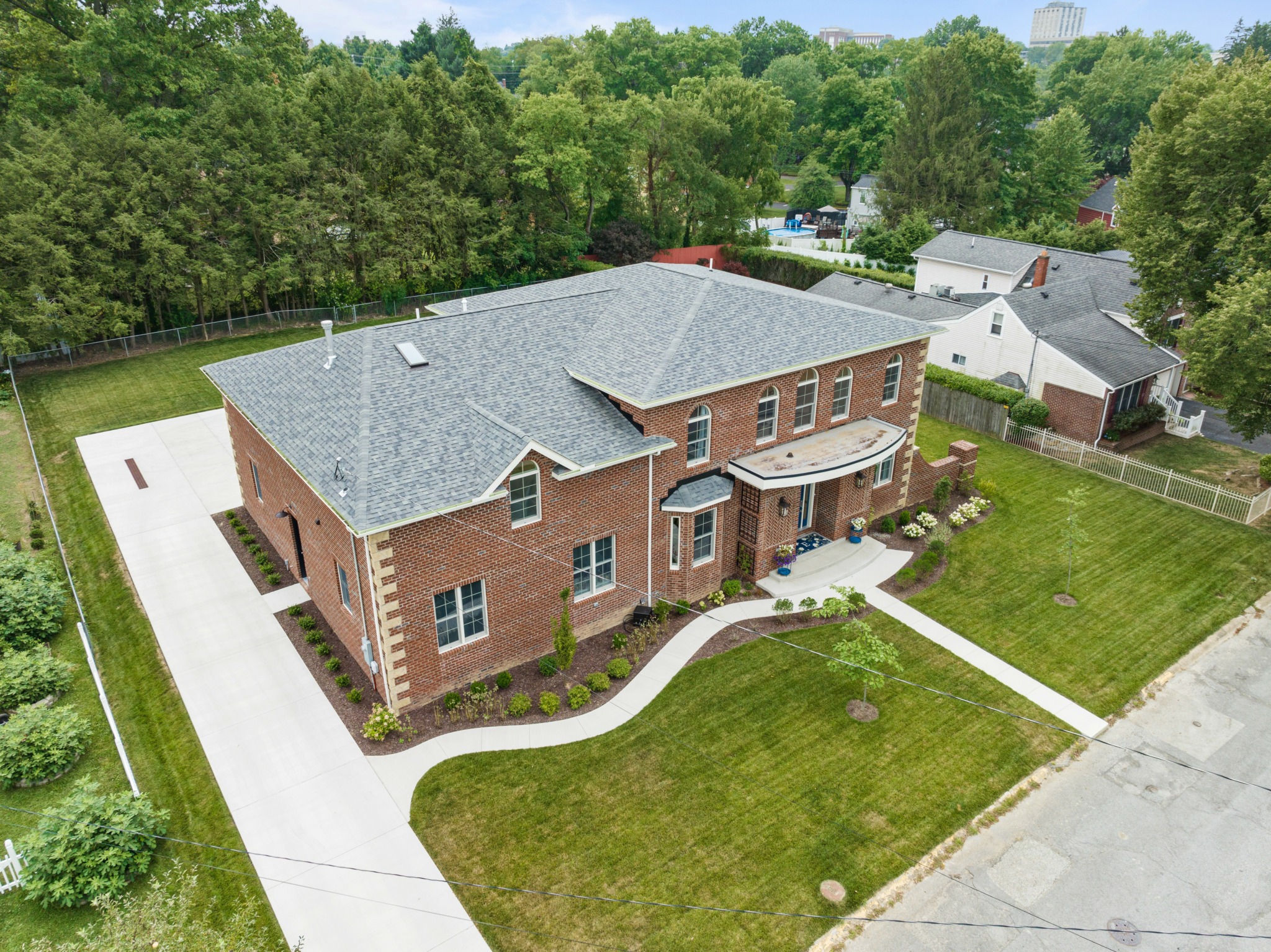
Contractors, google searches, and word of mouth. I’ve had multiple return clients as well. They’re a good sign that I’m doing the right thing.
Contact Info:
- Website: https://morgantowndraftinganddesign.com/
- Instagram: https://www.instagram.com/momentdraftingdesign/
- Facebook: https://www.facebook.com/momentdraftingdesign/
- Linkedin: https://www.linkedin.com/in/tyler-poling-629721203/