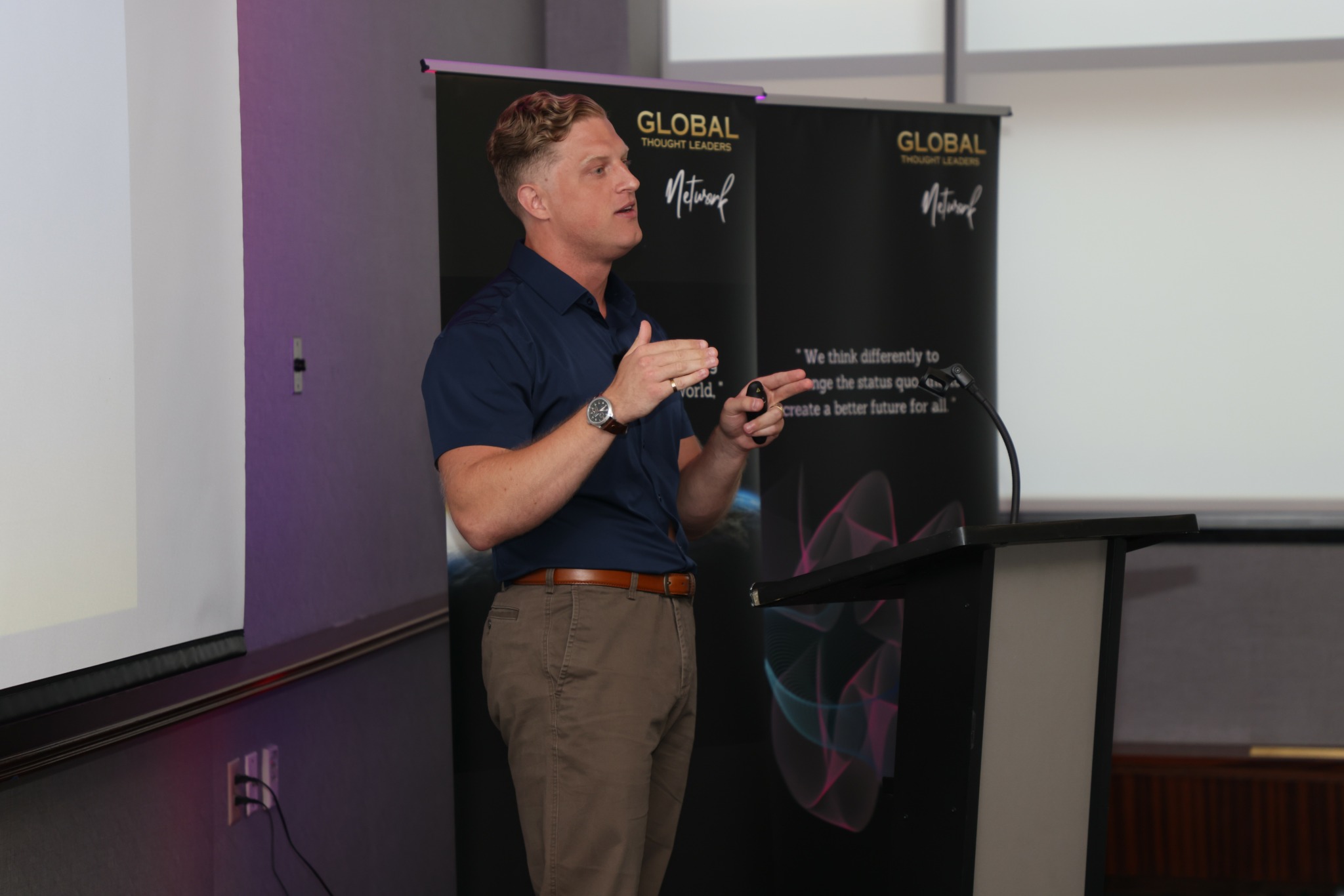
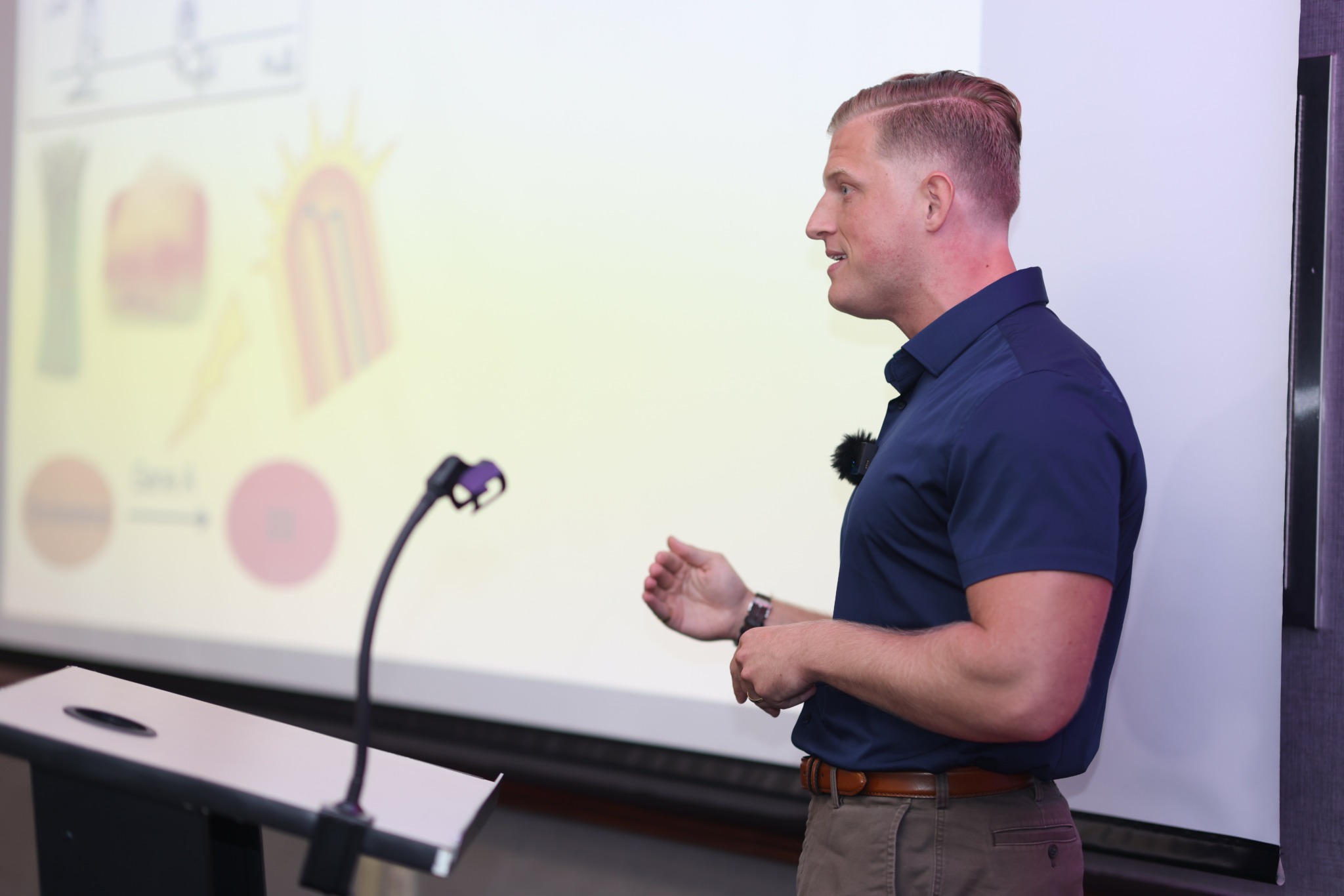
We caught up with the brilliant and insightful Tyler Panzner a few weeks ago and have shared our conversation below.
Hi Tyler, thanks for joining us today. Was there a defining moment in your professional career? A moment that changed the trajectory of your career?
When I first entered graduate school, I honestly was a glorified frat boy. While I did get good grades and earned my spot in the program, I didn’t take it as seriously as I should. More specifically, it was doing the actual scientific research (think of growing cells, running mouse studies, analyzing data) that I brushed off and didn’t care about. I would do the bare minimum to get by then turn my focus to the weekends, which unlike many of my classmates did not involve working, but rather partying. At one point, I even had some administrative staff reminding me that I need to be working harder in my lab doing more research.
This was around the same time as my Ph.D. qualifying exams which required us to design a grant proposal for a topic of science we knew nothing about. This was far more difficult than any of the coursework we had covered in the past. I had a nervous breakdown when starting it because I realized that my lack of effort in my research lab made it much harder to do this assignment.
I distinctly remember the night I was studying when I had a real “AHA” moment that if I don’t change things, I’m not going get to where I wanna be in life. I knew I had untapped potential, and after dedicating every waking hour for 2 weeks reading my entire perspective on cellular biology shifted and everything made sense to me on a whole new level.
I was able to not only complete the assignment, but my professors said I went overboard with such detailed ideas and experiments. In other words, I went from being petrified that I would never be able to figure this out to trusting myself and doing too good of a job on the assignment.
This rebirth of Tyler Panzner was the start of a new era. I started working throughout the weekend not because I felt pressured to, but because I WANTED to because I feel in love with the science and the process. I now connected dots about science that I read on a whole different level and spent a lot of time in office hours with my professors to again go above and beyond to quench my new found hunger for understanding molecular biology scientific research.
This taught me I am capable of of anything and if I apply myself I really can achieve whatever I want in life because I am capable of learning and implementing any sort of scientific information. This experience also taught me the immense value of betting on yourself and to not let failure derail you. Failure is only a true failure when you quit; otherwise it’s a learning experience if you keep pushing forward!
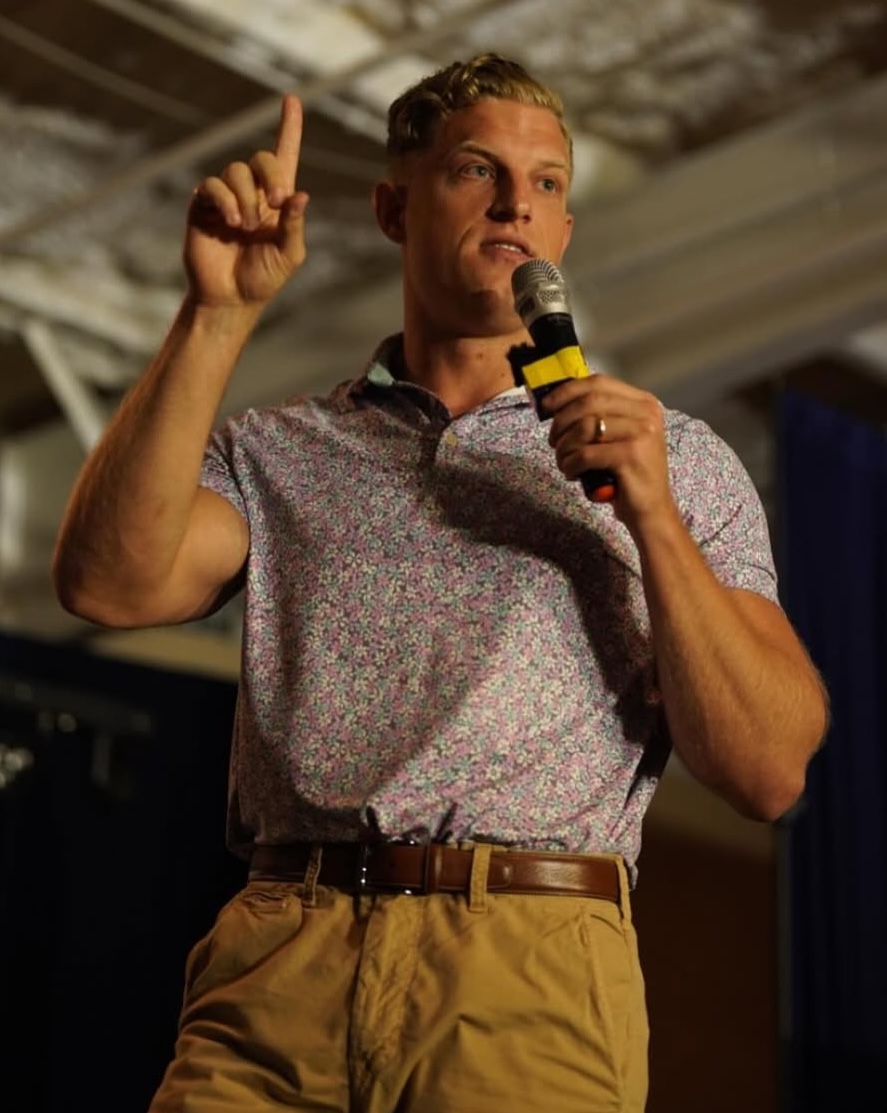
Awesome – so before we get into the rest of our questions, can you briefly introduce yourself to our readers.
I’m a very driven, creative person. For as long as I can remember, I’ve always been fascinated with biology. I remember when I was a child, I wanted to be the next Steve Irwin (The Crocodile Hunter)! I was always wanting a new snake or lizard as a pet and running around outside interacting with any animal I would come across, no matter how big or small. I have always been obsessed with understanding, as I would constantly ask my teachers “why?” or “how?” until eventually I was told that these details are important for what they’re trying to teach the class.
My interest shifted from animal biology to cellular biology in high school biology class. I remember as I learned about how incredibly complex a single human cell is; and I was blown away! Inside of each and every one of us are trillions of cells which are pretty much like their own mini cities. There’s so much going on in each and every cell that still amazes me to this day how our cells can coordinate how they function; not just within them themselves, but with each other to not only make us be able to be alive, but be able to be healthy and thriving.
That curiosity led me to earn my undergraduate degree in Cellular and Molecular Biology, where I became captivated by how our health changes on a molecular level. I started mixing my own homemade pre-workout supplements—discovering firsthand how specific natural ingredients could immediately change how I feel and my body performs. I remember my first organic chemistry lecture when our professor drew a caffeine molecule on the board and explained how it blocks your cells from feeling tired by binding a specific receptor. I immediately looked down at my cup of coffee and realized WOW there’s a cellular cause and effect for everything! This sparked my interest in Pharmacology, which I quickly realized I had actually had been obsessed with for years prior but didn’t know it was an actual field of science.
After college, I jumped straight into a Ph.D. program in Molecular and Cellular Pharmacology, with a particular focus on Neuropharmacology, which is the study of how molecules affect the brain. I worked in labs studying anxiety, depression, multiple sclerosis, and neural stem cells. My thesis work centered on breast cancer metastasis and immune interactions.
My passion for genetics kicked off around the halfway point of my Ph.D. I did a 23andMe test, expecting life-changing information—only to receive trivial insights like how cilantro might taste like soap or that my pee can smell if I eat asparagus…
…Not exactly the life-changing information I was promised!
Being the scientist in training, I knew I had to dig deeper; so I start manually searching the raw genetic data. I discovered many key mutations that perfectly explained my chronic anxiety, brain fog, restlessness, and headaches. After adjusting my diet and adding a few targeted supplements based on my genetics (not random surface level supplementation as I’ve done in the past) my life was completely changed for the better, virtually overnight!
From there, my passion for personalized medicine took off. After earning my Ph.D., I worked as a genetic test analyst at an oncology company analyzing cancer genetics from cancer patients. While figuring out which type of chemotherapy drug or radiation a cancer patient needs is a very important mission, I couldn’t stop wondering…
We’re spending so much money trying to figure out the messed up genetics of someone’s cancer AFTER they have the disease…
But why aren’t we looking at our healthy cell genetics BEFORE we get diseases so we can improve our cellular health—to feel better now and lower disease risk in the future?
So I started doing the same thing I did for myself for others; working 1 on 1 to educate people which foods, supplements, and lifestyle habits they should (and shouldn’t) be doing based on their genetics. When I was laid off from my corporate job, I decided to go all in on my dream so I can help more people better understand their bodies on the molecular level. Over the past two and a half years, I’ve changed over 700 lives through hyper-personalized health plans.
The thing is with genetics is they play a role in every aspect of health. On top of that, every health issue is a cellular issue. Thus, my approach has helped people with various brain, gut, joint, and skin issues as well as helped high achievers perform their absolute best. Every single person (including you reading this right now) has millions of genetic mutations that can be supported through targeted, natural means. Knowing this, I truly believe this approach can help anyone feel better. It’s not just about helping someone that’s sick, it’s about optimizing your human experience of life!
What sets me apart from others is my strong background in pharmacology. Many genetic testing services understand the genetics but lack the nuanced knowledge of how supplements truly work. They may try to “fix” one gene and inadvertently disrupt several others. The same pitfall applies to doctors and health coaches, who lack formal training on the intricate interactions between supplements and drugs, medications, foods, and each person’s unique genetics.
That’s where I come in…
After seeing so many horror stories about people harmed by surface level, cookie-cutter health guidance, I aim to make health optimization uniquely tailored, because what’s therapeutic for one person could be problematic for another—especially for those of us with sensitive systems.
I still offer 1 on 1 Genetic Health consults where I build a hyper personalized blueprint for each individual, but also have courses about how to learn which foods, supplements, or activities overwhelm your cells to cause many symptoms and chronic health issues.
Ultimately, I believe there’s a vast amount of unnecessary suffering stemming from “healthy” foods or supplements that aren’t actually healthy for everyone. There’s also way too much health information out there, that is often contradictory. My mission is to change that by focusing on the cellular level and educating people which health information applies to them and which they should tune out. For me, personalized health isn’t just a buzzword; it’s a transformative approach that acknowledges each individual’s genetic nuances.
Above all else, I’m proud of the leap I took to build a practice that challenges one-size-fits-all models and empowers people to live healthier, more vibrant lives—precisely because our cells, our genes, and our needs are so profoundly unique.
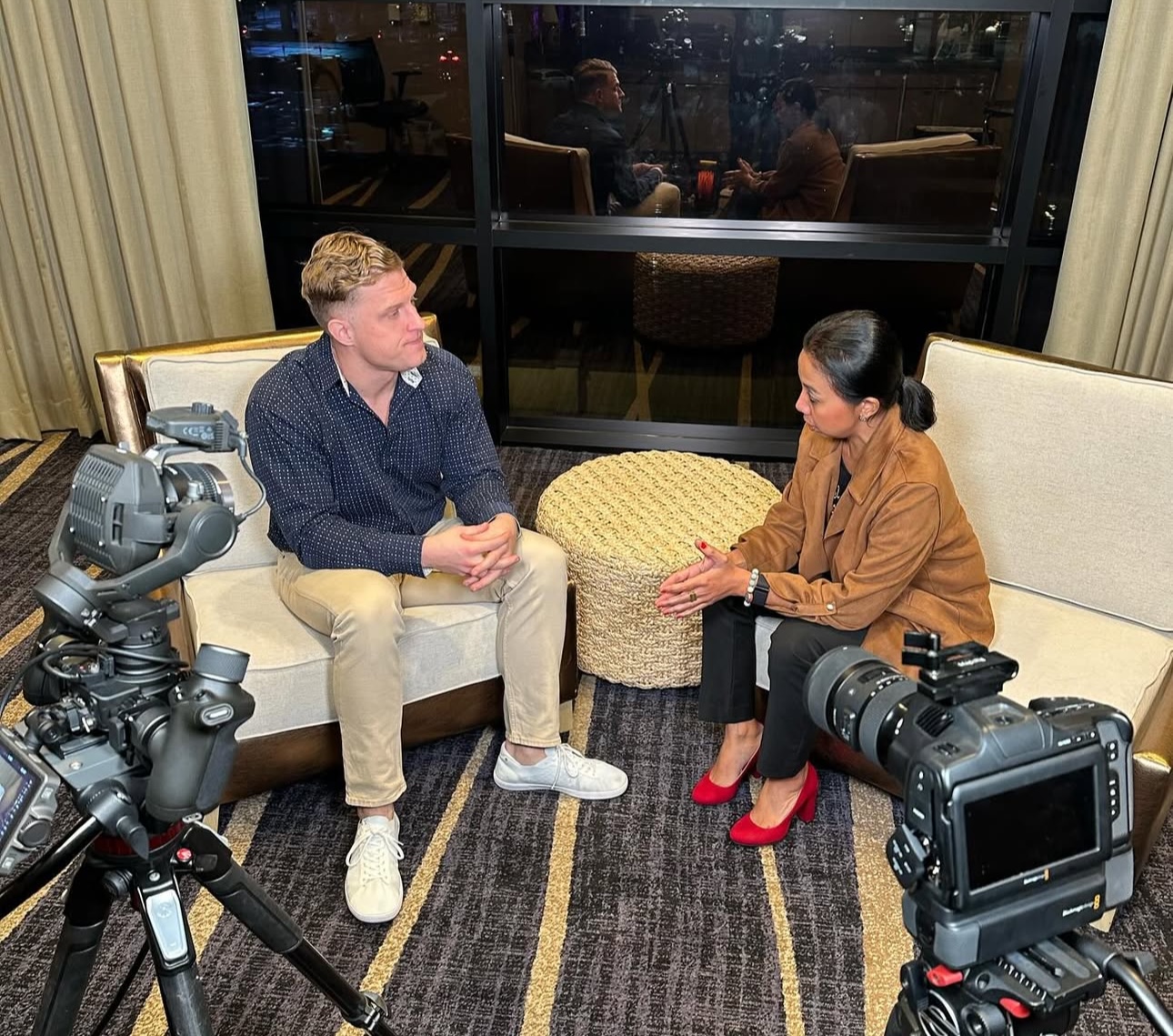
We often hear about learning lessons – but just as important is unlearning lessons. Have you ever had to unlearn a lesson?
A major lesson I had to unlearn is my obsession with perfection. As an academic scientist by training, my entire training revolved around creating, refining, and presenting the most impeccable assignments, grant proposals, and eventually, dissertation. That rewarded me with accolades in the scientific world, but once I switched lanes into entrepreneurship, I found that perfectionism held me back more than it helped.
I’m still a scientist at heart—always will be. But I learned the hard way that in business, you can’t just keep polishing your product in private. It’s about getting it out there, seeing how it works in real life, gathering feedback, and then refining it. That’s a complete 180 of how I was taught to operate in academia, where everything needed to be rock-solid from the start. Now, instead of waiting for some elusive, perfect moment, I focus on releasing a “good enough” version, so I can learn what actually works (and what doesn’t) directly from the people I’m trying to serve.
It hasn’t been an easy transition; as I still catch myself overly tinkering and obsessing over details. But I’ve realized there’s so much value in letting go, even just a little, and allowing real world feedback to guide me toward something far better than I could have created by myself.
Can you share a story from your journey that illustrates your resilience?
My Ph.D. experience was far from normal and an ugly experience in many ways. However, this same experience ended up bringing out the best in me.
The first half of my Ph.D. was focused on the brain. After almost 3 years of researching and studying, that lab I had joined was closed down for reasons that were completely out of my control. To be totally honest, up until that point I didn’t live up to my potential. I didn’t apply myself as much as I could. This, on top of the lack of available funding, made finding a new lab extremely difficult. It was so hard to find a lab studying the brain that at one point my program administrator suggested possibly “mastering out”. (leave the program early with a master’s degree instead of a Ph.D.).
This was a pivotal moment in my life, as while it was tempting to end all the stress and worrying and leave with a Master’s Degree. But I decided to look for labs outside of brain research as I valued the critical thinking graduate school gave me over focusing solely on brain health.
I ended up joining a brand new lab that studied breast cancer. I was the first ever student to join that lab and had to start over completely from scratch after almost 3 years of research. I had to set up the lab from scratch, as the lab space was completely empty and covered in cob webs. That was rock bottom for me in many ways and rather than wallowing in self pity, I realized it was time to really start applying myself.
I took this fresh start as an opportunity to start truly applying myself and living up to my potential. I had to learn completely new lab techniques and concepts since there was little carry over from my prior lab experience. Through hard work and resilience, I taught myself how to conduct cancer research (including countless failures) and accomplished what’s usually 4-6 years of work in 2.5 years.
While it was the most grueling experience of my life, the resilience and confidence in myself it instilled in me paved the way for my future success.
Contact Info:
- Website: https://www.drtylerpanzner.com
- Instagram: https://www.instagram.com/drtylerpanzner/
- Facebook: https://www.facebook.com/dr.tylerpanzner
- Linkedin: https://www.linkedin.com/in/tyler-panzner
- Youtube: https://www.youtube.com/channel/UC38rM0QfXxr5V3Bn4D0n9jg