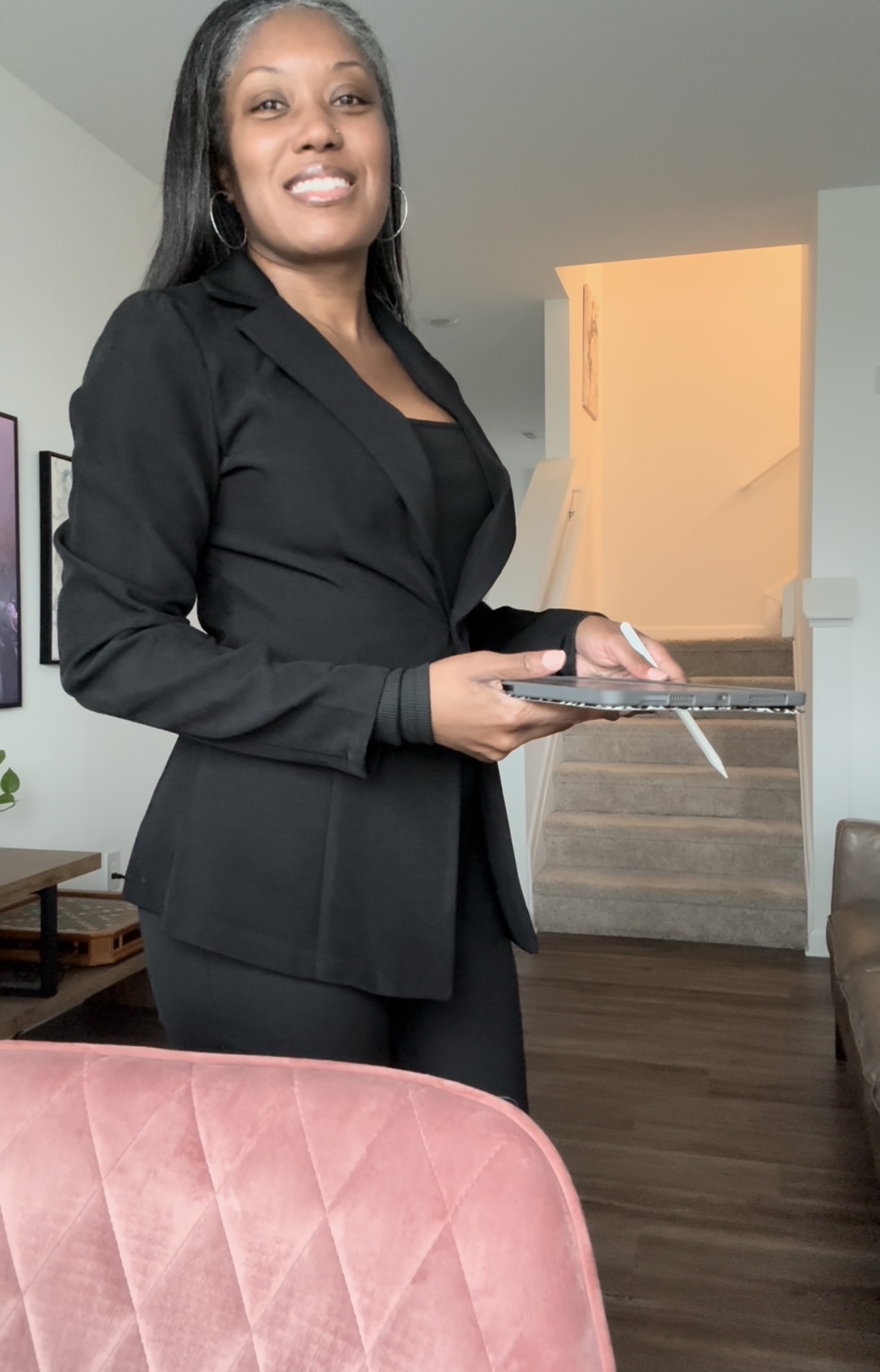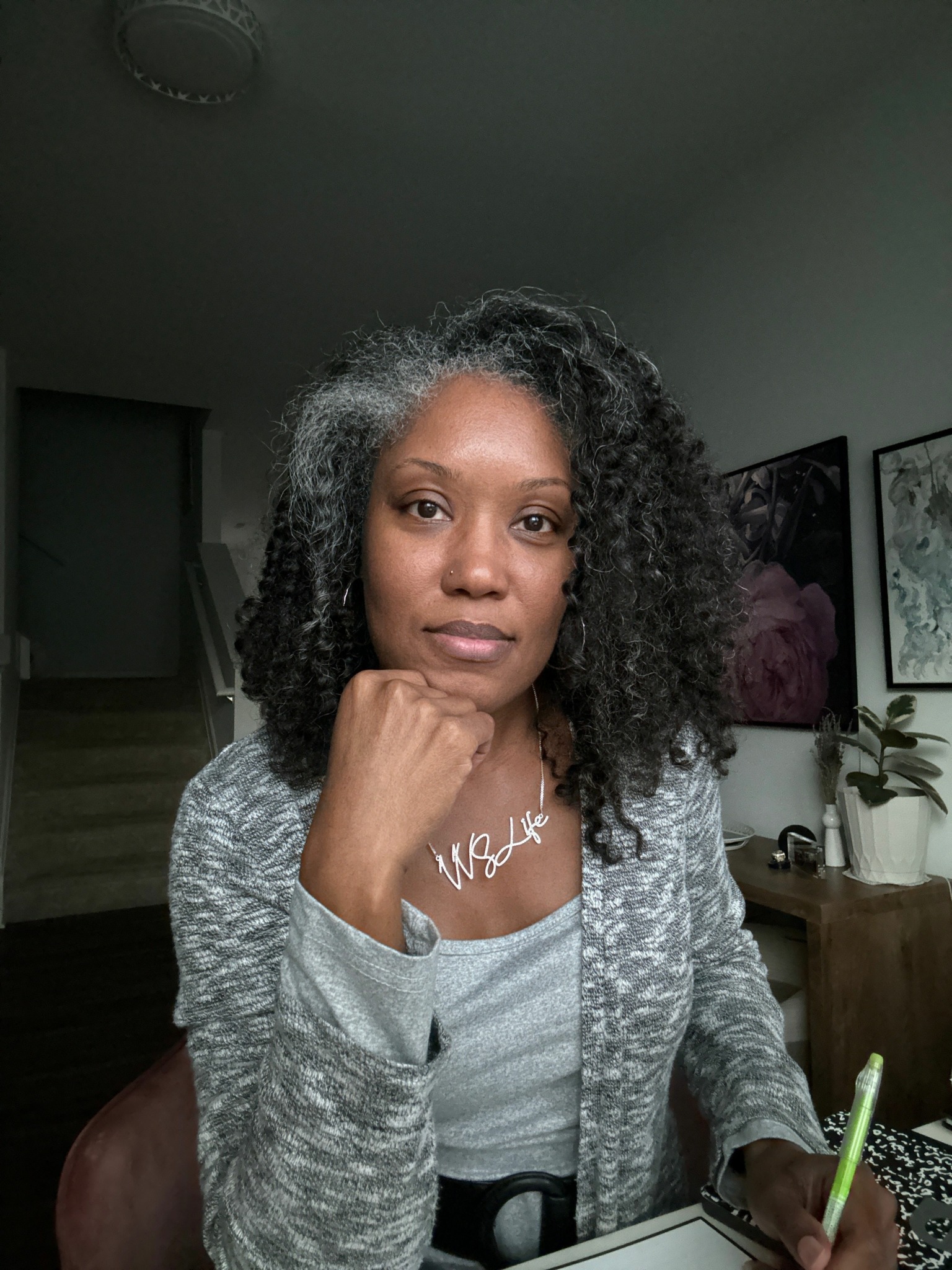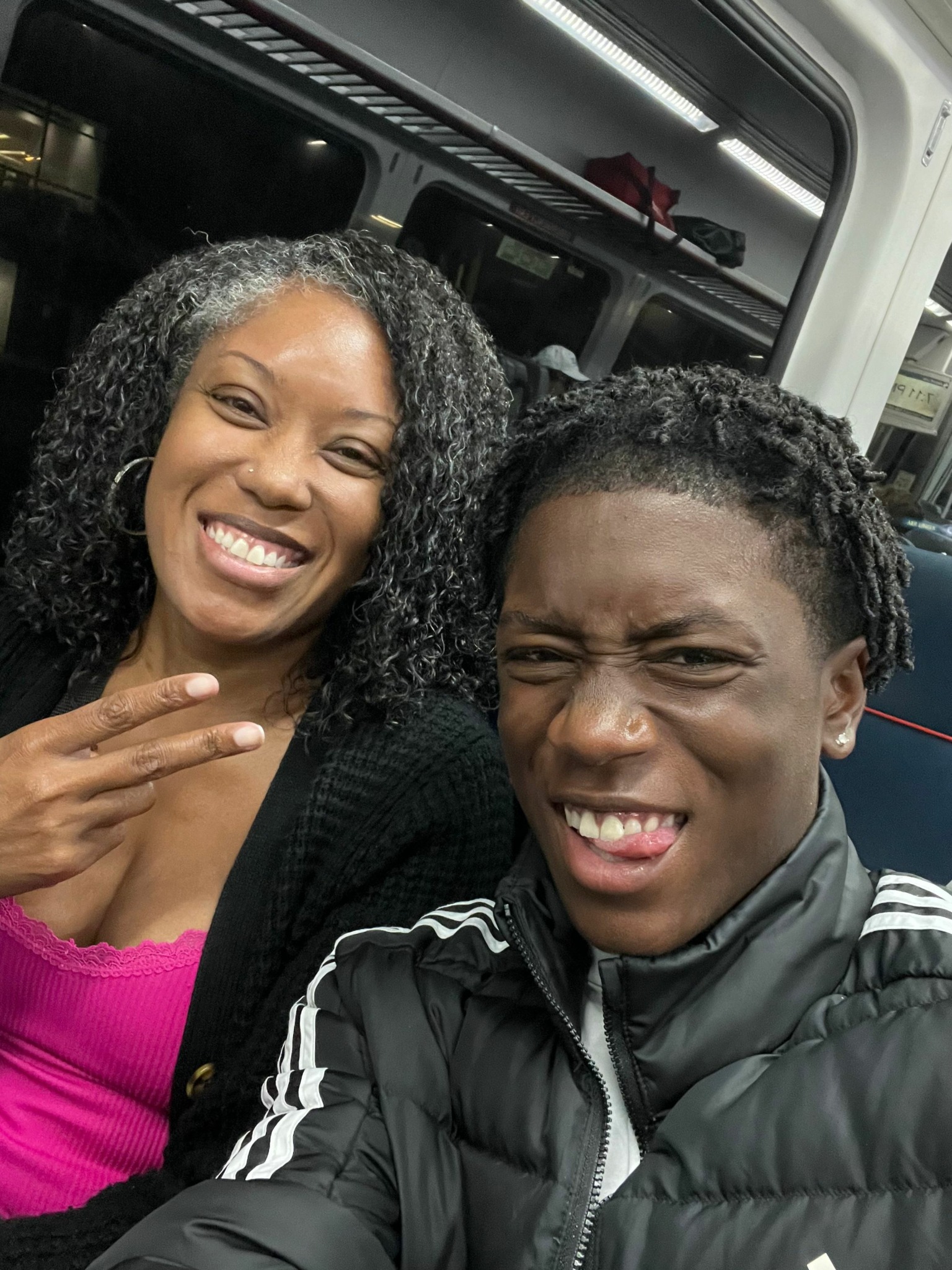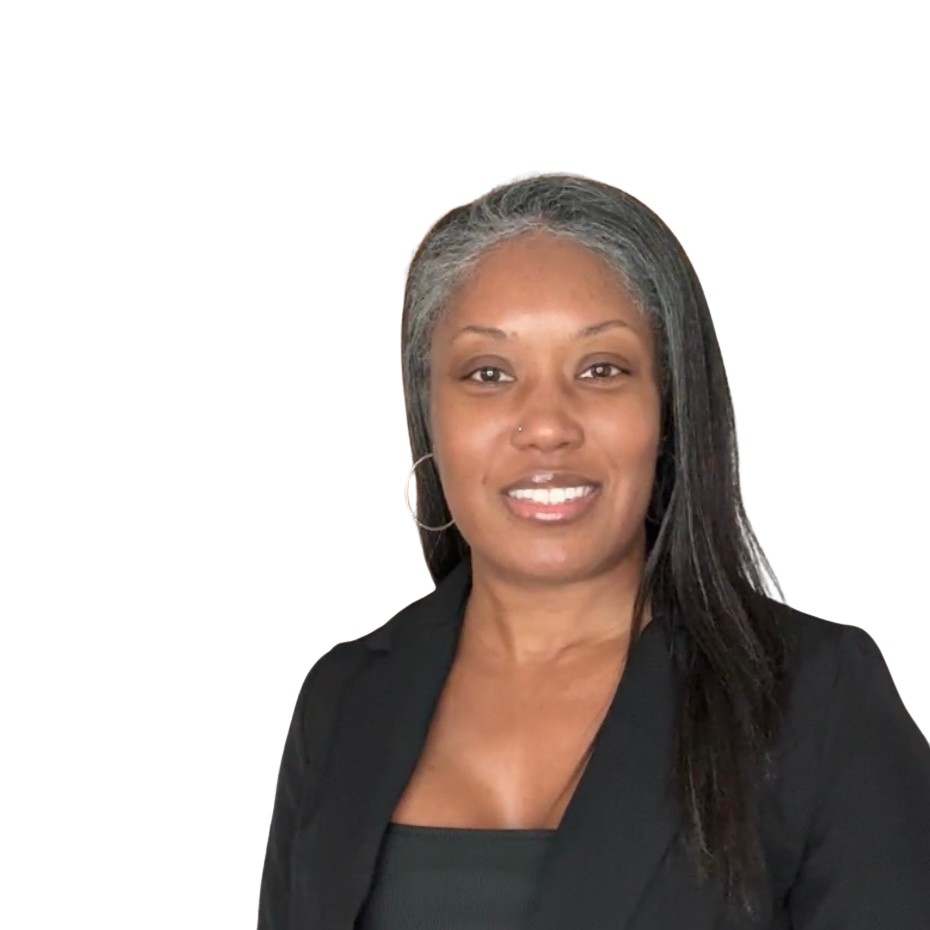

We were lucky to catch up with Tunisha Andrews recently and have shared our conversation below.
Tunisha, looking forward to hearing all of your stories today. Let’s jump to the end – what do you want to be remembered for?
In the life of Black Americans, there are some common threads in the way we’re parented that destroy relationships in the family. I grew up with all my family members being proponents of corporal punishment, abrasive talk, and rigid standards but unpredictable consequences (except getting whooped when you fell out of line. You could always count on that.)
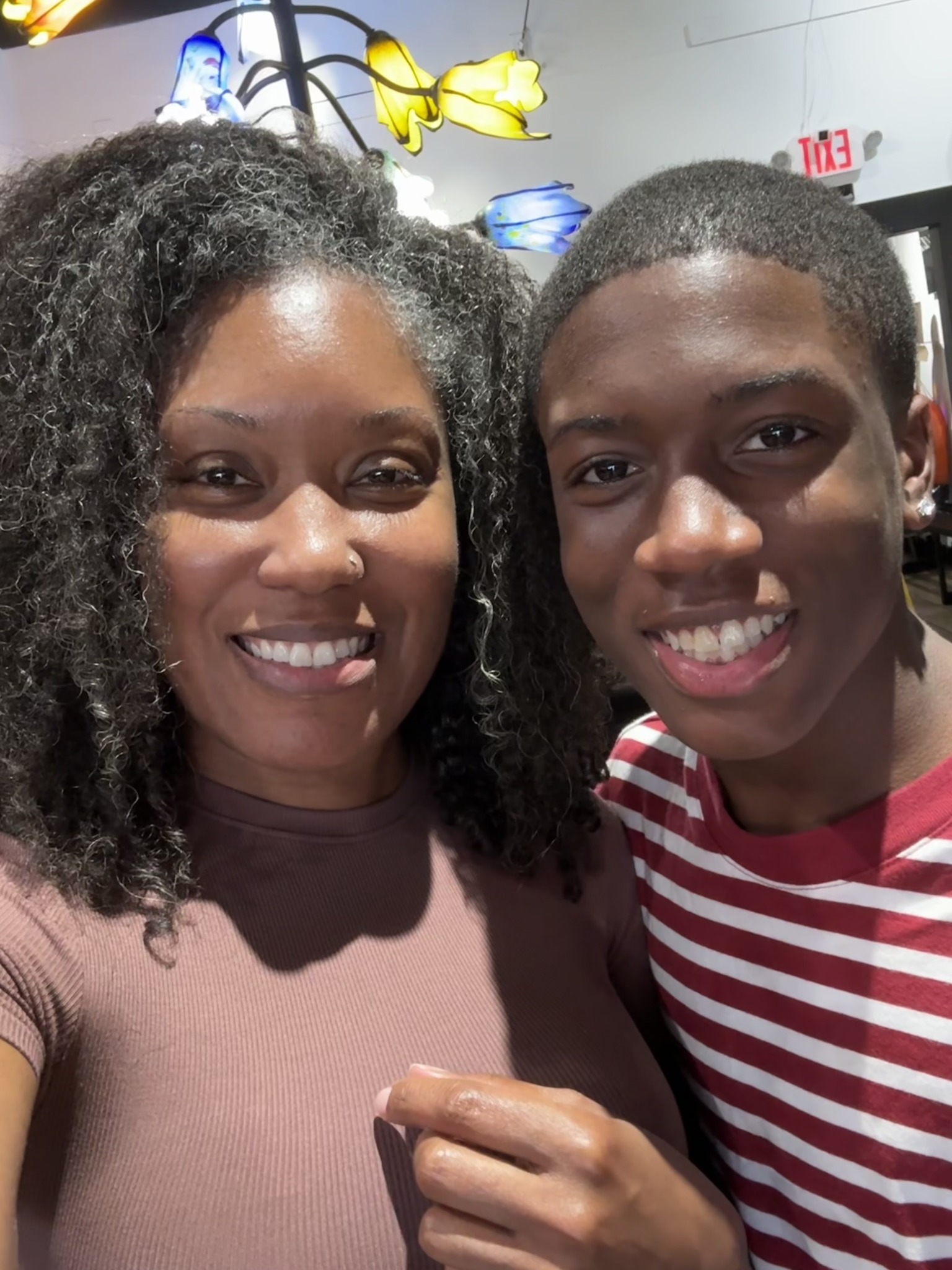
I adopted the same style of parenting and I watched my son becoming a whole different person. My sweet, happy-go-lucky, affectionate funny guy with a big personality, had stopped showing that side of himself, especially around me.
By calling him “extra,” placing a high priority on him being more reserved, by constantly chastising him about every little thing that wasn’t done exactly my way, I was chipping away at his confidence and destroying our relationship.
I would run out of patience with him faster than anyone else and then one day, I realized just how much I was being short and nitpicky and the damage I was doing by being so quick to fuss. I decided that more than a perfectly behaved kid, I wanted a loving relationship and a happy, healthy kid who saw me as a trusted and gentle place to land when the outside world was overwhelming.
I wanted to heal the hurt I’d caused and still do the job of parenting. I just needed to let go of all of the ways I was parenting that were actually harmful.
One of my biggest parenting triggers was “back talk.” Then it dawned on me that there’s no difference between my son talking back and us having a conversation other than the fact that I only interpreted what he was doing as disrespectful when I was annoyed or angry.
I realized that I was adding unnecessary stress to our relationship by trying to control him but if I continued doing that, I’d be doing him a huge disservice once he went out on his own. I had to teach and guide him and let the natural consequences for some of his choices be what they were going to be.
Instead of freaking out about his schoolwork not being done and taking on that stress as my own, I had to say my peace, give adequate warning about the potential consequences, and then let him see what that failure and having to repeat a class felt like. I had to start letting experience be his teacher.
As our kids reach the teenage years, we still try to baby them in some ways and expect them to think and act like adults in others. We don’t teach and guide them through the transition. We scold and punish. There’s a perception that to be “friendly” with your kids means inviting them to be disrespectful and that’s simply not true.
Most of the issues we have with our teens are because of our lack of reflection on why the things they do trigger us so much. We don’t generally think about how we were raised how it contributes to what triggers us now. Once relationships are damaged, we don’t know what to do to repair them with our kids. These are the things I help other moms to do.
We can be calm, soft, and gentle and still hold our kids responsible for their behavior. I teach moms how to let go of the harsh, hard energy that just makes our kids avoid us and in some cases decide to go no contact once they can get away.
I want my legacy to be changing the culture around mothering so that we don’t keep sending adults out into the world with all these “mother wounds.”
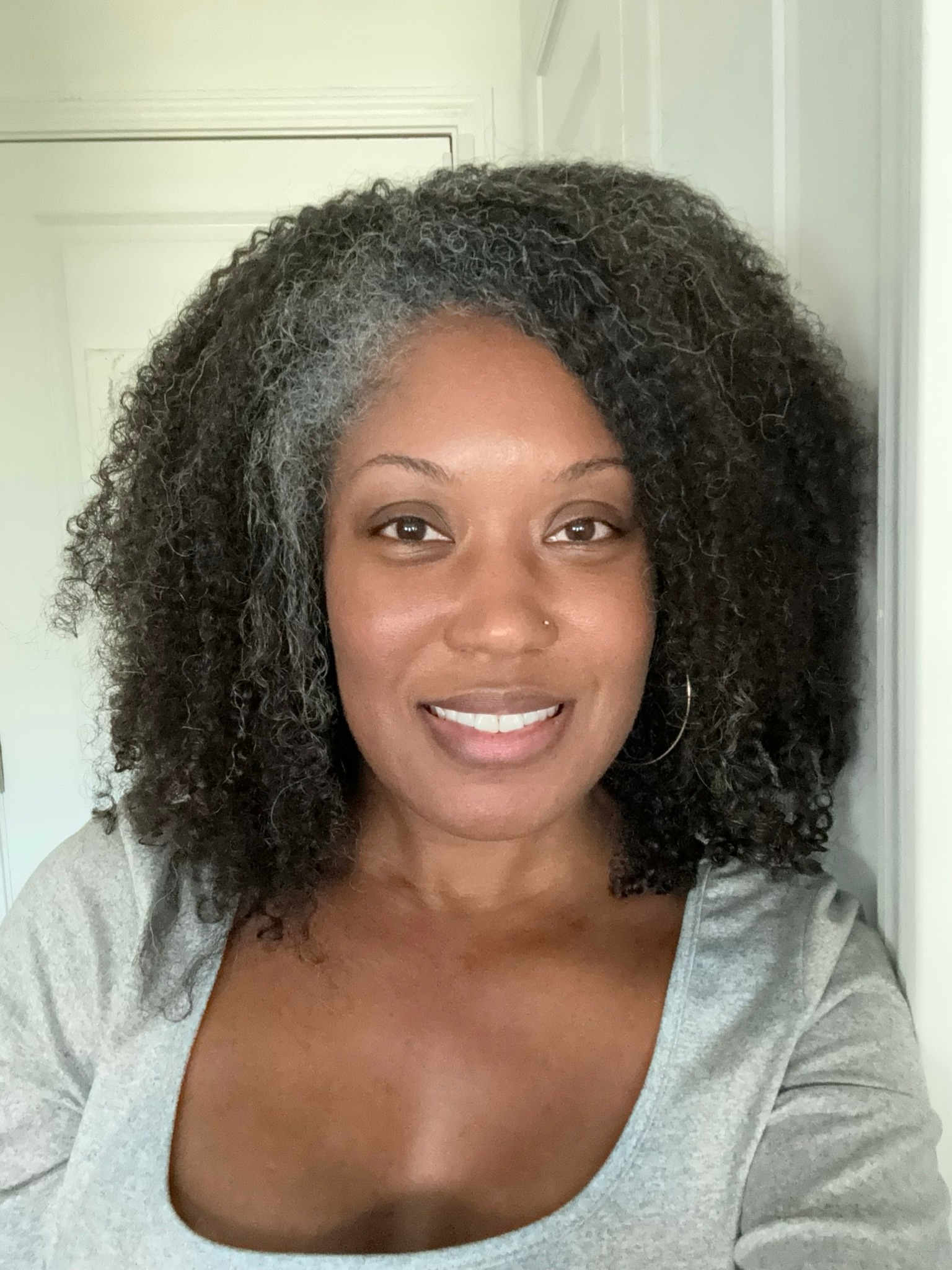
Tunisha, before we move on to more of these sorts of questions, can you take some time to bring our readers up to speed on you and what you do?
I prefer to be referred to as Tunisha Renee because I’ve been married a couple of times with the likelihood of doing it again so my last name changes a bit. My work is all about helping moms create stronger, healthier relationships while lowering the stress that comes with raising kids in today’s world.
I didn’t start out as someone who knew how to do this. I learned it the hard way. In 2018, my son, who was just 12 at the time, attempted to take his own life. That moment changed everything for me. It was a gut-wrenching realization that my parenting, my stress, and the environment I had created at home were all playing a role in his pain.
From that point on, I committed to doing things differently. I began working on myself, understanding the ways my own reactions and habits were shaping our relationship, and figuring out how to repair the damage. It wasn’t an overnight process, and I had two major backsliding moments, but I would just start the repair process again. It took us some years, but today, my son and I have a relationship that I’m proud of built on trust, mutual respect, and open communication.
That journey inspired the work I do now. I create resources and programs for moms who want to reconnect with their teens, manage their emotions, and create calmer, more loving homes. My focus is on giving moms practical tools they can use to break harmful patterns and build the kind of relationships they truly want with their kids.
What I Offer
One of the things I’m proud of is the range of ways I’ve been able to help other moms. My work includes:
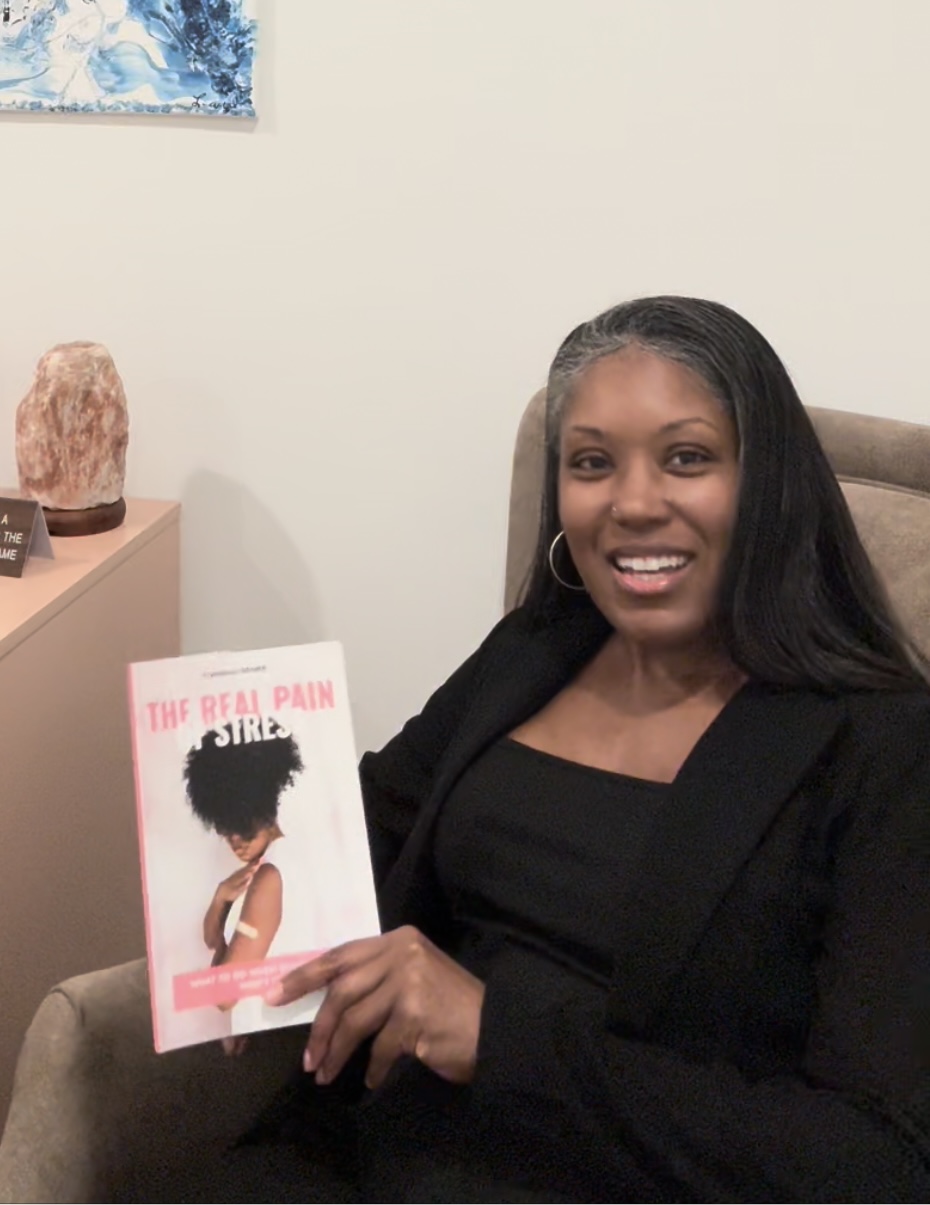
– My book, “The Real Pain of Stress”, which introduces the concept of Intelligent Self-Care. It’s about addressing the deeper causes of stress rather than just soothing the symptoms. I share my own story and the 4-step method that helped me turn things around.
– I teach moms how to move away from power struggles with their teens and instead build connections while upholding high standards.
– I help moms identify their parenting triggers and stressors in their lives and create realistic plans to reduce overwhelm and rebuild the relationship with their kids.
Why This Work Matters
For me, this isn’t just a career—it’s personal. I know what it feels like to be at your wit’s end as a parent, wondering if you’re doing everything wrong or if it’s too late to fix things. I also know the joy and relief that come when you start to see real change—when the yelling stops, when the tension eases, and when your child starts to open up again.
What sets my approach apart is that I focus on healing the parent first. The reality is, a lot of what’s going on in our relationships with our kids has more to do with us than we realize. If we don’t address our own stress, habits, and triggers, it’s nearly impossible to create the kind of connection we want with our children. I give parents tools to do that deeper work, and the results are life-changing for them, and for their kids too.
What I’m Most Proud Of
I’m proud of the impact my work has had on my son. He’s no longer sad, distant, angry, and resentful. I love the close relationship that we’ve developed. I’ve never been happier in my home. My son confident, resilient, capable, and happy. He feels loved and supported and openly tells me so. That feels good. That is what reminds me how important my work is.
At the heart of what I do is a belief that parenting doesn’t have to feel like a battle. With the right tools (which we were never taught) and support, it’s possible to create relationships that are full of love, respect, and understanding. That’s the work I’m passionate about, and I feel so honored to be able to share it with others.
How did you build your audience on social media?
I honestly didn’t know what I was doing and then I found my coach on TikTok. I followed her guidance with using sales psychology as I created my content. I had to get really comfortable in front of the camera because that was really awkward in the beginning. I was using my “presenter/teacher voice” all the time and it was awful. I wasn’t sure what I wanted to focus on either. When I got clarity, things really turned for me and I was ready to just speak about my experiences and my beliefs on parenting. That’s what got people to connect with me because this is such a widespread area of opportunity for us to leave our kids in a better emotional position than we were in when we off on our own. That’s when I realized just how big this idea of mine is and how many families are suffering when they don’t need to.
I would say for anyone trying to build their brand on social media, what you believe and what your mission is should drive what you create. Also, don’t worry about the naysayers in your comments or the people who just come to criticize but aren’t in the ring.
What’s been the most effective strategy for growing your clientele?
The most effective strategy for me to grow my clientele was learning to talk about what I do that solves problems and adds value to my clients’ lives. Now talking about my offers feels natural for me and doesn’t feel “salesy.” I’ve always been a reluctant sales woman but posting content that people are responding to and then just talking to them like humans who need help, has been my most effective strategy.
Contact Info:
- Website: https://vvsliving.com
- Instagram: https://instagram.com/vvslifecoach
- Facebook: https://facebook.com/vvslifecoach
- Linkedin: http://linkedin.com/in/vvslifecoach/
- Youtube: https://www.youtube.com/@vvslifecoach
- Other: https://tiktok.com/@vvslifecoach