

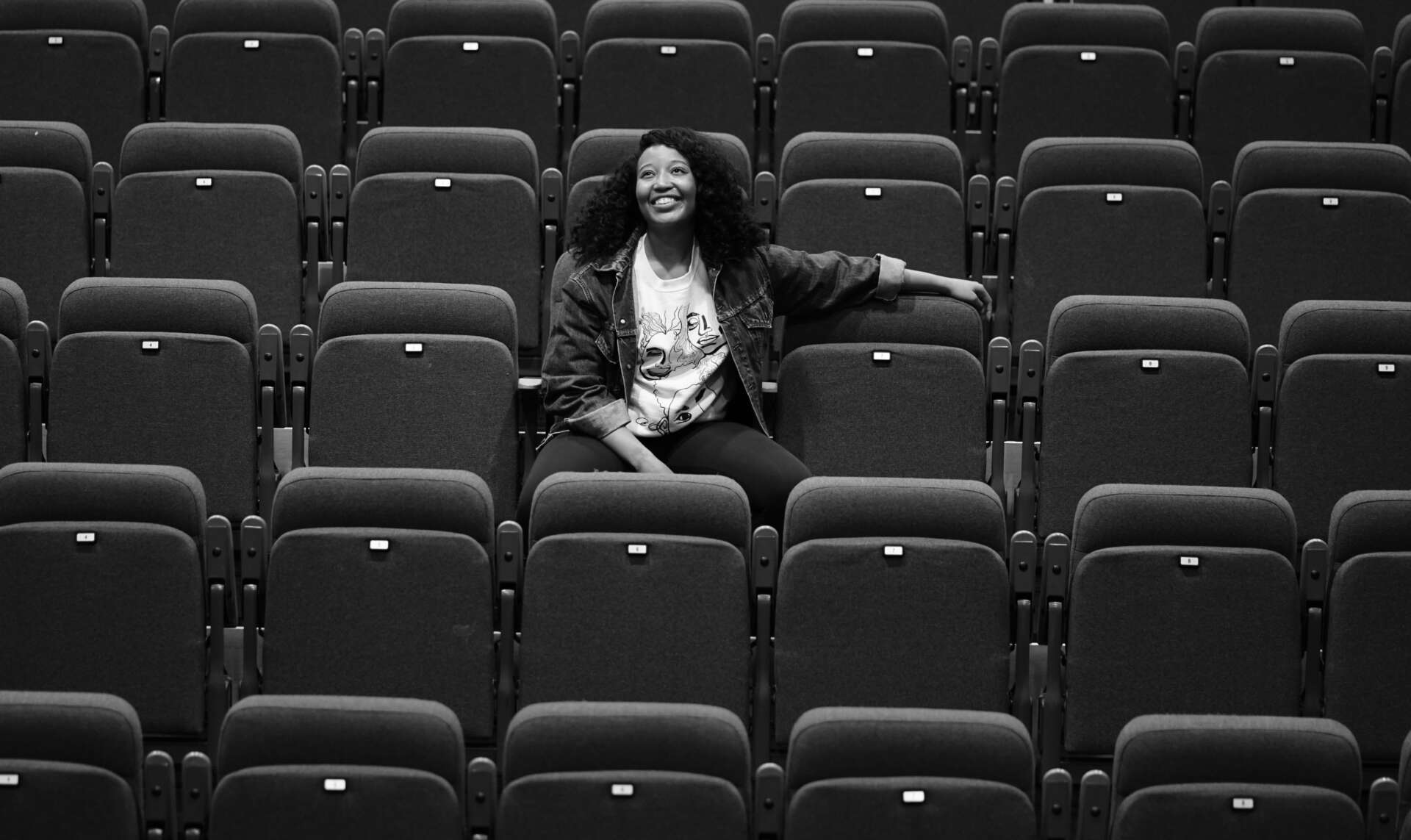

Alright – so today we’ve got the honor of introducing you to Tula B. Strong. We think you’ll enjoy our conversation, we’ve shared it below.
Tula B., appreciate you joining us today. Can you talk to us about how you learned to do what you do?
I feel like I’ve only recently learned that I first need to define for myself what my craft should look like. I’ll share an example: in the world of dance & choreography, there is literally so much one can study! There’s different genres, different approaches within genres, and so many unique ways of navigating a choreographic process. So, I have to first ask myself what are the particular genres of dance that I’m specifically interested in? Who are the choreographers that inspire me specifically & what can I learn from their approaches to making dance? It’s the answer to these questions – and more exactly, the specificity of my interests – that should define the scope of my craft. So here’s one more example to really hone this in: As a younger choreographer, I thought I needed to be really good (or at least proficient) at forms like ballet and contemporary dance in order to excel in my career. However, I’ve discovered in the past few years that I’m actually really inspired by dance forms that one can see throughout the African Diaspora (dances in Ghana & Liberia, Afro-Cuban Rumba, house dance, etc.). I am also super inspired by choreographers who throw a slight twist into Modern/Contemporary Dance by incorporating these various Black Dance forms (think about Alvin Ailey, Katherine Dunham, or Ronald K. Brown). So while younger me thought I needed to be consistently taking ballet classes to excel in my craft; older me realizes that studying ballet heavily won’t actually help me hone the Afro-Diasporic dance forms that I’m really interested in.
On the other hand, being a professor has also taught me a lot about what it means to learn the craft. I teach courses in Dance & Performance Studies at Cal State Fullerton. And in a lot of my courses we are really digging deep into the work of specific artists, the socio-political contexts that shaped the creation of artists’ work, and the theoretical concepts that help deepen our understanding of performance in general. I’m always encouraging my students to seek to fully understand this material, and in doing so I’m challenged to remember that honing my craft also means taking the time to really research myself: Who are the artists that came before me? Why did these artists make their art? What was the political climate around the time these artists were creating? How did historical events impact what they made? What theoretical ideas do I draw upon in my work? And, what do those theoretical concepts really mean? In doing this research, I have learned so much more about myself as an artist, and I feel like my artwork is getting stronger too.
Finally, and maybe most importantly, I’m learning that it truly takes time to hone one’s craft. When I think about performances that inspire me the most, they are often created by artists who see their craft as limitless! No matter how much they have learned, they know there is always something more to explore & uncover. I’m learning that this is the way that I would like to see my own craft too: that the craft is always worth studying. Plus, I’m currently learning to not put too much pressure on myself to figure everything out right now. I truly have a lifetime to do so!
TLDR: So if I hone all of this down, I feel like learning the craft has to do with the main ideas: 1) following the ideas/concepts that are calling to you specifically; 2) researching the artists and concepts that came before you – who & what paved the way for your specific aesthetic; and 3) understanding that honing your craft can be a lifetime journey & it’s okay to honor that.

Awesome – so before we get into the rest of our questions, can you briefly introduce yourself to our readers.
My name is Tula B. Strong. I am a Liberian-American performance artist focused on weaving dance, storytelling, and Traditional American folk music. I create multidisciplinary performances that center the everyday and supernatural experiences of folks of color, with a specific lens towards Christian “mysticism.” My most recent project, TESTIMONY – which premiered in Women’s History Month 2022 – highlights a community of Black women & their journeys through healing, trauma, and faith. I have been honored to have my work receive support and recognition from the California Arts Council, Blavity’s BlavityTV, the National Black Arts’ Artist Project Fund, San Bernardino Arts Connection’s Arts Innovator Micro-Grant, Artists as Second Responder Award, the Caribbean Cultural Center African Diaspora Institute’s DEAR Artist Retreat, & Princeton University’s The Louis Sudler Prize in the Arts.
Beyond all of this, I actually grew up in the Inland Empire as the daughter of a single mother who immigrated to America because of a civil war in her home country of Liberia. I danced at my local community centers & high school growing up – particularly in South Pacific styles. Also, I actually didn’t believe that a career as an artist was possible until I attended my undergrad at Princeton. It was in undergrad that I discovered dance and performance as a space that could help me make sense of the world, reflect on my experiences as a woman of color, and speak on the issues most important to my community. It was through discovering the power of performance that I felt compelled to take a leap of faith and become an artist professionally.
Because of my unique experience as a woman of color & daughter of an immigrant, I am also very passionate about art being accessible to diverse ethnic & socioeconomic communities. So in addition to trying to create art that speaks to diverse communities, I also teach courses in Dance & Performance Studies to college-aged students. I currently serve as a lecturer in the Departments of African American Studies, as well as Theatre and Dance, at Cal State University, Fullerton. Alongside the efforts of LA-based choreographer Marianna Varviani, I also co-run an online platform called LA Dance Calendar (@ladancecal) that offers one centralized location for individuals of all backgrounds – from professional dancers to aspiring dance enthusiasts – to discover the dance performances, workshops, and opportunities happening in the Greater L.A. area on a weekly basis.
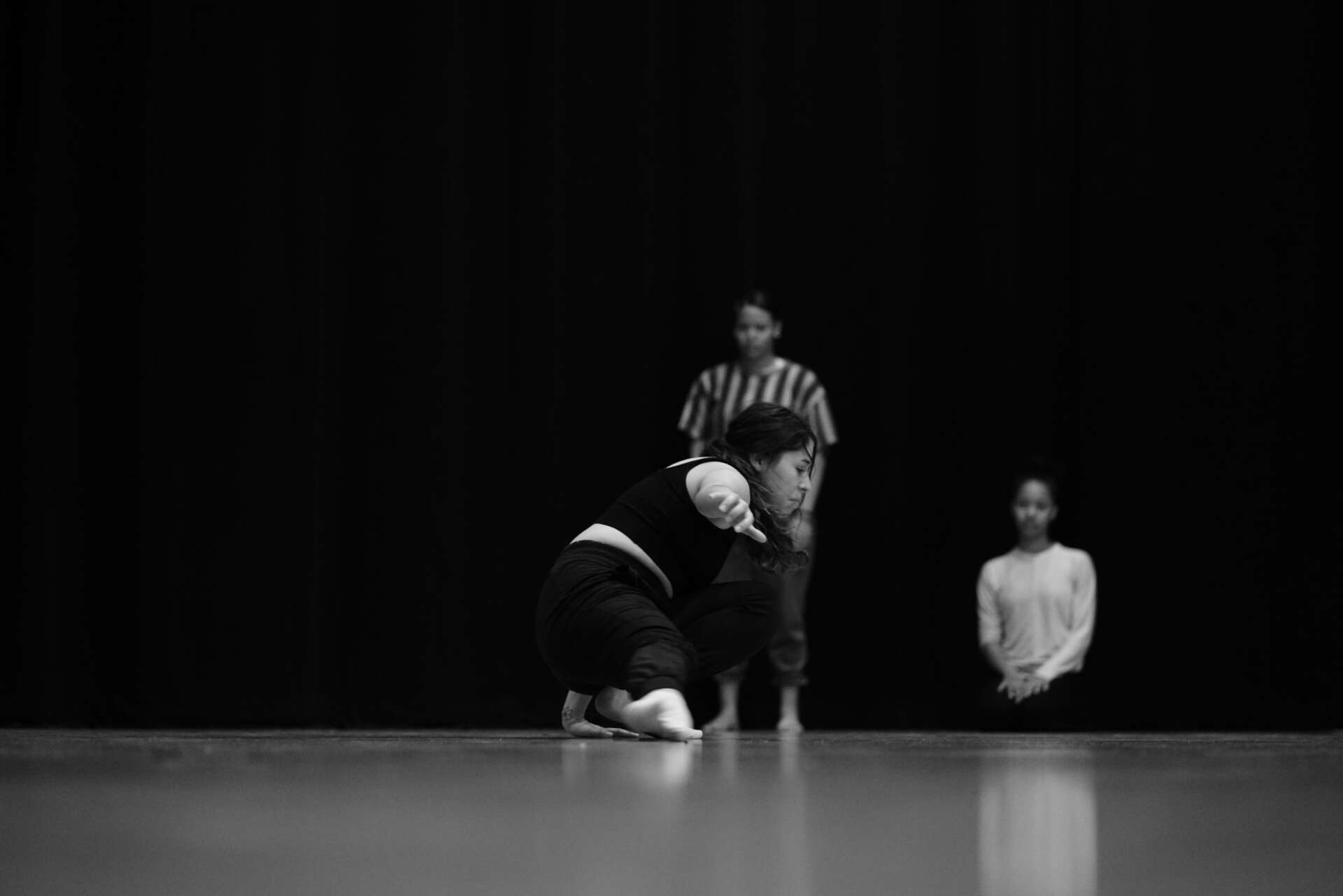
Are there any resources you wish you knew about earlier in your creative journey?
I wish that someone would have told me earlier just how important community is in one’s journey as an artist. I’m thinking about that a lot now! Being an artist can be really hard, and I’m realizing that having an artistic community can not only encourage you to make your best work, but they can also uplift you when times get tough. So yes, if anything, I wish I was told earlier in my career to think about the circle of artists that I would like around me & to start honing this community: Schedule times to check in with each other; talk about the creative process together; give honest & forward-pushing feedback; and, stay connected throughout the artistic journey.
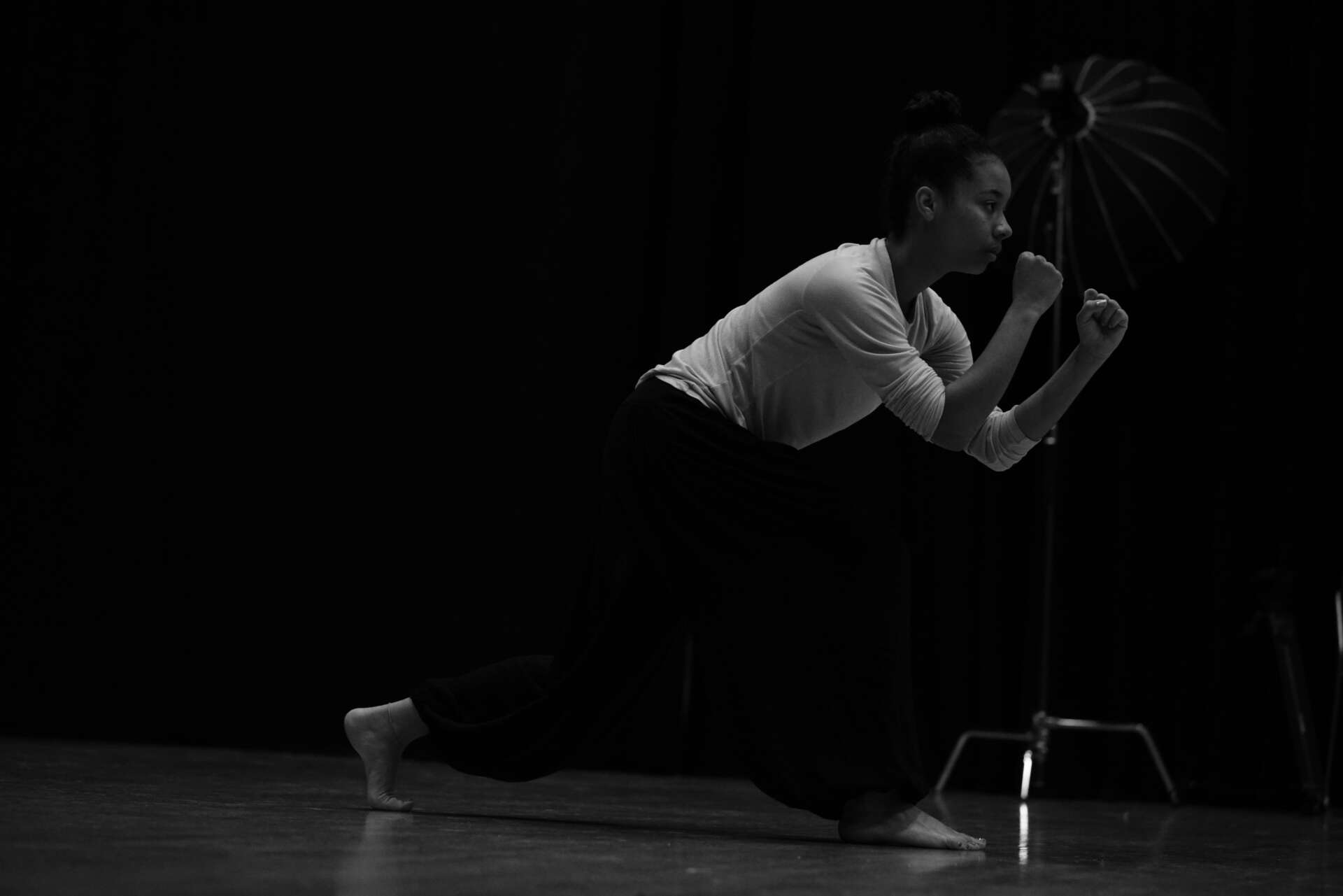
What’s the most rewarding aspect of being a creative in your experience?
For me, the most rewarding part of being an artist is when you create something & you are able to see that artwork really impact someone! To hear something like, “Wow, that really touched me!”or “Watching your dance brought me to tears,” is truly priceless. It can really make the struggles of navigating a career in the arts worth it!
Contact Info:
- Website: https://tulabstrong.com/
- Instagram: https://www.instagram.com/tula.b.strong/
- Linkedin: https://www.linkedin.com/in/tulabstrong/
- Youtube: https://www.youtube.com/@tula.b.strong
- Other: TikTok: https://www.tiktok.com/@tula.b.strong
Image Credits
Marcus Brown, Jr.