

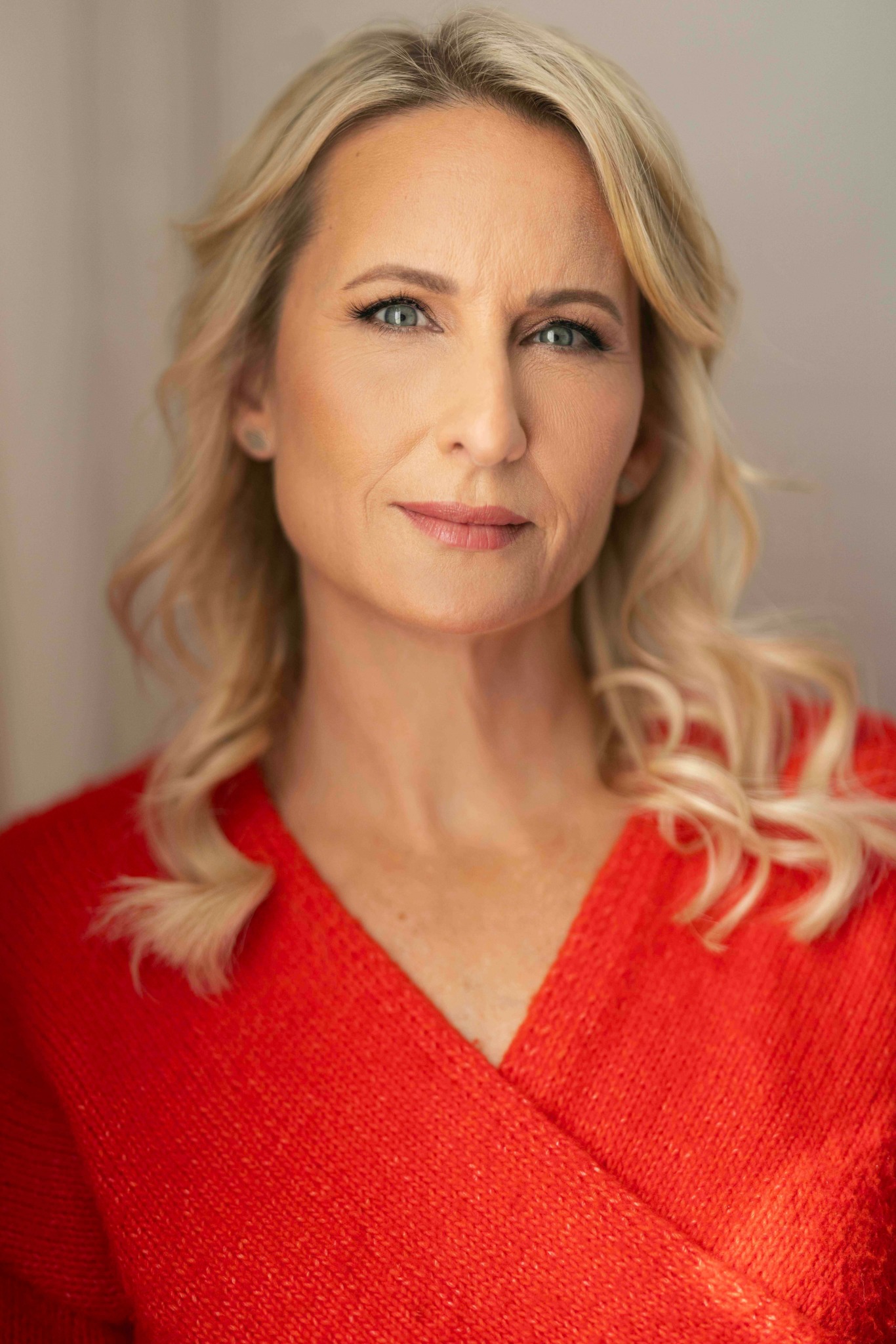

We recently connected with Trudy Price and have shared our conversation below.
Hi Trudy, thanks for joining us today. When did you first know you wanted to pursue a creative/artistic path professionally?
There was never one exact lightning-bolt moment – just a constant yearning to be doing something I am very passionate about on a full-time basis and that has never gone away.
From a young age I have always loved performing, making people laugh, taking on a character and the challenge that brings – now that I’m halfway through life, my kids are more independent and my husband is super supportive I am chasing my dreams. I feel ready, life experience has helped me be a better actor.
Being a full-time actor in New Zealand is hard, the industry is small and opportunities can be limited so I am practical. I never want to feel desperate for a paid role which is why I have my “side hustle” of banking to pay the mortgage! It gives me the flexibility I require to attend auditions and jobs yet the stability to be able to provide financially for my family.
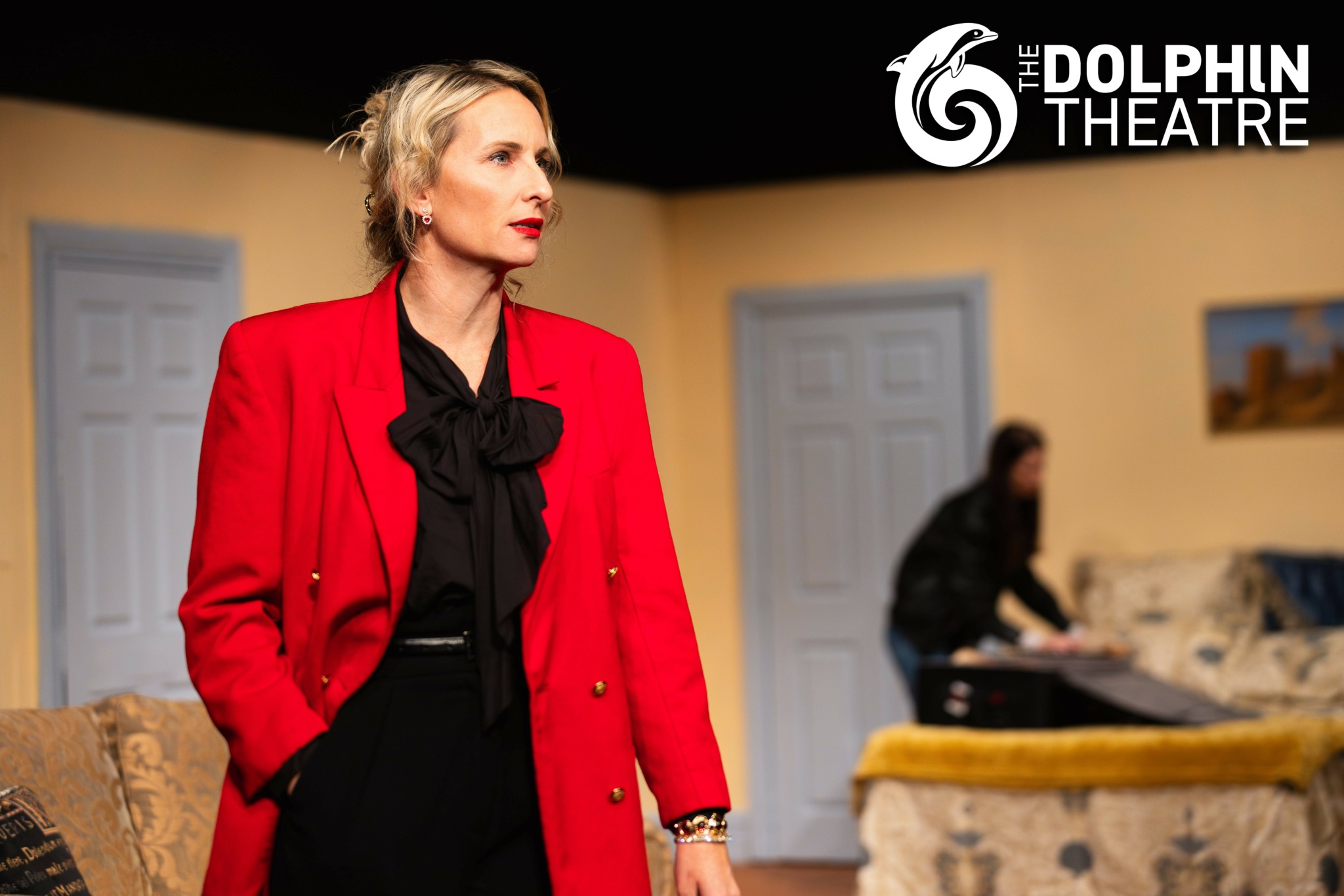
Trudy, before we move on to more of these sorts of questions, can you take some time to bring our readers up to speed on you and what you do?
I’m a 48-year-old Auckland actor who also works in institutional banking. On paper those worlds don’t seem to fit, but for me they do.
I’ve loved performing for as long as I can remember. Theatre has always felt like home — the rehearsal room, working through a character, figuring out what makes someone tick. At the same time, I’ve been realistic. I built a sales career and raised a family. Acting never left me – I felt like I was laying my foundation.
Over the past few years, I’ve made a deliberate decision to take it seriously. I’ve trained consistently, kept auditioning, and worked across a range of Auckland productions. In 2024, I played Julie in Sheila’s Island, earning a NAPTA nomination, and was part of the NAPTA-winning The Curious Incident of the Dog in the Night-Time. I’m drawn to character-driven work — complex, intelligent women — roles that require restraint and emotional truth rather than theatrics.
What I bring is perspective. I understand pressure, preparation and rejection. Corporate life teaches discipline; acting demands vulnerability. I show up knowing my lines, ready to take direction, and focused on the overall piece rather than my ego.
Keeping my banking career is intentional. As I’ve mentioned the New Zealand industry is small and unpredictable, and I never want to need a role financially. Stability allows me to choose work because it’s good, not because I’m desperate. It keeps me grounded and committed to the craft long term.
I’m proud that I didn’t let this go. I’m focused, and I’m not living through my kids. Life gets busy, but I’m doing what’s required. For directors and collaborators: I’m prepared, professional, low-drama, and serious about the work.
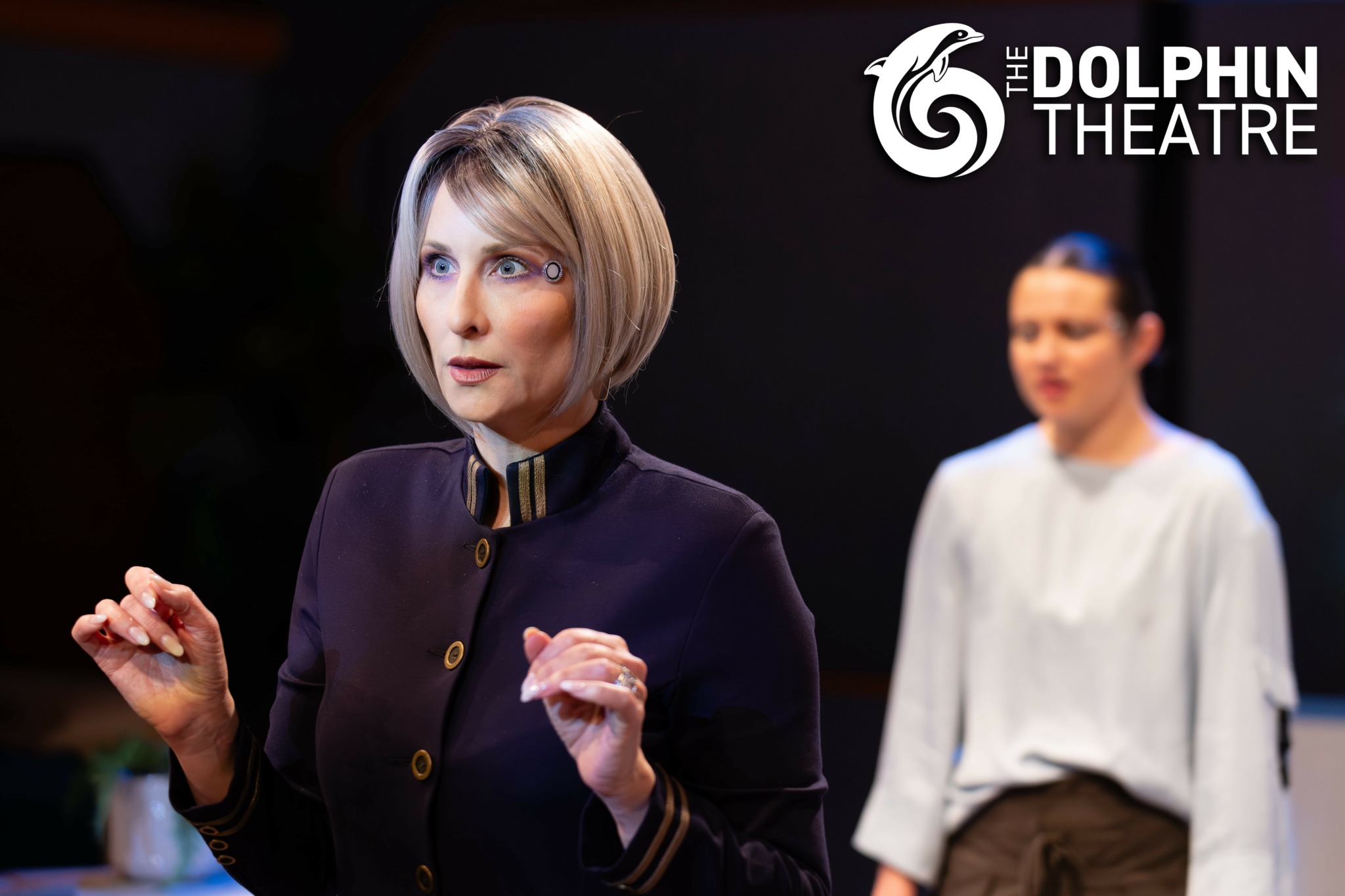
Learning and unlearning are both critical parts of growth – can you share a story of a time when you had to unlearn a lesson?
A lesson I had to unlearn was apologising for wanting more.
For years I downplayed how much acting mattered to me. I’d frame it as a hobby or something I did “on the side,” as if ambition needed to be softened. There’s a quiet expectation — especially as a woman with a family and a corporate career — that you should be content and not disrupt the status quo.
At some point I realised that didn’t sit well with me – I would see other parents living there own hopes and dreams through their kids and I never want to be like that.
We tell our children to believe in themselves and go after their goals. Why should that stop when we grow up? No one hands you permission to take yourself seriously. You have to back yourself and go for it.
I can’t control outcomes, but I can control effort, preparation and whether I put myself in the room. Once I stopped apologising and started owning it, everything felt clearer and I’m more determined then ever.
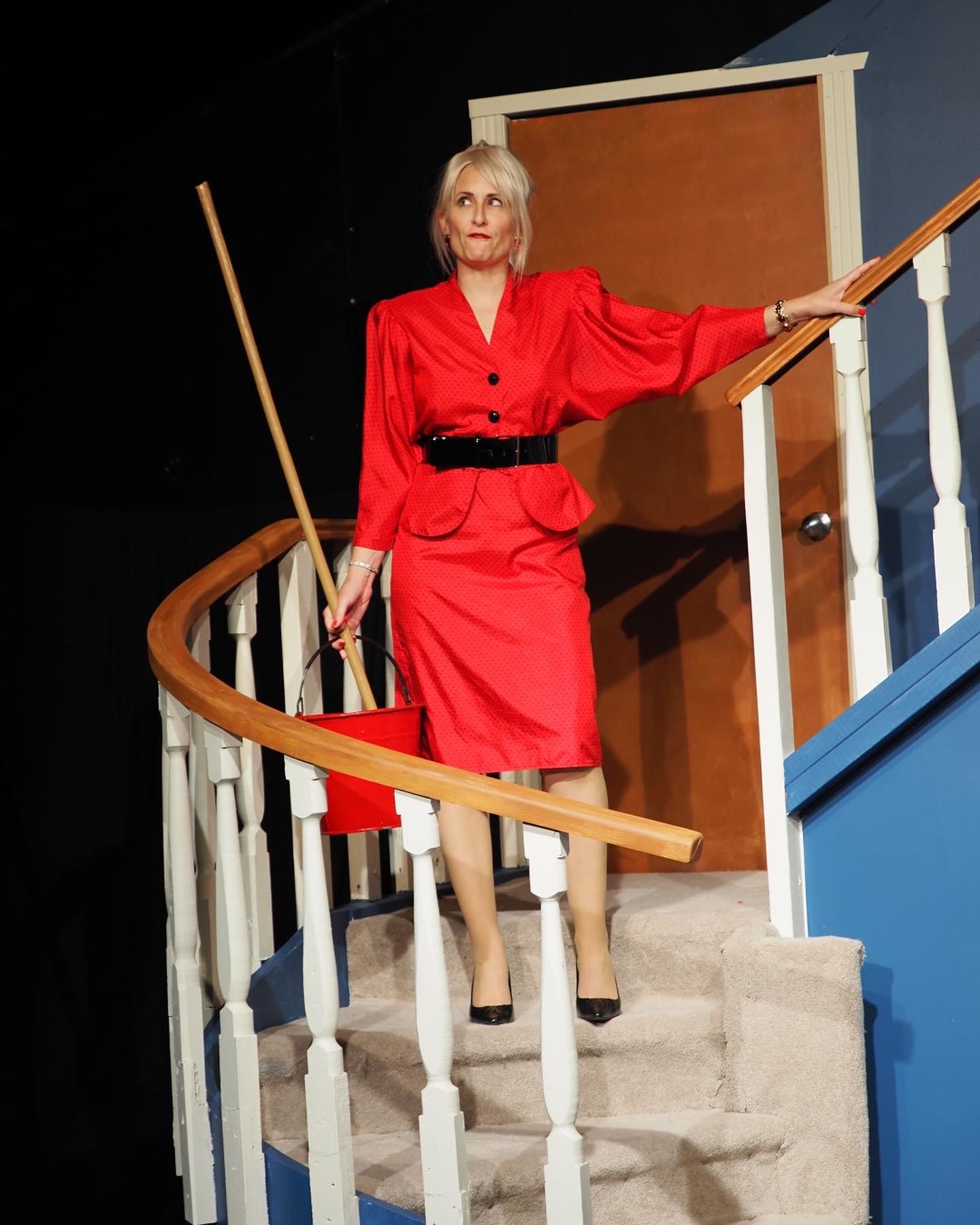
Can you share a story from your journey that illustrates your resilience?
Constant rejection builds resilience as an actor. It has to.
Most of the time — honestly, 99% of the time — it’s not personal. A director may already have someone in mind. You might not physically fit the dynamic they’re building. Casting is like assembling a puzzle; sometimes you’re just not the piece that fits that picture.
Early on, rejection felt heavy and I would deeply feel it. Now I see it differently. I once heard someone say it’s not rejection, it’s re-direction. That stuck with me. It only takes one “yes”.
Contact Info:
- Website: https://www.collaborate.co.nz/artists/view/Trudy_Price
- Instagram: trudy_dene
- Linkedin: https://www.linkedin.com/in/pricetrudy/
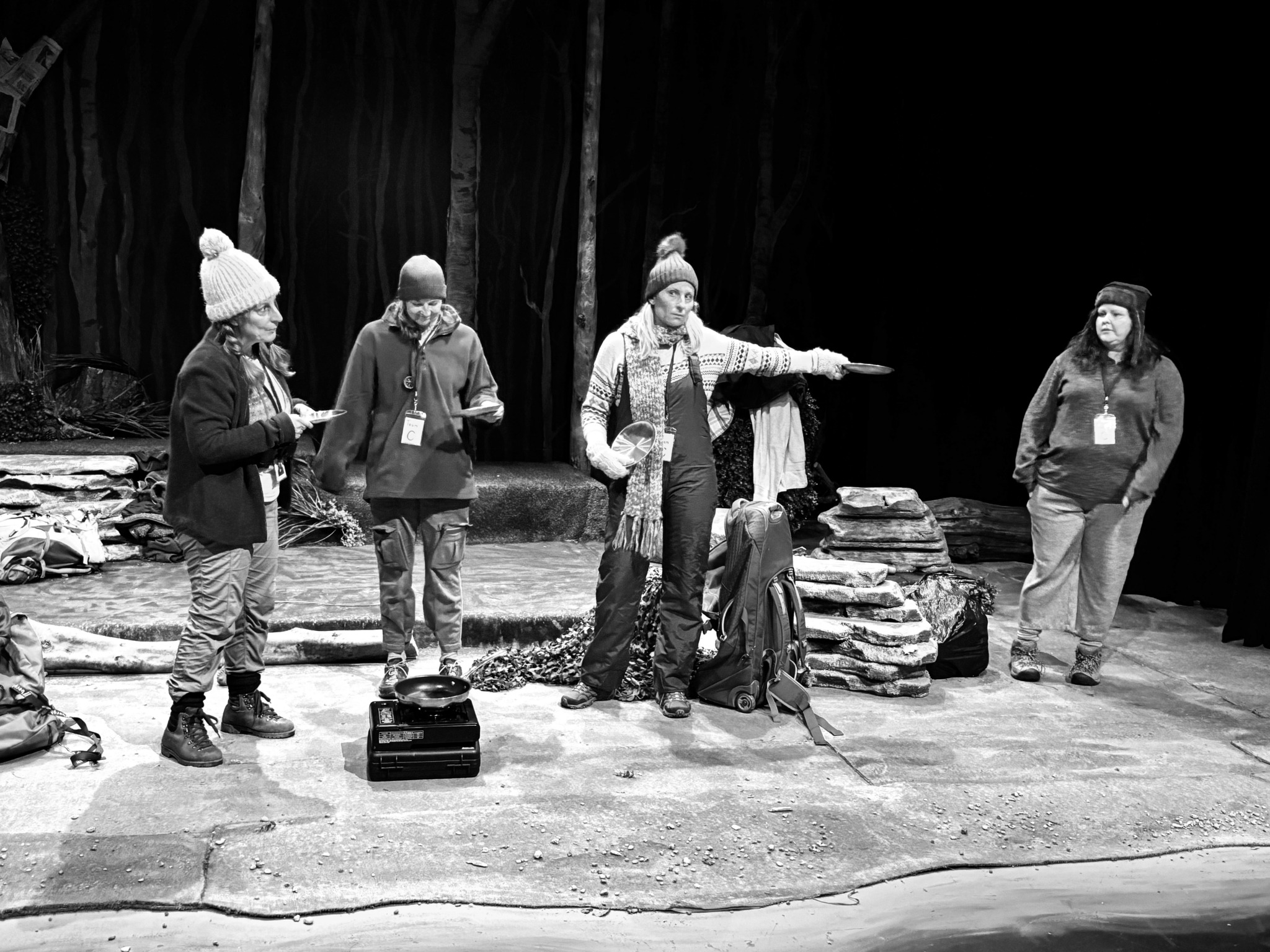
Image Credits
Dolphin watermarked photos – LK.Creative