

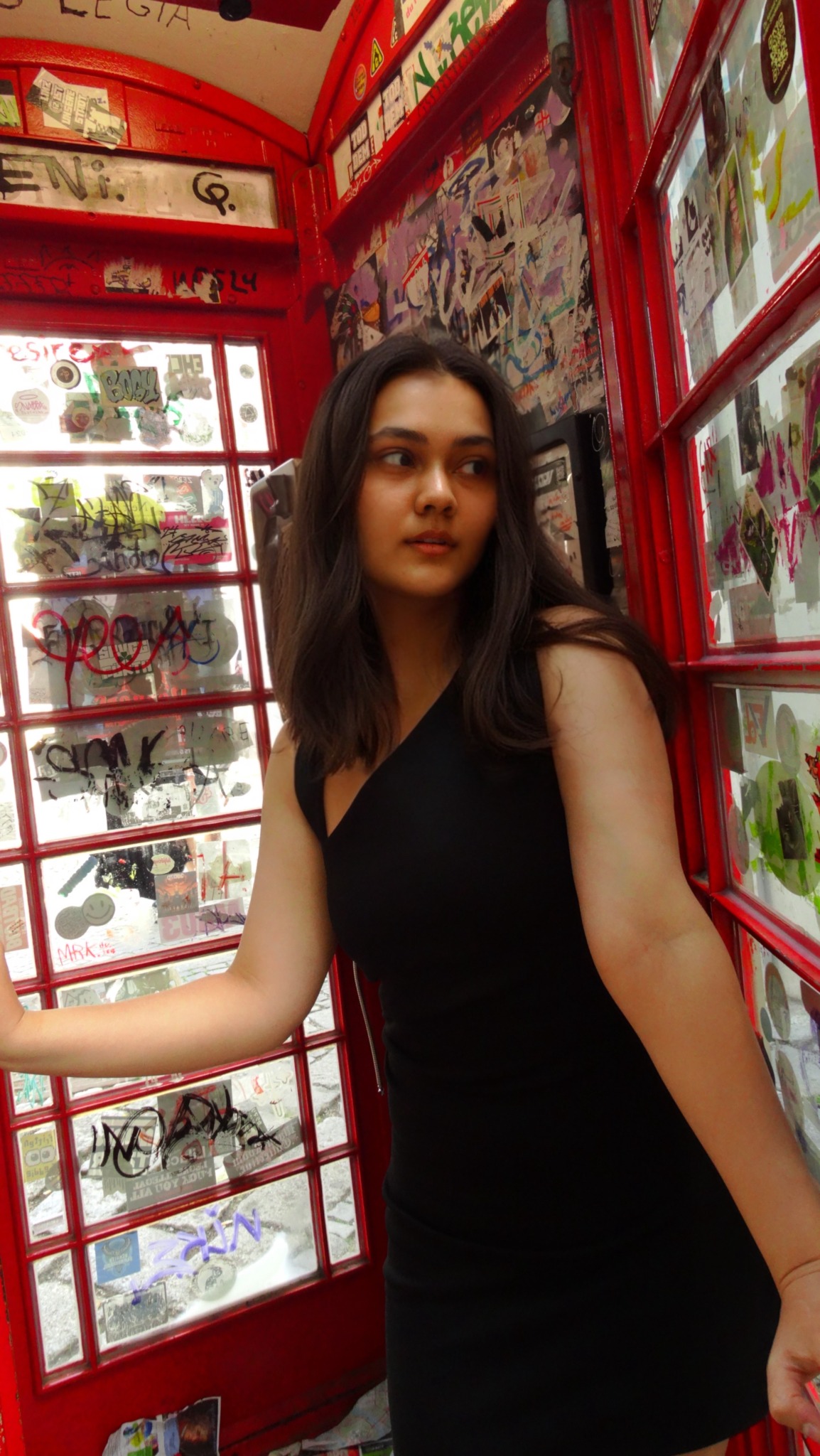

We were lucky to catch up with Trisha Virdi recently and have shared our conversation below.
Trisha, looking forward to hearing all of your stories today. Are you happy as a creative professional? Do you sometimes wonder what it would be like to work for someone else?
One of the toughest parts of being a creative is that you don’t ever really get to switch off. Your phone is always within reach, and with social media and emails, everyone has access to you all the time which can get overwhelming; especially since most of my friends and people I work with are spread across so many different time zones. I dont really turn off my notifications because I don’t want to risk being unreachable when I’m needed, but it does feel like I’m never really off the clock.
I wish I could say I’ve found the perfect solution, but I’m still trying to figure it out. A small but important step for me was finally putting certain apps on Do Not Disturb overnight a few months ago. It sounds really simple and obvious, but for me it felt like reclaiming a little piece of quiet I hadn’t had in quite a while.
I also know people who work regular 9 to 5s who don’t get to completely switch off either; that just seems to be the reality of the job market right now, which is unfortunate. The difference for me is that even when it’s stressful, I get to do what I love, and that’s what keeps me going. There are definitely days when the unpredictability wears me down, but in the end I’d rather deal with that than give up the joy and energy I get from creating.
Great, appreciate you sharing that with us. Before we ask you to share more of your insights, can you take a moment to introduce yourself and how you got to where you are today to our readers.
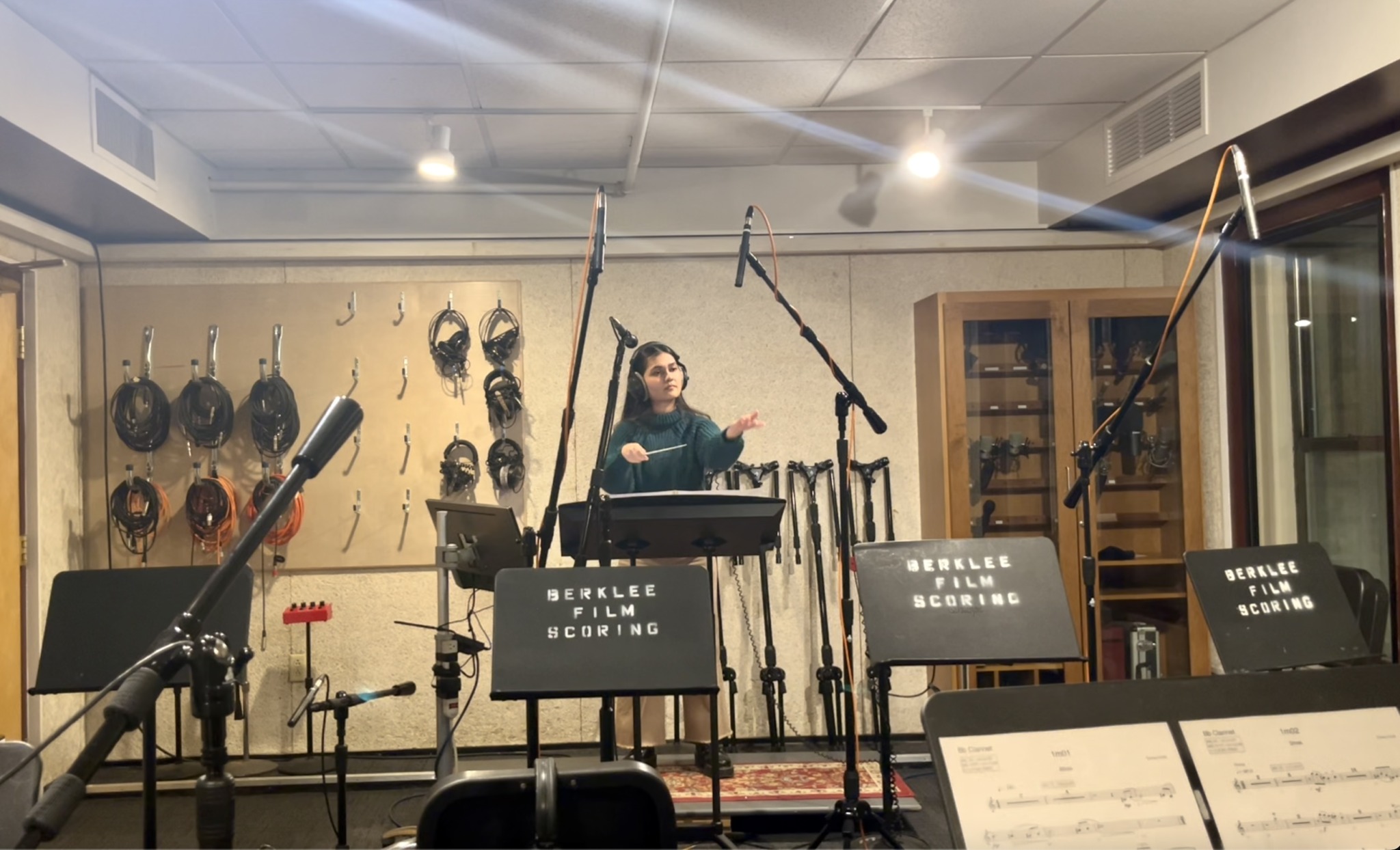
Absolutely! So I usually tell people that I’m a composer, orchestrator, and sound designer, but honestly at the heart of it I’m just a storyteller who happens to use music as the medium. I’ve scored short films, animations, documentaries, and also written concert pieces, but the through line is always the same; finding ways to shape emotion and narrative through sound. I recently graduated from the Berklee College of Music, where I majored in Film Scoring and am currently pursuing my Masters in Composition from the Royal Welsh College of Music and Drama.
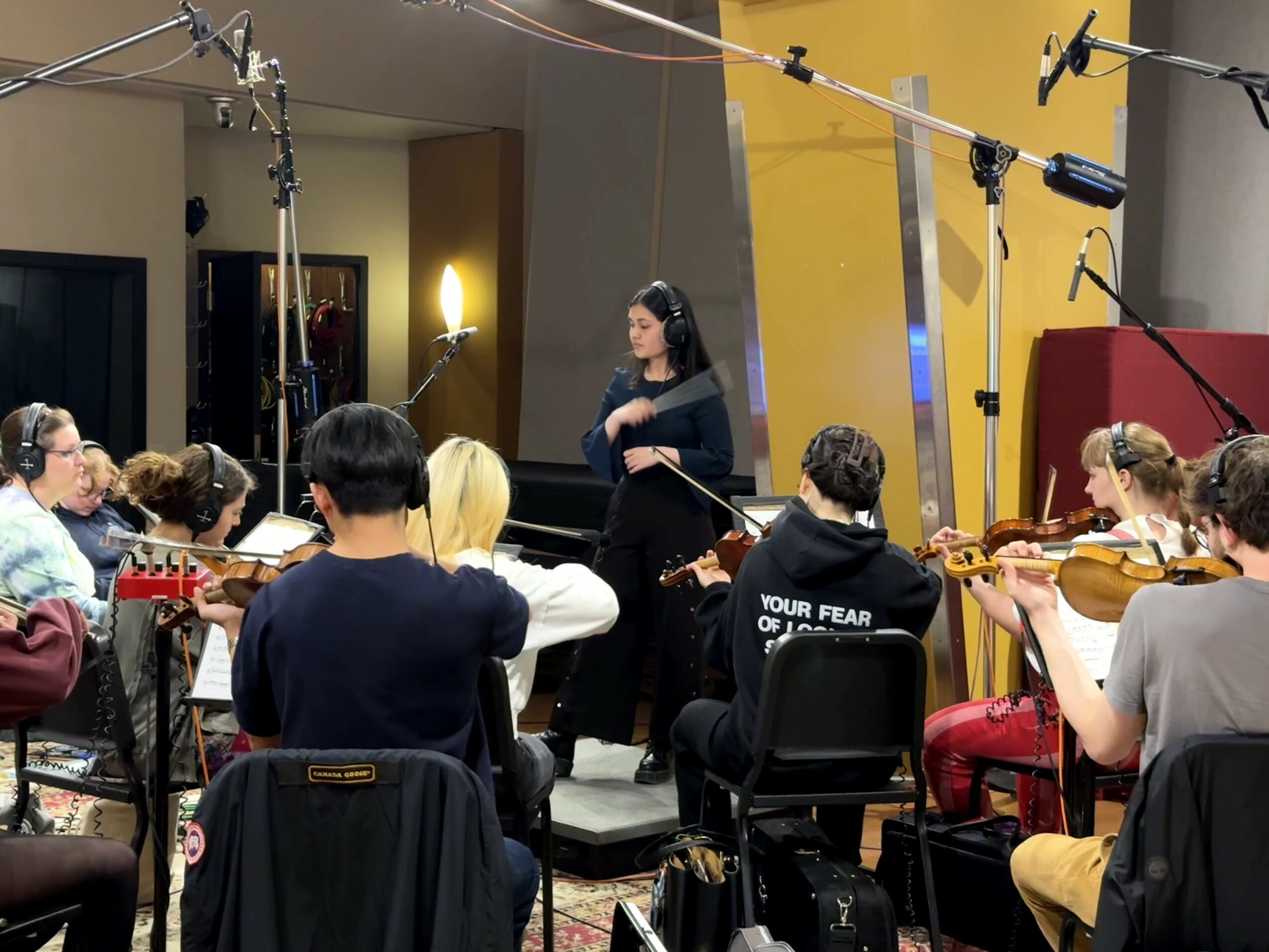
What I provide really depends on the project. Sometimes I’m the composer, sometimes the orchestrator, sometimes the person behind the scenes making sure all the scores and parts are prepped and ready for instrumentalists. I love aspects of it, but orchestration and music prep are where I feel most at home. There’s something really beautiful about taking an idea, shaping it for live players, and then hearing it come alive in the hands of an orchestra.
What I think sets me apart is that I don’t just see myself as someone that writes my own music. I genuinely love collaborating and helping bring other people’s visions to life. I’ve worked with orchestras, student filmmakers, animation students, and documentary teams, and I think I thrive in that space where it’s not just about my story, but about serving someone else’s.
We often hear about learning lessons – but just as important is unlearning lessons. Have you ever had to unlearn a lesson?
I think when I was younger, I used to think I had to do everything by myself. Because we moved around a lot growing up, I didnt really have consistent access to music teachers, which meant I got used to figuring things out on my own. While that did make me pretty independent, it also made me a little asking for support when I really needed it. It also made me a little anti-collaboration if you will. My first real film scoring gig however completely changed that.
I went to this mixer with a friend, and we just kept feeding off each other’s energy, talking about Taylor Swift to these random director girls. Somehow that turned into them giving us a film to score. We never even questioned who gets the gig; we just decided to do it together, because neither of us would dream of taking it away from the other. I never thought co-composing could work, since we had such different methods, but it ended up being such a natural fit.
That project taught me to unlearn the idea that music-making is a solo journey. Collaboration doesn’t take anything away, it multiplies what’s possible.
In your view, what can society to do to best support artists, creatives and a thriving creative ecosystem?
I think one of the biggest things is valuing the work itself. I think too often creative labor gets treated as “extra” or something people should do out of passion alone, but at the end of the day art is work and it deserves to be compensated as such. On a more practical level, that means fair pay, better funding for the arts, and creating spaces where young and emerging artists can take risks without the constant fear of instability.
Also for me, it all comes back to human connection. Art is about people telling stories, processing experiences, and creating something that resonates with others. Even in the worst times, the world has always turned to the arts for comfort, meaning, and community. That’s why I do kind of find the rise of AI in creative fields quite disheatning. If our work has already been treated as “extra” or “non-essential” for so long, then what’s the point of replacing it with machines, you know?
Anyway, so if we want a thriving creative ecosystem, I think society also has to choose to invest in actual people. That also means having cultural respect for the time, training, and personal voice that goes into creating something. It also means pushing back against the narrative that faster and cheaper is always better.
Contact Info:
- Website: https://trishavirdi.com
- Linkedin: https://www.linkedin.com/in/trishavirdi/