

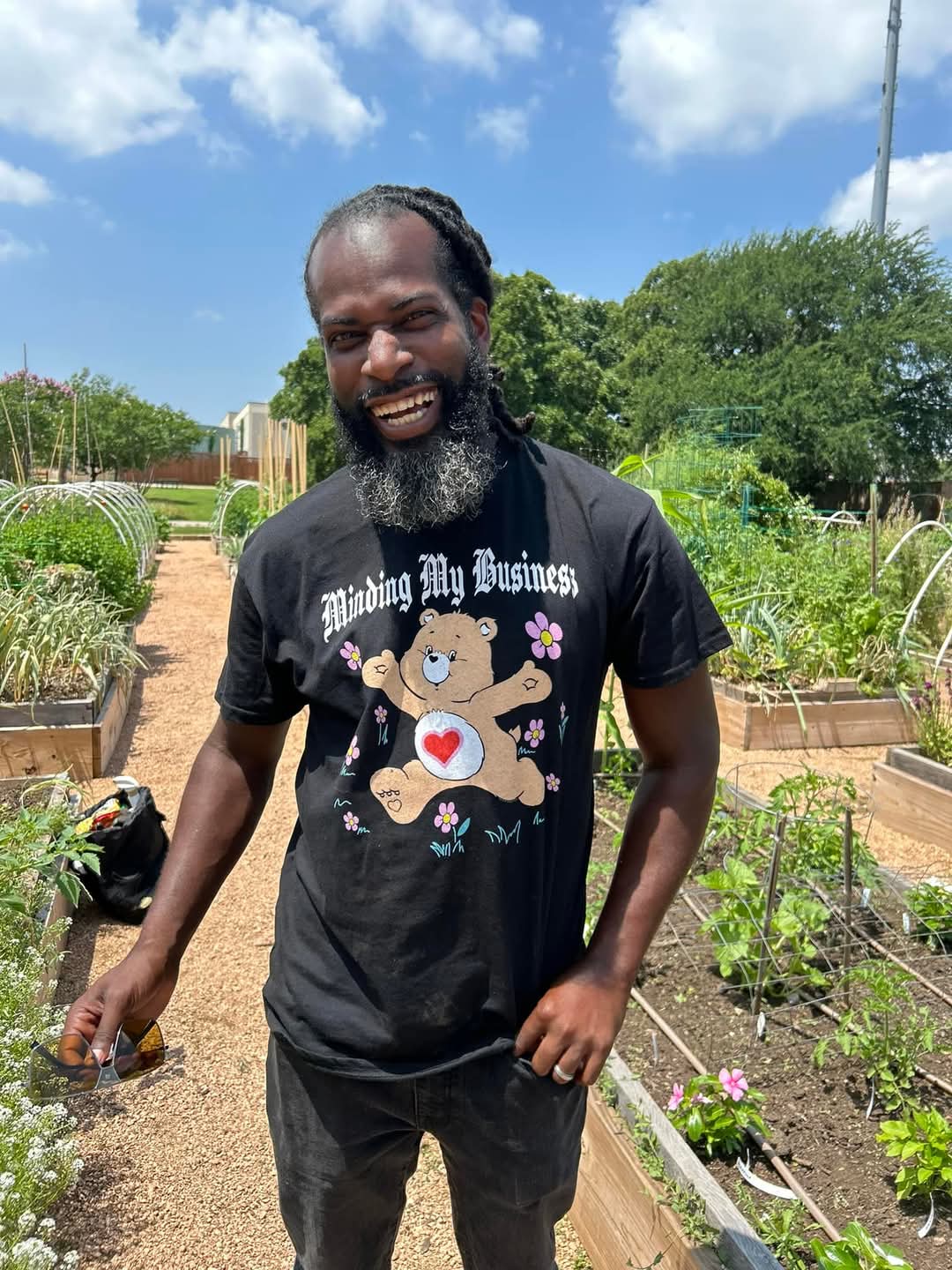

We were lucky to catch up with Trimaine Clark recently and have shared our conversation below.
Trimaine, looking forward to hearing all of your stories today. What was it like going from idea to execution? Can you share some of the backstory and some of the major steps or milestones?
I initially found myself landscaping, doing commercial and residential landscaping jobs, as a means of extra income. My mother, who was also my mentor, noticed that I began to show interest in growing crops. She then encouraged me to pursue gardening even further. She passed away unexpectedly, shortly after, but not before encouraging me to simply find what works for me. My first two years were experimental and adventurous as I grew a range of fruits, vegetables, and herbs. At some point, I began to notice two of my favorite crops to grow were peppers and tomatoes. Being a Texas native, and a lover of Southwest cuisine, it only made sense to begin making salsa out of my harvest.
I got married in 2024, to my wife Kiandre, who is also a farmer as well as a beekeeper. She suggested that I name my salsa business “Little L Salsa” after the biblical reference when Sarah called Abraham lord, with the little “l”. With her assistance, I began to cultivate my craft, and grow the brand, Little L Salsa Garden. Taking advantage of the plentiful Texas sun, I focused on growing hot and super hot peppers such as Carolina Reapers, habaneros, scotch bonnets, and more, resulting in pepper sauce products.
It didn’t take long for me to conclude that in order to be profitable, I had to find a way to grow through North Texas’ climate conditions of hot and dry summers, and unpredictable winters. Two major patterns among my peers included losing large tomato harvests from unexpected, excessive rain in the Spring, and scorching summers causing most people to wait until Fall to grow again. I embraced the challenge. With attention to detail and learning from past mistakes, I successfully made the adjustments, and released an e-book, The North Texas Garden Revolution, to assist others with the process.
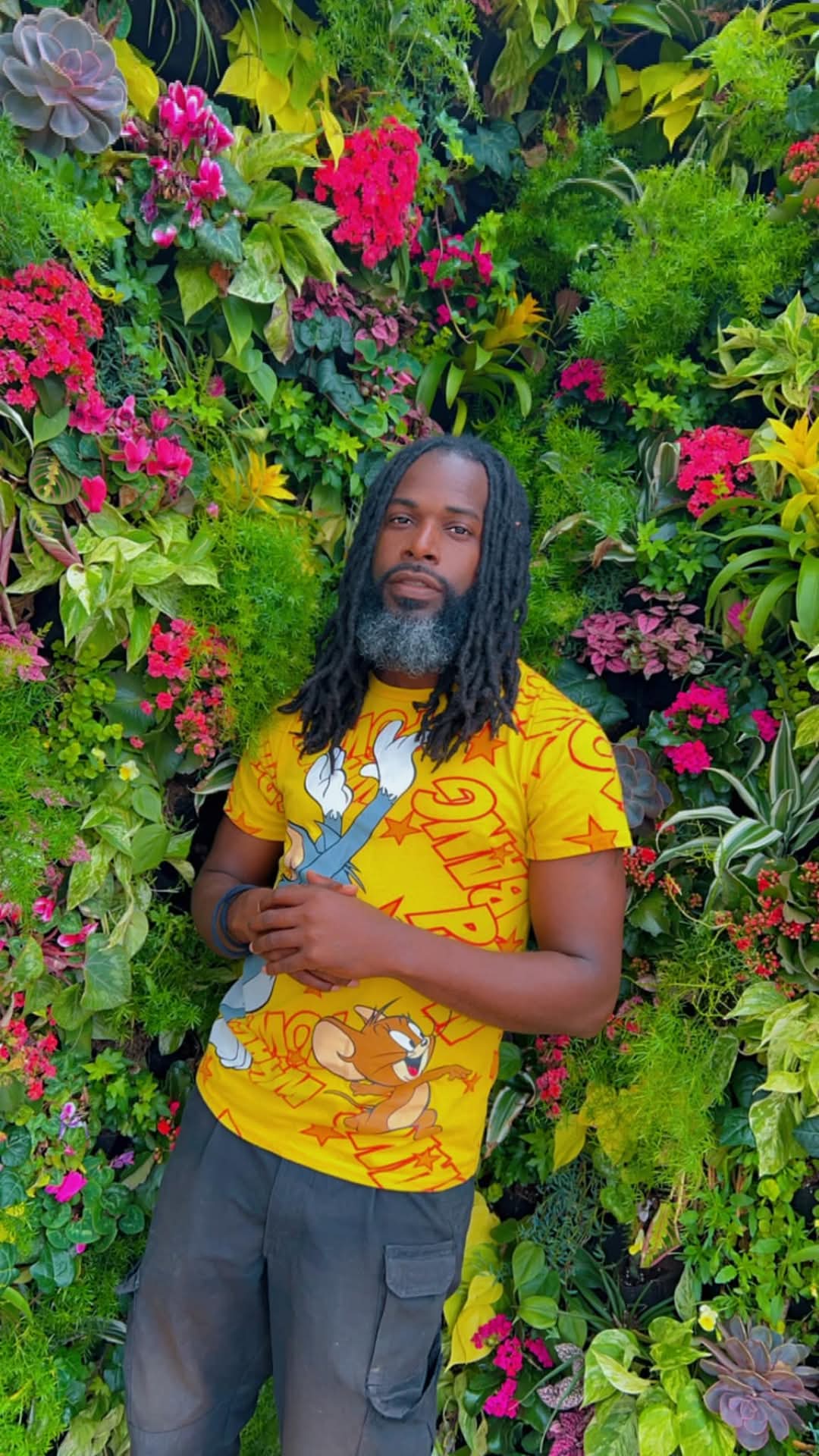
As always, we appreciate you sharing your insights and we’ve got a few more questions for you, but before we get to all of that can you take a minute to introduce yourself and give our readers some of your back background and context?
My mother was a community consultant for interior and exterior design, along with landscaping. Before she passed away, she made the perfect mentor to fan the flame of my passion for agriculture. Being a Texas native and a lover of Southwest cuisine, peppers and tomatoes became my favorite crops to grow. I complimented that with growing onions, cilantro, and garlic to begin a farm-to-table salsa business. My love for hot and super hot peppers began to increase as I grew an extensive range of peppers, resulting in pepper sauce products to compliment my brand, Little L Salsa Garden.
When attempting to grow enough to make products from crops, I needed to find a way to overcome challenges that hindered my North Texas peers. I noticed that most people completely stopped growing in the Summer and they sometimes would lose large crops of tomatoes in the Spring, due to unexpected, excessive rain. I adjusted to being meticulous in my approach by watering deeply before the Summer, to train the plant roots to search for water deep down, overcoming the driest Summer days. I also took full advantage of treating Fall like the new Spring, and growing all of my crops through the ideal conditions, along with growing until the end of December being that the weather is only beginning to drop to critical levels. That among other adjustments, my efforts began to reward me with results that I was otherwise told weren’t possible or worth it.
Seeing so many beginner and experienced gardeners get discouraged year after year led me to release my e-book, The North Texas Garden Revolution, to help others make similar changes to adapt to their climate. I believe that because North Texas sees such a diverse range of weather elements, the book is ideal for gardeners across the country. My passion and products have opened doors for me to speak at Sylvia Mendez elementary in Dallas for career day, where I was honored to share my passion and encourage the youth to find their way with healthier living through agriculture. My company now continues to collaborate with community initiatives to encourage others to find what works for them and reap the benefits.
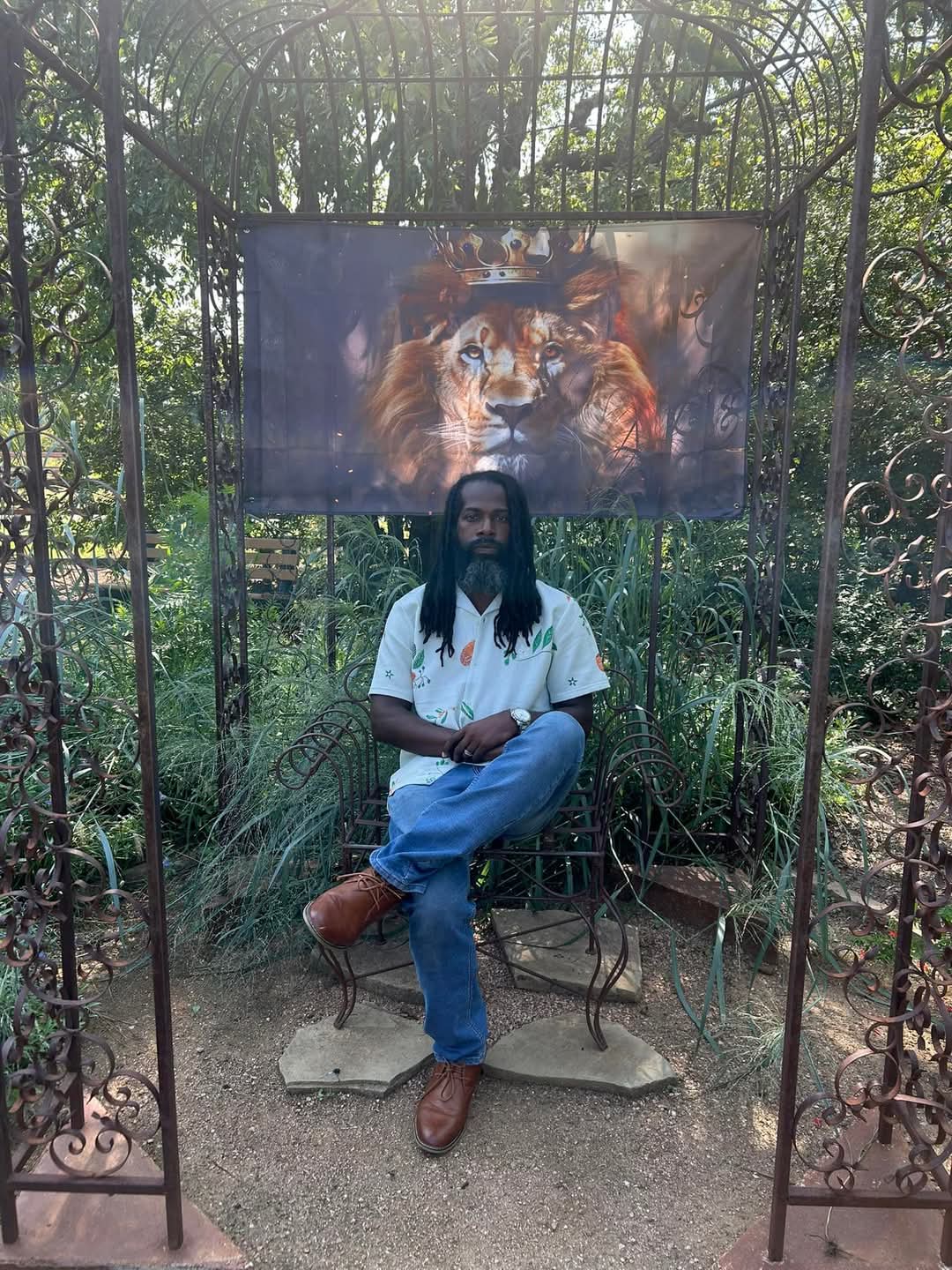
What do you think helped you build your reputation within your market?
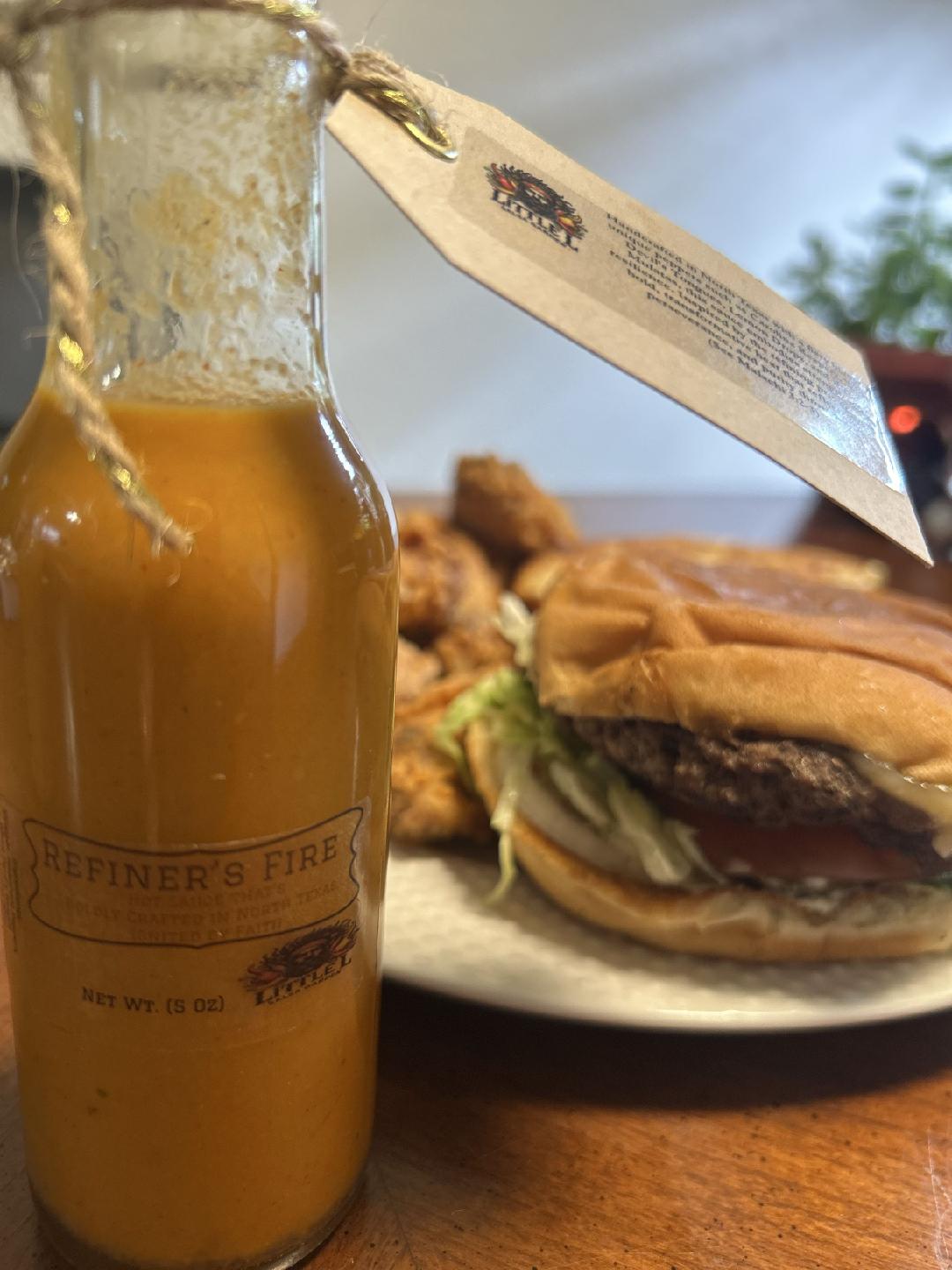
Finding an agricultural niche has been a game changer for me. Not only have I made salsa products from my harvest, I’ve been intentional towards the type of crops that I grow and how I grow them. In short, I don’t take shortcuts. I allow my harvest to fully ripen, such as growing red Serrano peppers for extra flavor. I’ve also exchanged traditional ingredients such as jalapenos, for high-value peppers such as lemon drops. I’ve received consistent feedback from customers that they can taste the difference. I also add multiple, flavorful peppers to my products for a better experience, such as Buena Mulatas and banana peppers.
Can you share a story from your journey that illustrates your resilience?
As if growing in North Texas isn’t challenging enough, I recently moved to the Oregon coast and have been growing in a completely different climate. I hit the ground running, and quickly began to learn from the locals in regard to what traditionally works and what doesn’t work. Changes in my growing habits have included switching from primarily Roma tomatoes to tomatillos and Sungold tomatoes to capitalize on the short growing season. Despite seeing my harvest struggle through the initial, cold Spring, I quickly found a rhythm and have been harvesting for my first Oregon products in the first year.
Contact Info:
- Website: https://www.littlelsalsagarden.com/
- Instagram: https://www.instagram.com/littlelsalsagarden/
- Facebook: https://www.facebook.com/littlelsalsagarden
- Other: https://www.tiktok.com/@gardenw.theclarks
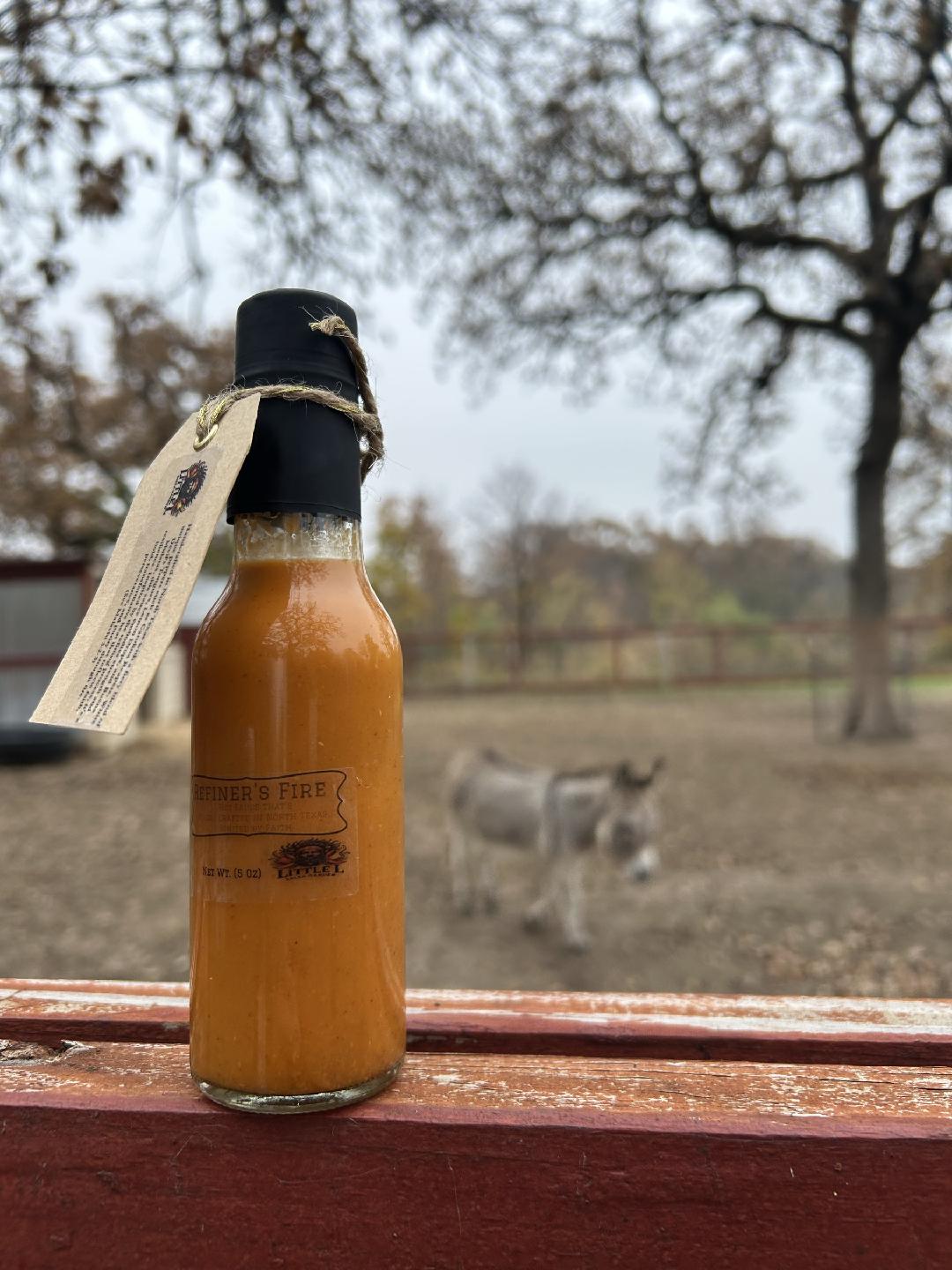
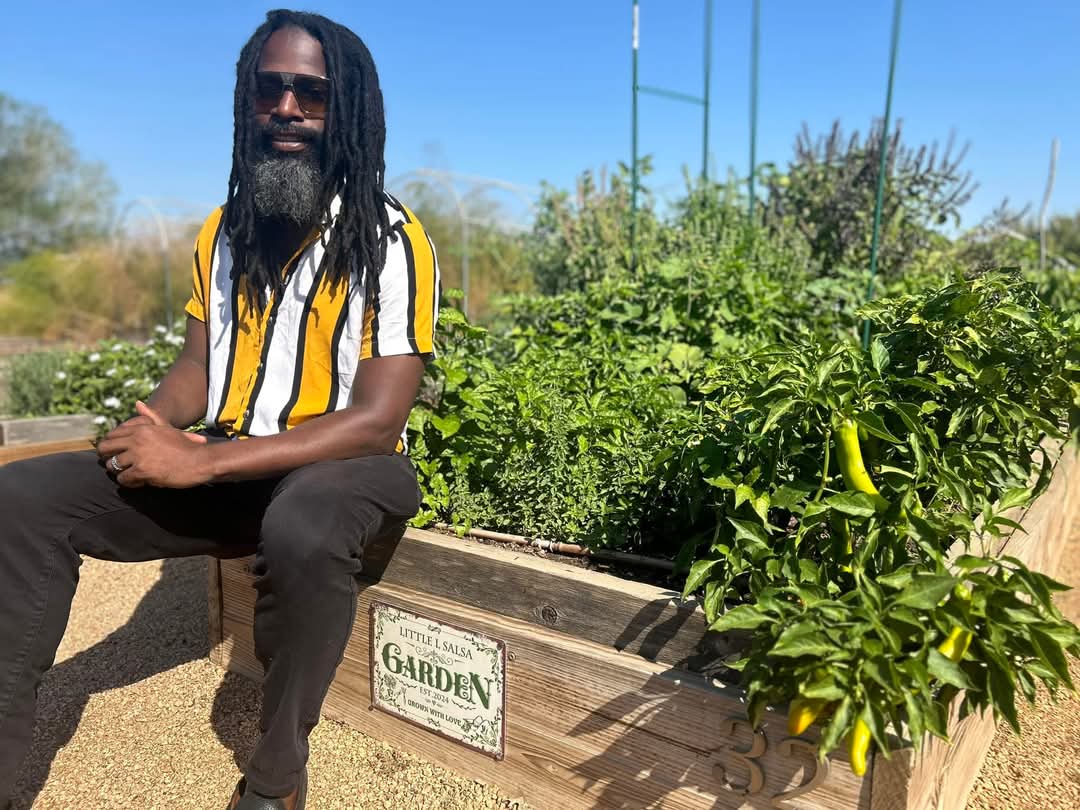
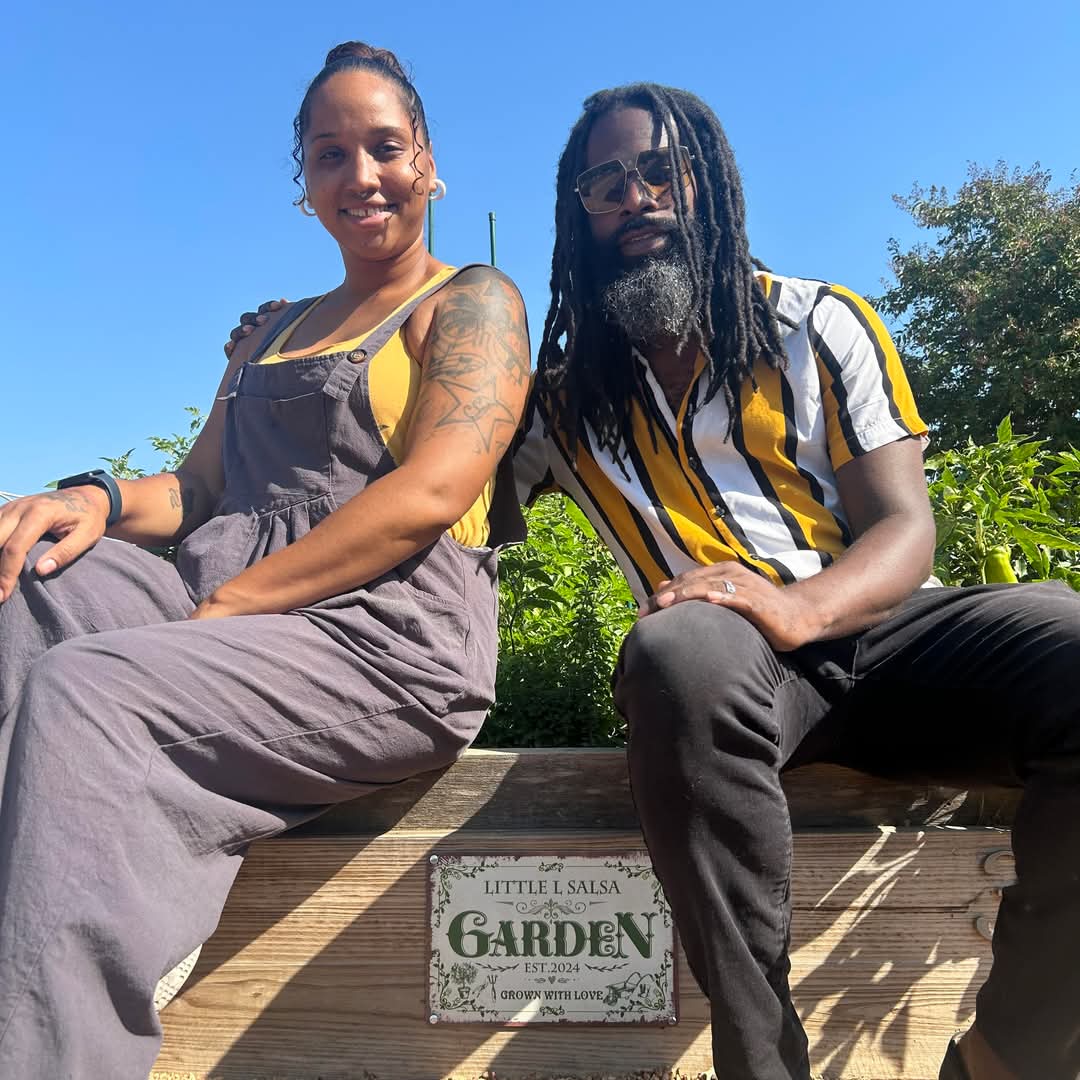
Image Credits
Kiandre Clark