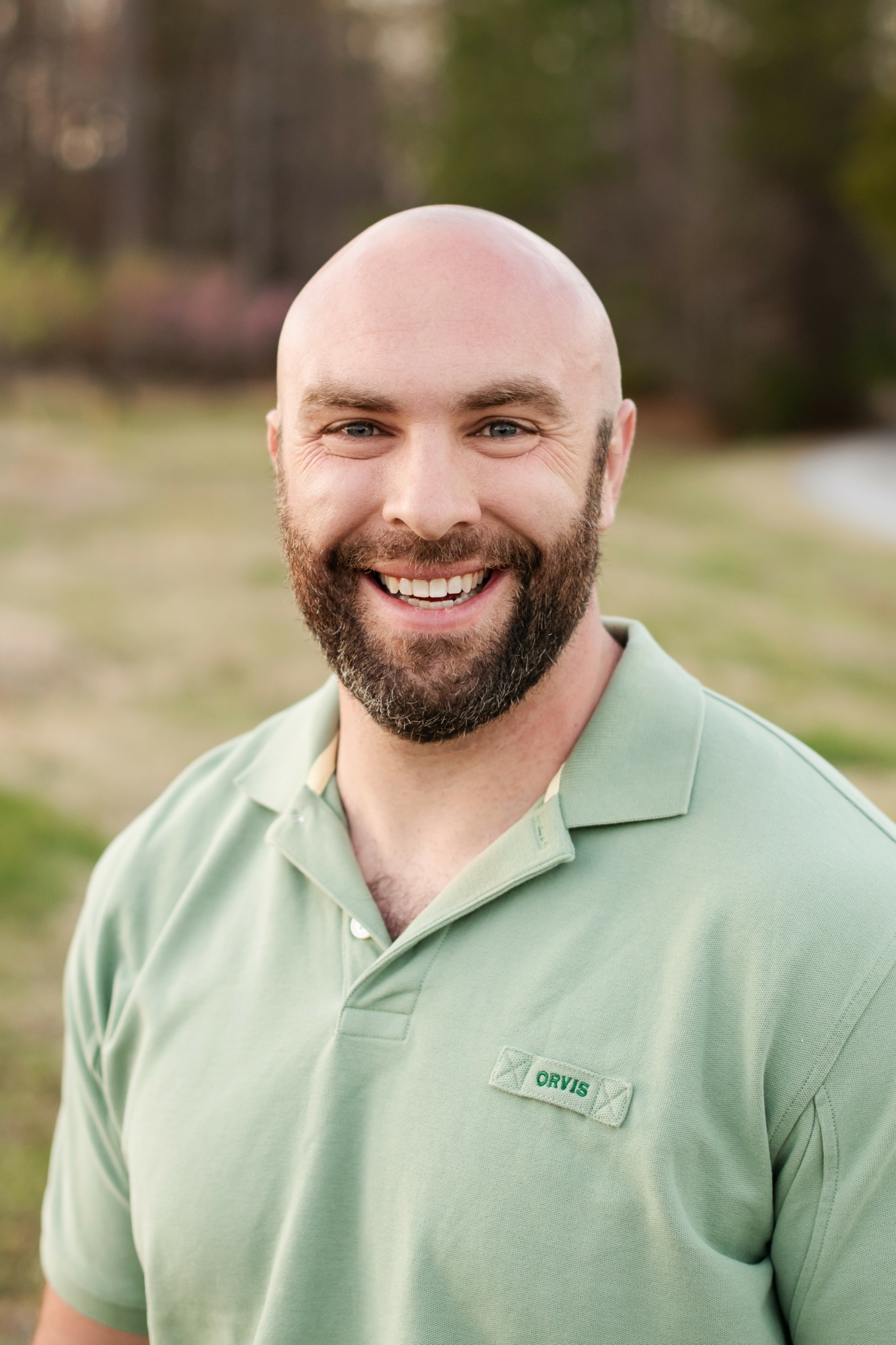

We’re excited to introduce you to the always interesting and insightful Trent Michels. We hope you’ll enjoy our conversation with Trent below.
Trent, thanks for joining us, excited to have you contributing your stories and insights. Please tell us about starting your own firm and if you’d do anything different knowing what you know now.
When I decided to start Future of Neighborhood Development (FuND), I wasn’t just launching a company—I was committing to an idea: that real estate should be a force for cultural revitalization, economic empowerment, and lasting community value. My background in military leadership, public service, and finance gave me the operational grit and strategic foresight, but nothing truly prepares you for what it takes to build something from scratch.
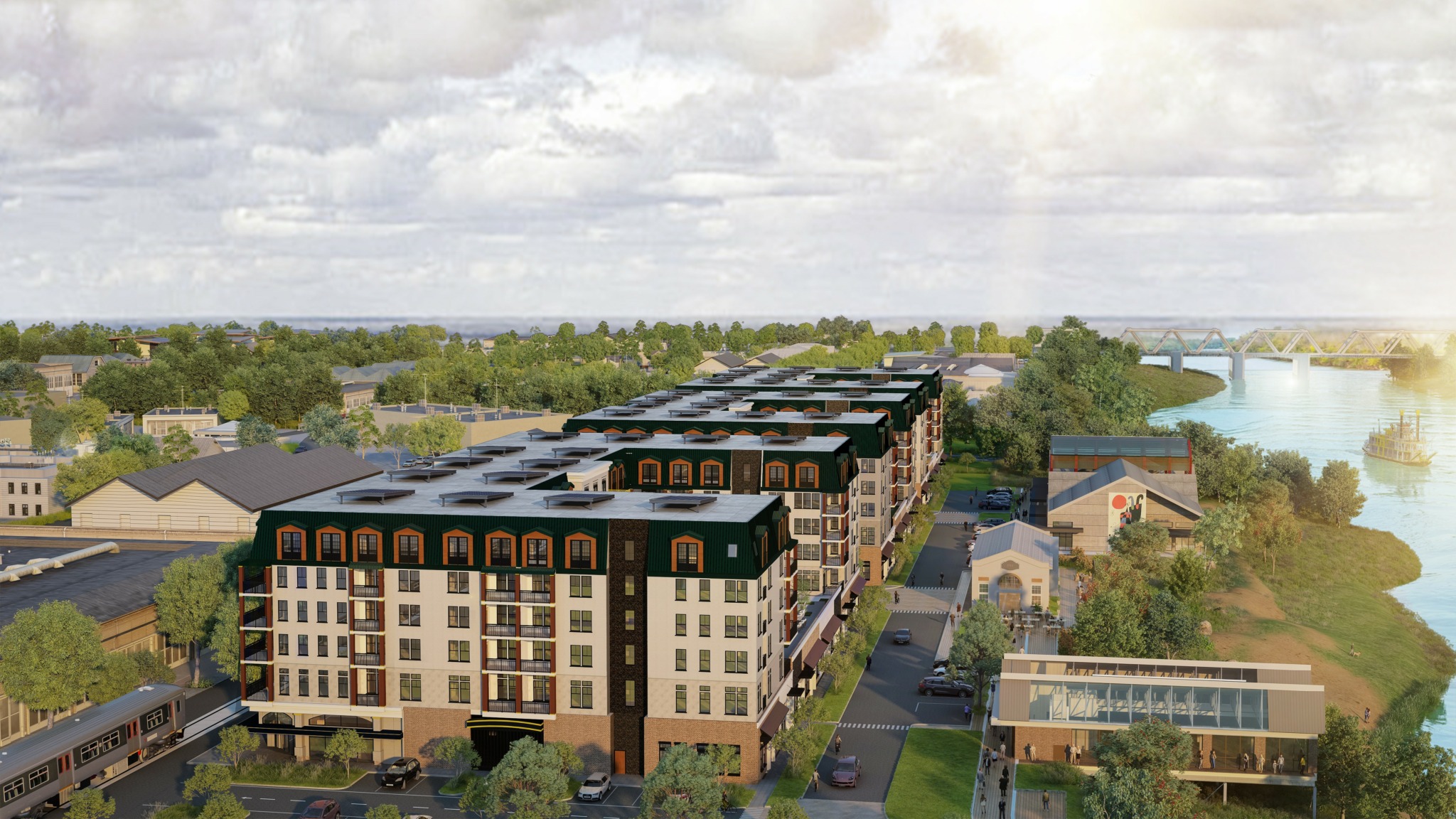
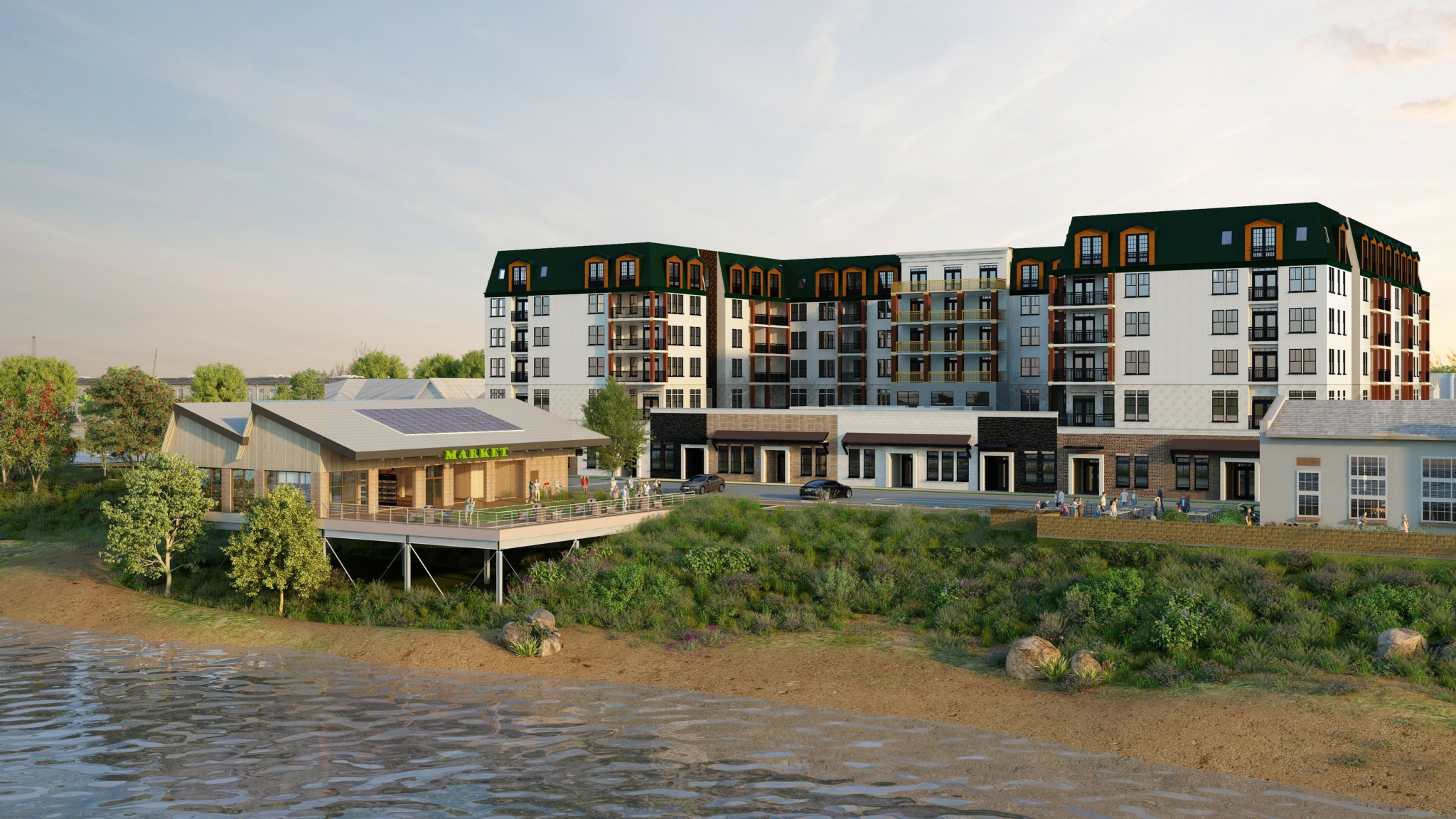
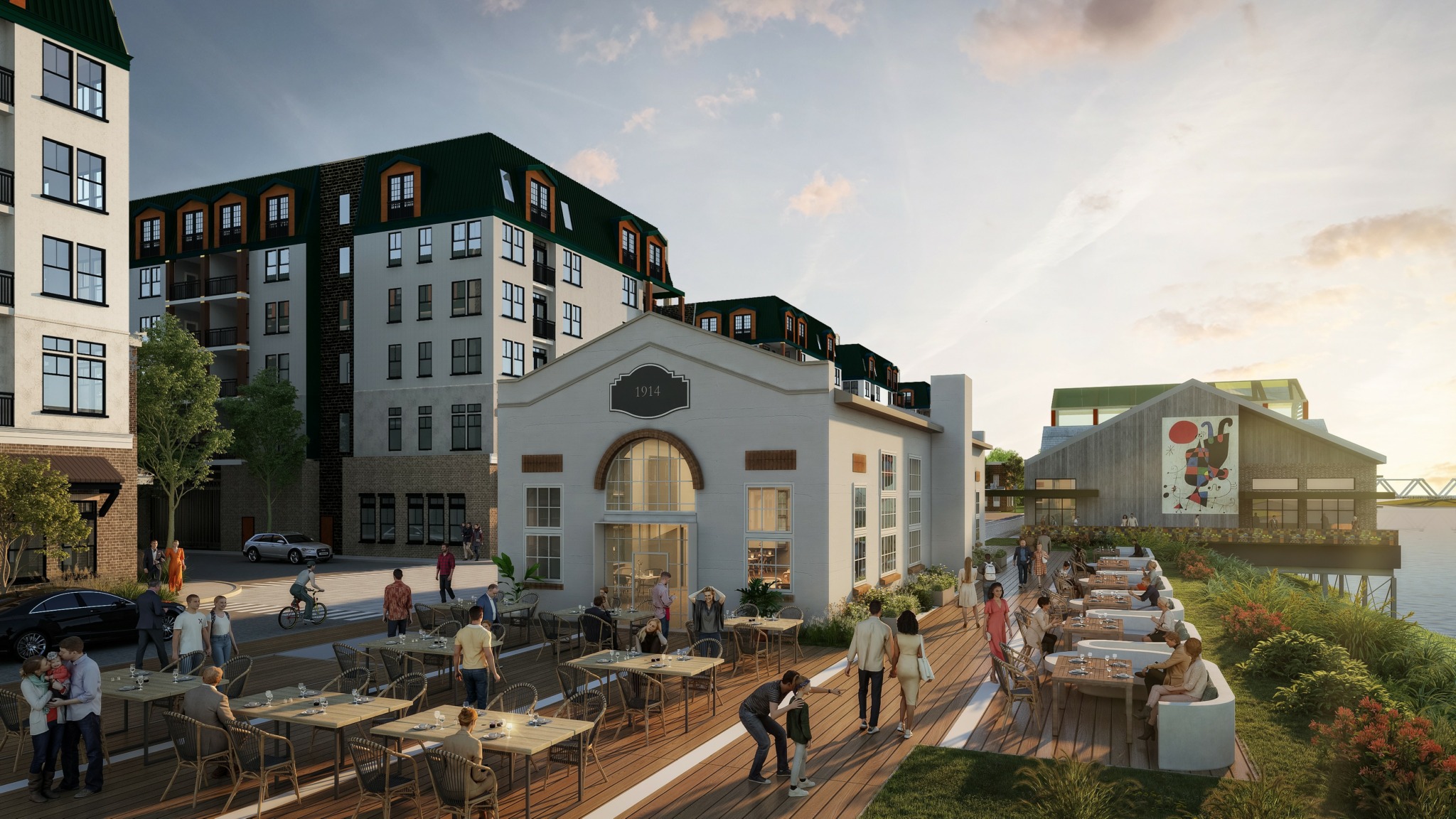
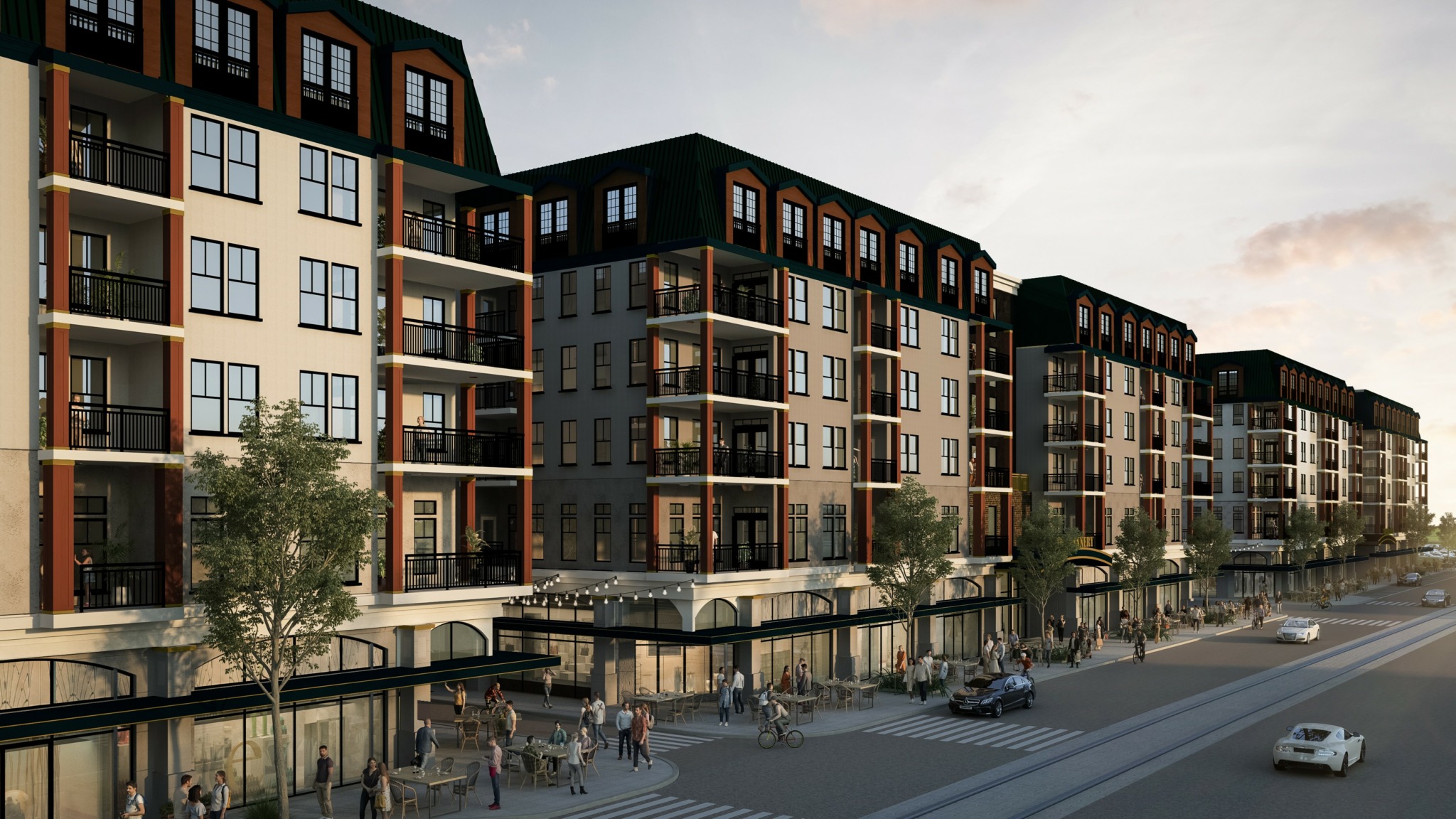
The early days were all about grit and conviction. I launched FuND with no major backers, just a deep belief in the need for mixed-use, experiential neighborhoods that weren’t afraid to be bold. The Cannery project in Salem, Oregon, was my proving ground—an ambitious $200M urban infill redevelopment that required vision, political dexterity, and relentless problem-solving. I spent two years untangling entitlement complexity, negotiating tax increment financing, securing community support, and bringing in capital partners while retaining creative and financial control.
One of the hardest lessons was learning how to protect the vision while navigating partnerships that didn’t always align with it. I faced challenging negotiations with GP partners and investors—some of whom underestimated my resolve and role. If I could go back, I would’ve established clearer governance structures and contractual guardrails earlier. It’s not enough to be right; you have to be documented, defended, and unshakable.
To any young professional starting their own firm: choose values over validation. Don’t wait for permission to lead. Build a team that complements your blind spots and always define your leverage before stepping into a negotiation. The sleepless nights are real—but so is the moment you stand in front of a project that exists because you refused to quit.
Great, appreciate you sharing that with us. Before we ask you to share more of your insights, can you take a moment to introduce yourself and how you got to where you are today to our readers.
I’m Trent Michels, a real estate developer and founder of Future of Neighborhood Development (FuND)—a firm built on the belief that development should do more than maximize returns; it should maximize meaning. My path into this industry wasn’t conventional. I came from a background of military service and public sector leadership, then transitioned into real estate with a vision to do things differently: to build neighborhoods that people don’t just live in, but belong to.
FuND focuses on large-scale, mixed-use urban infill projects that prioritize place-making, sustainability, and experiential design. Our developments aren’t cookie-cutter. They’re rooted in local culture, built with cutting-edge materials like mass timber, and guided by environmental frameworks like Salmon Safe and the National Green Building Standard. One of our cornerstone projects, The Cannery in Salem, Oregon, exemplifies this—an ambitious transformation of the riverfront into a vibrant district with multifamily housing, food halls, cocktail lounges, event spaces, and retail, all powered by green infrastructure and a passion for community.
What sets us apart is that we don’t just build buildings—we build trust, momentum, and opportunity. We take on complexity that others walk away from. We lead entitlements, navigate fractured ownership, structure capital stacks, and still fight to preserve the soul of a neighborhood.
What I’m most proud of is that FuND operates with heart and hustle. We are proof that first-generation developers with vision and grit can shape cities for the better. If you’re a city leader, an investor looking for more than just yield, or a partner who wants to create spaces with lasting value—this is your invitation to join us.

Let’s talk about resilience next – do you have a story you can share with us?
One of the clearest tests of my resilience came during the Cannery project—a $200M urban infill redevelopment in Salem, Oregon that I led from vision to entitlements. At one point, the deal was hanging by a thread. After years of guiding the vision, managing public negotiations, and predevelopment, I found myself in a hostile negotiation with one of my early partners who questioned my entitlement to the developer fee and carried interest. On paper, I was being written out of my own project.
It was a defining moment. Most would’ve walked away. But I doubled down—legally, emotionally, and strategically. I hired counsel, traced the entire assignment chain, and fought not only for what I had built but for what I believed in: that people like me—first-generation developers with no institutional backing—deserve a seat at the table. I didn’t just want my name on the paperwork. I wanted to finish what I started.
What I learned is that resilience isn’t just about persistence—it’s about knowing the value of your vision even when others don’t. It’s about maintaining clarity under pressure and having the courage to stand your ground when the power dynamics shift. Today, we’re closing that deal on terms I fought for—and no one can take that away.
What’s a lesson you had to unlearn and what’s the backstory?
One of the biggest lessons I had to unlearn was this: doing the right thing doesn’t guarantee a fair outcome. I used to believe that if I stayed committed to the vision, treated partners with transparency, and delivered real value, that merit would be enough. But in the world of real estate—and frankly, in business at large—power structures, politics, and paper often outweigh principle.
That realization hit hard during the Cannery project. I spent years leading entitlements, building relationships with the city, structuring a groundbreaking sustainable design, and bringing in institutional capital. But when the project reached the money stage, I had to fight for my seat at the table—even though the vision, the lift, and the risk had all been mine.
The backstory taught me something essential: it’s not just what you do, but how you protect it. Now, I approach deals with a blend of passion and protection—making sure I lock in my role, fee structures, and rights upfront. Because in this industry, vision without leverage is charity.
Unlearning that idealistic mindset didn’t harden me—it made me sharper. I still believe in building with heart, but I do it now with contracts that defend it.
Contact Info:
- Website: https://thefund.works/
- Linkedin: https://www.linkedin.com/in/trent-michels/