

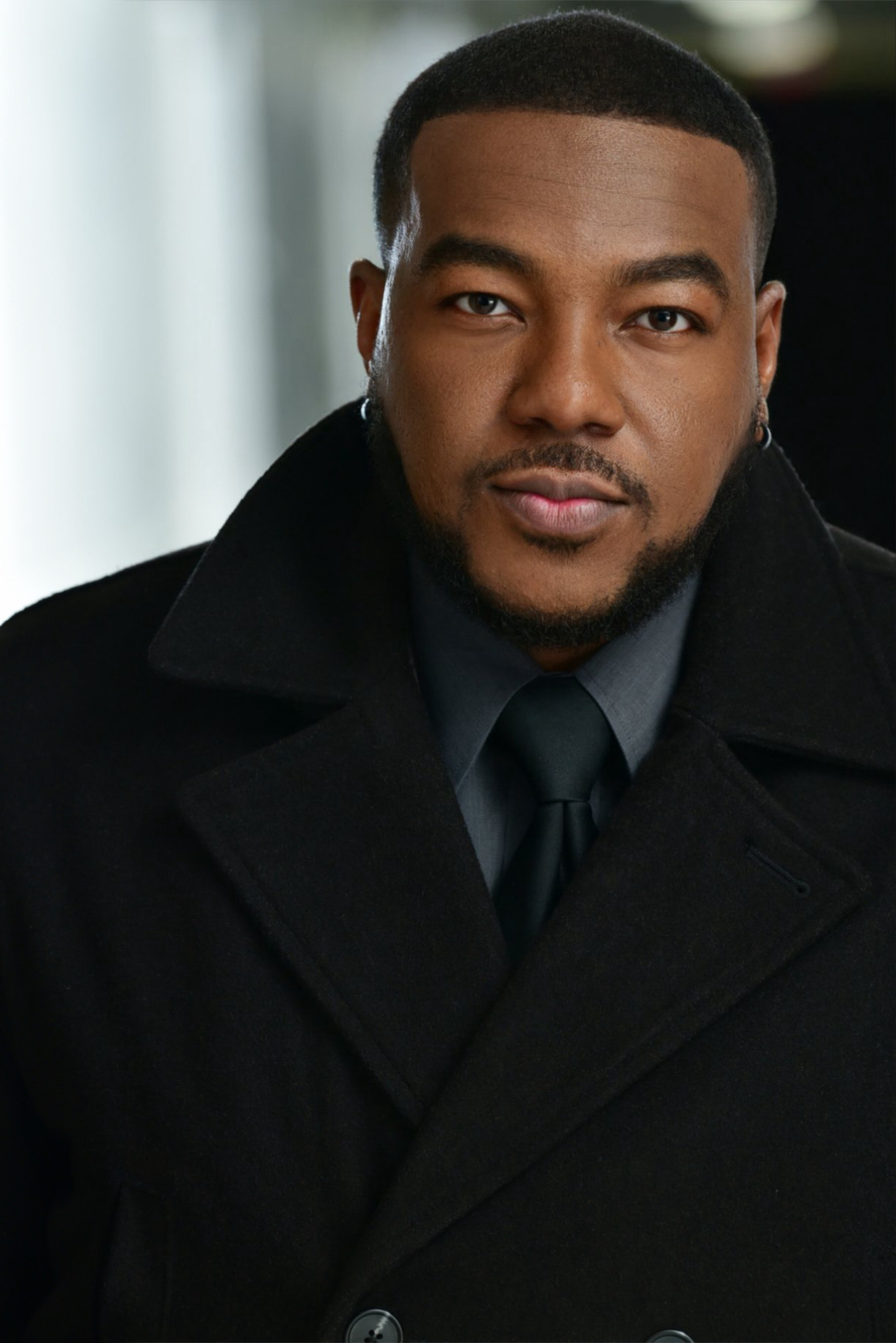

Alright – so today we’ve got the honor of introducing you to TREMOND ESTELLE. We think you’ll enjoy our conversation, we’ve shared it below.
TREMOND, looking forward to hearing all of your stories today. How did you learn to do what you do? Knowing what you know now, what could you have done to speed up your learning process? What skills do you think were most essential? What obstacles stood in the way of learning more?
I learned the different facets of filmmaking in many ways. As an actor I’ve trained at different studios virtually and in-person. I’m an avid reader so I’m with my head in a book, seeking knowledge from those who’ve come before me. I’ve studied a plethora of methods and I interchange them based on what the role entails. I watch documentaries and interviews of the greats to pull wisdom for them as well.
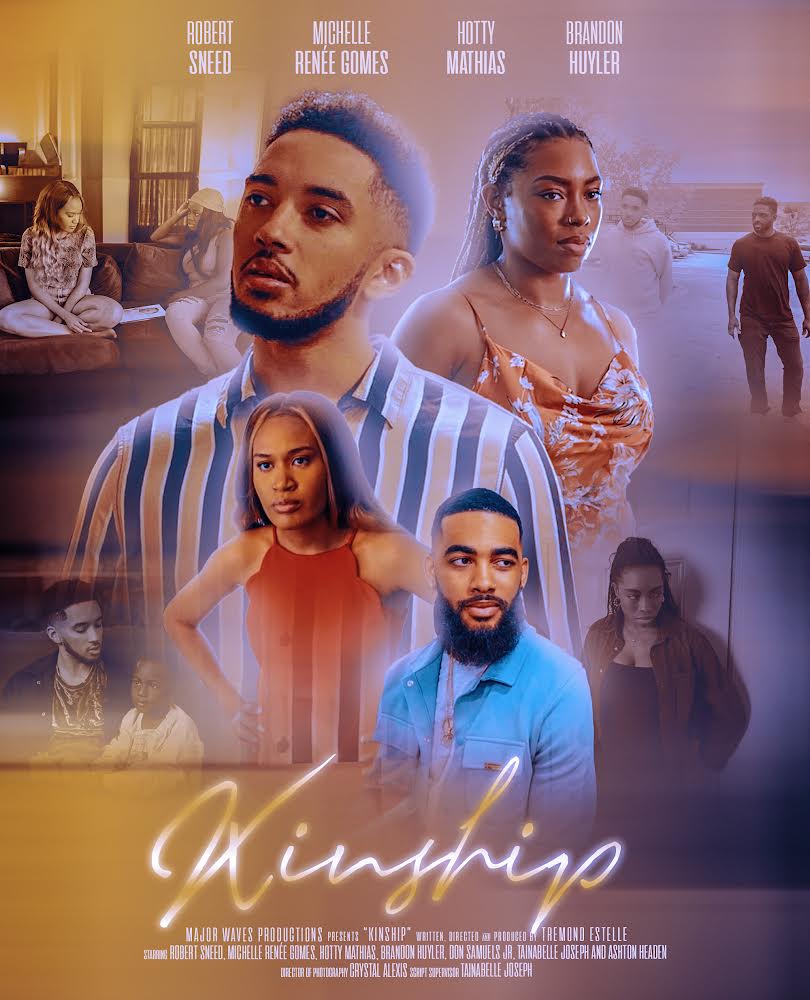
On the directing side it been more of a self-taught skill. I learn through trial and error. I got my first camera when I was about 13 years old and always loved capturing life and creating stories. I would make lip-syncing music videos with my friends, act out skits and I recorded some of my cousin’s football games. About 12 years later I wrote, produced, directed and starred in my first short film.
I do believe that it is a wonderful thing if you have a natural talent for something. I do, however, encourage formal training especially if you want to pursue it professionally. You don’t know what you don’t know and a coach, professor or mentor can help you elevate to your highest potential.
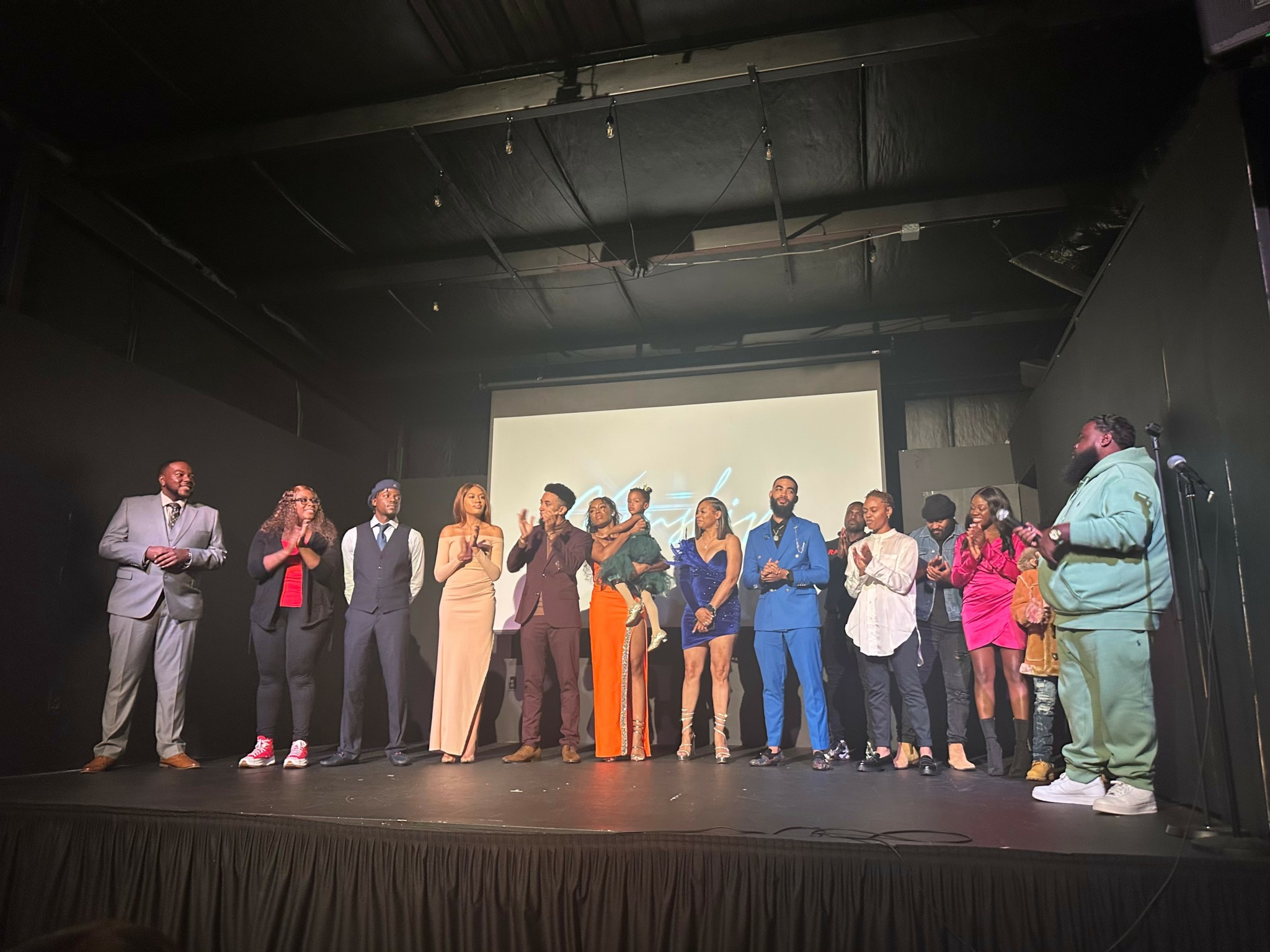
As always, we appreciate you sharing your insights and we’ve got a few more questions for you, but before we get to all of that can you take a minute to introduce yourself and give our readers some of your back background and context?
I am an actor and filmmaker, who is a true advocate of the arts through and through. I got my first taste of acting in a professional setting by doing background work for TV series and films. Initially directing was my primary interest so for me, doing background was like taking a course. There is where I learned a lot of film terminology and set etiquette. I enjoyed seeing the directors at work and how they would collaborate with actors and crew to create these incredible stories. That’s also how I met a few of my first actor friends I eventually cast as my costars in my first short film.
Is there a particular goal or mission driving your creative journey?
My mission is to educate, encourage and entertain simultaneously. I want my work to provoke thought, to inspire change and to stimulate feelings. I feel like if I can do that then success is mine.
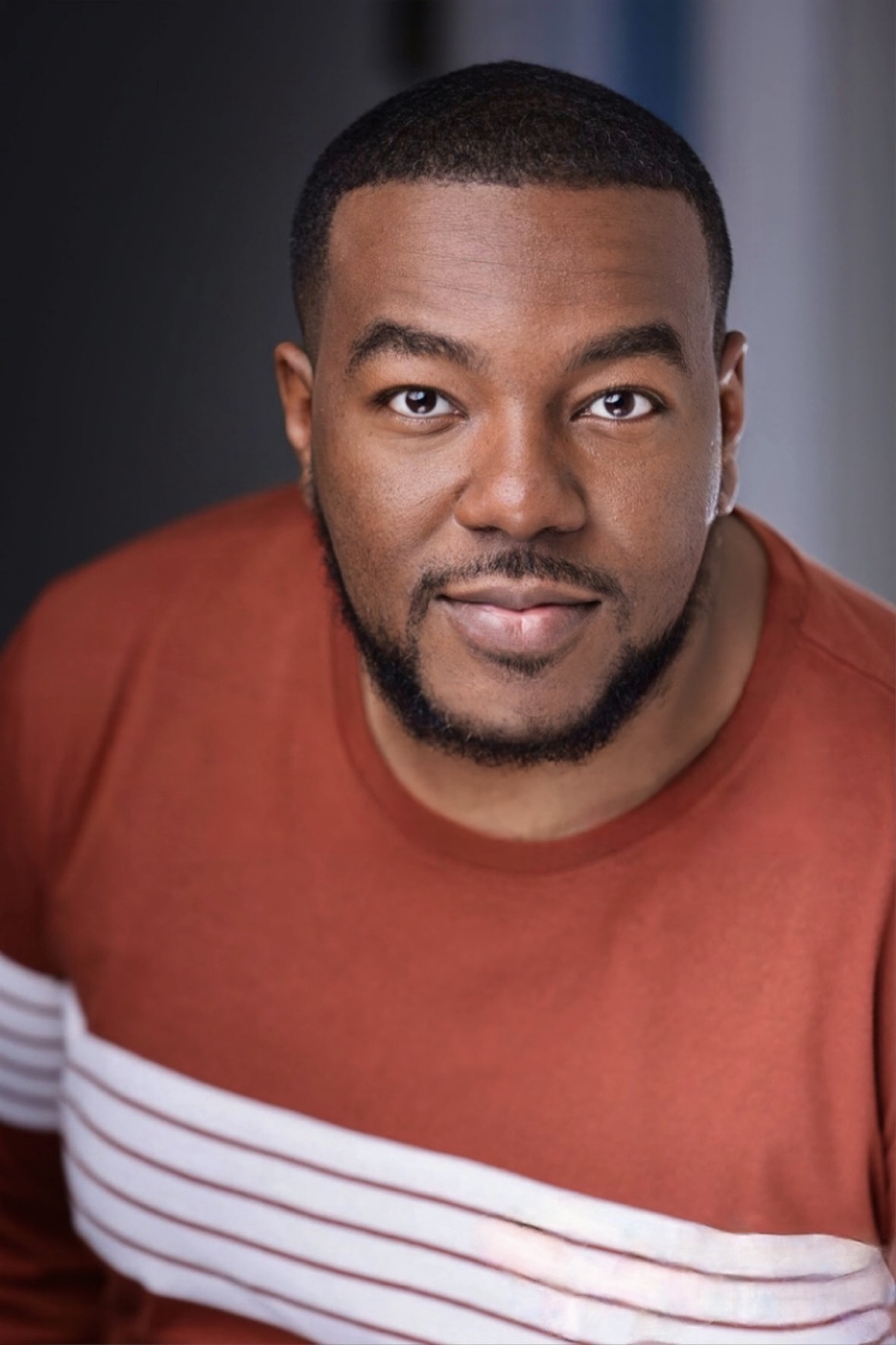
Are there any books, videos or other content that you feel have meaningfully impacted your thinking?
There is a book titled “ I’ll Be In My Trailer: The Creative Wars Between Directors and Actors” by John Badham and Craig Modderno. I was at an industry talkback a few years ago and this amazing director Carl Seaton was speaking. I asked him “ What do you do when actors won’t do what you tell them to do?”. He referred that book to me and on the back cover, my question was the first sentence. It featured stories from a lot of celebrated top actors and directors, along with this “blueprint” for collaborating which is so important in this business, where relationships are essential. It opened my eyes to so many things and sparked a growth in me as an actor and a director.
Contact Info:
- Instagram: Tremond.Cordae
- Youtube: https://YouTube.com/TremondC
- Other: https://Linktr.ee/TremondC
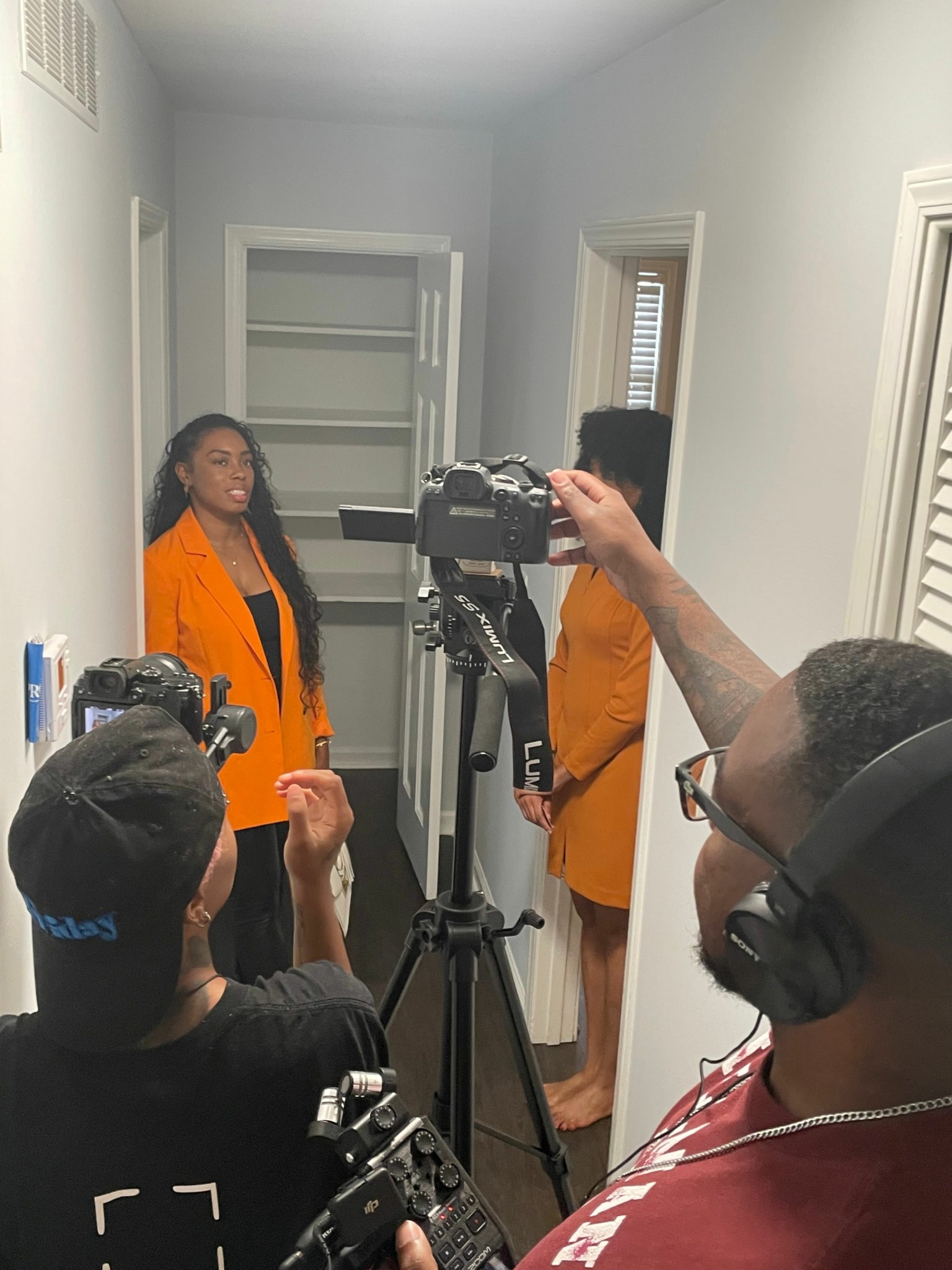
Image Credits
Headshots by:
SlingshotsATL
HeadshotMama