

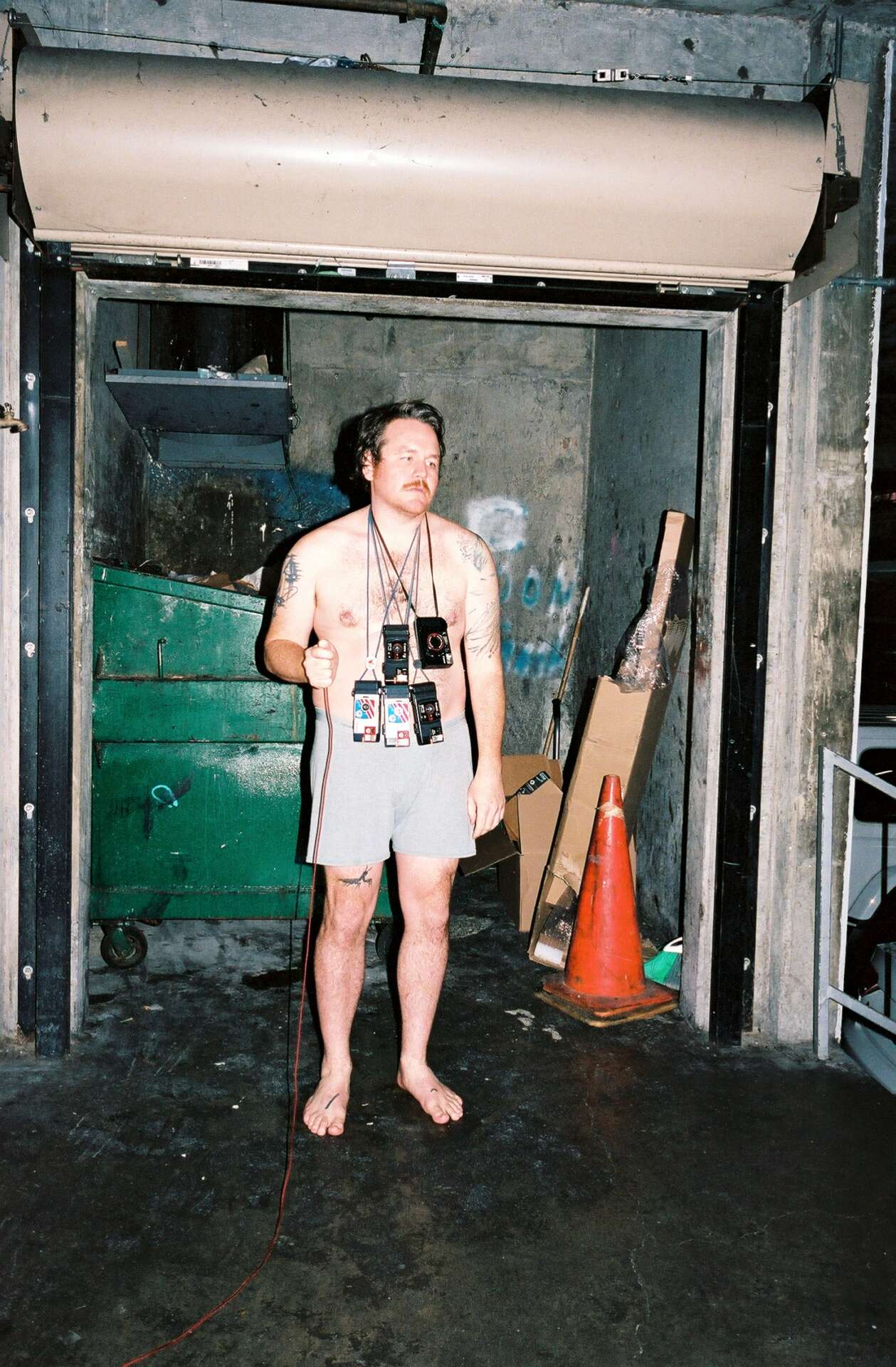

We recently connected with Travis Flack and have shared our conversation below.
Travis , appreciate you joining us today. What were some of the most unexpected problems you’ve faced in your career and how did you resolve those issues?
When I was a disgruntled teenager I had my first chemical photography class and my world changed. The entire process of making images was so much slower than how my brain works that it allowed me to think and be present in the moment. Sure, I still slammed doors and listened to hardcore punk but now I had a camera to take a little of the edge off. The darkroom, with its quiet red lights and the sound of gently tricking water was a place to concentrate on bringing things into the world. You walk in, your eyes adjust and you get to work. I would spend hours in there, trying new techniques, figuring out how to bend the ancient high school enlargers to my will. At one point it became competitive, I wanted to be the best. I needed to be the best. A teacher once wrote to my parents “While I am thrilled that Travis has taken an interest in photography, he thinks he is the second coming of Ansel Adams and needs to tone down the bravado.” I was 16, I smelled like chemistry and I wore a lot of black. Ansel Adams wishes he was as cool as I was.
Almost twenty years later I still maintain my biggest obstacle was myself. While I know that the mental struggle for creatives is sometimes cliche, I can’t say it enough. The most successful artists are the ones working and thinking constantly. This is rooted in making work for yourself, by yourself. At an impressionable young age I didn’t know what this meant until much later.
Great, appreciate you sharing that with us. Before we ask you to share more of your insights, can you take a moment to introduce yourself and how you got to where you are today to our readers
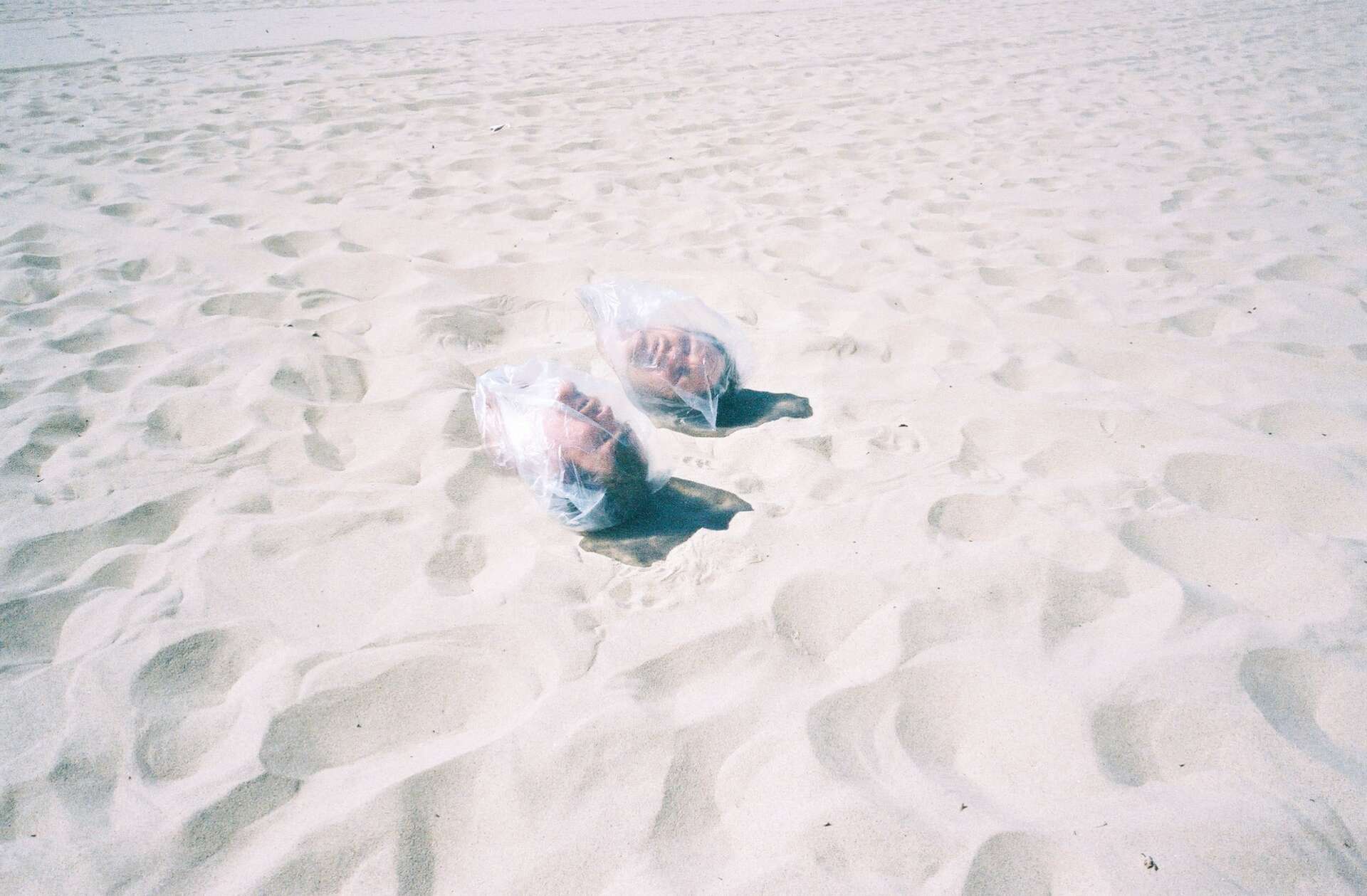
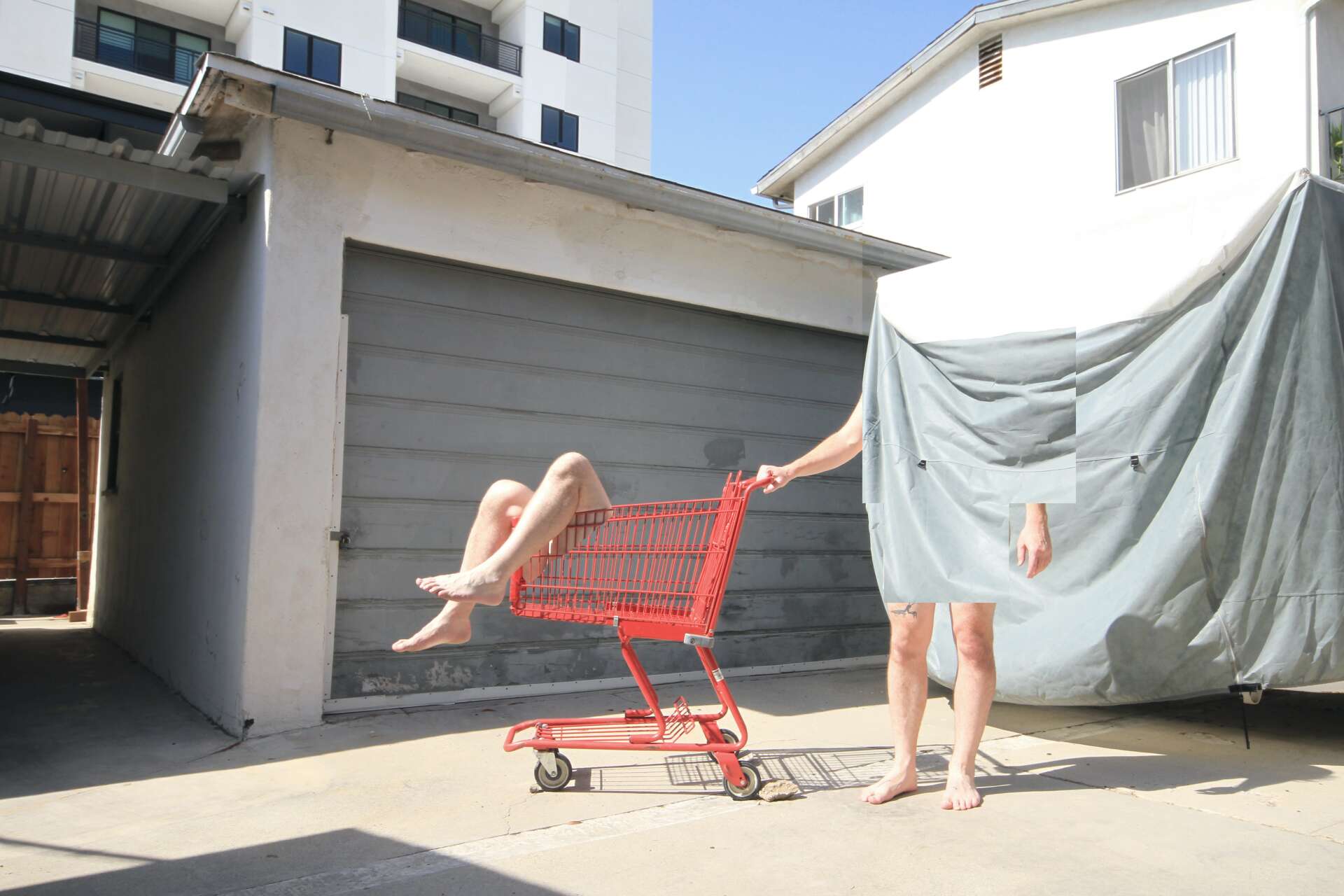
I have always followed this weird, meandering path with photography. It has led me everywhere. I worked at the now defunct corporate camera store for years in college. I helped people print out intimate personal photos, holidays, babies, graduations, birthdays. I started to really love teaching and experiencing other peoples stories. I switched my major from Journalism to Photography as soon as I failed my first writing lab. Ironically, writing became a critical component to image making.
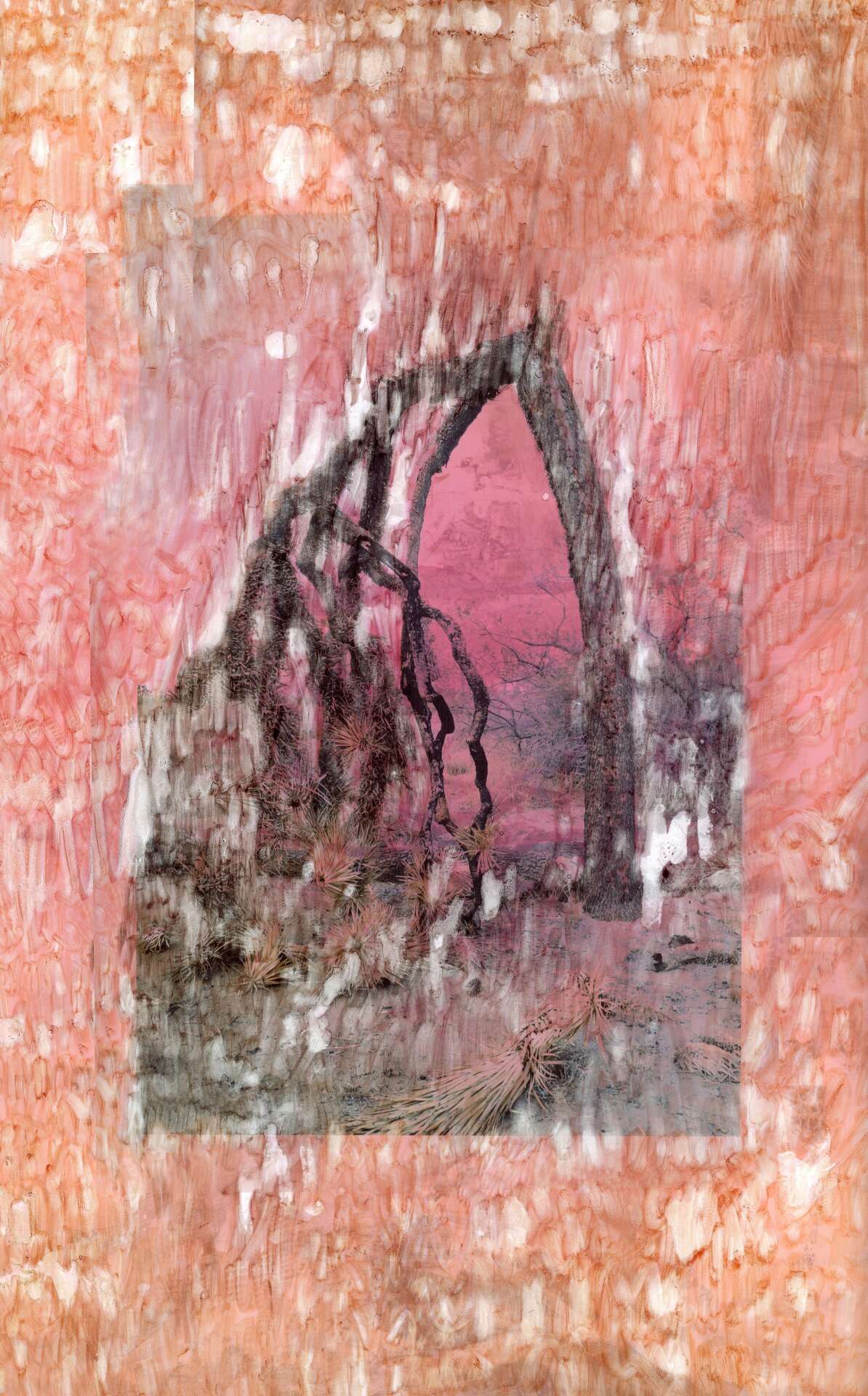
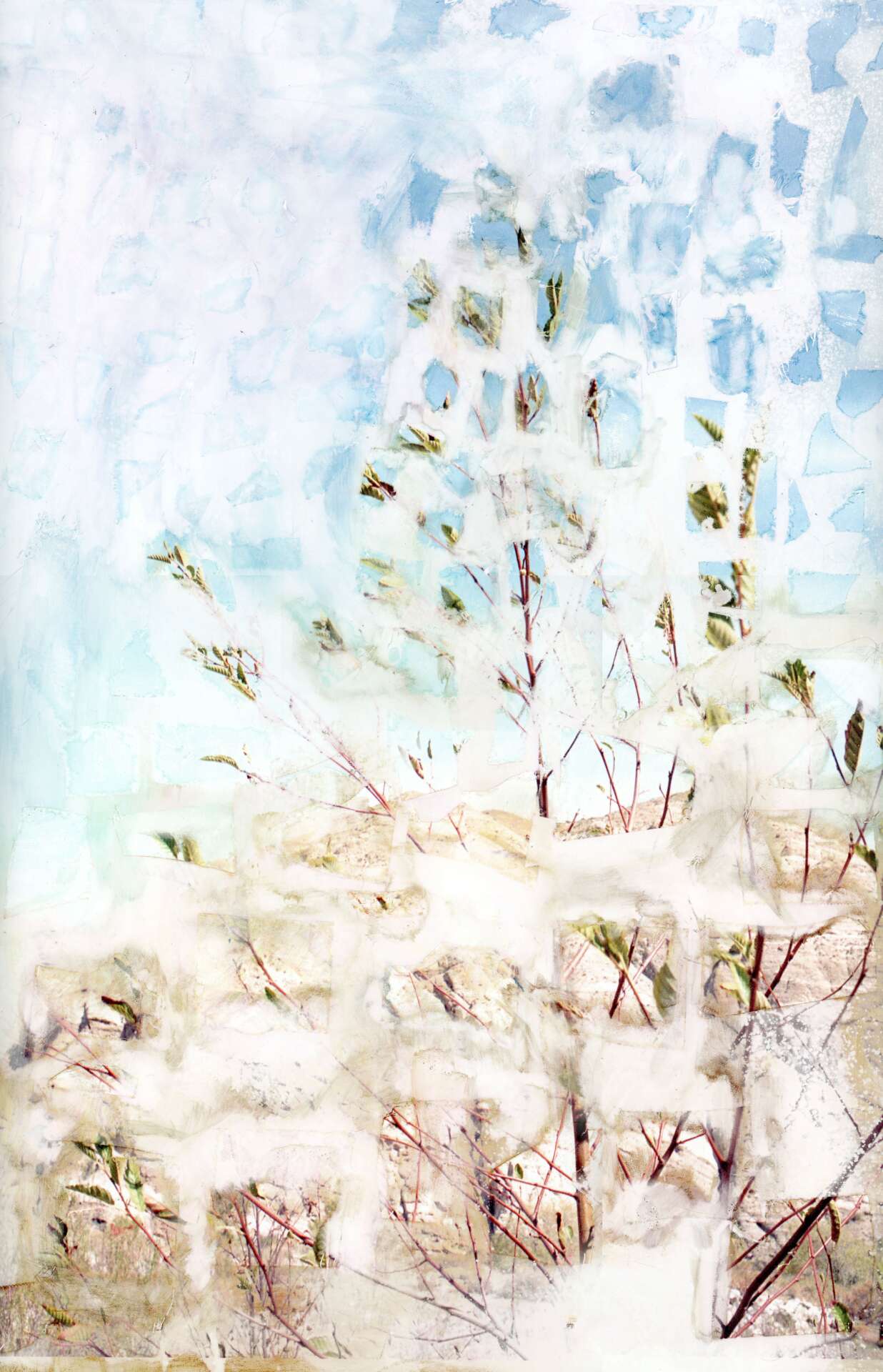
As an undergrad at the University of North Florida I experimented with alternative process photography.. This predated darkroom photography and was so much harder to get a knack for than anything I ever tried. Eventually this spilled over as a sort of accident when I was working with contemporary mediums like inkjet prints. I have always loved the feeling of painting and so I incorporated that into photography. My manipulated prints are inkjet with solvents applied to it, just a total abstraction of what a photo can truly be. They feel so much more compelling than the original image sometimes. I go back and forth with what I like and where my mood leads.
What’s the most rewarding aspect of being a creative in your experience?
One of my most favorite experiences is when someone calls me up and asks for creative advice. Someone is working on a piece, or they need a logo, name for a business or project and they ask me earnestly. I feel like I have some sort of natural power because of the way I think and it checks that part of myself I sometimes dismiss. I tend to compare my skillset with others in a cruel way. Like if you’re on a plane and someone is having a medical emergency they don’t ask for an experimental photographer with an MFA. They ask for a doctor, so I ask myself then — should I have been a doctor? Well, blood makes me nauseous and I absolutely love helping others with an idea for a menu so the thought quickly resolves. Using creative prowess for the benefit of the people in your life is so rewarding in the most humbling and flattering way possible.

How can we best help foster a strong, supportive environment for artists and creatives?
There is a lot right now that is threatening the arts. A new wave of censorship, funds being cut because of partisan politics, social turmoil at the local level. The best way to support the arts is to show up. Go to your local openings, buy works you truly love if you are able to. If something doesn’t sit right with how things are being allocated to your local creative programs, speak up and speak out. The next generation of artists is going to have to fight on the road we pave for them.
Contact Info:
- Website: travisflack.com
- Instagram: @travisreallycares
Image Credits
(Travis Flack)