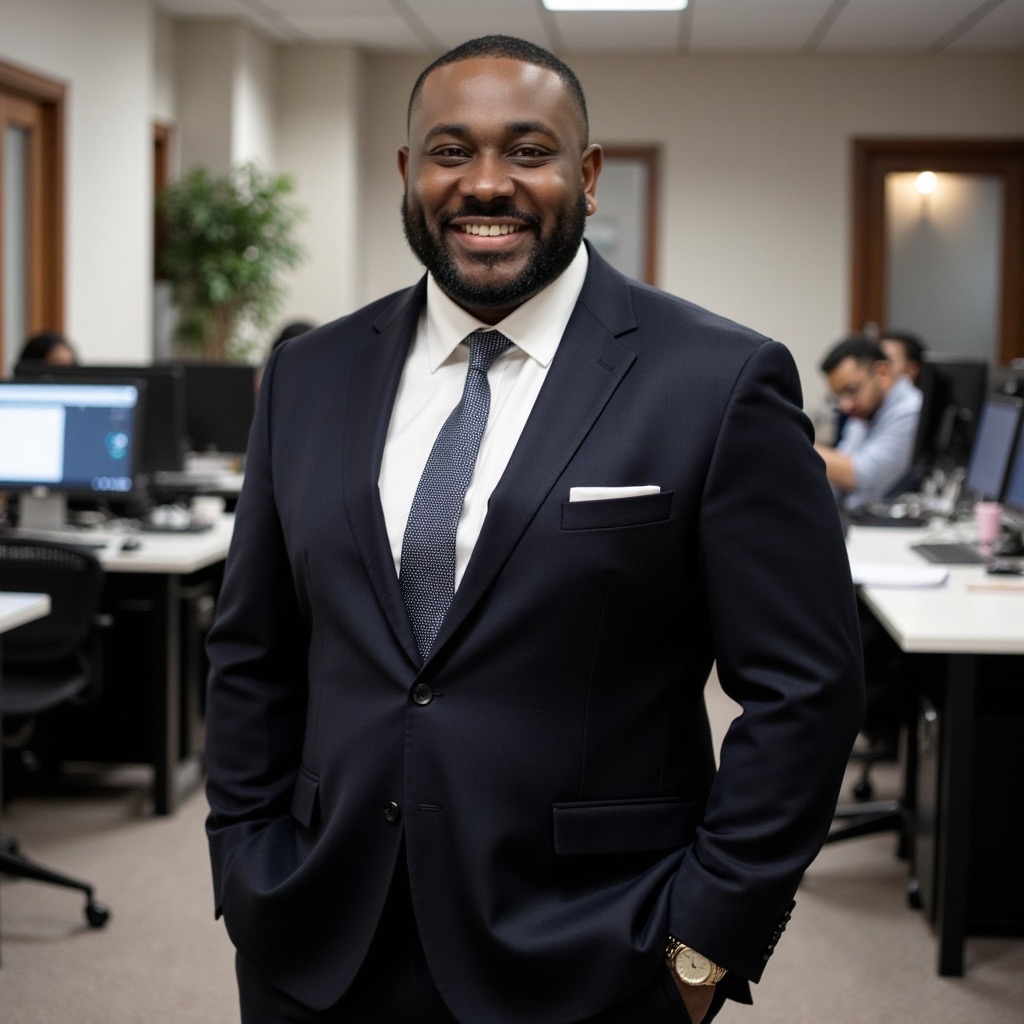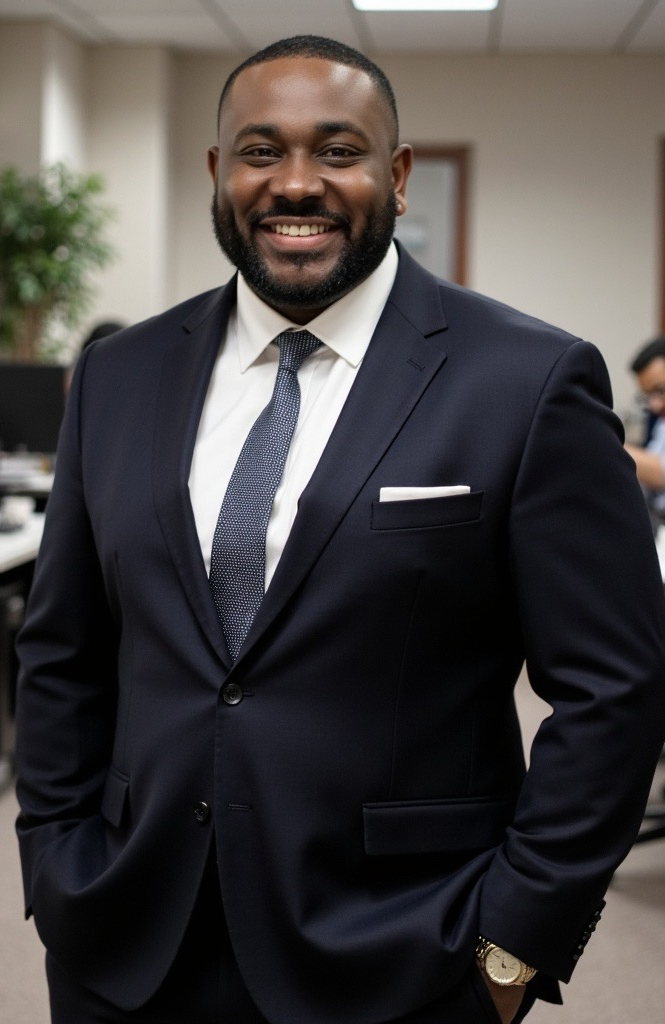

We caught up with the brilliant and insightful Travaar Armstrong a few weeks ago and have shared our conversation below.
Hi Travaar, thanks for joining us today. We’d love to hear about the things you feel your parents did right and how those things have impacted your career and life.
After my divorce, I relocated back to Chattanooga, TN, and moved in with my parents. Going from owning my own home to living with them again — as a 33-year-old divorced father of three — was one of the most humbling experiences of my life. I was carrying the emotional weight of starting over, and I’ll be honest, my confidence took a hit. I felt like I had a lot of baggage and wasn’t sure how to rebuild the version of myself I had pictured years before.
Professionally, I felt stuck. I hadn’t finished school, I had been in the same job for nearly a decade, and even though I believed in working hard, I realized I hadn’t been pushing myself to grow. When I moved back home, I took a pretty steep pay cut and had to face the reality that I was starting over — financially, academically, and professionally.
That’s when my father and stepmother stepped in with advice that, at the time, I wasn’t exactly thrilled to receive. They told me to sit down and write out my goals — what I wanted to accomplish in one year, three years, and five years.
Now, let me add a bit of honesty here: as a grown 33-year-old man who thought he had already “made it,” I was not trying to hear that.
Inside, I was thinking, “I’m grown, I’ve been established, and life just threw me a curveball… why am I writing goals like I’m in a workshop?”
So yes, I was bothered — respectfully.
But once I got past my pride and really sat with it, I realized they weren’t criticizing me. They were showing me how to rebuild with direction and intention.
So I wrote everything down:
Finish my bachelor’s degree
Earn my MBA
Learn and apply Lean Six Sigma
Obtain my PMP certification
Build a realistic, intentional financial plan
And clearly define the income I would need to live the life I envisioned
And the most powerful part of that moment?
I achieved every single one of those goals in four years or less.
And now, I’m working on my Doctorate — something I never imagined during that difficult season.
What started as one of the most challenging chapters of my life became the foundation for transformation. I rebuilt my sense of purpose, strengthened my skills, and redirected my career toward the work I truly felt called to do.
And today, I’m remarried to an amazing wife, and together we’ve created a blended family that has become the greatest source of joy in my life.
Looking back, the best thing my parents did wasn’t giving me a place to land —
it was challenging me to realign my life with intention.
Their guidance gave me structure when I felt scattered, direction when I felt lost, and a mindset that reminded me that starting over isn’t failure — it’s an opportunity to rise stronger than before.

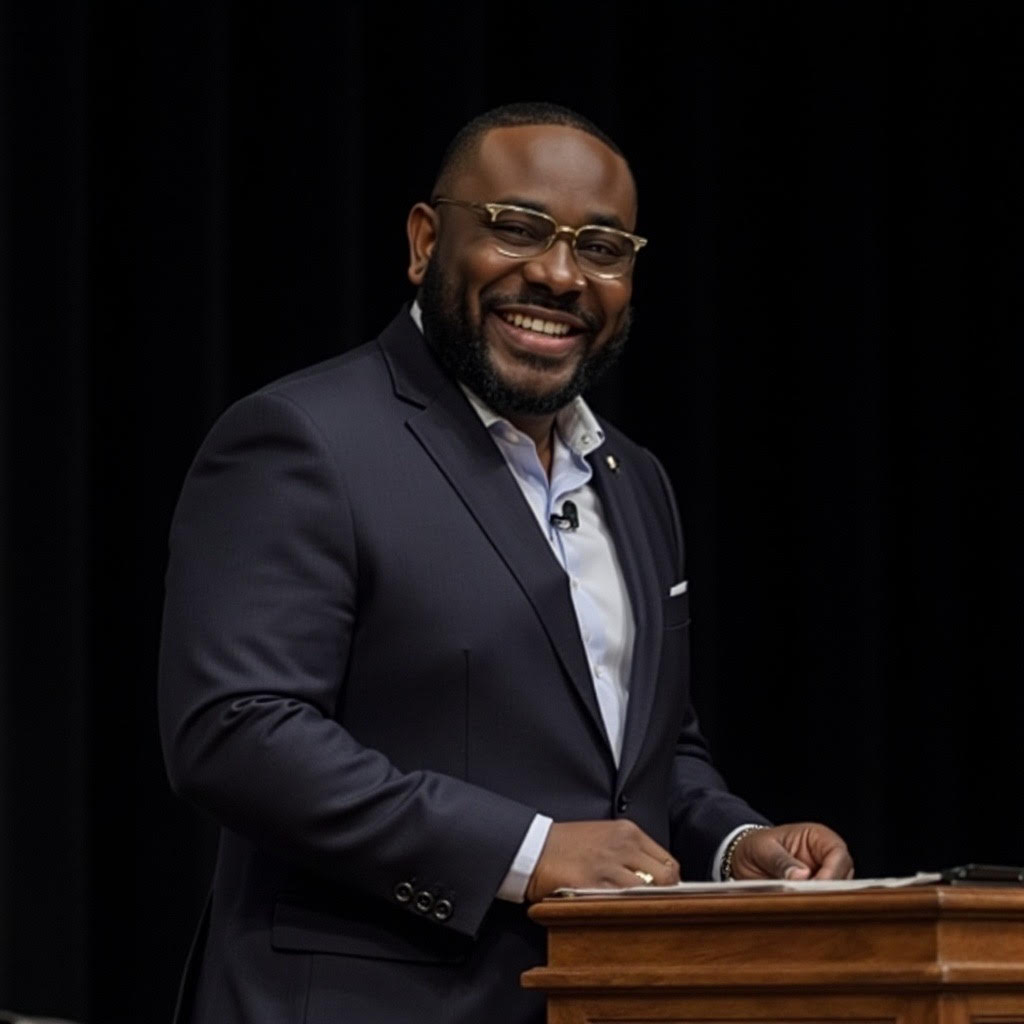
Great, appreciate you sharing that with us. Before we ask you to share more of your insights, can you take a moment to introduce yourself and how you got to where you are today to our readers.
My name is Travaar Armstrong, and I consider myself a purpose-driven nonprofit leader, community strategist, and lifelong advocate for youth and families. My work is rooted in service, but it’s guided by structure, intentionality, and the belief that community impact should be both meaningful and measurable.
My journey into the nonprofit world didn’t start with a job title — it started with my upbringing. I grew up in a family where service was a core value. My father was heavily engaged in the community, and I spent my younger years watching him volunteer, mentor, and lead in a way that made a real difference in people’s lives. Naturally, that shaped me. I didn’t know it at the time, but those early experiences laid the foundation for everything I do today.
As I got older, I volunteered with countless organizations. By the age of 22, I even launched my first nonprofit in Virginia with nothing but passion, a few friends, and a belief that we could make a difference. We funded it out of our own pockets, learned every lesson the hard way, and created impact that I didn’t fully appreciate until looking back on it years later.
Over time — and especially after starting over in my 30s — I began to truly understand what makes a nonprofit sustainable. Passion is the spark, but operations, structure, leadership, and strategy are what allow that spark to grow. I continued my education, earned several certifications, and today I’m pursuing my Doctorate so I can be even more effective in this space.
What I Do & What I Provide
My work focuses on building, strengthening, and supporting nonprofits and community programs. This includes:
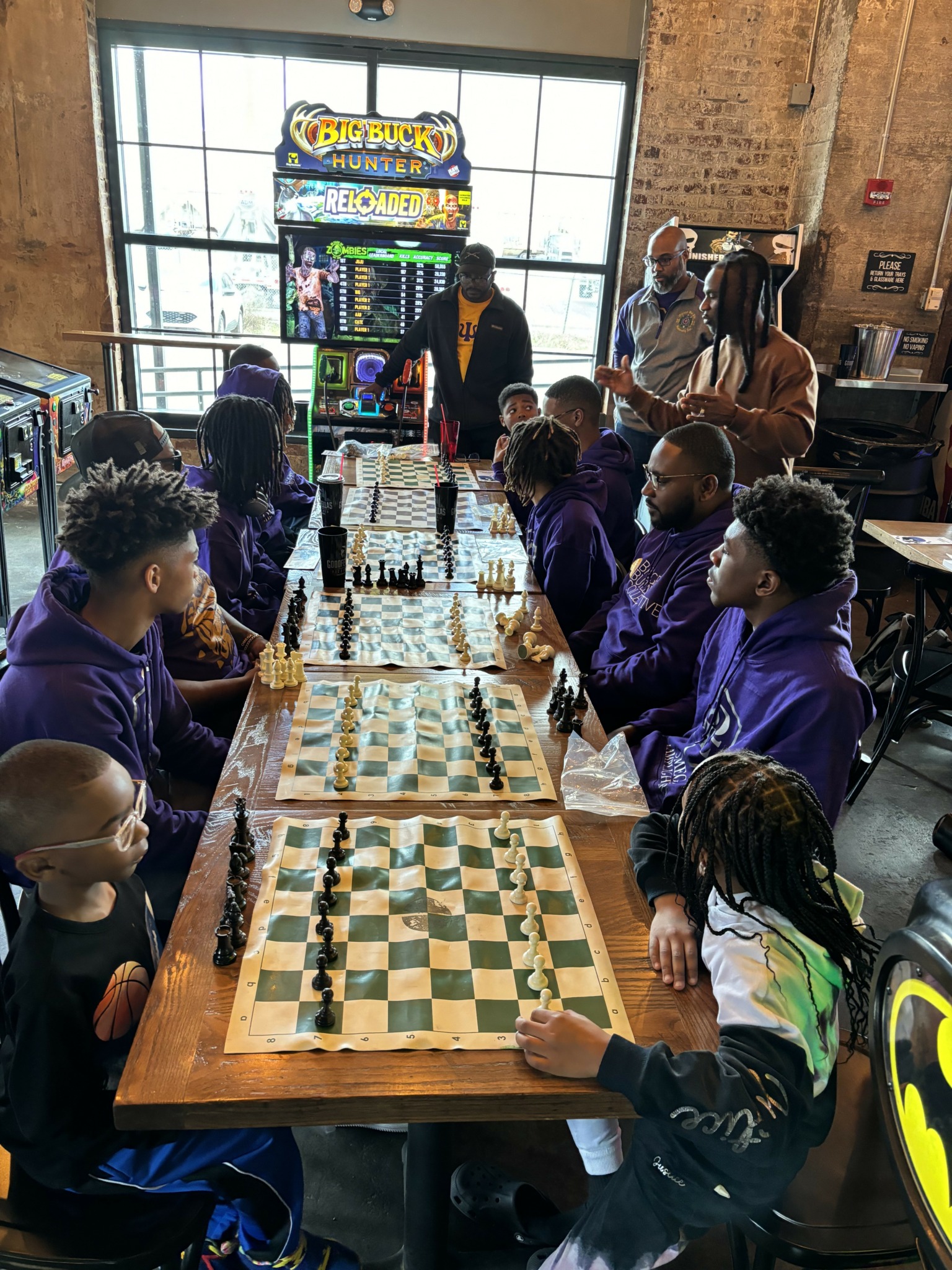
Youth mentoring and leadership development
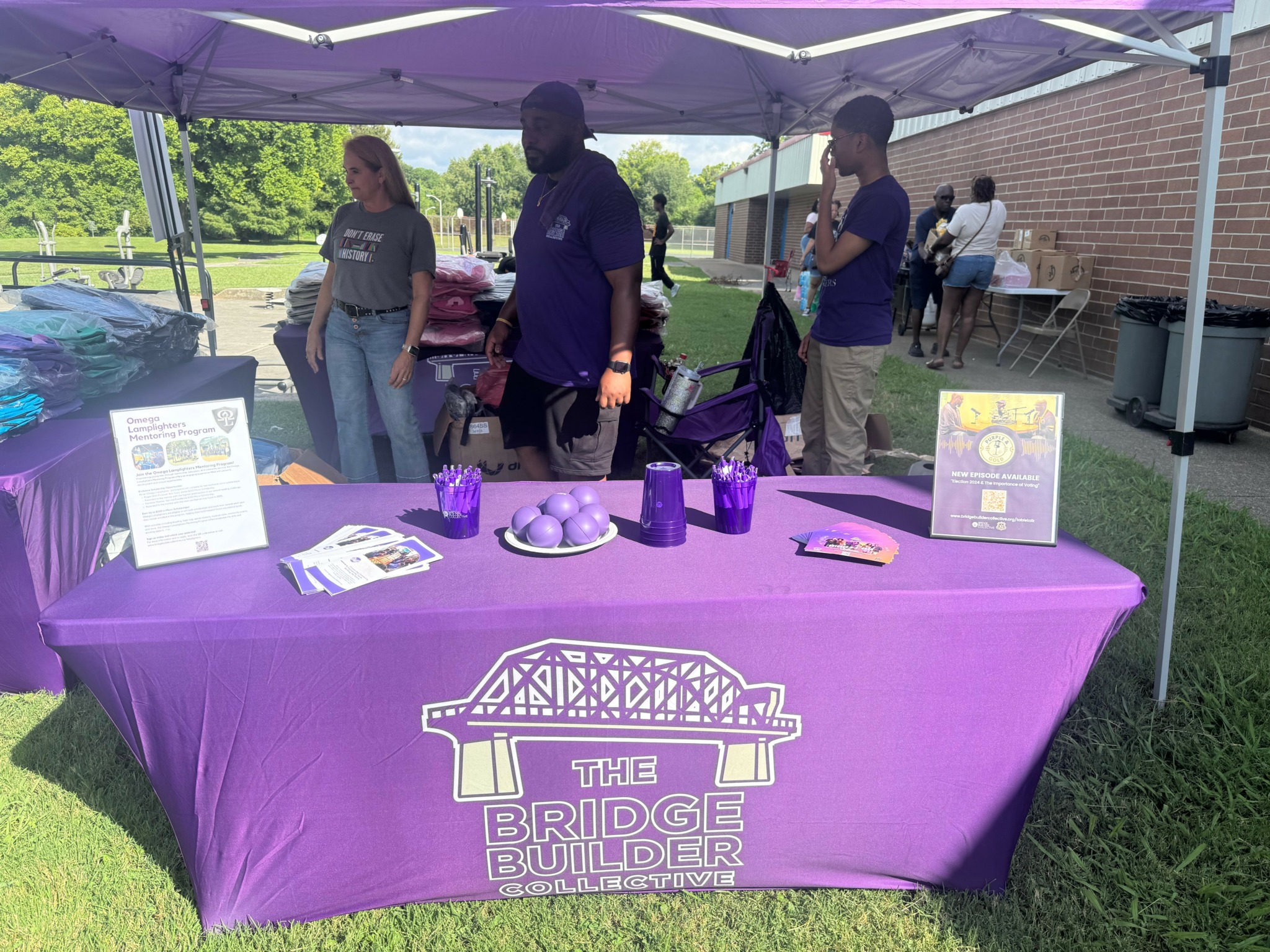
Community engagement initiatives
Program design and curriculum development
Strategic planning and organizational development
Event and program management
Branding, communications, and organizational storytelling
Many people are surprised to learn that in the organizations I’ve helped lead, I often serve as the marketer, the designer, the program coordinator, the grant writer, and the strategist — because when you’re building something from the ground up, you wear every hat until you can afford not to.
The Problems I Solve
I specialize in helping community organizations answer big questions like:
How do we reach the youth and families who need us most?
How do we build programs that are relevant, engaging, and measurable?
How do we make our mission sustainable instead of surviving year-to-year?
How do we tell our story in a way that inspires donors, volunteers, and partners?
But I also solve the smaller, unglamorous problems:
Getting programs organized
Building communications systems
Designing branding that looks professional
Creating processes that help teams stay consistent
Turning ideas into structured, replicable experiences
These are the things that allow nonprofits to operate like actual organizations — not just passion projects.
What Sets Me Apart
I lead with both heart and strategy.
I’m passionate about service, but I’m also very serious about structure.
I understand the emotional impact of the work — but I also know how to build systems that make that impact sustainable.
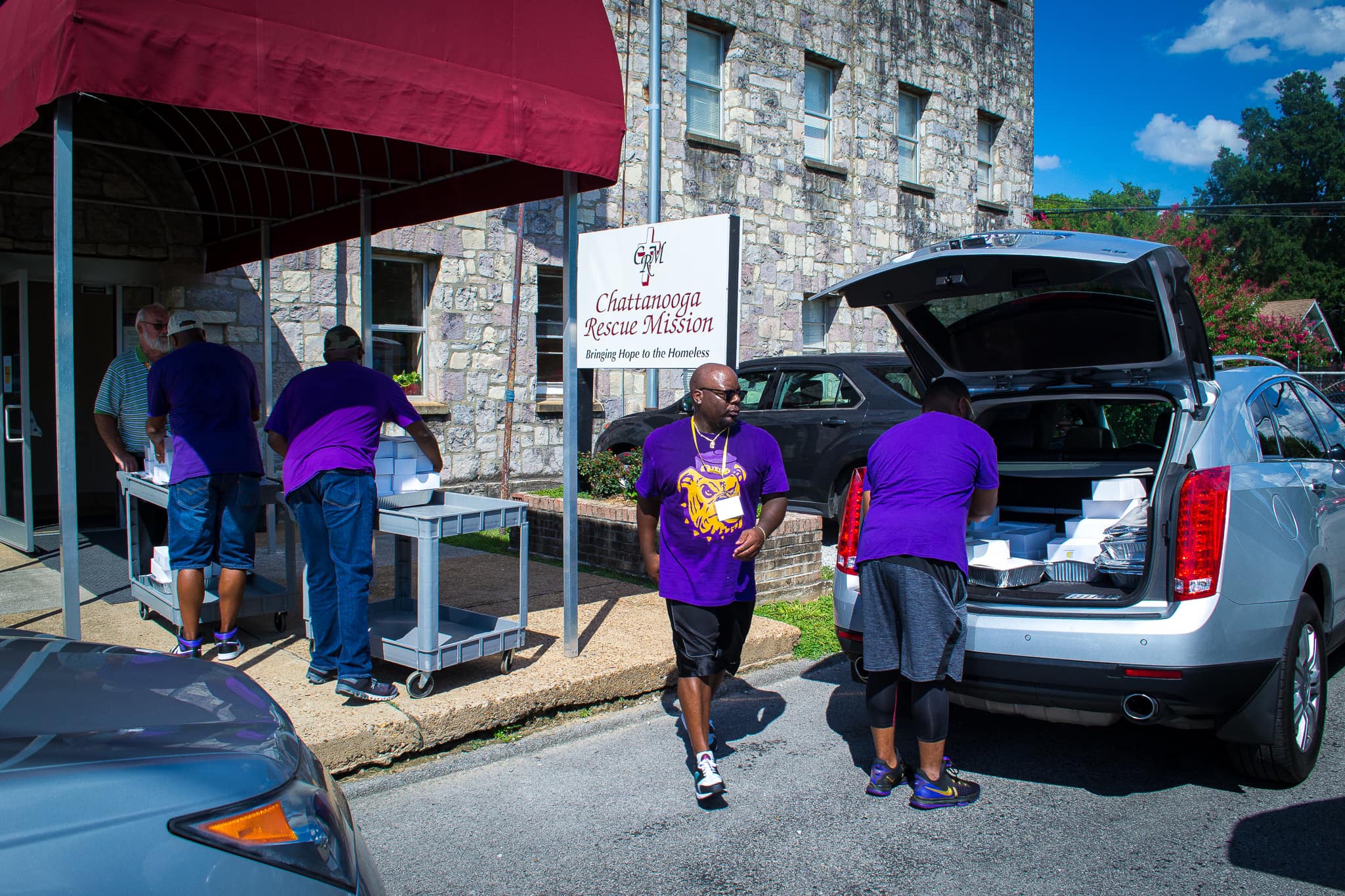
I’ve been the person serving meals in the community, and I’ve also been the person writing the budget, building the curriculum, writing the grant, designing the flyer, and leading the board meeting. That range gives me a perspective that not everyone has.
I also believe in meeting people where they are, treating communities with dignity, and creating programs that uplift rather than “fix.”
What I Am Most Proud Of
I’m proud of the youth who gained confidence through our programs.
I’m proud of the community events we’ve built from scratch.
I’m proud of the partnerships that formed because we showed up consistently.
But I’m most proud of the people — the lives touched, the relationships built, and the impact created even when resources were limited.
Personally, I’m proud of the way I rebuilt my life — pursuing higher education, reestablishing my career, and creating a stable foundation for my family.
And I’m especially proud of my blended family. I’m remarried to an amazing wife, and together, our family is the biggest blessing of my life.
What I Want People to Know
I want people to know that everything I do comes from a place of purpose.
I want them to know that I’m intentional, committed, and that I don’t take this work lightly.
I want people to know that community change is possible — and sustainable — when you pair passion with strategy, service with structure, and heart with accountability.
Most importantly, I want them to know this:
Starting over is not the end of your story. Sometimes it’s the moment your real purpose begins.
Any thoughts, advice, or strategies you can share for fostering brand loyalty?
In the nonprofit world, communication is everything. People want to feel connected to the mission they’re supporting, and they want to know that their contribution — whether it’s time, money, or partnership — is making a real impact.
For me, consistency is key. I believe in sending monthly updates, even during seasons when we aren’t actively running programs or hosting events. Those updates keep partners, donors, sponsors, and community members aware of what’s happening behind the scenes and what we have planned next. It’s not always about big announcements — sometimes it’s simply about showing that the work is still moving.
That level of transparency builds trust. It lets people know they’re not forgotten once the check clears or the event ends. It also keeps the organization top of mind, which is crucial for continued engagement, long-term support, and building a reputation of reliability.
Brand loyalty in the nonprofit sector isn’t about marketing tricks — it’s about relationships, communication, and the trust you build by being consistent, honest, and present.
What do you think helped you build your reputation within your market?
Honestly? Hard work and no shortcuts. That has always been at the core of everything I do. In this field, people quickly learn whether you’re truly committed to the mission or just committed to visibility. I’ve built my reputation by keeping the main thing the main thing — serving the community with integrity, consistency, and purpose.
Innovation has also played a big role. I’m not afraid to rethink outdated processes, redesign programs, or introduce new strategies if it means stronger outcomes for the youth and families we serve. Creativity isn’t just helpful in nonprofit work — it’s necessary.
Another thing that has set me apart is my willingness to ask uncomfortable questions. Whether it’s evaluating internal practices, challenging assumptions, or addressing gaps that others overlook, I’m not afraid to go deeper. Real growth rarely comes from staying comfortable.
But one of the most important pieces has been my commitment to making data-driven decisions and believing the numbers. Emotions and passion are important, but numbers tell the truth. They reveal what’s working, what isn’t, and where we need to pivot. Being able to analyze data, track outcomes, measure impact, and adjust accordingly has helped me build credibility and trust — especially among partners and donors who want to see results, not just effort.
And finally, I take stewardship seriously. Every dollar received — whether from donors, sponsors, or partners — is treated with respect. People trust leaders who use resources wisely and prioritize impact over image.
My reputation grew because I showed up, worked hard, embraced innovation, trusted the data, and stayed committed to doing the right things for the right reasons. When you combine heart, strategy, and accountability, people notice.
Contact Info: