


We caught up with the brilliant and insightful Tonya Lincoln a few weeks ago and have shared our conversation below.
Tonya, looking forward to hearing all of your stories today. We’d love to hear the backstory behind a risk you’ve taken – whether big or small, walk us through what it was like and how it ultimately turned out.
First of all, I would like to talk about music therapy in a general sense because too often what I do is misinterpreted. I’m not just a musician who decided I wanted to help people. I have a master’s degree in music therapy from Texas Woman’s University and my MT-BC credentials from the Certification Board for Music Therapists. I don’t provide a playlist for you to go home and listen to that will cure you. I don’t sing at my clients while they passively listen and expect that to change them. I provide a long-term therapeutic service in which clients actively participate in the process to work toward their non-musical goals through music that’s been designed specifically for them. “Actively” doesn’t always mean playing music but it can. Some clients do play music to achieve their goals but some do not. They instead might move their body to a specialized music program to gain or regain mobility, analyze lyrics to songs that are related to their own goals, write new lyrics to songs and make choices to create new music, participate in an imagery session related to their goals using music that’s been tailored to each client, or a variety of other strategies. There are so many different ways to use music therapeutically when you have the assistance of a board certified music therapist that it could take the whole article to list them.
As for risks in my career, I sort of feel my entire music therapy career has been risk after risk after risk. The field itself is small (imagine 1 board certified music therapist in a hospital with hundreds of doctors, nurses, and other supporting staff) so finding a decent paying, full-time job can be difficult. Part of our university and internship training includes how to write proposals for new programs and seek out new clients because it’s understood that this is something we have to do in order to survive as music therapists – unless you’re lucky enough to land a magical school district or hospital job.
My first music therapy job in 2005 was with a subcontracting company who sent music therapists to fulfill contracts throughout the north Texas area. While this was good experience and I had great mentors, driving almost 200 miles every week to fulfill contracts in public and private schools, senior care facilities, private homes, and clinics in Weatherford, Gainesville, Ft Worth, Dallas, and everything in between is too much for anyone and their car. Subcontracting is also the lowest paying of jobs in our field but it’s unfortunately the model for many large music therapy companies in north Texas.
I was able to begin seeking out my own contracts after awhile but 8 years on, I took another risk, because I was tired of all the driving plus I wanted better pay and healthcare. I wasn’t sure what else I was qualified to do so I got my EC-12 Music and EC-6 General teaching certifications and went to work for a charter school. Initially it seemed like an amazing place to work, with a wonderful administration and a teacher’s assistant for every 2 classrooms creating a 1:12 teacher to student ratio. Unfortunately, this extremely large charter system decided to change their model to be a for-profit school, they downsized the TAs and brought in administration with very little teaching experience. It created such a terrible atmosphere that the year I left, 12 other teachers walked out.
In 2017, my next risk was to go back to music therapy and begin seeking my own contracts again but I decided I wanted to do it my way. I wanted to blend my 2 professions by offering music classes using music therapy techniques for children of all abilities – not splitting typically developing children and those with special needs into separate classes and therapy sessions. I branded myself as “Coyote Music Studio” because coyotes were common visitors in my yard in those days and the animal imagery was appropriate for a children’s studio. I’ve also had a fascination with coyotes since I was a child. With the encouragement of one of my mentors, I set very important boundaries for myself so I could create something sustainable. I wasn’t going to drive all over the state but instead I wanted to focus on Denton. I was not going into private homes when the clients could easily come to me because that’s part of my goals for all clients – that they be able to transfer their skills outside of the music therapy space and outside their home. I knew it would take time to build my studio the way I wanted so I cleaned houses to support myself. It was a beautiful relief to work alone and I found I was making more money than I did in public school teaching – and that’s an article someone needs to take on next.
“They” say it takes about 3 years for a business to be successful and that was true for me. By February 2020 I was no longer cleaning houses and I was making enough money to contribute to my household with just music therapy, lessons, and early childhood classes. I had an infant & toddler class, a preschool class, and a homeschool elementary class at a local dance studio that were all full every week, I had a private studio seeing about 15 music therapy clients and private lesson students each week, and I had music therapy contracts at a few senior care facilities in Denton County. My main model was music is social and change can be created through social music no matter your level or ability. Social music became a problem just 1 month later. March 11, 2020 was the day no one showed up to class. It seems a little cliche now, even to me because everyone has a similar story, but it did forever change my business. Throughout the shutdown I kept my clients and students engaged through online lessons, online classes, and donation based Facebook Live videos. I worked harder during the pandemic than I have ever worked in my life. I was even able to bring back the classes in April 2021 by renting the gym space at a rec center so we could keep our distance. I’ve worked tirelessly since to return my studio to that Feb 2020 mark but I never fully recovered.
In February of this year, an opportunity that I couldn’t pass up literally came across my desk. KidLinks, a non-profit in Dallas focusing on both music therapy and therapeutic music (yes there’s a difference), sent me an email asking me to let other music therapists know that they were looking to hire a full-time board certified music therapist. As I read the description of what they wanted – a music therapist who can make partnerships with other organizations as well as someone who has experience in early childhood development and is possibly an entertainer – it sounded like they had described me. I didn’t send it to anyone but I also didn’t apply right away. It meant giving up on Coyote Music Studio. It meant giving up the lifestyle I’d created to protect my mental health and I wasn’t willing to do that even for a retirement plan and healthcare. But I also had closed the classes again after my partner location went out of business and at the time, all I was doing was teaching lessons. I wanted to return to music therapy. So I took the risk.
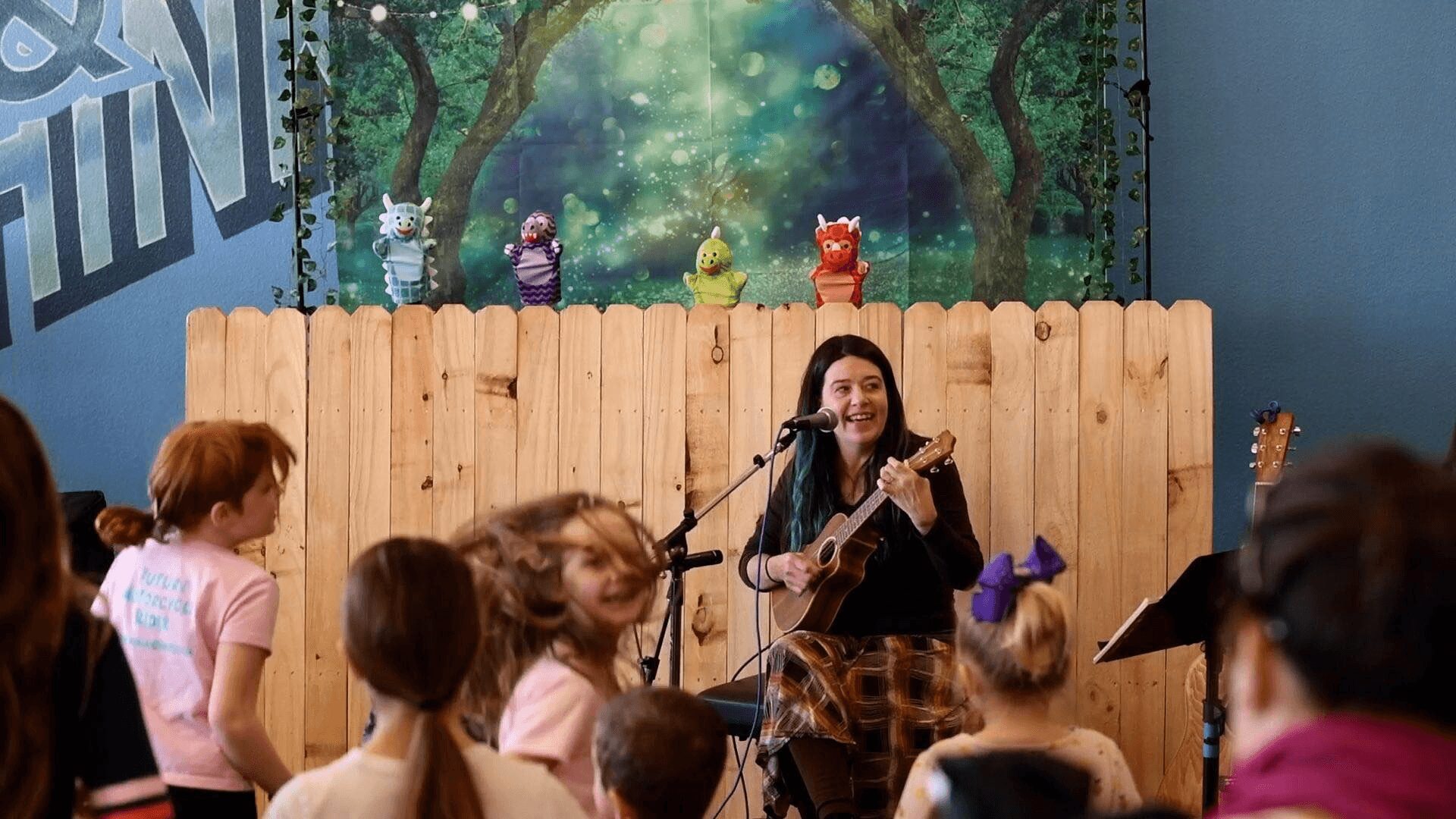
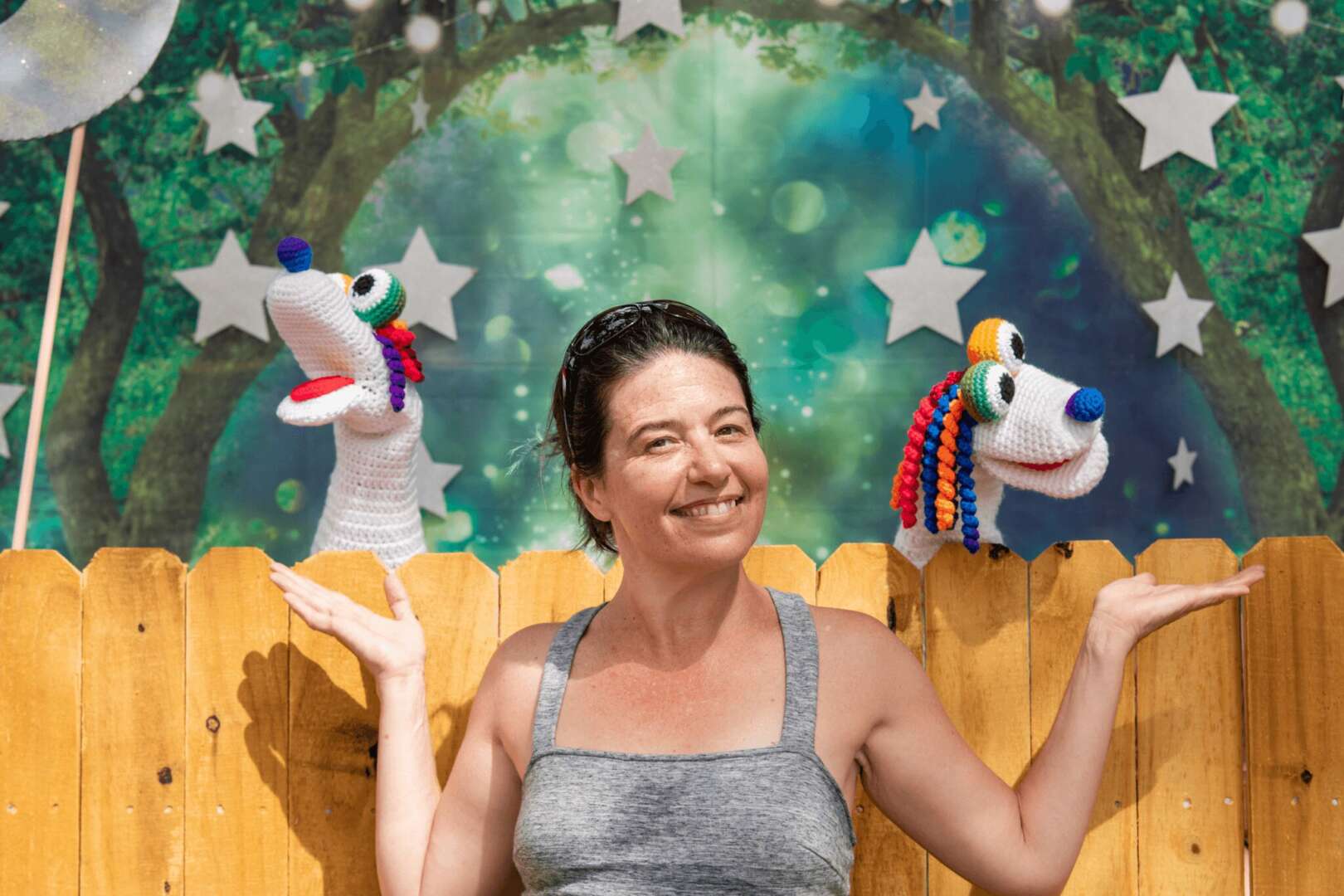
The beauty of the it all is that in the end, KidLinks is an amazing organization that really seeks to take care of their employees mental health. After my interview they recognized what I really needed and they offered me a part time position (that didn’t exist) so that I could work for them and continue Coyote Music Studio – though I’ve downsized in order to work for them. Coyote Music Studio now is mainly focused on early childhood music and music therapy. I’ve passed on my advancing piano students but have kept the music therapy clients, the beginner piano and ukulele students, and all my flutes (because that’s my main instrument). I get to provide music therapy to some incredible partner locations for KidLinks yet still be in my home studio several days a week, where I get to hang with my dog and parrot and play in my gardens between appointments. Going to partner locations doesn’t mean packing up every hour to go to a new location like it did in the early days. It means building a sustainable program where I’m at one location for the day seeing clients in their space but then I get to go home, like a normal job. Having a steady salary, (even part time) has freed up time for Coyote Music Studio to also partner with organizations serving Denton, like DMAC events and the Greater Denton Arts Council’s music camps. I also have more time to focus on the Musical Storytime Puppet Show, my children’s entertainment troupe that’s going to perform at KidLinks’ Hugapalooza event on August 24th and for a DMAC event in September. I feel it’s taken a long time, but I’ve finally established myself as THE music therapist who specializes in early childhood in this area. It’s the best job in the world and I would definitely take all those risks and more to continue doing it.
Great, appreciate you sharing that with us. Before we ask you to share more of your insights, can you take a moment to introduce yourself and how you got to where you are today to our readers.
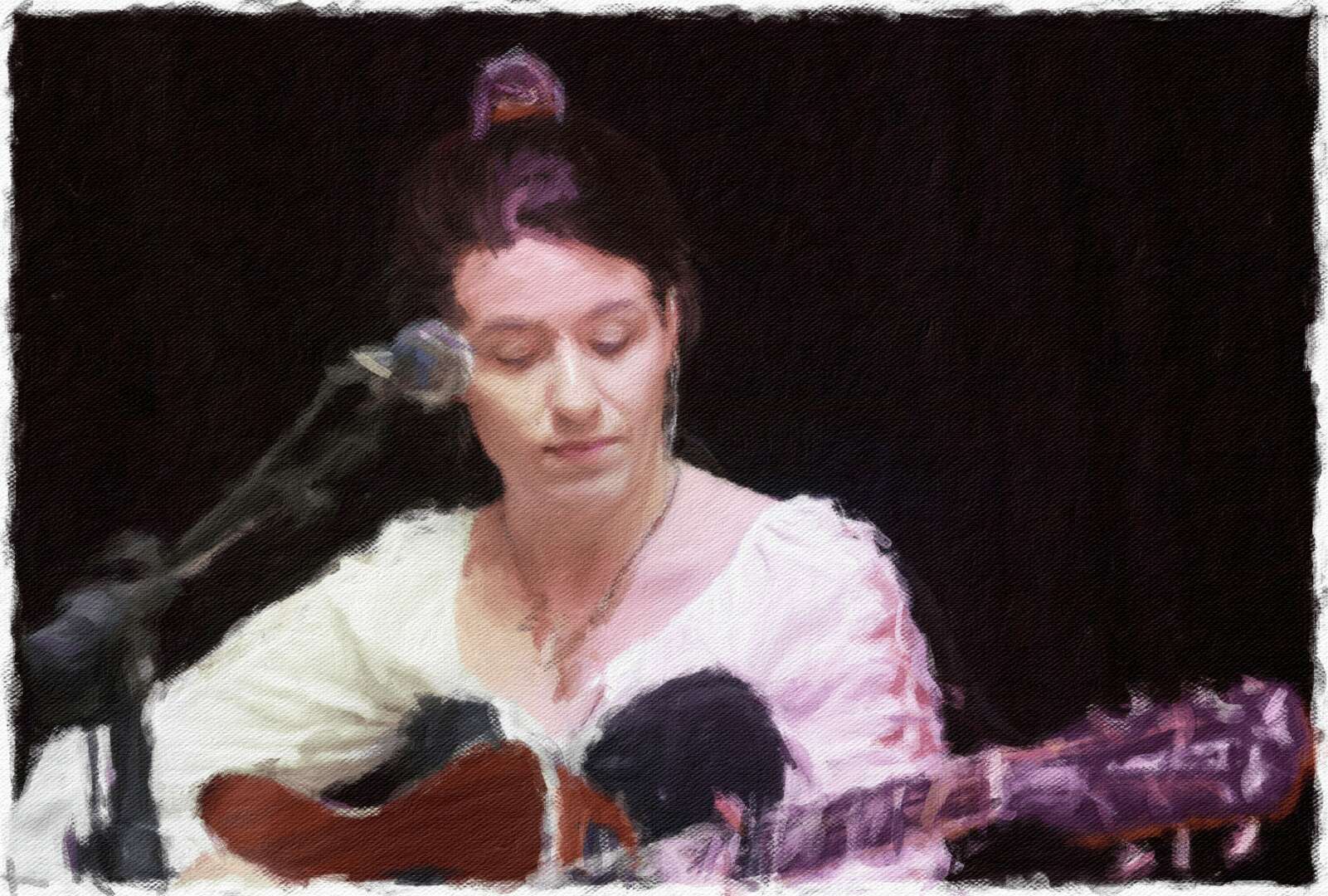
I would say the thing I am most proud of is my musical diversity. I get to learn new music that clients prefer while performing with my children’s group, Musical Storytime Puppet Show, and with my garage-punk band, Tonya & the Hardings. It’s amazing to experience music in so many different ways.
How’d you build such a strong reputation within your market?
Events, tenacity, and continuous education. I take the Instrument Petting Zoo to businesses, community markets, and festivals demonstrating what I do and I just kept putting myself out there until I built something big enough to support myself. I also continue to learn from my clients, the music therapy students I supervise, and continuing ed classes. Even though I’ve been doing this for 18 years, I know I don’t now it all.
Can you open up about how you managed the initial funding?
Instead I’d like to tell you why I didn’t seek funding or businesses partners. I wanted to build something small that I could run alone. I never wanted to be in charge of employees or have to be financially responsible to business partners. Maybe if I had done that, Coyote Music Studio would be something much bigger but I’m happy playing in my garden at 9:30 every morning instead.
Contact Info:
- Website: https://www.coyotemusicstudio.com/
- Instagram: https://www.instagram.com/coyotemusicstudiodenton/
- Facebook: https://www.facebook.com/COYOTEMUSICSTUDIO/
- Youtube: https://www.youtube.com/playlist?list=PLt3DkdNzrx-8zwvsq3OYjHI_nPvlXDuZG
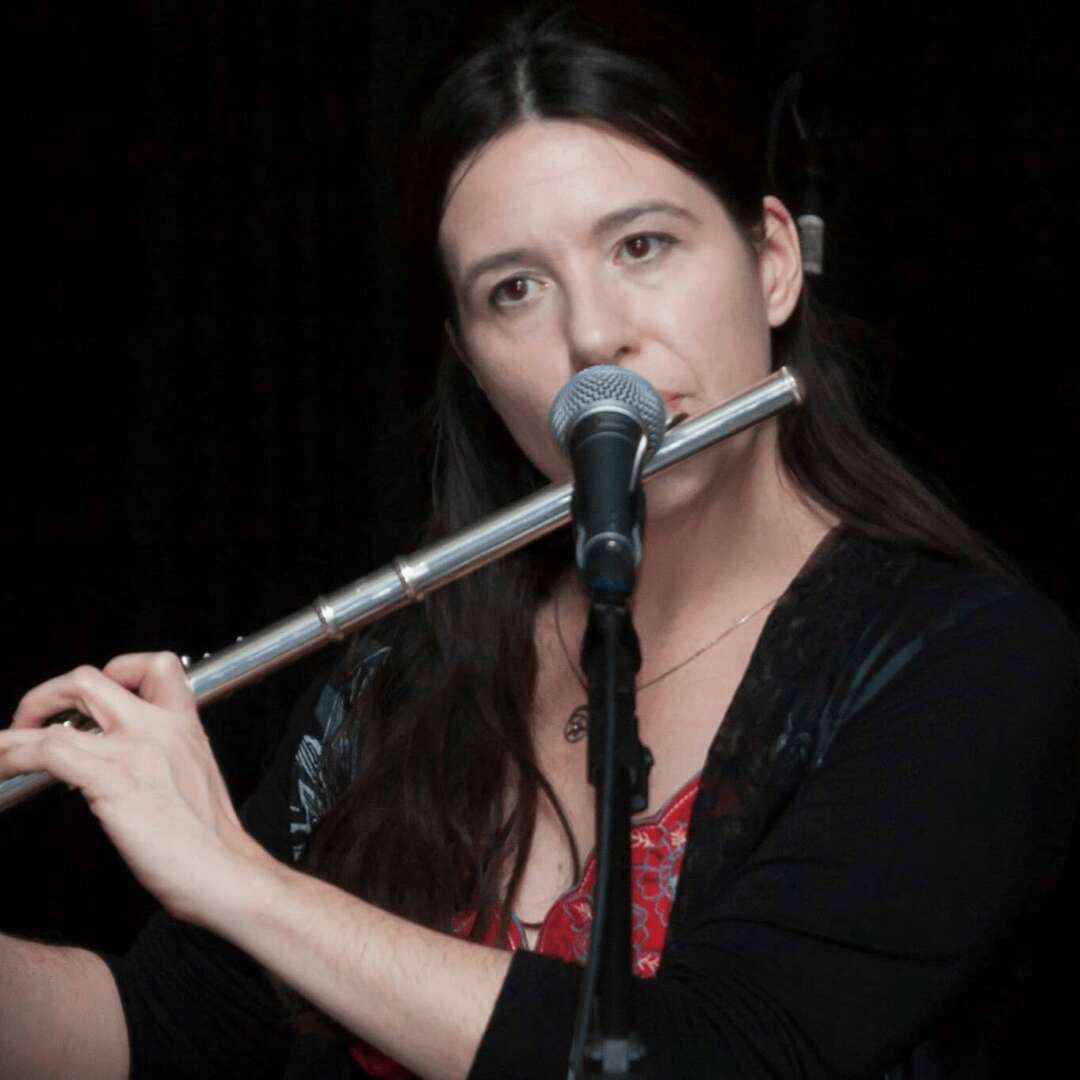
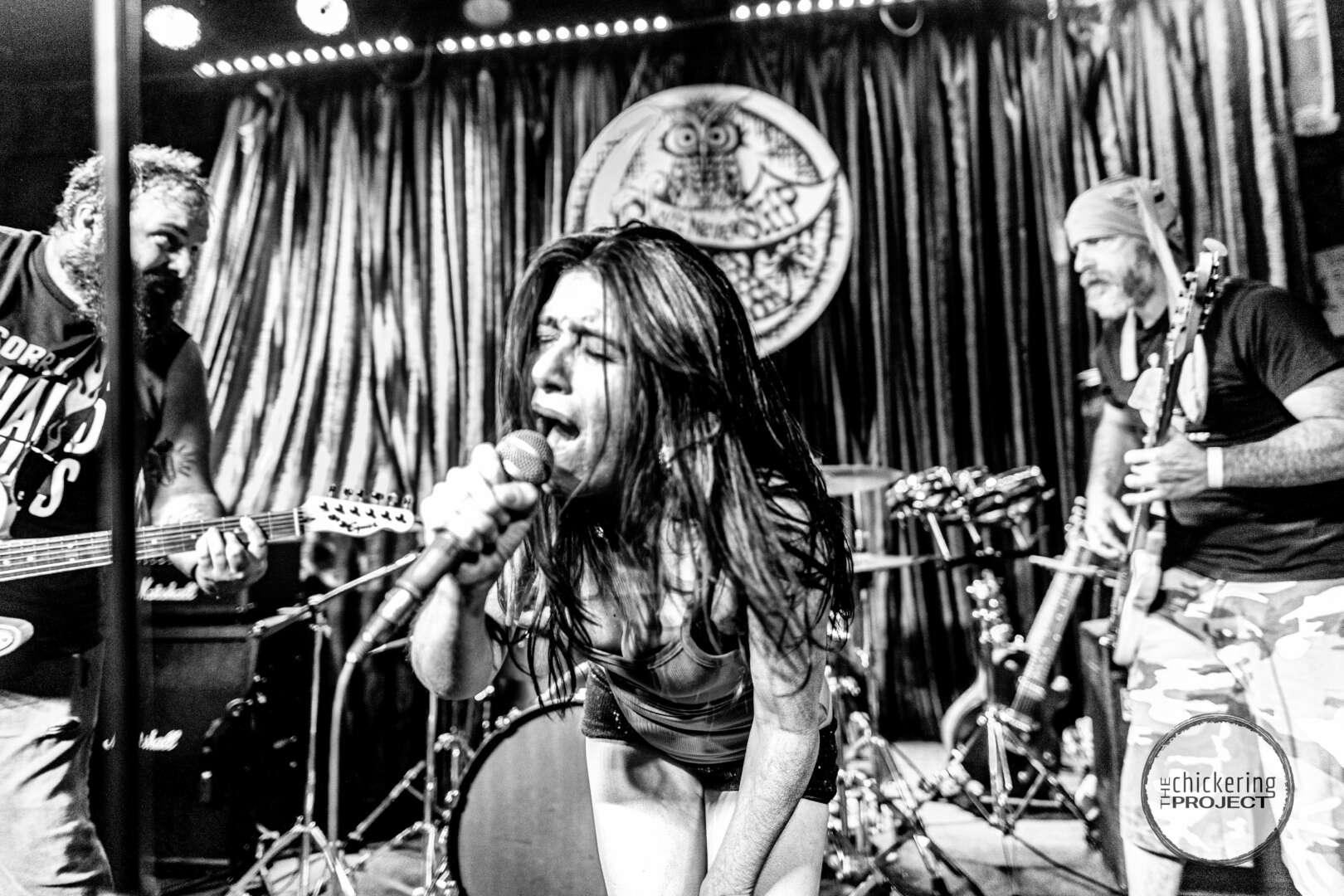
Image Credits
Bob Ralph
Tim Marek
Robert Chickering