
We were lucky to catch up with Tonika Todorova recently and have shared our conversation below.
Alright, Tonika thanks for taking the time to share your stories and insights with us today. We’d love to hear about a project that you’ve worked on that’s meant a lot to you.
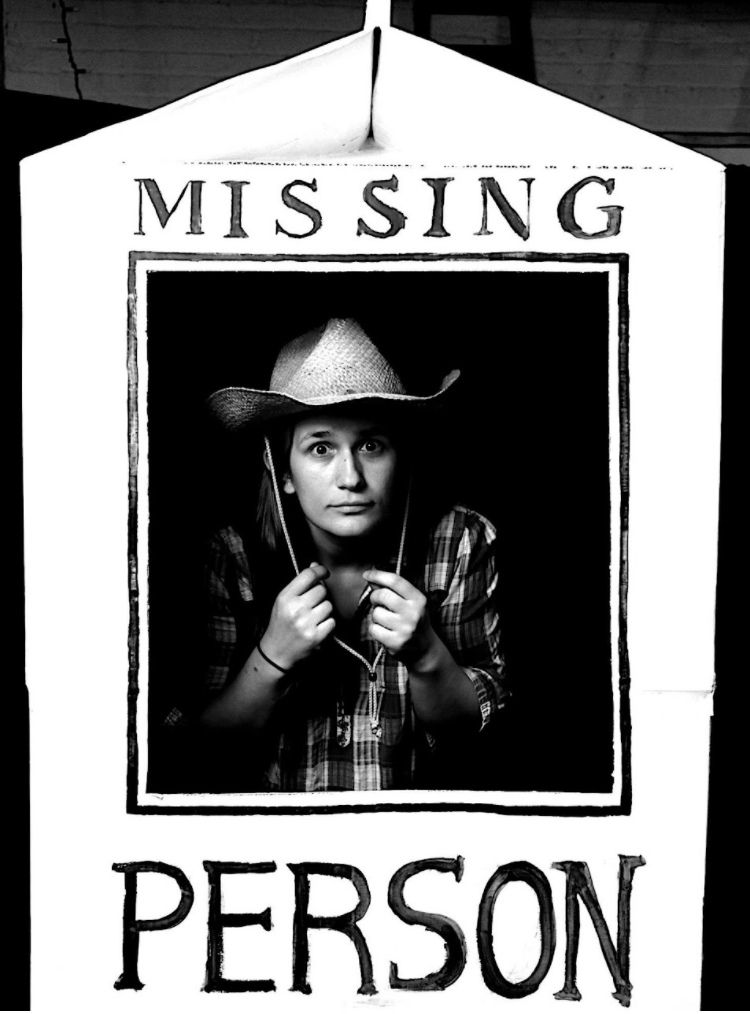
Back in 2005, I conceived, directed, and produced a show called LULU: a black and white silent play. Its framing was exactly as it sounds: an homage to the old silver-screen era. The sets, props, costumes, and makeup were entirely monochrome; live piano underscored every moment; and the action was punctuated by title cards that flashed during blackouts before the actors “popped” back into motion.
The production had a vibrant life in Chicago, enjoying several iterations before (during a rather impulsive, party-fueled moment) I announced that we were going to take it on tour. Everyone cheered. The glaring issue was that we had no sponsor, no company backing us, no financial structure at all. To produce the show in the first place, I’d hastily formed a theater company and called it Silent Theatre (it was meant to exist solely for LULU… yet here we are, twenty years later). Everything was scrappy, improvised, and run on fumes. Our unofficial motto became: “Dream like you have a million dollars, then figure out how to do it all for free.” Reality usually landed somewhere between the two.
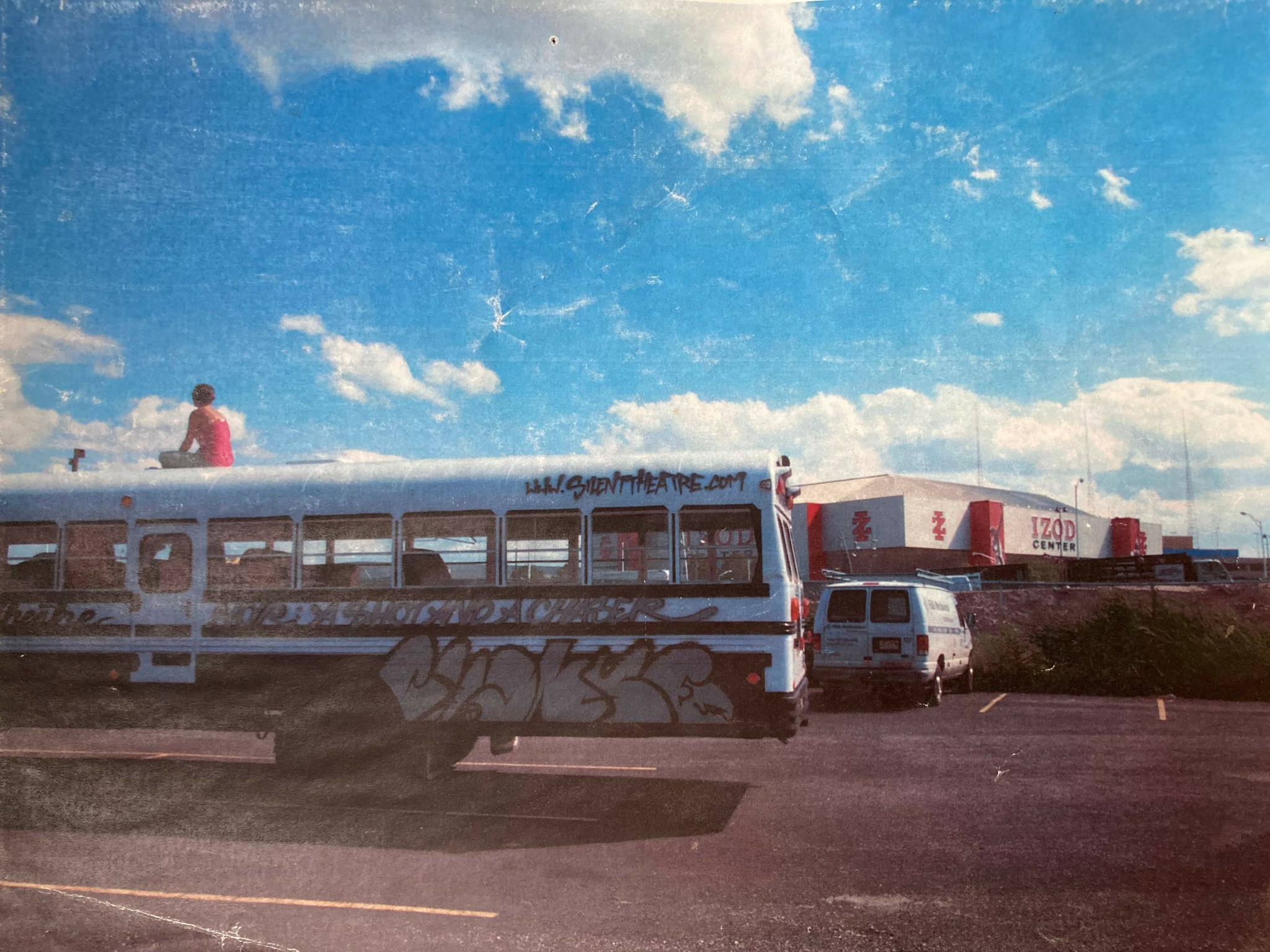
I waited tables during the day, rehearsed at night, made phone calls on my lunch breaks, and pulled doubles to finance what was, essentially, a self-funded national tour. The dream didn’t truly crystallize until one afternoon when I saw an ad for an old church bus for sale. I left my shift on my lunch break and, to the horror of my coworkers, returned with a 42-foot school bus. We named her Pandora. This was May 2006.
A handful of actors and I spent the summer gutting the interior, building couches and storage, and painting the whole thing in black and white. “Pandora” was emblazoned across the front. And on August 4th, we walked away from our jobs, our apartments, and our families and set off on the adventure of our lives.
We went to New York first and won Most Outstanding Play at the NY Fringe Festival. Then we drove to San Francisco, rented a four-bedroom house, and performed in the oldest still-standing vaudeville venue in the country: The Victoria Theater. We survived by doing the show and by creating our own little ecosystem of chores, jobs, and rituals. LULU carried us. We performed her nearly 150 times from coast to coast, and discovered that this little play, without speaking, spoke to everyone.
So much happened in those four months, and with thirteen people experiencing it together, it felt like four months multiplied by thirteen. In 2026, for the 20th anniversary of that wild odyssey, the stories from that tour will be released on SilentTheatre.Substack.com, as a way of honoring a project that shaped all our lives, especially mine.
If I ever leave behind a legacy, it’s that I convinced twelve of my closest friends to get on a bus and chase a dream with me. One day I’ll bore my grandkids with tales of how we once roamed freely: before cellphones, before GPS everywhere, before the digital world made us all just a little more domesticated. LULU was the gift that kept giving. She’s my only tattoo. She launched my career beyond my local circle. I met the father of my children because of her.
I’m forever grateful that this strange, beautiful adventure shaped my insouciant spirit.
Tonika, before we move on to more of these sorts of questions, can you take some time to bring our readers up to speed on you and what you do?
I was born in a town with Bohemian dispositions, nestled in an alcove on the Black Sea. My mother was a theatre director at a time when police stood in the back of the house to ensure you didn’t say anything “wrong.” It was end-stage communism, and the whole thing had become a bit farcical: they knew our theatre parodies were mocking the incompetence around us, but beyond looming there threateningly, not much was done. I grew up in the theatre, slept in the folding chairs, breathed dust behind the curtains, and learned early how art could subvert power. You could say I was forged in that fire.
I came to the United States as I was coming of age, and my life has taken me across many terrains since. Now I dip my toes in every ocean I can reach: writing, producing, directing, acting, singing, curating, teaching, meditating, experimenting, gardening, traveling, filming, livestreaming, connecting people, gentle parenting, autonomous learning, and navigating life as it unfolds. One label feels too small. I’d rather follow whatever avenue allows me to express my philosophy and my way of being in the world.
I believe we’re living through one of the biggest shifts in human evolution, and I’m genuinely inspired to be part of the change I want to see. What a wild, electric time to be alive.
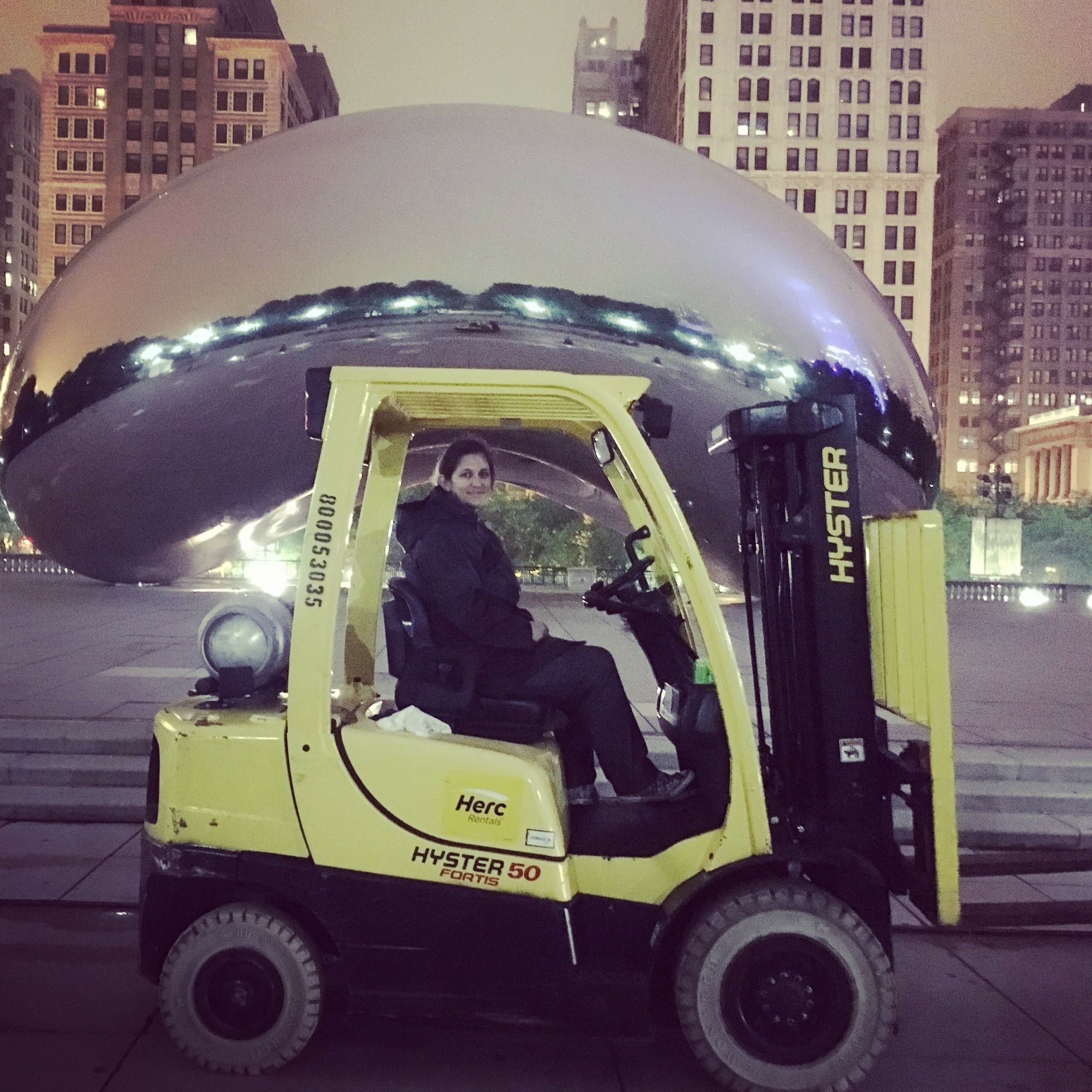
I use my art to lift the veil of the reality we’re sold and reveal the truths that live underneath. I am the Artistic Director and co-founder of Silent Theatre Company in Chicago, where I’ve directed and produced countless shows over the last twenty years. I also serve as the Art Director for The International Beethoven Project. For nearly fifteen years, I worked in The Mayor’s Office of Special Events, where I learned to drive everything from big trucks to forklifts.
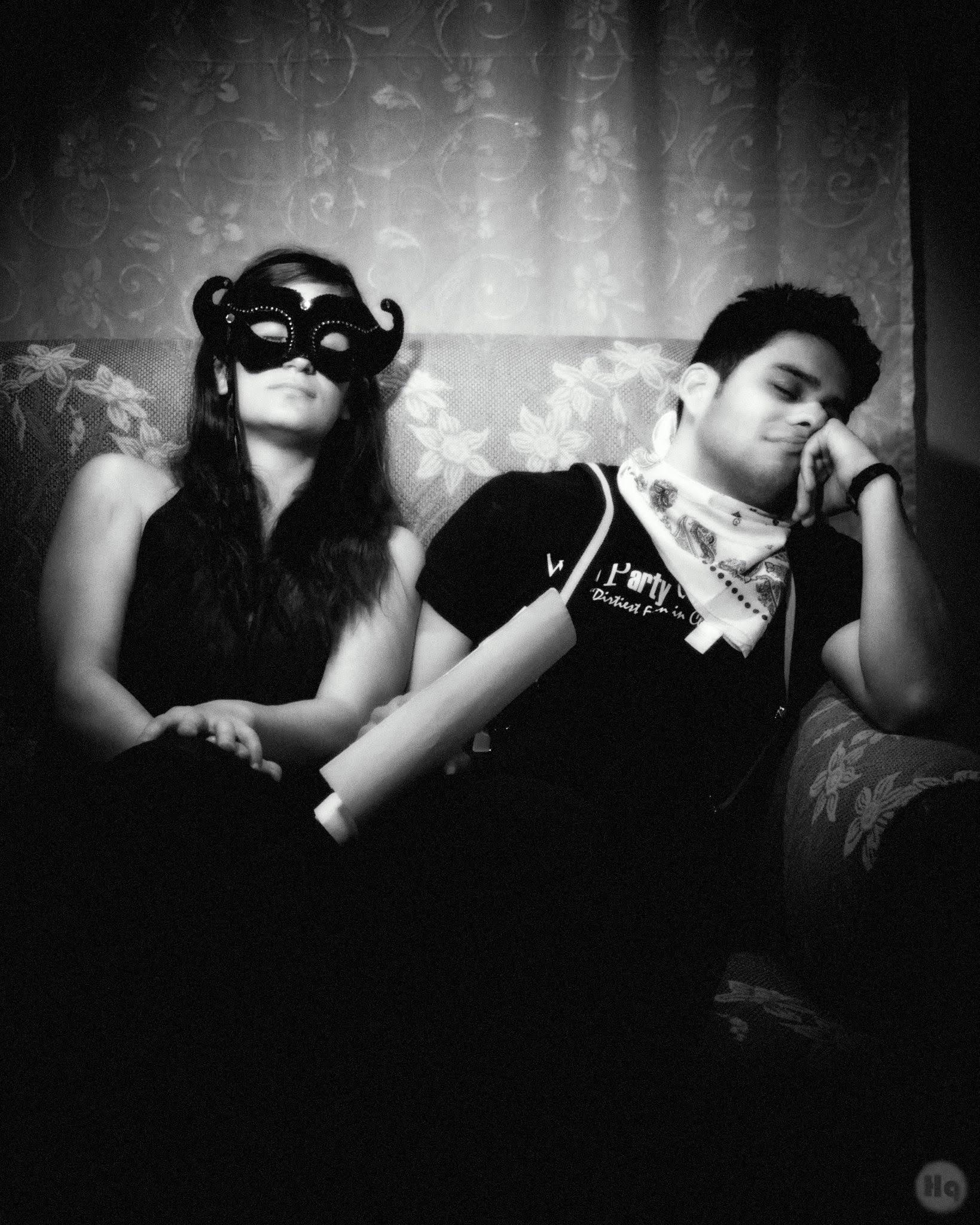
I’ve run several venues, but the one dearest to my heart was a DIY space called Hq: a third-floor loft that operated as a modern-day speakeasy, a key-club PMA (Private Membership Association). For five years, we created art completely outside the system. You had to be invited by someone who already knew the way in. You could drink and smoke whatever you wanted, and on the rare occasions when police showed up, they respected the privacy of the club and backed off.
Five years of film screenings, gallery openings, theatre, live music, immersive experiments, culinary events, game-show nights, and a whole lot of fun,
About four years ago, I started a Substack (VisceralAdventure.Substack.com) where I write social commentary, theatre and film reviews, poetry, stories of personal transcendence, explorations of natural healing modalities (especially after my own journey from Stage III to cancer-free in one year without chemo or radiation), short films made with b-roll and AI, and the occasional collaboration with other artists. I also produce special events designed to aesthetically awaken, and I still direct and produce theatre when the muse taps me on the shoulder. I’m resourceful, curious, and unafraid to look outside the box for answers. I call myself an Adventure Architect because my aim is to alchemize art, performance, and conversation into something that expands consciousness and reshapes our understanding of reality.
It seems to me that many paradigms are shifting right now, including how we evaluate our usefulness and our contributions to society. I like to believe that when we do the things we love, and pay attention to which of those we do well, some will sustain us—and a precious few will help us build a more just, more joyful world. With that in mind, I feel blessed to support myself and my family with skills cultivated through passion and hard work. But I’m especially grateful when those skills intersect with the spark of the whole human experience.
Have you ever had to pivot?
During Covid, Chicago went pretty hardcore with masking and proof-of-vax requirements to enter establishments. It was a brutal time for the arts. Suddenly, venues had to police people at the door, checking documents, and the whole theatre experience started to feel uncomfortably reminiscent of 1930s Germany. I lost a lot of friends for not wanting to take the jab, and I lost a lot of gigs as well. Some disappeared because venues shuttered forever. Others slipped away because word spread that I was one of the “unclean.” I was escorted out of a venue for not producing vaccination papers. I was blacklisted from certain events.
Realizing that the very community I had bled for, sacrificed for, was now turning its back on me, I pivoted. I taught myself how to edit video and livestream content. I learned how to work solo, so I didn’t have to rely on creatives who no longer wanted me around.
That midlife career shift turned out to be a blessing in disguise. I started a Substack and began volunteering my skills on pandemic-related work. I joined a group of 150 international statisticians, immunologists, vaccinologists, microbiologists, and doctors who were researching the virus, its pathology, treatments, and global governmental responses. I lent my services, creating videos that translated complex concepts into layman’s terms. Eventually, I began getting paid for that work.
That path also led me into the crypto world. International payments (especially ones that might risk frozen fiat accounts) were easily made in BTC and XRP. I learned what I could about these new ecosystems, including NFTs. I dabbled for about a year until I realized an NFT can feel a lot like everyone banging your wife while you hold the marriage certificate. Still, I remain active in a few private chat groups and root for the bitcoiners.
Now I get to fold all those new skills back into the special events and productions I create. When one door closes, a dozen more open. And learning to adapt, quickly and creatively, might be the greatest life hack there is.
Is there something you think non-creatives will struggle to understand about your journey as a creative?
Non-creatives often misunderstand why an artist is willing to sacrifice comfort, work for “exposure,” or live with less. But a true artist has to make art. Theatre is the only thing I ever wanted to do, heck, for some of us, it’s the only thing we know how to do well. Everyone should do what is theirs to do. Some people tend to gardens, or children, or aging parents. No one writes articles about them or invites them on podcasts, yet their work is invaluable. And it’s theirs to do.
Art is mine to do. And just like gardeners, caretakers, and artists tending our little corners of the world, the energy we put into our work resonates in the morphic field. What we do on a micro level eventually echoes on the macro.
We are each a unique expression woven into the larger tapestry of life. Every thread matters. Artists hold up the mirror and help others realize not only that they, too, are essential pieces but also help them discover their purpose. Artists are pioneers of social change; before almost any other profession, they can spark paradigm shifts. We really can help usher in the more beautiful world we know, deep down, is possible.
And that, to me, is worth the sacrifice.
Contact Info:
- Website: https://www.visceraladventure.com
- Instagram: https://www.instagram.com/visceraladventure/
- Facebook: https://www.facebook.com/visceraladventure
- Twitter: https://x.com/VisceralAdvntr
- Youtube: https://www.youtube.com/@VisceralAdventure
- Other: https://VisceralAdventure.Substack.com