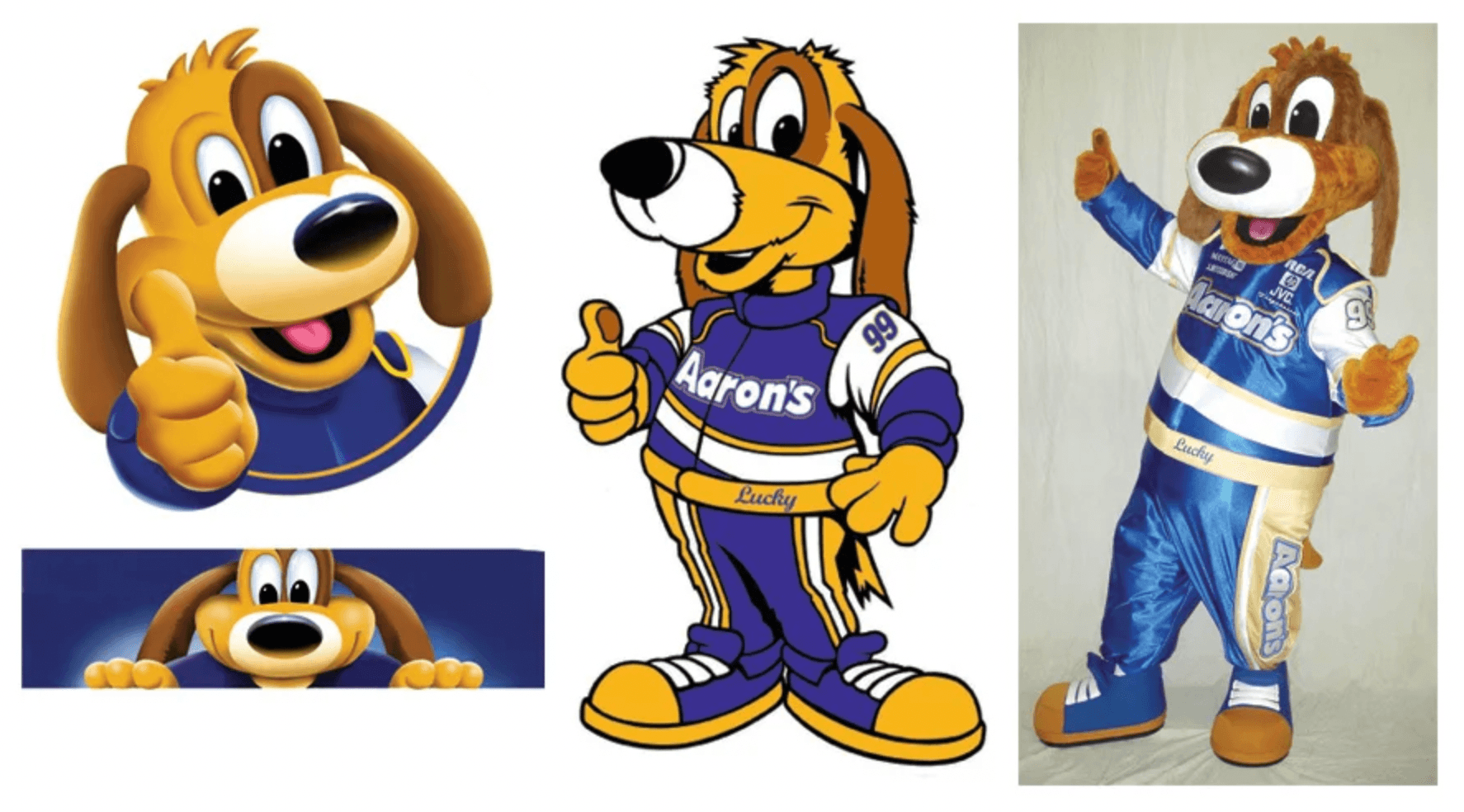
We were lucky to catch up with Tom Sapp recently and have shared our conversation below.
Hi Tom, thanks for joining us today. Alright, let’s jump into one of the most exciting parts of starting a new venture – how did you get your first client who was not a friend or family?
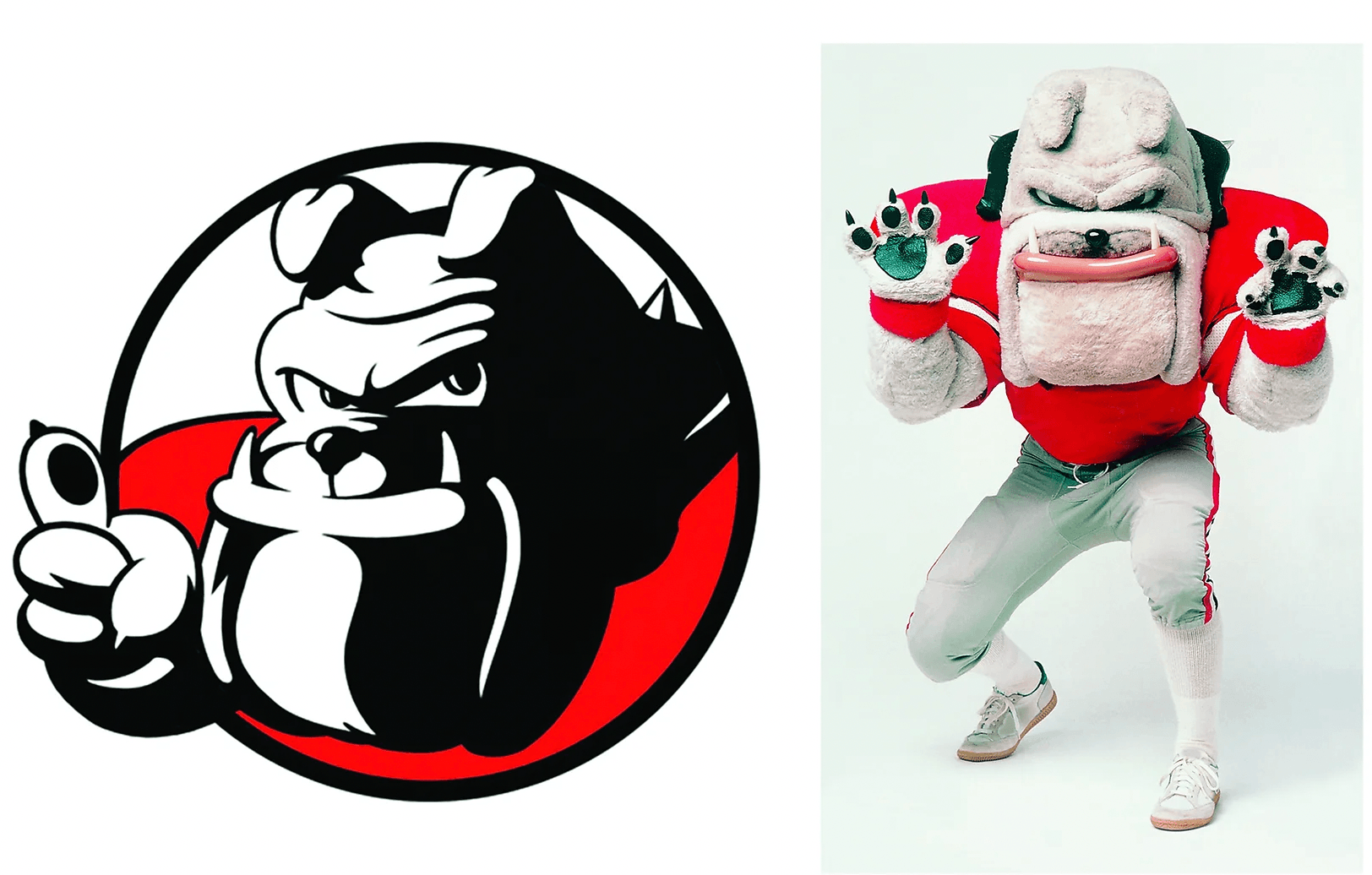
My first client was the University of Georgia, my alma mater, where I’ve been a diehard Georgia Bulldogs sports fan. In 1980, I watched them play our big rival, the Florida Gators. The Gators had a really impressive mascot, a fierce-looking alligator who energized the crowd, and Georgia’s mascot was an ugly, floppy gray dog named “Fluffie” — certainly not what you’d expect for a championship team, and it didn’t match our team’s tough nickname, “the junkyard dawgs”.
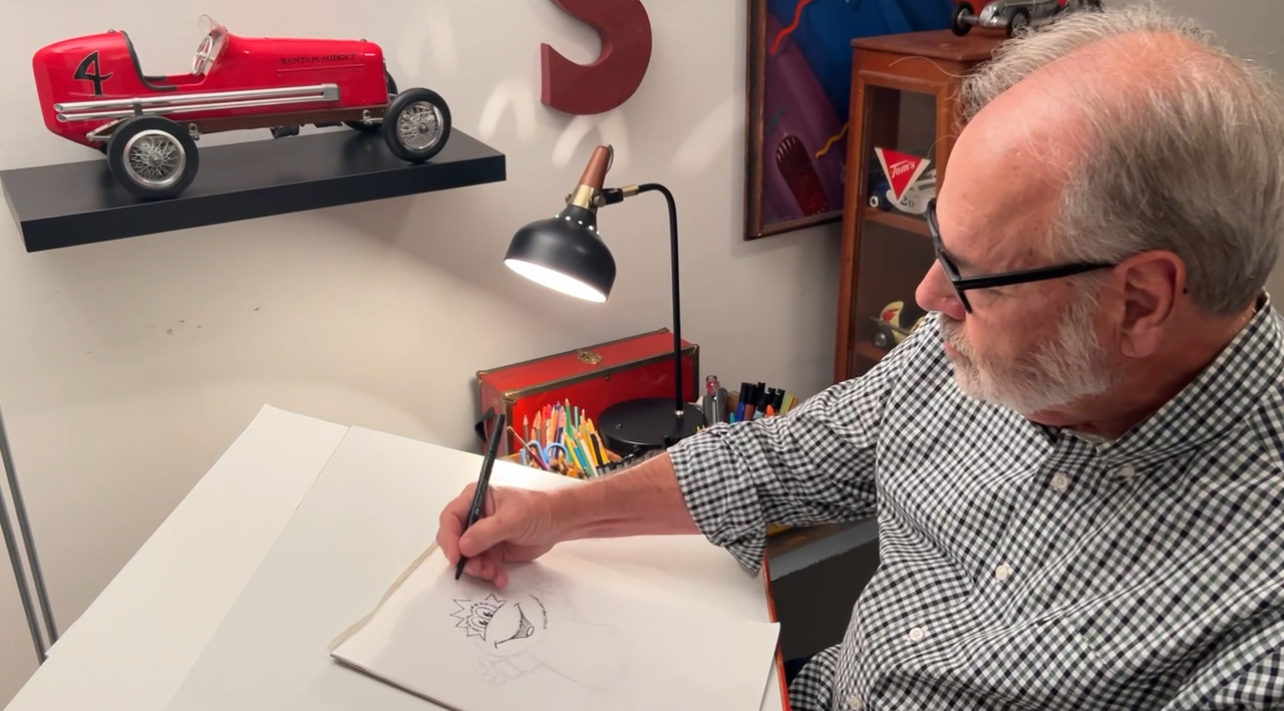
At the time, I was a creative director at McCann-Erickson Advertising, but I remembered a sketch I’d drawn as a student of an intimidating muscular bulldog. Inspired by Florida’s awesome mascot, I found that old sketch and pitched it to UGA’s head coach Vince Dooley. He told me, “If you can have it ready for the Sugar Bowl against Notre Dame, let’s do it.” I set up a space in my basement and worked day and night to build a mascot based on my design. I named him “Hairy Dawg,” and he made his debut on national TV at the Sugar Bowl. The fans’ energy was electric and Hairy Dawg was a hit. Georgia won the national championship that season.
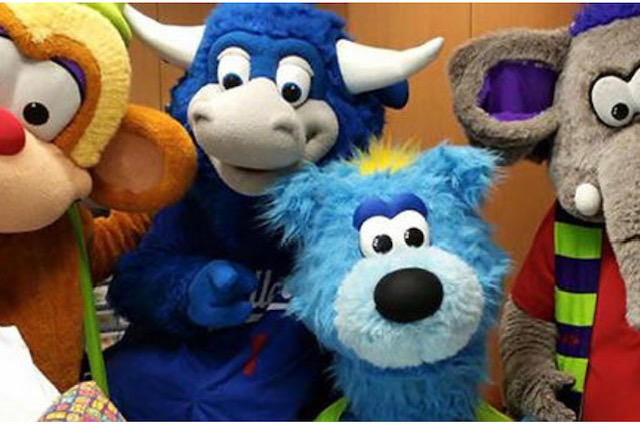
After Hairy Dawg appeared on ESPN, I started getting requests to create custom characters, which allowed me to shift away from advertising to launch Real Characters, Inc. in 1990 as a full-time character designer. It’s a fun job that I didn’t set out to do but am glad it found me. More than three hundred mascots later, I still enjoy it as much as I did in the beginning.
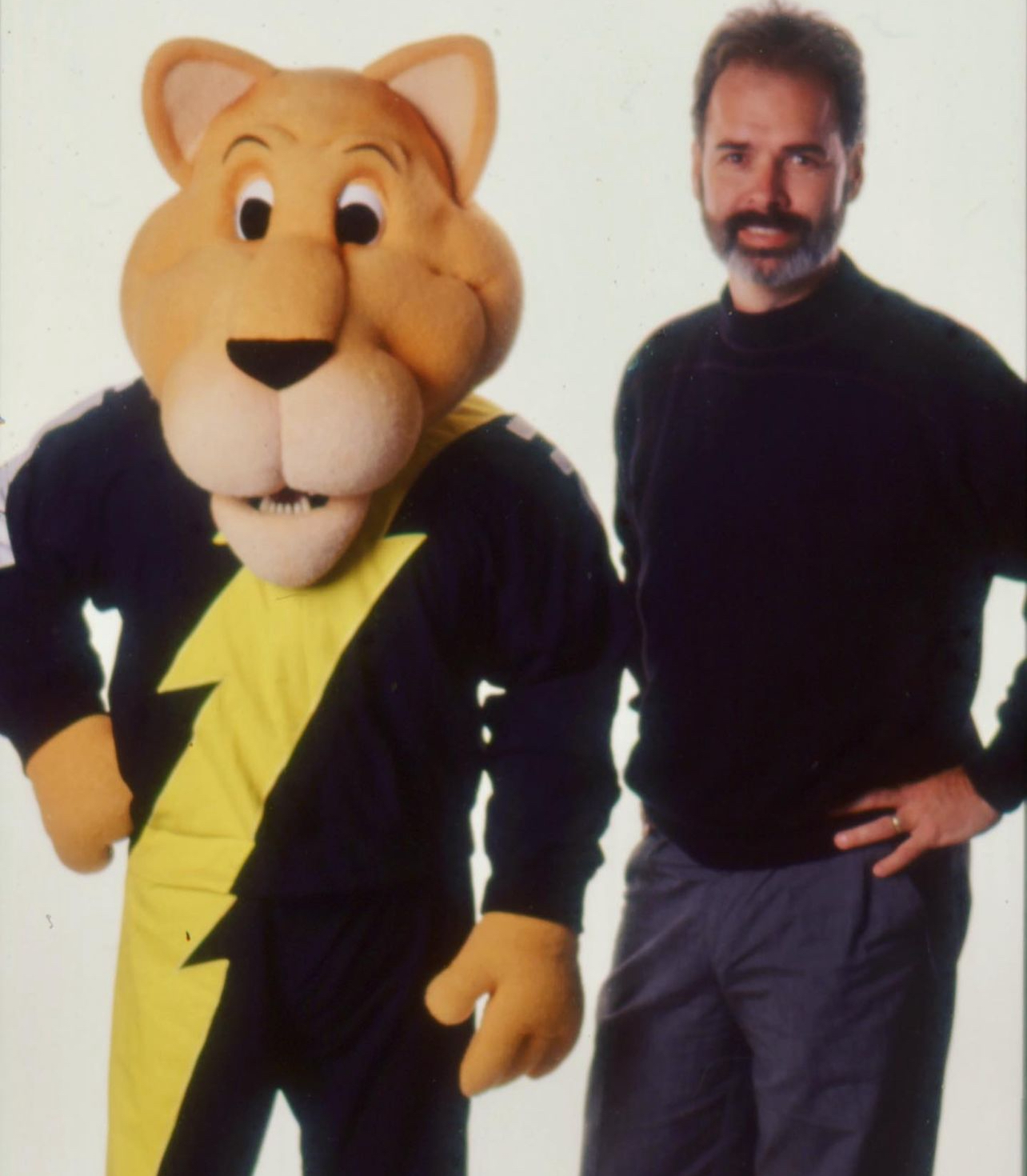
Tom, before we move on to more of these sorts of questions, can you take some time to bring our readers up to speed on you and what you do?
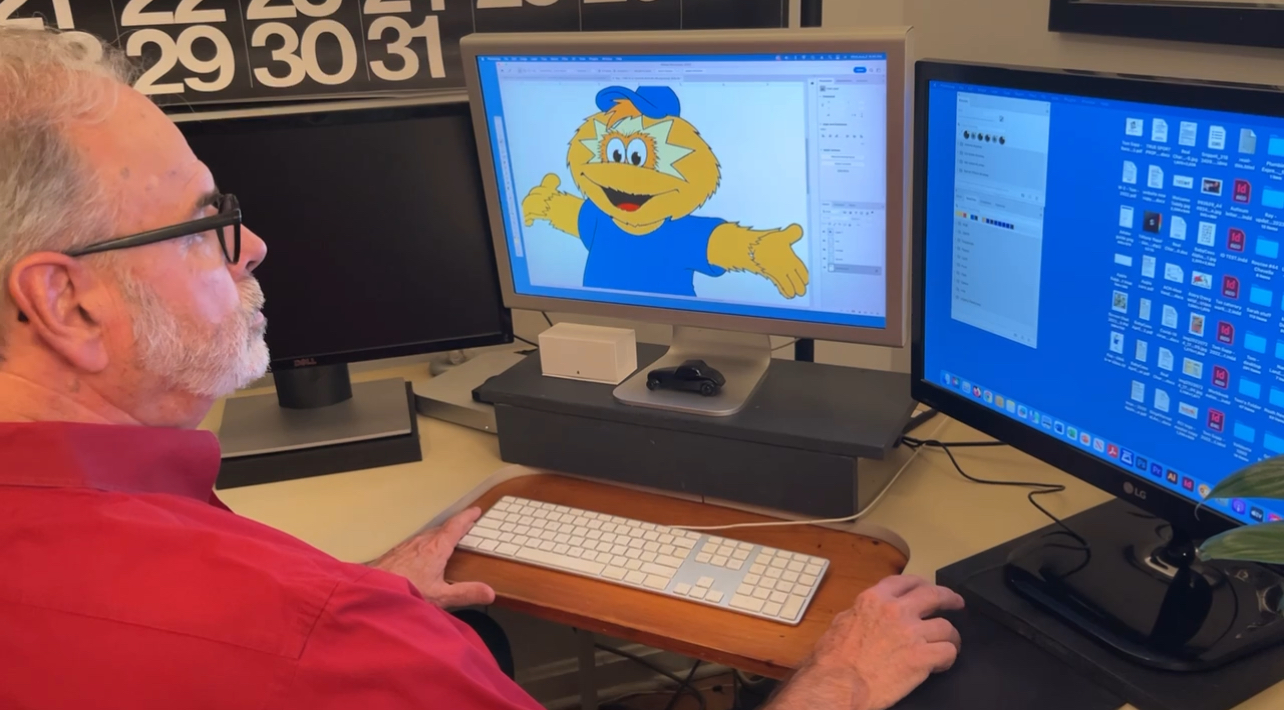
As a character designer with a background in advertising, I bring a conceptual approach to each project. Before starting a design, I research the client’s team or company personality, values, goals, team spirit, fan base to get a true sense of who they are and the story they want their mascot to tell. I design a character that’s one-of-a-kind, never just a generic animal with a color swap. Their mascot has to fit them perfectly. My goal is for people to see a character and not someone wearing a costume—like how we see Mickey Mouse as Mickey, not a person in a suit. That’s why I named my company Real Characters — to bring my designs to life.
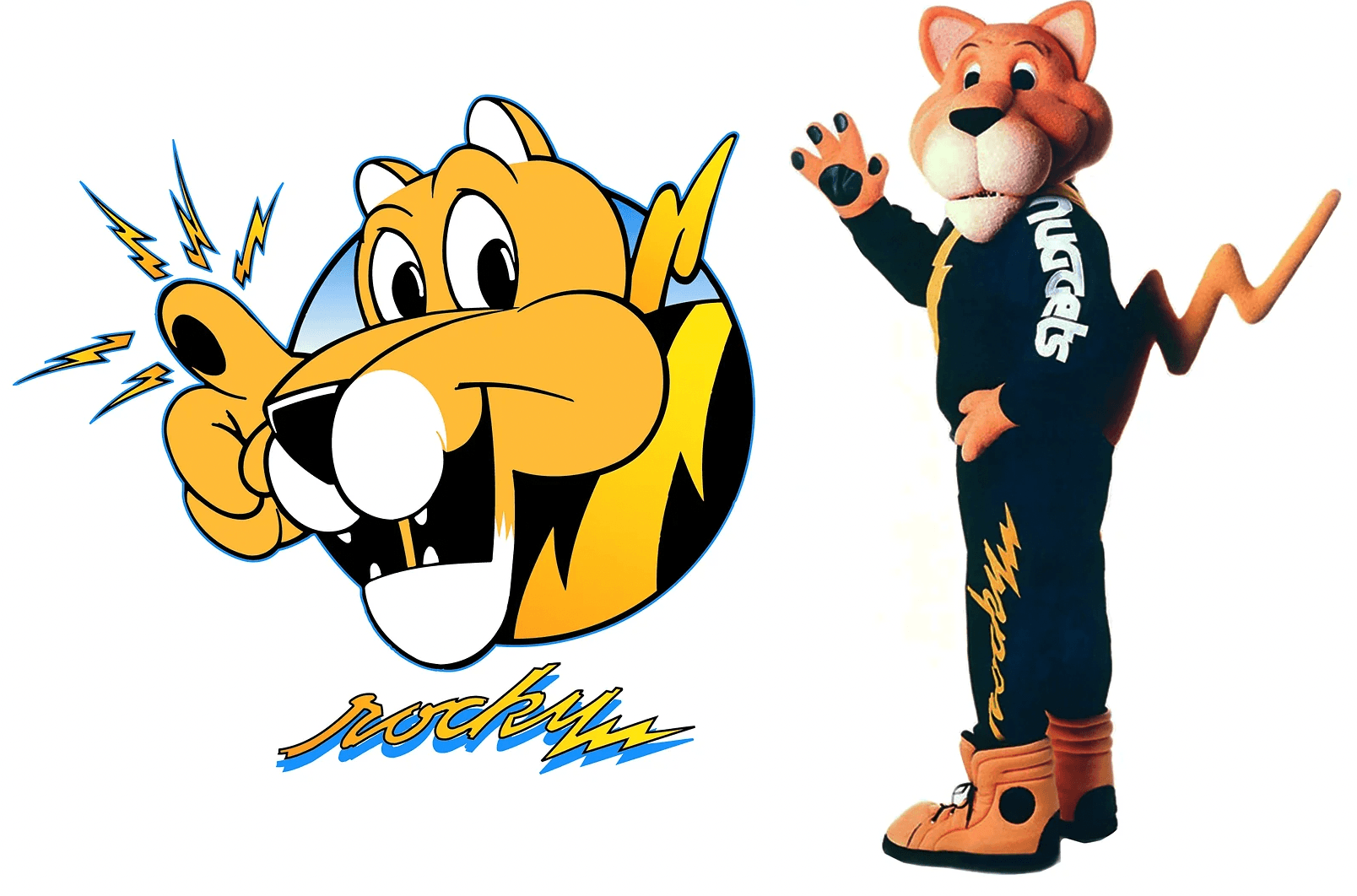
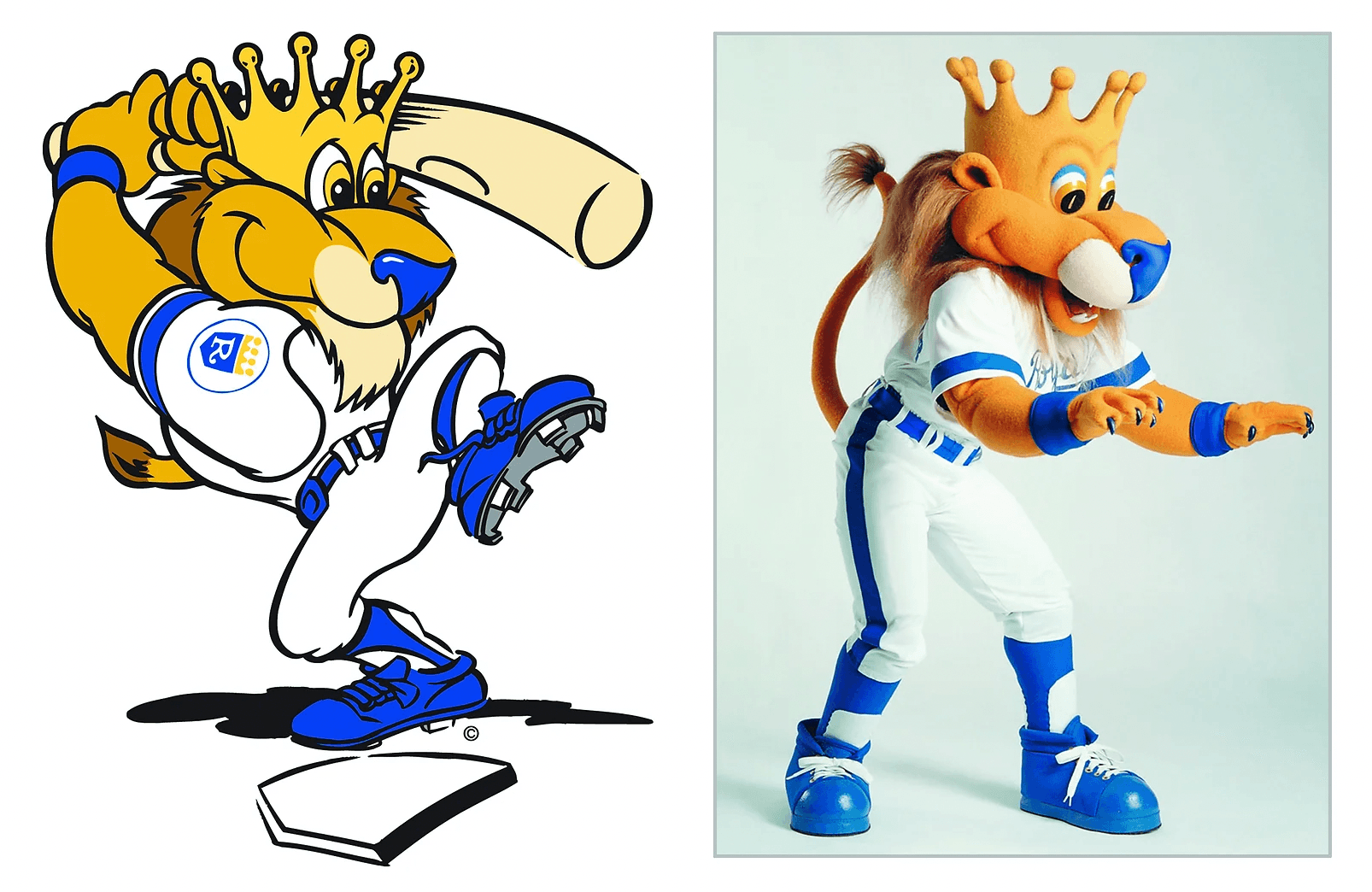
There are three essentials for a successful mascot: solid conceptual design, a costume that’s true to the artwork, and a talented performer. If any of these is lacking, the mascot fails. If the original concept isn’t strong, nothing down the line can make up for it. That’s why I stay involved in every part of bringing the characters to life, ensuring the design’s integrity is there from start to finish. I’m honored to have many of my characters voted as top mascots each year, they’re often featured in tv commercials and several are in the Mascot Hall of Fame.

How about pivoting – can you share the story of a time you’ve had to pivot?
My first career pivot happened when digital advertising transformed the ad industry, making traditional print and television advertising much less relevant. The internet quickly displaced traditional ad agencies. Just as this shift happened, mascots were really starting to take off, which allowed me to transition into character design. My background in classic advertising still shapes how I approach design, creating characters that aren’t just eye-catching but are conceptually rich, ready for branding and digital media. What could have been a career-ending moment turned into an interesting new path.
My business plan for Real Characters was initially based on selling character copyrights and earning income from royalties, licenses and illustrations. Mascot popularity soared in the early ’90s, and costume manufacturers started popping up. For a while it worked well, but costume manufacturers began giving away copyrights with a costume. That yanked the rug from my business model. Why would anyone pay me when they could get the copyright free with the purchase of a costume? So I had to pivot again, prioritizing illustrations and marketing support with the character design.
If you can’t beat ’em, join ’em, right? Real Characters is still going strong, and in 2013, I also joined the industry’s leading costume company, International Mascot Corporation, as creative director. I manage U.S. operations and in-house creative design for IMC. This setup has worked out well; Real Characters and IMC complement each other nicely, with very few conflicts between my custom design projects at RCI and IMC’s costume work.
For you, what’s the most rewarding aspect of being a creative?
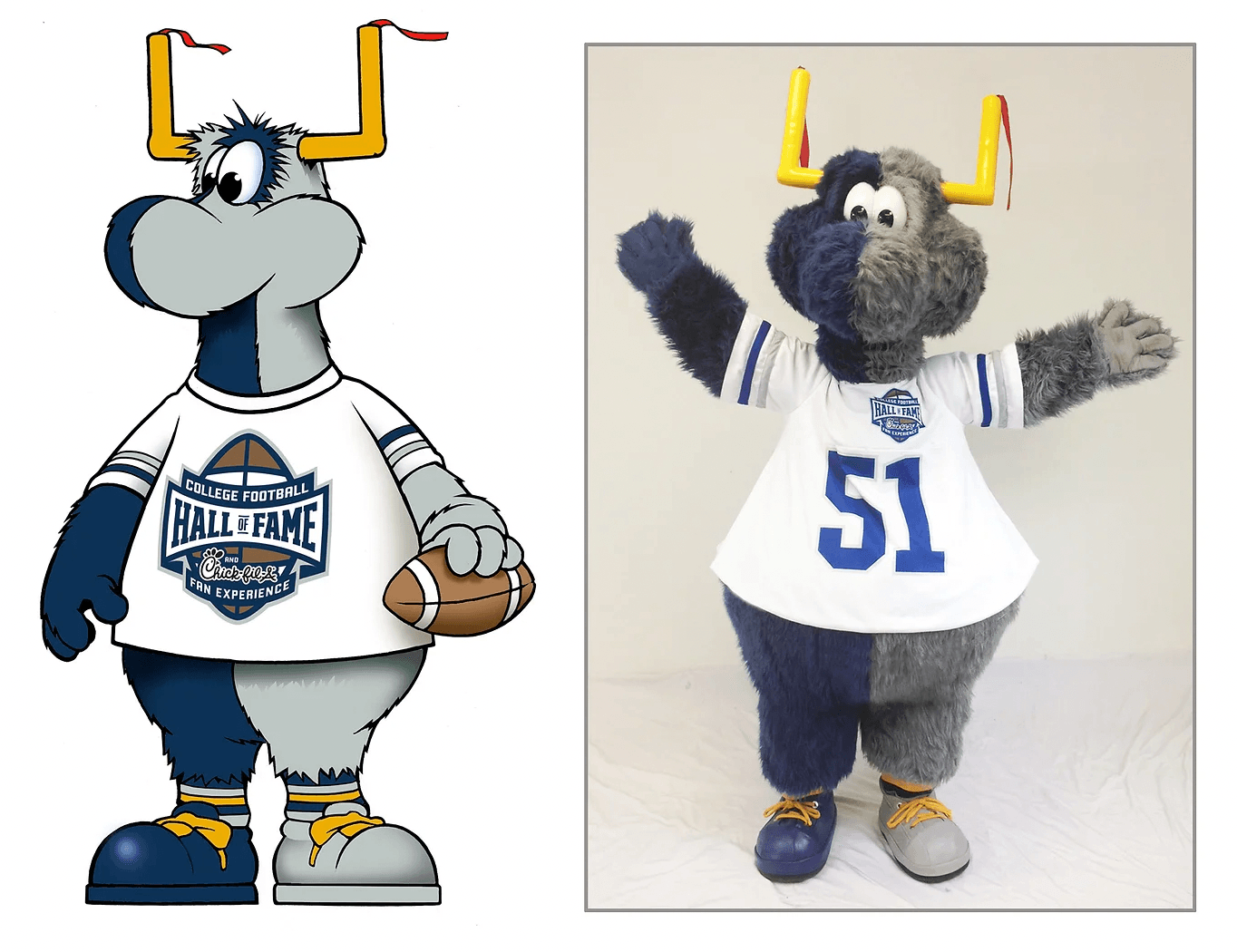
I really love cracking tough creative challenges. Once I was asked to design a mascot for the College Football Hall of Fame—they said it couldn’t be an animal to avoid overlap with an existing team mascot. Initially, I was stumped but I came up with “Fumbles,” a big, round, goofy blue character with goalpost ears. He’s a wannabe football star and the ultimate superfan. His face is painted half blue, half gray, and he’s hilariously terrible at the game and constantly fumbles catches. Seeing people of all ages light up around Fumbles, accepting him as a real character and not just someone in a suit, makes me feel good knowing I nailed it. There’s nothing like watching people get a kick out of something you created. My greatest professional reward comes from seeing people happy when they encounter one of my characters.
Contact Info:
- Website: https://tomsapp-realcharacters.com
- Instagram: tomsapp_realcharacters
- Facebook: https://www.facebook.com/TomSappcharacterdesign
- Linkedin: https://www.linkedin.com/in/tom-sapp-459294/
- Twitter: https://x.com/tomsappdesign