We’re excited to introduce you to the always interesting and insightful Tom Lamog. We hope you’ll enjoy our conversation with Tom below.
Tom, thanks for taking the time to share your stories with us today Was there a moment in your career that meaningfully altered your trajectory? If so, we’d love to hear the backstory.
It was my parents who first got me interested in music. Both having grown up in Hawaii in the 1950s, my Dad was a pretty good ukulele player. He would sing with my Mom who I also remember having a beautiful voice when she’d sing to me in my youth. When they discovered how I responded to the sounds of their music, I think this was their cue to get their son (me) enrolled in lessons!
Learning to play a musical instrument began at the age of five when they first signed me up for piano lessons. The teacher they found through word of mouth lived only a short distance away. A neighbor of ours had given us an old spinet piano which I would use to practice on until my parents were able to finally set aside enough money to purchase the family’s first brand new upright, a Yamaha! That piano would go on to be used by me, my brothers and sisters all through our childhood years. And it was a beautiful instrument to show off to friends at recital time. In fact, it still sits in my parents’ home today still filling their home with piano music from the family members of different generations.
Playing piano lead me to learn other instruments right up to the final days of high school. What I remember most about was that this was done so in a consistently structured environment – studying music theory, reading classical music, learning to play traditional songs all while staying within the boundaries of a rigorous daily practice routine. This type of setting seemed to align well with the rules set forth in our own home by my Dad, a strict US Marine Corps veteran who served as a mechanic during the Korean War. As I entered my years as a teen, playing music seemed more like a chore, even burdensome at times. I remember wanting so desperately to be doing anything else – being outside with friends, riding bikes and playing sports instead of pounding the keys and making noises that bored me to tears.
I remember my perspective began to shift shortly after Graduation Day. After dropping hints of setting aside the piano and learning to play guitar, Mom and Dad gave in and gifted me my first acoustic six string. Dad took me to the local music shop, and we looked at all the different guitars. The salesman suggested picking out a classical nylon string classical guitar to start with as this would be easier on the fingers, which was alright be me! Being a youth in the 70s, I was exposed to some remarkable musicians and guitar players in rock, pop and acoustic music. And the desire to become proficient at playing guitar was only magnified by the emergence of FM rock radio, and home and car stereo systems, and boomboxes which set the standard for my generation in being “cool”. It was then when I felt as if music had become firmly planted within my core, and that it would later define my purpose, personality, values, priorities and individuality, By 1980, I found myself in the role of music director / disc jockey at two Oregon rock radio stations spinning vinyl by day, then jamming with friends and local musicians on guitars at nights and on weekends. It certainly didn’t pay much, but sure was a lot of fun! The experience went on to validate music’s strengthening grip on nearly all aspects of my life then.
Fast forward to April 2022. I have been songwriting, recording and performing live for over 20 years. I had grown my network of musicians and songwriters through jam sessions and gigging with these friends and acquaintances in places all around the country. But now two years into the COVID 19 pandemic, few options existed for musicians to play live anywhere. I would be forced to set down my songwriting and performing so that I could pursue less risky alternatives in keeping music at the heart of my day-to-day activities.
One day while surfing the net, I came across a friend’s post about guitars and how veterans who wanted to learn to play them would seek comfort by doing this. I was intrigued with the idea that anyone would use a guitar to help them heal from their wounds both physically and psychologically. Within a month of reading that article along with some research, I applied to become a volunteer guitar instructor at Guitars for Vets, a Milwaukee-based, 501c3 non-profit. Within a few days, I was accepted and given my first student, a combat veteran who served in the US Navy.
Up to this point, music was merely one of the many hobbies that kept me from being bored and complacent during COVID. However, in September 2024, having helped 10 veteran guitar learners who I have come to know deeply through our weekly guitar lessons, I have a dramatically different view about the effects of playing guitar, and the role music plays in the lives of others. In addition to getting to know these graduates, I’ve also interacted with dozens of other veterans who have attended my live event workshops given at the Guitars for Vets Learning Center / CAVARTS. Many have shared comments and observations from their doctors which expressed visible improvements to their physical, neurological, and psychological issues which were directly related to learning to play guitar. And to see these individuals grow into becoming guitar players and now capable of making music a part of their lives, it’s still quite wondrous to me. As these same students go on to share their deepest and most sincere thanks for helping them heal from what they believed was never possible, I often find myself being moved to tears each time, and each becoming defining moments for me and my association with music. In the end, I’ve learned that with the right combination of tones, rhythm, melody and dymanic, music has powerful life changing qualities that not only improve a person’s life, but also has the capacity to save lives too.
Awesome – so before we get into the rest of our questions, can you briefly introduce yourself to our readers.
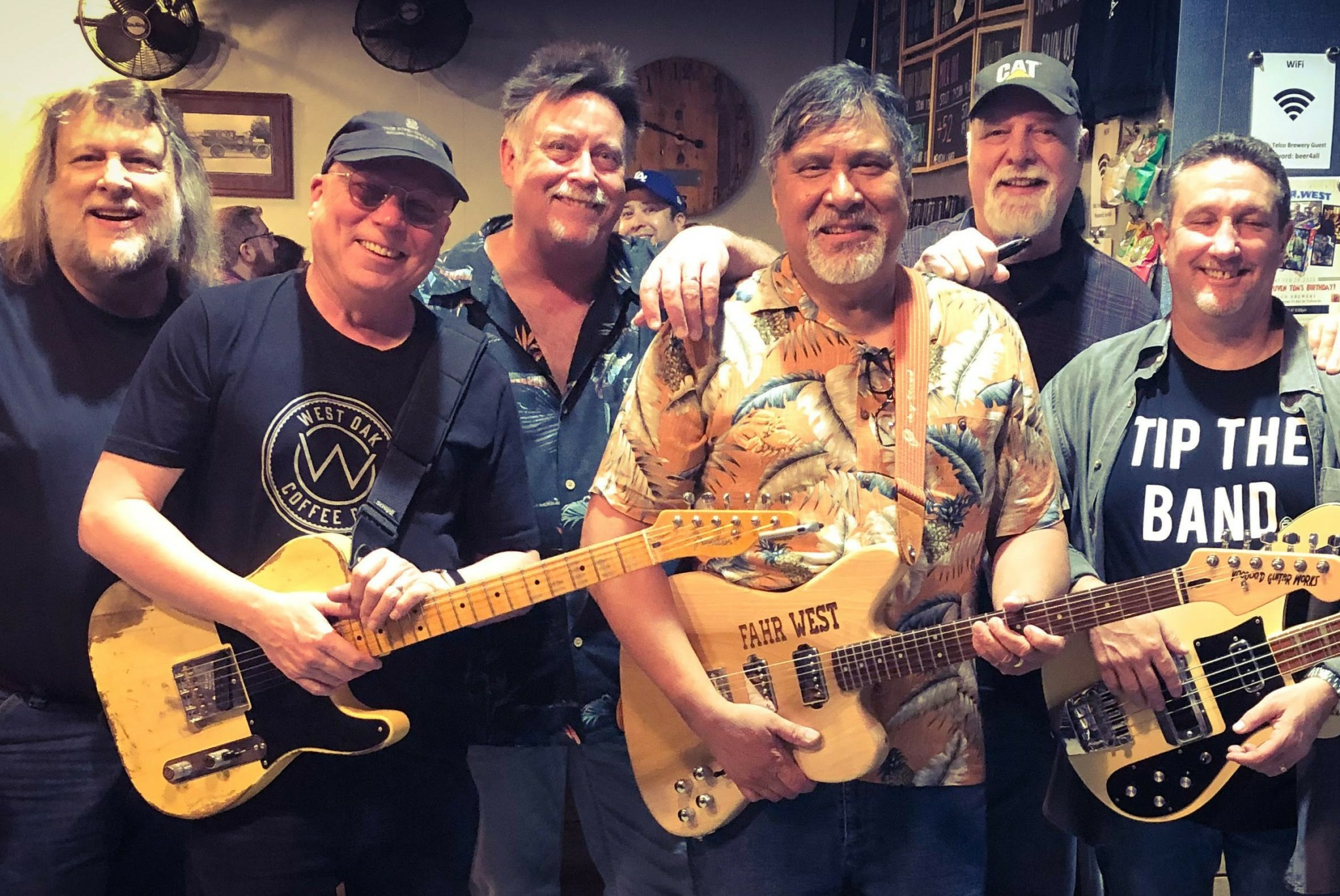
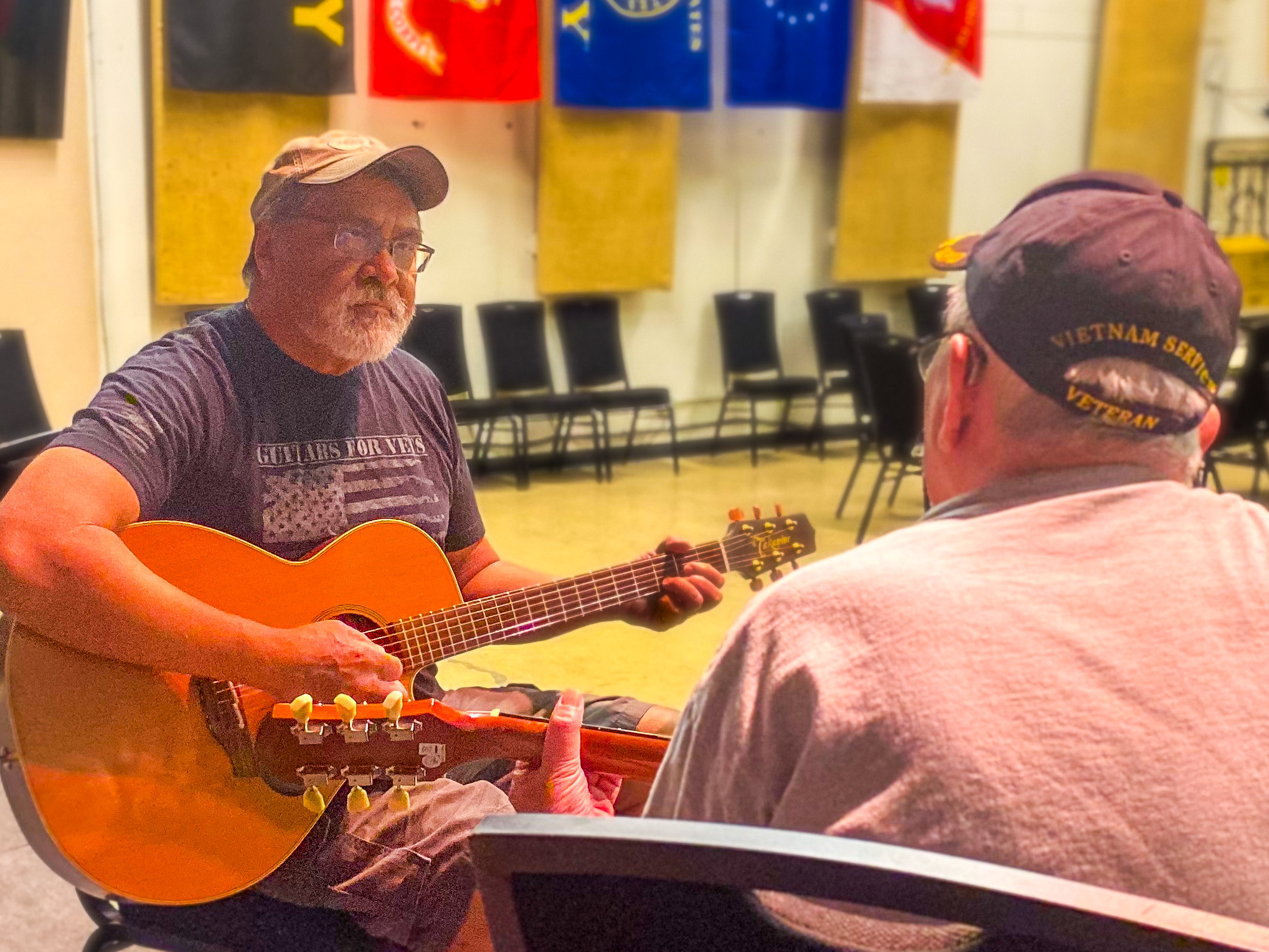
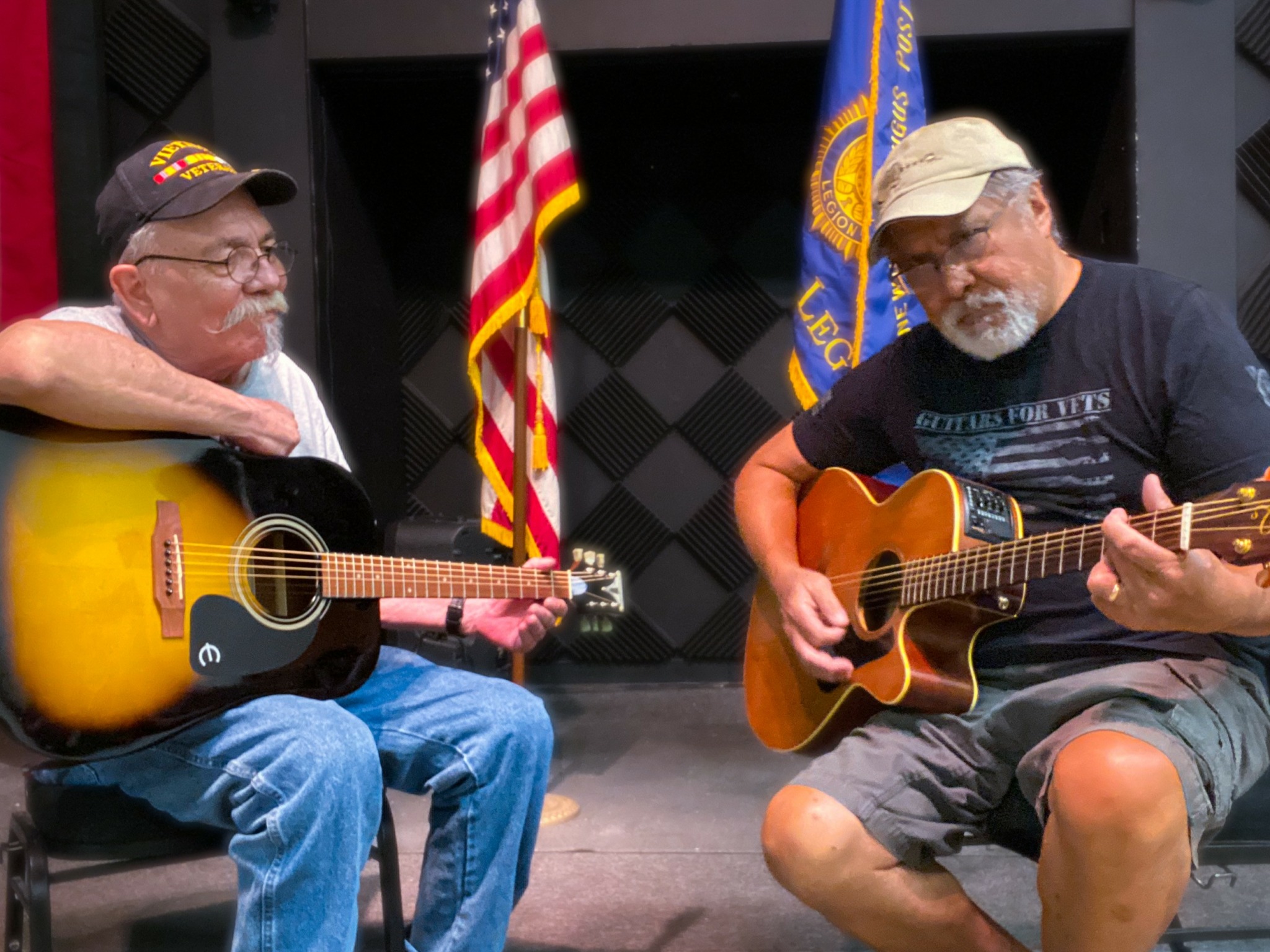
I am a singer/songwriter guitarist from Los Angeles where I can occasionally be found gigging with my 5-member classic rock / Americana band, The fahr.west Sessions. I’m also a volunteer instructor with Guitars for Vets both with their Cyber Chapter providing virtual guitar instruction, and with the Newhall CA Chapter located in northern Los Angeles County where I provide in-person lessons. Guitars for Vets is a 501(c)(3) non-profit organization that provides acoustic guitar lessons to US veterans coping with PTSD and other types of traumas resulting from combat.
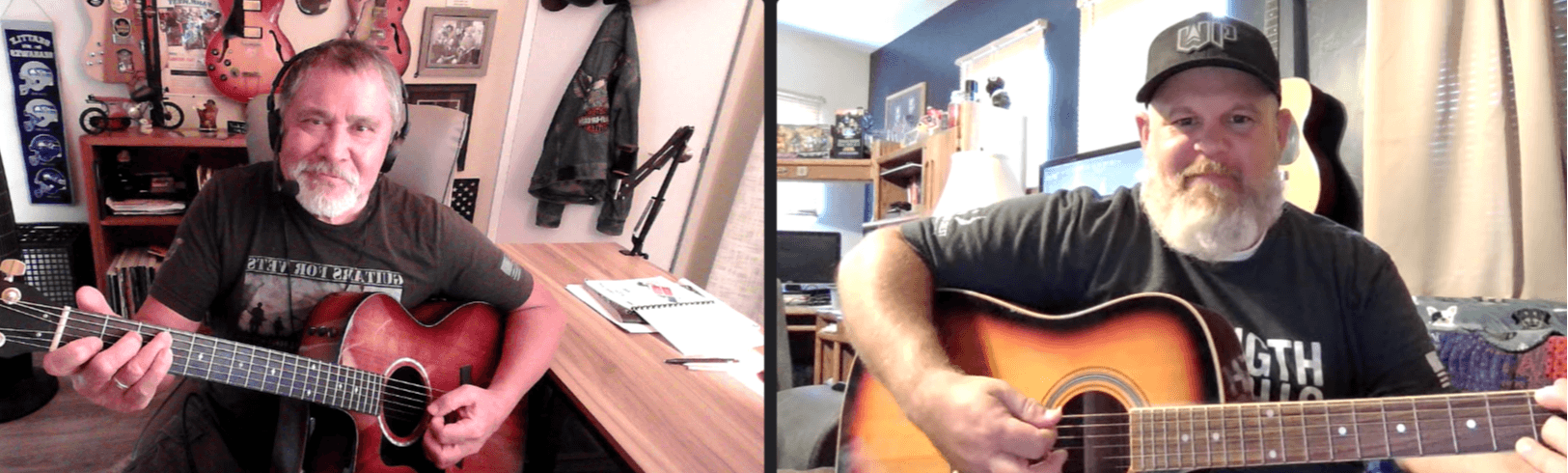
After recently retiring from the corporate world, I’ve decided to focus my time in supporting the mission of Guitars for Vets by “putting music in the hands of heroes”. My responsibilities include the delivery of individual weekly lessons which are customized to meet the skill level for each of my students. Basic instruction includes correct posture, holding a guitar, tuning strings, learning the musical alphabet, playing with a guitar pick, forming chord shapes, making clean chord changes, learning different strumming patterns, and reading music charts. By the end of the tenth guitar lesson, students go through a graduation process and are gifted with a new acoustic guitar with accessories. It’s a wonderful experience watching these veterans engage in the learning process from the perspective of an instructor as they undergo a sort of transformation from a complete novice with no clear idea what to do with the box of strings that’s handed to them, into someone showing more confidence with making music while temporarily suspending their pain and discomfort with every chord they strum on their new acoustic guitar.
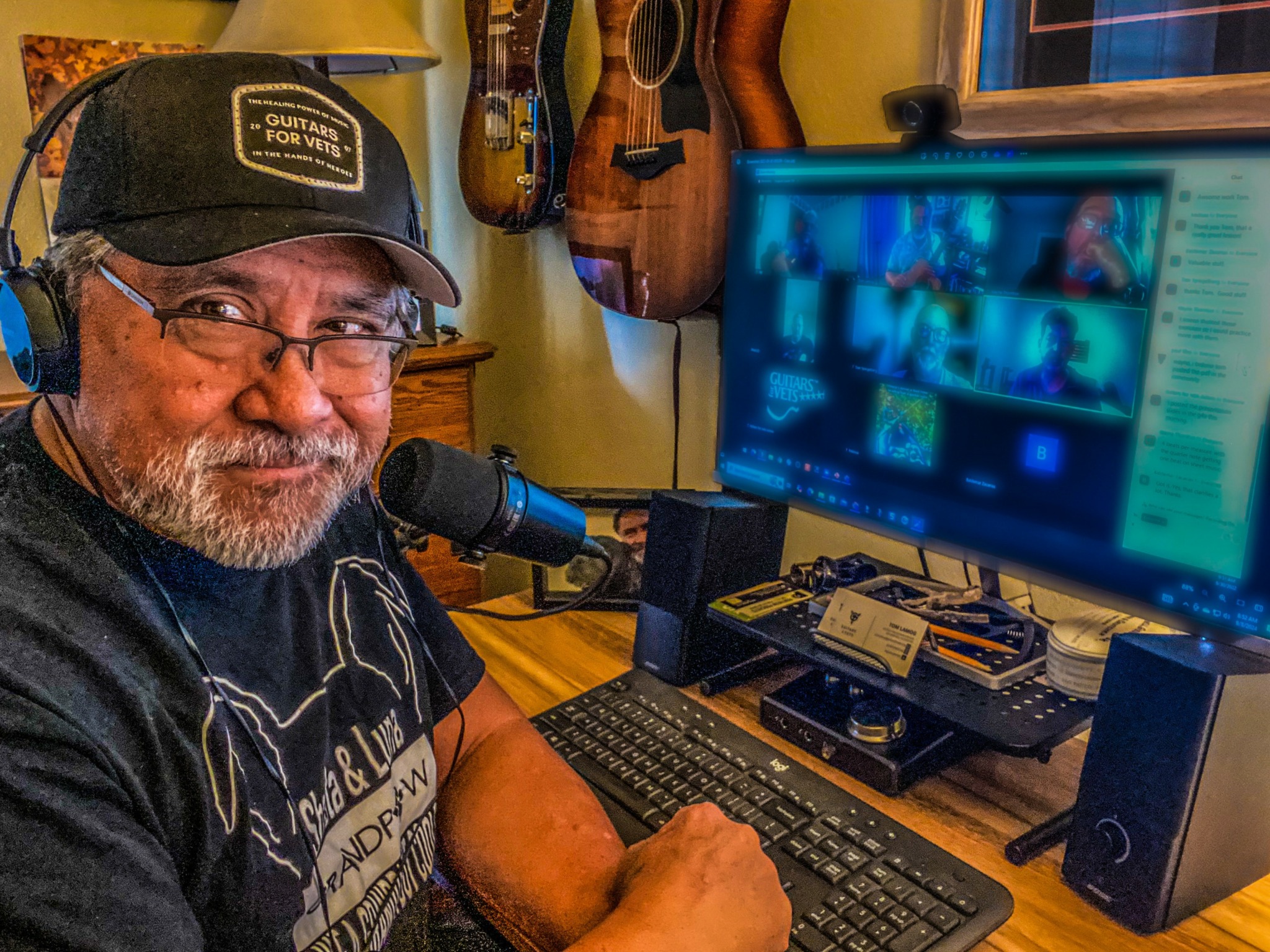
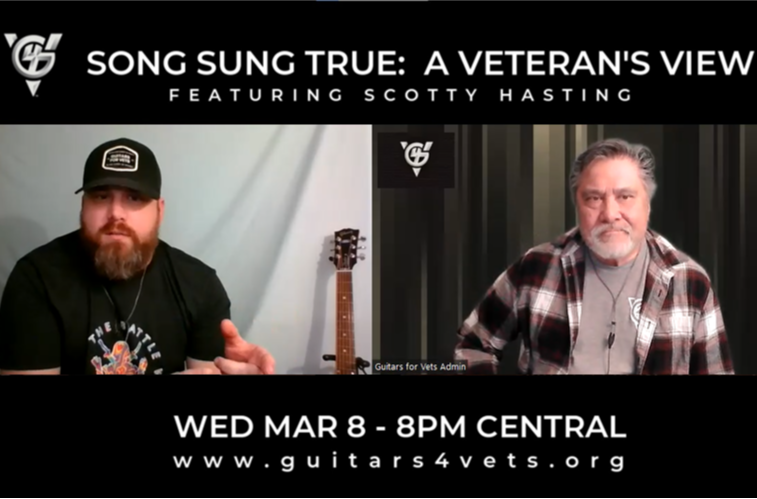
Another part of G4V’s mission includes helping veterans restore purpose and to provide them with a much-needed sense of community. One of those community resources is the Guitars for Vets’ Learning Center hosted by Challenge America and their Veteran Arts Community, known as CAVARTS. My work includes the creation of learning content that reinforces everything our veteran students were taught during their instructor-led lessons. It also includes new topics geared towards getting these learners to the next skill level of guitar playing. Some of the programming I’ve helped to create and deliver with the G4V Learning Center include “ITAG – Introduction to Acoustic Guitar” which covers all of the guitar playing basics. “IJAM – Introduction to the Acoustic Guitar Jam” which prepares students for their first jam session with another musician. “Song Deconstructed” provides a breakdown of the chords and strumming patterns used in popular songs. “G4V Guitar Shop” is a hosted panel discussion that takes an in-depth look at instruments, pedals, amps, and other items found inside a real guitar shop. “IJAM Play Along” is a virtual play along live event where students are supplied with a songbook, and follow me on Zoom as I perform these songs live on acoustic guitar with vocals. I also host a podcast called “Song Sung True: A Veteran’s View” which features the remarkable stories and original music of combat veterans who go on to become singer/songwriter and performers. This podcast includes live acoustic performances of their music. Additionally, the G4V Learning Center continues to provide opportunities for networking with other veterans with various skill levels of guitar playing, as well as access to the G4V instructors for any supplemental mentoring that is requested.
Aside from my work with G4V’s Cyber Chapter, Learning Center, CAVARTS, I’m also in the process of establishing the newest G4V chapter that operates out of American Legion Post 507 in Newhall CA. I work closely with our Chapter Coordinator and the G4V Corporate leadership team to promote and to grow the program and services at this location. Aside from providing guitar instruction, my responsibilities include interviewing prospective instructors, enrolling new students, coordinating donations and fundraising, planning and hosting live events, meeting with reporters with local newspapers and TV stations, and supporting back-office operations like accounting, procurement, and scheduling. I’m so thankful for all the years in being employed by corporations and businesses which have prepared me with the skills needed to bring this chapter to a fully operational status!
Putting training and knowledge aside, what else do you think really matters in terms of succeeding in your field?
Going into an environment to teach playing guitar to a veteran isn’t just about plucking strings, playing chords and reading music charts. There is a definite advantage with applying business management concepts which include leadership, effective communications, organization, timeliness, accuracy and empathy to your skills set. I’m so thankful to my former employers who invested their time and trust by sending me to a variety of workshops and technical seminars, all of which I continue using in my work with Guitars for Vets today. Perhaps the most important lesson: Taking the time to fully understand the information that needs to be communicated, coming up with a process to share the information so that its simple to digest, then confirming understanding with the recipient by having them repeat what was just discussed. And while this took me about 30+ years to finally gain confidence with applying two-way communications skills, it certainly made it easier to work with the professional colleagues, friends, acquaintances and students with whom I would interact with.
Any stories or insights that might help us understand how you’ve built such a strong reputation?
Much of my interaction with my contacts was done through video conferencing and occasional in-person meet ups, so being effective at two-way communications was essential in building and maintaining a good reputation with my clients. I’ve also discovered the importance of having several other business skills in my professional toolkit.
Examples include:
• Services which are rendered should be done so with ultimate customer satisfaction in mind.
• The delivery of services must always be prompt and in the most courteous kind of way.
• Displaying confidence, enthusiasm and a positive attitude contributes towards establishing a good business relationship, while showing empathy to others by putting yourself in their shoes validates commitment to a partnership.
I believe that it’s through these actions are what set me apart from others in my line of work. And there’s some real truth in treating others like how you’d like to be treated. Few people I know are “a natural” in making use of these essential business skill admitting that they too had to undergo a lot of self-study in these areas. And in the industry I’m in with music, certainly, you can approach it in a structured and logical way like I remember in my youth. But in the end, it seemed harsh and impersonal. It took 50 years to discover that it would be the feelings, emotions and empathy generated from making music – that’s where the power in its capabilities can truly be found.
Contact Info:
- Facebook: https://www.facebook.com/profile.php?id=61560450677577
- Youtube: https://youtube.com/playlist?list=PLlQ3emSNrp4hk8hf5nEQintMmmZ4iDq6Q&si=P9VkdsXTw_4dItdW
- Other: G4V Corporate Website: www.guitarsforvets.org
G4V Corporate Facebook: www.facebook.com/GuitarsForVets
G4V Corporate YouTube: www.youtube.com/@GuitarsForVets