
We’re excited to introduce you to the always interesting and insightful Toby Devens. We hope you’ll enjoy our conversation with Toby below.
Toby, appreciate you joining us today. Quality control is a challenge almost every entrepreneur has had to focus on when growing – any advice, stories or insight around how to best ensure quality is maintained as your business scales?
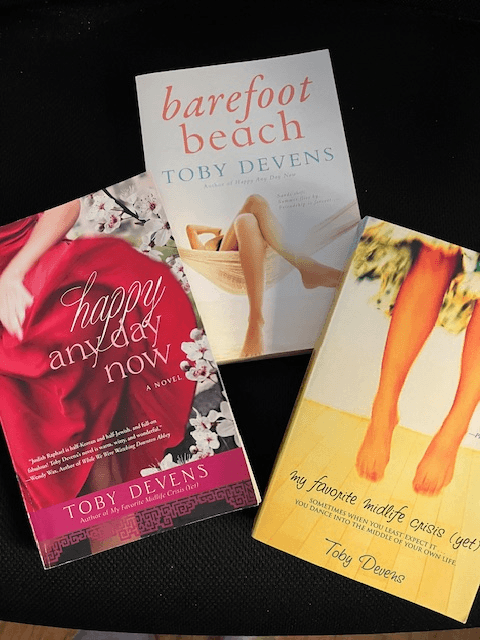
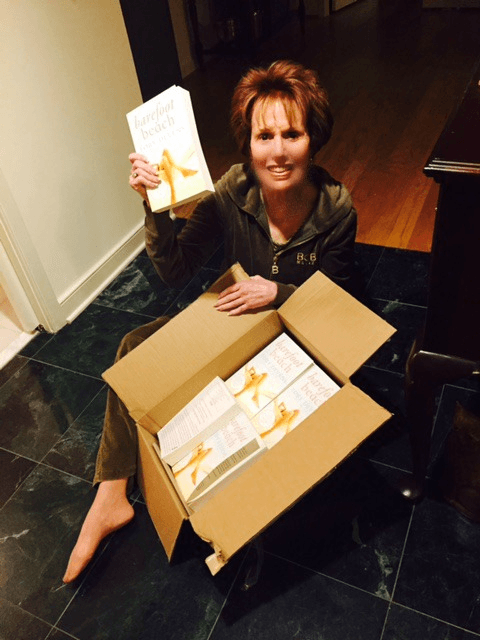
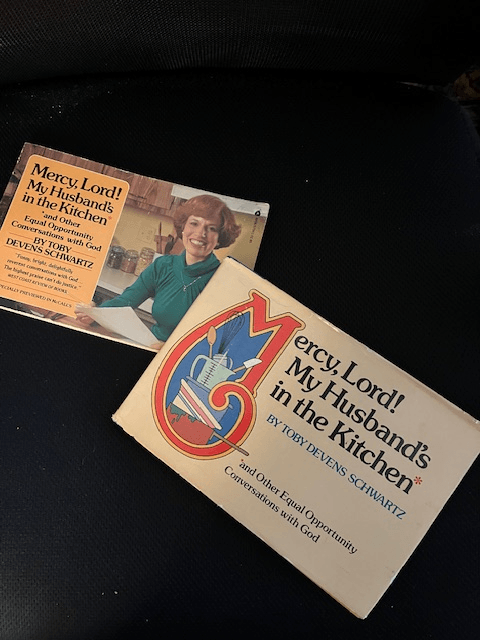
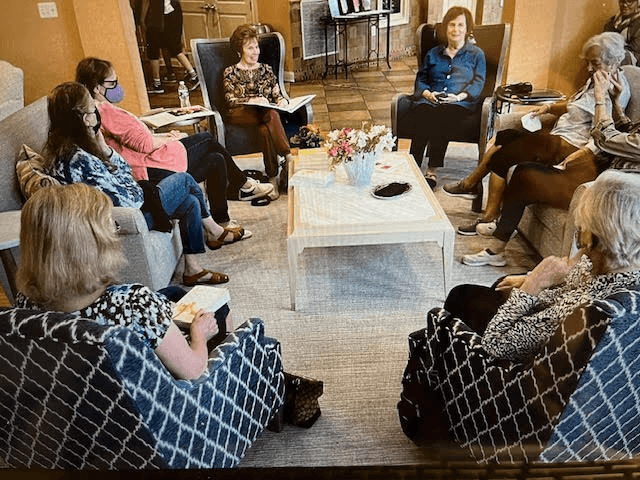
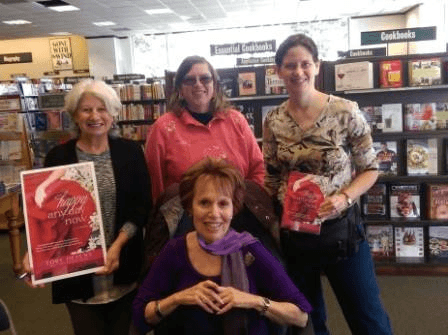
My father, the owner of a small business had a philosophy about maintaining or increasing quality: “Know your product, know your market, and know people who know what you don’t know.” I’m passing on Dad’s secret of success to you because applying it saved my career and my passion. That was and still is writing for an audience of many readers who morph into satisfied, repeat customers. My first book, a poetry collection called “Mercy, Lord, My Husband’s in the Kitchen,*and Other Equal Opportunity Conversations with God” was a reflection of the expanding roles of women and men generated by the human rights movements of preceding decades. Serious business, but most of my poems had an ingredient rarely used by poets at that time. They were freshened by humor. They also differed from most poetry with literary pretentions by referencing contemporary situations and famous and infamous popular characters. Years passed, Dad’s words had faded with time and I was rebellious enough to be overconfident. I chose to go through getting this debut book published on my own. Admittedly, luck played a major part in the process. I submitted excerpts from the manuscript to a national woman’s magazine without the help of an agent or advice on approach from seasoned professionals. Surprise! The submission was accepted. A number of poems were featured in issues of McCall’s magazine. That’s where an editor from Doubleday, a top publishing house, spotted them and recognized the book’s potential. Released in hard cover, it took off. Critically acclaimed, it benefitted from the public relations services provided by a large corporate entity expert in such outreach as media coverage and arranging book centric events. The PR department kept me busy promoting. And then, with a family to raise and a full time job, I took a recess from writing , Too long a break, I know now. I lost momentum. Finally, years later, with diminished family responsibilities and poetry trending flat as emotionally driven longer form fiction was building, I moved on to writing novels. It took a while to make the shift, time spent doing the research necessary for a strong plot and compelling characters. And time to forge the connections that supplied advice from their experience. I joined a group of successful authors that meet bi-weekly (first in person, now on Zoom) to discuss everyone’s current projects. Became a member of the Maryland Writers Association. Attended conferences. Spent my days writing many drafts of this new-to-me format and connected with an agent to represent me to perspective publishers.Three of my novels were published by divisions of Random House the world’s largest publisher. The first, “My Favorite Midlife Crisis (Yet)” deals with the professional and personal problems of a female gynecologist and her two BFFs looking for love in all the wrong places. “Happy Any Day Now” features a half Korean/half Jewish symphony cellist with stage fright, a returned first love, and a parent with Alzheimer’s. “Barefoot Beach” explores the dynamics of friendship and the phases of recovery after loss. All three narratives treat serious subjects with respect, but are infused with the power of humor to brighten the mood. And all adhere to a philosophy which was part, maybe the best, most useful part of my inheritance from an earlier generation. Thanks, Dad.
Great, appreciate you sharing that with us. Before we ask you to share more of your insights, can you take a moment to introduce yourself and how you got to where you are today to our readers.
I was born into a creative family. My mother played piano, picking up songs by ear and adding her own jazzy fringes.. Her twin sister wept sentimental tears as she stroked gypsy music from her violin. My great-uncle Nate painted. Okay, by numbers, from a kit But he showed a flair. Our New York City apartment was filled with books and three daily newspapers. So maybe the surroundings seeped into my life or maybe there’s a gene for creativity that I inherited,
I was an avid reader. The notion that a moment, a feeling, an idea could be captured on paper forever struck me like a thunderbolt. In fourth grade I wrote a poem called “The Flood” that got tacked on the hall bulletin board. An honor. I was in junior high school the first time I made money from my work. A friend and I converted the novel “Little Women” into a play and drafted some neighborhood kids as actors. We performed it for our parents. Ticket price seventy-five cents apiece, two for a dollar. I suppose I carried a merchandising streak in my nature as well.
I was, of course, an English major in college, and the editor of the campus literary magazine. I helped dorm-mates study for English finals. One offered payment for our two hour session. I waved her and her five bucks away. That marked the last time I ever used that gesture. I moved on to graduate school where I earned a master’s degree in Contemporary American Fiction. After that I was on my own, looking for work with a couple of non technical degrees in a technological society. I questioned the decisions that brought me to this dead end, In retrospect, I know that all my choices up to that point had been driven by heart as much as brain and that my profession, which was also my passion, would spark among the most rewarding parts of my life.
I finally landed a “general assistant” job at the AARP magazine where I was the youngest on staff, by generations. At the beginning, my duties were of the empty-the-trash-cans, run-out-for-coffee variety. But my seniors coddled and coached me as they would a grandchild. Here my father’s injunction to know people who know what you don’t know came into play. I learned by observing the personnel above me, asked questions, mimicked their methodology, expressed gratitude for their willingness to share information, and leapt at every opportunity to practice my trade. Soon they allowed me to edit their drafts. And after a while they assigned me to interview and write inspiring stories of active seniors.
In my spare time, full of the energy of youth, I wrote what eventually made up a collection of prayer-like poems about contemporary topics from the feminist perspective but with a brightening touch of humor. Always the cockeyed optimist, I submitted the manuscript to one of the world’s most successful publishing houses, Doubleday. And surprise came in a morning phone call. It had been accepted, Now named, “Mercy, Lord, My Husband’s in the Kitchen,” within the year it was out in hard cover to positive reviews. Doubleday sold the rights to a soft cover edition and some poems were excerpted in woman’s magazines. I was enthusiastic with the program my publishers public relations department whipped up for me. When the attention faded, I realized I was yearning for something more exciting from my day job.
I heard at my editors’ support group (tip: whatever the common interest, these groups are a very helpful source of information and support) that the magazine I’ll call “Hi New York!” was looking for a new associate editor under the current chief, Erica Anderson. I sent in my resume. Snagged an appointment for a midweek interview. I picked up a copy of the magazine at a hotel from a stack in the lobby. Hi, whatever city! was in twenty-six locations around the world to guide guests to the town’s best theater, cabaret performances, most impressive museum exhibits, shopping destinations and restaurants.
Erica Anderson’s full-length photo was positioned above her signature in the editor’s welcome column. I’m a short, redhead from Brooklyn and knew from my group she was a stunning blonde from Minneapolis but damn the facts, I needed her to believe my nudge that I was at least a potential Erica. She’ was pictured wearing a blue seersucker suit and straw sailor hat, typical summer attire for a successful New York businesswoman. I hit Bloomingdale’s department store and found my get-up for the interview: a blue seersucker blazer, white slacks, a straw hat, with a brim I could tweak to catch some flattering sunlight. At the end of our meeting, when we shook hands, I saw a flicker of recognition in her eyes. The transformation had worked. Erica editor saw the spirit of herself in me. The suit, the hat, the jacked-up confidence, that subtle reminder was enough of a push for her to hire me . Or it might have been the sample writing I’d handed over. But I believe whatever the product or service you’re handling, your first sale is of yourself. There are exceptions, but in general before you sell anything in your line, you sell you.
My three years with that magazine were probably the most exciting, most fun I’ve experienced in a salaried job. All my expenses and that of my chosen escort were absorbed by the publisher. I was a very popular date and careful to invite partners in whom I had no romantic interest. Truly just friends. Why complicate something that worked best as a simple transaction?
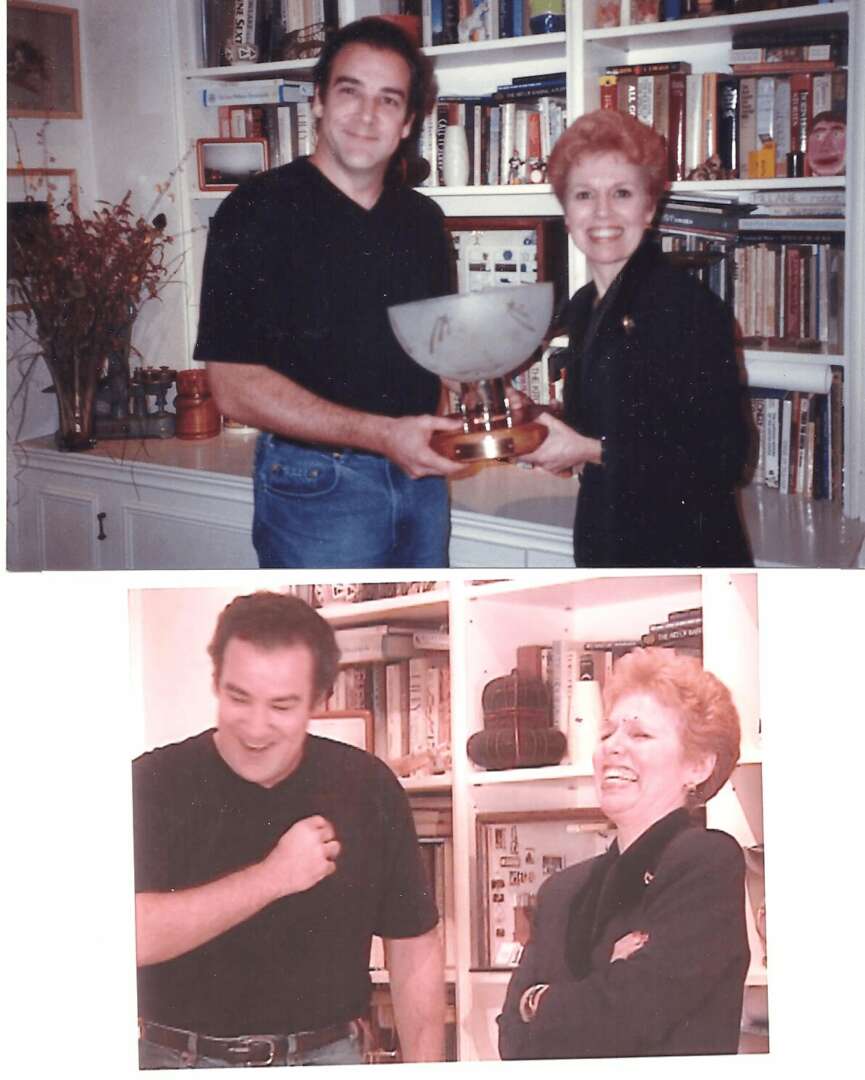
I r reviewed Ella Fitzgerald’s awesome cabaret performance at the Royal Box of the Americana hotel, And delightful caberet owerformances s by Jack Jones, Rosemary Clooney and the multi-talented Mandy Patinkin, who turned up again in a different role in my life years later. By then I was Vice President of Public Information for a health related nonprofit. Generous and kind, Mandy was the star of a public service announcement for my charity that returned sight to blind patients in the U.S. and globally.
I got into the rhythm of viewing and reviewing and grasped the secret of patterning my assignments so the work brought me pleasure. when I needed escape from the routine, I worked on my novel. Yet another way or weaving words. The long format was relaxing. The plot that required dascinating medical reseach featured a Dr. Gwneth Berke, a gyecikogical cancer surgeon, and Dr.Simon York, a british resarcher had some interesting twits ,. Publisjers Weekly called the book a wise and witty devut. It was set in Baltimore, And then I stopped, took a deep breath and looked up from typing my notes about Baltimore and into the eyes of the man I was interviewing. Who lived there. Who would become my husband, the father of our daughter and ultimately, the reason behi a;ll three of my novels
I eventually said, “Bye New York” and followedmy love to the city on the Chesaoeake Bay. . I stayed home to care for my child and get another novel “Happy Any Day Now,” written. My lead character was a half Korean, half Jewish symphone cellist who deveooped a paralyzing case of stage fright, was barely coping with the death of her mentor and the return of her first love
managed an ideal balance bwteen creative , the joys of family life, volunteer work, and the of my circle of women friends many of whom were artists in many genres, painyets,, musicians, buiness owners. Buildiners of Life seemed perfect,
And then it didn’t. My husband’s chronic illness which had been dormant for years reappeared. He died when our daughter was four.
In mourning., the fountain of creativity drued up. I will get through it. Without his income, I needed the paycheck from fulltime job. my New York background suggested experience, sophistication, Just the right resume for corporate public relations. And once again, I
once again took a turn for had the most adorable baby, managed to hook the perfect alignment –stay at home with Amanda, provide PR services to a local food distribution company on a retainer. Also had time and temperament to take on as a sideline, writing a collection of poetry called Mercy Lord, My Husband’s in the Kitchen * And Other Equal Opportunity Conversations with God, compelling combination of spiritual prayer-like poems dealing with contemporary topics with a touch of humor. Always the cockeyed optimist, I sent it in to one of the world’s most successful publishing houses, Doubleday,
And one morning I received a call the manuscript had been accepted, Within the year, it was out in hard cover to positive reviews. Doubleday sole the rights to a soft cover edition. A number of the poems were excerpted in woman’s magazines. I knew public relations and was comfortable, more than, enthusiastic with the program my publishers pr department set up for me. Life seemed perfect,
And then it didn’t. My husband’s chronic illness which had been dormant for years reappeared. He died when our daughter was four.
Without his income, I needed the paycheck from fulltime job. my diverse background suggested multifaceted experience, Just the right resume for corporate public relations. So once again I pivoted to something different.
Can you tell us about a time you’ve had to pivot?
I had a number of pivots that jerked me into new situations and most taught me I could handle change. The only one that I would edit from my life is the death of my first husband when he was thirty-nine and my daughter was four. We survived, but for a while I didn’t have the desire or the energy to write, to do anything more than care for my child . But life is change. The more you have to or choose to pivot, the more graceful you get doing it.
In my case, I pivoted formats: Poetry to fiction and back again. Being able to master both gives me a broader audience. Trends sometimes cause pivots. Many of my writer friends made their reputations with traditional romances. But some saw the best seller lists and recognized the popularity of fantasy science/fiction, and now they’re riding that tide with dungeons, dragons and danger in their set-ups for the romance. This too–at least with the power it’s currently enjoying–shall pass.
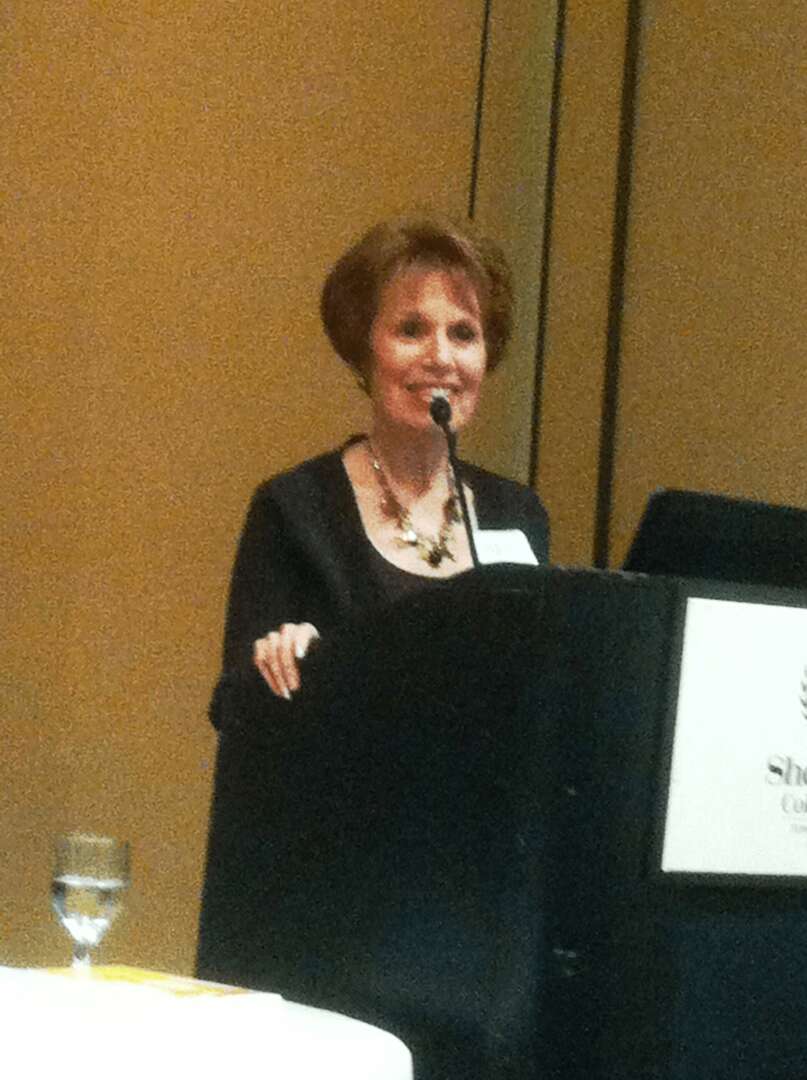
What do you find most rewarding about being a creative?
For me, the most satisfying aspect of creating a story is to know it can positively affect, reassure encourage or soothe a reader. One of my most memorable examples was a reaction to my first novel “My Favorite Midlife Crisis (Yet).” I received a lovely note from a woman sitting in Starbucks. She had just returned from her attorney’s office where she signed a separation agreement from her husband. She knew her life would never be the same, but she saw no way that it wouldn’t be awful. So she decided to console herself with a Chestnut Praline Latte and escape into a different world with her current read. My protagonist not only survived her initially difficult and similar circumstances, she wound up moving into a more satisfying life. And this woman wanted to thank me for reminding her that her life was not out of her control and good times could be ahead.
About control: that’s another aspect of writing that I prize. We’re told all the time that the only one over whom we have control is us. But for creatives, writers in particular, that’s not true. We can control our characters, reward them for good behavior, punish them for bad, Tell them off or tell them they’re loved. It’s all in our hands. It may not be real, but the catharsis of writing (and I hope reading) fiction keeps a lot of us from swinging a baseball bat at the guy who broke into the checkout line at CVS.
Contact Info:
- Website: https://tobydevens.com
- Facebook: facebook.com/tobydevens/ facebook.com/tobydevensauthor/