

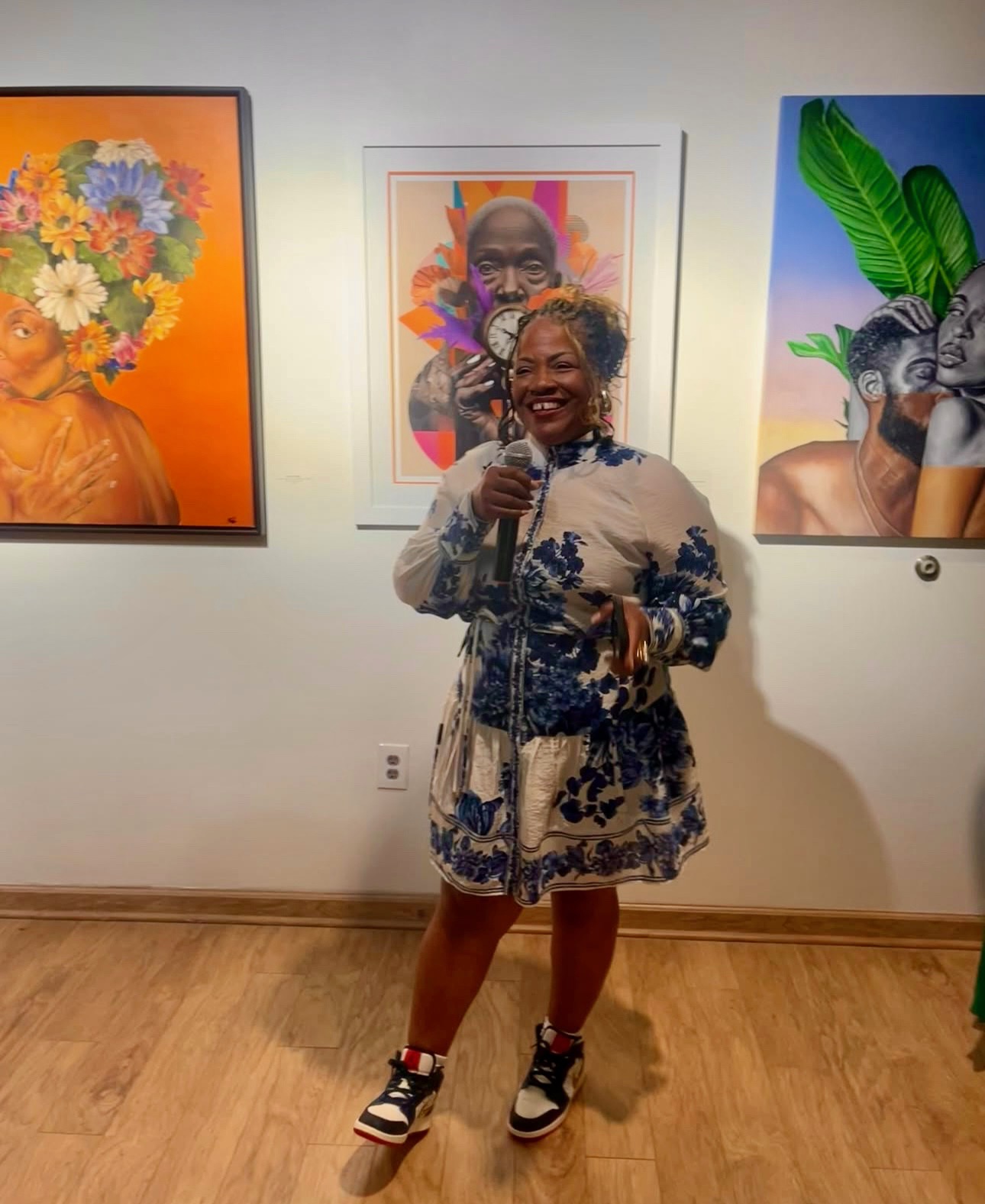

We caught up with the brilliant and insightful Tisha Smith a few weeks ago and have shared our conversation below.
Tisha, thanks for joining us, excited to have you contributing your stories and insights. We’d love to hear about when you first realized that you wanted to pursue a creative path professionally.
The first time I knew I wanted to pursue a creative path professionally came not from a personal artistic revelation, but from a moment of realization in my clinical work. I was working as a clinician in a therapy program designed to support adjudicated youth—young individuals navigating the aftermath of tough choices, trauma, and systemic challenges. The program provided mentorship, structure, and much-needed mental health support. We were doing good work. On paper, it looked successful. But something felt incomplete.
As I sat in session after session, I often sensed that our traditional methods weren’t reaching the deeper layers of what these young people were feeling. They were surviving, but not expressing. Healing, but not fully seen. I started to experiment—inviting them to draw, journal, create collages, build things with their hands, write lyrics—whatever form of expression felt natural to them. And something shifted.
When I saw a young person who barely spoke in group therapy suddenly light up while talking about the symbolism in their artwork, I knew we were onto something. Creativity became a bridge. It allowed them to tell their stories without having to say every word out loud. It wasn’t just therapeutic—it was transformative. For them, and for me.
That was the moment I knew art couldn’t just be a supplement to my work; it had to be central to it. I began to explore how creative expression could be integrated into healing, not only as an outlet for emotion but as a tool for identity building, resilience, and self-worth. That shift changed everything for me. It gave my work new purpose—and opened a path that I’ve been committed to ever since.
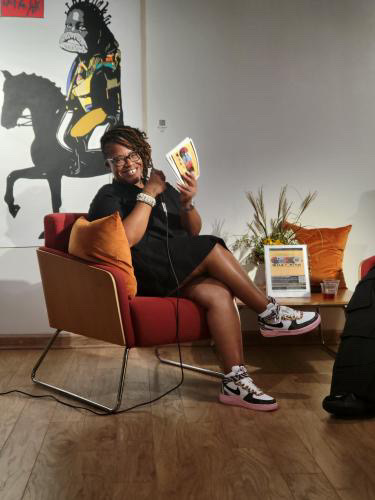
As always, we appreciate you sharing your insights and we’ve got a few more questions for you, but before we get to all of that can you take a minute to introduce yourself and give our readers some of your back background and context?
My journey into the arts industry, specifically as a curator and Public Art Program Manager for Fulton County Arts and Culture, began with a strong foundation in community service and a passion for using art as a tool for connection and expression. I originally started a business that offered creative services and art programming to clients across both the private and public sectors. At the time, one of my primary clients was the South Fulton Arts Center. There, I taught seasonal classes and led summer programs that introduced youth participants to a wide range of visual art forms—from painting and collage to sculpture and mixed media.
What drove me then, and still drives me now, was the desire to fill a critical gap. At that time, funding for arts education in schools and after-school programs was being significantly reduced. The arts were disappearing from the places where young people needed them most—not just as a form of learning, but as a vital outlet for creativity, emotional growth, and identity exploration. By offering these programs, I was able to create safe, affirming spaces where students could express themselves freely, build confidence, and develop new skills. That was the beginning of what has grown into a larger mission.
With close to two decades of experience working in the arts—combined with a deep understanding of county government processes and how they can support cultural growth—I’ve been fortunate to help shape and expand access to the arts throughout Fulton County. I’m proud to say that at the Emma Darnell Aviation Museum and Conference Center, we’ve hosted hundreds of art exhibitions over the years and provided opportunities to countless emerging artists. Many of them have gone on to become leaders and innovators in the field. Being part of that journey—helping artists find their voice, gain visibility, and access resources—is one of the most fulfilling aspects of my work.
As a curator and program manager, I focus on creating experiences that are inclusive, impactful, and community-centered. Whether it’s through exhibitions, public art projects, artist residencies, or educational programming, I’m always thinking about how to bring people together through art and make sure everyone has a seat at the table.
What sets me apart is my dual lens: I approach this work both as an artist and as someone who deeply understands the structural side of how arts and culture are funded, supported, and sustained. That combination allows me to advocate for both artists and audiences in meaningful, practical ways.
At the core of everything I do is my mantra: “If I’m here, we’re here.” To me, that means no success is ever just individual. It’s shared, collective, and rooted in community. I want potential clients, collaborators, and supporters to know that when they work with me, they’re not just getting a service—they’re joining a larger vision of empowerment, equity, and creative possibility.
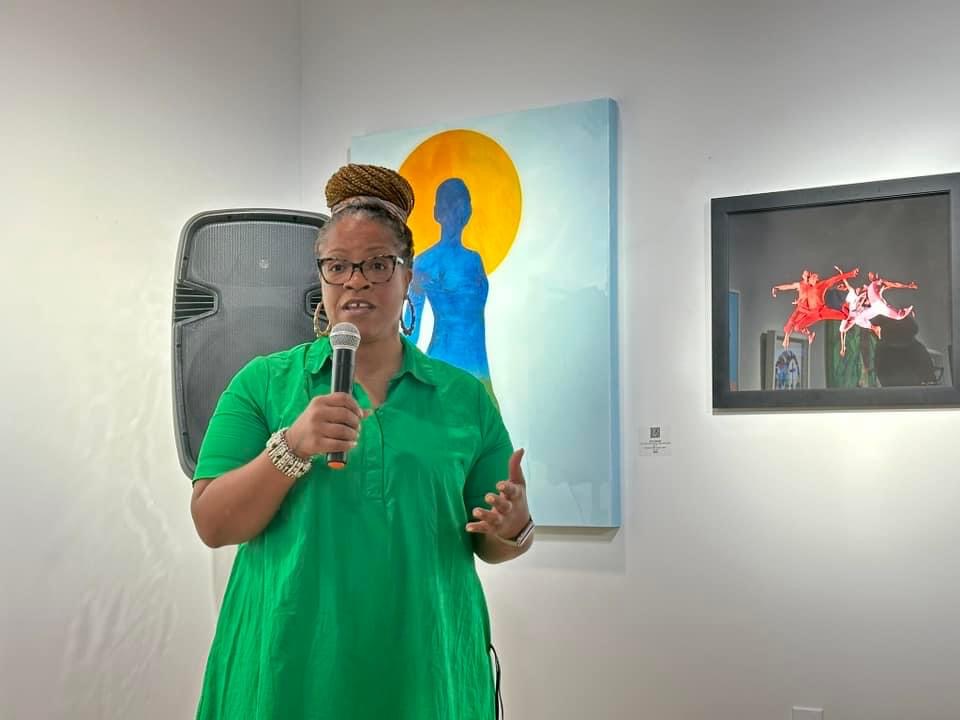
How can we best help foster a strong, supportive environment for artists and creatives?
To truly support artists, creatives, and a thriving creative ecosystem, society has to start by recognizing the arts as essential—not optional. Creativity isn’t just about aesthetics or entertainment; it’s about expression, identity, healing, and community. One of the most impactful things we can do is invest in infrastructure that supports artists long-term—this means sustainable funding, access to space, professional development, and platforms that center diverse voices and lived experiences.
From my own journey—starting a business that brought arts programming to youth at a time when funding was being stripped from schools—I saw firsthand how policy decisions can either nourish or neglect creative communities. We need more public-private partnerships that bridge those gaps. Local governments can play a key role in this by prioritizing arts in their budgets and making the grant and commissioning processes more accessible and equitable.
We also have to shift the narrative. Artists aren’t just culture-makers—they’re problem-solvers, educators, and economic contributors. When we provide opportunities for artists to thrive, we’re investing in the health and vitality of our neighborhoods and future generations. I’ve seen what happens when emerging artists are given the space and support to grow—they become leaders, mentors, and changemakers.
Supporting the arts means believing in the collective power of creativity to transform communities. It means listening to artists, paying them fairly, and including them in the conversations that shape our world. That’s how we build an ecosystem that doesn’t just survive—but thrives.
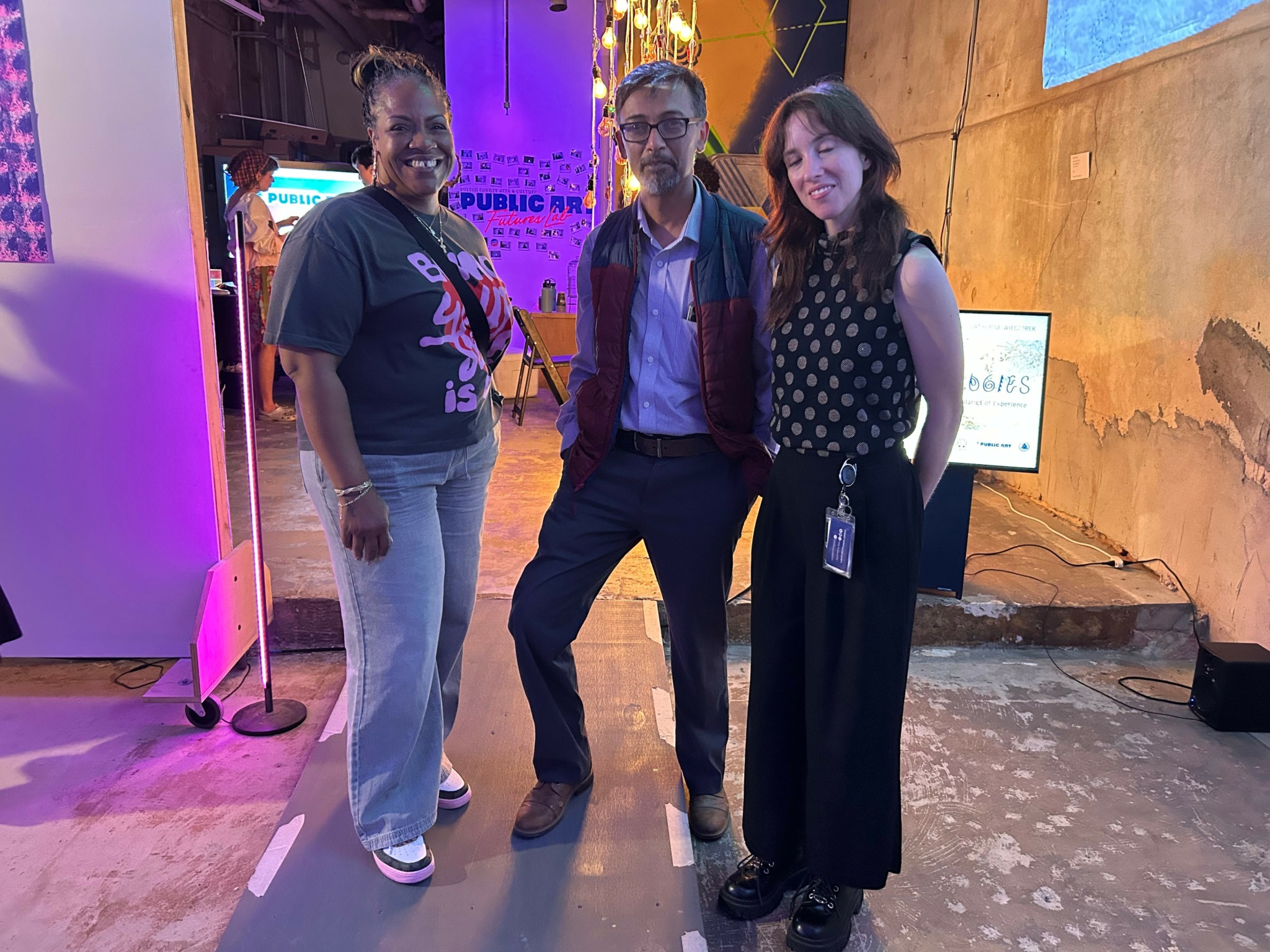
Is there mission driving your creative journey?
Yes, there is a clear mission that drives my creative journey: to use art as a catalyst for healing, empowerment, and community connection—especially for those whose voices are often marginalized or overlooked. My work is rooted in the belief that creativity is not a luxury; it’s a necessity. It’s a tool for emotional expression, self-discovery, and transformation.
Having started in clinical settings working with adjudicated youth, I saw how traditional therapy sometimes fell short in reaching people where they truly were. Introducing creative practices into that space opened up new pathways for communication and healing. That experience shaped everything I do today.
Whether I’m curating an exhibition, developing a public art project, or designing educational programming, my goal is always the same: to create spaces where people feel seen, heard, and valued. I want to make art more accessible, more integrated into everyday life, and more reflective of the diverse communities we serve.
Ultimately, my journey is about building legacy through impact—supporting emerging artists, uplifting underrepresented narratives, and ensuring that the creative ecosystem is inclusive and sustainable. My mantra, “If I’m here, we’re here,” reflects that commitment. I’m not just building a career—I’m building community.
Contact Info:
- Instagram: Artyoubetter
- Facebook: Tisha Smith
- Linkedin: Tisha Smith
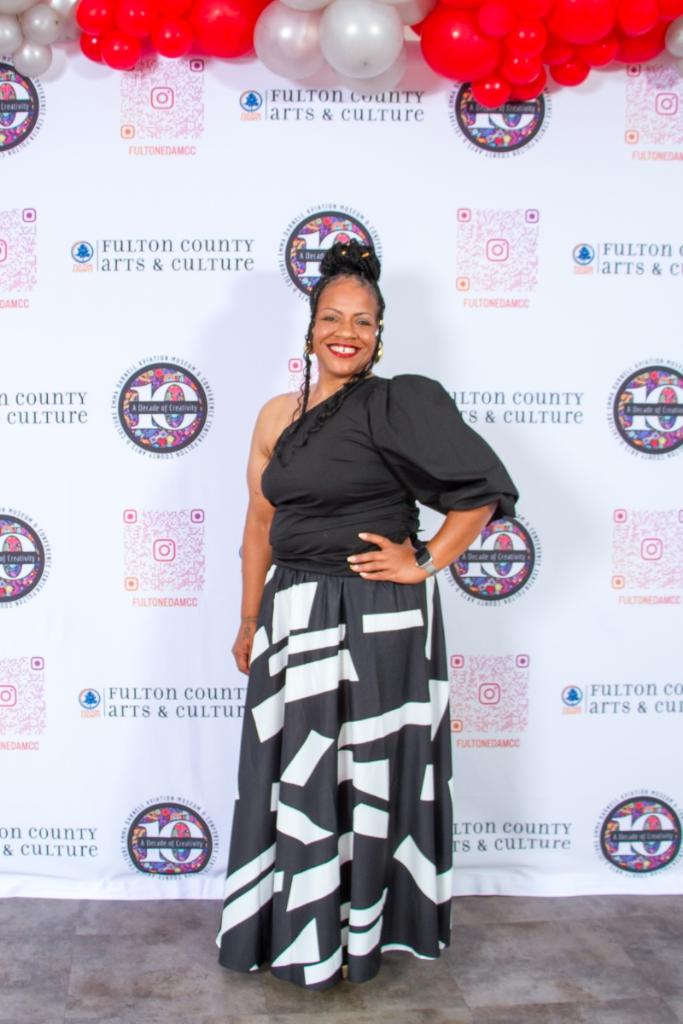
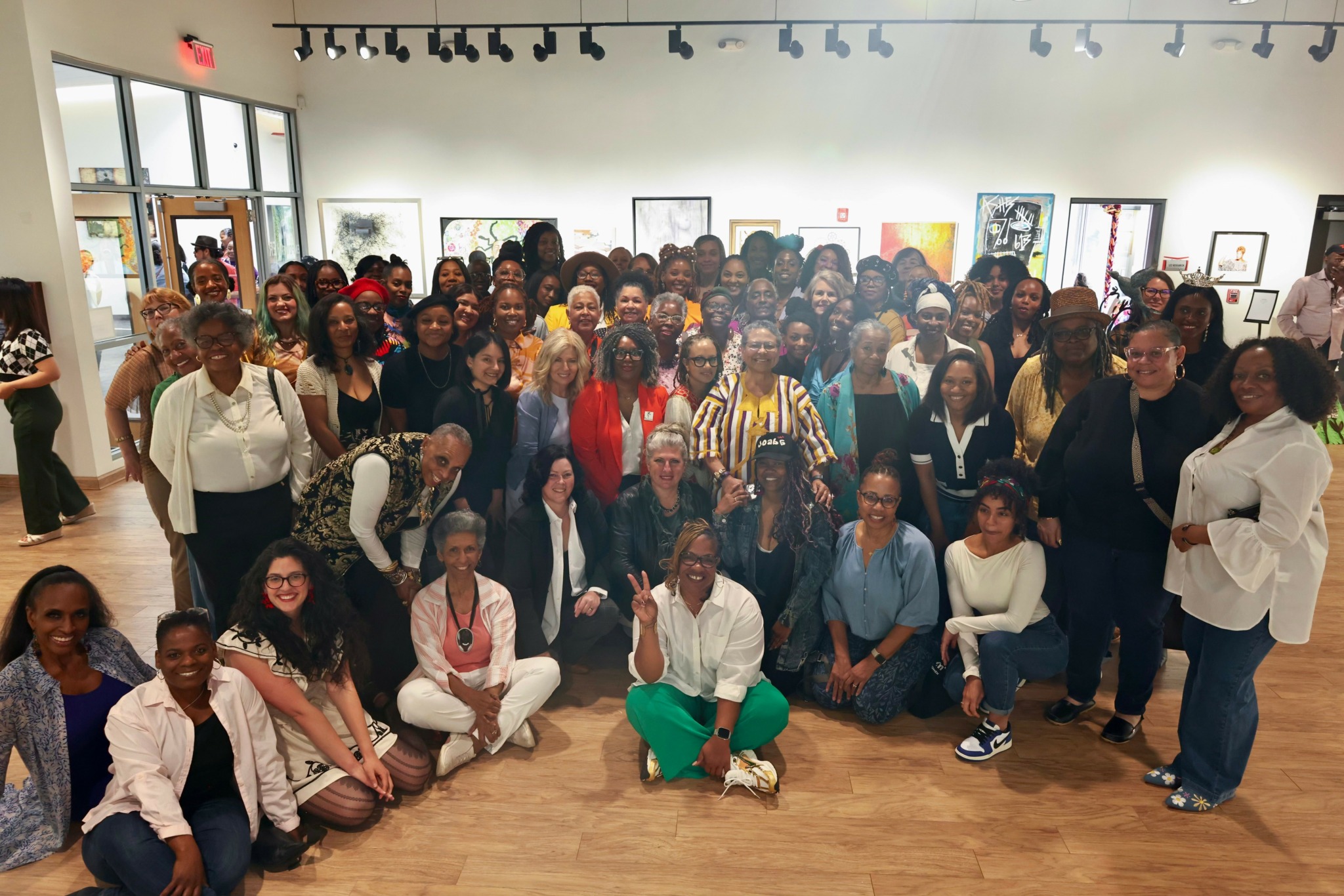
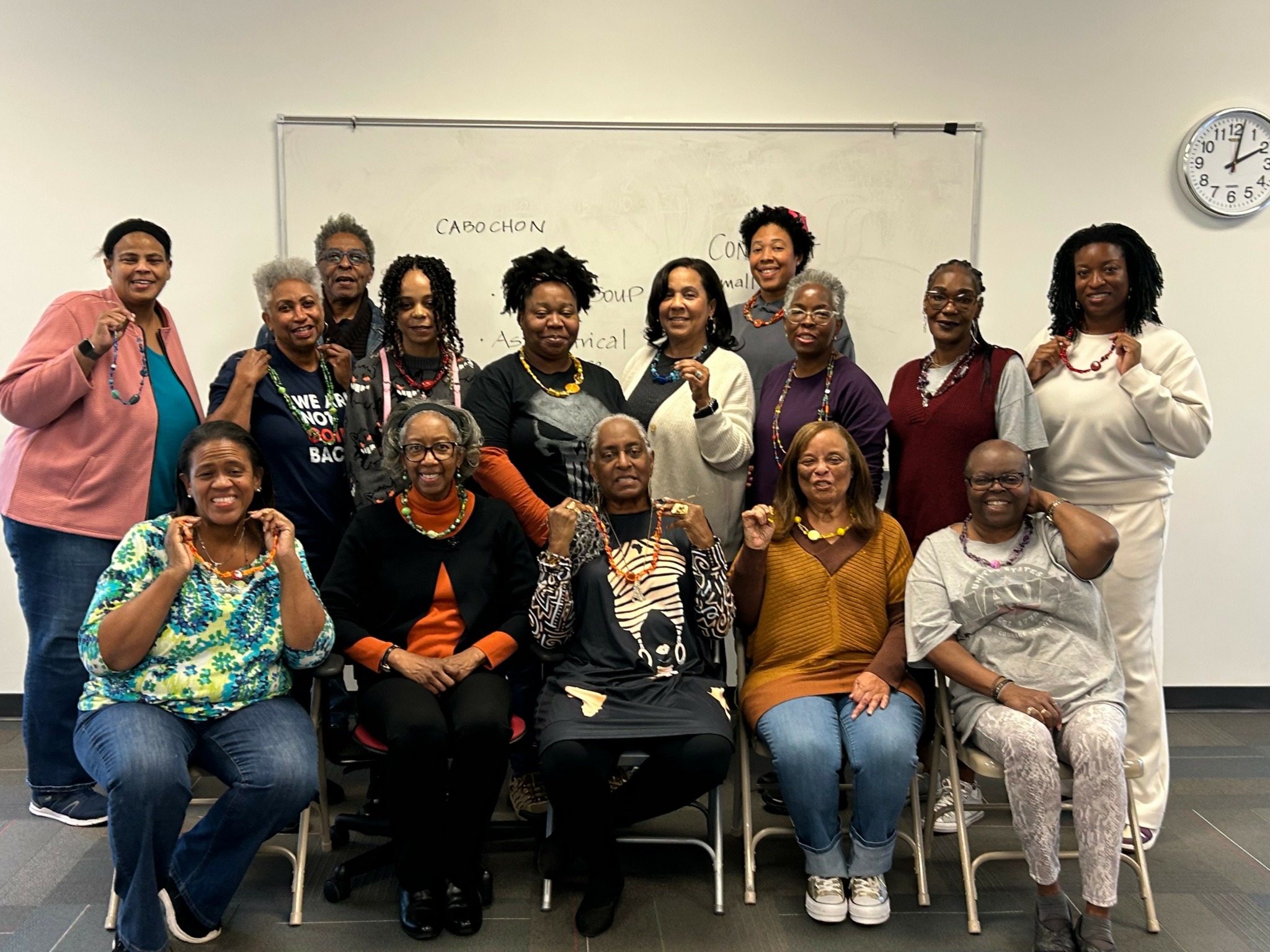
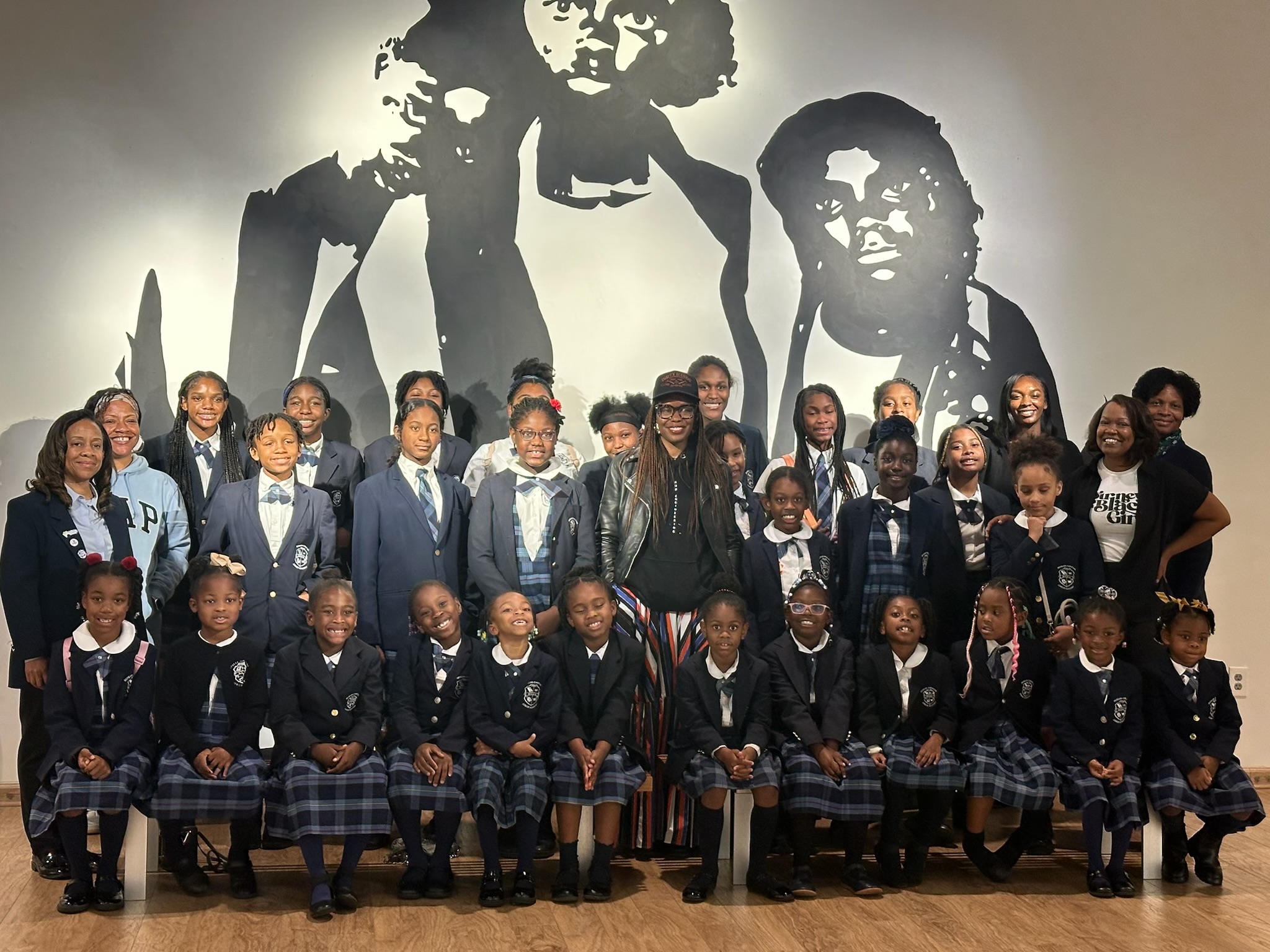
Image Credits
Susan Ross
Debra Mosley
Immanuel Laidlaw