

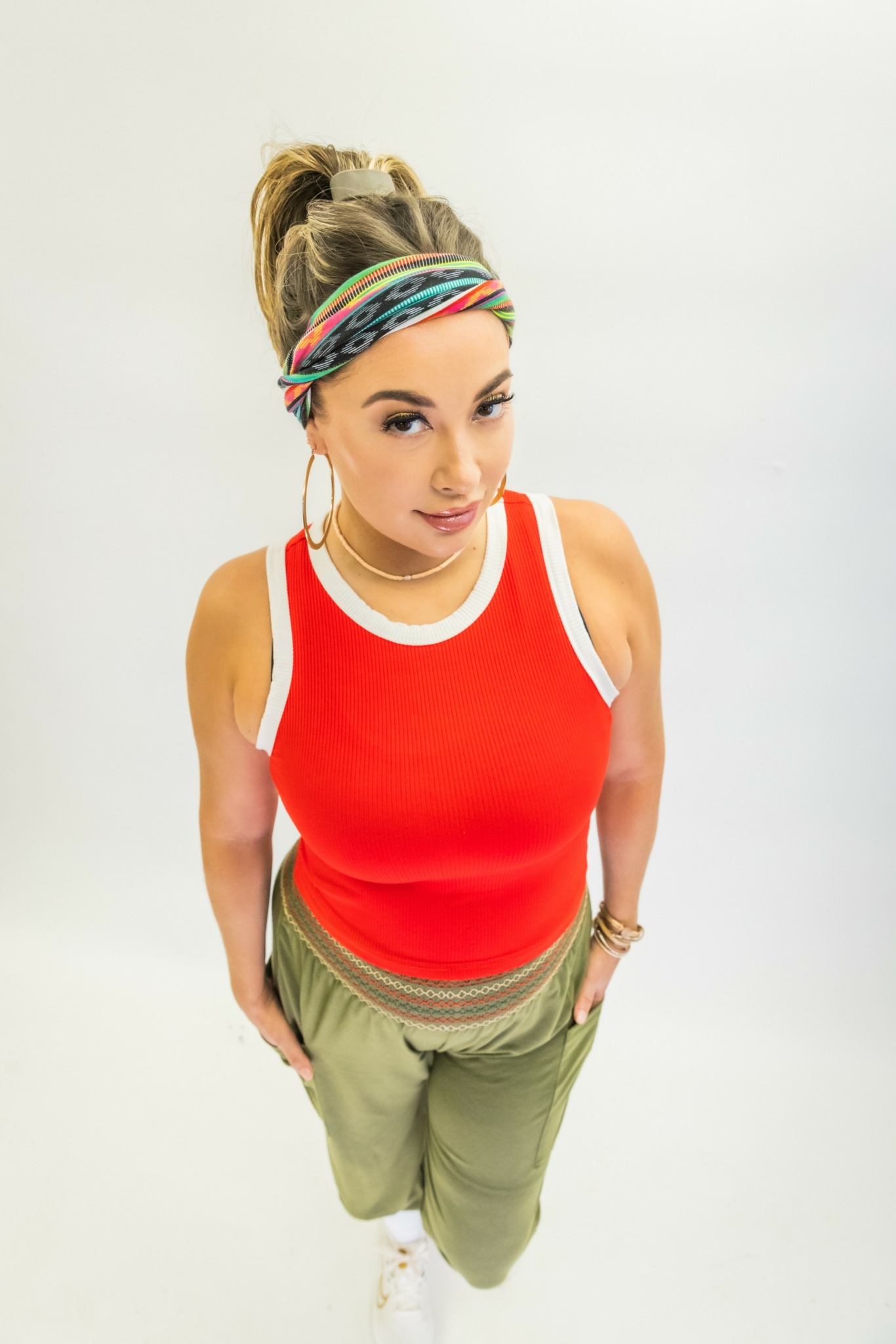

Alright – so today we’ve got the honor of introducing you to Tipsy. We think you’ll enjoy our conversation, we’ve shared it below.
Tipsy, appreciate you joining us today. Learning the craft is often a unique journey from every creative – we’d love to hear about your journey and if knowing what you know now, you would have done anything differently to speed up the learning process.
My journey in music began early—practically as soon as I could speak.
As a child, my parents and teachers noticed I had a natural singing voice and a vibrant personality, so they encouraged me to perform in school plays, record a children’s album, and start voice lessons at a very young age. That early foundation was everything.
From there, I stayed committed—taking vocal lessons until I was 21, joining bands, entering competitions, writing original songs, and eventually signing with management and touring internationally. Teaching singing was a pivotal step, too. It not only sharpened my own skills but also gave me a deeper understanding of the craft. Collaborating with other artists as a songwriter opened up a whole new creative world for me. I recorded my first songs in a professional studio at just 16, and I never really stopped.
Looking back, I do wish I had a mentor who had walked this path before me—someone who could’ve guided me and helped fast-track some of the learning. But like most artists, my growth came from trial and error, persistence, and staying curious.
The most essential skills I developed were in three key areas: vocal and songwriting technique, networking and relationship-building, and content creation. I had to not only become the best version of myself as an artist, but also learn how to find and connect with the right people—producers, co-writers, engineers—and then figure out how to present it all online in a compelling way. Social media and content creation became a non-negotiable part of the job.
One of the biggest challenges I faced—and still face—is funding. Quality production, marketing, and even smaller things like software subscriptions and distribution fees all add up. The smartest move I made was starting my own vocal coaching business. By building a team and delegating, I gained the freedom to manage my own schedule and create a sustainable income stream, which I could then reinvest into my music career. It’s all about creating a system that supports the dream.
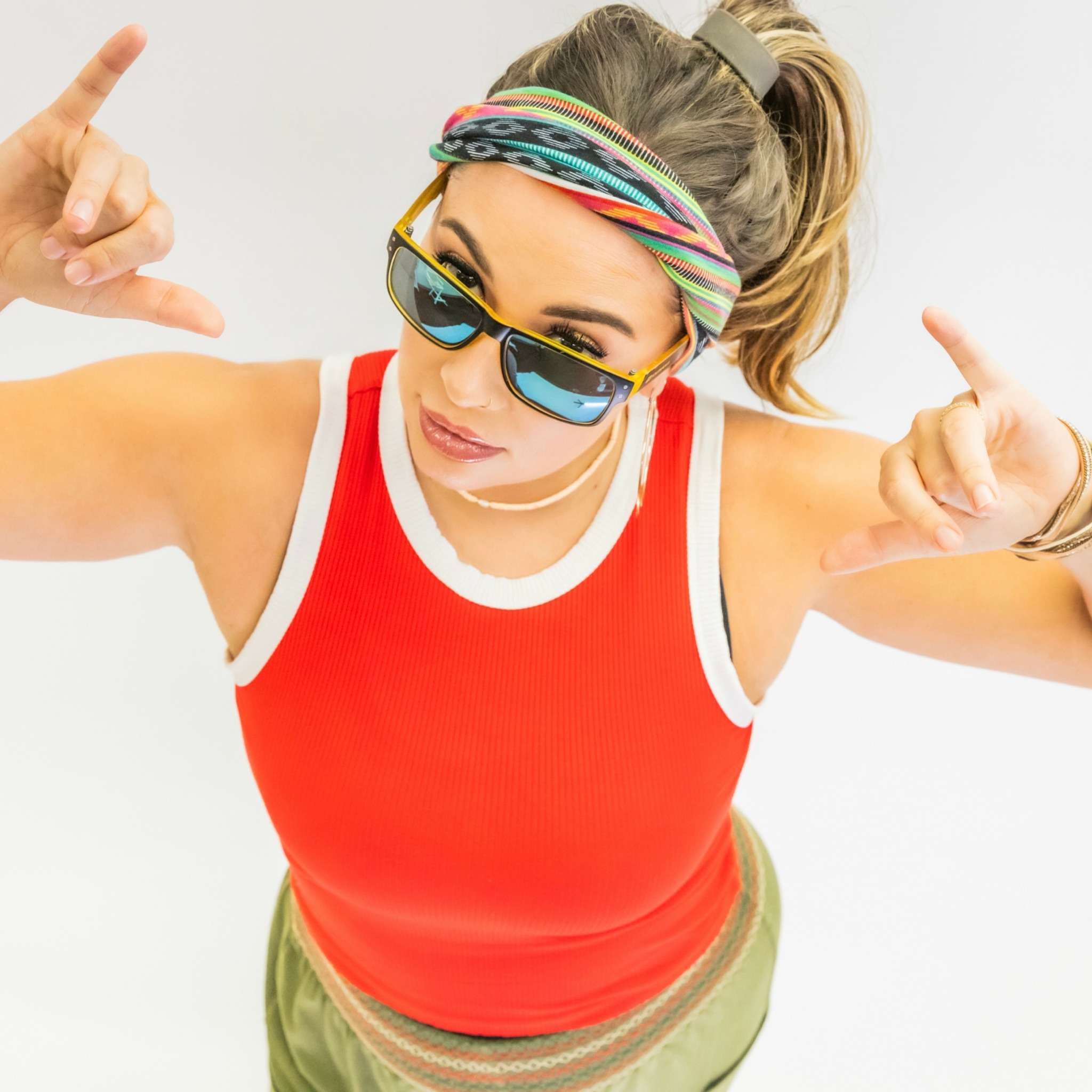
Great, appreciate you sharing that with us. Before we ask you to share more of your insights, can you take a moment to introduce yourself and how you got to where you are today to our readers.
I grew up in the laid-back beach town of Monterey, California, which pretty much set the tone for my life.
Aside from a few formative years spent living in central Mexico during middle school, I’ve always gravitated toward beach towns. I went to college in Santa Cruz, lived in Los Angeles, and now I’m based in Kona, Hawaii. There’s a certain rhythm to beach life that feels like home to me—and reggae has always been the soundtrack.
I have vivid memories of my older sisters tanning in the front yard, playing reggae music, and taking me and my younger sister to reggae festivals where we’d dance in the sun. That music made me feel good—in my head and in my body—and even though I didn’t start out making reggae, it was always part of my foundation.
For many years, I pursued a career in pop music. I worked hard, released music, toured, and hustled in that scene, but eventually, I felt burned out. Pop can be ultra-competitive, and I got tired of navigating the politics and the occasional creepy gatekeepers that unfortunately still exist in that space. I realized I needed a shift—not just musically, but spiritually.
That’s when I found my way back to reggae. Writing in this genre feels natural, honest, and aligned with who I am. I write how I talk, how I live—not some polished fantasy version of life, but real thoughts, feelings, and stories. Reggae gave me room to breathe, and to create from a place of joy and connection.
Now, under my artist name Tipsy, I’m creating music that reflects my personality—fun, light-hearted, a little cheeky, and rooted in real-life experiences. I’ve been through enough ups and downs to have something to say, but I also don’t take myself too seriously. I love comedy, I love a good time, and I think that shows up in my lyrics and on stage. The name Tipsy fits me perfectly—it captures that playful, carefree energy I like to bring to everything I do.
Outside of my artist career, I also run a successful vocal coaching business. I teach and mentor aspiring singers and songwriters, and I’ve built a team of incredible coaches so I can keep growing both sides of my career. I solve a big problem for artists who need high-quality training, support, and real-world strategy—because I’ve been through it, and I know how much of a difference the right guidance can make.
What sets me apart is that I’ve walked the walk. I’m a trained vocalist, a songwriter, a performer, a business owner, and a mom. I’ve put in the work, built a life I love, and I want to share that energy through my music. I’m most proud of staying true to myself—especially in an industry that can easily pull you off course.
If you’re just getting to know me or my work, here’s what I want you to know: I’m here to make music that feels good, that tells the truth, and that brings people together. I want to build a fanbase that vibes with my energy, sings along to my songs, and maybe laughs a little too. The best is definitely still ahead—and I can’t wait to share it.
How can we best help foster a strong, supportive environment for artists and creatives?
supporting artists goes way beyond just saying “I love your work.”
What many people don’t realize is that in today’s digital world, even the smallest actions online can have a huge impact. I’m often surprised by how many friends, family members, and peers compliment me in person or in private messages, yet don’t take the time to like, comment, or share my music or content online. They genuinely want to be supportive, but they don’t understand how the system works.
The truth is, every single like, comment, and share helps boost that content in the algorithm, which then shows it to more people. That’s how independent artists gain traction—it’s not just about talent; it’s about visibility. I constantly remind people that if they want to support me (or any artist they love), the most effective way is to engage with and share our work publicly. It costs nothing, but it makes a world of difference.
To truly support a thriving creative ecosystem, society needs to shift from passive appreciation to active participation. Go to local shows. Buy the merch. Share the post. Leave a comment. Tell a friend. These small actions are the building blocks of a sustainable creative community. And beyond that, I think we need to celebrate artists not just for what they produce, but for the courage it takes to put themselves out there. Because behind every song, painting, or performance, there’s a human being taking a risk and offering something personal to the world.
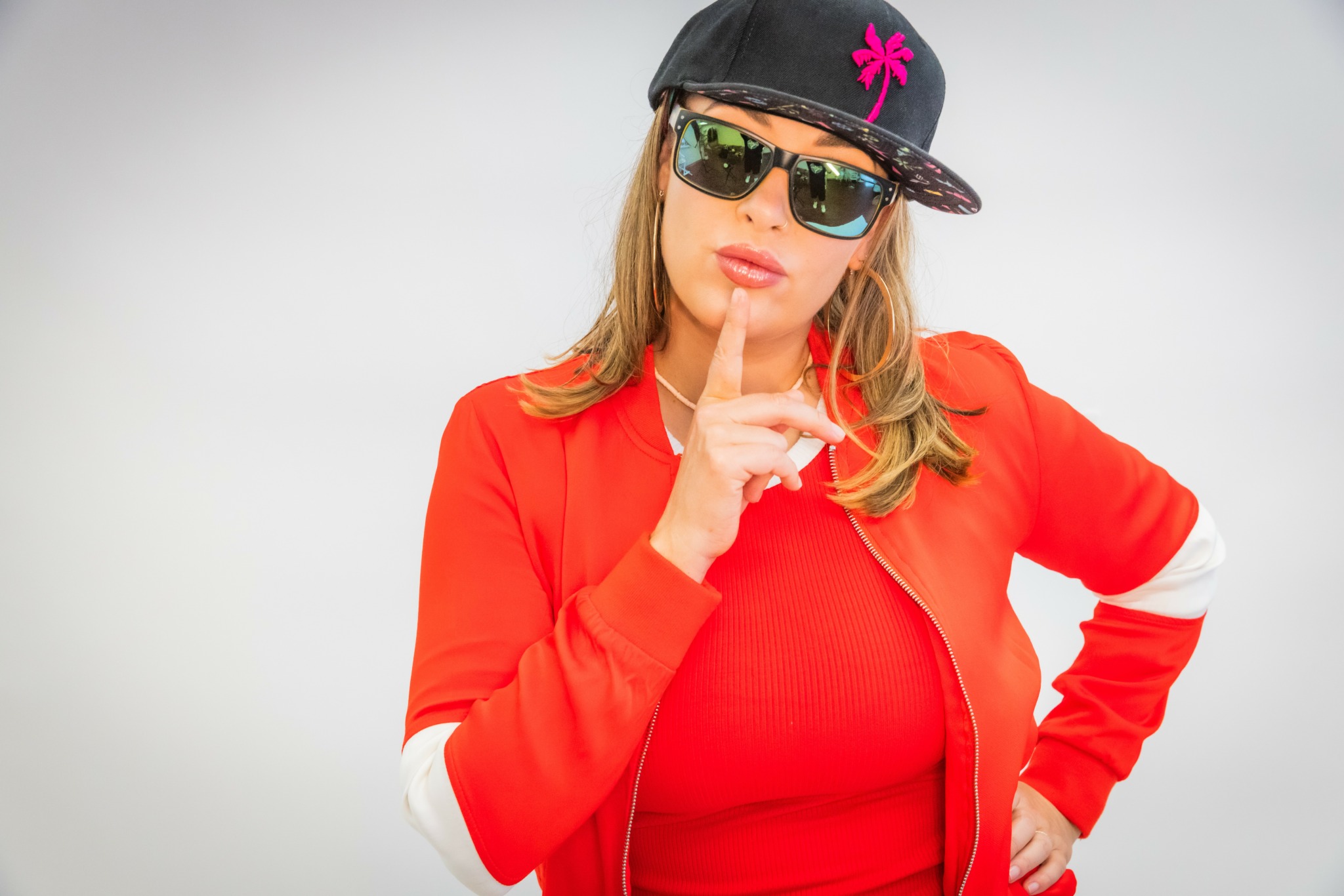
Is there something you think non-creatives will struggle to understand about your journey as a creative? Maybe you can provide some insight – you never know who might benefit from the enlightenment.
Absolutely. One thing non-creatives often struggle to understand is that creatives need both solitude and stimulation—time alone to process and create, and time spent around other like-minded creatives to stay inspired.
For example, I can’t count how many times I’ve felt like the odd one out at kids’ birthday parties. While the other moms are swapping tips on nap schedules and healthy snacks, I’m quietly wondering if the radio guy followed up, if my videographer’s dropping off footage from last night’s show, or whether my new single is gaining traction on streaming platforms.
It’s not that I can’t relate to the day-to-day conversations—I’m a mom too—but it can be tough to share the things I’m truly passionate about with people who don’t live in that world. When I start talking about song strategy, show logistics, or building a brand, I often feel like I’m speaking a different language.
That’s why I naturally gravitate toward other musicians and creatives—people who are building, dreaming, and putting themselves out there. There’s an energy in those conversations that lights me up and makes me feel understood.
At the end of the day, I really do try to come across as “normal” and mellow, but the truth is, I’m neither of those things—and I’ve learned to embrace that. 😂
Contact Info:
- Instagram: @lookwhotipsy
- Youtube: https://www.youtube.com/@lookwhotipsy
- Soundcloud: https://soundcloud.com/tipsy-854605600
Image Credits
240 Media