

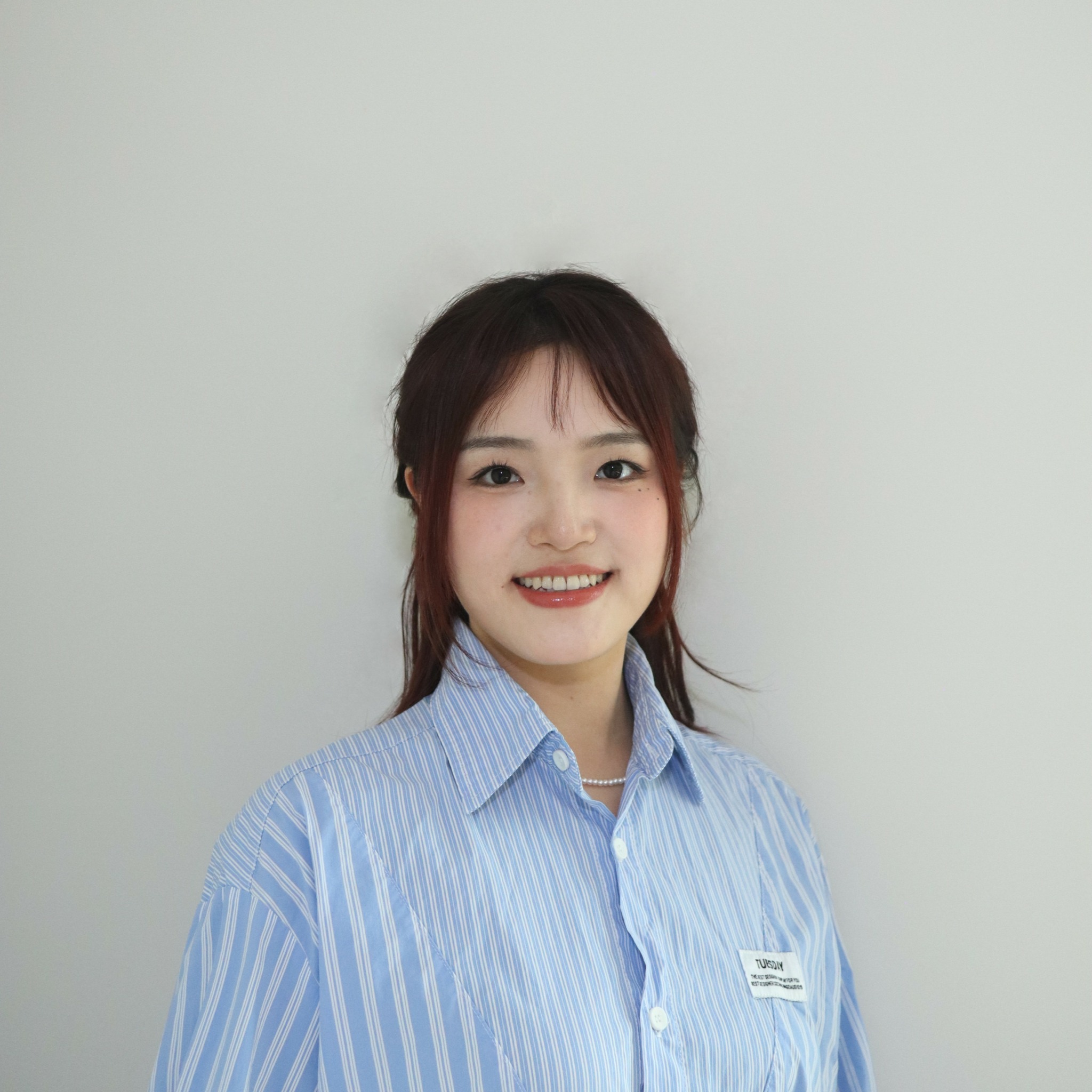

Alright – so today we’ve got the honor of introducing you to Ting Zhang. We think you’ll enjoy our conversation, we’ve shared it below.
Ting, thanks for joining us, excited to have you contributing your stories and insights. What’s been the most meaningful project you’ve worked on?
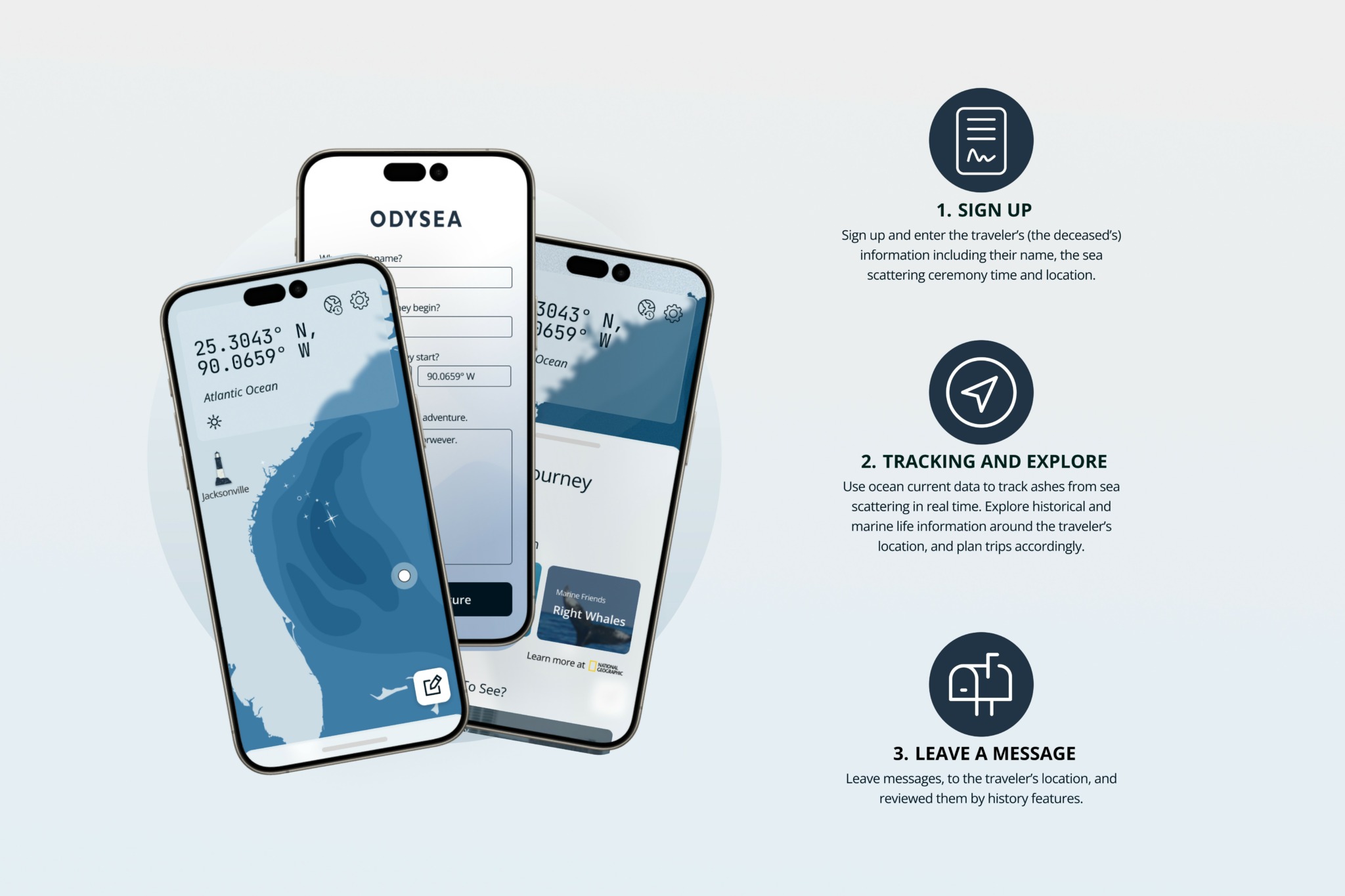
One of the most meaningful projects I’ve worked on is called OdySea, which is designed to help individuals process grief after losing a loved one through sea burial. The idea came from a personal reflection on how we cope with loss and the often passive nature of the grieving process. I wanted to create something that not only honors the deceased but also empowers the grieving to actively engage with their emotions in a positive way.
The project started when I, along with my team at BBnana studio, began exploring alternative burial methods, and sea burial stood out due to its natural and eco-friendly aspects. However, we noticed a significant emotional challenge—once a sea burial occurs, there’s no way to trace or commemorate the deceased, which can leave people feeling disconnected and unresolved. That’s when we realized the potential of using ocean current data to simulate a “journey” for the deceased, turning a final farewell into an ongoing experience.
In OdySea, users can input the date and location of the burial, and the app tracks the ashes in real time, symbolizing the continued journey of the deceased through the ocean. Users can also leave messages for their loved ones and explore the cultural and historical significance of the ocean regions the ashes pass through. It not only provides a way to stay connected with the deceased but also offers a buffer period, helping individuals gradually process their grief.
What makes this project so meaningful to me is its ability to transform such a deeply painful experience into something positive and proactive. By allowing users to track their loved ones’ journey, we create an opportunity for them to heal, connect, and even plan real-life trips to locations where the ashes travel. It’s a fusion of technology, nature, and emotion that gives both comfort and meaning to the mourning process.
Ultimately, the project reflects my belief that design should address human emotions and challenges in meaningful ways. Seeing how OdySea helps people navigate grief by giving them a tangible connection to their loved ones is incredibly fulfilling.
As always, we appreciate you sharing your insights and we’ve got a few more questions for you, but before we get to all of that can you take a minute to introduce yourself and give our readers some of your back background and context?
For those who may not know me, I’m Ting, a designer who believes in the power of thoughtful, user-centered design to solve real-world problems. I’m currently leading design efforts for an Indian startup, where I oversee product design, packaging, marketing, and social media UI for high-quality charging products. At the same time, I co-founded a design studio called BBnana, where we tackle social issues through innovative design solutions.
BBnana Studio was born out of a shared desire to make the world more inclusive and empathetic through design. Our first project, OdySea, reflects that mission by providing a unique way for people to process grief after a sea burial. OdySea allows users to track the real-time location of their loved one’s ashes by following ocean currents, while also offering a space for leaving messages and exploring the historical and environmental context of the burial site. The project turns an emotionally difficult experience into a journey of reflection, connection, and healing. OdySea has been recognized with a UXDA award nomination and won a UCDA silver award, and it’s something I’m incredibly proud of. It shows how design can truly impact people on an emotional level, not just in terms of functionality.
At the Indian startup, my role has been much broader but just as fulfilling. I’m responsible for everything from designing the products to crafting the packaging and ensuring the brand’s presence is consistent across all platforms, including social media. I’m particularly proud of the work we’ve done to introduce beautifully designed, high-quality chargers to the Indian market. I believe what sets us apart is our dedication to user experience—both in the technical performance of the products and in how they feel and look to customers. It’s about creating a seamless experience from unboxing to everyday use.
Across these projects, whether at BBnana, the startup, or during my time at UC, I’ve been driven by the idea that good design should solve problems while also creating meaningful experiences for users. What I want people to know about my work is that I’m deeply committed to making a positive impact, whether it’s through helping someone stay connected to a loved one, improving everyday tech products, or simplifying complex professional workflows.
Are there any resources you wish you knew about earlier in your creative journey?
As an independent designer, one resource I wish I had known more about earlier in my creative journey is the business side of design—specifically, how to market and sell products effectively. When I was in school and working at design companies, I never saw the economic value or marketing strategies as part of my design focus. I approached design from the perspective of interaction, usability, and aesthetics, trusting that the clients would handle the business aspect.
But once I started producing and marketing my own designs, I quickly realized that understanding the economic value of my work was just as important as creating it. Knowing how to price a product, position it in the market, and communicate its value to consumers became critical challenges. It wasn’t enough to have a beautifully designed product if I couldn’t find the right way to sell it.
If I had tapped into more resources about business strategy, product marketing, and even the financial aspect of running a design-driven business earlier, it would have made the transition smoother. Now, I’ve learned that being a successful independent designer means not only mastering the creative side but also having a strong understanding of how to bring those designs to market and create sustainable value.
How about pivoting – can you share the story of a time you’ve had to pivot?
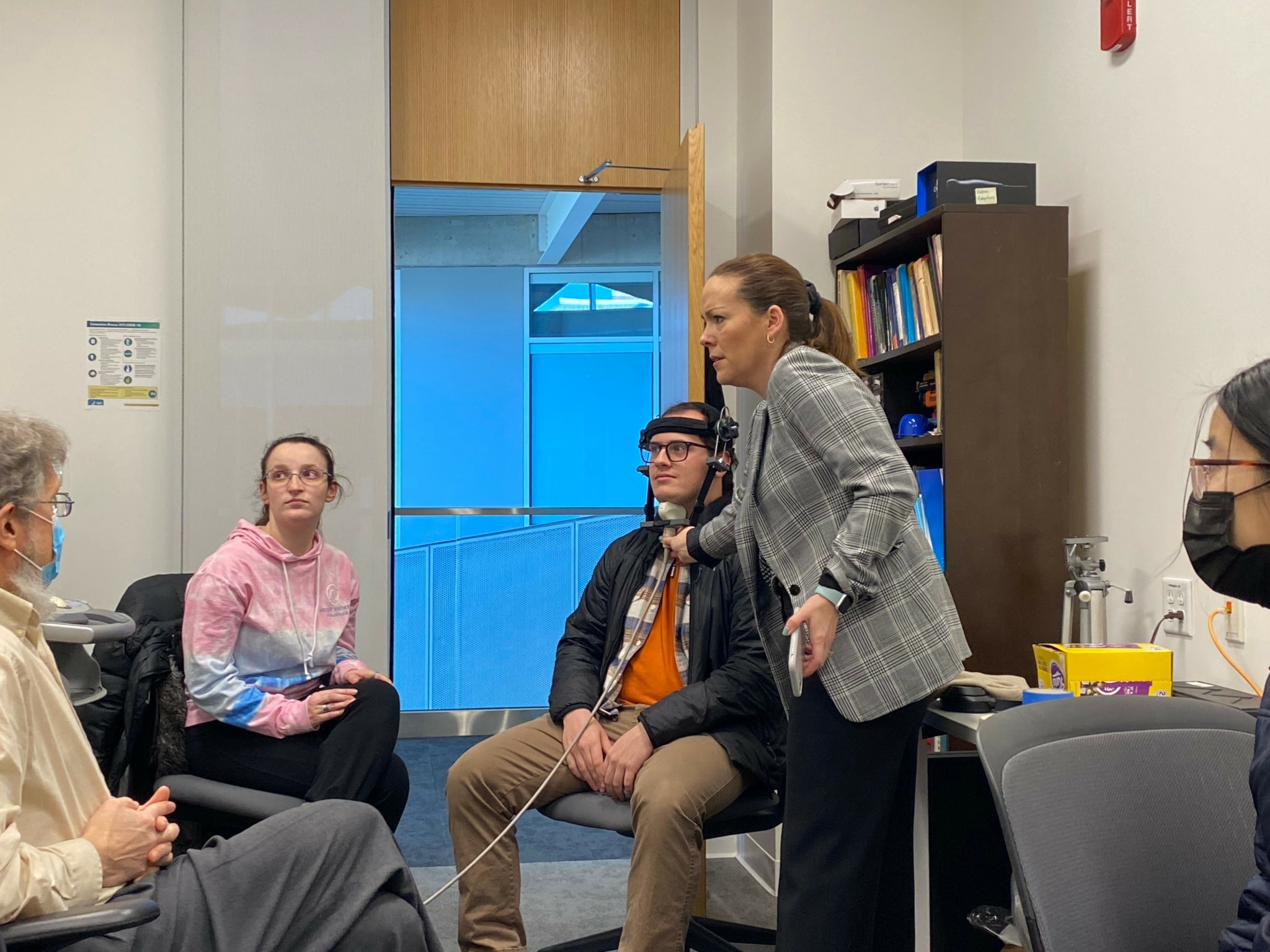
My design philosophy has always been to use design as a tool to make the world more inclusive and empathetic, whether it was through my work at the University of Cincinnati on the SSD project or the collaborative efforts at BBnana, my design studio. But as an independent designer working for clients, I quickly learned that, at times, you have to design to meet practical needs—sometimes for financial reasons rather than purely for the ideals I cherish.
At first, I struggled with this because what clients wanted often didn’t align with my vision. They were more focused on maximizing profit, while I wanted to design with empathy and sustainability in mind. However, through deeper engagement with the supply chain and by learning the intricacies of manufacturing and production, I began to pivot my approach.
I realized that I could still stay true to my values while meeting client needs. By adjusting production methods, I found ways to reduce costs and labor while minimizing environmental impact. For example, I started designing packaging that was more environmentally friendly by reducing unnecessary layers and sourcing from more affordable yet sustainable manufacturers. These changes allowed me to not only satisfy my clients’ business objectives but also achieve my broader goal of using design to create a positive impact.
This pivot taught me that even within constraints, there are opportunities to innovate and push for meaningful change. It’s about finding that balance between practical needs and the design ideals that matter to me.
Contact Info:
- Website: https://tingzhangdesign.net/
- Linkedin: https://www.linkedin.com/in/tingzhang-1997
- Other: https://www.behance.net/TINGZHANGDESIGN
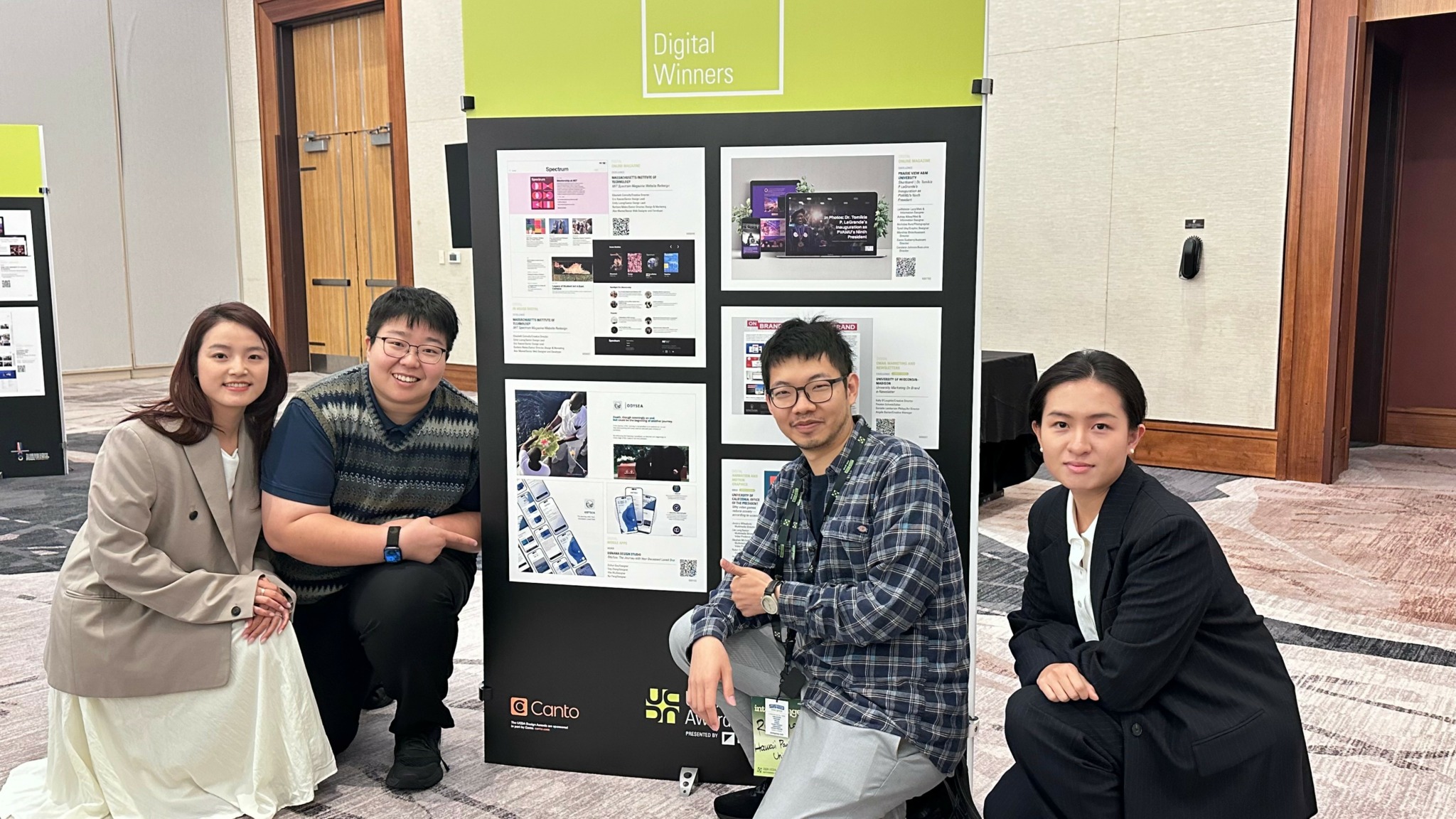
Image Credits
Dugan Sarah
Renee Seward