

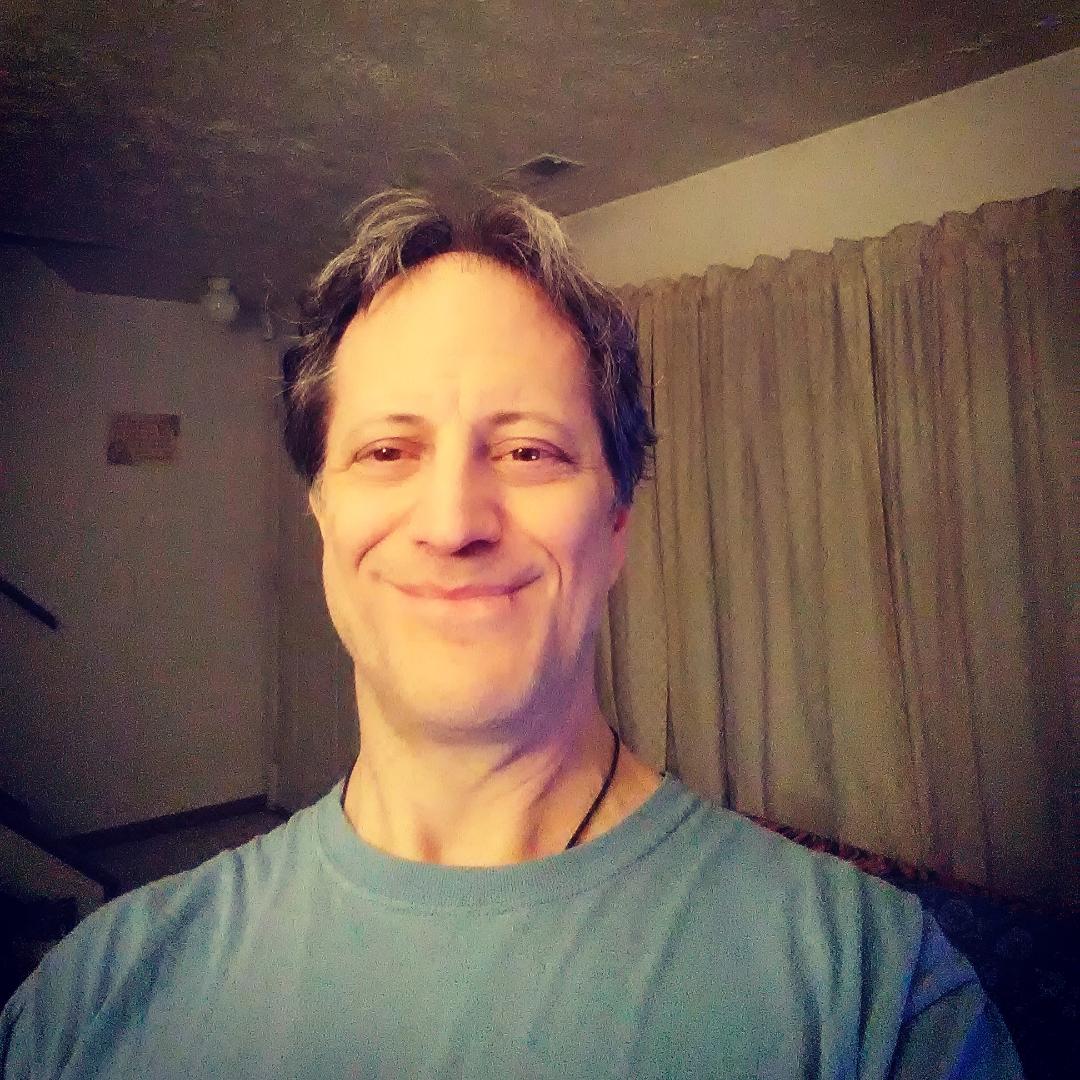

We were lucky to catch up with Timothy DiVito recently and have shared our conversation below.
Timothy, thanks for taking the time to share your stories with us today How did you learn to do what you do? Knowing what you know now, what could you have done to speed up your learning process? What skills do you think were most essential? What obstacles stood in the way of learning more?
I started writing poetry on July 18, 1976 in my bedroom. I was looking out the window bored, so I decided to listen to music. As soon as I put Ritchie Blackmore’s Rainbow, lead singer Ronnie James Dio singing “Man On the Silver Mountain”, it hit me. The desire, or whatever you want to call it, to write poetry. I also realized that music was my muse. I listen to music every time I write. The music from the 60’s through the 80’s is what I listen to 90 % of the time. I wrote 200 poems the first week, after the first month of writing I had written 400 poems. I didn’t believe that I was writing it, because I didn’t even like poetry. The only time I read it was in English class in school. It scared me as to where all the emotions were coming from. I have been writing for 49 years and now I have written over 32,000 and have had 12 books published.
The only skill you need to write poetry is the understanding of the English language. The rest is from emotions, human emotions. You see, poetry is not academic, it’s emotional. You don’t think about it, you feel it. It has to flow from you like a river to the ocean. It’s not in your mind, it’s in your soul. Well, certain parts of writing poetry maybe academic, such as meter, stanzas, rhyme scheme. There’s one thing you can’t learn in those fancy MFA College courses, human emotion. If you can’t feel what you’re writing, the human soul, then maybe you should write cereal box tops or magazine articles, where a thought process is needed to complete those tasks. Poetry is not a task, it’s art through the written word, it’s beauty from a person’s heart and soul, no hard work, just feeling deep inside of themselves.
I have no obstacles in front of me where writing poetry is concerned. Except for one maybe. my creative process. It’s chaotic mixed in with a lot of tears and emotions I never thought I had in me. The process is draining to my system to the point where I have to write less every week. I was writing 35 to 70 poems a week, now I write 15 to 20 a week. I’ve been saying it’s a gift from God. I do believe in God, but I’m not a religious fanatic that walks around spouting off the gospel.
Timothy, before we move on to more of these sorts of questions, can you take some time to bring our readers up to speed on you and what you do?
I explained a lot of this in the last answer to the previous question. I do have 12 books written for sale on lulu.com. I also have been published in quite a few journals, magazines and anthologies. Here is my biography:
BIOGRAPHY:
Timothy Michael DiVito, from Pittsburgh, Pennsylvania, has been writing poetry for 49 years and has written over 32,000 poems. DiVito has been published in quite a few Anthologies, Magazines and Journals since he began writing poetry in 1976.
Anthologies:
Amar Vishv Sahitya Anthology, Creating A Better World Anthology, It’s Our Poems and We’re Stickin’ to It Anthology, Pennsylvania Bard West Poetry Anthology, The World Peace Anthology, and Consciousness & Art Transformation, Camara Internacional de Escritores, Legends Literature 2023, Guardians of the Quill Anthology. Wheelesong Poetry Anthology and Still Waters Anthology
Magazines:
The San Fernando Poetry Journal, The Rag Mag, Kiroo eBook, Möbius, WYRD, Homagi, Sweetycat Press, Creative Writers: Contemporary Writers, Atunis Poetry Online, WordSmith International Interview, The Sipay Global Literary Journal, A Spark Of Hope 3, the Writing On The Wall Global Magazine- Issue 2, and WildFire Publications, where he also serves as a Staff Writer.
DiVito also sites on WordPress, Facebook, and Instagram. DiVito, is the author of “An Emotional Journey”, “Words Of Life”, “Follow The River”, “Run Silent, Run Deep” and “Indigo Night” published on lulu.com
What do you think is the goal or mission that drives your creative journey?
Why I write poetry is to cleanse my soul of the pain and trials and tribulations of life. It puts in perspective the path I chose to take in life and how survived each turn in the road, each broken heart or life’s pitfalls, which there have been many. All poets are observers of the human condition, so we write about love, humanity, nature and the search for self, or whatever else through our words. My mission is to get rid of the pain and forget past trespasses on my heart and soul. I try to live in breathe in the real world where pain is an everyday occurrence and poetry has saved my life on many occasions. In other words, if I did not write poetry, I would not be here to answer these questions. I would be dead as if I were never born. Poetry is my second personal savior. I owe my life to it. My journey is going on its 50th year and I will continue to do it until the day I die.
For you, what’s the most rewarding aspect of being a creative?
The most rewarding aspect of my creativity is getting in touch with who I am as a human being through the written word. Knowing when people read my poetry they can relate to it, through memories or life’s experiences of their own lives. When I write about being “in love” I hope this for other people, because I have never been “in love”. Love finds you, you don’t find love. It happens out of the blue, when you least expect it. I guess it lost my address. Being alone, but not lonely is a way of life for me. When I write about love I want other people to have what I never will, the romantic and passionate aspect of love’s existence in the universe. If I can touch someone’s heart and soul then I know I wrote something worthwhile for humanity to read.
Contact Info:
- Instagram: https://www.instagram.com/timothy.divito.3/
- Facebook: https://www.facebook.com/stories/123611729537086/UzpfSVNDOjE3Mjk5ODQ2OTExODQzNzM=/?bucket_count=9&source=story_tray

Image Credits
Tim DiVito