



We’re excited to introduce you to the always interesting and insightful Tim Mckay. We hope you’ll enjoy our conversation with Tim below.
Alright, Tim thanks for taking the time to share your stories and insights with us today. What were some of the most unexpected problems you’ve faced in your career and how did you resolve those issues?
My name is Tim McKay. My day-job has been in software design and I have maintained a regular art practice for about 20 years. My work is currently focused on geometric abstraction with a focus on color. Almost a year ago I was diagnosed with Parkinson’s Disease (PD). During this past year I have had to think through what my art practice might look like having a degenerative, non-curable illness in which my motor and cognitive skills will be in continual decline with increasing body tremor. Here’s what I’m learning:
1. I will not be as productive. My day is more filled than usual with actions to help me feel better–exercise, therapy, and sleep need more time. I have had to accept that on an “off day” I may be able to work in only a limited way.
2. I need to adapt some art-making methods.. Starting and stopping movements are more difficult with PD, and motor problems are more prominent when I’m tired. Bracing my hand and working more slowly add more control. I often need to stop studio work sooner than I’d like as it becomes impossible to paint with any precision. I also allow for somewhat more imprecision in the work itself.
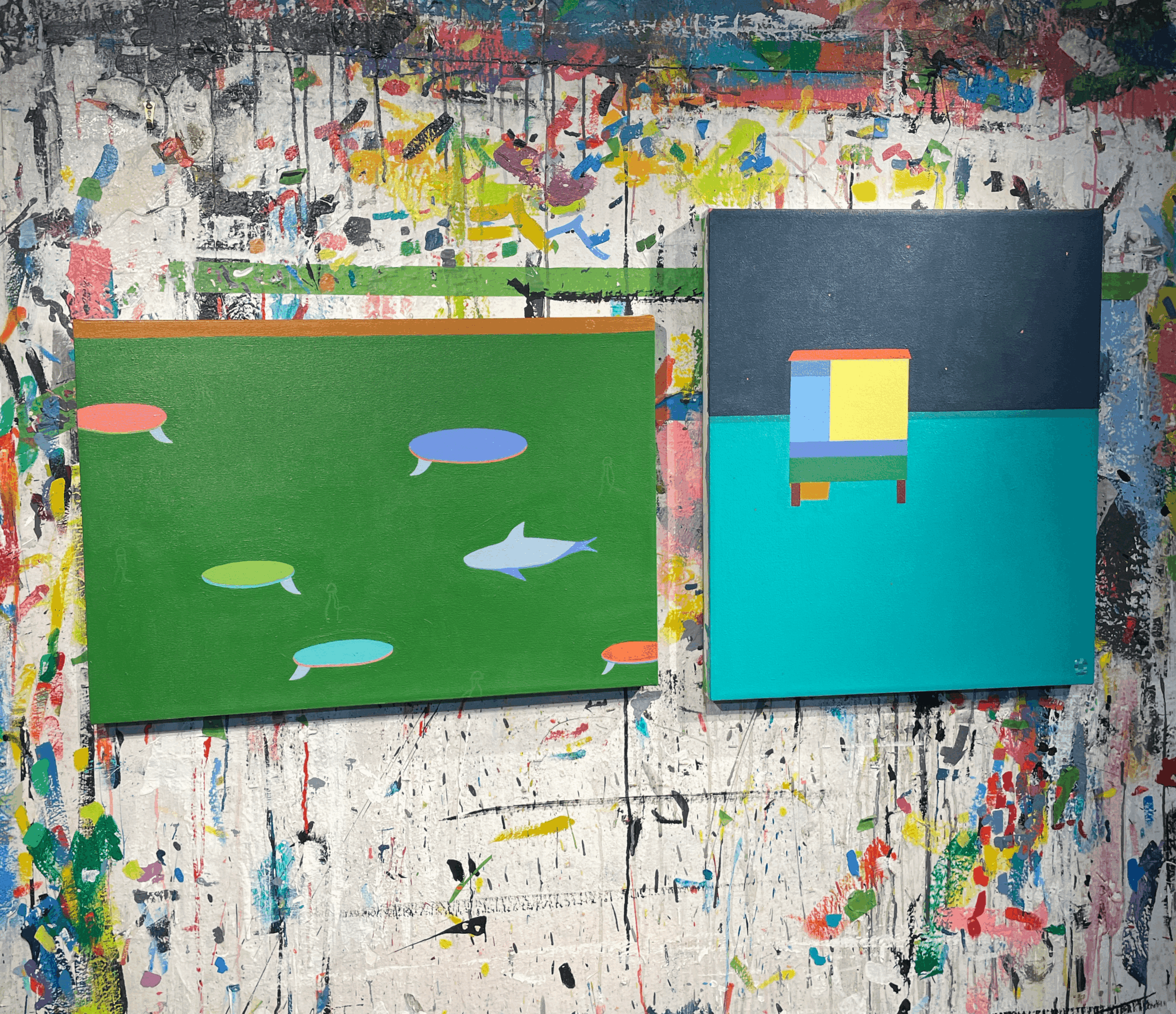
3. Although connected to past work, my art has changed and will continue to do so. While I’ve worked abstractly for most of my career, I’ve started to make paintings with representational images and psychological themes. Yet, the color work and composition have continuity to the past. I am also working smaller. Larger canvases are more physically challenging to stretch, and overall, my hand movements have become more constrained. Working small has allowed me to complete a composition in a reasonable amount of time with less physical discomfort.
In summary, PD has not kept me from continuing to work as an artist, but has affected my practice of art in significant ways. I continue to find art making challenging and fulfilling, and my practice will continue to change as I change. Adapting to a new body and a new way of life will, and should, be part of my ongoing process as an artist.
As always, we appreciate you sharing your insights and we’ve got a few more questions for you, but before we get to all of that can you take a minute to introduce yourself and give our readers some of your back background and context?
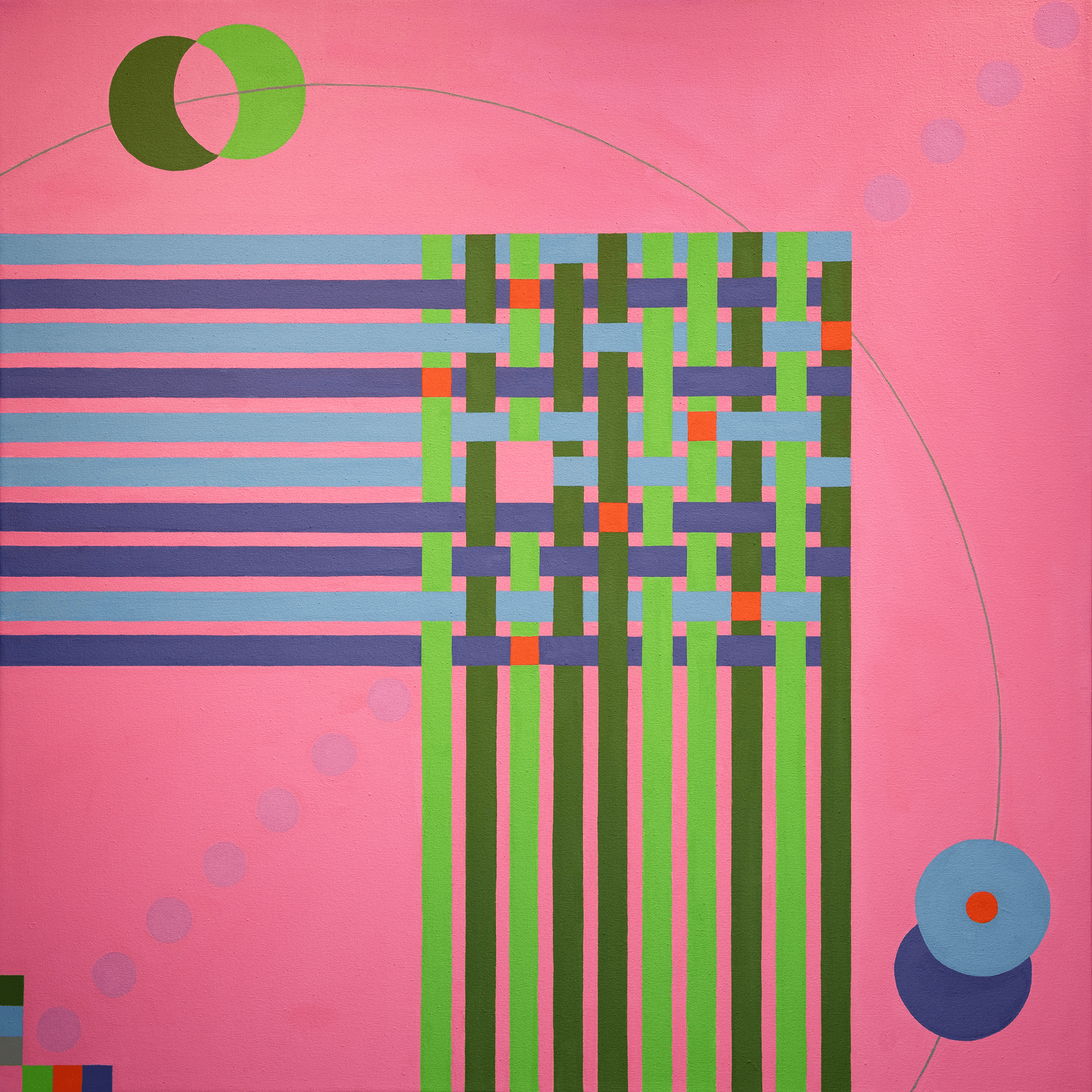
I began my art practice as a 49 year old adult. I had talked about wanting to paint for years–then my partner bought a canvas, brushes and paints as a gift, and then signed me up for an acrylic painting course through the Art Student’s League of Denver. I took to it immediately, and over the past 20 years have grown a practice focused on color and geometric abstraction, I continued to take classes through the League from professional artists to grow my skills. I was a founding member of Sync Gallery in 2009 and I’m currently a member of Pirate: Contemporary Art, an artist-owned gallery which has shown innovative contemporary art for 45 years.
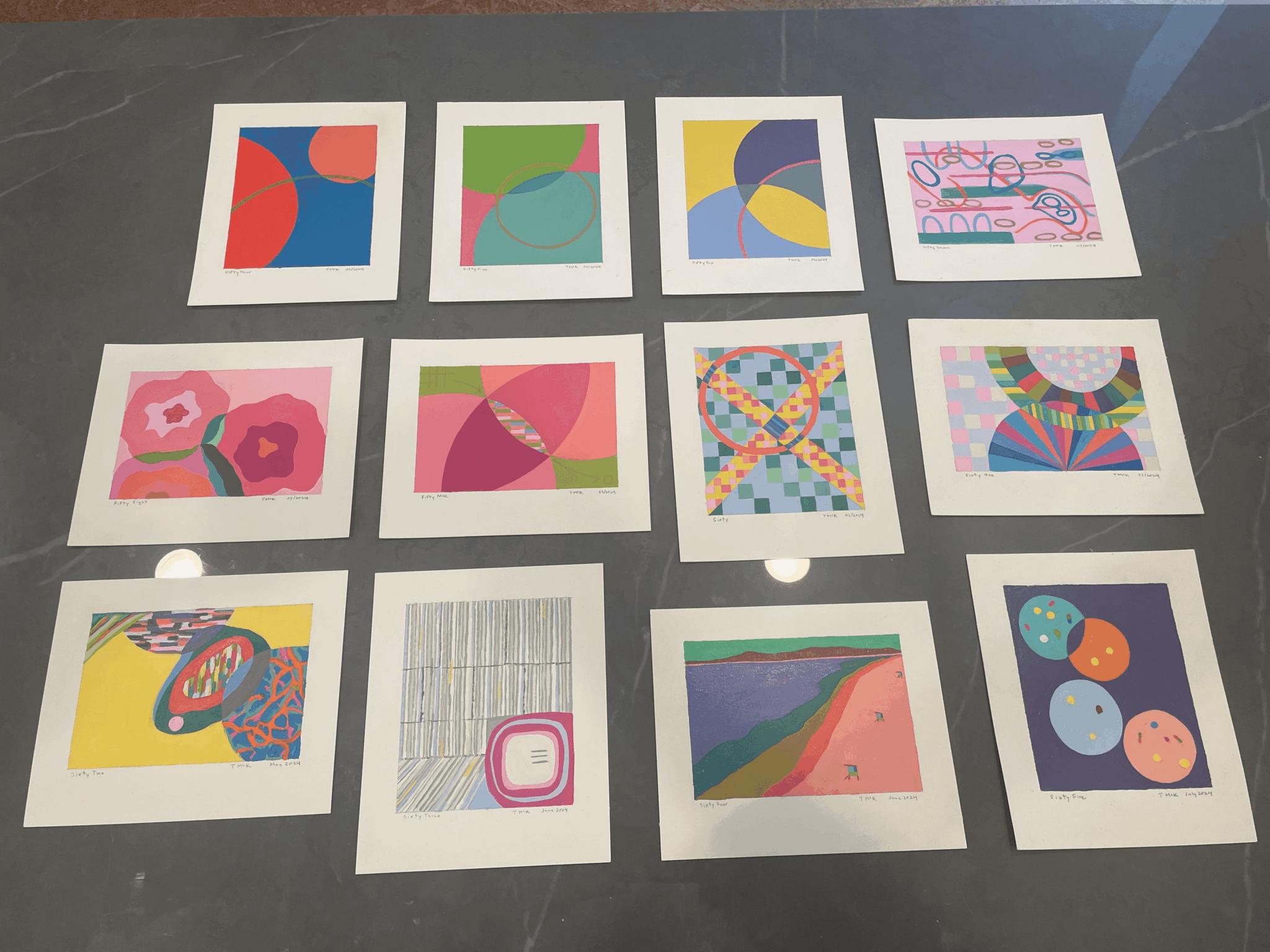
Primarily, my art is about the use of color, line, and creating meaningful interplay between organic and inorganic forms. Thematically, my work explores the intersection of random and predictable actions and is aligned with the Color Field and Constructionist/Systems movements. Even when working representationally, all of my work has a strong focus on color. Colors are hand mixed. Geometric works, while precise, are painted free-hand, without tape, to soften the hardness of sharp forms. I work both very large (multi-panel murals) and more intimately (small works on paper).
How can we best help foster a strong, supportive environment for artists and creatives?
It’s a paradox that artists create spaces that people want to engage with (e.g. studio and gallery districts), but are then priced out of these because of that popularity. I would love to see cities better support and nourish art galleries/districts. Here are a few ideas:
1. Promote art districts along side promotions of museums and other major cultural institutions.
2. Directly subsidize artist spaces.
3. Consider developer concessions to keep creative business in place.
4. Provide rent control and rental assistance for artist spaces.
We often hear about learning lessons – but just as important is unlearning lessons. Have you ever had to unlearn a lesson?
Not having an art degree has at times made me question the legitimacy and quality of my work. What I’ve learned is that my inner voice is flawed, and that my work holds up well with that of colleagues with MFAs. As I have learned to accept myself more and have examined my path through life, I can see my work as a valuable form of personal expression, and that my decision not to pursue art school was more imposed than chosen. Today is today and I am who I am. I am open to feedback and experience. You are welcome to like or dislike my work. My artistic style will change and grow as we all do, independent of background.
Contact Info:
- Website: https://www.mckayfineart.com
- Instagram: #mckayfineart
- Facebook: #mckayfineart
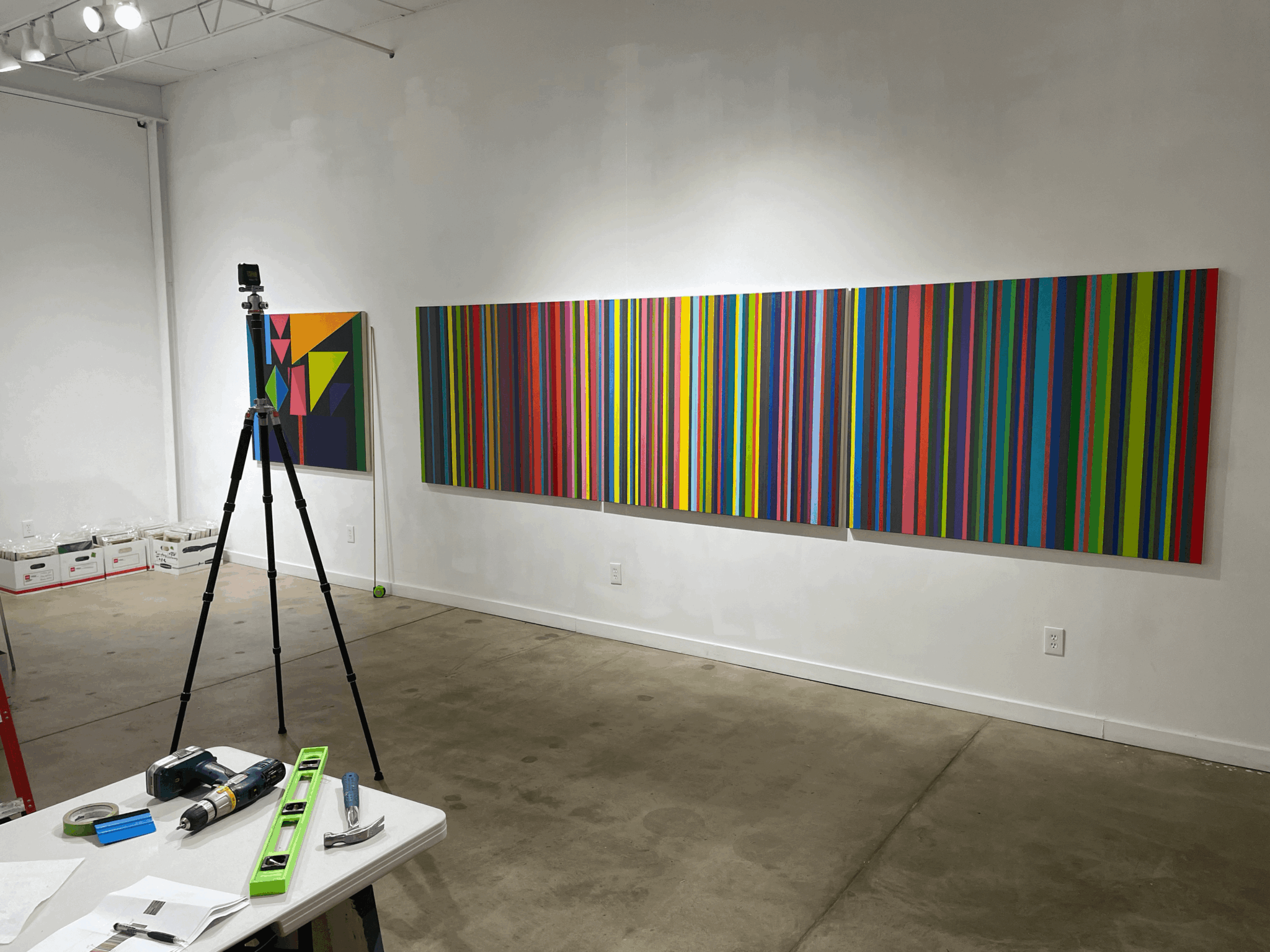
Image Credits
Lynne McKay
Tim McKay