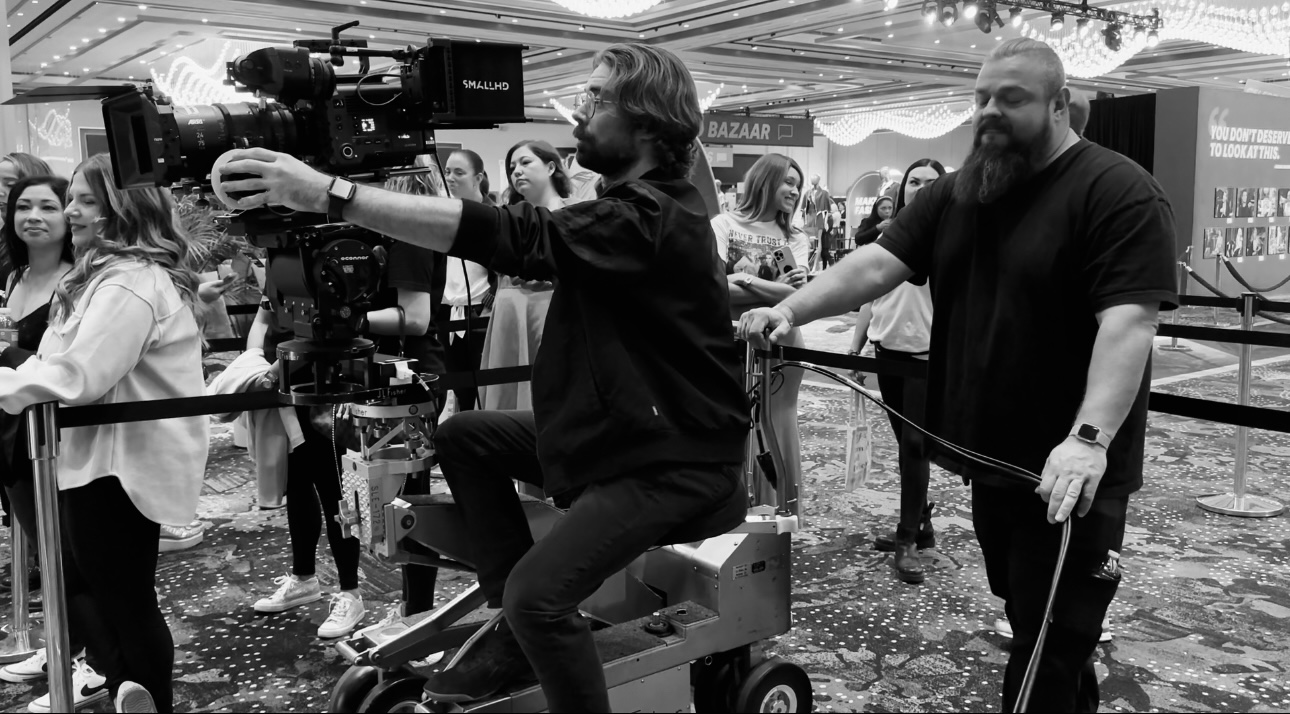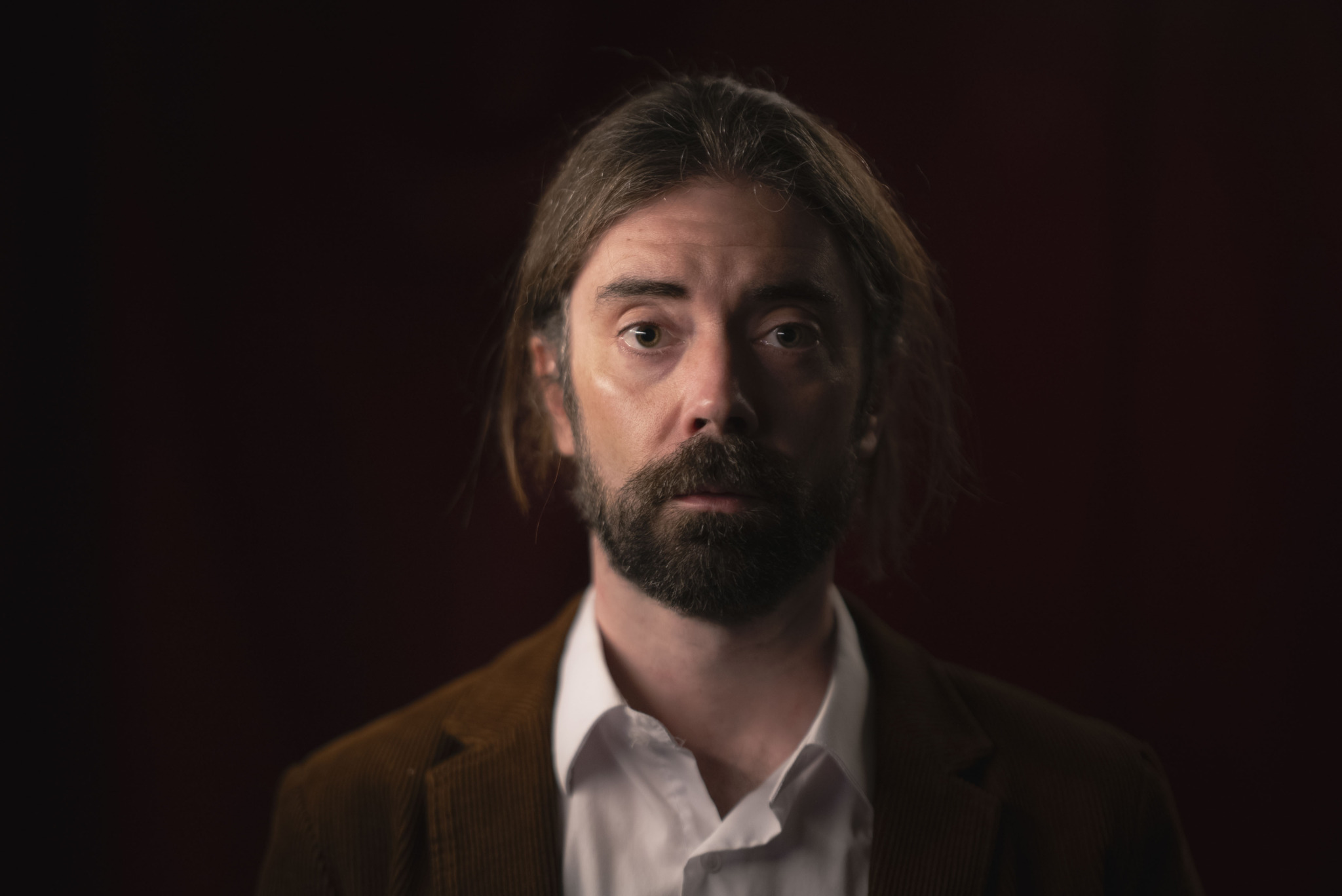

We caught up with the brilliant and insightful Tim Harbour a few weeks ago and have shared our conversation below.
Hi Tim, thanks for joining us today. Have you been able to earn a full-time living from your creative work? If so, can you walk us through your journey and how you made it happen? Was it like that from day one? If not, what were some of the major steps and milestones and do you think you could have sped up the process somehow knowing what you know now?
I’ve been 100% freelance since I graduated in 2013. When I started college, I had no idea what I wanted to do as a career and I was working full time at a skate shop. I took a videography class for fun, and decided after a few classes that this was going to be the path that I pursued. I purchased a camera (Sony EX1) so I could start shooting right away and I offered myself and my camera to anybody who was willing to collaborate. I collaborated with peers I met in school to make terrible student films as often as I could. I used school as an opportunity to fail as much as possible creating shorts, music videos, and filming school assignments.
None of the videos I was making at the time were any good, but my professors saw that I had the motivation to learn and continue down the path of production. The fact that I was on time, friendly, and motivated made me stand out to my professors and soon they were placing me as the cinematographer for our class projects. I now had people reaching out to me to film events and projects. Anything from weddings, live performances and music videos, to laugh therapy sessions. If they were paying, I would do it. I’d still work on creative projects for free if I felt drawn to the project. The last year of school, I quit my job at the skate shop and was able to supplement my income through my freelance gigs. I also started an internship with a local production company 808 Post and Production. There I learned to use editing software Avid and would spend countless hours editing live footage from shows like “Chippendales”.
After graduation, I quit my internship and the only clients I had were a few wedding companies and some random referrals from people I had met in school. I was making less than half of what I was at the skate shop and I was barely breaking even at the end of the year after paying rent and bills. After about 3 or 4 years I was finally making more than I was working as a manager at the skate shop. My clientele was 100% referral based through people I met in the wedding industry and in school, and I didn’t have to use any staffing sites or social media to grow my brand. Now I still feel like I’m in the growing process but the milestones have moved significantly. I’m still 100% referral based, which seems to be the best when it comes to getting hired as a Freelancer. Having somebody vouch for you is infinitely more valuable than having a few cool videos on a website.
Knowing what I know now, I would have forced myself to break out of my social bubble even more when I was in school and talked to everyone in every class. You never know who will be working in production after school and often times it’s not always the “best student”. I would have taken even more creative risks. I think everyone is afraid of failure especially when it comes to artistic creations, and looking back I think I was so nervous to create something because I feared it being a disaster that I did less than I probably could have.
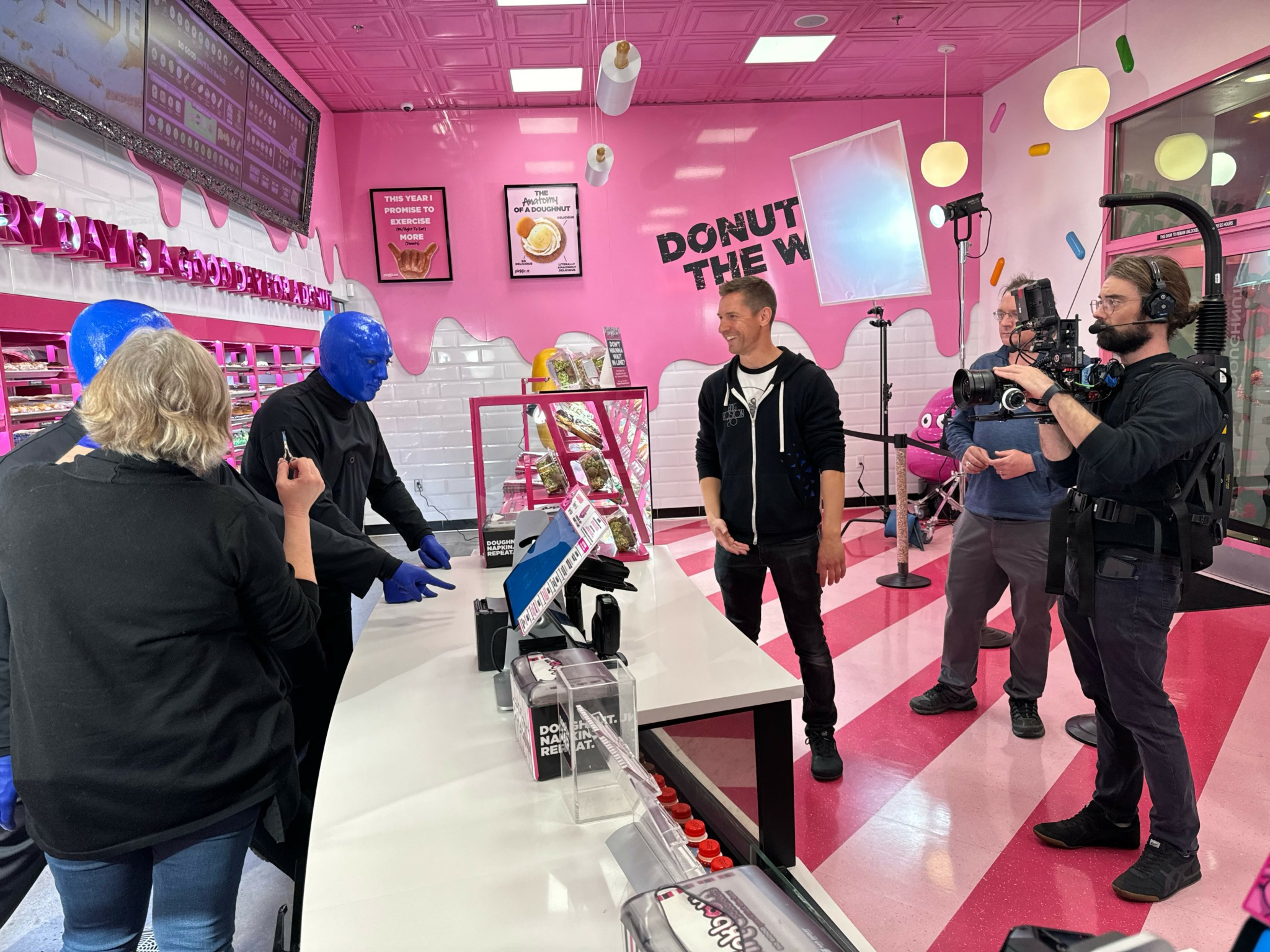
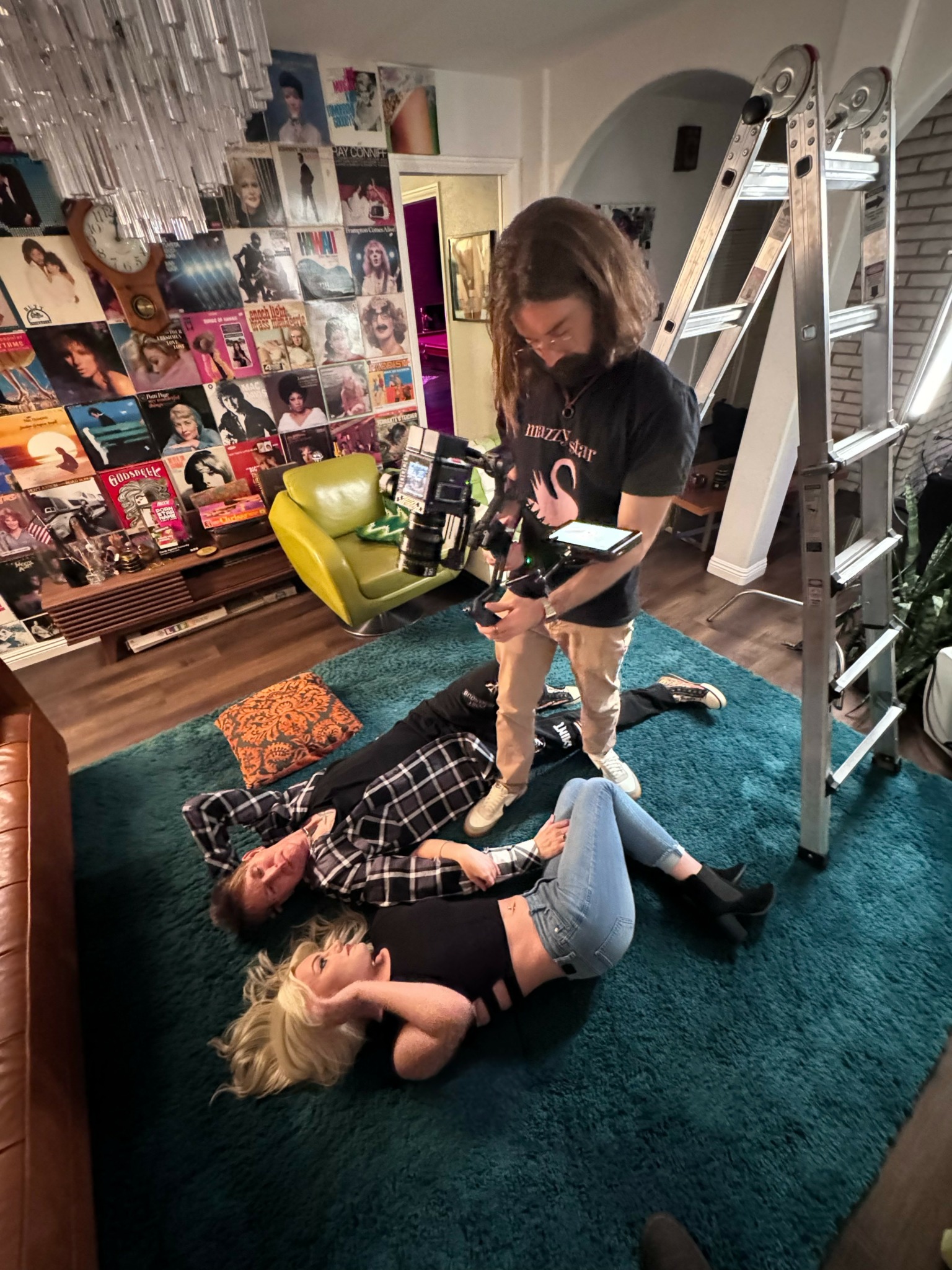
Awesome – so before we get into the rest of our questions, can you briefly introduce yourself to our readers.
I was always moving around every few years as a kid, so I would always be the new kid in school. I didn’t mind though because I was always watching great movies and shows with the few friends I had. Moving around also taught me how to make new friends easily and adapt to new environments, which is an important part of what I do now. I’d spend countless hours rewatching the same movies until the VHS tapes wore out or the dvd became too scratched to play. I didn’t know it at the time but I was learning what good stories were and I was studying the art of entertainment.
My business is mostly related to cameras and lighting, but I think the skill I’m really bringing to the table when I’m hired is “creative problem solving”. Being able to think ahead of time about what challenges your shoot will face, as well as on-the-fly problem solving when something inevitably changes during a shoot.
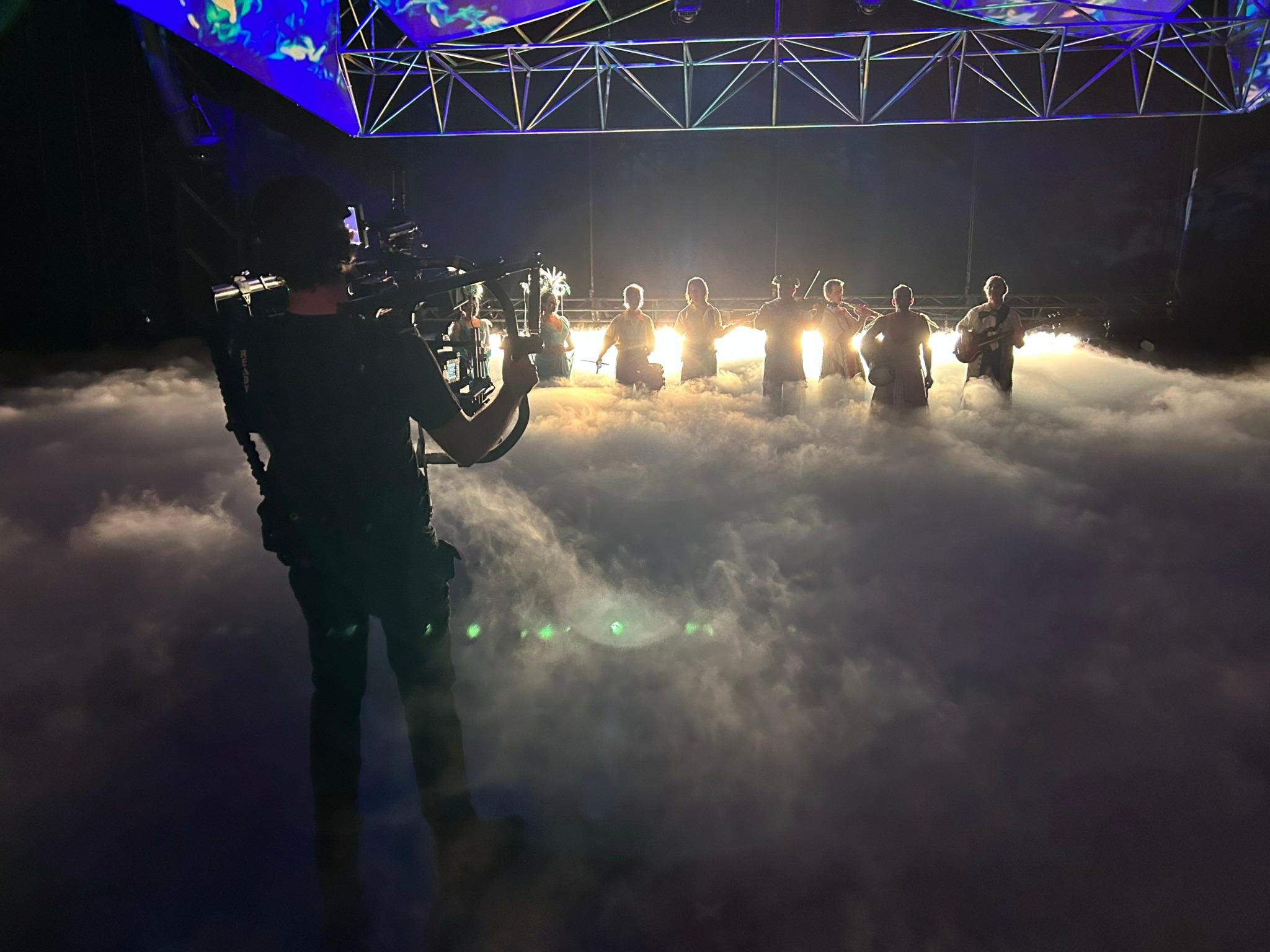
Unlike a portrait photographer, who might shoot in a similar style or in the same studio everyday, I’m often in a multitude of situations and different locations, with different budgets, different gear, different sized crews, and different amounts of time given to complete the project. I might one day be asked to shoot a “verite” style documentary with a crew of 3 in an erratic public environment with a shifting schedule or I might be in a fully controllable studio environment with a lot of time to setup and 12-20 people there to help get the job done.
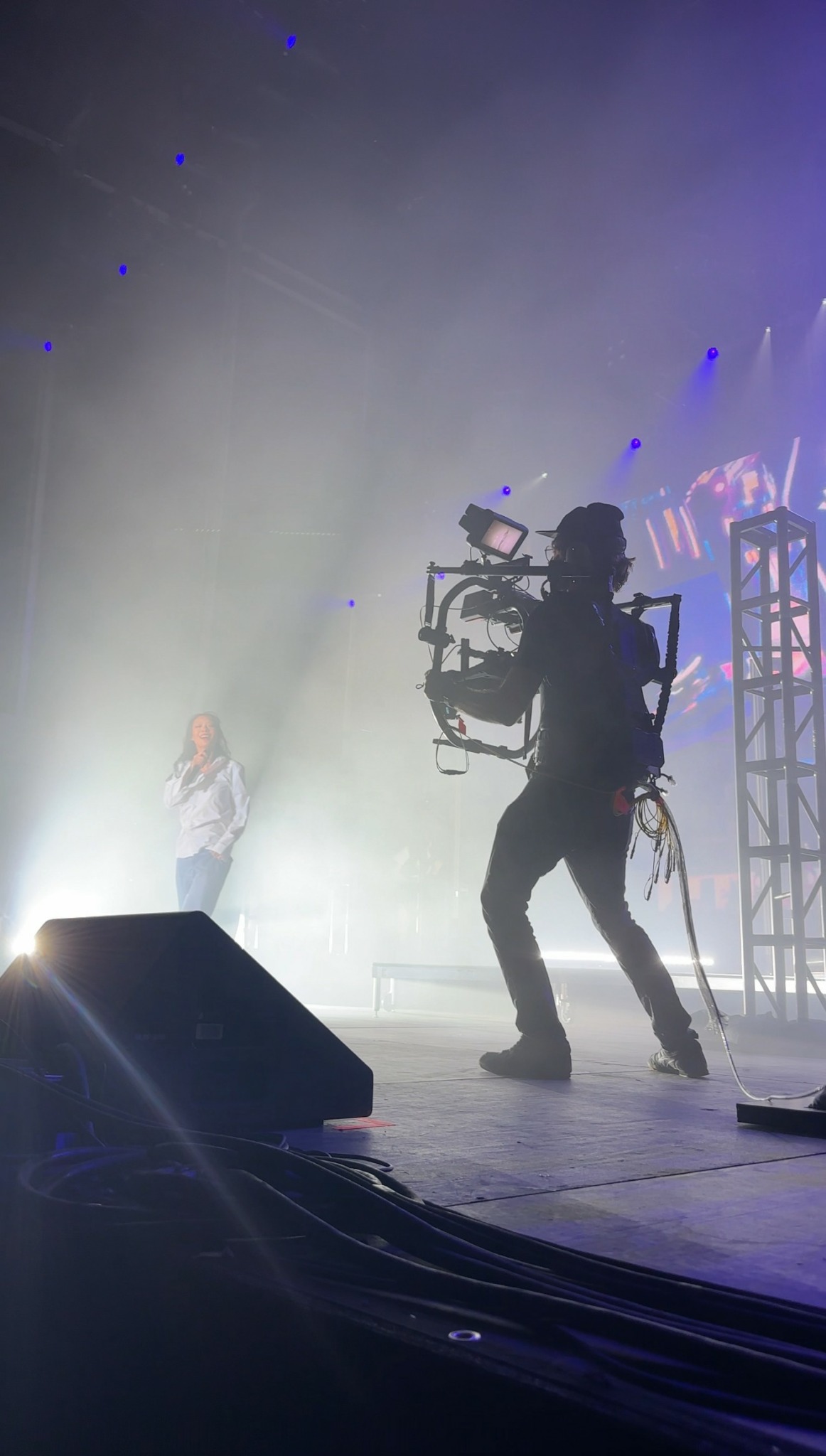
I work as cinematographer, camera operator, gaffer, and drone operator. I’m also a producer when it comes to my own projects but I like to focus on telling a story in every job. Whether that story is a documentary, film, commercial, or brand video, I always have to ask “what story needs to be told here”? Talking with the client to find out what story they want to tell is always the first step.
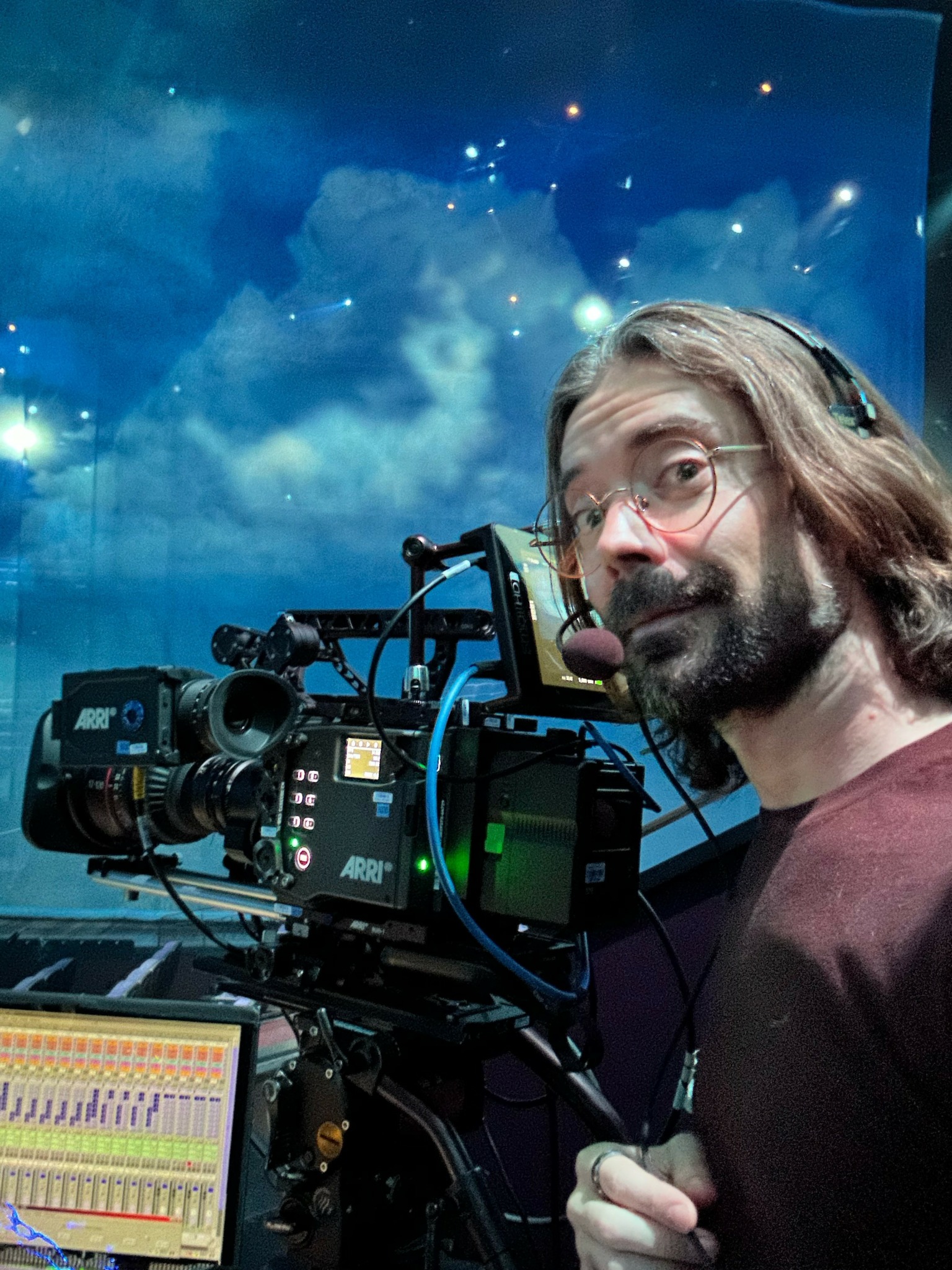
Learning and unlearning are both critical parts of growth – can you share a story of a time when you had to unlearn a lesson?
One lesson I had to unlearn was the idea of romanticizing being a “self-made man”. I live and work in a collaborative industry and I’m only as good as my peers. I grew up in a family with little money so I always tended to respect people more who did things on their own and got to where they were completely of their own accord. But then I realized that most great creatives had help in some way or another to get where they were.
Whether that help was someone donating their time to them, giving them inspiration, financial help, or just a mentor giving them a chance. I started out by doing a lot of one-man-band type shoots so I was accustomed to doing everything proudly by myself without help but I know now it really takes a good team to create something good. Some people definitely have had more help than others but I think you’d be fooling yourself if you truly believed you got to where you were with no help at all.
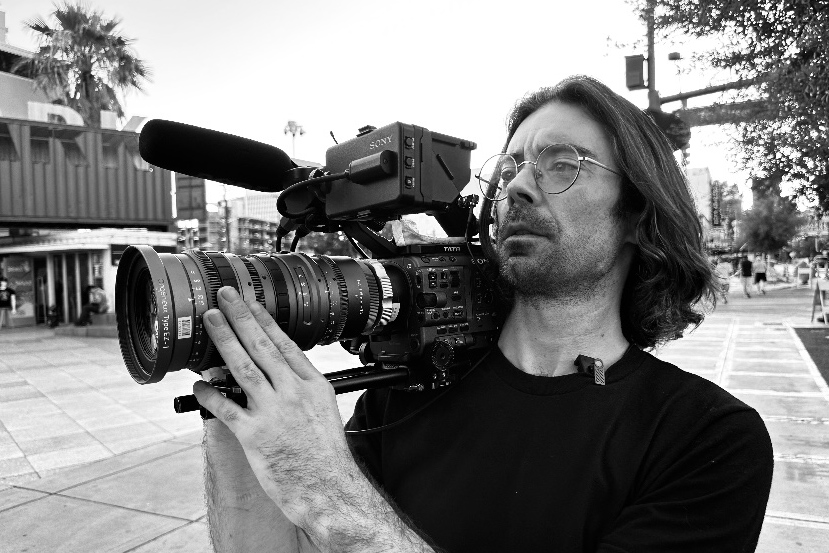
Can you tell us about a time you’ve had to pivot?
I think pivoting is almost a daily occurrence in my line of work but one story that I recall where I had to pivot was once we were on a 3 camera shoot where we were filming an interview with an A-list celebrity for a major motion picture company, and we had about 3 hours to setup all the lights, cameras and video village in a fancy suite at a casino on the Las Vegas strip. This was plenty of time to setup but the stakes were a bit higher than normal because we hadn’t shot for this company before and the suite we were shooting in was actually where the celebrity was going to be staying and her time was limited.
We got news that her flight was delayed so now we knew we had even less time to shoot the interview but we were ready regardless. By the time her flight arrived in Las Vegas, we got a call from one of her contacts that we were no longer allowed to shoot in that hotel suite and we would in fact be shooting in a small room on a different floor. We had about an hour now to breakdown everything and move down the elevator to setup everything again. We had to reassess the new space quickly to figure out where we could put cameras and place lights to be 100% ready in time before she arrived, and we did. The new space definitely did not look as good as the original setup but we made it work . The client was happy. Sometimes things won’t go your way but you have to be able to pivot and make it work even if that result isn’t what you originally wanted.
Contact Info:
- Website: https://harbour-productions.com
- Instagram: @tim_harbour