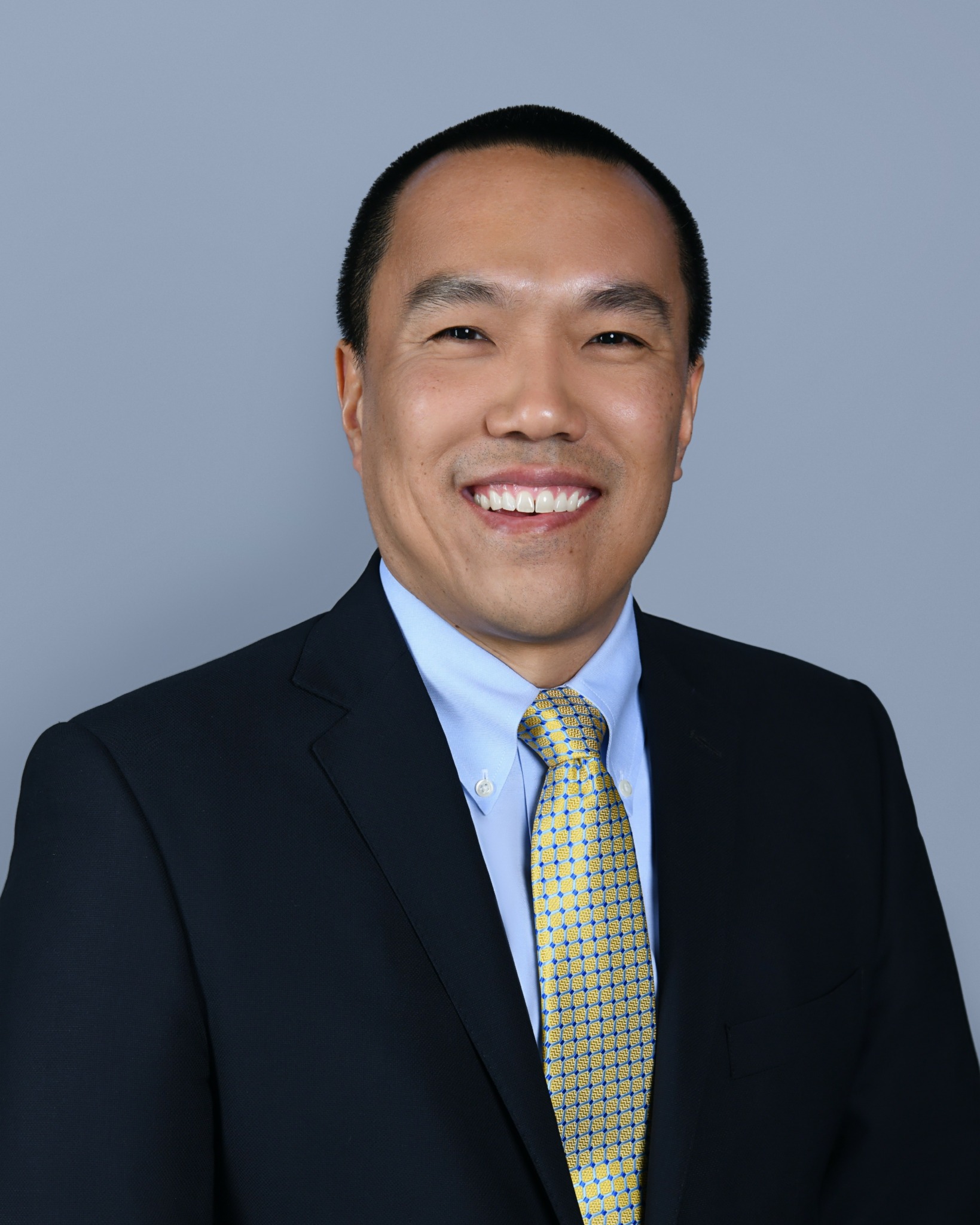

We’re excited to introduce you to the always interesting and insightful Tim Chang. We hope you’ll enjoy our conversation with Tim below.
Tim, appreciate you joining us today. We’d love to hear about the things you feel your parents did right and how those things have impacted your career and life.
They had me get a job as soon as I was able. It taught me responsibility, ethics, teamwork, and gave me a sense of purpose. As an early teenage, these were all needed for me to grow into the adult I would become. They never guilted me about work and always supported me in every step of my jobs and career, even if they had bigger and different dreams for me.
Awesome – so before we get into the rest of our questions, can you briefly introduce yourself to our readers.
Born and raised in Honolulu, Hawaii, I grew up in a traditional Asian household that emphasized respect, discipline, and the importance of education. Like many families in my community, there was a strong focus on stability and contributing meaningfully to society. In early high school, I took a career inventory test designed to identify potential career paths aligned with my personality and values. Two clear themes emerged from that assessment: a desire for job security and a deep commitment to mission and teamwork. The career counselor reviewing my results suggested that I consider careers in either the military or education, fields that offered structure, purpose, and service to others.
As I advanced through college, those themes continued to shape my perspective. I found myself inspired not only by the knowledge and mentorship of my professors but also by the diverse perspectives of my peers and the dedication of the campus administrators who made the institution run smoothly. College became more than just a place to learn; it was a community built on shared goals, intellectual curiosity, and collective effort.
Throughout my undergraduate years, I took on several campus jobs working in student services, administrative offices, and academic departments. Those experiences opened my eyes to the inner workings of higher education. By my senior year, I realized that universities were not just places where students studied; they were complex organizations staffed by professionals who were passionate about supporting learning and development. I remembered my high school counselor’s early insight about education as a career path, and it resonated more strongly than ever.
Since then, I have built a career in higher education administration, driven by the same values that first guided me: stability, teamwork, and a commitment to a larger mission. The campus environment remains where I feel most at home, a place where personal growth, community service, and lifelong learning converge.
What do you think helped you build your reputation within your market?
The main guiding principle for me has always been service to others. I am constantly asking myself how I can help, how I can contribute, and how I can make someone else’s work or life a little easier. This mindset has shaped the way I approach both my professional responsibilities and personal interactions. I have never viewed success as an individual achievement but rather as a collective process where everyone benefits when one person is willing to lend support or share knowledge.
Throughout my career, the idea of helping others has remained at the core of everything I do. Whether assisting a colleague in solving a problem, supporting a student through a difficult time, or advancing a new initiative, I have always been driven by the same question: what can I do to make this better for someone else? Over time, this consistent approach has helped me build a professional reputation as someone who can be counted on to take action, bridge gaps, and move things forward.
I have come to understand that being a helper and facilitator is not just about providing assistance in the moment. It is also about creating conditions where others can thrive, grow, and find their own confidence. Being known as a doer, someone who takes ideas and turns them into tangible outcomes, has been both fulfilling and instructive. It reminds me that meaningful progress rarely happens alone, and that service, in its truest form, often means quietly empowering others to succeed.
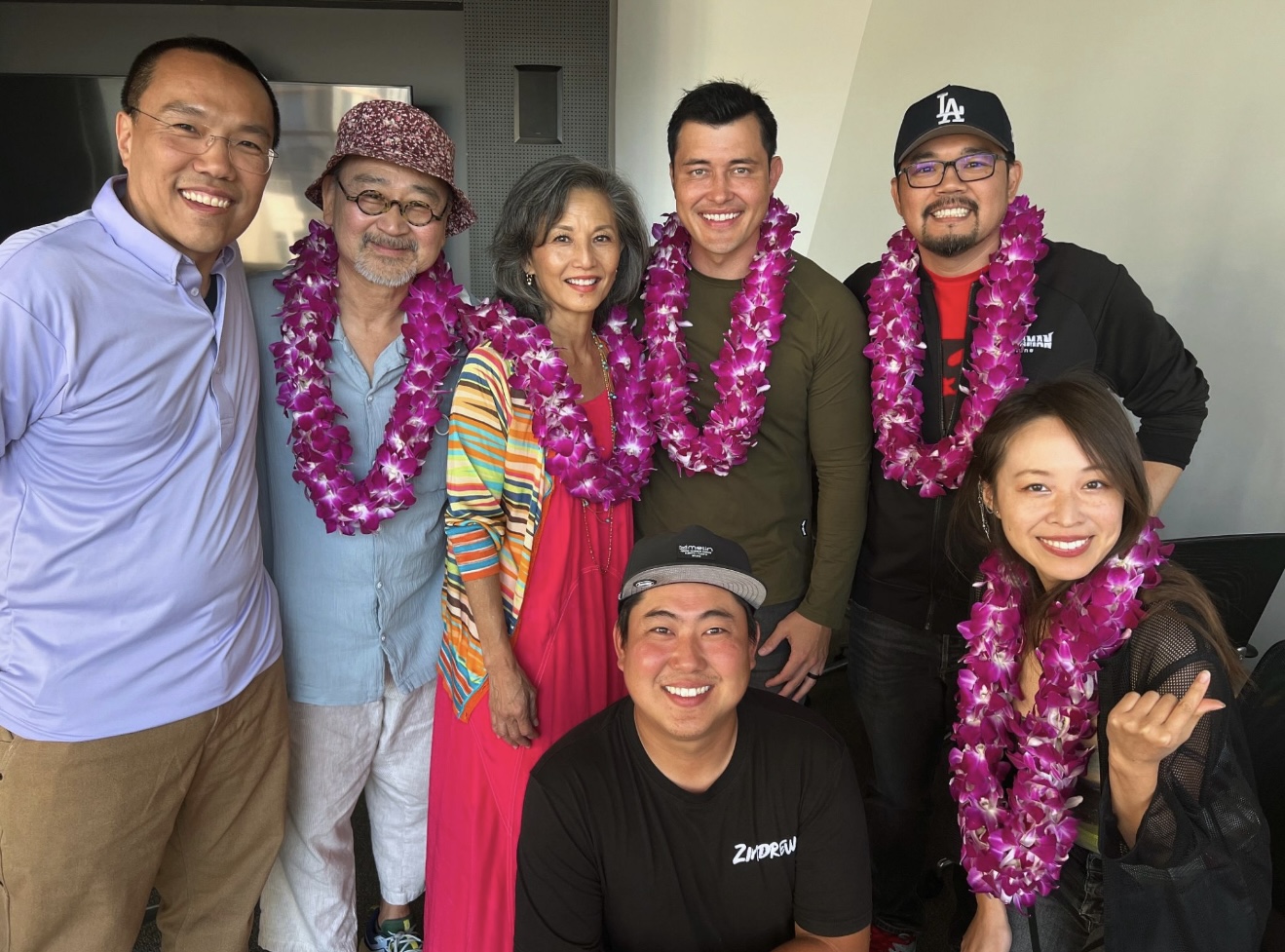
How did you build your audience on social media?
I have built my audience on social media through consistent, intentional engagement rather than by chasing numbers or visibility. My approach has always been rooted in authenticity and participation. I make it a point to stay active, particularly on LinkedIn, where I can connect with professionals who share similar values and interests. While I do not claim to have a large following, I focus on maintaining meaningful interactions with the audience I do have.
My goal is to contribute value through my posts rather than simply to be seen. I share stories, reflections, and experiences that I believe might resonate with others or offer a perspective they can use in their own professional journeys. Sometimes these posts come from lessons learned through challenges, and other times they highlight positive experiences or examples of effective teamwork and leadership. Each post is an opportunity to contribute to the larger conversation about growth, service, and purpose in professional life.
Over time, this consistency has created a small but genuine network of colleagues, students, and professionals who engage thoughtfully with what I share. I see my online presence as an extension of my professional identity: grounded in service, reflection, and connection. Even without a massive audience, maintaining that steady, authentic presence has allowed me to build credibility and strengthen relationships across the higher education community.
Contact Info:
- Linkedin: https://www.linkedin.com/in/tchang888