



We were lucky to catch up with Tim Brandt recently and have shared our conversation below.
Alright, Tim thanks for taking the time to share your stories and insights with us today. We’d love to hear about a project that you’ve worked on that’s meant a lot to you.
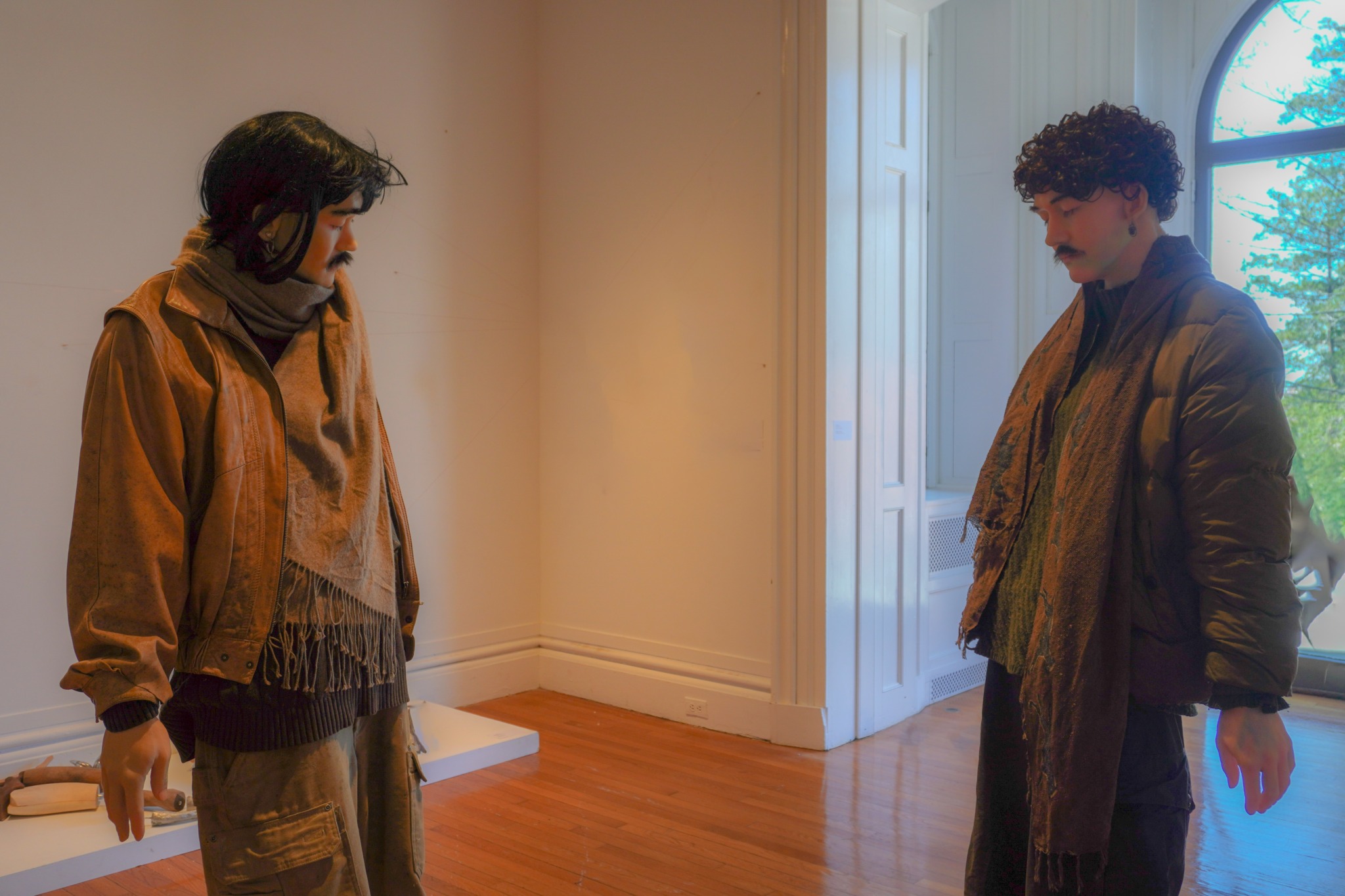
“There is 5 to 6 More of Us” is one of my most significant works, encapsulating the core themes that drive my practice. This life-sized installation features two full-scale figures crafted from silicone and dressed in my own everyday clothing. Each figure represents a blend of identities; one has facial features subtly altered to appear more European, while the other leans toward Asian characteristics. These nuanced shifts are inspired by my own parents, one of whom is Chinese and the other German. Through this piece, I invite the viewer to reflect on the ways that facial features influence one’s sense of identity and affect how others perceive and categorize us within society.
The figures embody a speculative spectrum of identities—an imagined space in which these visual markers blur, offering countless possibilities of who one could be. “There is 5 to 6 More of Us” speaks to the complexities of dual identity, especially for those who, like myself, navigate the intersection of multiple ethnic backgrounds. For individuals who, by appearance, exist in the liminal space between cultural groups, assumptions and categorizations often become inevitable and inescapable aspects of daily life.
This work resonates with audiences of dual or mixed heritage, offering a mirror for the feelings that arise when one’s presence is continually questioned or defined by others. It’s an invitation to contemplate not only the fluidity of identity but also the spectrum of possibilities that emerges when one stands at the intersection of multiple worlds. Through this piece, I hope to give voice to the nuances of belonging and the powerful role that appearance plays in shaping how we understand ourselves and are understood by the world.
Tim, before we move on to more of these sorts of questions, can you take some time to bring our readers up to speed on you and what you do?
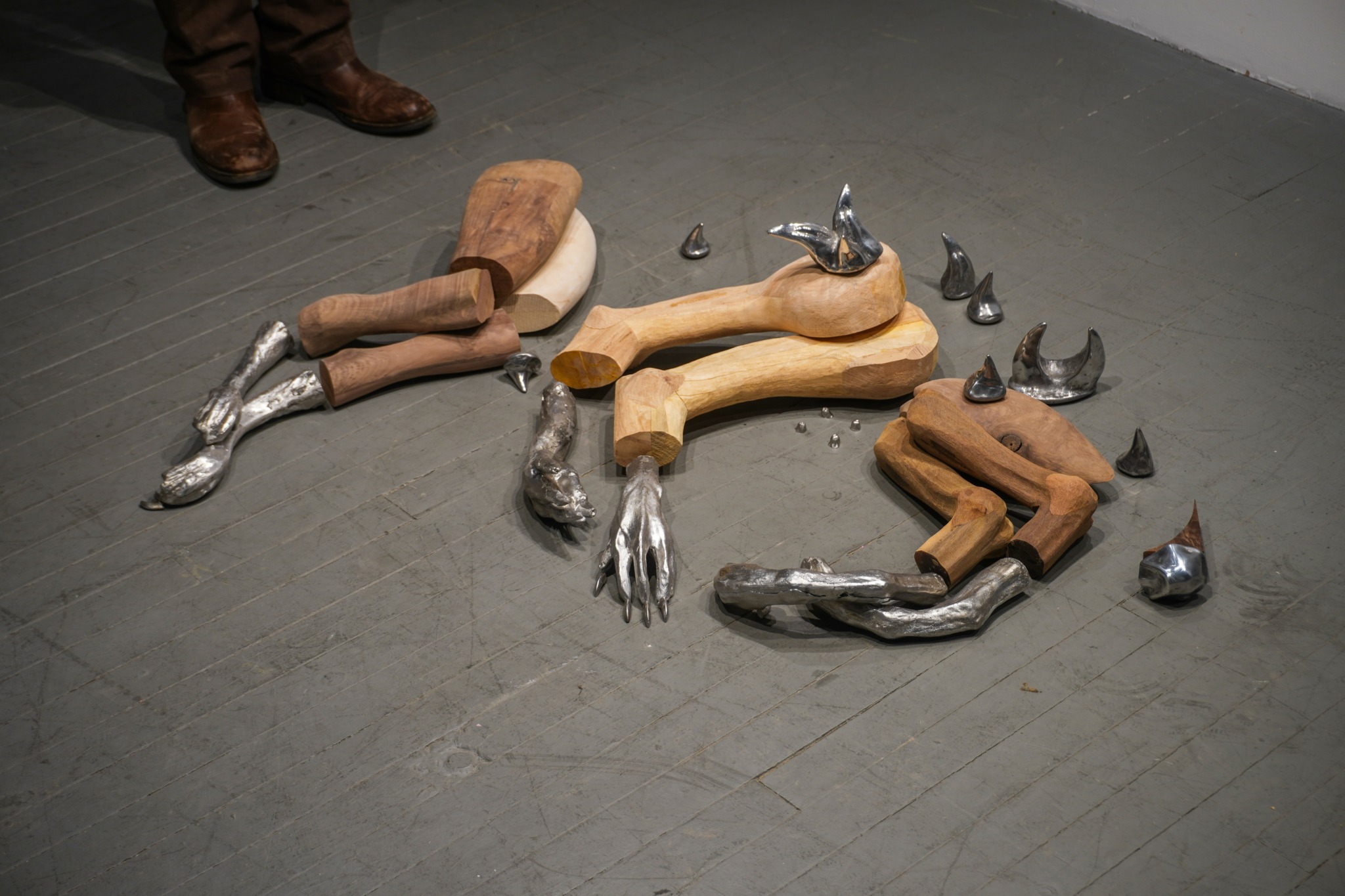
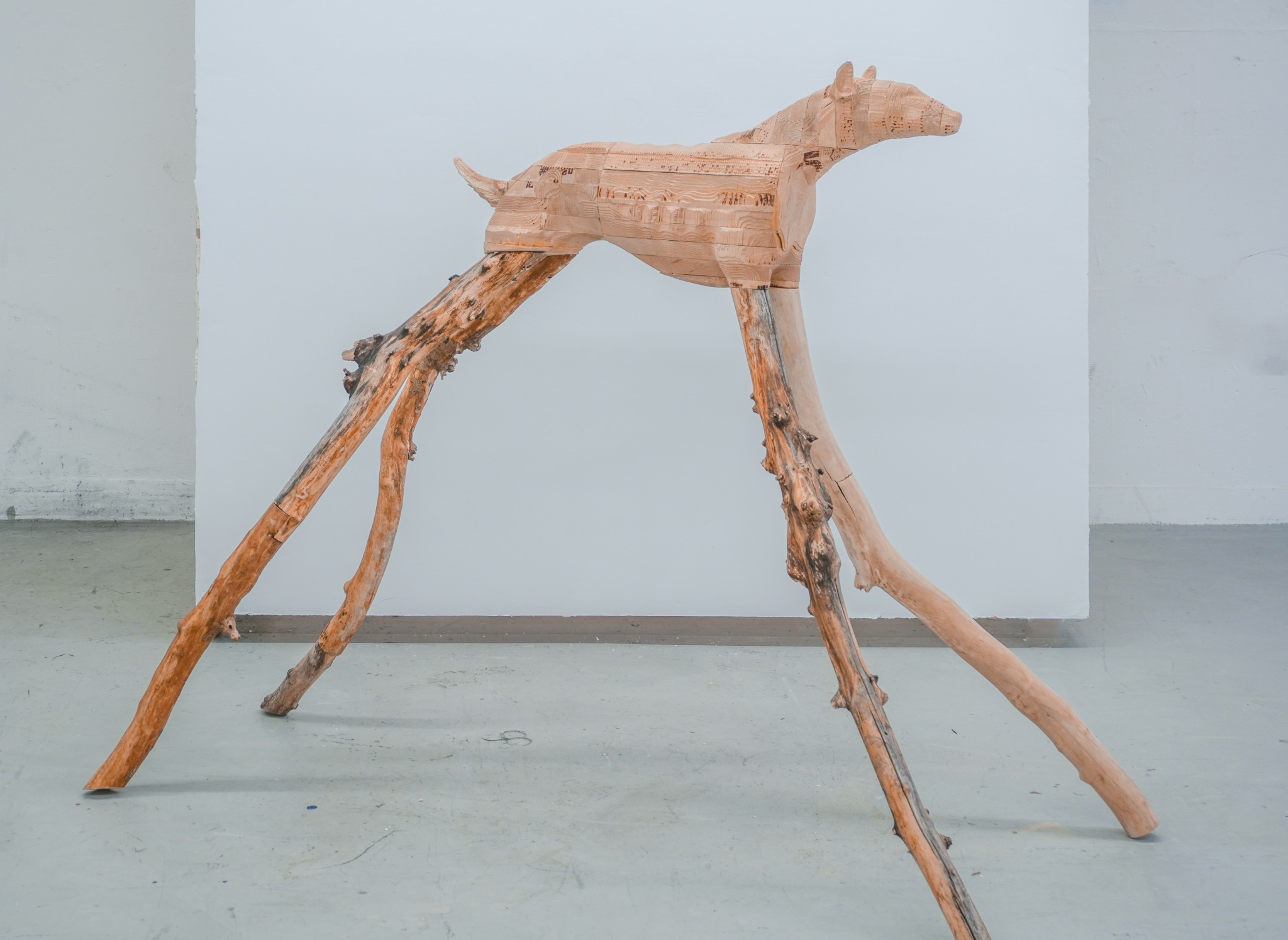
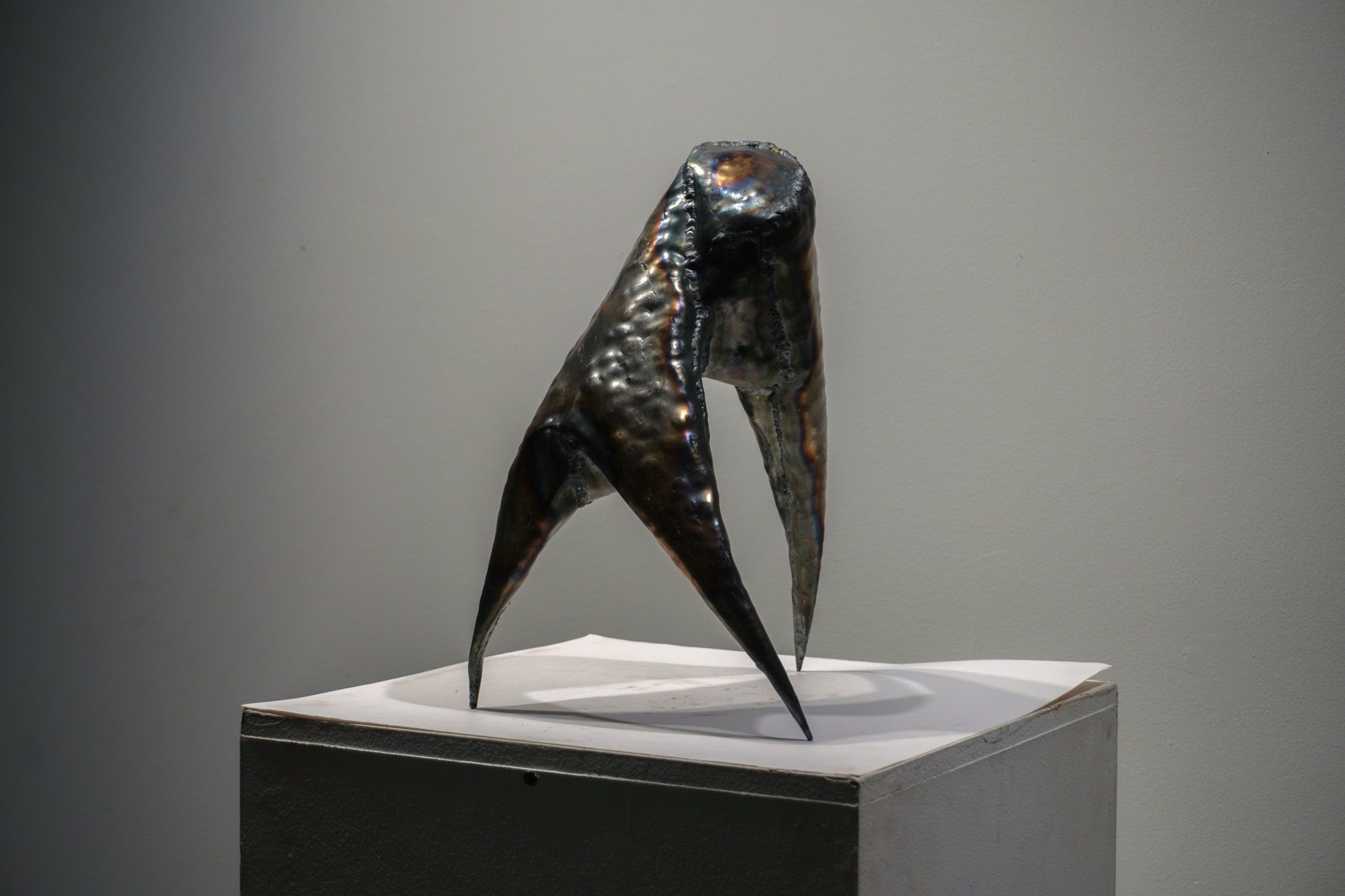
For those who may not be familiar with my work, I’d love to share a bit about my journey and creative process. My exploration of sculpture began at an early age, with a fascination for found objects—anything I could pick up became part of a new creation. This habit of collecting hasn’t changed over the years, only the scale of the materials I work with. Where I once experimented with small found pieces, I now incorporate large, significant items like 10-foot branches and 50-pound metal fragments from construction sites. Each piece I collect feels like a part of a larger story, and when assembled into a sculpture, I see it as giving these objects a new life, a second chance.
Drawing is a core part of my creative process. It allows me to expand and record my thinking, helping me explore the potential of each piece before it comes to life in three-dimensional form. These sketches are blueprints for translating my ideas into tangible forms, capturing a blend of memory, identity, and cultural dialogue.
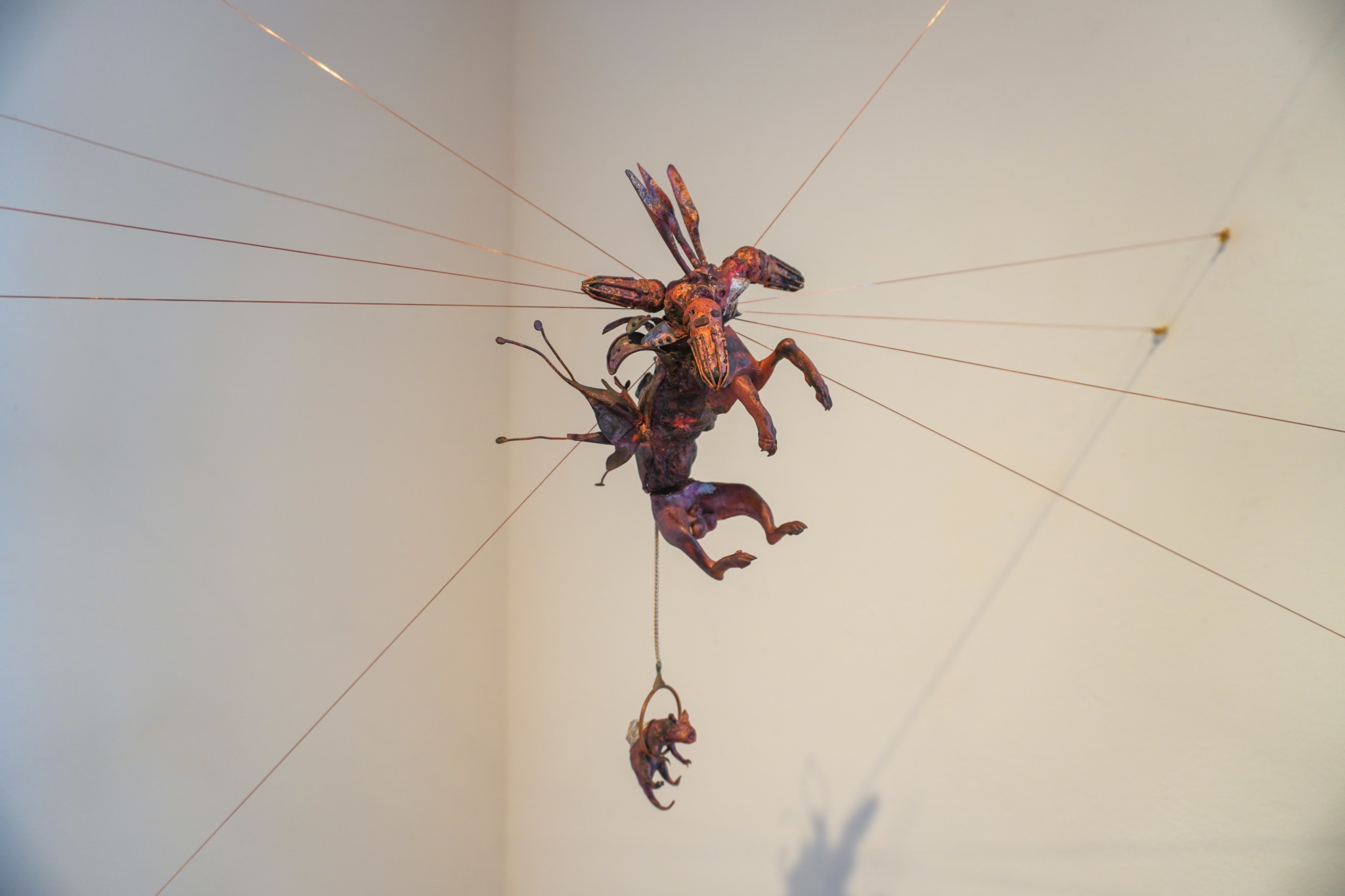
In my work, I place substantial conceptual weight on repurposed materials, allowing them to carry the meanings of their varied origins. This diversity of materials symbolizes a blending of backgrounds, each piece standing as a unique testament to the beauty and significance that arise from different sources coming together. Growing up with animals also shaped my understanding of how we relate to the world around us. Animals, with their primal, instinctive emotions, communicate on an emotional level that transcends language—whether it’s a pet seeking comfort or a wild creature expressing territorial protection. I strive to capture this silent language in my sculptures, creating forms that evoke a sense of soul and presence, like creatures frozen in a moment of expression yet filled with the potential for interaction.
Each piece I create—whether a large public installation, a tabletop sculpture, or a piece of jewelry—carries this unique language of mixed identity, both in its physical materials and in the concepts woven into it. My work seeks to embody the experience of those with multicultural backgrounds, people whose features and essence often feel alien or outside the norm. These sculptural forms echo this experience through their Idiosyncratic shape and material, encouraging viewers to engage physically and conceptually. They invite an intimate, personal reaction, just as we interact with animals instinctively.
In summary, my sculptures span a range of scales but share a cohesive aesthetic and a unified message. Each piece serves as a meditation on identity, cultural intersections, and the silent power of objects to evoke memory, meaning, and connection. I invite viewers to explore these pieces not only as objects but as experiences, each carrying the soul of its materials and the echoes of diverse origins.
My work is available to explore and acquire on my website: timbrandt.Studio. To follow along with my creative process and story, you can find regular updates on Instagram: @TimBrandtStudio.
Can you tell us about a time you’ve had to pivot?
There was a pivotal moment in my journey when I realized that beauty and meaning are inseparable, and that presentation shapes perception. Just as a person in unpresentable clothing may unintentionally push others away, my work, if not carefully crafted and thoughtfully presented, might also struggle to make a genuine impact. Presentation is an invitation—it sets the tone for engagement.
It’s like the difference between handing someone a gift wrapped in a crumpled plastic bag versus a beautifully wrapped box. The contents may be identical, but the experience is transformed by the outer layer; one is likely to invite curiosity, while the other may be overlooked or dismissed. This insight showed me the importance of crafting not only the messages behind my work but also the visual language and presentation that convey them.
Through this realization, I also began to see that what we consider “ugliness” can be beautiful, too. Beauty is not defined by convention but by how accurately material and form express meaning. For example, consider the symbiotic relationship between the bird that feeds on crumbs from an alligator’s mouth. At first glance, it’s a grotesque scene—a bird picking at scraps between sharp teeth. But within that image lies a beautiful, natural harmony: the bird gains sustenance while the alligator benefits from dental hygiene. This interaction, though messy, becomes beautiful in its cohesion and mutual benefit.
In my work, I seek to capture this same complexity—the idea that beauty is born from authenticity and purpose. It’s not about polishing or conforming to ideals but about presenting materials in a way that allows their inherent meaning to resonate. By uniting thoughtful presentation with meaningful content, I aim to create pieces that invite viewers to engage deeply and perhaps find beauty in unexpected places.
Is there mission driving your creative journey?
My creative journey is driven by a profound mission: to craft a series of works that truly represent and honor the experience of the mixed-race community, particularly those of Asian and white descent. This community is growing rapidly, yet within this expansion, I see a quiet tension—a pull toward conformity, a softening of cultural roots, and, at times, a loss of the rich heritage that makes each individual unique. My goal is to create symbols that celebrate this blend of cultures, offering reminders of the delicate vulnerability and transformative potential that come with such a background.
In my personal life, I have encountered many people from this community, and I’ve come to recognize certain shared experiences: an art of adaptation, the need to entertain and please, and the desire to fit into two worlds that sometimes feel irreconcilable. For many, identity becomes flexible, a mask of contentment that hides a restless search for acceptance. The pressures to satisfy both sides can mold one’s identity into something transient and susceptible to outside influence, conventional expectations, and even stereotypes.
Through my sculptures, I aim to provide a sanctuary—a place where these individuals might see themselves reflected not as fragmented pieces but as whole, complex beings. I hope to create symbols that speak to the beauty of navigating these diverse heritages, embodying both the weight and the wonder of being many things at once. If my work can offer even one person a sense of clarity, a moment of self-recognition, or a step closer to finding peace within their own complexity, then I will have achieved my goal.
Contact Info:
- Website: https://www.timbrandt.studio
- Instagram: timbrandtstudio
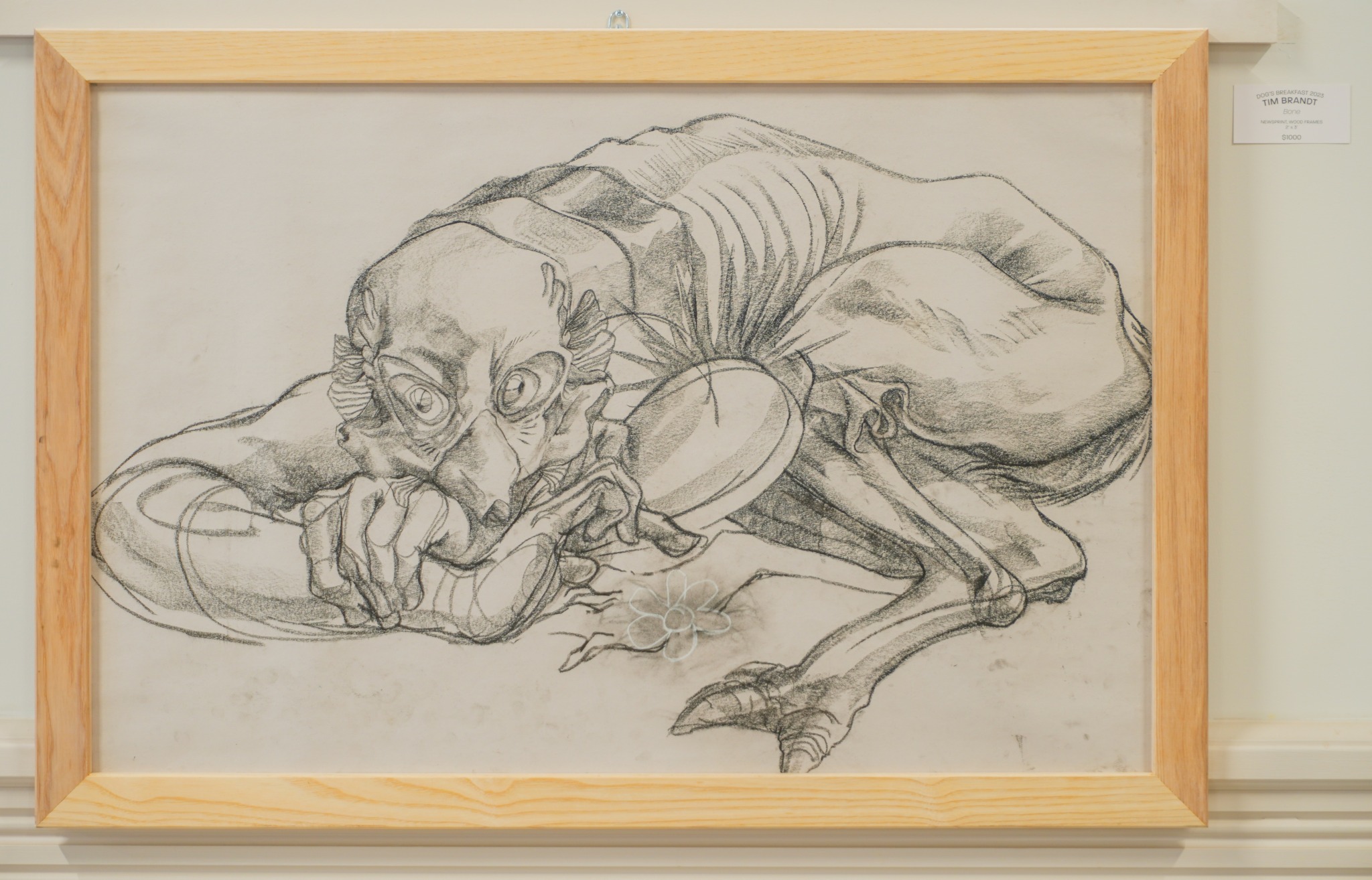
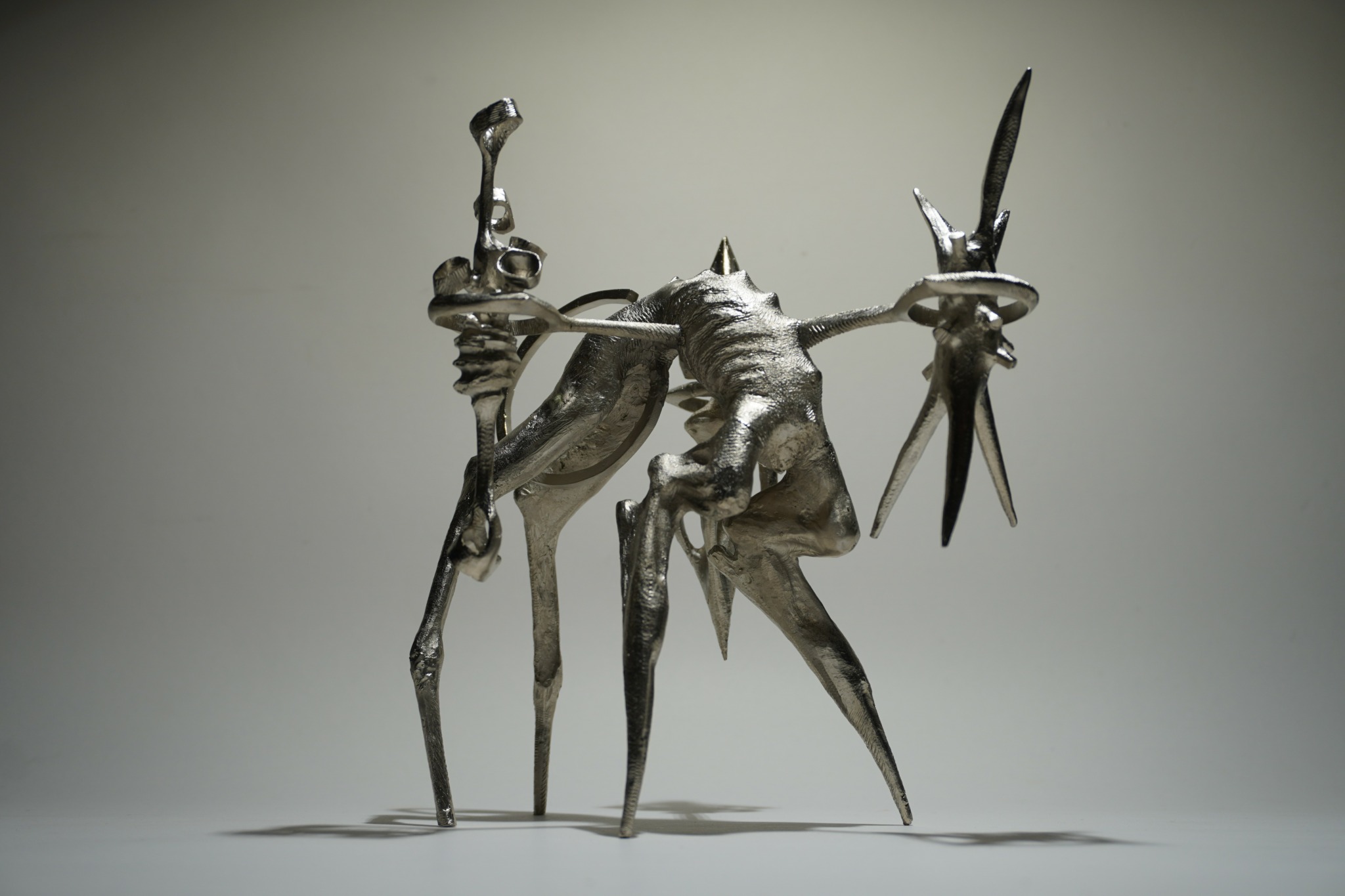
Image Credits
Tim Brandt