

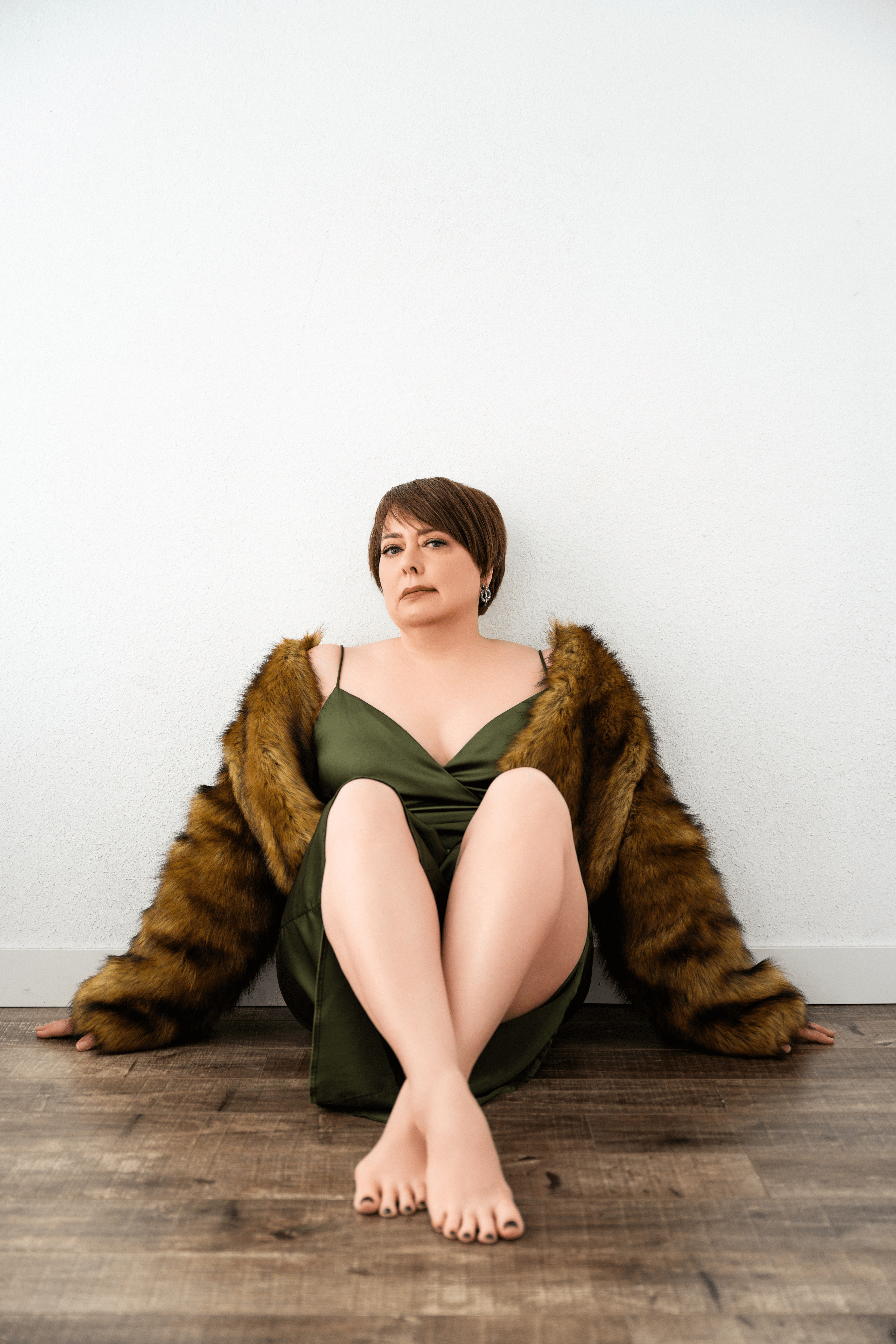

We were lucky to catch up with Tiffany Vanlandingham recently and have shared our conversation below.
Tiffany, looking forward to hearing all of your stories today. We’d love to hear about the things you feel your parents did right and how those things have impacted your career and life.
I think about this a lot, especially since losing my mom to multiple myeloma in 2019.
I didn’t grow up in an artistic household. My parents worked for two prominent local manufacturers, my dad a toolmaker with Ford Meter Box, my mom an executive assistant with Wabash Alloys. Yet, from a young age, they nurtured my creativity and confidence. Dad shared his love of nature through hikes in the forest, morel mushroom hunts, and spontaneous drives through the countryside near our small town of Wabash, IN. In casual conversation, he’d impart insightful life lessons like Gandalf the Grey, such as, people who don’t appreciate or understand you aren’t worth your time or energy, and pursuing your dreams might require leaving the comforts of home. Mom fostered my creativity through books, cooking, fashion, music, and unabashedly singing pop songs while driving in the car. She enrolled me in dance when I was seven or eight, and in high school, when my dance school moved 20 miles away, she drove the 30 minutes to my new school, dropped me off at the front door, and grocery shopped nearby until class ended.
My first acting experience came at the age of twelve, when I was assigned the lead role in a school play. I was excited to be chosen, but as a shy, introverted girl, I was afraid. Mom helped me learn my lines and find the courage to perform on stage in front of a live audience. When I started acting and singing in high school, Dad drove me to all my rehearsals in his blue Chevy pickup truck, and Mom and Dad attended all my performances together—even the boring ones. When it came time for college, my parents never once questioned my desire to study theatre. Mom helped me secure scholarships and loans for the tuition they couldn’t afford. In college, they came to every one of my performances, even though they had to drive an hour and forty-five minutes to Indianapolis to see me. And when I was awarded a competitive acting internship at the Milwaukee Rep upon graduation, they helped me pack up the car and drove me there.
I can unequivocally say I would not be who I am today without them. They are the beginning of my origin story. First and foremost, my parents let me be myself. They didn’t try to mold or shape me into someone they or society thought I should be. They gave me the freedom to make my own choices and always supported my decisions. Never once did I hear, “You’ll never make enough money as an actor.” There are so many talented creatives who never pursue their art because they’re told it’s not valued or sustainable. My parents’ support and belief in me made it safe to embrace my creativity, believe in my true self, and take the non-traditional path forward.
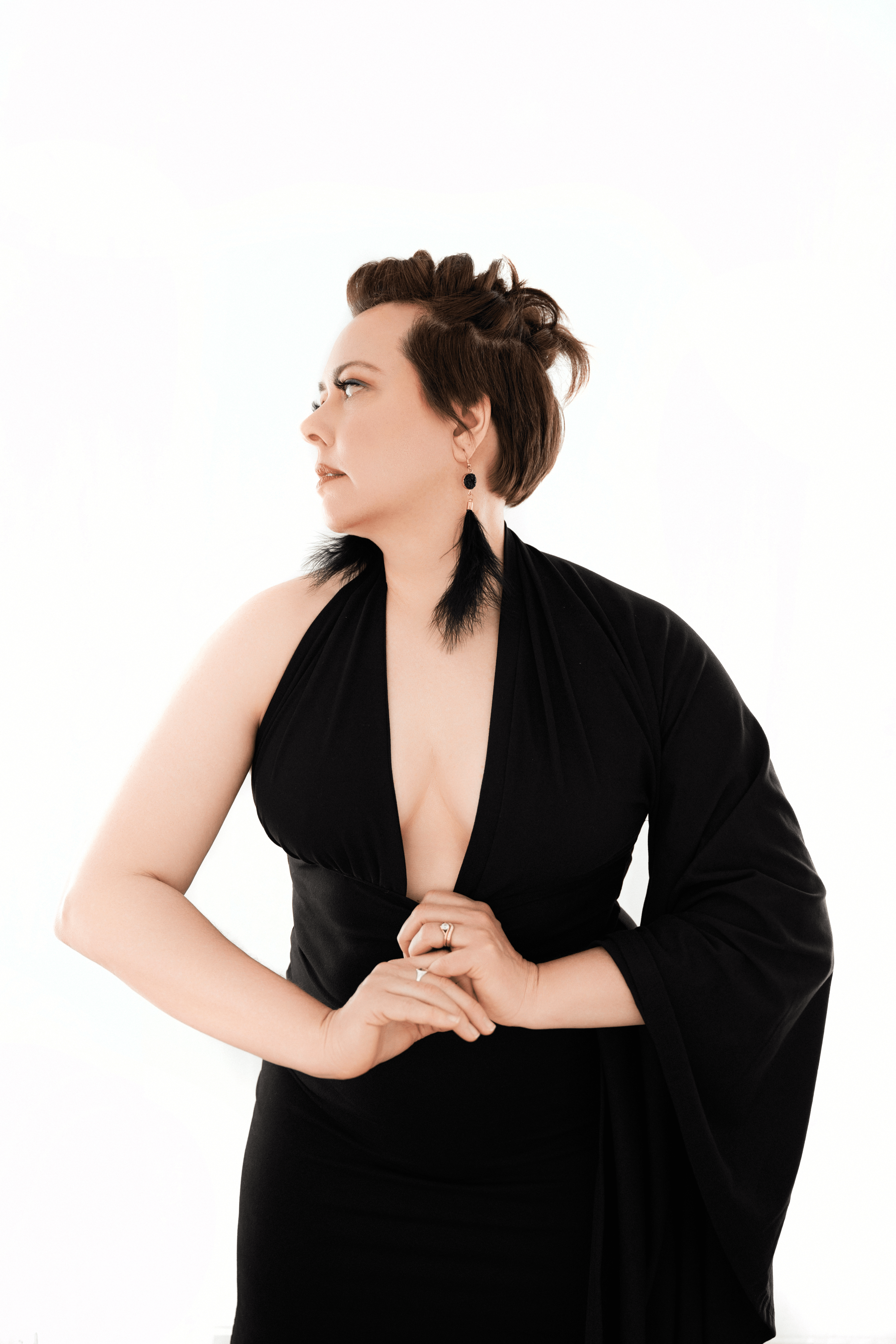
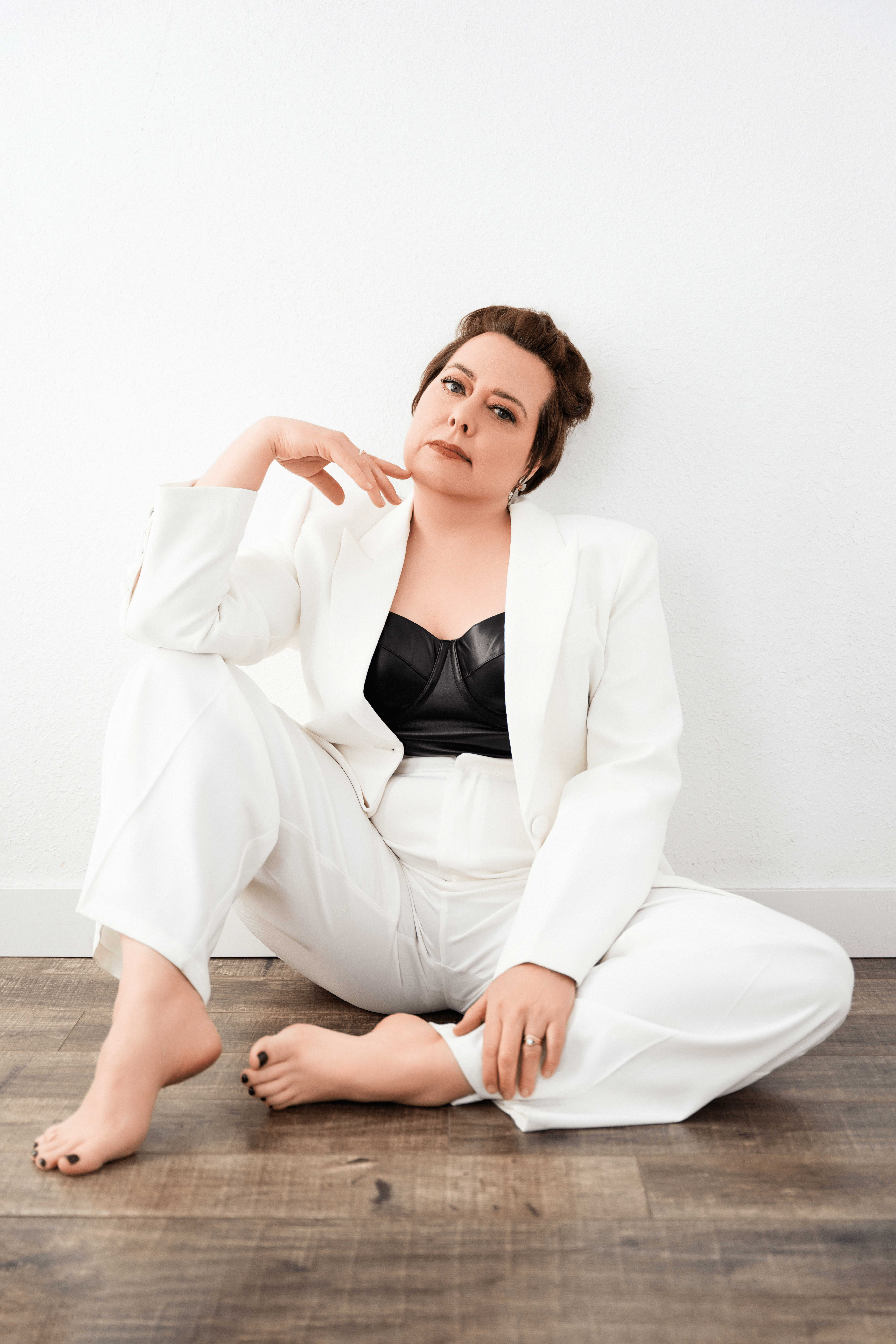
Great, appreciate you sharing that with us. Before we ask you to share more of your insights, can you take a moment to introduce yourself and how you got to where you are today to our readers.
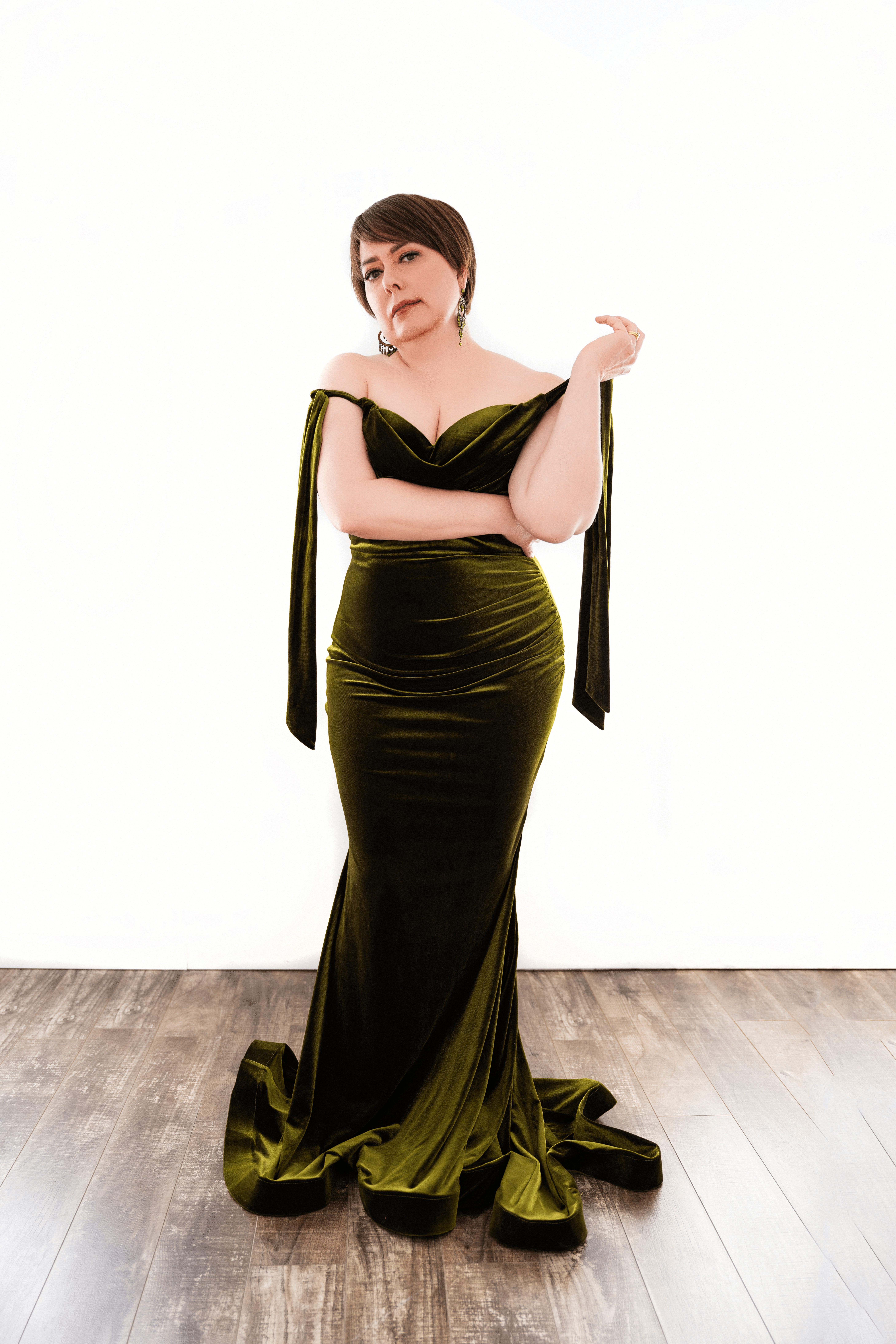
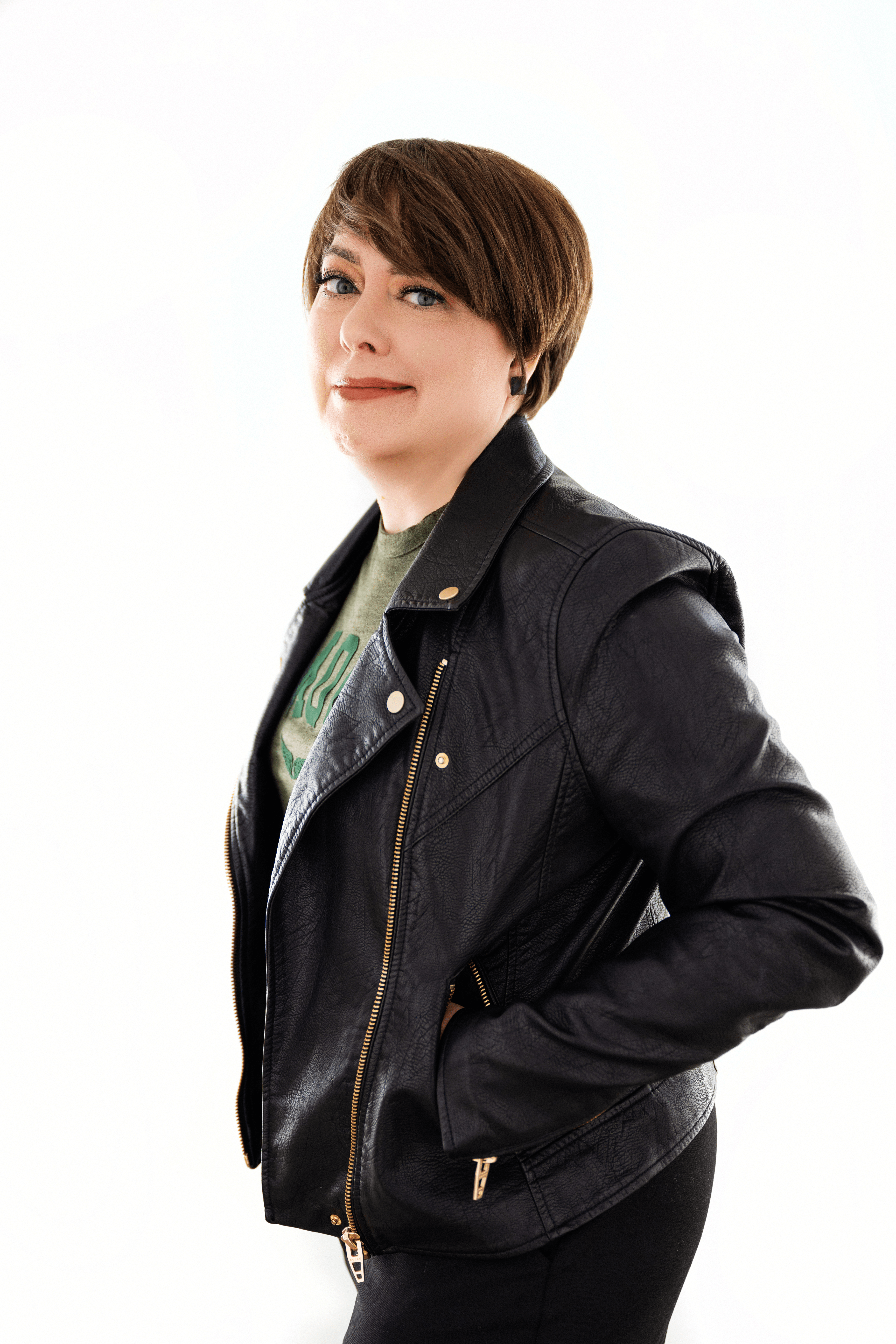
Hi, I’m Tiffany, a voice actor and narrator based in Milwaukee, WI. I grew up in a small town in Indiana situated along the Wabash River. After graduating from Manchester University, I moved to Milwaukee, WI for an acting internship at the Milwaukee Rep, fell madly in love with the city, and decided to make it my home. Today I’m married with two little pups, Minka and Roxy, and while I don’t have children of my own, I relish being “Aunt Fanny” and “Titi” to all the extraordinary kids in my life.
Although I’ve only been in voiceover for five years, I feel like I’ve been training for it my entire life. After transitioning out of speech-language pathology, I happened upon an ad for a local intro to voiceover course taught by a local producer and a studio engineer. Earlier in my performance life I was interested in voiceover (I even bought a book), but not living in NYC or LA made it impossible to pursue. With today’s technology, as long as you’re able to have a professional-quality home studio, you can do it from anywhere. So, I decided to give it a shot and never looked back. Building a career in voiceover is a long game. You start out part-time and work your way to full-time. Voice actors are also business owners and audio engineers. Aside from developing your performance skills in whichever genres you want to work in (animation, anime, audiobooks, automotive, commercial, corporate narration, eLearning, live announcing, medical, political, radio imaging, telephony, TV promo, video games, etc.) you also have to develop your skills in business and marketing, and audio recording and editing.
As an actor, I’m drawn to the more creative genres of voiceover. It’s common for newcomers to want to work in animation, anime, or video games, but those genres are highly skilled, very competitive, and extremely difficult to break into. Corporate narration and eLearning, the genres I mainly focus on, are considered the bread and butter of voiceover. They’re in demand, pay industry standard rates, offer opportunities for repeat business, and can be targeted through self-marketing. But I’ve also trained in commercial, political, and audiobooks. Aside from professional voiceover narration, I also offer clients adjacent services, like proofreading, copy editing, casting, video production, and project management. I think the culmination of my education and work supporting various clients across multiple settings including, education, tech, healthcare, manufacturing, nonprofit, and the arts, is what sets me apart in my field, along with my intuition and desire to make the creative journey enjoyable, supportive, and memorable.
I’m most proud of my recent pivot into audiobook narration. Many voice actors avoid long form narration because the recording and editing process can be time consuming and arduous. The voiceover community is very vocal about this. However, I like to make up my own mind instead of following the herd, so when I had the opportunity to take a couple master classes, I decided to explore it. I discovered the negative talk about audiobook production, was just that, negative talk. Sure, it’s not for everyone, but it is for me. I like that I can set my own schedule, flex and grow my acting muscles, and create a unique intimacy with the listener. My background, skills, and personality are a great fit, and I know I’m really good at it. A close writer friend told me I was born for it.
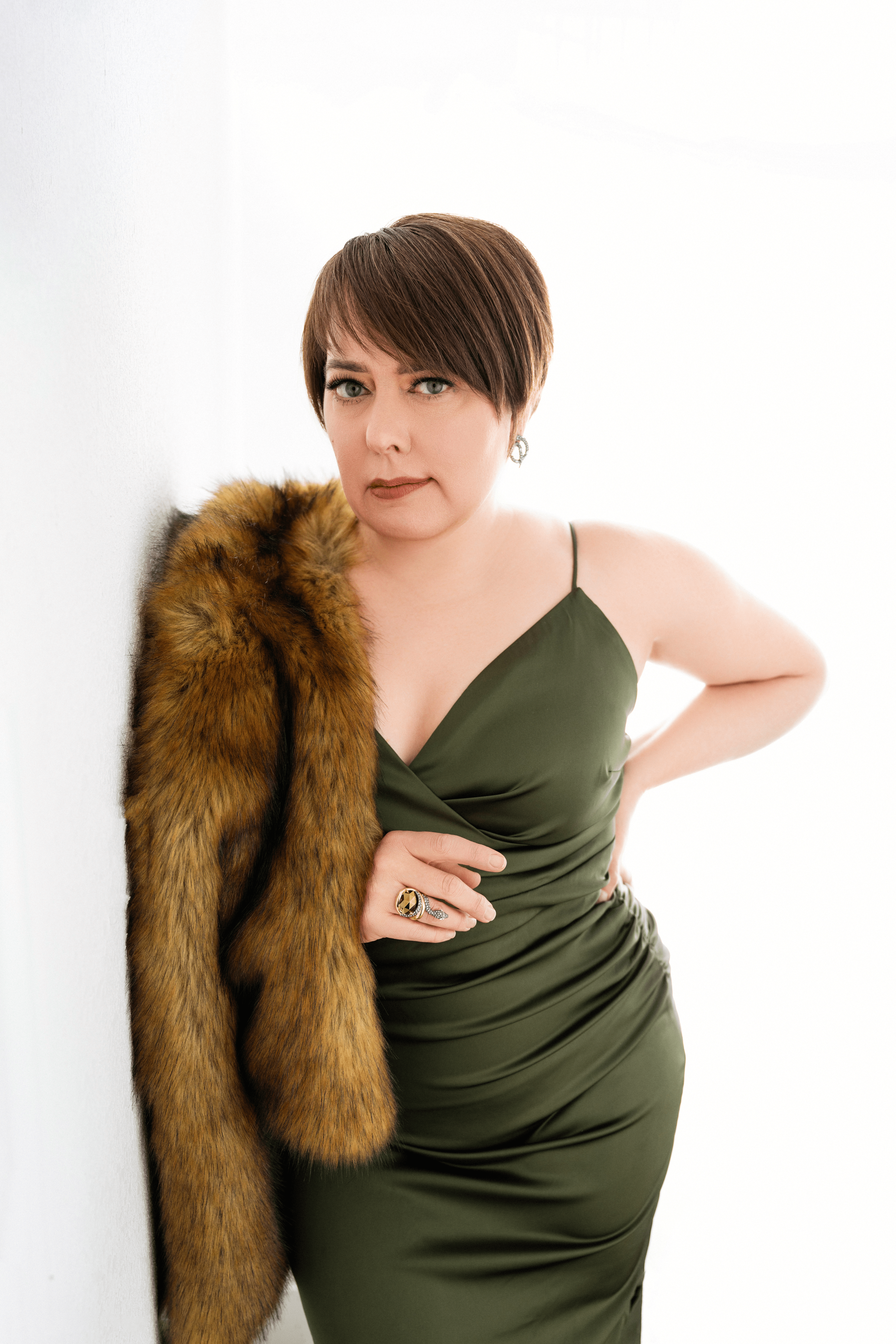
Let’s talk about resilience next – do you have a story you can share with us?
Around the time I started pursuing voiceover, I discovered that I was among the many women with undiagnosed ADHD. Finally, my entire life made sense. There was nothing wrong with me, my brain was just different. Thus began a deep dive into learning everything I could about ADHD, especially how it presents in women and girls. Tracy Otsuka’s podcast ADHD for Smart Ass Women was a lifesaver. With every interview, I learned more and more about ADHD, myself, and how my magical brain operates.
I learned that ADHD brains don’t operate with a shortage of attention (like the term “attention deficit hyperactivity disorder” implies), but rather a surplus of attention. Like the film Everything Everywhere All at Once, the ADHD brain is constantly in motion, or as Dr. Ned Hallowell describes it, “a Ferrari brain with no brakes.” The real challenge of the ADHD brain is not a deficit of attention, but rather inconsistent attention. ADHD brains are wired for interest. When I’m deeply engaged in something, my executive function deficits seem to vanish. But, when there’s a lack of interest, novelty, or urgency (or my emotions are distracting me), I struggle with task initiation, front- or backend perfectionism, procrastination, and overwhelm.
Neurotypicals use different criteria for prioritization, task initiation, and task completion. Their brains are motivated by task importance (importance to them or someone else), or if there’s a reward for doing it, or consequences for not. However, importance or rewards don’t motivate the ADHD brain, and this has a profound impact on our lives. The neurotypical approach to work, school, and life doesn’t work for us. Like many others with ADHD, I’ve spent my life trying to fit into the neurotypical world, especially when it comes to prioritization, planning, and time management—areas where individuals with ADHD struggle. What I needed to do was draft my own manual for getting things done, and discover methods of prioritizing, planning, and time management that aligned with how my brain functions. I needed to find the structures, routines, and strategies that would help me achieve the success I knew I was capable of.
For a long time, I tried to do this on my own, but I continued to struggle, and progress on my voiceover goals was painfully slow. To reach my goals and create the life I envisioned, I needed to prioritize getting help. Over the past two years, I’ve worked with two ADHD coaches, most recently Paula Engebretson, who specializes in productivity. Paula helps clients set up systems, routines, and structures that work with their ADHD brains. Working with Paula has been transformative (“transformation” happens to be my word of the year!), and I’m incredibly grateful. Having someone on my team who understands me and can provide targeted tools and systems has been invaluable in creating my own operating manual.
Throughout this journey, I’ve also discovered the strengths of the ADHD brain, which many refer to as superpowers. I prefer to think of them as magic (and traits that set me apart): empathy, creativity, out-of-the-box thinking, living in the moment, imagination, problem-solving, and…resilience. I share this part of my story so it may help another creative on their own journey.

How can we best help foster a strong, supportive environment for artists and creatives?
Great question! Right now, the community at large can best support creatives by joining us in the fight for AI protections. Technology is always evolving, yet the rapid development and mainstream use of artificial intelligence has brought unprecedented change and disruption. The proliferation of AI technology has significantly impacted all creative industries and it lacks regulations, guardrails, and clear contract terms. This poses a critical threat to creators.
For example, video game companies are using AI to create characters, production, and synthetic and cloned voices without proper consent, compensation, or transparency. Just last month, SAG-AFTRA members went on strike after 18 months of negotiations over AI protections for performers ended without a deal.
The National Association of Voice Actors (NAVA), of which I’m a member, launched the #fAIrVoices Campaign in 2023 to advocate for the ethical use of AI. The campaign denounces the use of synthetic voices and AI training (and sourcing) without the explicit, informed consent of the artists whose materials are used. It focuses on three key aspects for ethical AI usage: consent, compensation, and control.
NAVA board members have actively advocated for AI protections on Capitol Hill, participating in discussions on mitigating risks from AI-enabled voice cloning technologies and attending Senate meetings about the bipartisan NO FAKES Act. This proposed legislation aims to grant individuals intellectual property rights over their voice, image, name, and likeness.
In the end, we don’t have to be anti-AI (after all, that genie isn’t going back in the bottle). Nevertheless, we must find a way to coexist by establishing a balance and implementing essential safeguards. Ultimately, when it comes to creativity, we must all ask ourselves if art is really art without humanity.
Contact Info:
- Website: https://www.tiffanyvanlandingham.com
- Instagram: https://www.instagram.com/tiltiffany
- Linkedin: https://www.linkedin.com/in/tiffanyvanlandingham
- Soundcloud: https://soundcloud.com/tiffanyvanlandingham
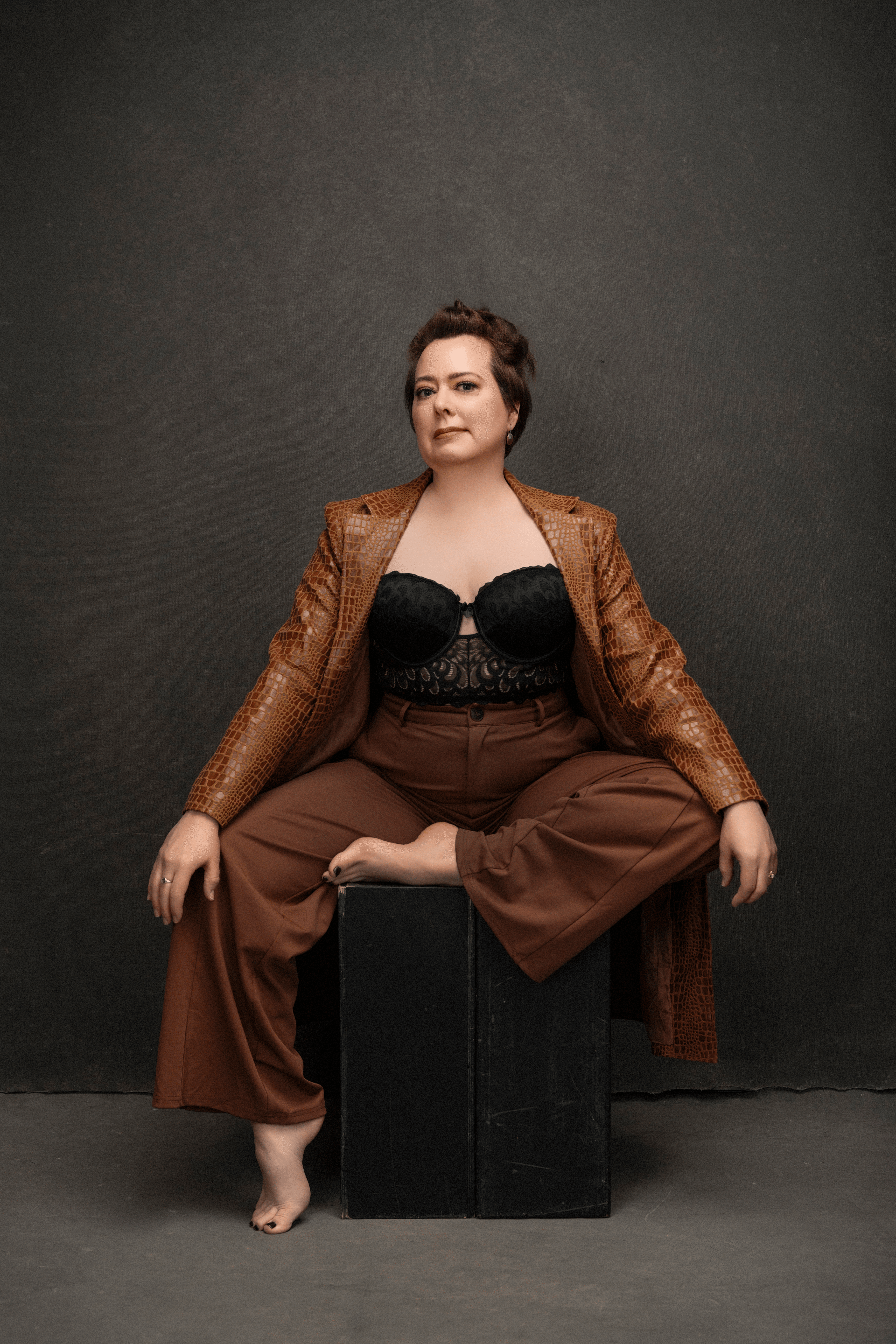
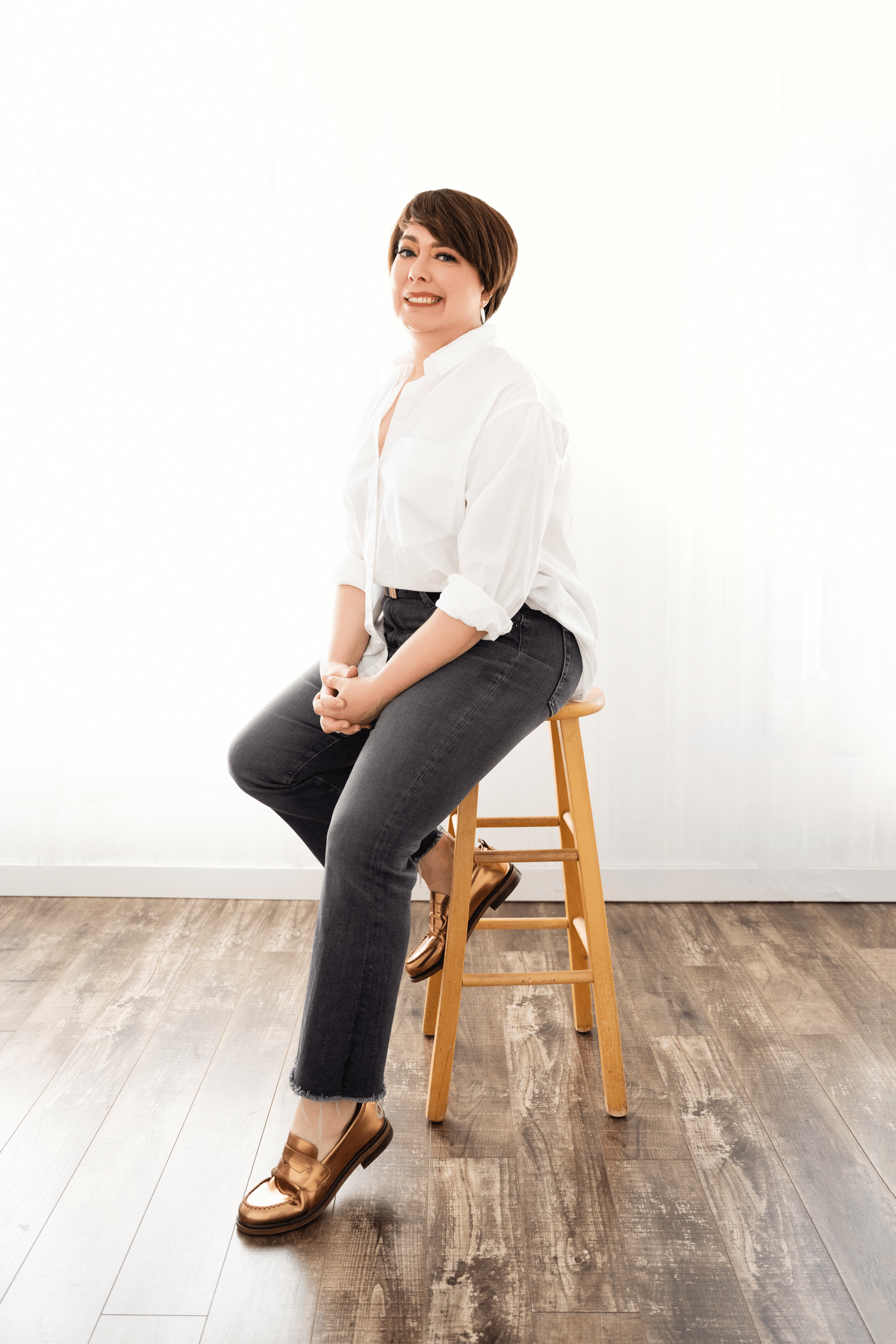
Image Credits
All images © Jennifer Brindley Portrait