

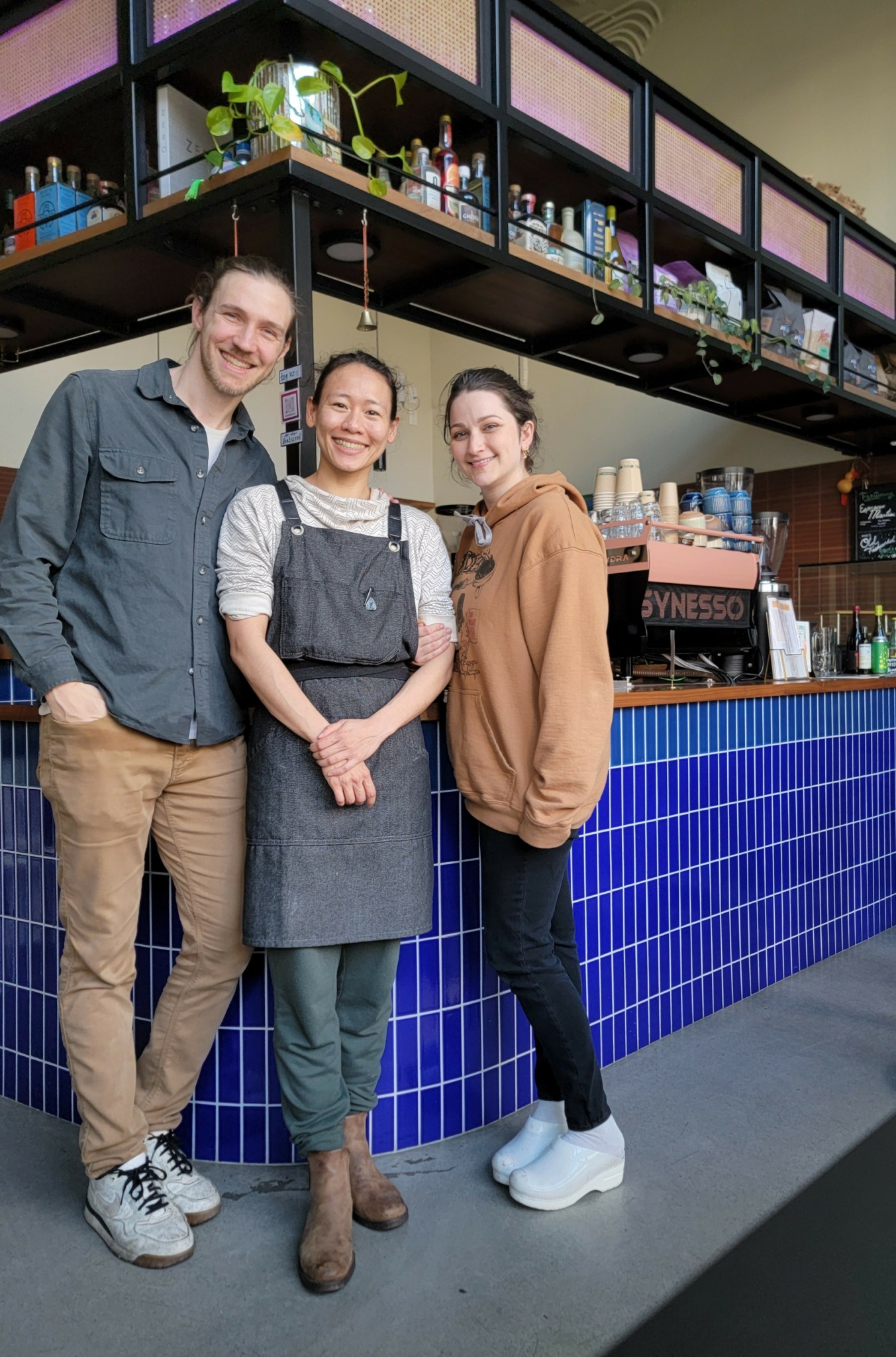

We’re excited to introduce you to the always interesting and insightful Tiffany Hu. We hope you’ll enjoy our conversation with Tiffany below.
Alright, Tiffany thanks for taking the time to share your stories and insights with us today. We’d love to start by getting your thoughts on what you are seeing as some the biggest trends emerging in your industry
In food and beverage, especially in concepts on the lower price range of the spectrum like cafes, coffee shops etc, it feels like there has been more and more a shift towards focusing solely on the product and transaction rather than also the environment and experience – the hospitality aspect, which goes hand in hand with the space you provide. It makes total sense given the high price tag of space, the lack of availability of spaces with small square footage (at least in Seattle), and the lack of flexibility or feasibility of operating a smaller space (even if you do find a smaller space, it may not actually save in costs if you need to do more custom wrangling in construction to make things work for permitting, and then less of the square footage ends up being “actively in use” eg for customer seating or for equipment / working space). So you focus on a single product, and really optimize for your production and the scale and efficiency of transactions, and minimize costs on space and labor; it’s a very ‘consumer good’ focus. As a customer, you’re in and out fast; if there’s a kiosk or online order system etc you may not even need to interact with another human.
These are totally valid concepts; my concern isn’t about their existence, but that it’s really hard to justify from a cost perspective *not* doing that. And this goes into the idea of third places, which are getting harder and harder to find. For us, the hospitality part of food and beverage is the most important aspect of it – it’s called the hospitality industry after all. And the more we commoditize the hospitality industry by *not* focusing on the environment and experience, the more we lose the idea that it *is* valuable and worth investing in, and the fewer and fewer places we have to actually share a moment in place and time in and feel a sense of community.
What’s heartwarming is that we definitely see from our customers that people *do* want this. While our food and drink are stellar, we absolutely believe that people come back because of the interactions they have and the environment we provide. Our first value is “meet you where you are”, and we love finding those moments to connect and bring people along. We love seeing people be moved by something they eat or drink here, not just because it tastes good, but because it makes a connection – reminds them of a childhood dish or a drink they haven’t been able to have in years, etc.
Awesome – so before we get into the rest of our questions, can you briefly introduce yourself to our readers.
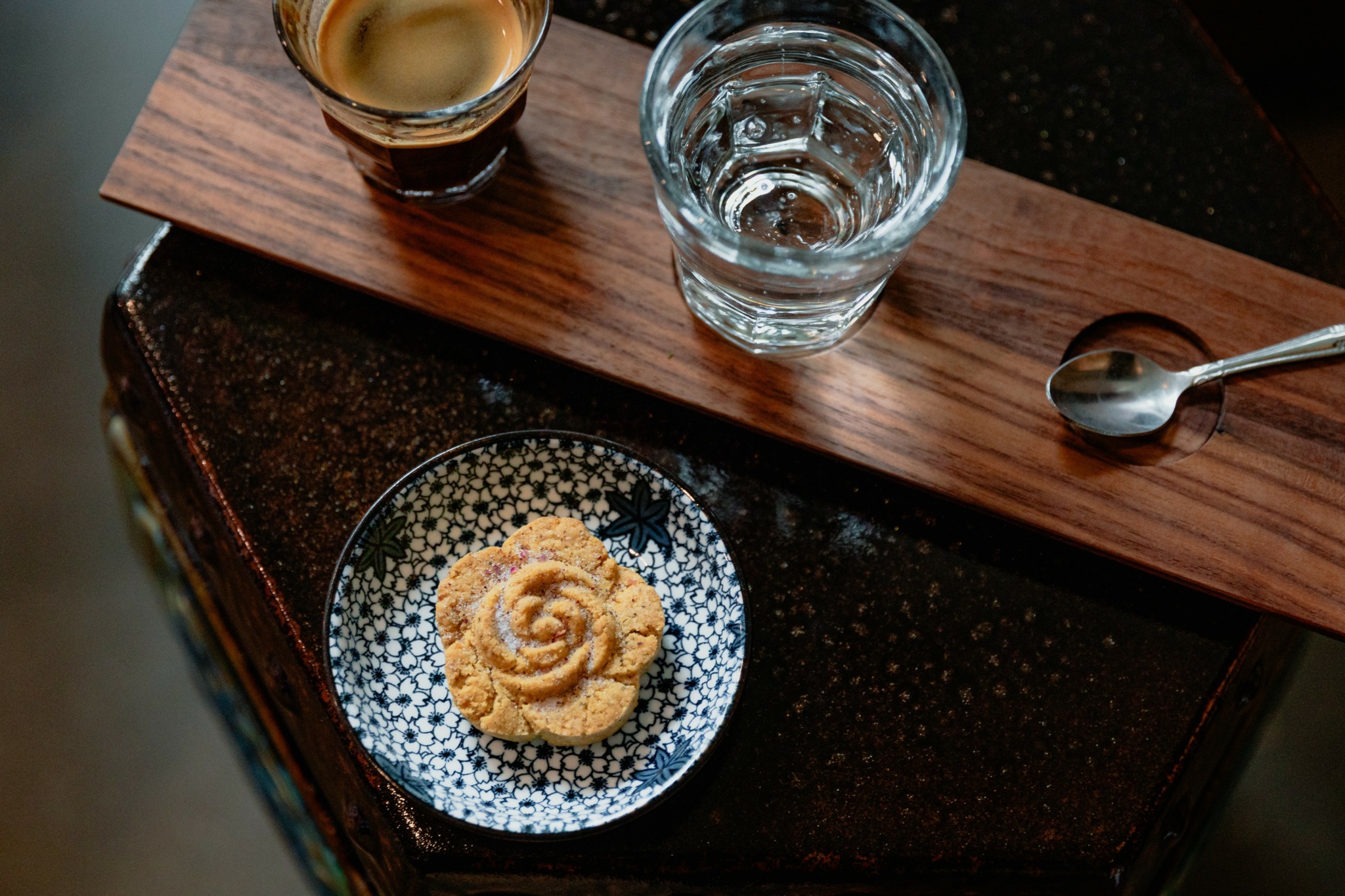
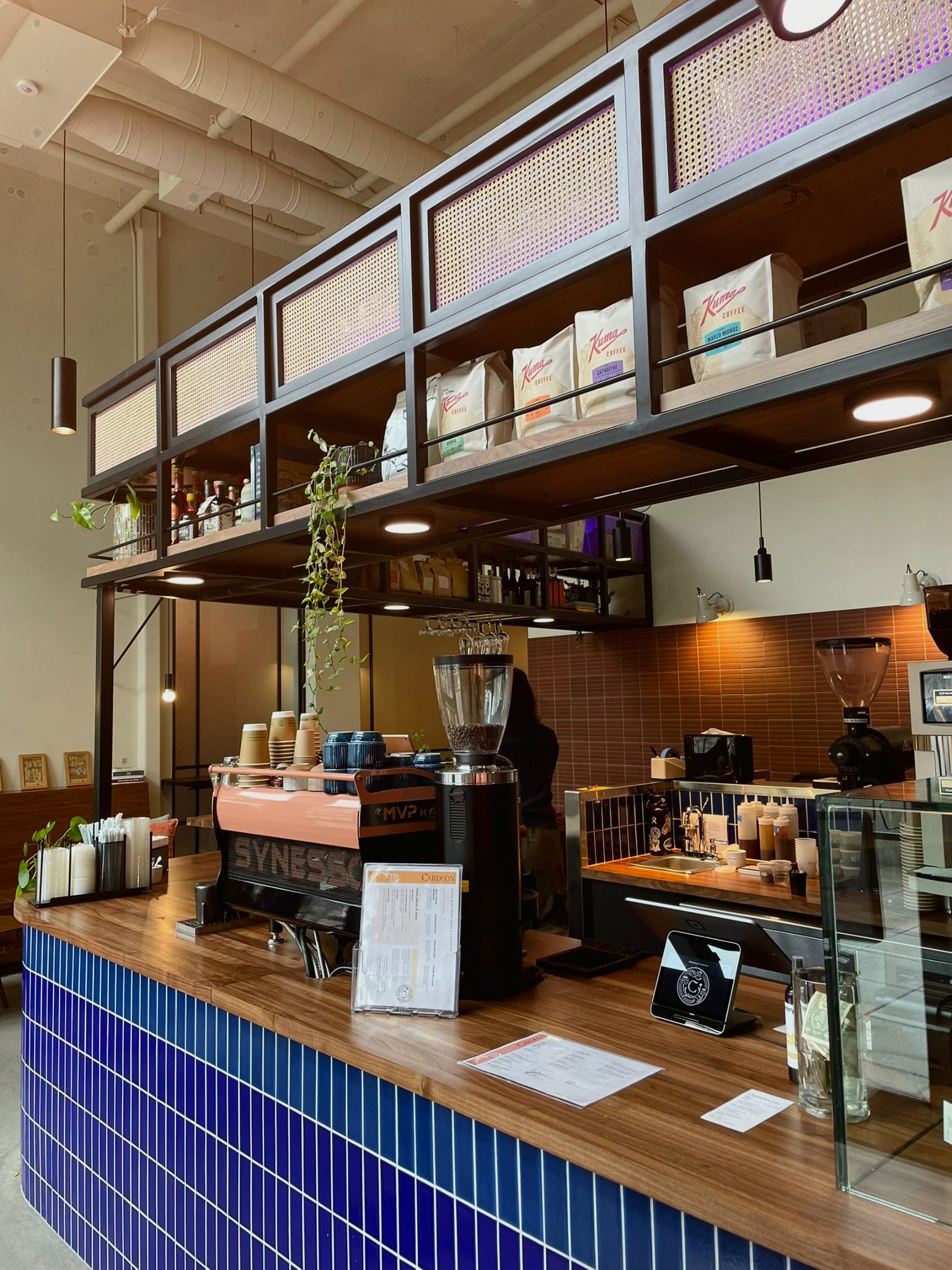
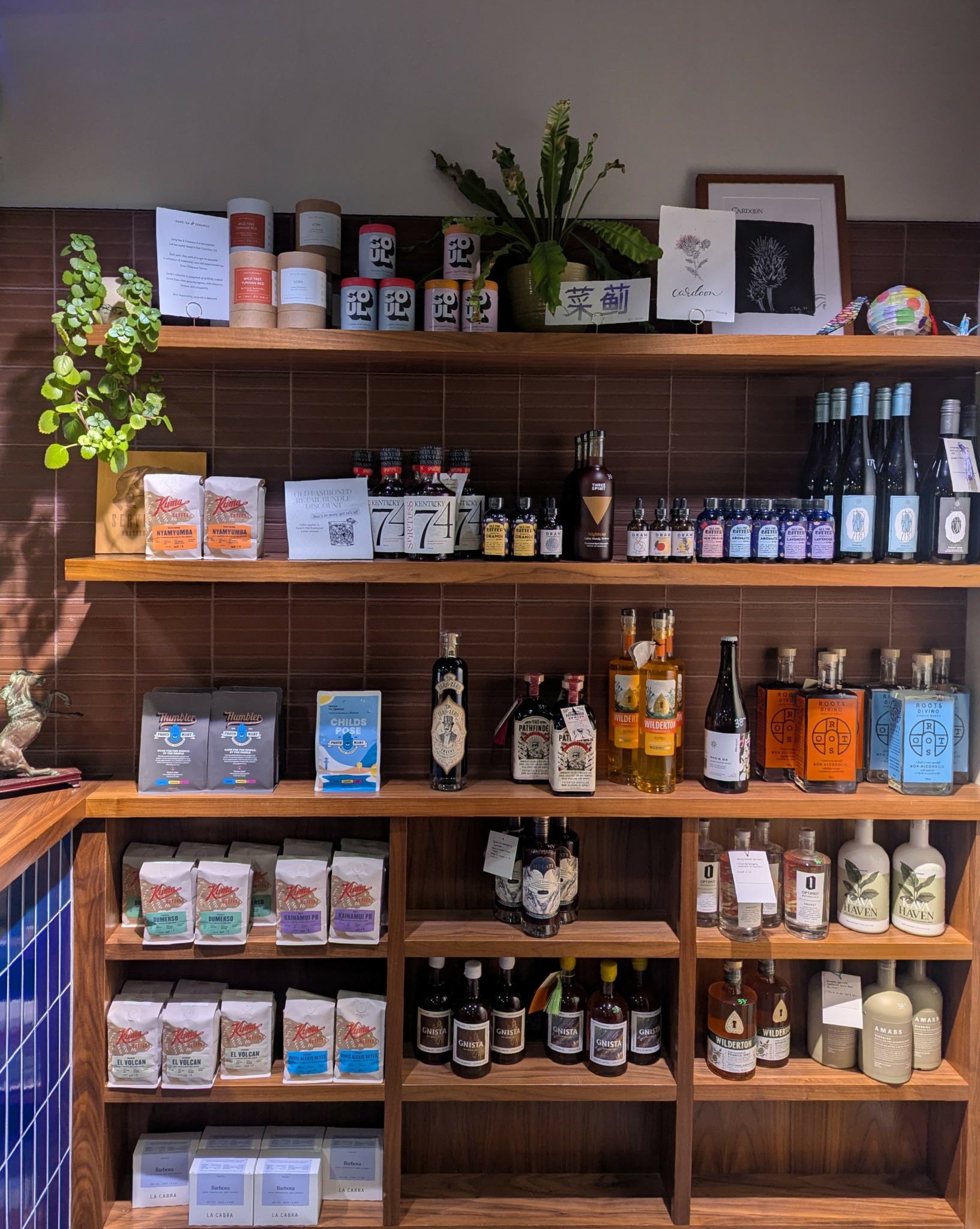
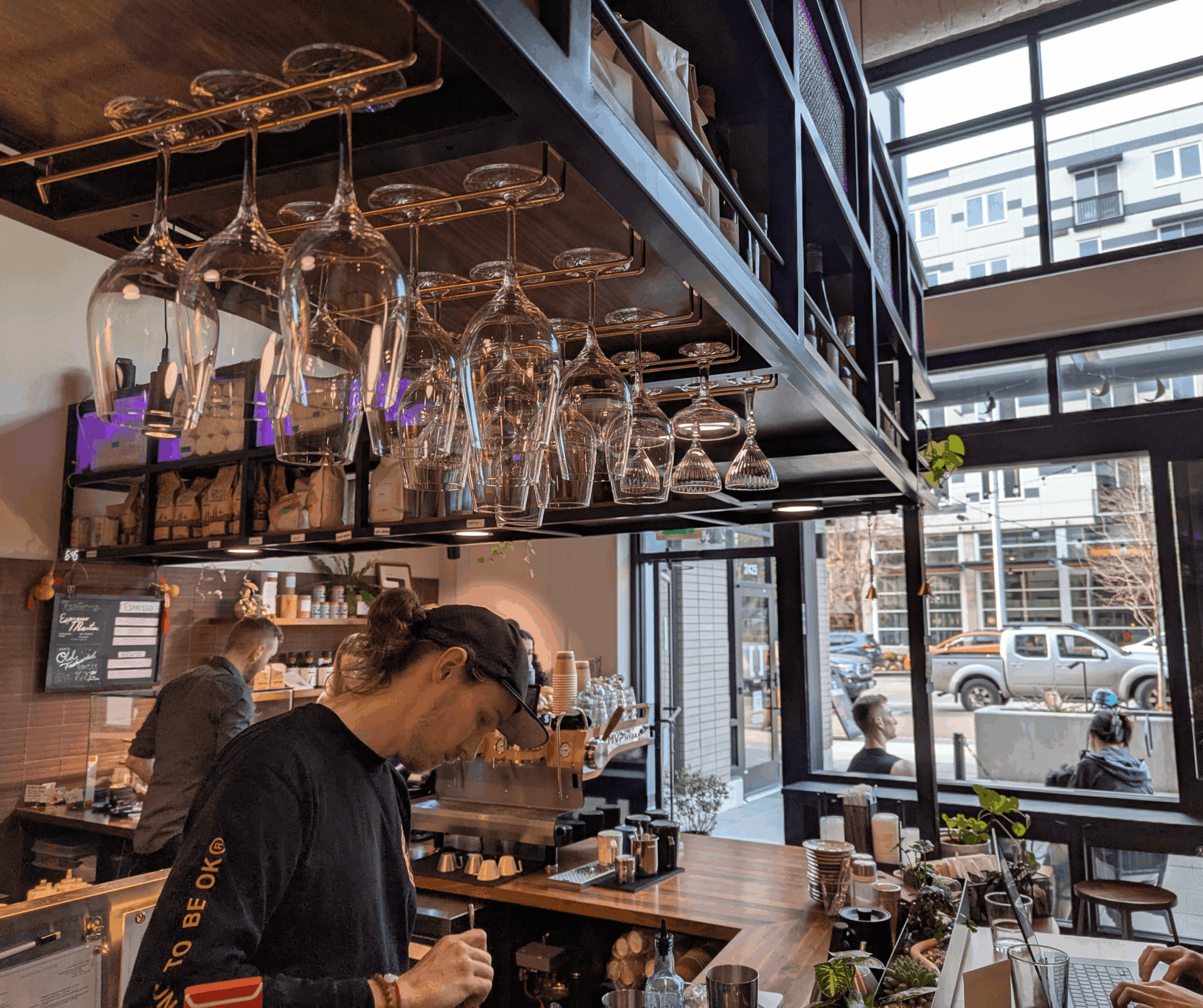
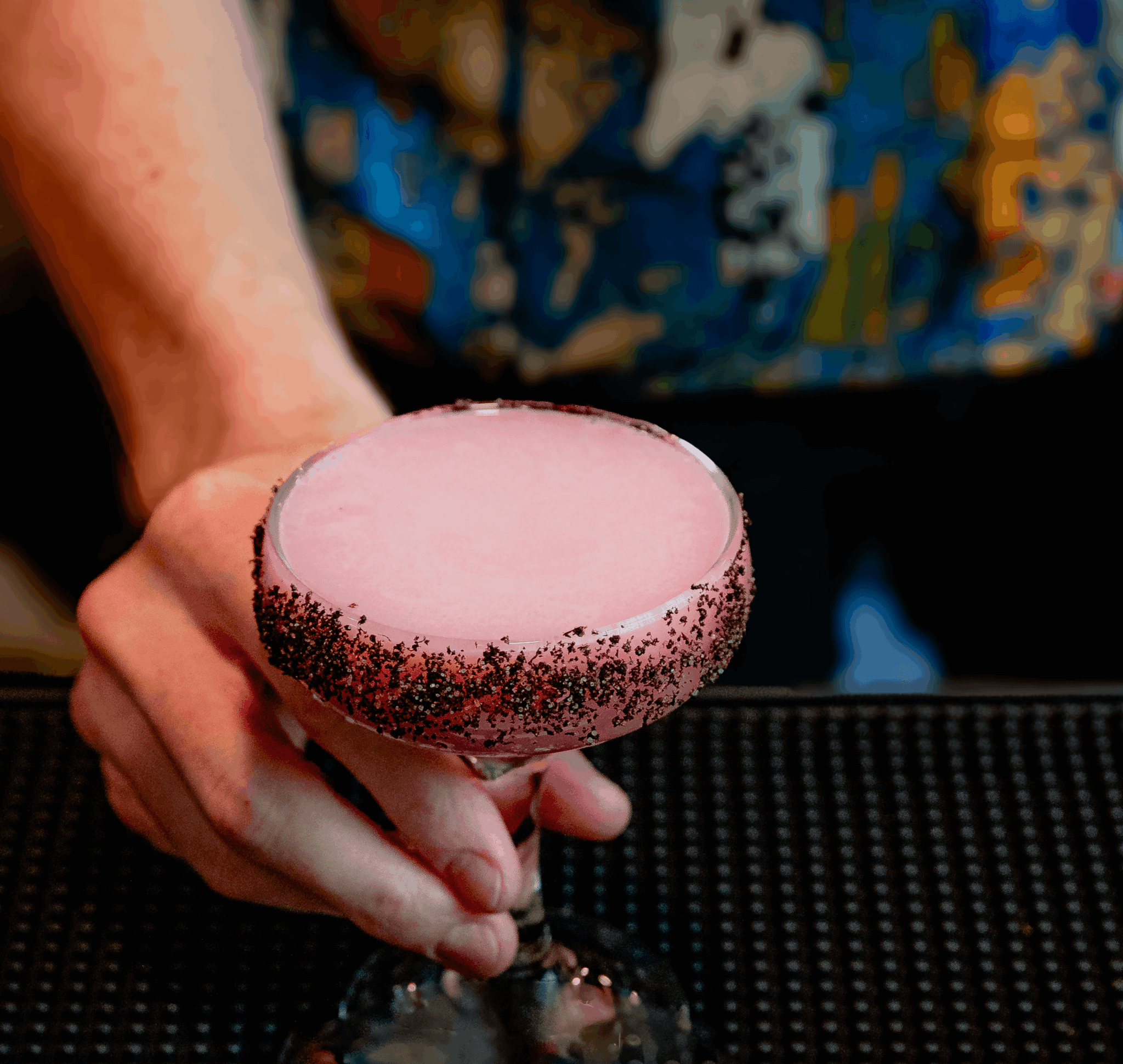
We are Cardoon, a cafe bar in Ballard Seattle that focuses on great coffee, made in house food, and low- and zero- proof cocktails with German and Chinese (and a dash of Nordic) influences. Yes, all that! There are three of us owners, and we want to provide a space that draws from our heritage and experiences that feels like a home that could be anywhere – cozy yet surprisingly delightful.
This is our first business together, and first business venture at all for each of us. We are long time friends (two of us are a married couple), who found ourselves during the middle of the pandemic really longing for a certain kind of coffee shop space and experience where the daily ritual and sense of connection in the space is really celebrated, and where all the different parts (from the menu to the interaction to the flow of the space) came together to make you feel really welcome.
Going into our second year at our own brick and mortar space (and our third overall operating a coffee shop), we’re really proud of the products and environment that we’ve built. Conceptually, it’s a lot of things in one, that on paper may look scattered or too much, but the idea of everything being connected and having layers of meaning is itself so layered through everything that we do that I think it does actually end up feeling … really connected (but come visit for yourself and let us know what you think!).
One thing we’re proud of, that may be less visible and also immensely helps with all the above, is how the three of us work together. We have very different skills and strengths, but we all ultimately want the same outcome of cafe experience above, and really care for and support each other as well. Each of us has our own lanes that we manage – for instance on the product side, one of us runs the coffee program, another the food program, and another the bar program. On the operations side, one of us is managing the cafe day-to-day, another is doing our weekly and medium term planning, and another is looking at long term vision and values. And a bunch of other things, and it’s a bit simplified since not everything is broken out cleanly of course, and we all contribute and collaborate across lanes; but it helps to have trust and clarity on certain areas to be able to move quickly yet in tandem.
Learning and unlearning are both critical parts of growth – can you share a story of a time when you had to unlearn a lesson?
Just the idea of taking advice or being too open to advice or others’ opinions. I think it’s a nice lesson or habit that we’re letting go of as we go (and that it took time to even realize we were holding onto), that not everyone is going to “get” exactly what you’re trying to do; and often people may not even *want* to get it. But everyone has opinions. And I think being first time business owners, and wanting to please people or give people an earnest listen, or whatever it may be, but we probably spent a lot more energy and effort on “holding space” for others’ opinions than we needed to – actively entertaining an idea just because someone brought it up; like no – you don’t need to do that.
Having really strong good relationships has been really important for both support and as a reference point – it’s helped us recognize and disengage from unwanted advice or judgement, as well as set healtahy expectations and boundaries. And if we do want advice, we know where to go. We’re also fortunate to have three of us to be able to help gut check and get support from each other. I think, if anyone is running a business solo, it’s even more important to build that support network of people that may often not be your friends and family; fellow business owners who share similar values in your industry.

Have any books or other resources had a big impact on you?
Google’s Project Aristotle – a research project Google conducted to identify the core traits of high performing teams, which reinforces the idea that psychological safety – that team members can be vulnerable with each other and build trust – is the most important aspect of successful teams. That’s what we believe as well, in investing in people first and setting a strong foundation for trust. This basis is also echoed in the excellent book The Five Dysfunctions of a Team
Unreasonable Hospitality – is also focused on people first, and tells the story about how Eleven Madison Park came to be. It’s really inspiring, and we love that the idea of “giving people more than they expect” lines up with one of our values – “surprisingly delightful” . Another book that has a similar focus on what makes experiences special is The Power of Moments
Finally, a more coffee specific one – Tim Wendelboe’s podcast, which dives into interesting topics in the coffee industry or shares stories from their own journey as a roastery & cafe, but always with a people first focus. We love that it is a platform for highlighting the multitudes of layers and stories of people that are involved in coffee, and how investing in the community drives the growth and sustainability of this industry.
Contact Info:
- Website: https://www.cardoonseattle.com
- Instagram: @cardoonseattle
- Other: Our address:
2423 NW Market St
Seattle WA 98107
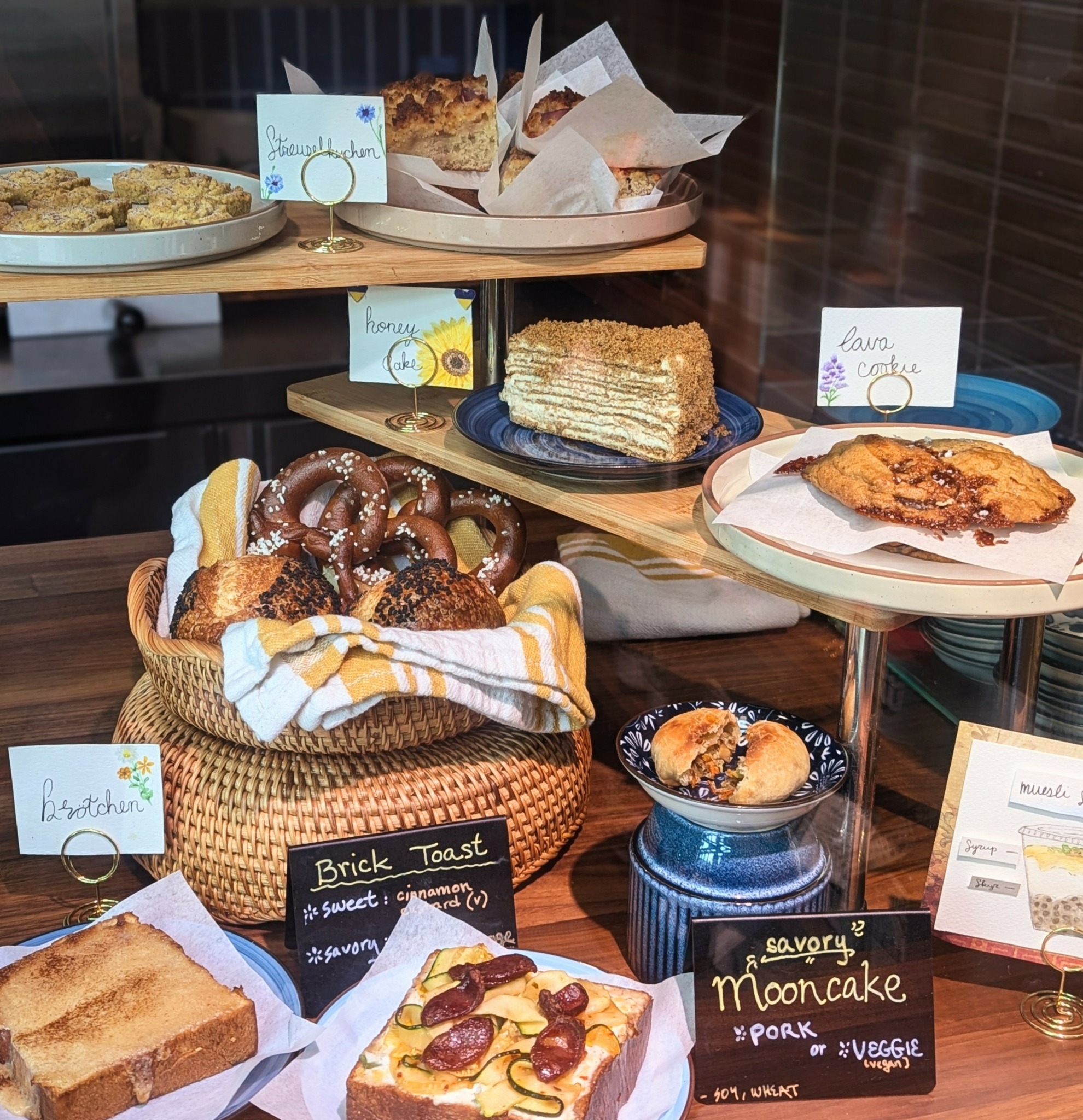
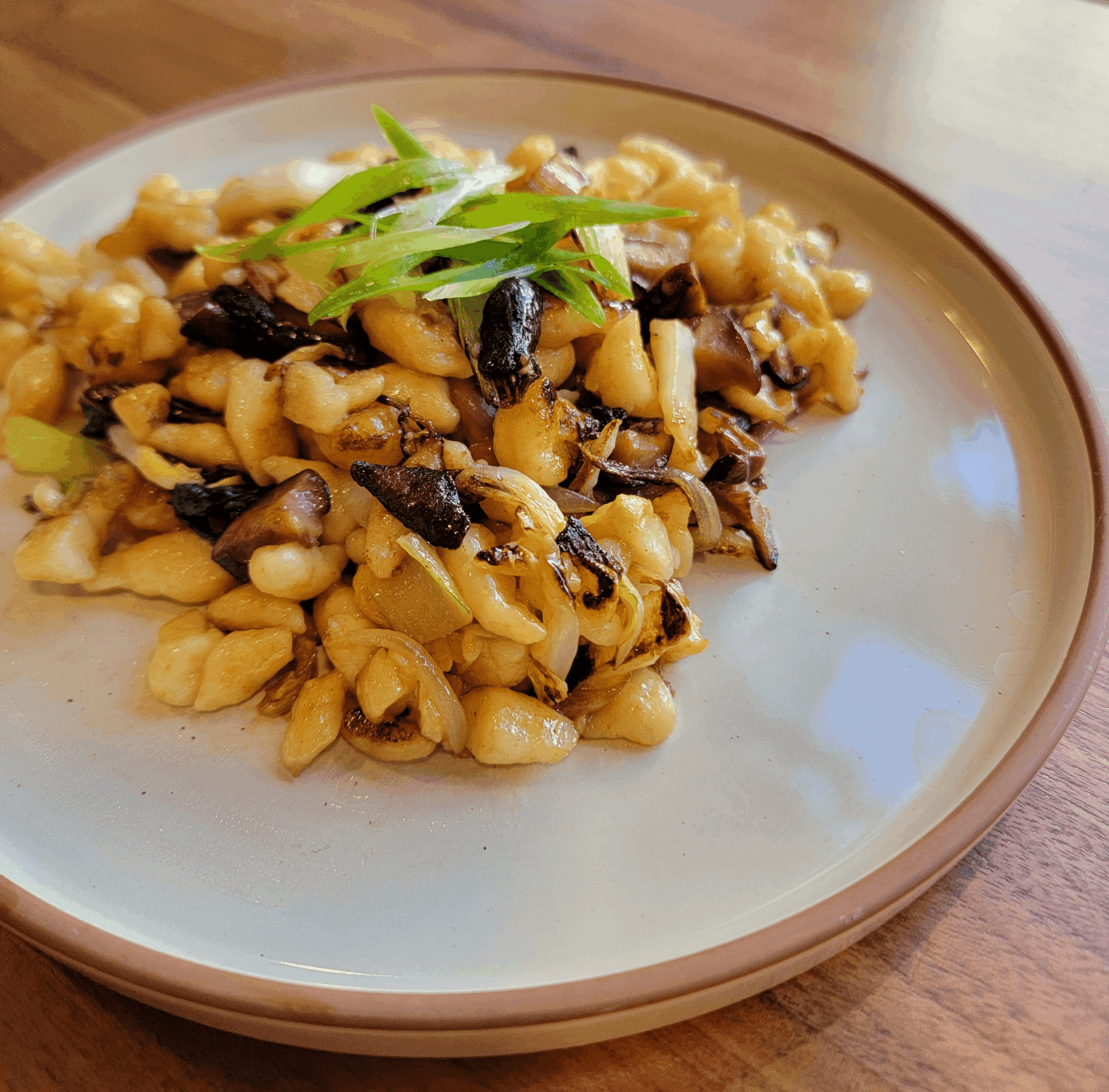
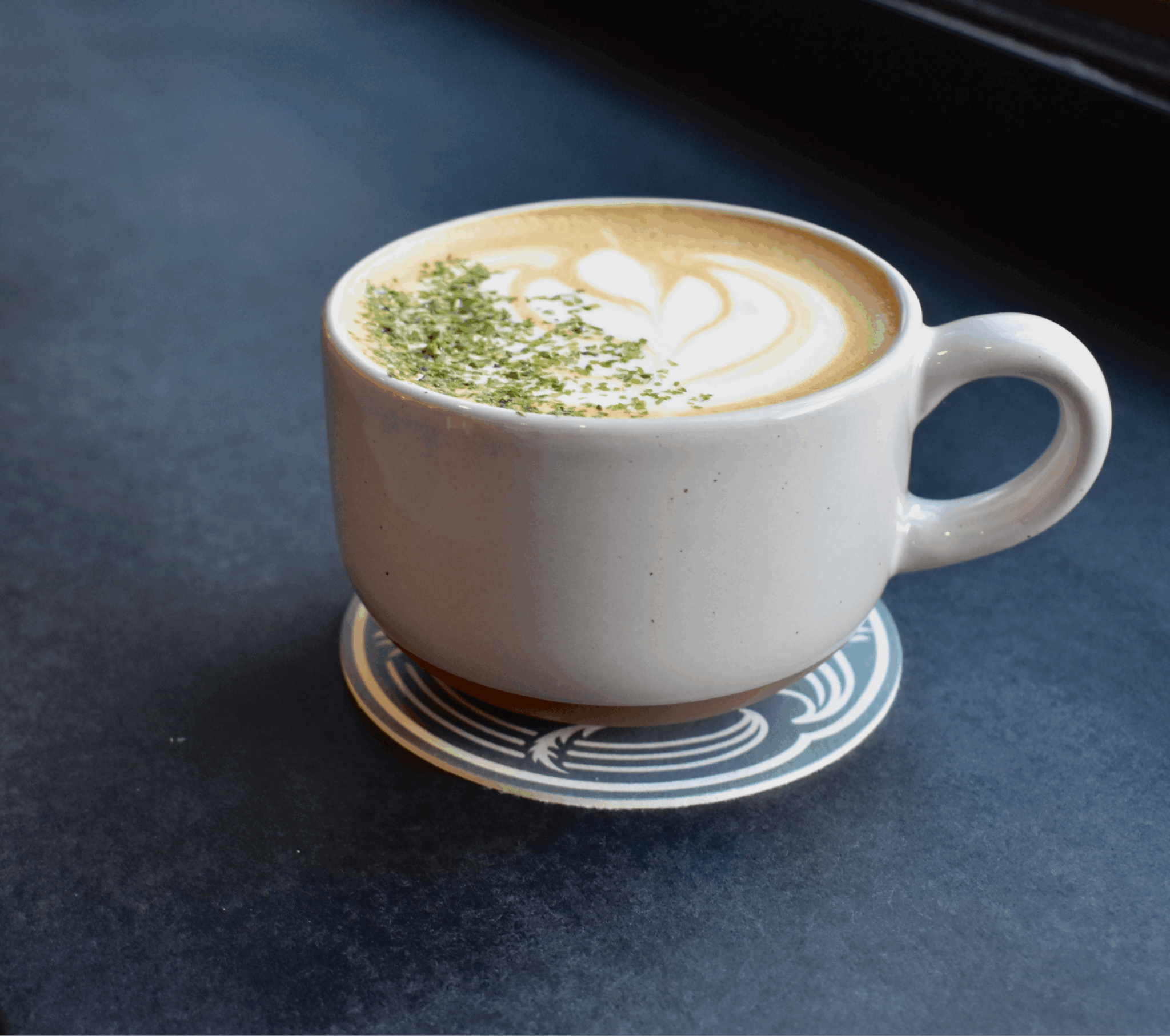
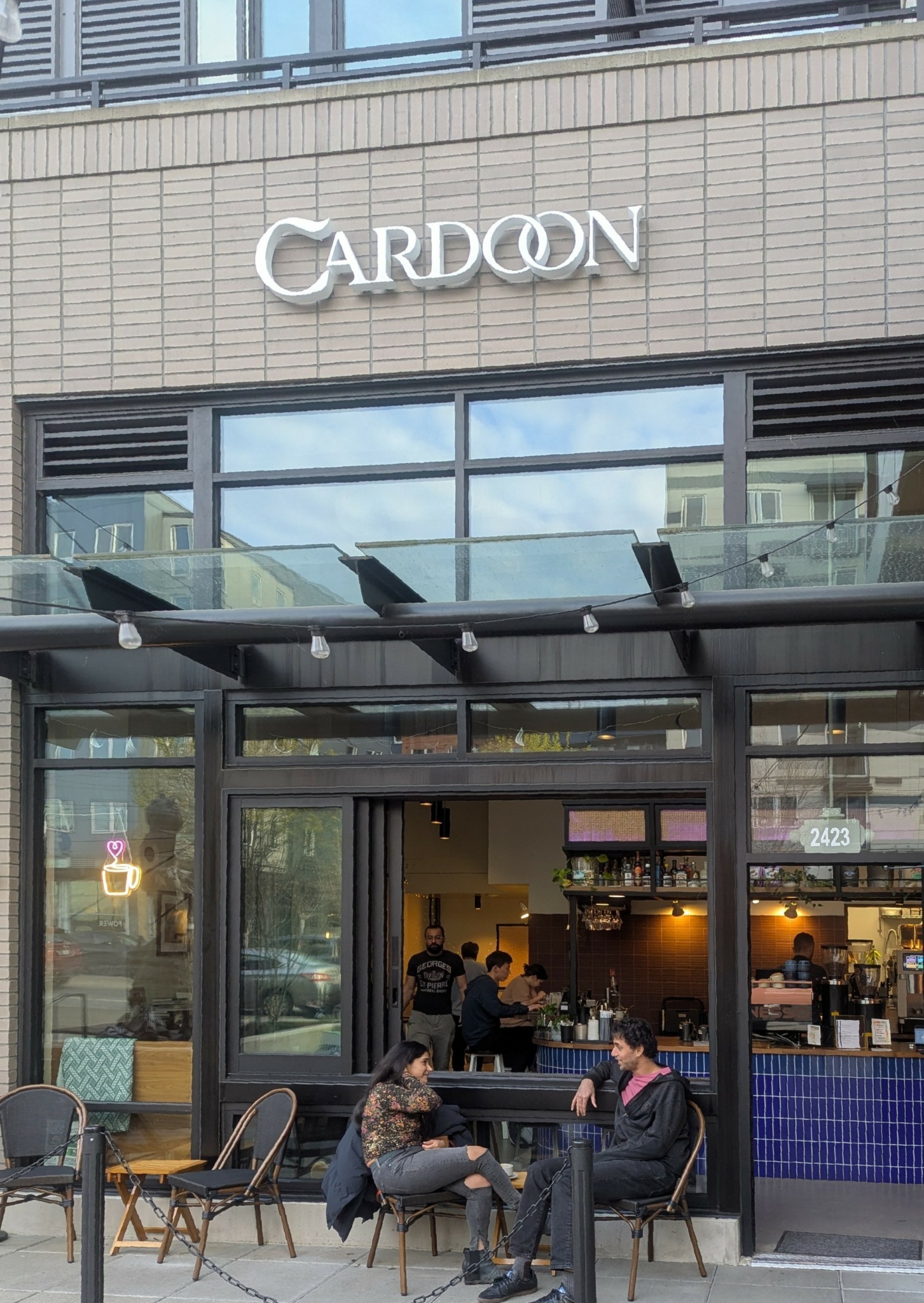
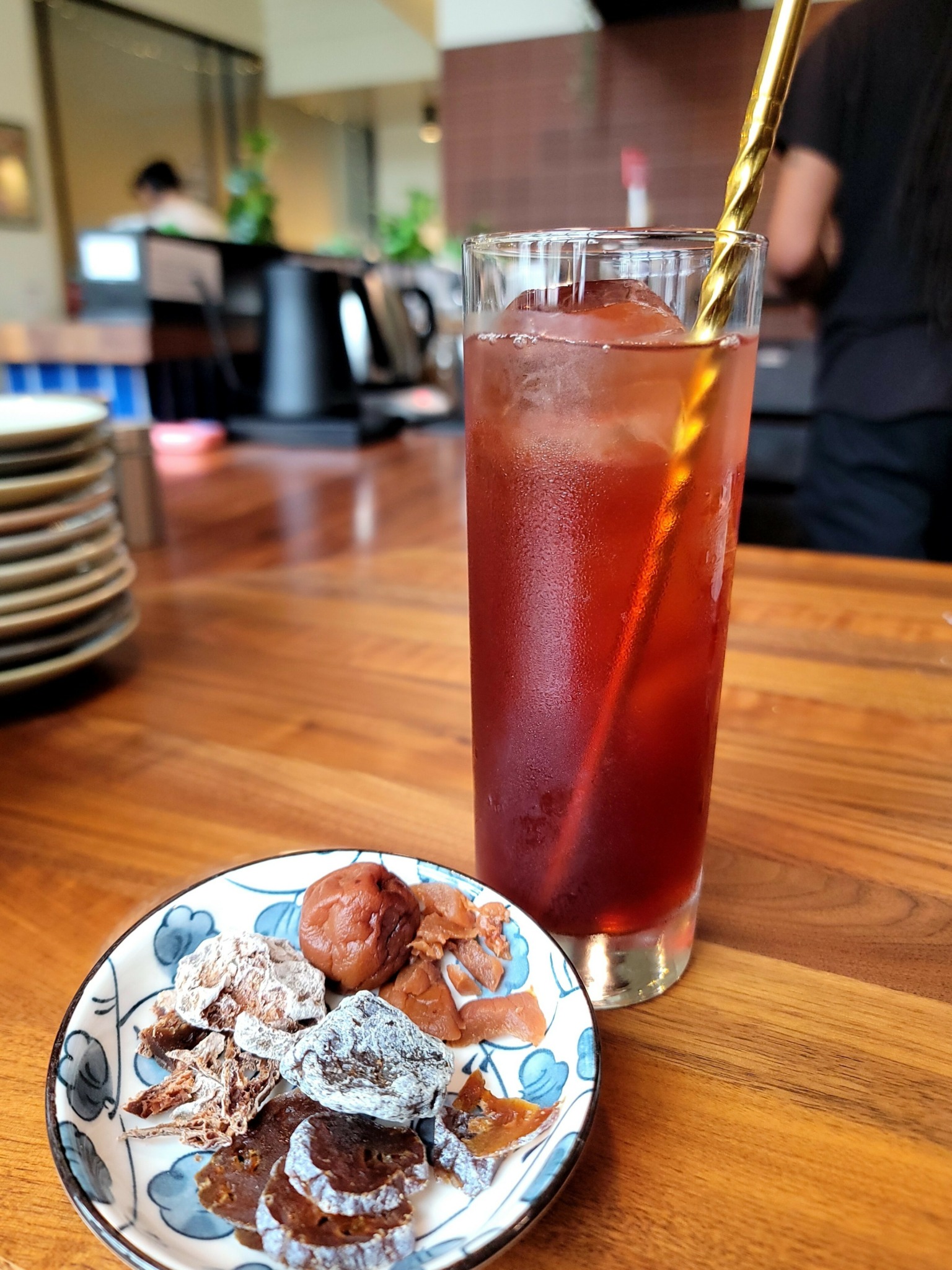
Image Credits
Kathy Yuan (for #1, #4, and #9 of the additional photos)