

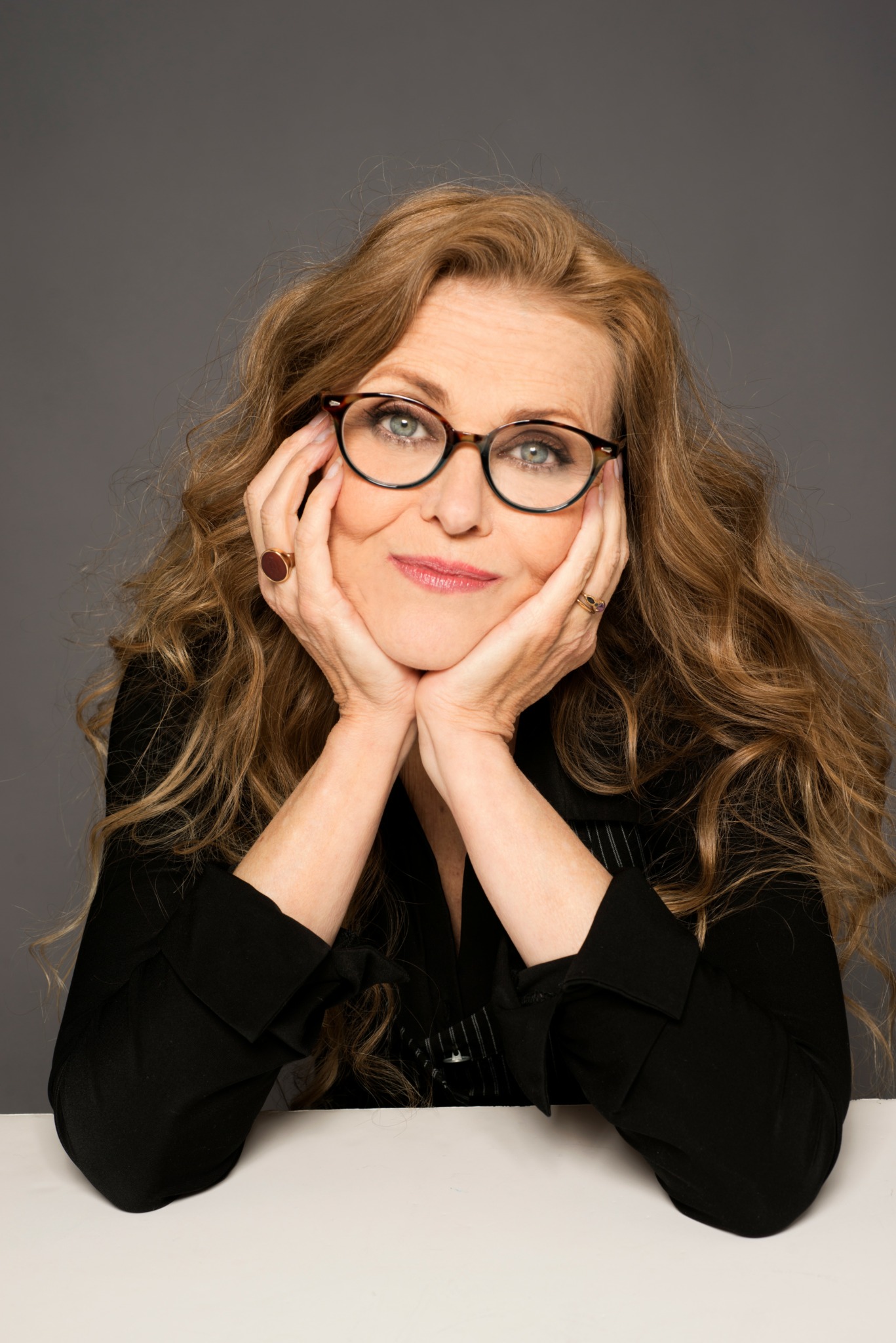

We caught up with the brilliant and insightful Tierney Sutton a few weeks ago and have shared our conversation below.
Alright, Tierney thanks for taking the time to share your stories and insights with us today. Learning the craft is often a unique journey from every creative – we’d love to hear about your journey and if knowing what you know now, you would have done anything differently to speed up the learning process.
I wish I had studied musicianship, sight-reading and piano with a good pianist, accompanist. I also would have loved to study composition with a good teacher. There is a language of music that the amazing musicians I have the privilege of working with are usually fluent in. They no longer have to think about it. Instantly able to transcribe things, read things and write what’s in their heads.
I have picked up a bit of these skills over the years of performing, leading bands and writing and arranging. But I am far from FLUENT.
As always, we appreciate you sharing your insights and we’ve got a few more questions for you, but before we get to all of that can you take a minute to introduce yourself and give our readers some of your background and context?
I’m a jazz singer, arranger, educator, lyricist, and producer whose career has been devoted to exploring the art of storytelling through music. Born in Omaha and raised in Milwaukee, I came to jazz somewhat unexpectedly after studying Russian at Wesleyan University and later attending Berklee College of Music. Hearing artists such as Betty Carter, Al Jarreau, Bill Evans, Frank Sinatra, Joni Mitchell, and later Sting profoundly shaped my musical voice and my approach to interpretation. Since 1993 I have led the Tierney Sutton Band, a unique collaborative ensemble whose members collectively create and arrange our music and for over 20 of those years we functioned as an incorporated unit that made all artistic and business decisions together. That spirit of collaboration has become one of the defining aspects of my work and has helped us earn multiple Grammy nominations, (9 total) including a historic nomination for collaborative arranging. Over the years, I’ve released projects that reimagine the Great American Songbook while also exploring deeper themes such as happiness, spirituality, human connection, and transformation. As a lyricist, one of my proudest accomplishments was collaborating with legendary filmmaker Clint Eastwood and the Tierney Sutton Band on the score for the film Sully, including co-writing the end-title song “Flying Home.” The work I am most proud of is my 2024 project Good People, recorded with the San Gabriel Seven. The title song and accompanying video has been described as “a satirical and historically informed examination of systemic racism in America,”. I wrote the song and created the video in order to educate about systemic racism in America and its history: housing discrimination, residential segregation, racial wealth inequality, and historical violence against Black communities. I recently released my 17th album as leader or co-leader, “Spring” and have been touring extensively with pianist Tamir Hendelman.
In addition to performing and recording, I’ve spent decades teaching and mentoring singers at institutions such as USC and the Los Angeles College of Music. What sets me apart is my commitment to authenticity, collaboration, and emotional truth—whether I’m performing, producing, writing lyrics, or teaching. I’m most proud of creating a body of work that consistently seeks meaning beneath the surface of a song and invites listeners into a deeper experience of music and humanity.
Is there mission driving your creative journey?
Absolutely. My creative journey has always been driven by a desire to foster connection, unity, and transformation through music. As a member of the Bahá’í Faith, I am deeply inspired by the belief that humanity is one family and that the arts can play a vital role in bringing people together across cultures, backgrounds, and perspectives. Most recently, I have become passionate about exploring Jazz as a metaphor , to be used in the creation of new systems of problem solving that are desperately needed in today’s world. Skills like: listening, musyual respect, open-minded detachment, and above all, humility–all these qualities stand out in Jazz collaboration and I feel are important skills for all human beings to learn and practice with one-another. Whether I’m performing, arranging, writing lyrics, or teaching, I strive to create experiences that encourage empathy, authentic communication, and a deeper recognition of our shared humanity. For me, music is more than artistic expression—it is a form of service, a way of contributing to a more compassionate and interconnected world.
Is there something you think non-creatives will struggle to understand about your journey as a creative? Maybe you can provide some insight – you never know who might benefit from the enlightenment.
I believe that there are no “non-creatives” and that all work is essentially creative. It’s important that we strive to respect all work and all human beings. We are are described as “creatives” all spend a lot of time on tasks that are not traditionally thought of as “creative”—-and those people who are considered “non-creative” often can employ great creativity in the work they do.
Contact Info:
- Website: https://www.tierneysutton.com
- Instagram: tierneysutton_music
- Facebook: tierneysuttonmusic
- Twitter: tierneysutton
Image Credits
Ian Patrick , Beate Walden