



We’re excited to introduce you to the always interesting and insightful Tiana Amani. We hope you’ll enjoy our conversation with Tiana below.
Tiana , thanks for joining us, excited to have you contributing your stories and insights. So let’s jump to your mission – what’s the backstory behind how you developed the mission that drives your brand?
Growing up in the ’90s, I quickly realized how rare it was for people to truly understand and embrace natural curly hair. My mother did her best to give me stylish hairdos for school, but it never quite aligned with the fun styles my peers were rocking. By the tender age of 9, I decided to take ownership of my hair. Whether it was perms, braids, or ponytails, I experimented until I found my own rhythm. Despite the teasing from others, I never wavered in my commitment to embrace my natural curls.
It was during my teenage years that I began to appreciate the beauty of my natural texture, recognizing its versatility and strength. This led me to discover a deeper love for both curls and braids, which are not just fashion statements but symbols of cultural pride. Afro-textured hair, particularly braids, have deep African roots that carry centuries of tradition and history. My mission is to elevate this cultural heritage through modern artistry, creating looks that empower individuals—especially those from underrepresented communities—to see and feel their beauty in ways that society often ignores.
Great, appreciate you sharing that with us. Before we ask you to share more of your insights, can you take a moment to introduce yourself and how you got to where you are today to our readers.
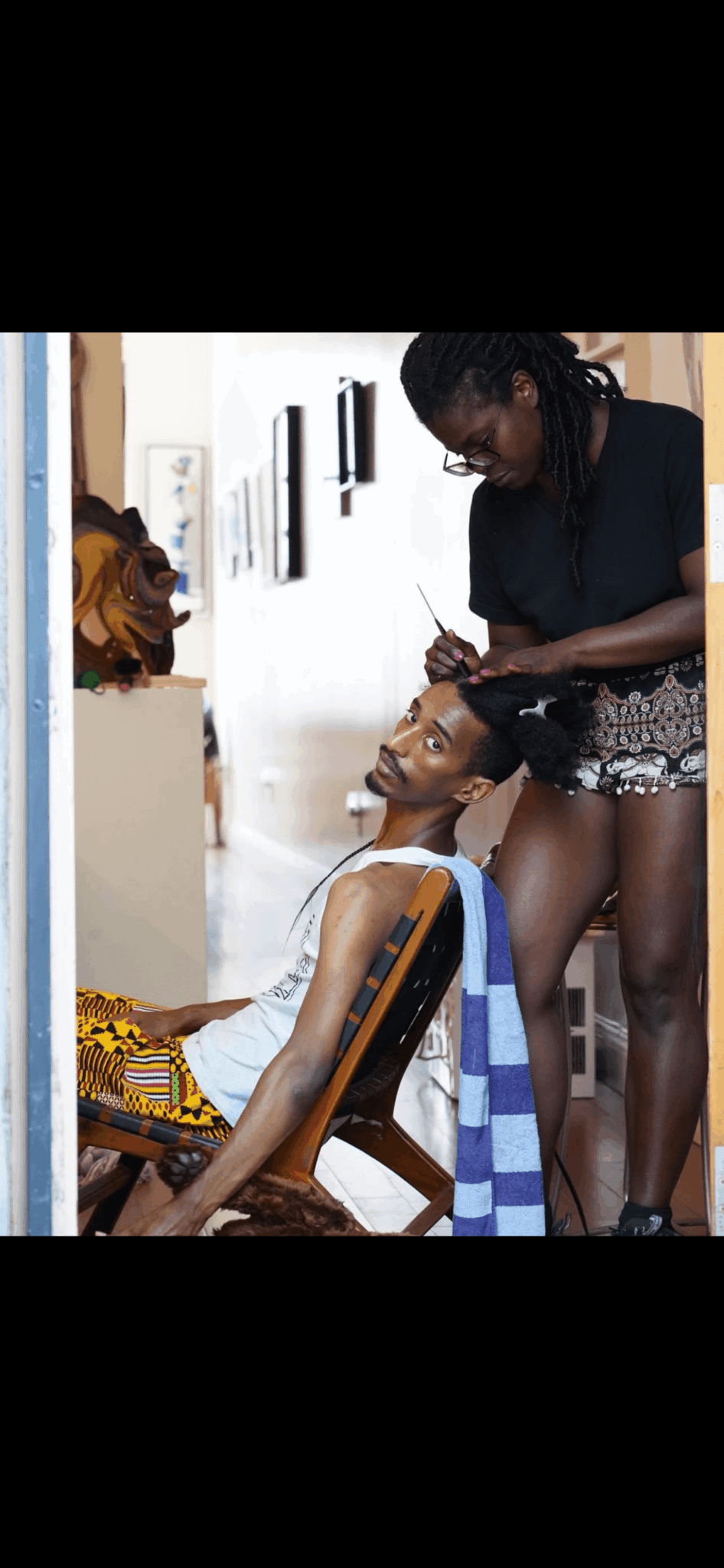
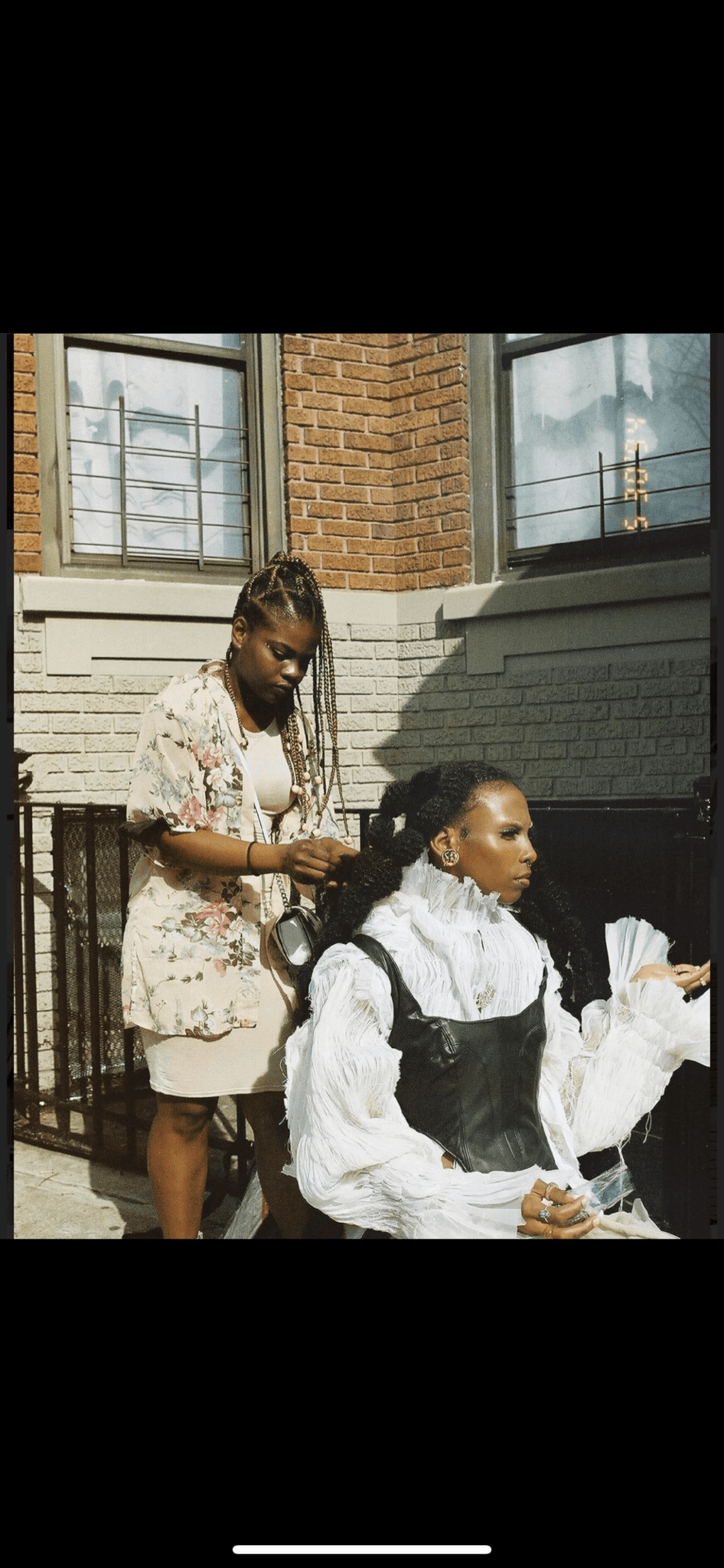
I am an Afro-Caribbean American Session Hairstylist, born and raised in the Bronx, New York. Growing up in a diverse community, I was fortunate to witness the beauty of different textures and styles, with everyone—from straight to curly—wearing their hair with pride. As a college student, I worked weekends at a local beauty supply store, which became my crash course in natural hair care and basic wig styling. During this time, the natural hair movement was gaining momentum, and I became deeply immersed in understanding curly hair products and techniques. My goal was simple: show other Black and Brown women that our kinks and curls were not only beautiful but that we had the power to define how we style our own hair.
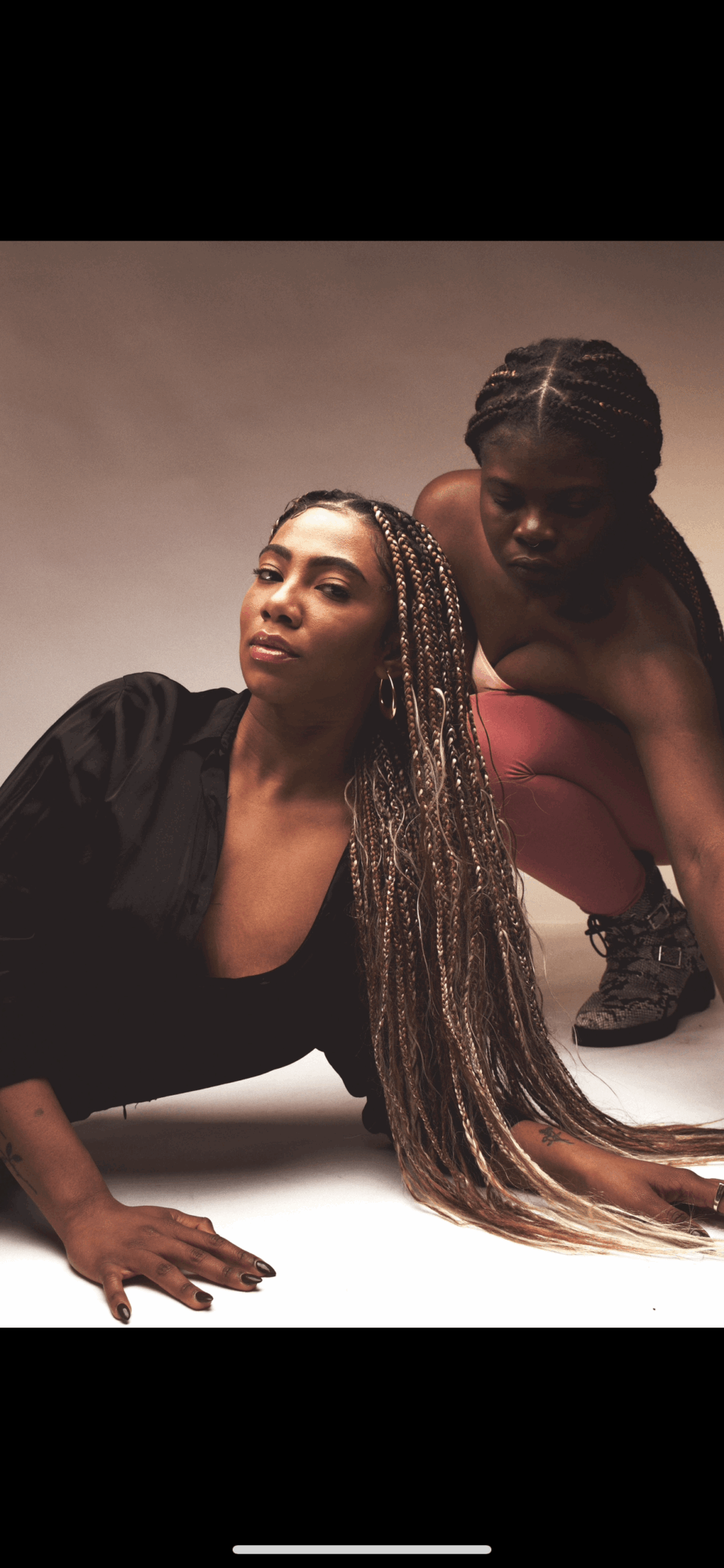
Fast forward to 2019; I was working at this very famous Jamaican restaurant called Miss Lily’s. Many of my coworkers are of Afro Caribbean descent and are all on different journeys with their hair. Two colleagues/friends in particular, Sy Lucas and Tiffany Simone, were the catalysts that helped shaped who I am today. I would hear them speak about needing to get their hair done or having issues with their hairstylist and just as a friend I would offer to do their hair.
It wasn’t until about a year later when I moved in with the two right before the pandemic that I was able to actually have an opportunity in styling both their hair. They both were super impressed and happy with their hairstyles. It’s so hard to find someone who understands what your hair agrees with. This set a fire for me to further explore the hair industry.
In 2019, while working at Miss Lily’s, a popular Jamaican restaurant in New York, I formed bonds with two incredible people, Sy Lucas and Tiffany Simone, who were instrumental in shaping my career. I started styling their hair out of friendship, and the transformation in their looks sparked a fire in me to take this craft seriously. Both Sy and Tiffany encouraged me to step into the world of fashion, and through their connections, I found myself working on my first photoshoot with the renowned photographer LaQuann Dawson. That shoot went viral, and it opened doors for more high-profile collaborations
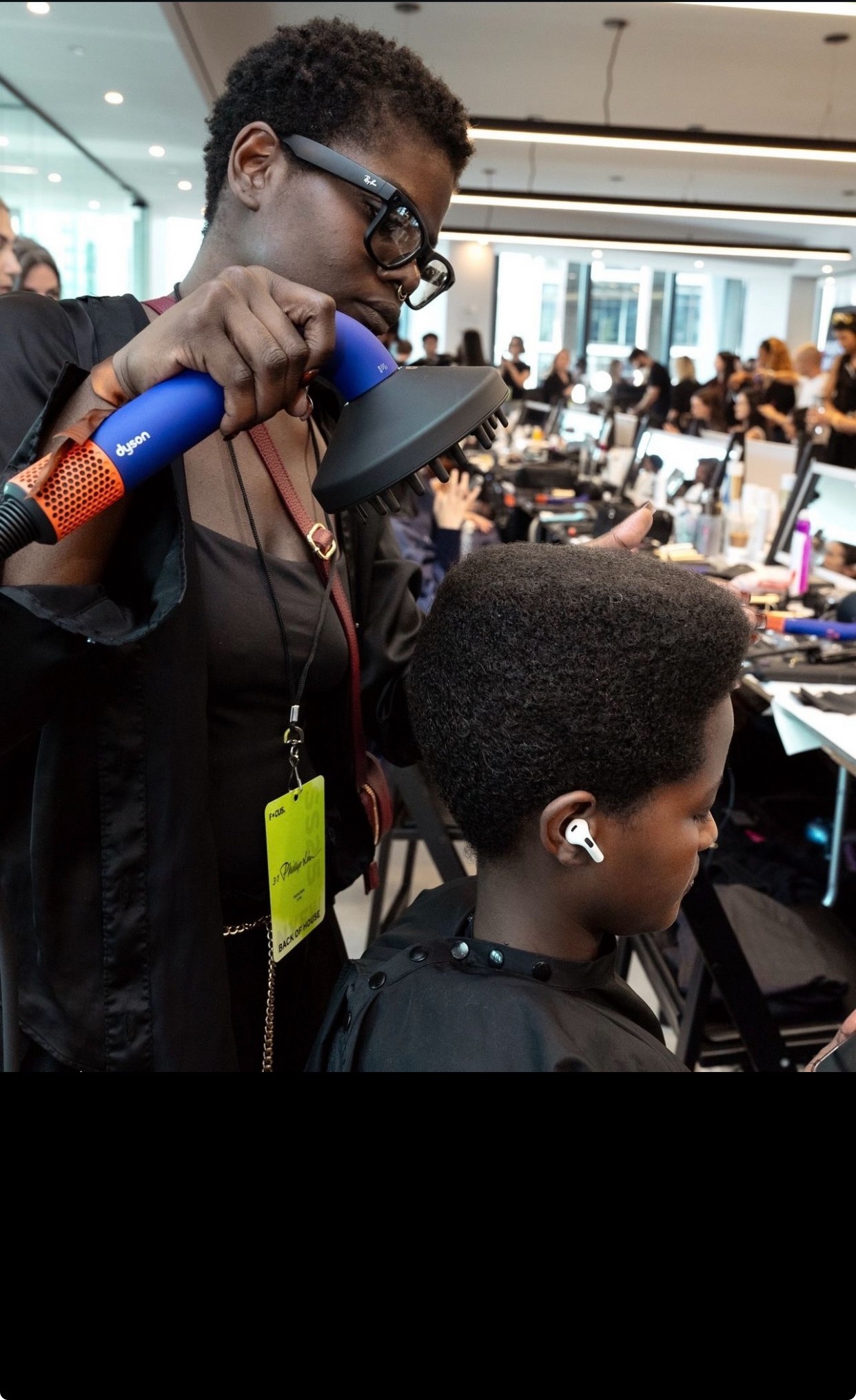
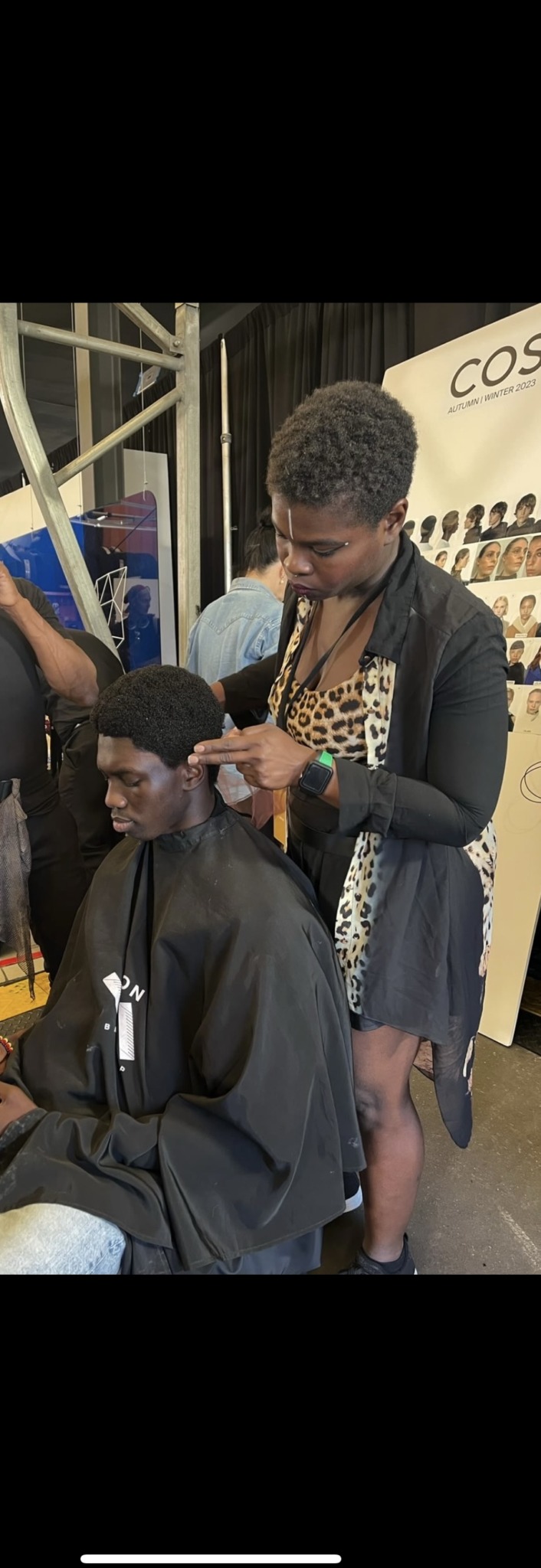
A year later, I took a bold leap of faith, traveling to Milan with just $600 to my name. I connected with an amazing hairstylist, Cynthia Nwosu, who introduced me to the world of high-fashion hairstyling. That trip led to my first major fashion show for Fendi, working with the legendary Guido Palau. To this day, I am still processing that moment, but it was a clear turning point in my career.
What sets me apart is my unwavering commitment to representation. I believe in the power of a hairstyle to make someone feel seen and heard. Especially for BIPOC communities, seeing someone who looks like you shaping the industry can spark a sense of possibility and pride. I strive to create looks that not only highlight beauty but also convey the stories of the individuals and cultures they represent. I’m proud of the fact that I’m constantly learning, evolving, and pushing the boundaries of what I can achieve with hair.
I’m incredibly proud to be a first-generation Afro-Caribbean woman who has found success in an industry that often overlooks our stories and cultures. What fuels me is not just my technical skill as a stylist but my ability to connect with my clients on a personal level. The clients who walk into my chair trust me not just with their hair, but with their sense of self. I take that responsibility seriously, and I do everything I can to help them feel confident, seen, and beautiful.
I’m deeply committed to my craft, always striving to learn more and be better. I see every challenge as an opportunity for growth. My mother, a woman who is always reading and learning, instilled in me the value of continuous education. She is my inspiration, and I aim to mirror that same thirst for knowledge in my own work.
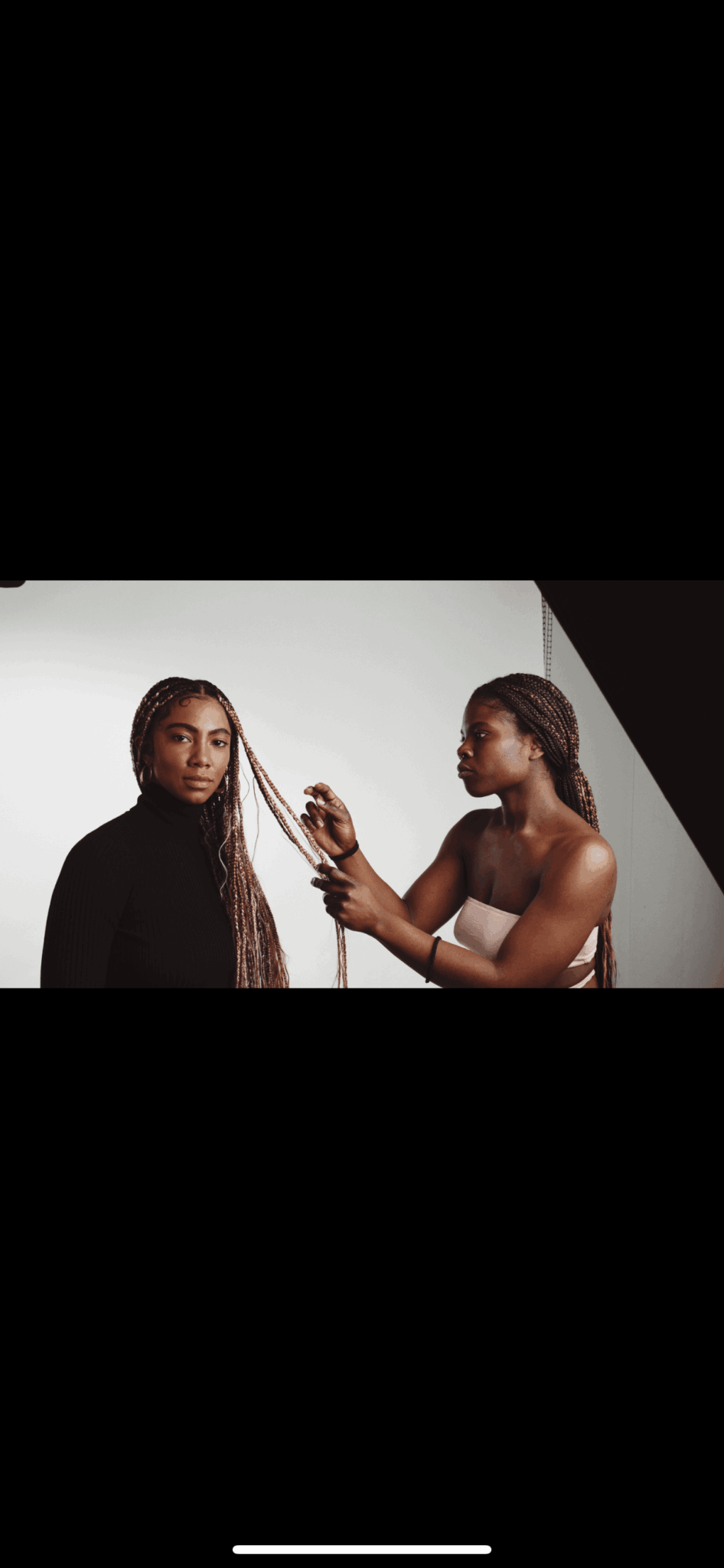
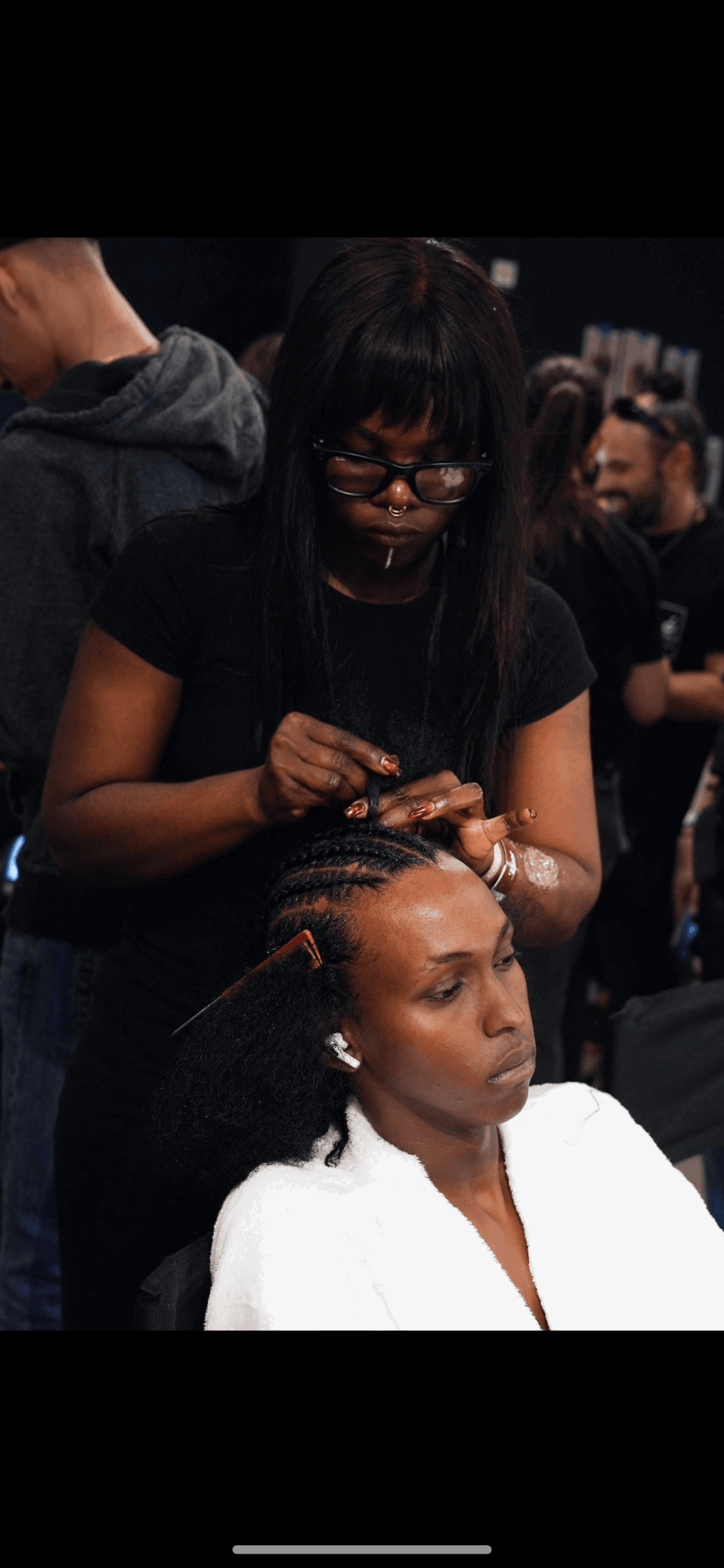
For me, it’s never just about the hair. It’s about creating an experience that leaves people feeling empowered and ready to take on the world. Whether it’s on a photoshoot, backstage at a fashion show, or working one-on-one with clients, my mission is to make sure everyone who sits in my chair walks away feeling like the best version of themselves.
Looking back, are there any resources you wish you knew about earlier in your creative journey?
One of the biggest pieces of advice I would give to someone starting out in the creative field is this: be kind, work hard, and keep your day job until you’re financially stable enough to leap fully into your craft. The transition to a creative career is never easy. The work is sporadic, the pay is inconsistent, and you’ll often find yourself waiting months to be compensated for jobs. Building a stable financial foundation—whether through savings or a secondary source of income—will help you manage the growing pains of the industry without sacrificing your mental health or well-being.
For aspiring hairstylists, having multiple income streams is essential. In the fashion industry, consistency is rare, and you often have to work low rates or even for free at first to build your portfolio. Being financially strategic allows you the space to grow in your craft without constantly stressing over money.
Any stories or insights that might help us understand how you’ve built such a strong reputation?
Perseverance, consistency, and adaptability. Working in the fashion industry requires not just talent but an ability to handle pressure. Long hours, tight deadlines, and last-minute changes are the norm. But it’s how you show up under these conditions that shapes your reputation.
I pride myself on showing up with professionalism and a positive attitude, no matter how exhausting the job may be. It’s not just about doing the work—it’s about doing it with grace, humility, and a willingness to collaborate. In an industry that can be unpredictable, being reliable and fostering genuine relationships with colleagues can open doors you never imagined.
I’m fortunate to have built a network of people who vouch for my work and my character. I’ve been referred for jobs because people know I’ll bring my A-game every time, and that’s something I never take for granted.
Contact Info:
- Website: https://brownsugarkiss.com
- Instagram: @brownsugarkiss
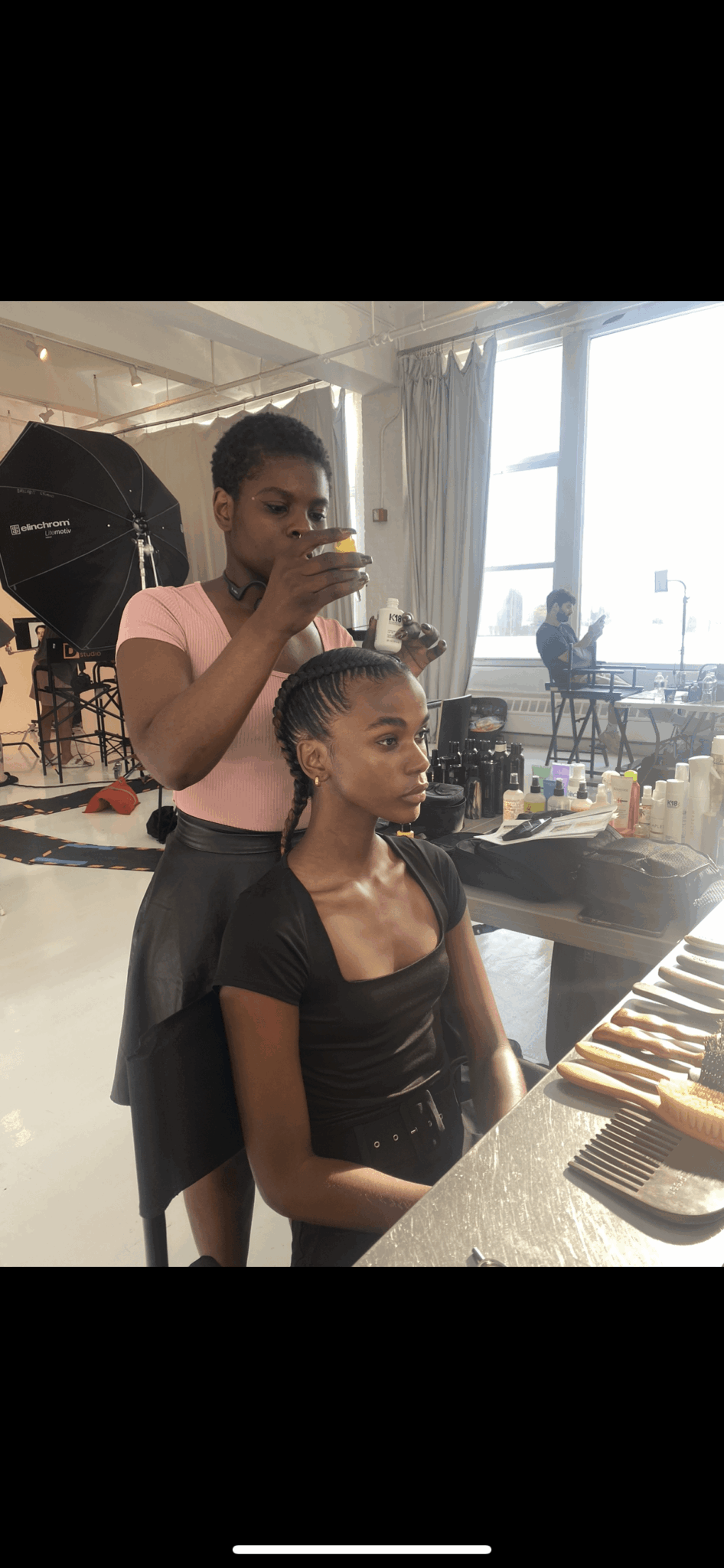
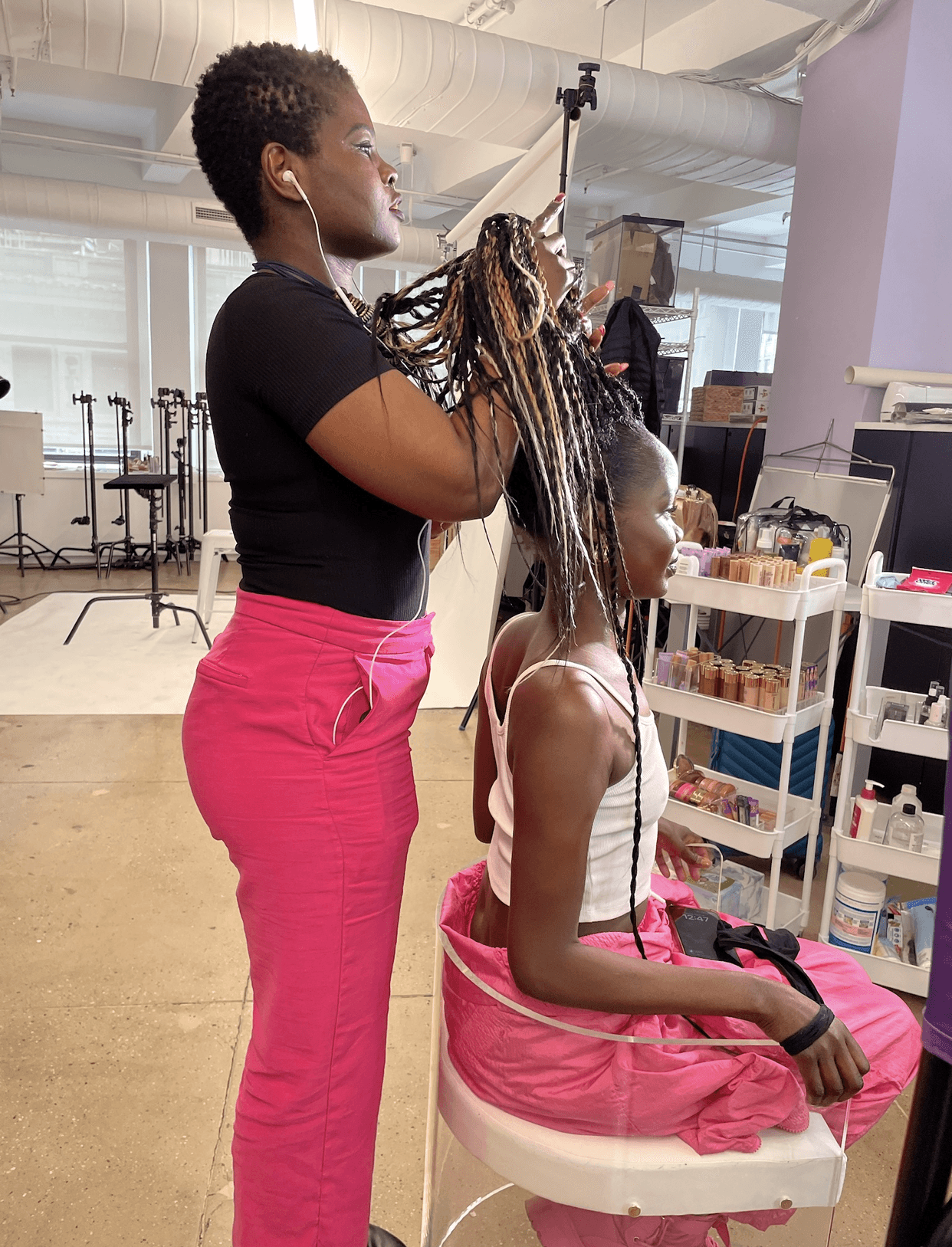
Image Credits
Tiffany Simone
Stephany Amado
Thursday
Aby Paulin
Lawal Folarin
Tina J Parsenyuk
Anny Anipha Kay
Asia Rivera