

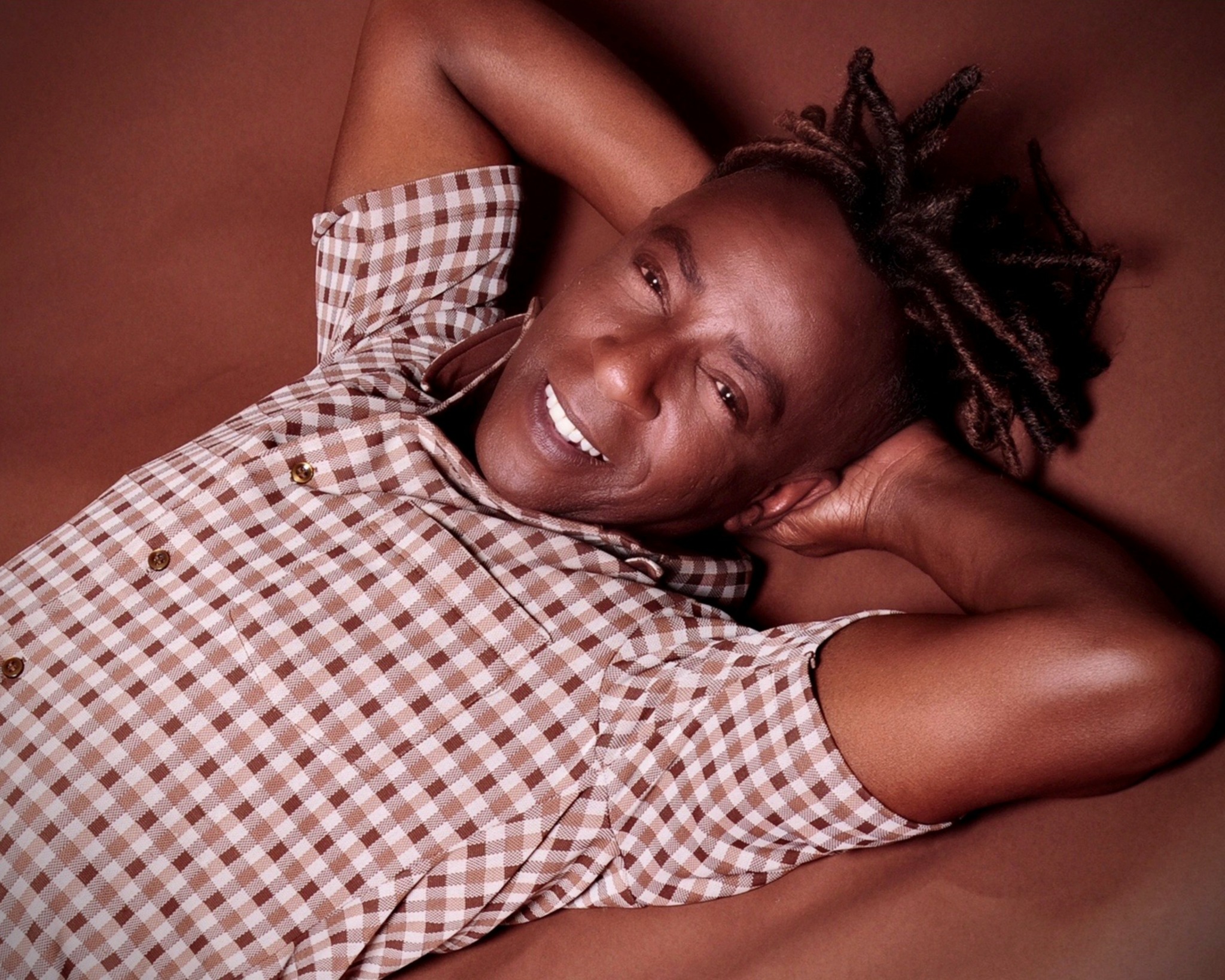

We recently connected with Thommy Davis and have shared our conversation below.
Hi Thommy, thanks for joining us today. Are you happier as a creative? Do you sometimes think about what it would be like to just have a regular job? Can you talk to us about how you think through these emotions?
In a global economy, creative professionals are often positioned in contrast to academic and institutional careers, as if artistry and intellect exist in opposition. I rejected that false divide. Returning to higher education was not a retreat from creativity, but an act of authorship—an investment in breadth, discipline, and self-definition. In succession, I completed three degrees with honors, maintaining a perfect 4.0 GPA, double-majoring and advancing into doctoral studies. This work affirmed that vision and intellect are not parallel paths, but reinforcing forces.
After completing my academic training, I entered the workforce and spent three years in clinical practice, gaining applied experience in systems designed for care, structure, and accountability. Yet the creative work I began years earlier remained unfinished. I returned to the music industry not as an aspirant, but as a builder—equipped with the insight to challenge its limitations and imagine something more durable.
One path offered security with a ceiling. The other offered responsibility, risk, and the opportunity to shape culture rather than simply participate in it. I chose the latter—guided not by impulse, but by legacy.
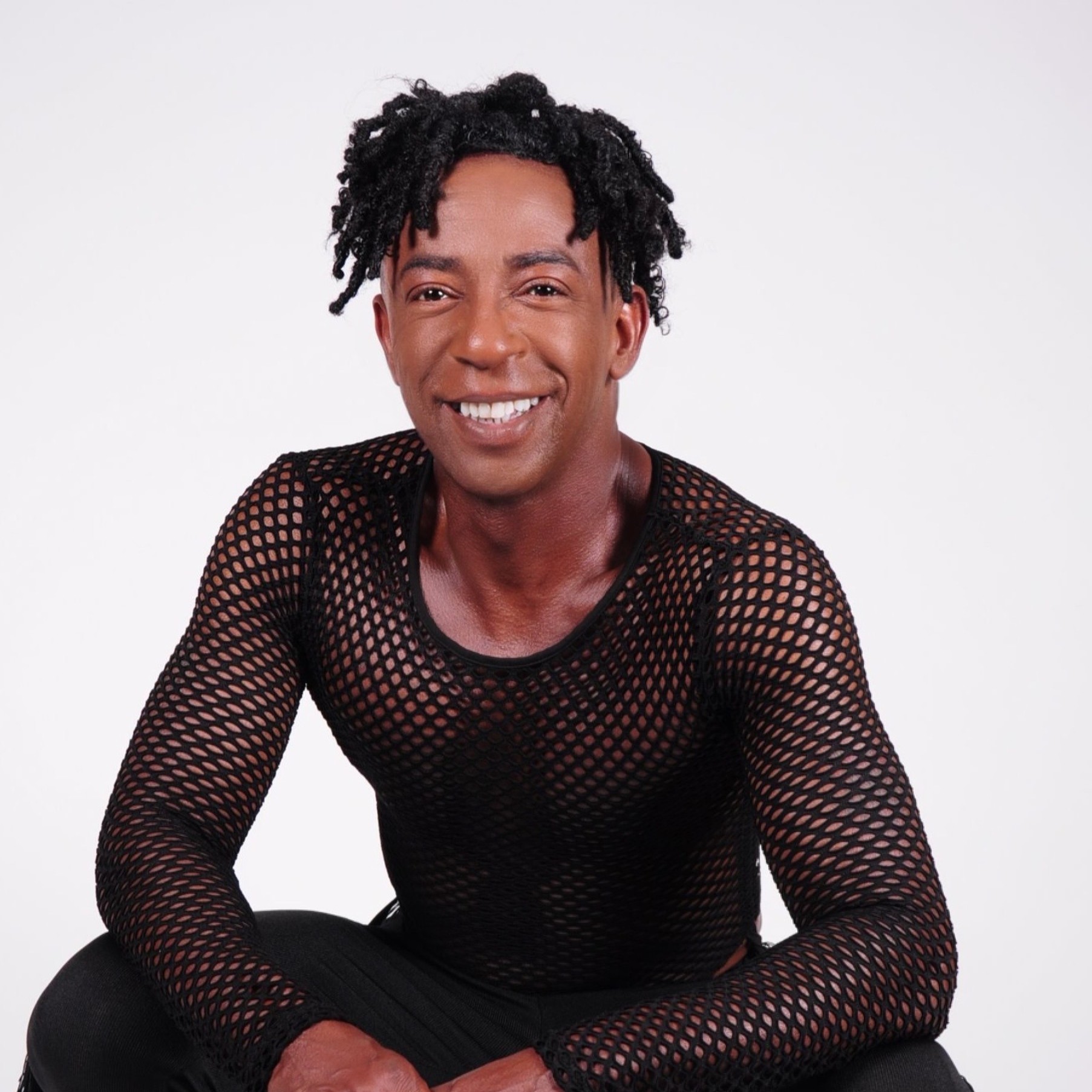
Thommy, love having you share your insights with us. Before we ask you more questions, maybe you can take a moment to introduce yourself to our readers who might have missed our earlier conversations?
In short, my relationship with music has never been casual. My earliest entry into the field was undefined, not because it lacked direction, but because it was driven by instinct rather than industry. I began as a DJ, spending so much time in record stores that the owner eventually offered me a position. At the time, I held a stable job with the Postal Service, yet I walked away from security to place myself inside the culture—to the disbelief of my parents and friends. Music was not simply something I consumed; it was something I was compelled to steward.
That compulsion was primal. Immersion across genres did more than satisfy curiosity—it built fluency. Music became a language I carried and translated for others. When I became the first DJ in my city to work as a record salesman, it coincided with a critical shift: DJ technology and artistry were becoming accessible to the public. This was not merely a retail moment; it was a cultural turning point. Two forces converged—unprecedented access to music, and a growing community hungry for guidance, context, and credibility.
Within that space, my role evolved organically into leadership. I was no longer simply selling records; I was shaping taste, preserving lineage, and educating a new generation of listeners and DJs. What I once assumed was a private passion revealed itself as public responsibility. The position required a name because it had not existed before: the DJ-salesman. I demonstrated the very records I curated, performing them live on turntables inside a store that functioned less like a shop and more like a cultural hub.
It was there that I encountered my first house record. In an era when disco was publicly declared dead, the underground carried its truth forward—leaner, more confrontational, and unapologetically alive. The mainstream may have moved on, but the people had not. The underground answered that hunger with purity and purpose, and I recognized immediately that this was not a trend—it was a continuation.
That moment clarified my role. I was not simply participating in a scene; I was helping to hold space for a culture, ensuring its transmission, relevance, and survival. This was leadership before title, influence before platform. I didn’t discover music there—I took responsibility for it. That was when I knew I was home. Looking backwards< I never left that house- that home and the rest is an historic journey that is what a life dream is made of.


Is there something you think non-creatives will struggle to understand about your journey as a creative?
If there is one principle I have believed in from the very beginning, it is this: passion must be protected in a world content with redundancy. I entered an environment that favored repetition over reverence, efficiency over origin, and consistency over the pure roots of music. Friends and family saw no future in it and warned me against persevering. I understood their concern—but I also understood myself
I remained committed. A job is what you do for money; a passion is what you do for your soul. It did not matter that the path was nonconforming. In fact, the more I committed to it, the more others followed. What began as resistance became momentum, and momentum revealed its own rewards—smiling faces, open doors, and possibilities no one had previously imagined. While naysayers dismissed it as a passing fad, I continued to drive it forward. What started as devotion became a lifestyle.
There is a quiet irony in vision: those who cannot see your dream are often the first to applaud once you fully commit to it. That commitment brought the world to one person who believed before permission was granted. For that reason, I encourage creators to keep forging their paths and resist measuring fulfillment solely by monetary return. Some of the most profound rewards arrive unannounced.
One of the greatest satisfactions I never anticipated is watching other creators rise, return, and say that my example gave them permission to believe in themselves. In that moment, the work outlives the individual—and passion becomes legacy
Example
My first record that I put on my own label that was pressed from a cassette went global that led to being on many other labels including three major labels simultaneously! The irony of it all is that the same machine that didn’t want to recognize it quickly came running for the purity of it all!
Listen to heart and g9vern by your soul.


Can you tell us about a time you’ve had to pivot?
Absolutely. My career has required multiple pivots in response to shifting eras within the music industry. I experienced the transition from vinyl to digital downloads, and later to streaming—each shift radically altering the value of the same product. What was once worth hundreds was suddenly reduced to pennies. For independent creatives, these were not abstract industry changes; they were existential ones. Revenue declined by more than 75%, and long-standing business models became obsolete almost overnight.
Those moments were unsettling. When the foundation you’ve built on is disrupted, survival depends on adaptability without surrender. The challenge wasn’t simply financial—it was learning how to remain viable without compromising the integrity of the work itself.
My survival strategy has been rooted in clarity of purpose. I return to the original why and trust that the journey isn’t finished. I downsize, when necessary, minimize loss where possible, and adjust operations—never the product. I stay committed to intention over method, understanding that the how will change, but the mission cannot.
Most importantly, I extend beyond comfort. Pivoting often requires risk—stepping into unfamiliar territory, learning new systems, and redefining value in real time. Each pivot reinforced the same lesson: resilience is not about resisting change but about evolving without losing yourself in the process.
Basically, any business will have to adjust to things and obstacles along the way.
Contact Info:
- Website: https://Quantizerecordings.com
- Instagram: djthommydavis
- Facebook: thomas Davis or DJ Thommy Davis

Image Credits
KEVIN COOK – PHOTOGRAPER
TRACY STEVENS – GRAPHICS AND DESIGNER
QUANTIZE RECORDINGS- GRAPHIUCS