


We were lucky to catch up with Thomas Reich recently and have shared our conversation below.
Alright, Thomas thanks for taking the time to share your stories and insights with us today. How did you learn to do what you do? Knowing what you know now, what could you have done to speed up your learning process? What skills do you think were most essential? What obstacles stood in the way of learning more?
As a wood turner; being in the company of highly talented wood turners who function as mentors, as well as sharing their artistic examples, has fueled my growth in this medium.
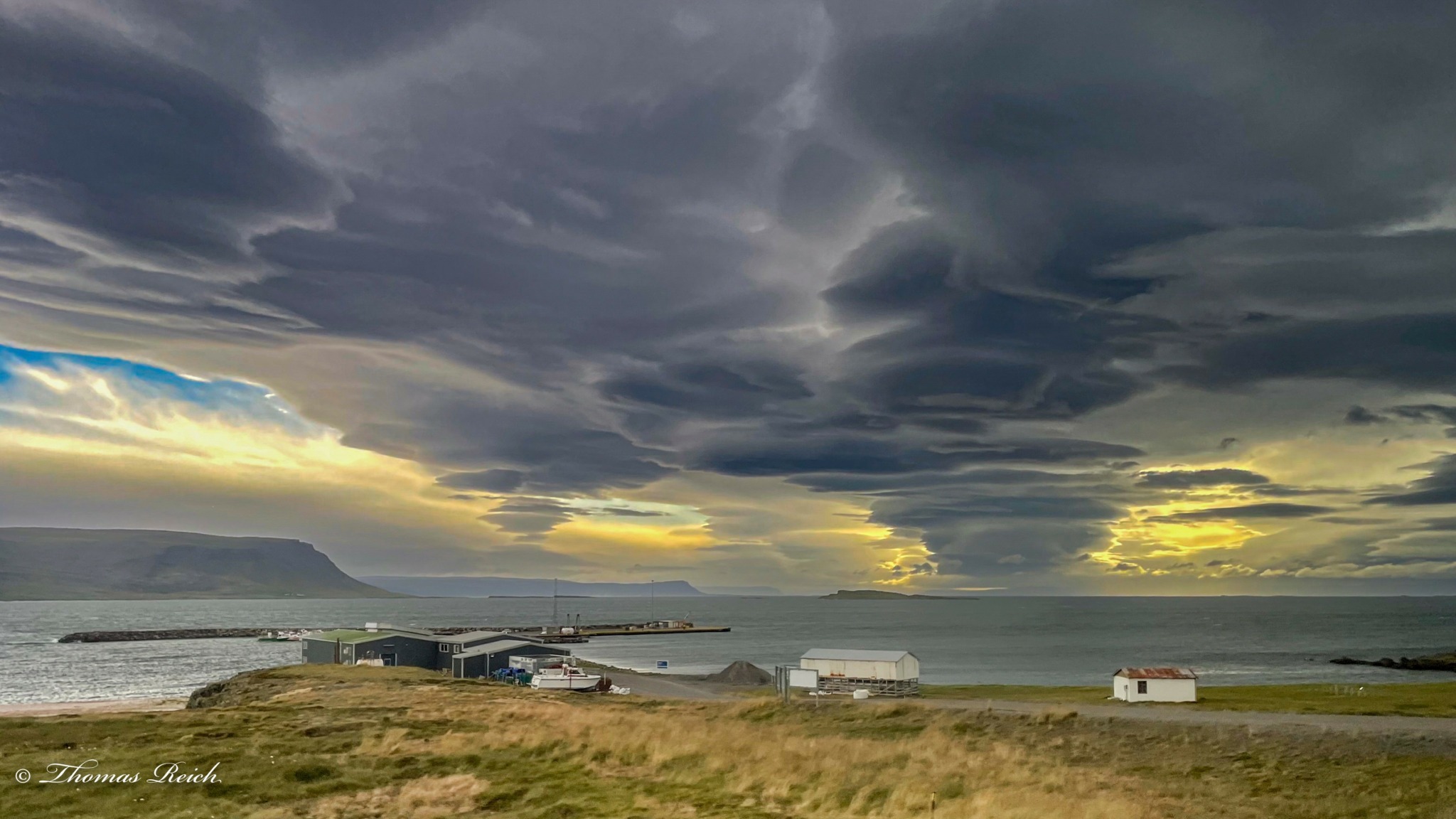
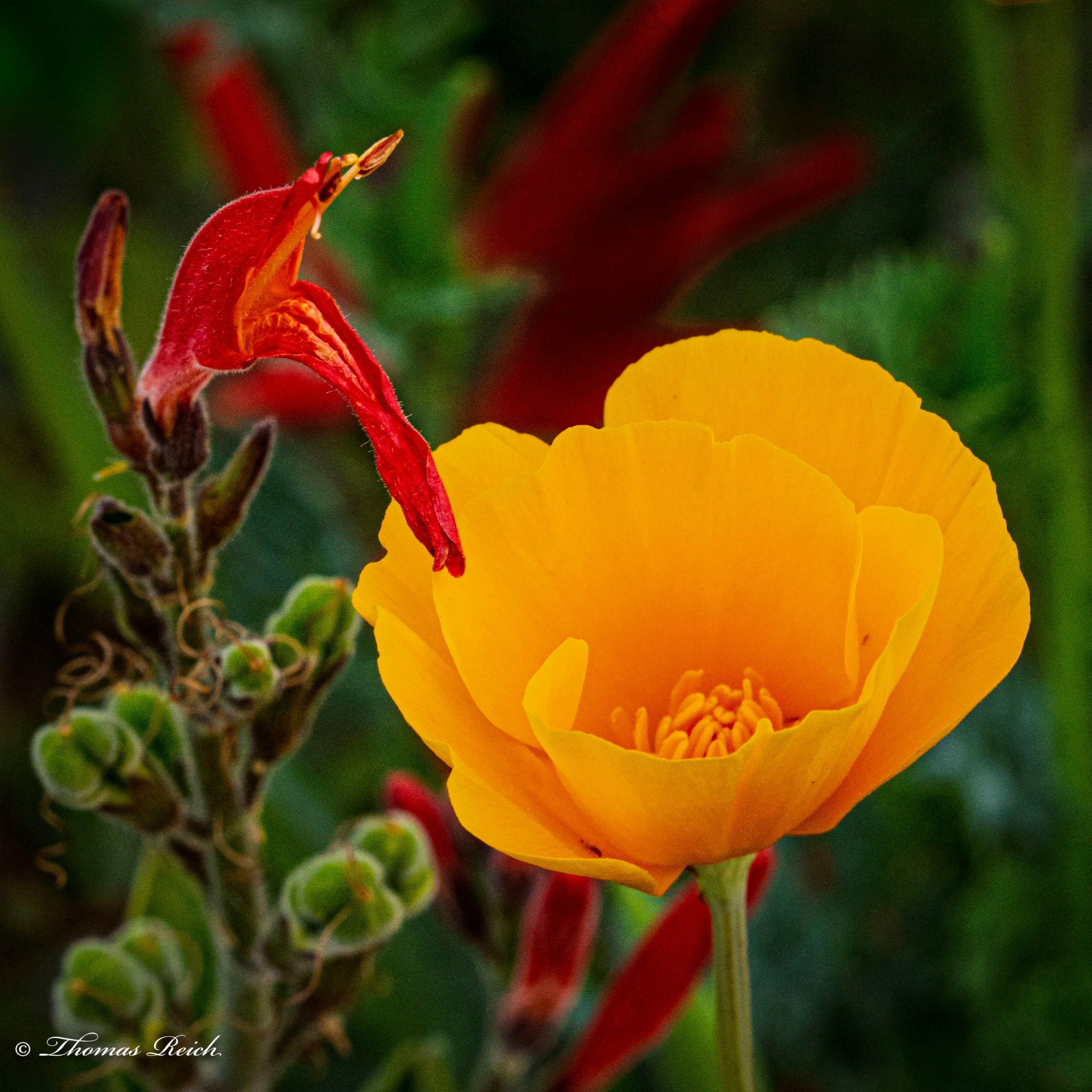
As for photography, teaching, competing, and displaying my work has driven my growth as well.
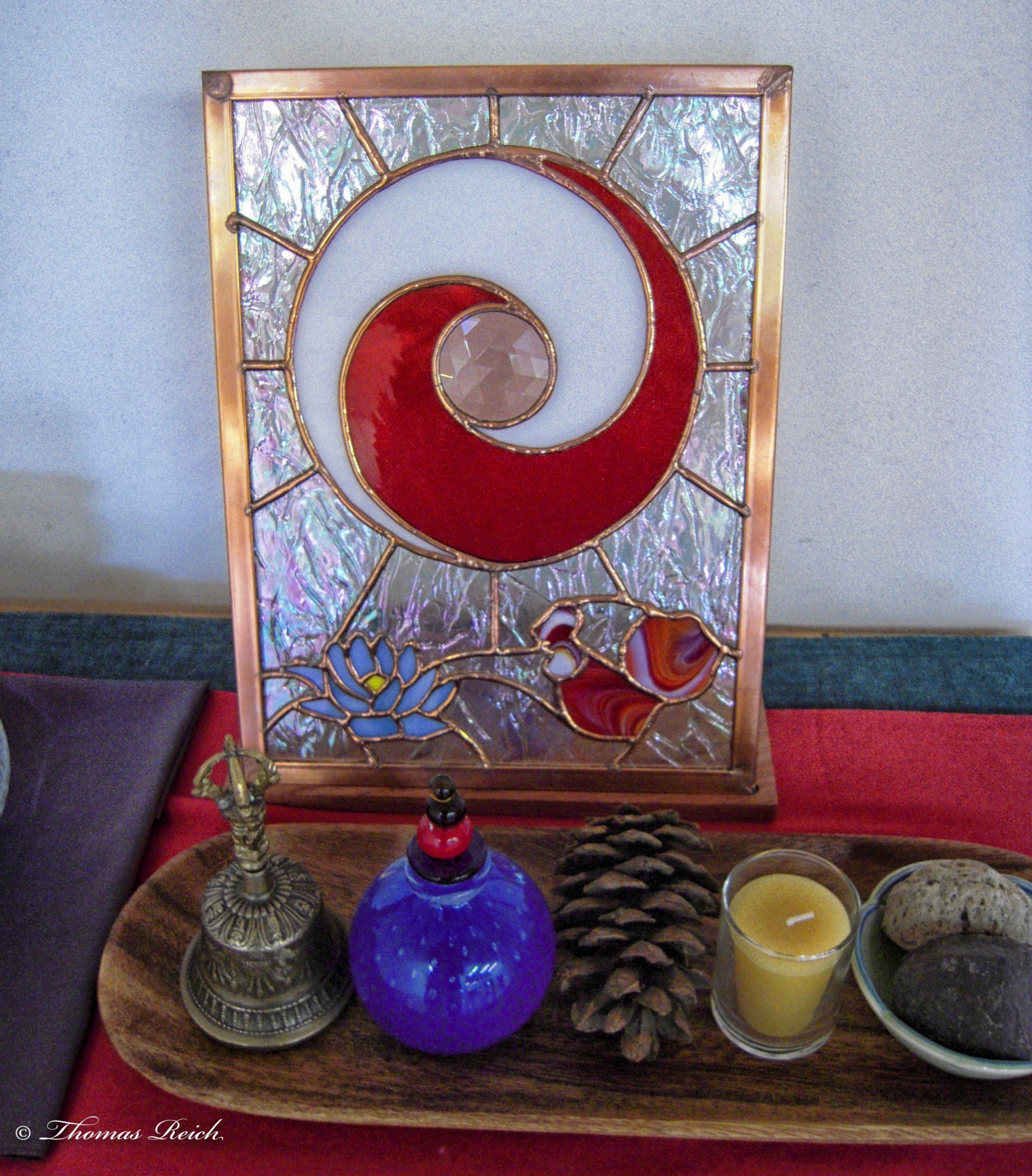
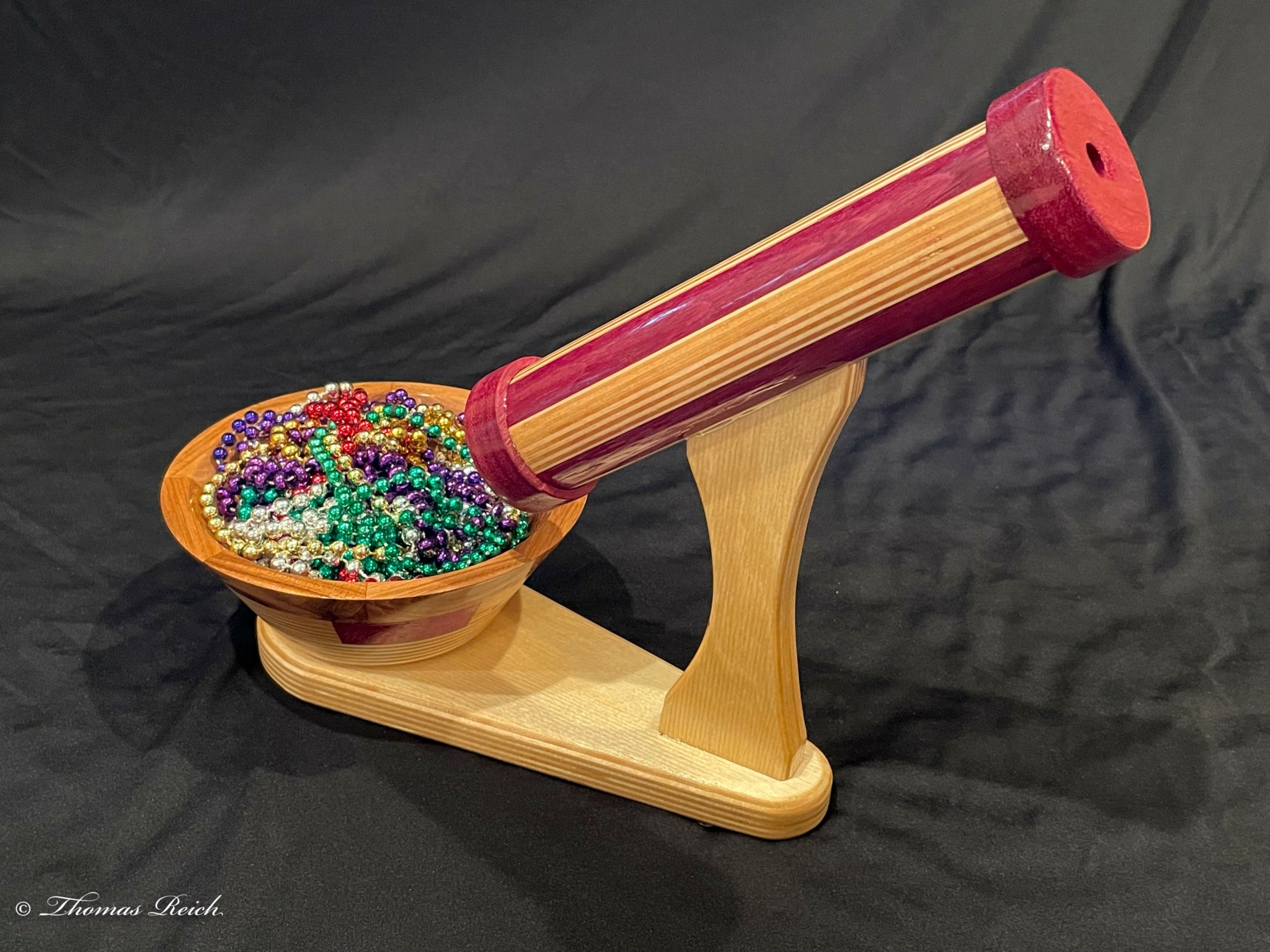
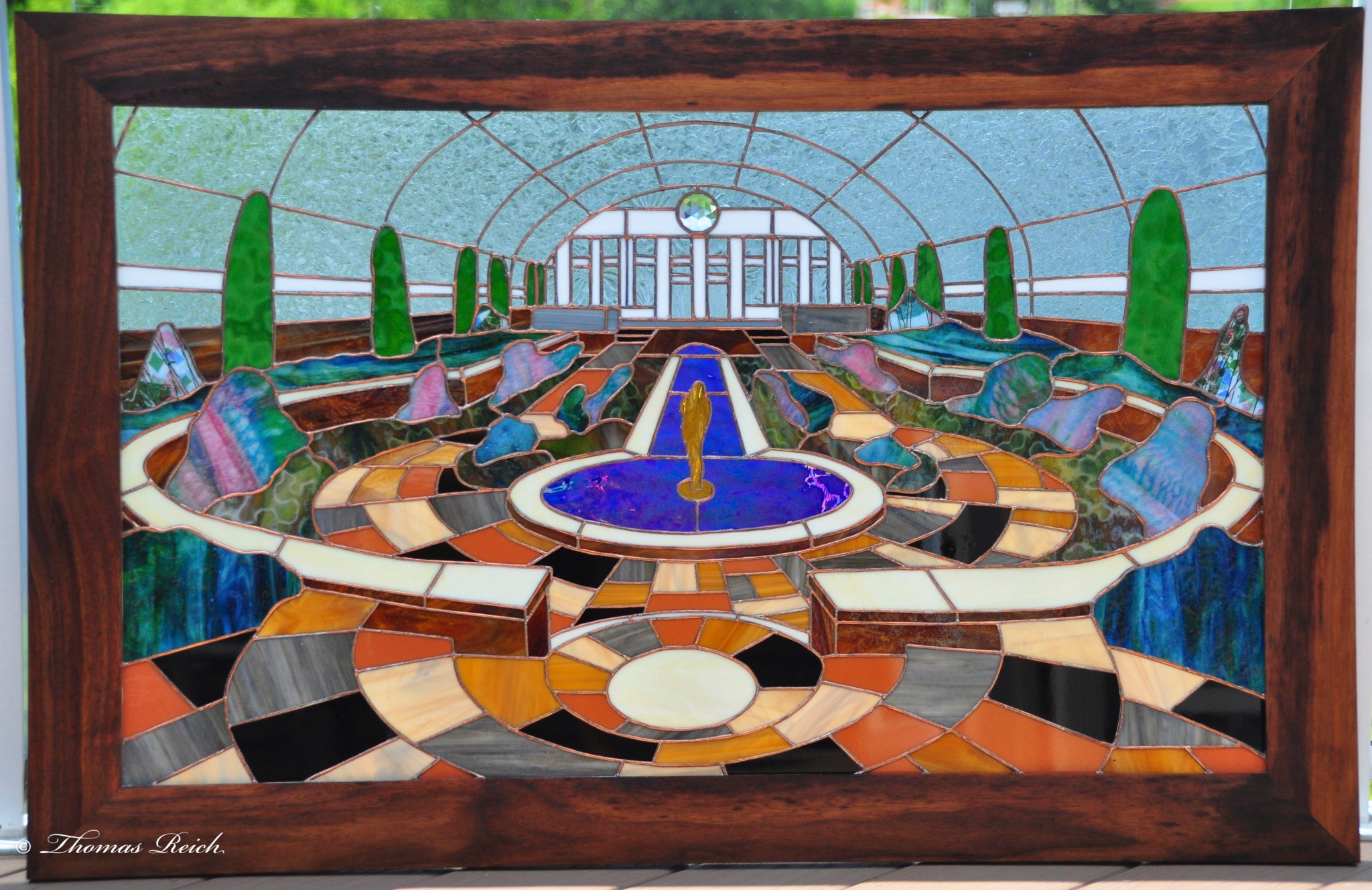
For Stained glass, designing and building custom Kaleidoscopes keeps my imagination running.
Truly, I wish I had started my artistic journey much earlier.
Essential skills fall heavily in, listening, being willing to fail, and being persistent.
Awesome – so before we get into the rest of our questions, can you briefly introduce yourself to our readers.
I started my career as a machinist, and eventually, a machine assembler. That background paved the way for my entering into the world of machine design, design engineering, and eventually engineering management. All of the above gave me a fine basis for how things work and how they work together and how to, sometimes, save a plan that went awry.
I apply that background to work processes in designing my projects, regardless of the media.
I don’t actively seek out customers or clients, I am retired after all and do not consider my “artwork” a job. I do my art because I enjoy the process which, in many ways, is more important than the end product.
Applying and blending different genres of art keeps my outlook fresh and leads to some innovative pieces that sets some of my work apart.
In the past I have achieved a “State Fair” championship for a stained glass panel. My photography has appeared on calendars and e-zines. Recently one of my kaleidoscopes received the “Award of Excellence” – First Pace in General Woodworking.
For you, what’s the most rewarding aspect of being a creative?
The most rewarding aspect of my artistic journey is the creative process. I like to do what I do. My art is my art. I think showing / displaying my work is important and that helps drive both innovation and excellence.
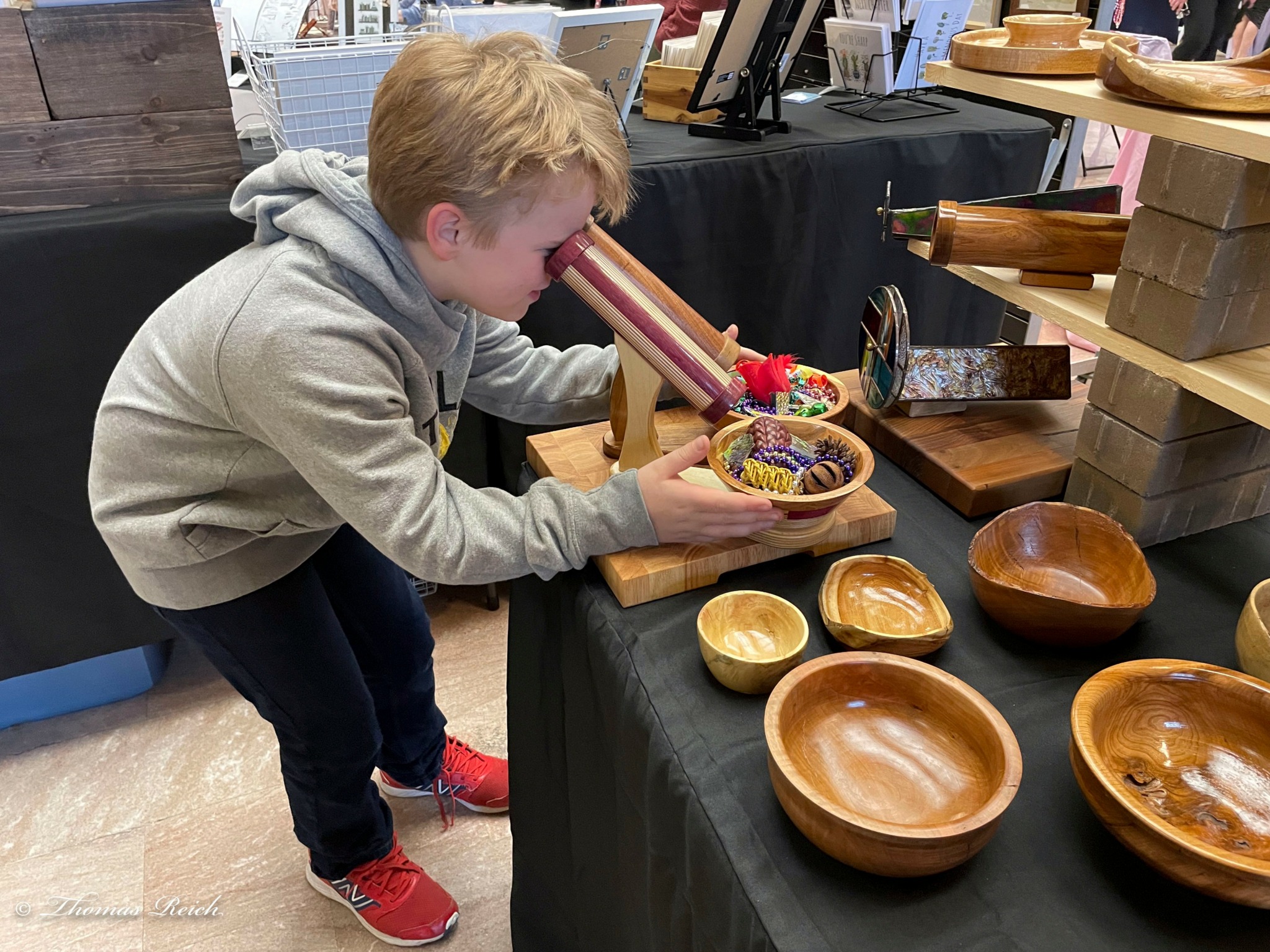
I get quite a kick out of watching as a person picks up one of my kaleidoscope, looks through it and slowly, inevitably I see their smile appear. Often this is followed by “I haven’t seen one of these since I was a kid.”
Is there something you think non-creatives will struggle to understand about your journey as a creative? Maybe you can provide some insight – you never know who might benefit from the enlightenment.
People will judge my work based on their pre-conceived ideas of what art should be. If their critique goes something like “I just don’t like it” that’s fine, they don’t have to like it. I spend considerable time with new photographers who are sometimes devastated by a comment like that. This can have long lasting consequences. At which point I tell them “it is your art, you own it, enjoy it.” If the comment is about technical content I listen, I ask for clarification, I will try to understand what they are seeing and, if applicable I will alter my processes.
So, while “my art is my art” will put some people off, because it may sound conceited or defensive, I don’t expect them to understand why I feel good about the process I go through to achieve my end product. I hope they can relate it to their own experiences where they created a solution to a problem, any problem. After all, artists are doing that same thing…..solving a creative problem.

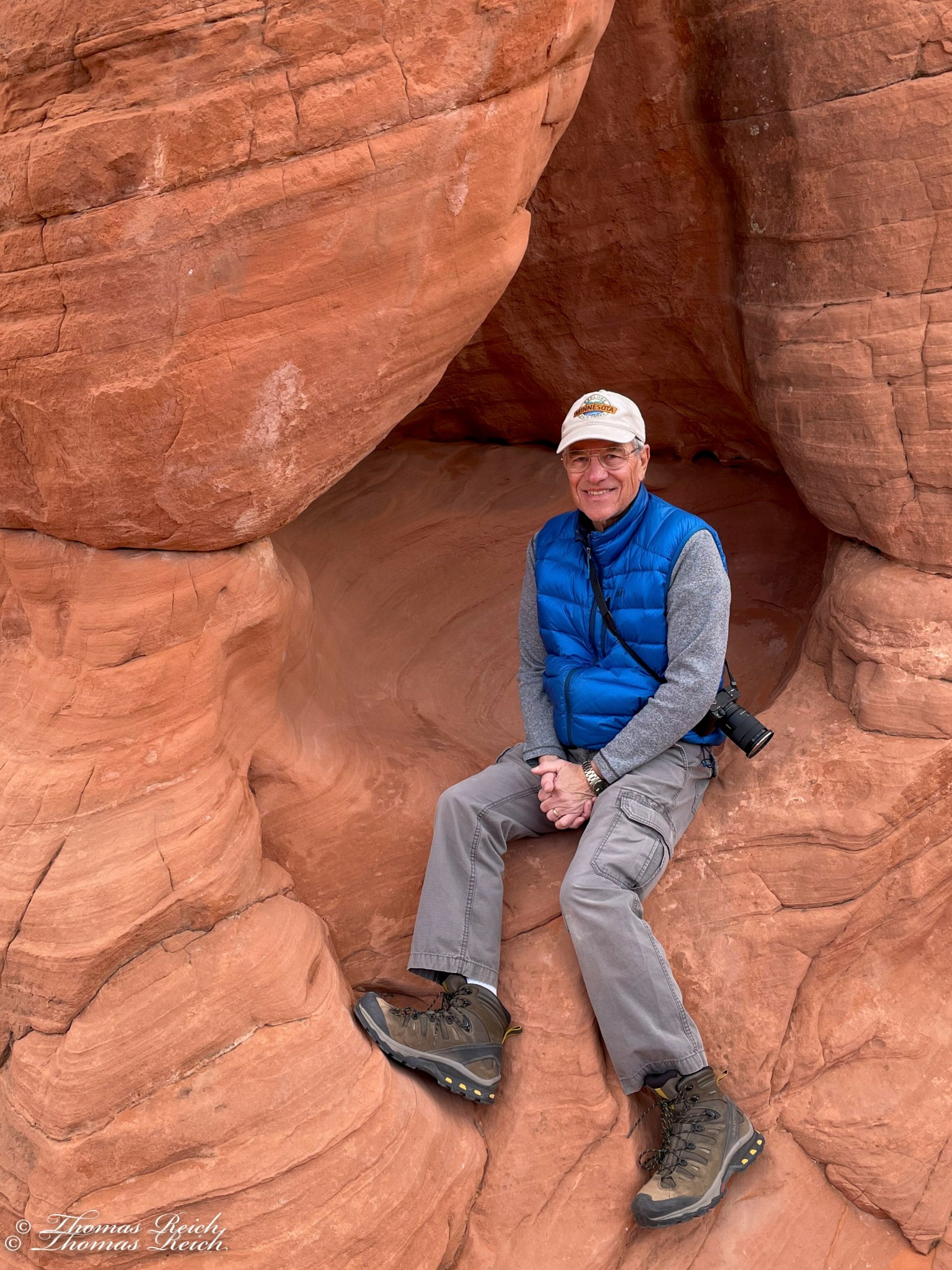
Image Credits
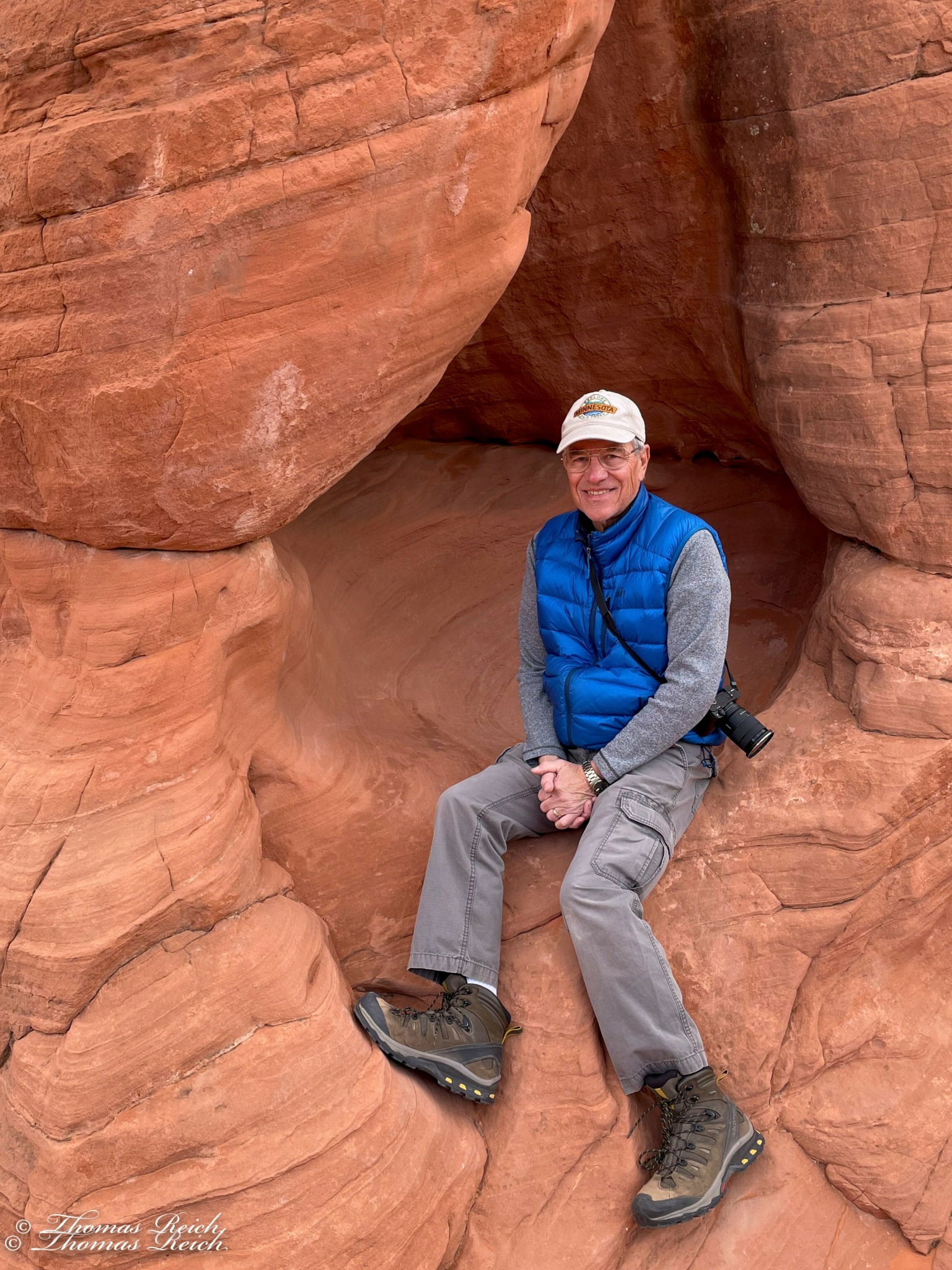
All the images are mine and mine alone, the photo of myself shows me sitting on a red-rock wall. One photo shows a young lad looking through 2 kaleidoscopes, at one time, at my booth in an Art Crawl. He is not identifiable.