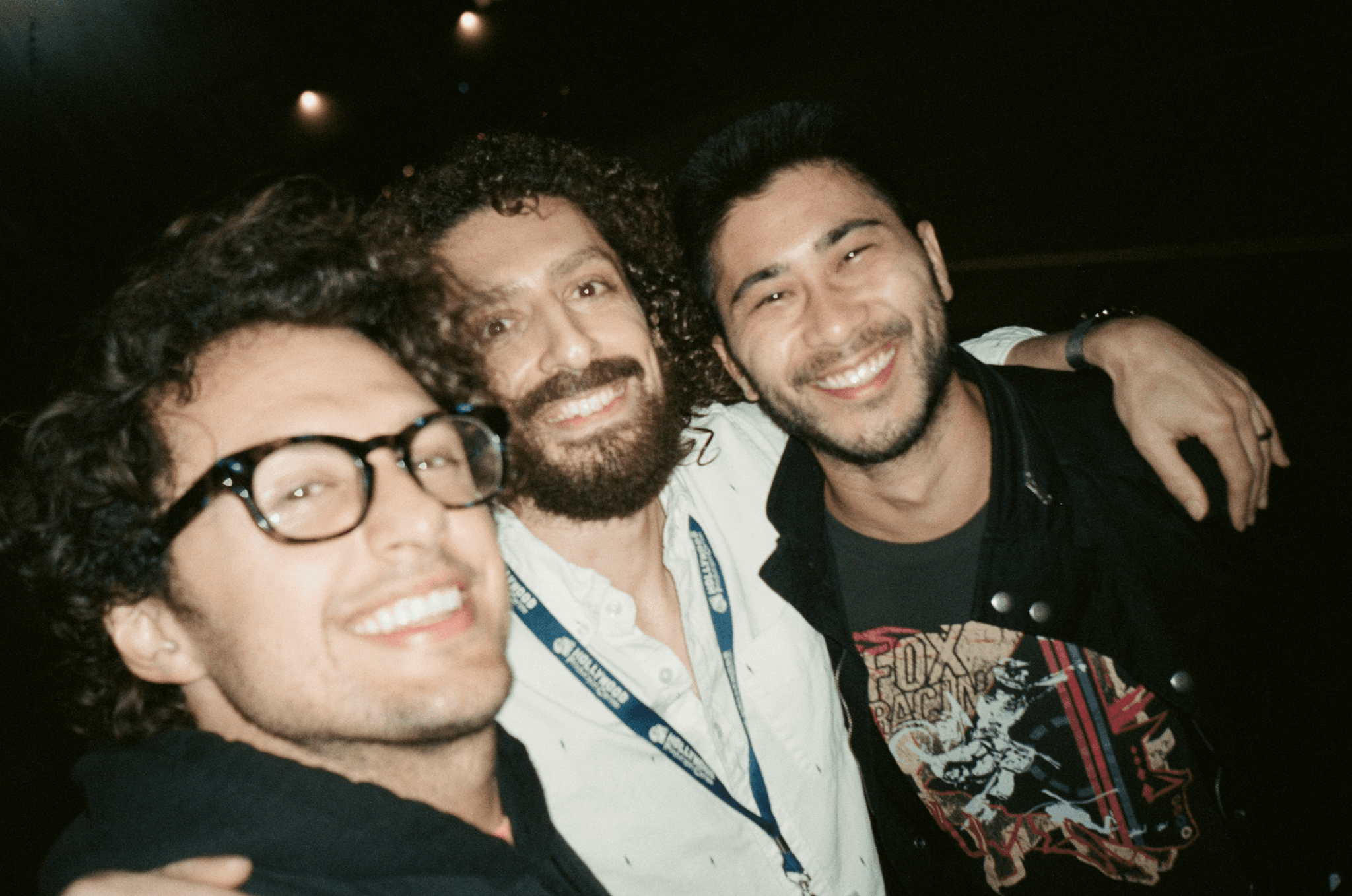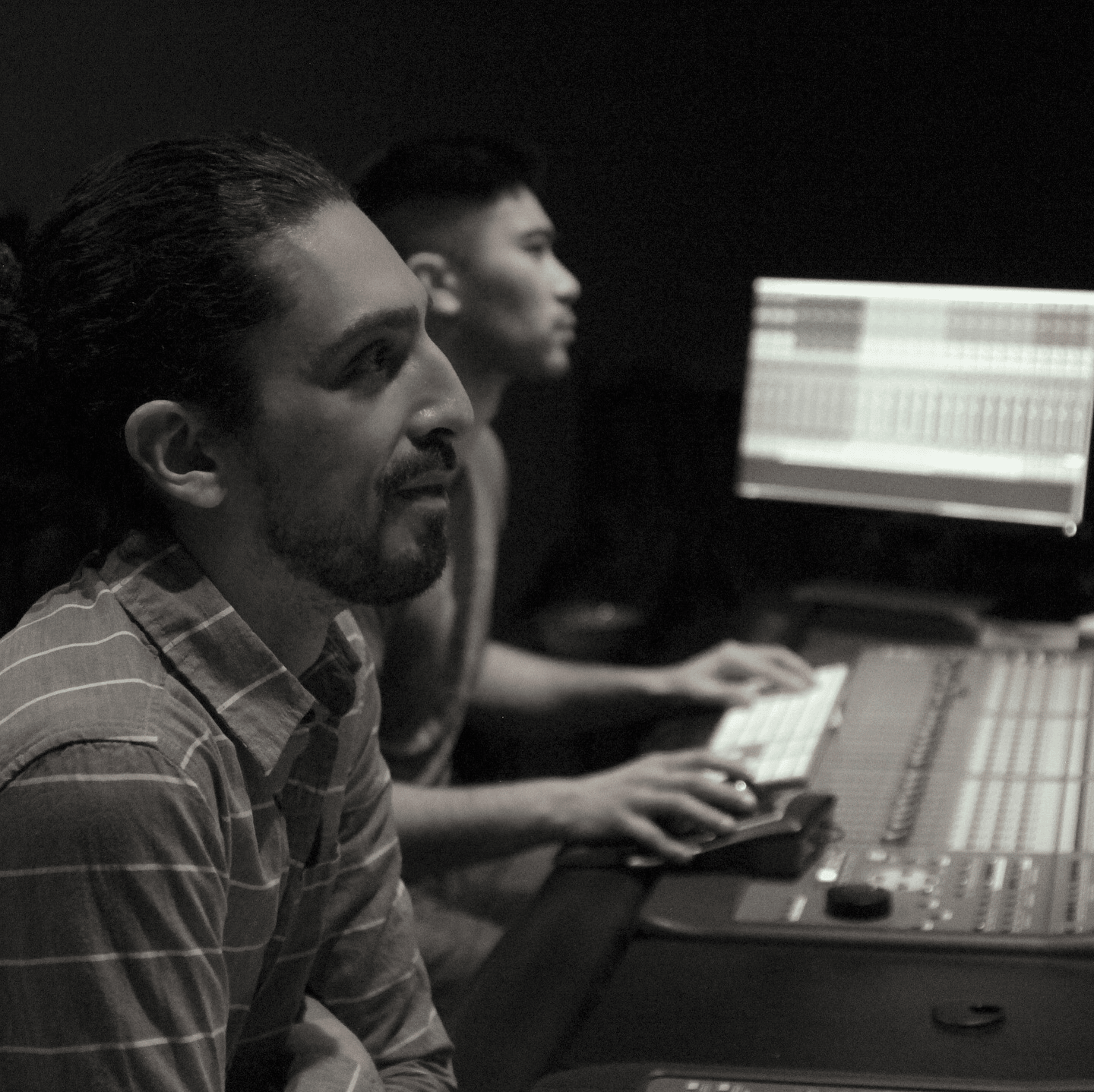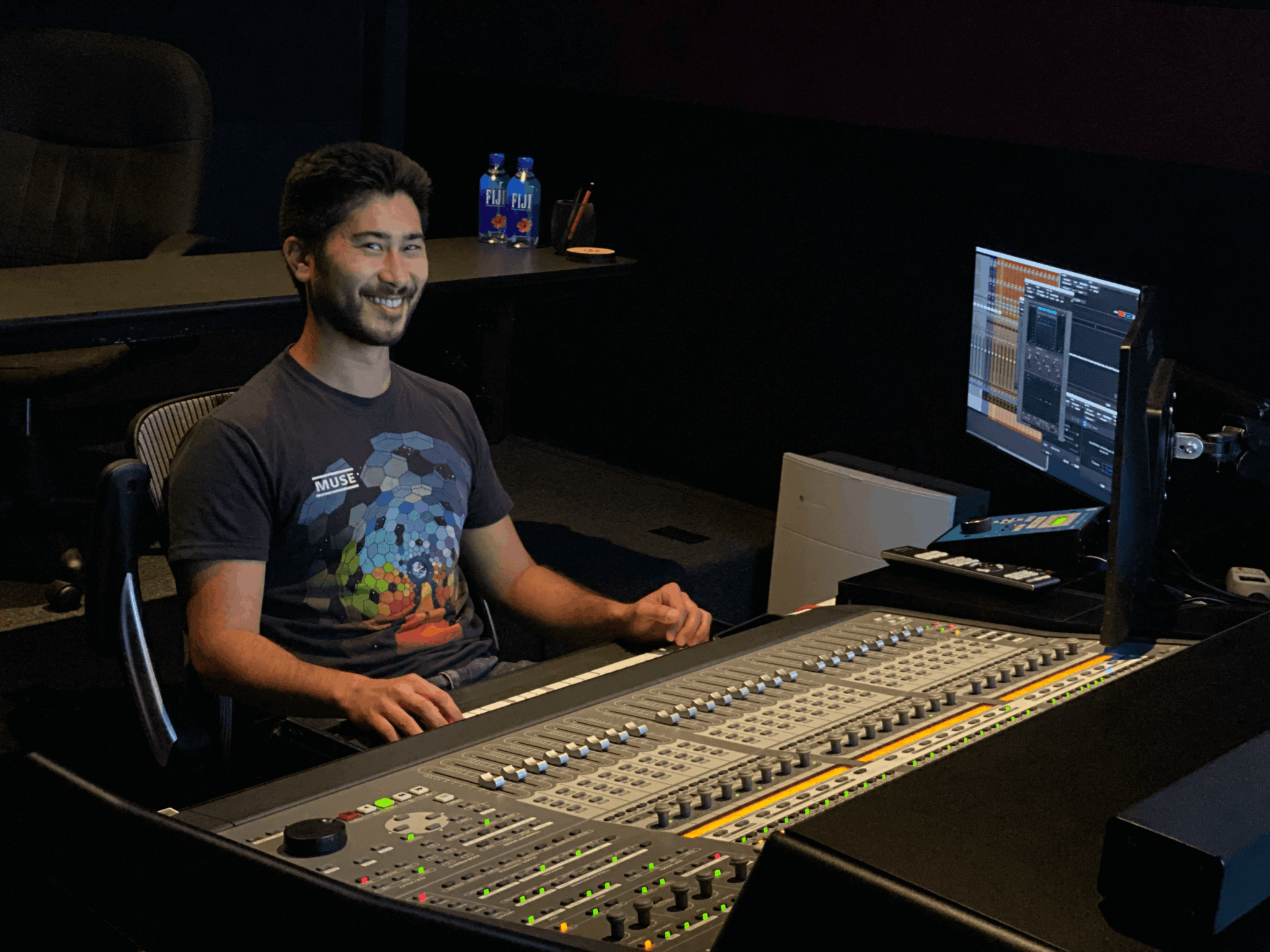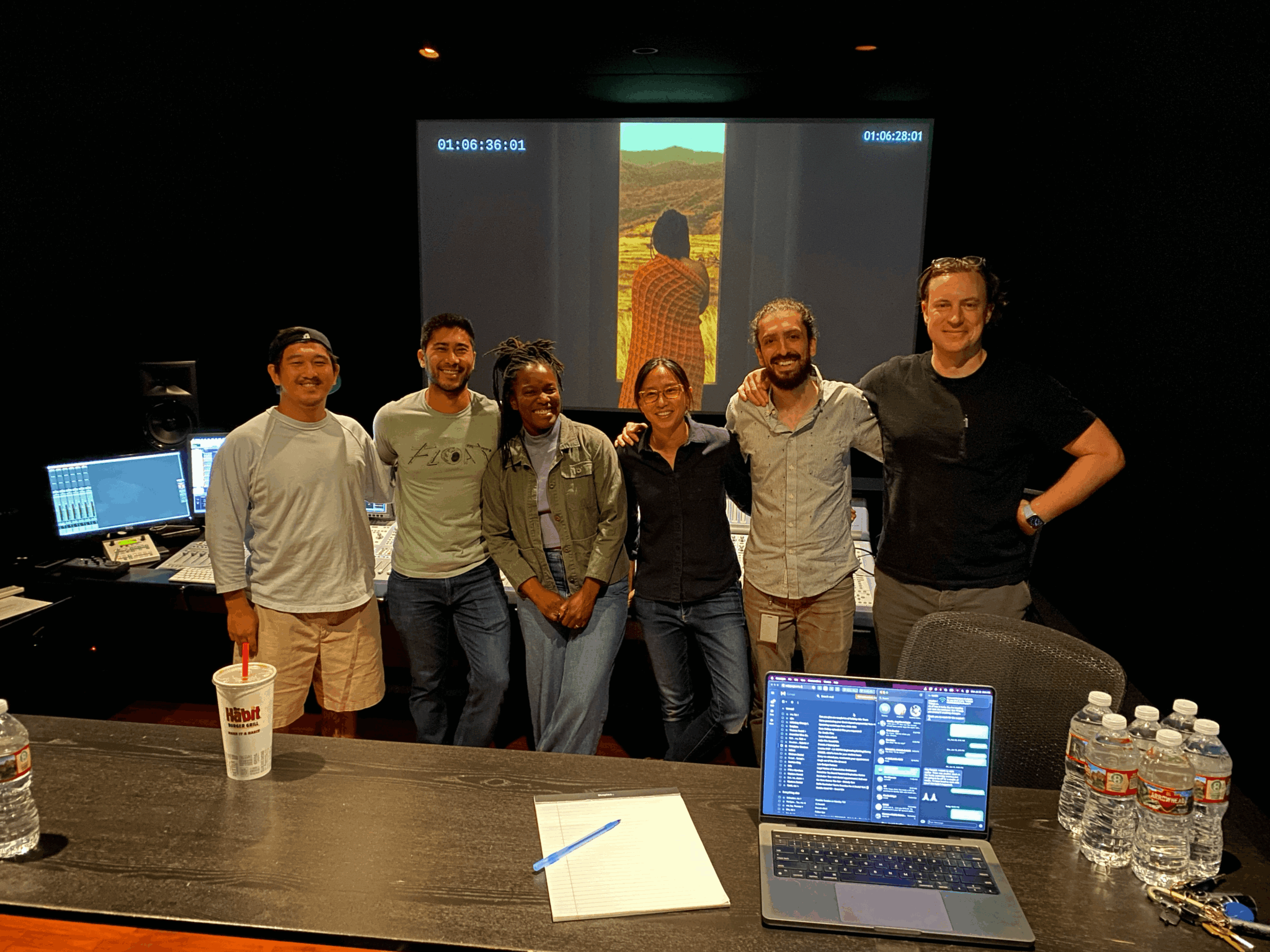

We recently connected with Thomas Ouziel and have shared our conversation below.
Alright, Thomas thanks for taking the time to share your stories and insights with us today. What’s been the most meaningful project you’ve worked on?
The beauty of this field is that there are a multitude of meaningful projects that all hit home in different ways. Every narrative film is coming from directors with different perspectives and with personal stories to tell, all influenced by their unique life experiences. Our job as sound designers is to delve deep into the heart of each of their stories and find a way to evoke the underlying tone and experience they’re trying to capture. Trying to understand all the elements that constitute their vision is a core tenet of our work – the themes, the psychology, the humanity behind their stories.
The most meaningful film I’ve worked on was a film called ‘Northern Shade’ for both professional and personal reasons. It’s an incredibly well made film that from a story perspective deals with multiple interesting and relatable themes as well as complex well-realized characters. Soundwise, it goes between a naturalistic aesthetic and a more surreal one which was not only fun to work on from a sound perspective, but an incredible challenge to find the right balance of objectivity and subjectivity. The main character, Jesse, is an army vet whose best friend was shot right in front of him in the war, and his friend’s ghost manifests himself throughout the film as both a torment and a guide. These sequences required us to subtly fall into Jesse’s subjective so that his friend still felt ‘real’ to him, but also had an otherworldly aura.
The story deals with grief, guilt and struggling to overcome it, while also exploring the idea of a person’s purpose. Jesse has become mired in grief and is aimless until he learns of his brother’s disappearance, with the only clue being his brothers’ car that was found burnt to a crisp. This finally sets him in motion to protect the only person he cares about anymore. I truly related to this story as an older brother myself, and the feeling of responsibility you feel towards a younger sibling. When he finally finds his brother, he has been co-opted into a group of domestic terrorists who are intent on leaving their mark. As kids their father was a drunk who left them, and when Jesse joined the military and headed off for the war, his brother had felt abandoned and with nobody to help guide his direction. The group he joins is comprised of similarly aimless people – they’re just looking for something to believe in, with people to care for and who care for them. This also hit home as something we’re seeing more and more of in the world today, with many people grasping for like-minded people anywhere they can find them. It’s incredibly relatable and it’s sad to see the depths to which people will go to find ‘their people’ when no other alternatives are presented to them. One of the things I truly appreciate about this film is that all the characters in the film are flawed, but all are just trying to do their best, even when they fail. Everything from the characters to the themes really resonated with me and it’s the kind of film that made me want to go into filmmaking in the first place. Beyond the strength of the movie itself, we were also able to mix this film with one of my sound heroes Don Sylvester (Walk the Line, Logan, Ford v Ferrari) and it was an unforgettable experience to hear his thoughts and his approach to sound design. It meant alot to hear him compliment not only our work, but also the story and experience driven reasoning behind the choices we were making.
At the core of it, my favorite stories are not filled with Hollywood endings, they contain genuine humanity in all its flaws. The characters are not boring archetypes, they aren’t black and white, they live in that grey space in between – sometimes people are selfish, sometimes people make poor decisions and have to live with the consequences.
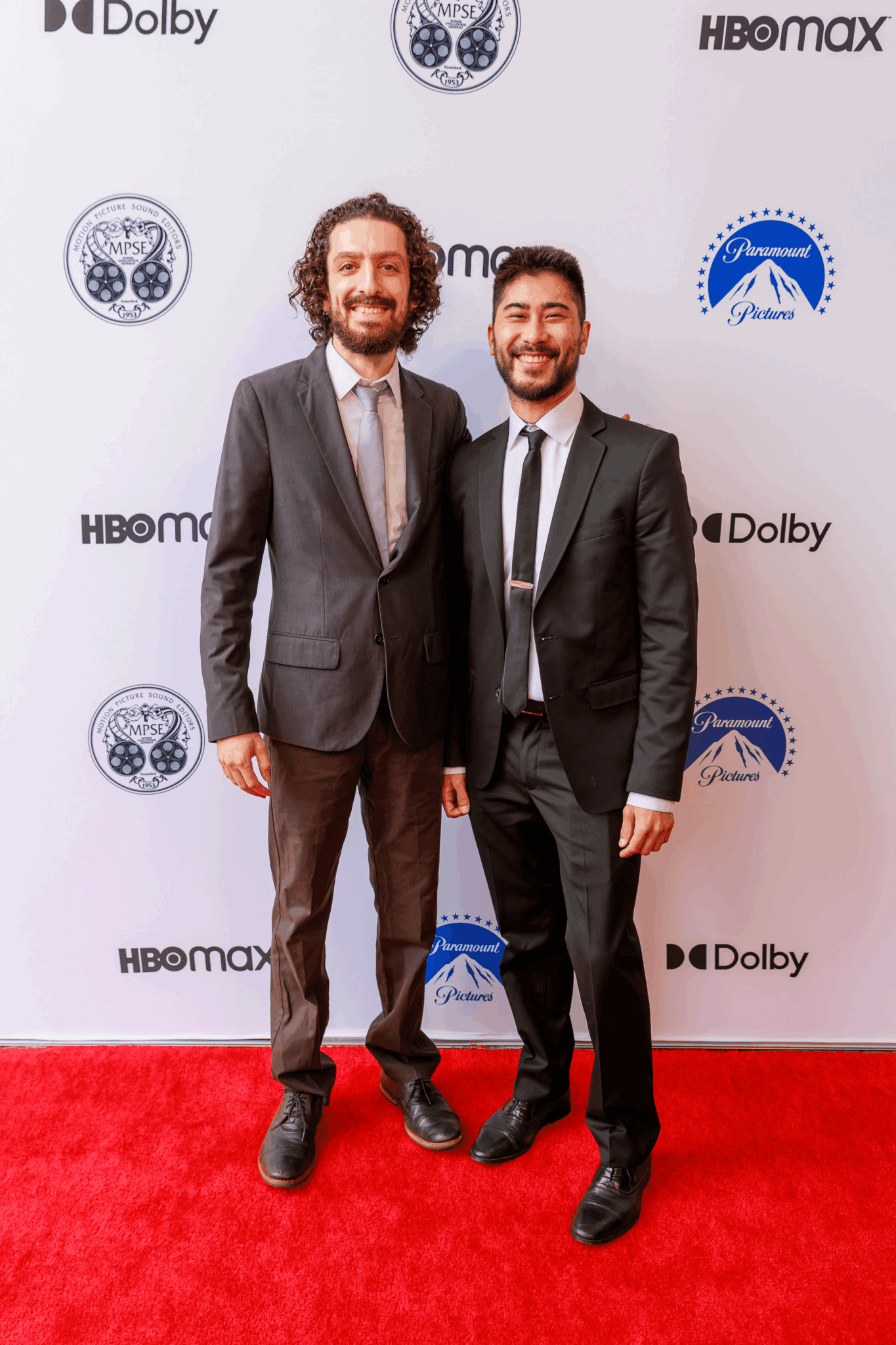
Thomas, before we move on to more of these sorts of questions, can you take some time to bring our readers up to speed on you and what you do?
Ever since I can remember I have been powerfully affected by story – growing up I loved reading and my family was always watching movies of all kinds. I loved losing myself in another world that felt as real and tangible as our own. As I grew older, my brother and I took that passion and started to do VFX for fun in our spare time – teaching ourselves After Effects and Photoshop and constantly working on little films and VFX tests. I grew up playing piano which gave me a deep appreciation for the effect that music and sound had on me. That love of storytelling brought me to film school, initially as a writer and director. Eventually, I found my way towards sound design as I was teaching myself guitar and how to record and mix whenever I wasn’t learning about filmmaking. I began to appreciate the subconscious effect that the art had on the film going experience. Even though writing and directing didn’t end up being my main focus, it was instrumental in developing my skills to use sound in service of story and in maximizing the potential of a directors’ vision.
While there are a lot of technical skills involved in our business, it is the creative aspect and ability to communicate with the directors I work with that allow me to really bring forth their stories in the best way possible. After school I was lucky enough to intern with Dane Davis, the sound designer of the Matrix, and among the many lessons I learned from him was that directors do not want to talk about sound tools – they want to discuss story, characters, themes – the things that make up the heart of their film. Because I came from that way of approaching and breaking down story, it has made it much easier to truly get to the deepest parts of their stories and then to translate those feelings into a soundscape that can resonate and ameliorate their work.
While I started out as a freelancer, I was lucky enough to work with a composer friend of mine, Hamed Hokamzadeh, who shared a similar mindset and vision. Together we have since built our business, MelodyGun Sound Studios, based on the core idea of putting story first. We work diligently to keep this front of mind no matter the project – whether it’s a narrative feature, a commercial, a music video, etc, all of them are telling a story to their audience and it’s our job to bring that to life in the most effective way possible. Sometimes that means getting our labcoats out and getting experimental, and other times that means knowing how to stay out of the way to get the most out of a performance or to streamline the clarity of the message the piece is trying to get across. Sometimes choosing to NOT have a sound can be the correct choice – as long as it is a deliberate choice we’re making to achieve a certain result.
I’m incredibly proud of what we’ve built over the years – going from home studios to a full fledged studio in Hollywood where we can provide all the services we need from ADR, to Foley, to Mixing. Having our own company also means we get to hire people we believe in who match our tastes to do the best work we can. We always believe that if we take on a job, it needs to reach our standards – there are no shortcuts because every project is a representation of us. You hope that people may have seen our vast and varied filmography, but many times somebody will only have seen one of our films and it’s important that we’re proud of all the work we do and that we didn’t leave any stones unturned. We’ve been lucky to fulfill many bucket list items like mixing at Skywalker Ranch and working with many Oscar winners like Don Sylvester and Mark Mangini, and it’s always gratifying to hear that they share the same story-first mentality that we do.
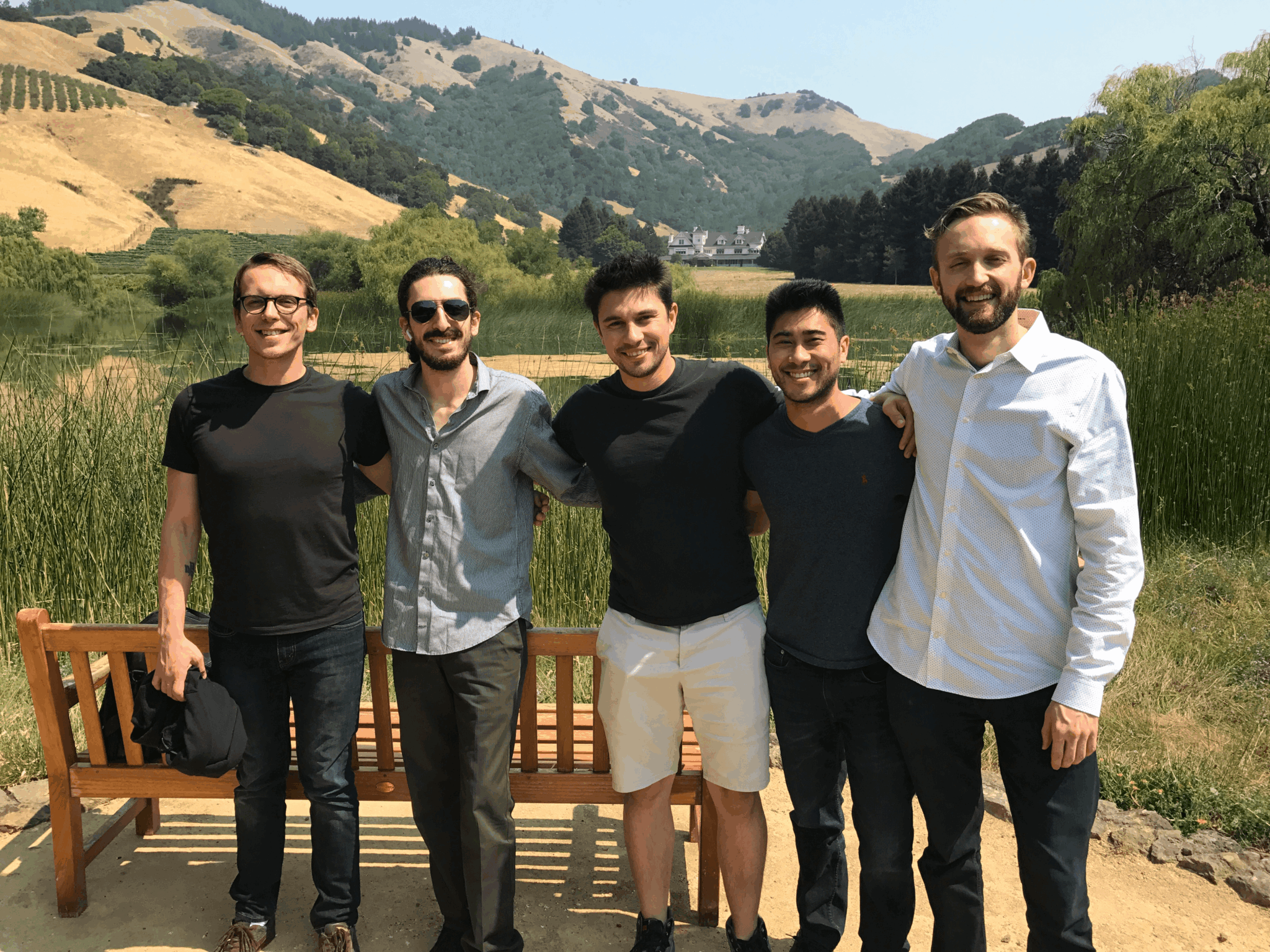
Can you tell us the story behind how you met your business partner?
I met Hamed right out of film school when we were both working on a short film. He was the composer attached to the project and I was sound designing. When I first heard the score he was working on, I was impressed. It wasn’t showy for its own sake, but also showed alot of ingenuity in its creation. When I met him at the mix, we got along famously and it was clear that our tastes were very similar, and even when they differed, we each had the ability to communicate our perspectives and reasoning for our approach. We were very complementary from the beginning.
Our friendship grew as we started hanging out more and started biking around Pasadena. Eventually we both realized that freelance was making it hard to really make the most out of our opportunities as it required so much energy to be both creative with the projects we had, but also to hustle and find projects. We decided to join forces with the idea being that we would able to work together to create a full sonic vision with both score and sound.
As our company evolved into a strictly post-sound studio, Hamed decided to focus on the sales, sound supervising and managing our studio. What makes him a great partner is that he has the creative background to know what we need and how to work with creatives, while also having the gusto and drive to be a force on the business front. It’s been a great partnership, as we are complementary in our mindsets and both incredibly diligent and detail oriented as well as open to hearing each other out to get the most well-rounded perspective on our business endeavors. Being able to trust each other in our roles has allowed us to truly maximize each of our potentials.
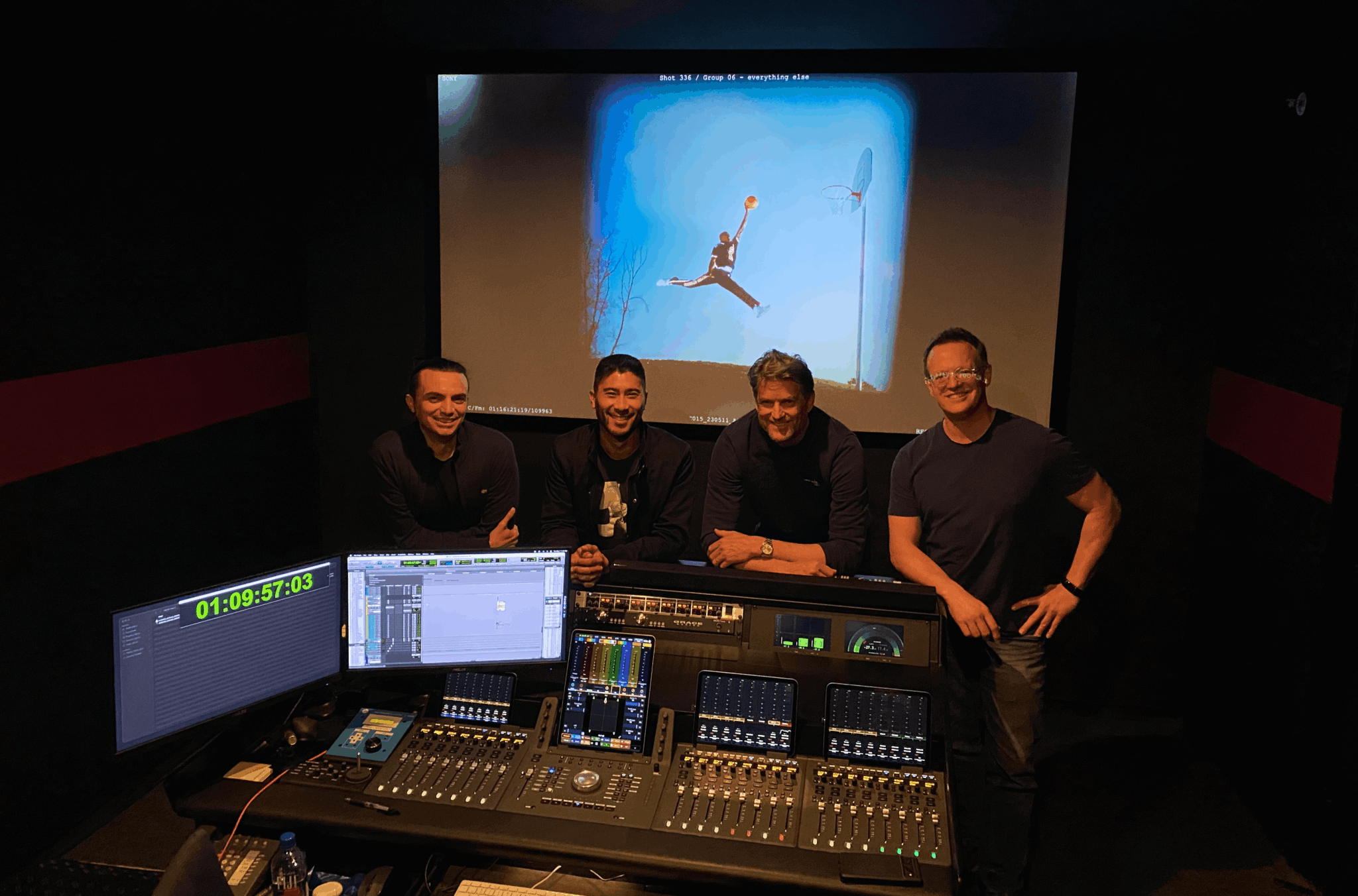
Any advice for managing a team?
I think one of the key elements of managing a team is to give them ownership over their role. The more a person feels like they are being asked to truly contribute, the better work they will produce. I always like to think of human beings as natural puzzle solvers – they seek to overcome challenges that push them to be at their best.
It’s also important to develop good instincts for how every individual might need to be pushed in different ways. My experience as a director has come into play here, as one of my favorite parts of that role was the challenge of figuring out each crew/cast members’ nuances and how to get the most out of them. Some people do better when you nudge them in a certain direction with clear goals but very little hand holding, while others want more specificity in your notes to them. There is no one-size-fits-all. However the one constant is to treat your team with respect and utilize constructive criticism rather than belittling them. If you start yelling at people or telling them their work is just bad without any constructive elements, the vibe will shift and you’ll never get their best work. The best work, especially in a creative field, exceeds your expectations while still hitting the goals you were looking for.
One of favorite collaborators, who we just finished working with on their latest feature, recently spoke to IndieWire about the importance of creating a community with your team (https://www.indiewire.com/features/general/every-film-production-community-guidelines-shatara-michelle-ford-1235031331/). Their team highlights the idea of working without judgement to facilitate a real bond between the various departments, and fostering a mentality of ‘all hands on deck’ rather than just trying to finish their tasks. This approach extended into post and allowed for a fantastic collaborative experience that allowed us the creative freedom to thrive while also keeping it within and even exceeding the director’s original vision.
Contact Info:
- Website: https://www.melodygun.com
- Instagram: https://www.instagram.com/melodygun/