

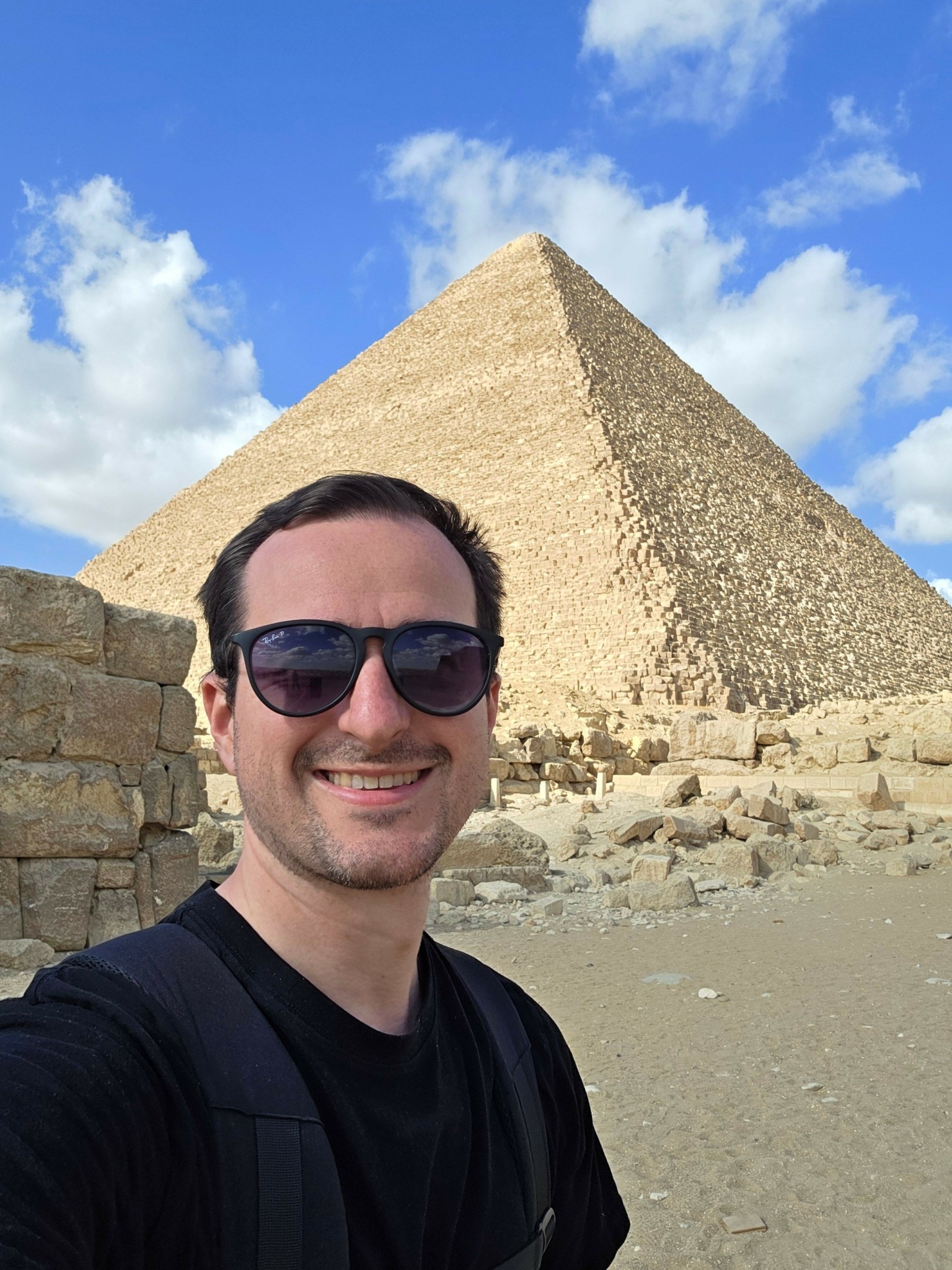

We recently connected with Thomas Gio and have shared our conversation below.
Thomas, thanks for taking the time to share your stories with us today What was it like going from idea to execution? Can you share some of the backstory and some of the major steps or milestones?
I started by noticing something simple: most SMBs were overwhelmed by marketing complexity and wasting time on repetitive tasks that could be automated.
At first, I didn’t build a huge agency or raise money. I focused on understanding where AI could create immediate ROI for businesses — lead generation, follow-up, customer support, appointment booking, and internal automations.
The first step was validating demand. I spoke with business owners, analyzed their bottlenecks, and realized they didn’t want “AI.” They wanted more revenue, less manual work, and faster operations.
So I positioned the company around implementation, not hype.
From there, I built simple service offers:
* AI-powered lead generation systems
* automated follow-up workflows
* AI customer support
* CRM and sales automations
The early days were very execution-heavy. I had to figure out:
* which AI tools were actually reliable
* how to integrate them into existing business workflows
* how to simplify onboarding
* how to explain technical concepts in business terms
* how to prove ROI quickly
Instead of trying to serve everyone, we focused on SMBs because they move fast and can see operational gains immediately.
Once we got initial client results, growth became easier through referrals, case studies, and better positioning. Then it became about systemizing delivery, improving automations, and building scalable processes internally so we could handle more clients efficiently.
The biggest shift was realizing that businesses don’t buy AI — they buy outcomes. Once we focused entirely on measurable business impact, the company started scaling much faster.

Thomas, love having you share your insights with us. Before we ask you more questions, maybe you can take a moment to introduce yourself to our readers who might have missed our earlier conversations?
I’m the founder of an AI automation and marketing implementation company focused on helping SMBs grow faster without adding more chaos to their operations.
I got into this industry through years of studying online business, customer acquisition, funnels, automation, and consumer psychology. Over time, I realized that most business owners were drowning in repetitive tasks, missed leads, inconsistent follow-ups, and operational bottlenecks. A lot of companies don’t actually have a lead problem — they have a system problem.
That’s what pushed me toward AI implementation.
Today, our core product is an AI Concierge designed for professionals and service-based businesses. The idea is simple: business owners should focus on their expertise and their clients, while AI handles the repetitive operational layer that slows growth down.
Our AI systems help businesses:
* generate and qualify leads
* respond instantly to prospects
* automate follow-ups
* book appointments automatically
* reactivate old leads
* improve customer communication
* reduce manual workload
* create a more scalable acquisition process
What makes our approach different is that we don’t sell “AI hype.” We focus on business outcomes.
A lot of companies are talking about artificial intelligence right now, but most business owners don’t care about the technology itself. They care about getting more clients, saving time, increasing revenue, and removing friction from their day-to-day operations.
So instead of overwhelming clients with technical complexity, we build practical systems that integrate directly into their business and produce measurable ROI.
One thing I’m particularly proud of is our philosophy around simplicity and execution. I’ve always believed that the best systems are the ones that feel invisible to the client. If a business owner can wake up to booked appointments, faster response times, and smoother operations without constantly managing the backend, then we’ve done our job correctly.
Another important part of my journey has been understanding both marketing and automation deeply. A lot of AI companies are technical but don’t understand sales psychology or acquisition. On the other side, many marketing agencies generate leads but don’t solve operational inefficiencies. We focus on combining both worlds together.
At the end of the day, our mission is very straightforward:
help businesses reclaim their time, streamline growth, and let AI handle the repetitive work so they can stay focused on what they do best.
We often hear about learning lessons – but just as important is unlearning lessons. Have you ever had to unlearn a lesson?
One lesson I had to unlearn was the idea that great salespeople are somehow “born different” or naturally persuasive.
Early on, I thought selling was mostly about charisma, pressure, or having the perfect pitch. But over time, I realized that the best sales actually happen when you deeply understand the client’s problems and focus obsessively on creating the best possible solution for them.
Once you have a strong offer that genuinely solves a painful problem, sales becomes much more natural.
I learned that almost anyone can become a strong salesperson if they:
listen carefully,
understand what the client truly needs,
ask the right questions,
and focus on delivering real value instead of just “closing.”
That completely changed my perspective on business. Instead of trying to become a “better talker,” I became more focused on improving the product, improving results, and understanding customer psychology at a deeper level. Ironically, that made selling much easier.

Has your business ever had a near-death moment? Would you mind sharing the story?
One of the toughest moments in the business came during a period where several clients delayed payments at the same time. From the outside, things looked fine, but internally it created a lot of stress because I still had responsibilities toward my team and operational costs to manage.
I remember being at a crossroads where I basically had two options:
either take on debt to cover the gap, or generate more revenue quickly.
I chose the second option.
Instead of panicking, I went back to existing clients, reconnected with them, analyzed where they were struggling next, and created tailored offers designed to help them get even better results. Because the trust was already there, those conversations converted much faster than trying to acquire completely new customers.
That experience taught me an important lesson: in difficult moments, relationships and value creation matter more than panic. Sometimes the fastest way to solve a business problem isn’t to cut back — it’s to create more value for the people already in your ecosystem.
Contact Info:
- Website: https://www.blogriche.com
- Instagram: https://www.instagram.com/thomas_blogriche/?hl=fr
